Skoda Superb Review (2015-2023)
Skoda Superb cars for sale
4.0
Expert review
Pros
Hugely spacious and practical for passengers and luggage
Comfortable and relaxing on long journeys
Wide range of engines
Cons
Relatively unexciting to drive
Faults with DSG can be very expensive to fix
The CarGurus verdict
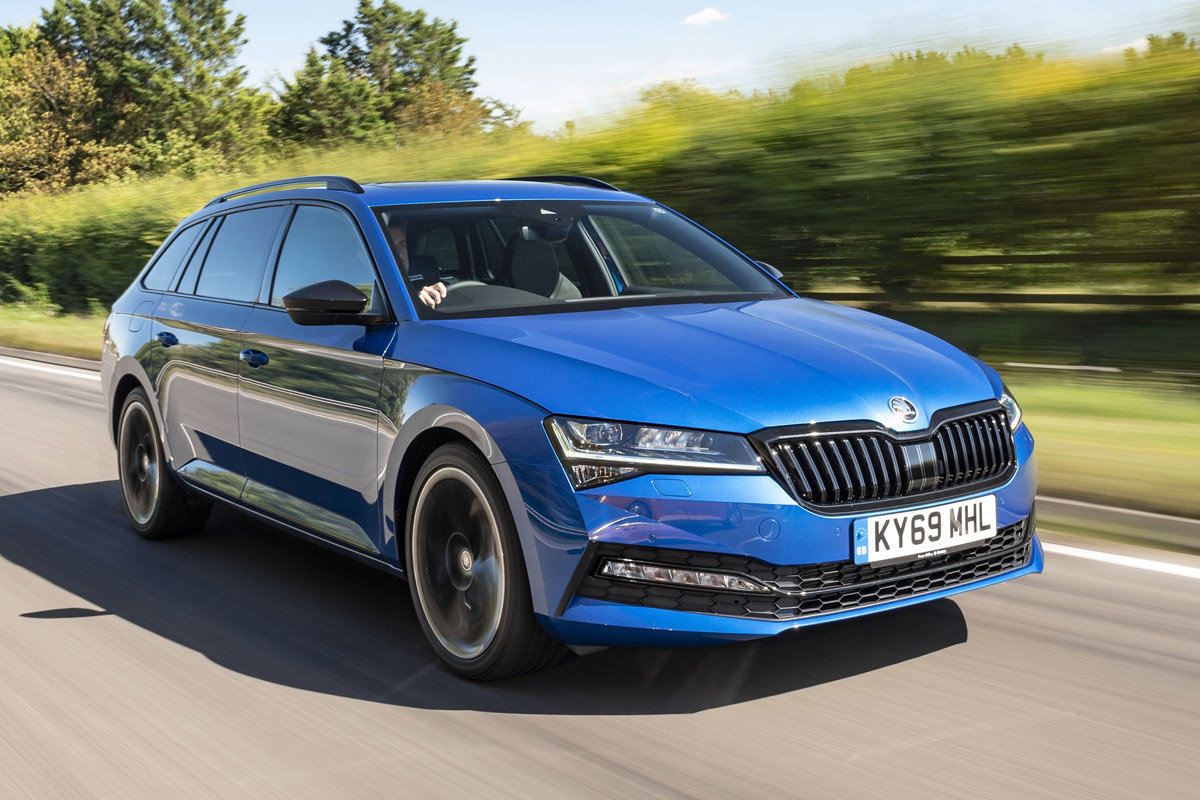
Skoda’s third-generation Superb is a big, practical and affordable car that won’t cost a fortune to run. It’s also finished to a high standard, well equipped, comfortable and relaxing to drive.
While it ticks a lot of boxes, however, some competitors have an edge in specific areas. Buyers seeking a bit more flair on the driving experience front will probably prefer a Mazda 6 or BMW 5 Series, for example, while an Audi A6 or Mercedes-Benz E-Class serves up more cachet and designer appeal. However, if you just want an accessible, sensible and eminently capable large hatchback or estate, you'll be more than satisfied with a used Skoda Superb.

What is the Skoda Superb?
The Superb is a (very) large family car from Skoda, offered in both hatchback and estate body styles. In that regard, it rivals cars such as the Audi A4, BMW 3 Series, Mazda 6, Vauxhall Insignia, Volkswagen Passat and Ford Mondeo.
This review focuses on the third generation of Superb, dubbed B8 and introduced in 2015. It’s a strikingly different car from the preceding generation, and used the modern Volkswagen Group MQB platform as its base.
Smartly styled, and available with an engine range that includes petrol, diesel and plug-in hybrid, the Superb can be a good used buy.
How practical is it?
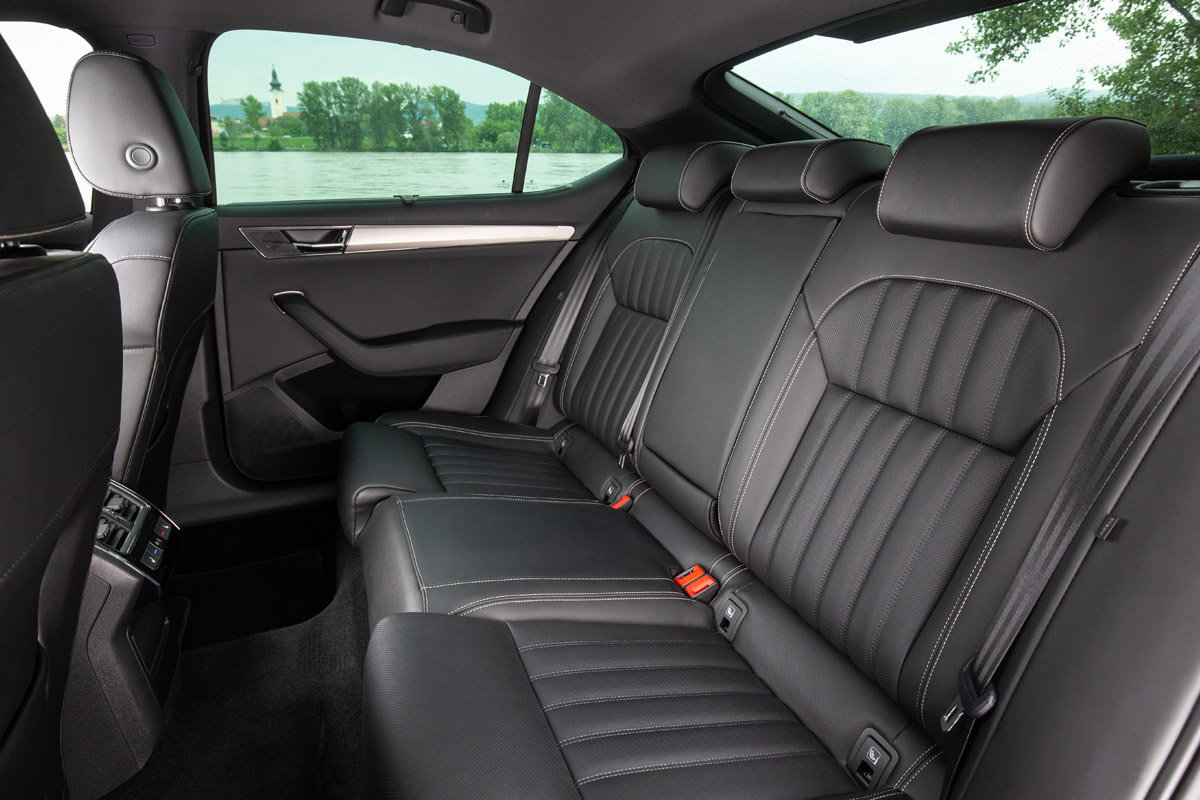
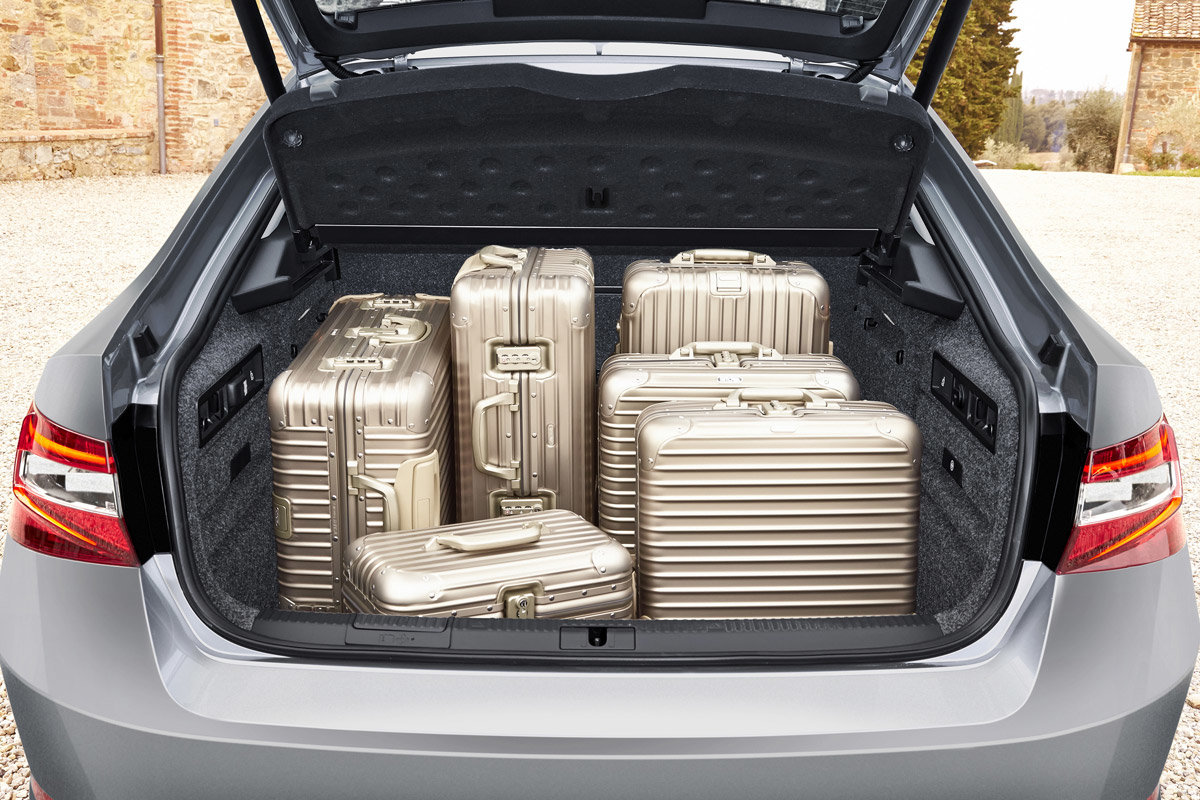
The Superb has always been a highly regarded and spacious car and this, the third-generation model, continued that trend. For starters, it offers a huge amount of interior space, which makes it a great choice for those seeking an accommodating luxury hatchback or an eminently practical family car. Two adults, for example, can comfortably sit in the rear row with legroom to spare, and even fitting three people in isn't a problem.
There’s a vast 625-litre boot in hatchback form and an array of modern technologies. Skoda added neat little touches such as an integrated umbrella in each of the front doors, too, instead of just the previous one in the rear left-hand door.
A Superb Estate was introduced not long after the hatch, which offered an even more impressive boot capacity of 660 litres, as well a host of practical touches, making it ideal for buyers with larger families. In fact, we rate it is one of the most practical used cars you can buy.
What's it like to drive?
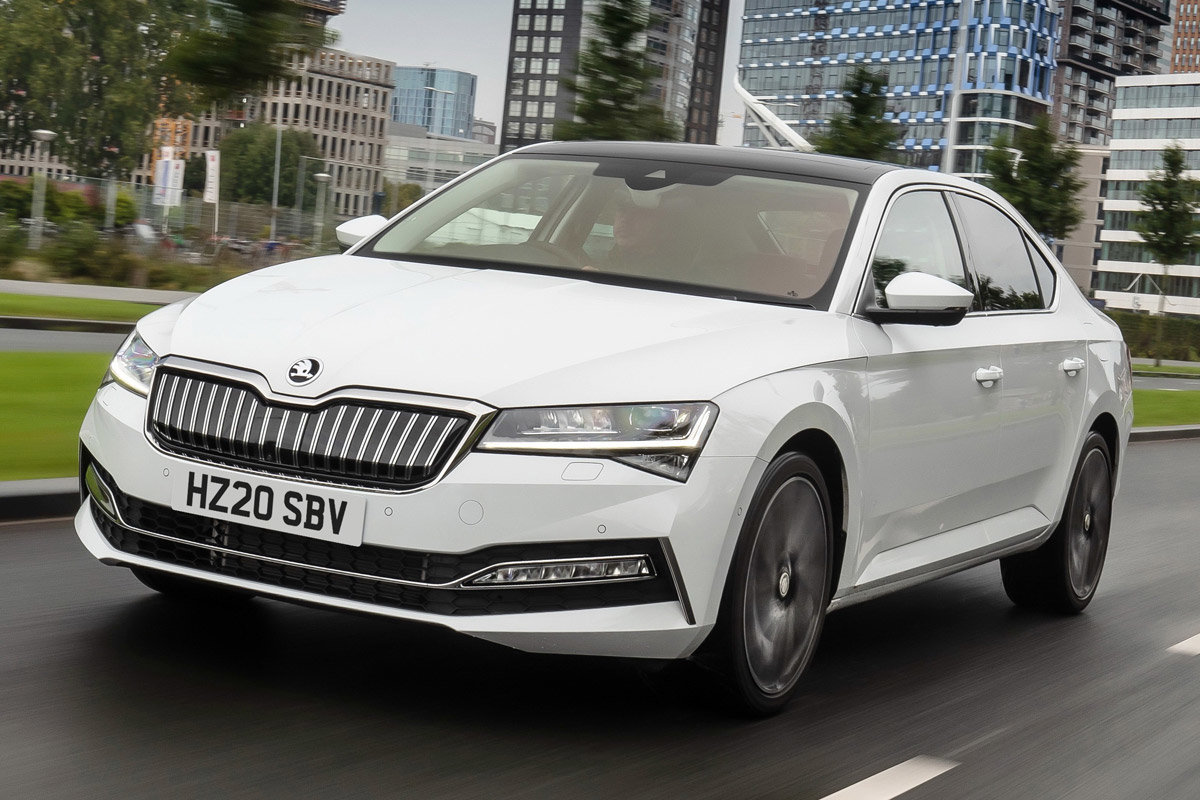
The Superb’s a good car to drive. It’s relaxing, refined and composed, with the suspension doing a very solid job of ironing out bad road surfaces. Cars on bigger wheels aren't as cosseting as those running on smaller items, but no Superb is uncomfortable.
And despite it's size, the Superb is even pretty wieldy in the corners, with strong grip, decent body control and accurate steering. Granted, it doesn't deliver the outright driving thrills of a BMW 3 Series or Mazda 6, but most buyers won't give a hoot about that, preferring instead to settle for a calm and sophisticated experience.
An array of petrol and diesel engines were available initially, including turbocharged 1.4- and 2.0-litre TSI petrol engines and a muscular 2.0-litre TDI diesel in various outputs. Manual and DSG automatic gearboxes were offered, too, and all-wheel drive was also available on some derivatives.
The engine range - along with many other factors - was spruced up as part of a facelift in 2019. Importantly, there's not a bad option among the engines available. The four-cylinder diesel engines aren’t the most refined, but they do deliver excellent economy and a long range. If you want the quietest experience, go for one of the TSI petrol versions.
The petrol-electric plug-in hybrid variant, called the Superb iV, is quick, clean and claimed to average up to 217.3mpg in WLTP testing (although that'll need an awful lot of pluggin in to achieve). Expect an electric-only range of around 30 miles.
Technology, equipment and infotainment
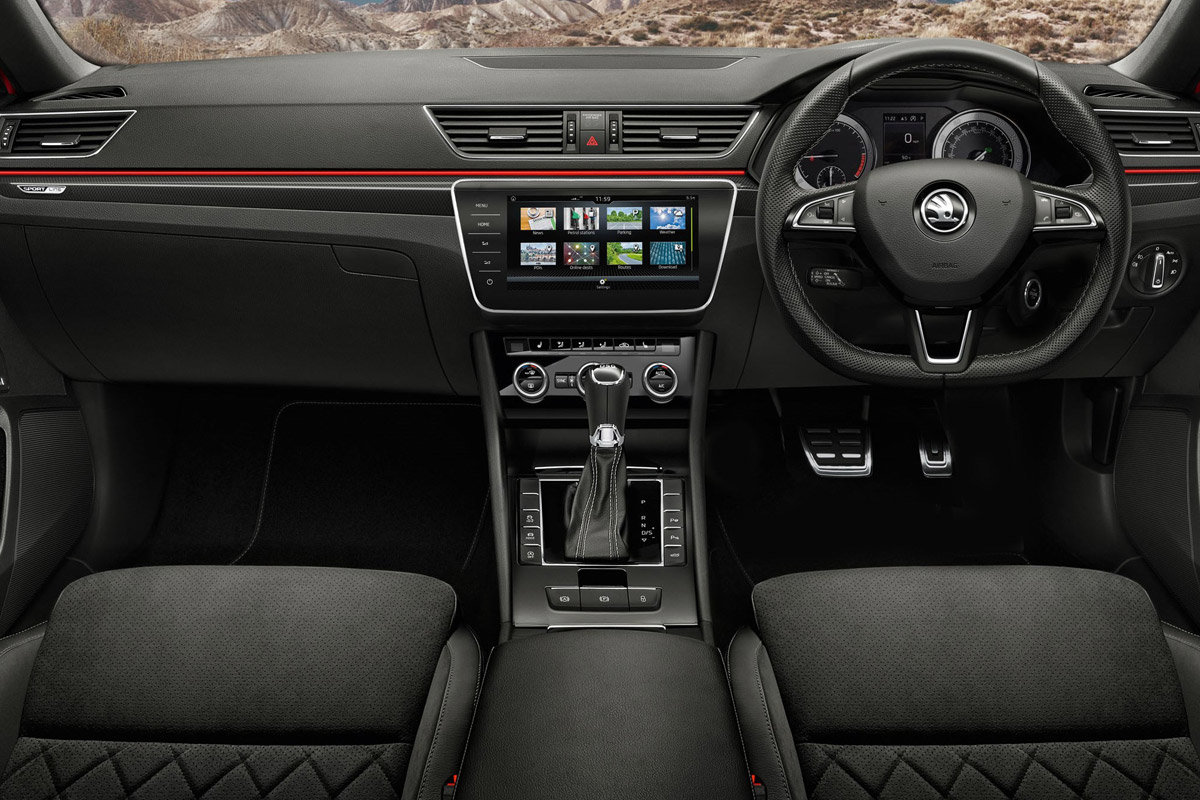
Initially, the line-up consisted of the S, SE, SE L Executive and the range-topping Laurin & Klement. Even the standard model was comprehensively kitted out, though, with features including air-conditioning, electric heated mirrors, a cooled glovebox, split-folding rear seats, Bluetooth, DAB, a 5.0-inch touchscreen media system and a trip computer.
The Superb also stands up on the quality front, featuring upmarket trims and a high standard of attention to detail. It’s not as flashy as rival offerings from companies such as Audi, but its subtle and straightforward nature will be appreciated by many.
Skoda facelifted the Superb in 2019, and the line-up has benefitted from some revisions and updates, so later models in particular remain an appealing option for those in the market for a large yet affordable used luxury hatch or estate.
The post-2019 facelift Superb range consisted of SE, SE L, SportLine Plus and Laurin & Klement models, which were available in both hatch and estate body styles. Standard equipment includes electric windows, dual-zone climate control, front- and rear parking sensors, electric folding mirrors and the eight-inch touchscreen Bolero infotainment system with Bluetooth and DAB. It’s worth stepping up to SE L trim if you can, though, as it adds adaptive Matrix front LED headlights, privacy glass, heated front seats, leather trim, an electrically operated boot, a better infotainment system and adaptive cruise control.
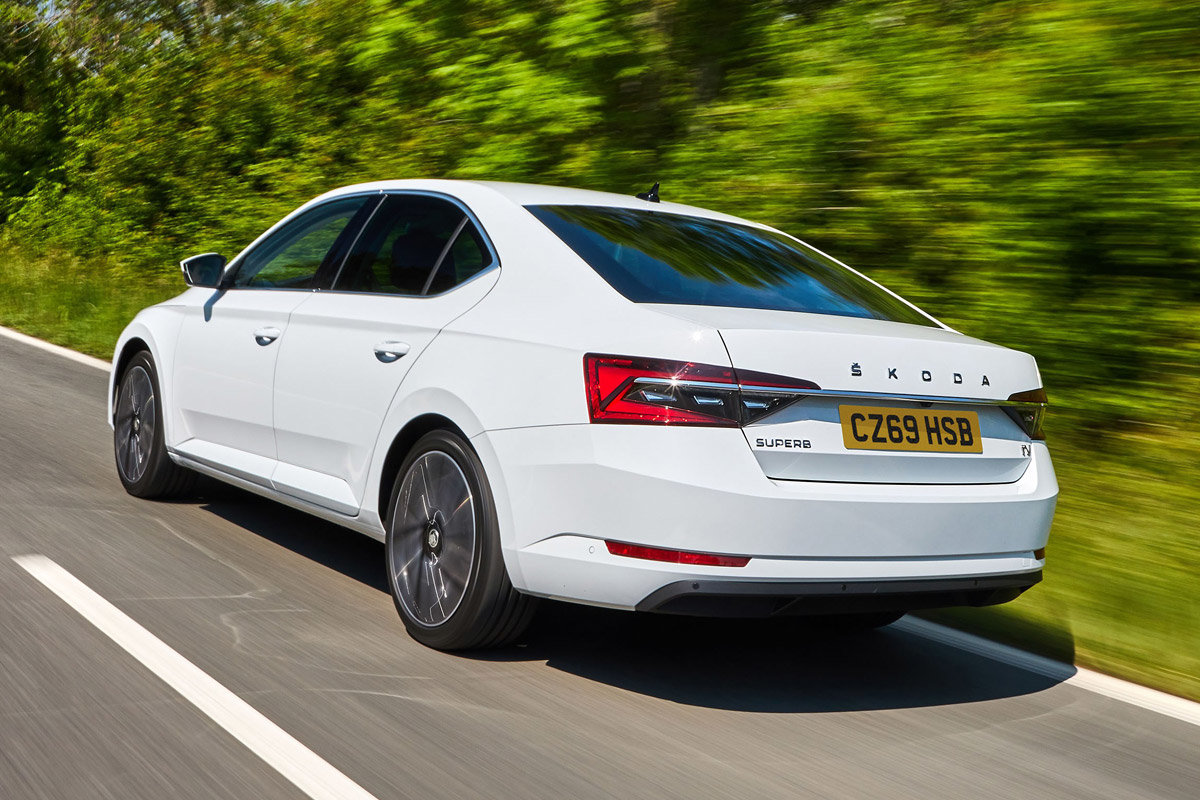
Skoda Superb running costs
Skoda Superb running costs will vary depending on which particular model you go for but, as a general rule of thumb, it’s an affordable car to run.
Most of the smaller petrol-engined versions are claimed to average in the 40mpg range, while most of the diesels are reputed to achieve around 50mpg on the combined WLTP test cycle. The common 2.0 TDI 150 option, for example, is reputed to average between 49.6 and 57.7mpg in SE models.
Even at the extreme end of the scale, if you go for a 2.0 TSI 280 4x4 DSG model, you’ll still get a car that’s claimed to be capable of an average fuel economy of up to 34.0mpg on the WLTP test cycle. Consequently, few owners should come massively unstuck when it comes to mpg or fuel costs.
Some of the cleaner early models can cost as little as under £50 in annual VED but most models were registered after 31 March 2017, when the taxation system changed, and so will cost the standard rate of VED of around £200 per year.
The expensive but low-emissions Superb iV plug-in hybrid, however, attracted a premium because its list price nudged over £40,000. Consequently, you’ll pay a premium on the car's annual VED bill until it's more than six years old, which could detract from your fuel-related savings a little.
Buyers can pick from two service systems: a fixed regime of a service every year or 10,000 miles, or a flexible regime that uses the engine’s sensors to detect when a service is required, which can be anywhere from 9,000 to 20,000 miles and up to 24 months. The fixed regime is best for those who use their Superb for lots of short journeys or around-town work, while the flexible option is better for those who spend lots of time commuting up and down motorways.
Skoda Superb reliability
When new, the third-generation Superb came with a three-year, 60,000-mile warranty. That’s the bare minimum buyers could've expected, and plenty of rival manufacturers did better, but extensions to four- and five years were available. You also got a three-year paint warranty as standard, along with a 12-year anti-corrosion warranty and three years of roadside assistance.
Skoda has a good reputation for customer satisfaction, and its extensive dealer network and an array of specialists now familiar with the Superb means that getting any issues looked at and resolved shouldn’t be difficult.
There have, however, been some reliability issues with the Superb that are shared with other VW Group cars, some of which can be very expensive to rectify. Prime among these is the DSG automatic gearbox, which in the worst case scenario can lead to a bill of £2,000-£3,000 to fix if it goes wrong. Paying for an oil and filter service on the gearbox every 30,000-40,000 miles is recommended as a precaution. In general, petrol Superbs have a better reputation for reliability than diesel models, and in the 2023 What Car? reliability survey finished ninth out of 24 models in the executive car class, versus the diesel Superb's 19th place ranking.
There have also been some glitches with the Superb's infotainment system, so ensure this is working as it should. As general used car buying advice, it's always a good idea to ask the supplying dealer if any necessary recall work has been carried out, as well as looking for a detailed service history with signs of regular maintenance.
- A facelifted Skoda Superb was introduced to the UK market in June 2019. It introduced the option of LED Matrix headlights, new assistance features such as predictive cruise control, a new grille, some additional chrome trim and detailing, a redesigned front bumper and new interior materials. Standard features for all models included LED front- and rear lights, seven airbags and a touchscreen infotainment system with DAB and voice control.
- One of the Superb's most appealing assets is its size-to-price ratio. In short, you're getting a car with the space to match a BMW 5 Series but for less than the price of a BMW 3 Series. That it is also well equipped and good to drive has helped to make the Superb a very highly-rated option in the large family car market.
- An array of conventional petrol and diesel engine options are available for the Superb, none of which are underpowered or inefficient. Even the entry-level 1.5-litre TSI petrol is claimed capable of averaging up to 47.1mpg in WLTP economy testing, and it can accelerate the big Superb from 0-62mph in 9.1 seconds.
- The best all-rounder: The post-facelift SE version of the Skoda Superb comes with a good amount of equipment but we’d aim for an SE L, primarily because it adds adaptive cruise control and powerful full LED Matrix headlights. The 1.5 TSI petrol is the best bet on the engine front, as it’s sensibly priced and still quite quick, unless you’re regularly going to be carrying heavy loads or covering lots of miles, in which case you might want a diesel.
- For the best economy: The most fuel-efficient version of the Skoda - expensive Superb iV hybrid aside - is the 120bhp 2.0-litre TDI. It’s only offered in conjunction with a seven-speed DSG and, according to Skoda, it’ll average up to 58.9mpg. You can’t get it in any other trim than SE, though, but the 148bhp 2.0-litre diesel in the SE L is still claimed to average up to 57.7mpg.
- For maximum practicality: You’ll want an estate, for that long load bay and up to 1,950 litres of storage space with the rear seats folded, and go for an SE L model with a stout 2.0-litre TDI. The high efficiency of the diesel Superbs grants them an excellent range, which will reduce your need to stop for fuel and could save you some money in the long run. If you’re not doing many miles, though, it’s still probably best to stick with a more refined petrol option.
- For peak performance: SportLine Plus and range-topping Laurin & Klement versions of the Superb can be specified with a 276bhp 2.0 TSI engine that, thanks to a dual-clutch automatic transmission and all-wheel drive, can accelerate the big Skoda from 0-62mph in just 5.2 seconds. They’re not cheap to buy or run, but they are quick and capable machines.


