Alfa Romeo Giulia Review (2016-present)
Alfa Romeo Giulia cars for sale
4.0
Expert review
Pros
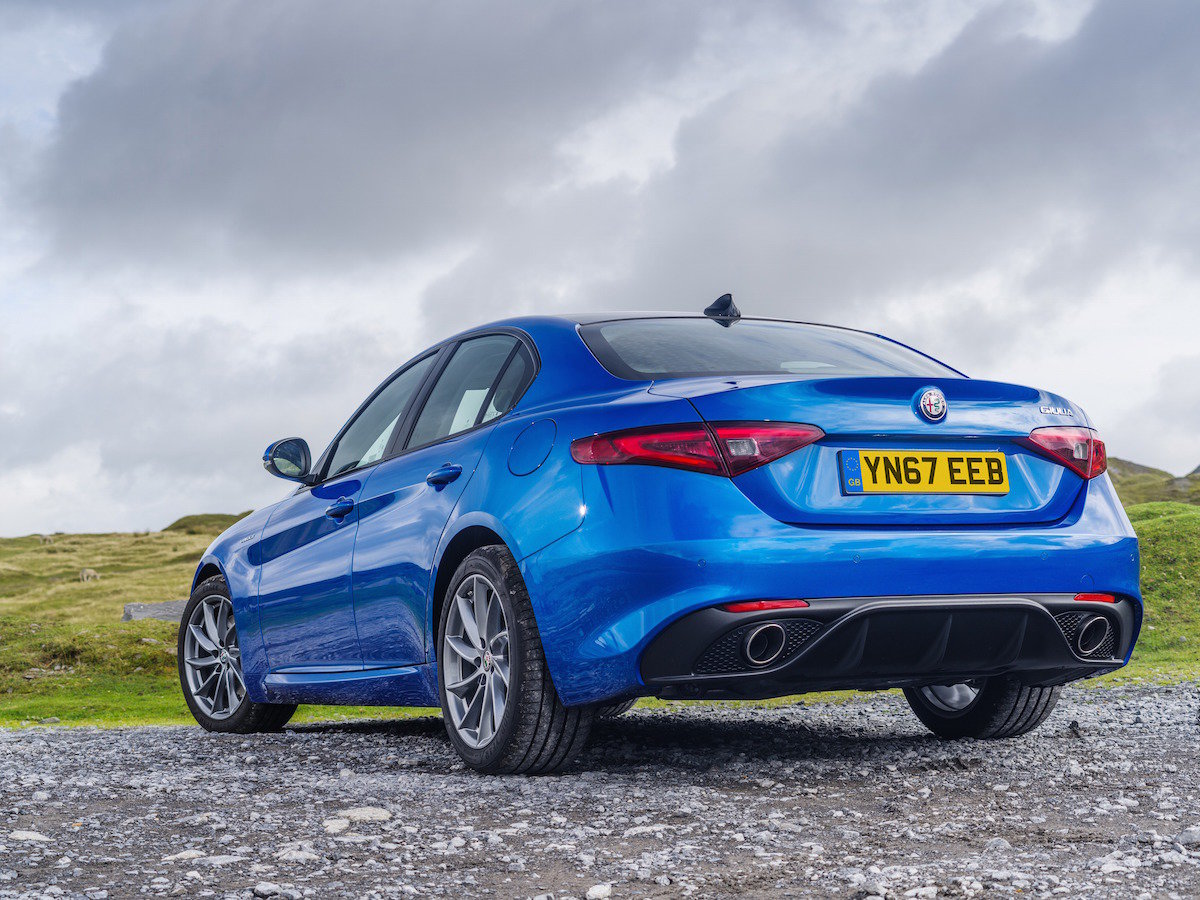
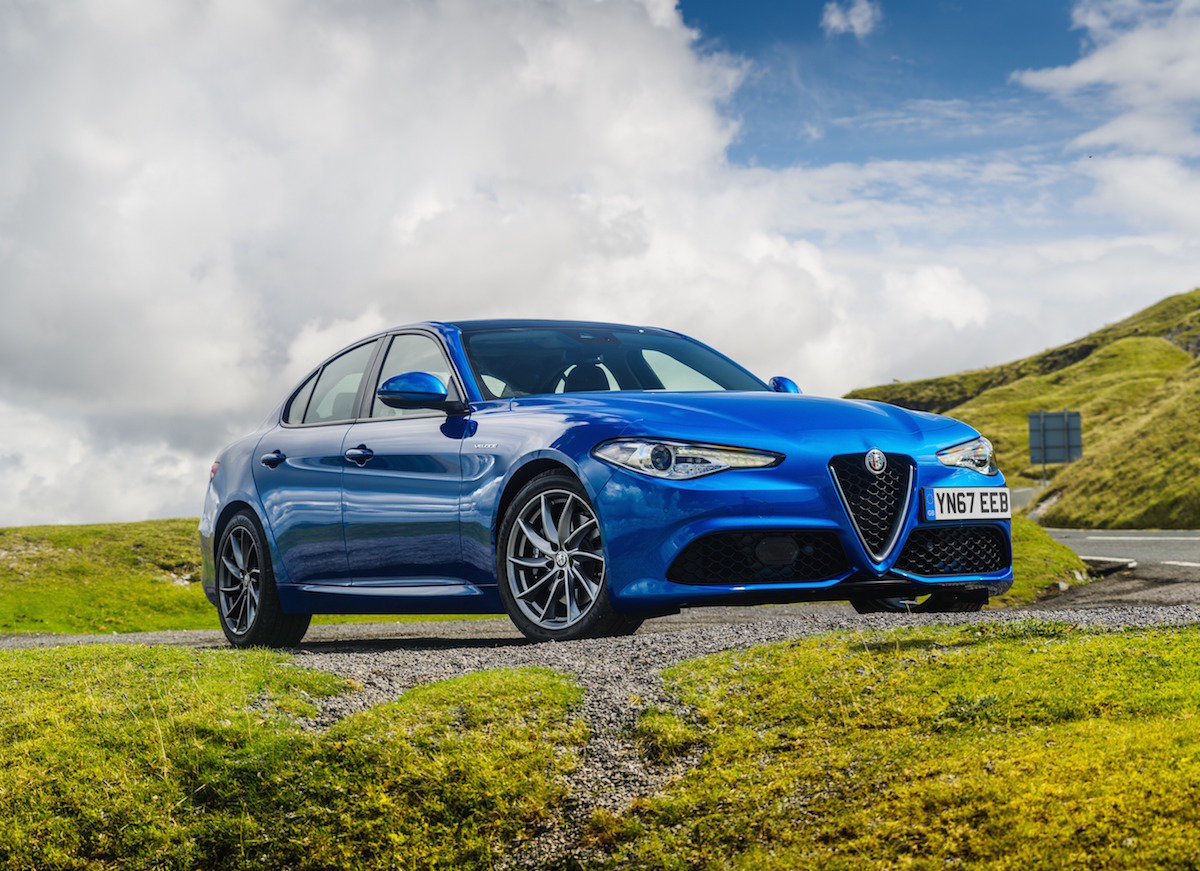
Very attractive styling
Ferocious performance from Quadrifoglio
Emotional appeal of the Alfa badge
Cons
Not as comfortable or refined as German rivals
Some owners report electrical gremlins
No estate version
The CarGurus verdict
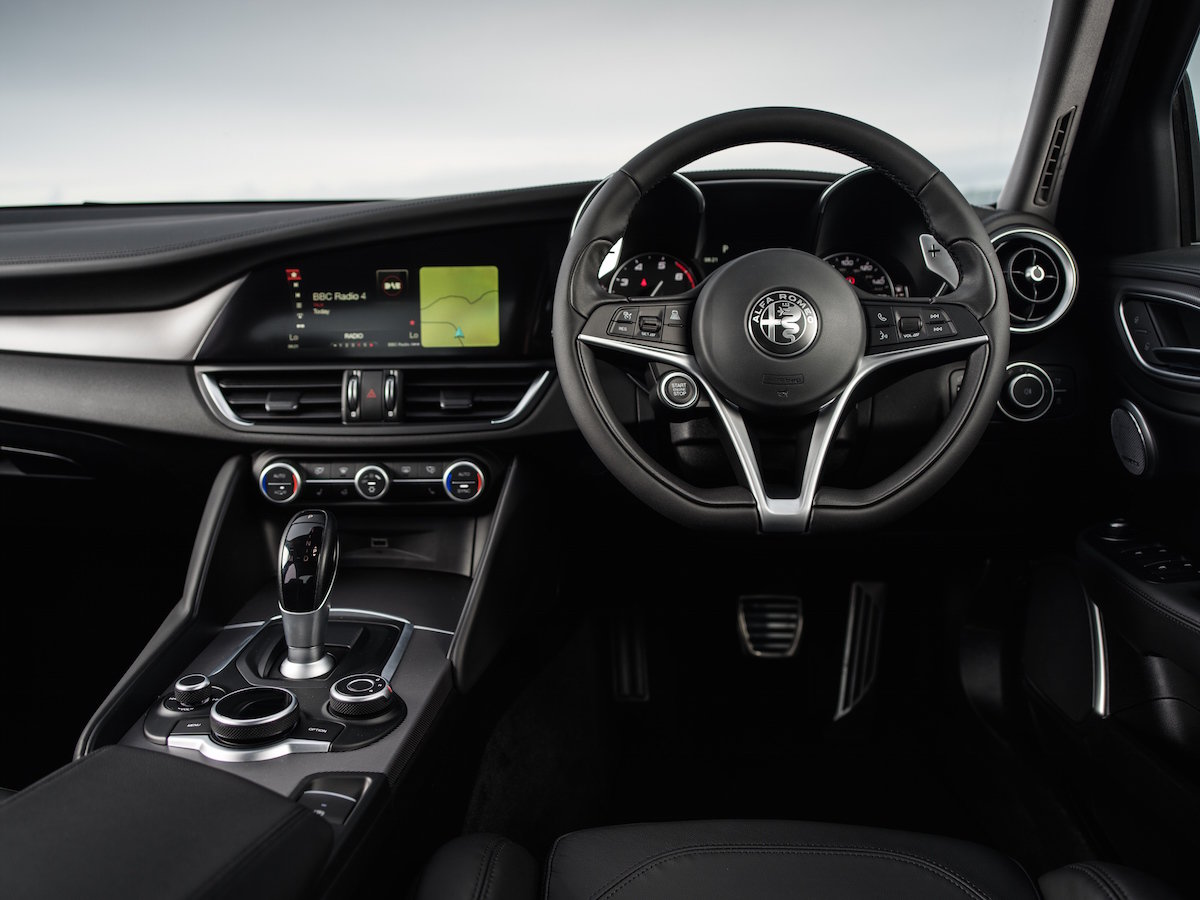
Although we can’t point to any particular area where the Giulia betters its German rivals, it is a car that feels greater than the sum of its parts. The fit and finish and the quality of the cabin materials may not be up to German standards, but there’s no denying the appeal of the imaginatively designed dashboard, the excellent driving position and the generous amount of interior space. There’s also no shortage of equipment, while most drivers will appreciate the labour-saving benefits of a standard automatic gearbox.
Granted, the driving experience could be better, but given the right roads, the Giulia is still capable of an intoxicating experience, while the engines deliver an excellent mix of performance and economy, along with an engaging soundtrack. Some will argue that Audi, BMW and Mercedes all do it better, but that would be a rather blunt appraisal, ruling out the Giulia’s inherent elegance and emotional appeal. Given the sort of money used examples are currently changing hands for, it would also be overlooking their incredible value.
What is the Alfa Romeo Giulia?
You could say the whole point of buying an Alfa Romeo Giulia is to stand out from the usual Audi A4, BMW 3 Series and Mercedes C-Class crowd. There are, however, a few pertinent questions you need to ask when considering this leftfield choice.
Like, can the Giulia match an Audi A4 for interior quality? We’d have to say no. Although it isn’t that far behind, and some may prefer the Alfa’s swish, retro-themed interior over the clinical Audi approach. Scrutinise it more closely, and you’ll discover the Alfa’s build quality is rather retro, too, with some rough surfaces, yawning panel gaps and rather sloppy switchgear. That said, a facelift in late 2019 also brought improved interior quality.
Practicality
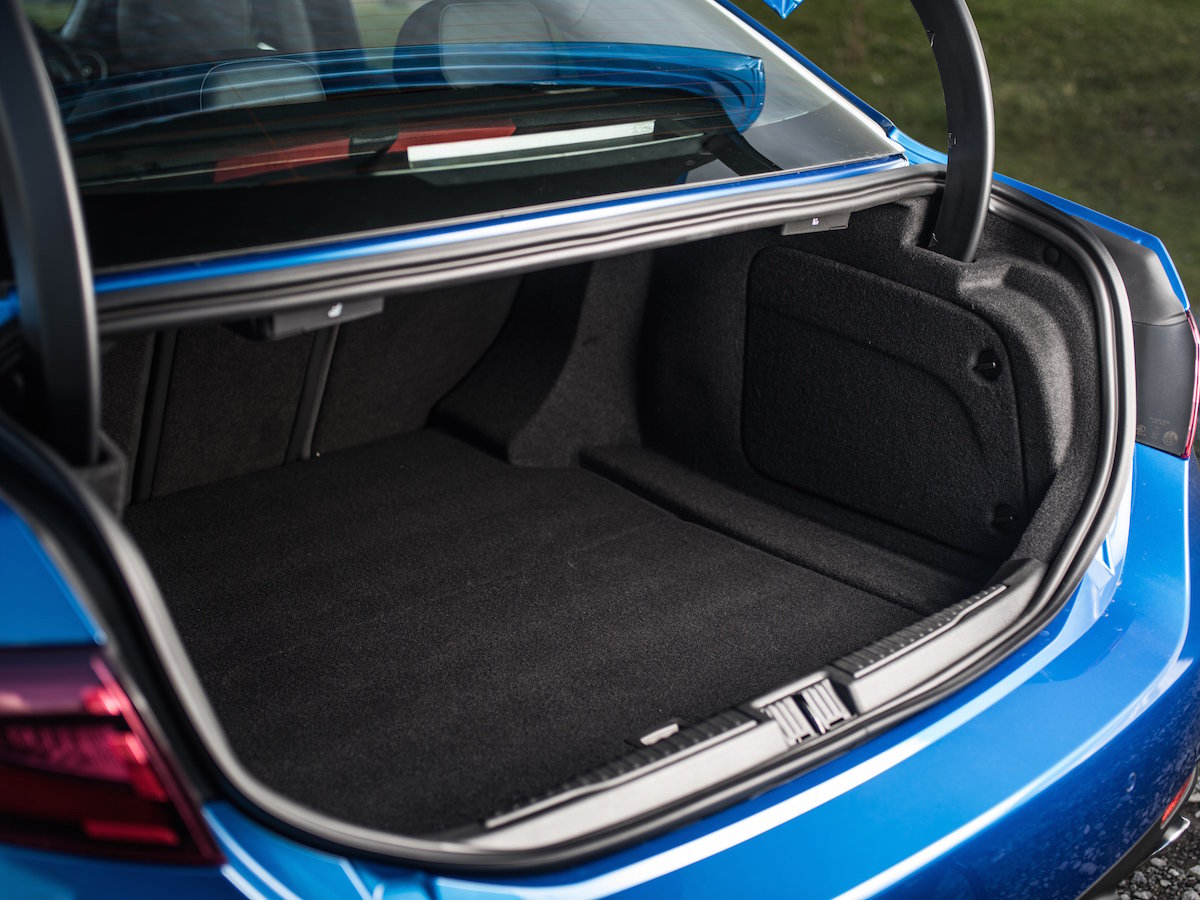
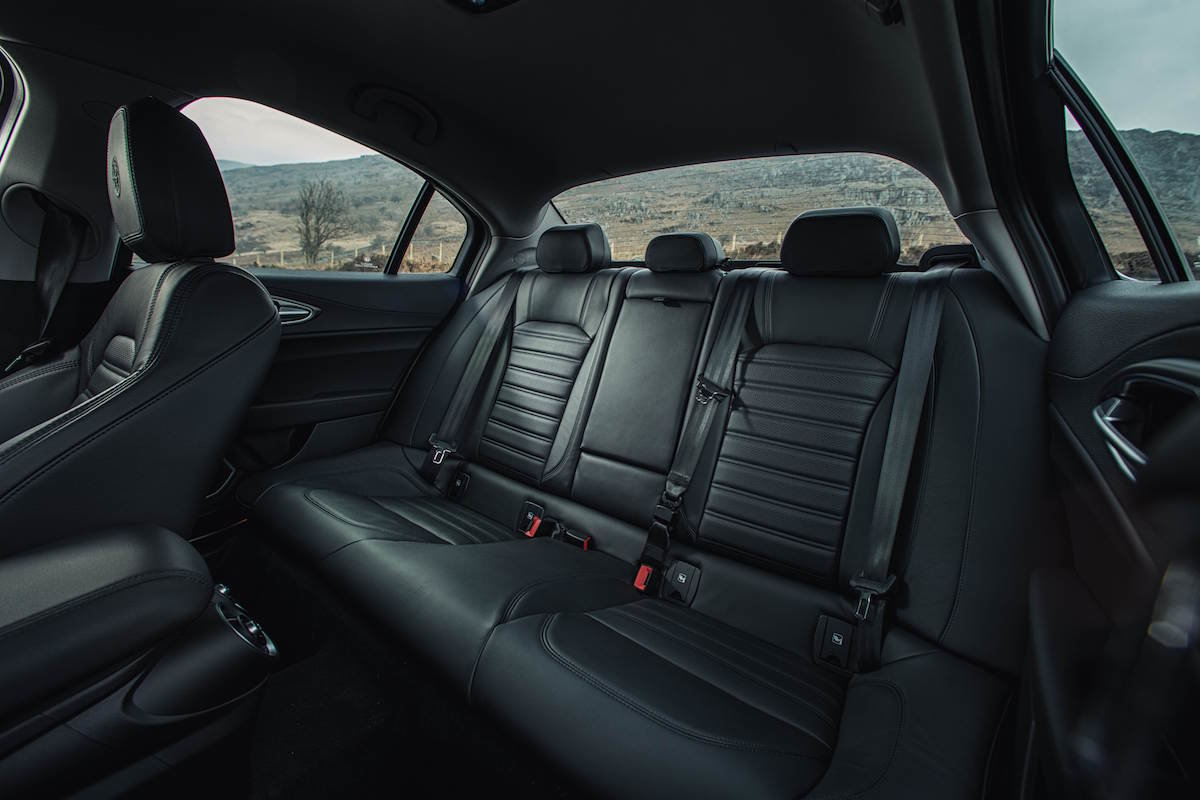
The Giulia provides similar levels of space and practicality to its rivals, with sufficient room for four to travel in reasonable comfort. Unlike its rivals, however, the Alfa is not available as an estate car. Consequently, frustrated golfers will continue bending driver shafts to breaking point when struggling with the boot’s limited access, or be forced to drop the middle section of the 40/20/40 rear seatbacks to ferry their clubs.
What's it Like to Drive?
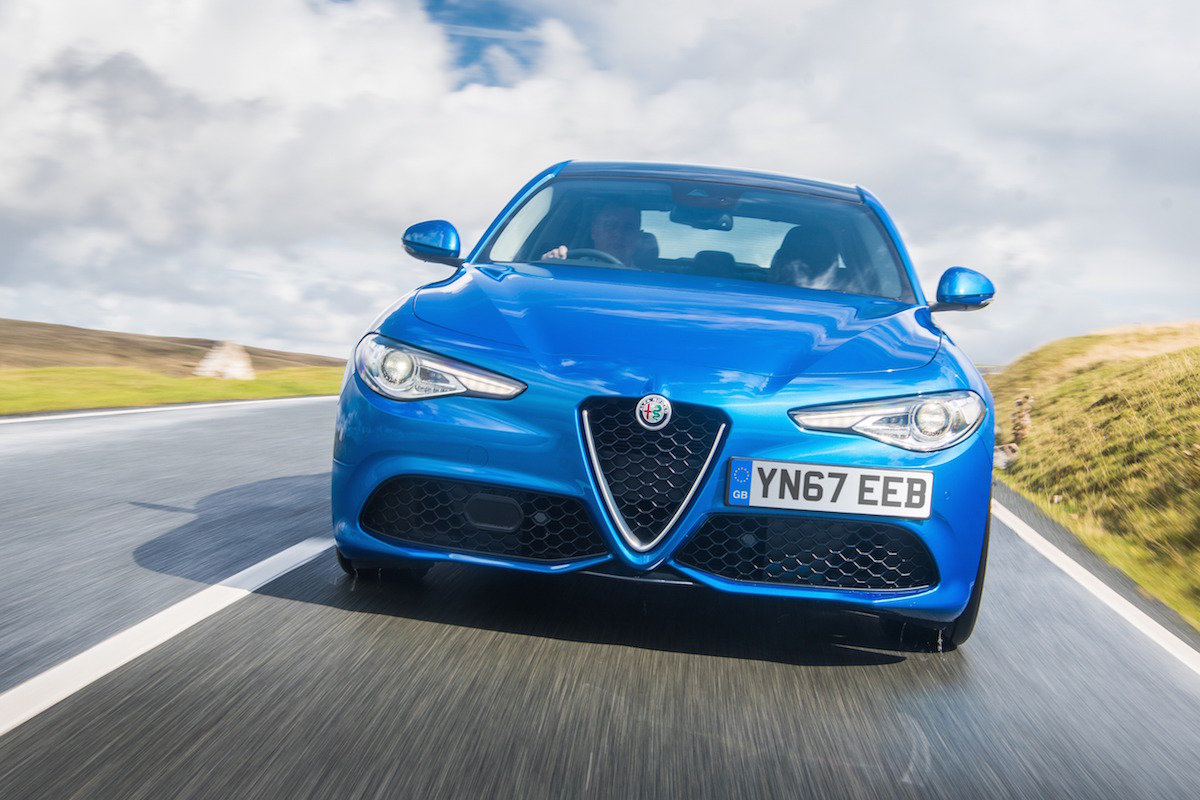
The Giulia is a more focussed car than its main rivals and, although it probably feels right at home on smooth autostradas, it is less at ease on UK roads, where the standard suspension is quite firm and rather noisy. You can minimise this to some degree with smaller wheels, or by going for a car fitted with the adaptive suspension. The Alfa isn’t as quiet or as refined as a Mercedes C-Class, either, generating higher levels of wind- and road noise.
Surely the Giulia matches a BMW 3 Series for handling and performance, then? Not quite. Although this is the area where the Giulia is most competent, the BMW’s superior underpinnings and inherent body stiffness enable it to corner, brake and change direction faster and harder than the Alfa. Once again, though, the Giulia is not without its charms. The steering is super-quick, with just a couple of turns required to go from lock-to-lock, so it feels immediate and eager, even at low speeds. There’s also plenty of grip, so things are reassuringly stable at higher speeds.
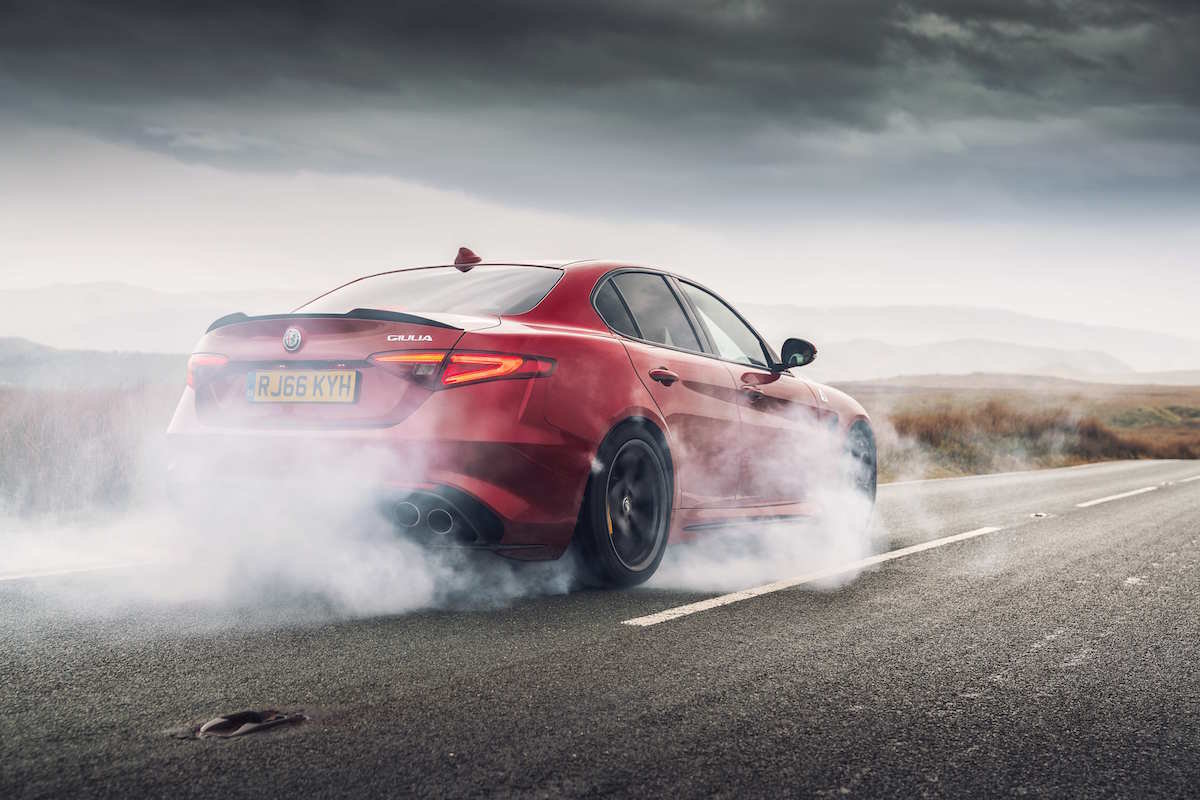
Even the humblest Giulia has an excellent soundtrack and it is no slouch in any form. Whether you choose one of the early 2.2-litre diesels in 158bhp or 187bhp guises, or a 2.0-litre turbocharged petrol with either 197bhp or 276bhp, they all feel and sound willing and able, and all come with a smooth eight-speed automatic gearbox as standard. As for the range-topping 503bhp Quadrifoglio, well, let just say it offers utterly bonkers performance. Another 10bhp was added later, as if it were needed.
These days, the engine range has been pared right back to include just the 276bhp 2.0-litre petrol, and the Quadrifoglio.
Technology and Equipment
The Giulia has been around for an awfully long time now, and during its life, Alfa has tinkered with the names of the trim levels available, and what items of kit are included with each, almost constantly. On top of that, there have been seemingly countless short-lived, blink-and-you-miss-them special editions. Unravelling it all and telling you about it in intricate detail would be rather pointless. Just know that whatever Giulia you buy, it'll likely come with alloy wheels, cruise control, dual-zone climate control, a leather-clad steering wheel featuring the famous cross and serpent Biscione emblem, LED running lights, automatic wipers, rear parking sensors and plenty of safety equipment including a lane departure warning system, forward collision alert and automatic emergency braking.
Higher grade trim levels (called things like Super, Speciale and Veloce) will likely add bigger alloys, sportier styling, leather upholstery, powered front seats, and heating for the front seats and steering wheel.
If you can afford to, buy a car from after the 2019 facelift. This swapped the earlier infotainment system - which was a bit rubbish - for a new 8.8-inch touchscreen system that was much better, although it's once again a bit off the pace compared with the newfangled systems in most rivals. It also saw the introductio of Apple Carplay and Android Auto, which weren't previously available. The facelift also replaced the regular instrument dials with a 7.0-inch TFT screen behind the steering wheel, and this itself was later replaced by a bigger 12.3-inch screen.
Running Costs
The Giulia is surprisingly efficient. Driven in a considered manner, the diesel engines should return over 50mpg and, although the 2.0-litre petrol models aren’t as light on the juice, they will still return mpg in the mid-30s. The Quadrofoglio will down fuel at a truly ferocious rate if your right foot gets playful on a regular basis, but it can be surprisingly frugal if you show some restraint – you could even equal the 2.0-litre car’s mid-30s mpg on a sedate run.
Recommended service intervals for petrol cars are annually or every 9,000 miles, whichever comes first. The three services up to 27,000 miles are essentially identical and include oil and filter changes, brake assessment, engine code readings and an exhaust emissions check. Come 36,000-miles, the auxiliary belts and spark plugs will need to be replaced.
While the diesel cars can cover 12,000-miles between pit stops, the fuel filter will need changing every 36,000-miles, and the cambelt will need to be replaced every five years.
Reliability
Alfa Giulia forums certainly make interesting reading. Most people are happy with their cars but there are quite a few gripes, predominately regarding electric gremlins, including failed sunroofs and fuzzy infotainment screens. It is not unheard of for the engine’s electronic throttle control to give up and, while there was a recall regarding the integrity of the rear discs, problems were also reported with faulty O-rings, which can allow coolant to leak from the turbocharger.
These sentiments were reflected in the latest What Car? Reliability Survey. The study placed the Giulia in 17th place among the 20 executive cars included, while in the manufacturer standings, Alfa placed a lowly 30th out of 31 carmakers assessed, with only MG performing worse. The research stated that 33% of Alfa Romeos in the study suffered trouble, and some issues were slow and costly to fix.
The Giulia comes with a three-year/unlimited mileage warranty, which equals BMW and Mercedes and betters Audi, which has a 60,000-mile limit.
-Alfa Romeo invested heavily to develop a rear-wheel-drive platform to underpin the Giulia and Stelvio SUV, and it paid dividends in terms of safety. The Giulia achieved a full five-star rating in Euro NCAP crash tests, including a very impressive score of 98% for adult occupant safety.
- Half the appeal of a Giulia is that it’s very affordable to buy used. Three-year-old examples with average mileages of circa 36,000-miles will be worth around 40 per cent of their original value.
- For such a sporting model, the Giulia’s insurance groups aren’t especially punitive. The lowest-rated examples (the basic diesels) fall into Group 22, while the most powerful conventional models go as high as 37. As you might expect, the high-performance Quadrifoglio falls into a stratospheric group, anywhere between 44 and 49 depending on spec.
- If you want to stick within your means: The entry-level models are well equipped, and performance from even the lower-powered turbocharged petrol engines is sprightly enough, so a basic car will do you very nicely. You'll also get an eight-speed automatic gearbox as standard, which is an incentive on its own. Just make sure the car you get is a post-facelift version from 2019 onwards, as this brought important infotainment and quality upgrades.
- If you’re a long-distance commuter: You’ll appreciate the lower running costs and the greater cruising range of the diesels. They're perhaps not as smooth or as quiet as the diesel engine in German rivals, but they're pleasant enough to live with.
- For maximum performance: The Quadrifoglio model will certainly light up your life. Its 2.9-litre V6 pumps out 503bhp (later hiked up by a further 10bhp), which gives the Giulia the ability to hit 62mph in just 3.8 seconds and, flat out, it will pass 190mph. As well as the outrageous body kit and quadruple exhausts, it also comes with active torque vectoring system, chassis control with a race mode, 19-inch alloy wheels, blindingly powerful bi-xenon headlights, a blind-spot monitoring system, a rear-view camera and leather and Alcantara upholstery.


