Audi A1 Review (2018-present)
Audi A1 cars for sale
4.0
Expert review
Pros
Understated good looks
Very practical for a small car
Free-revving petrol engines
Cons
Pricey compared to similar cars with mainstream badges
Firm ride when fitted with big alloy wheels
No electric or hybrid version
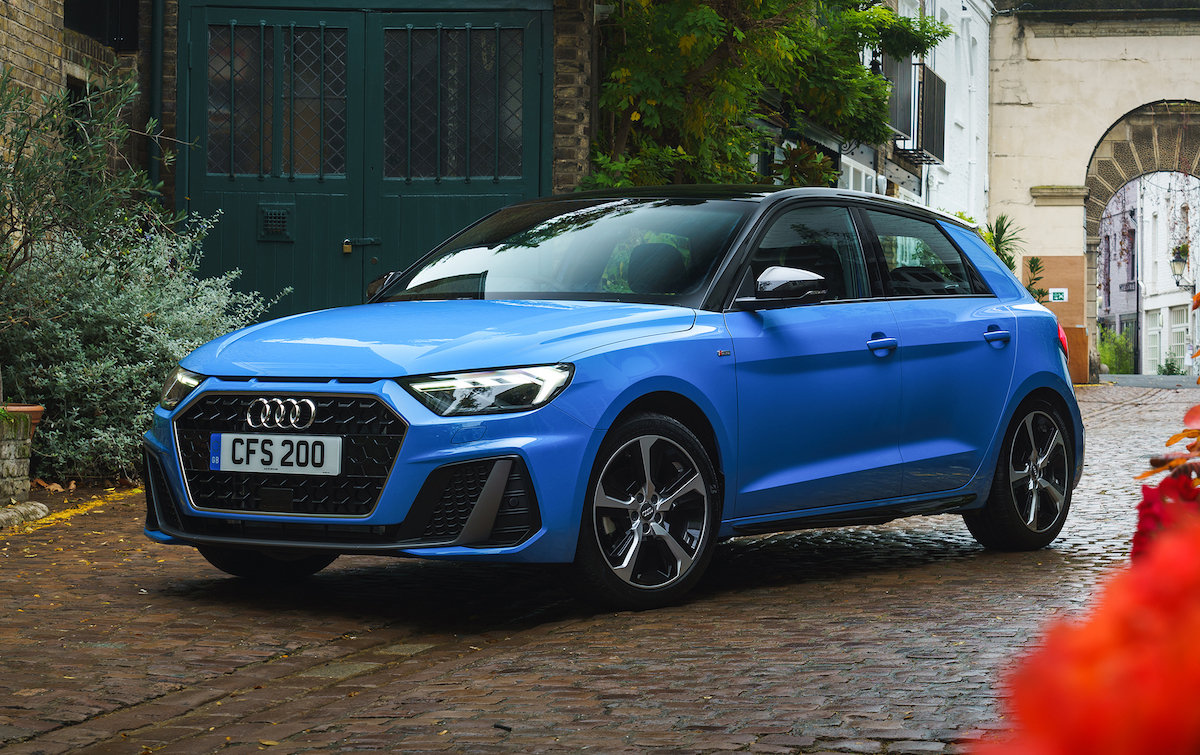
The CarGurus verdict
The Audi A1 is a really good buy if you keep to the lower trims and engines; it feels usefully more premium than alternatives like the VW Polo, Renault Clio and Fiat 500, and if specced carefully also comes with enough equipment and decent finance offers to make it feel like good value. If you’re buying used it’ll hold its value far better than one of those more budget rivals – only a MINI will hold its value similarly well, if not fractionally better.
More than that, the Audi has decent rear passenger space, a big boot by small car standards, and feels like a very grown-up car. Even in the cheaper models with a manual gearbox, this is still a car that you’d be happy to do routine motorway miles in thanks to its composed, stable driving experience, tech-filled interior and general sense of solidity. If you really value the way your plush small car drives, the MINI hatchback certainly has more of an edge to its handling. But the Audi feels like the more common sense option, with its superior practicality and more understated finish, so if that’s more to your tastes then this is a great option for a wieldy, affordable yet premium-feeling hatchback.

What is the Audi A1?
There was a moment in automotive history when the idea of a small car with a premium finish and price tag seemed flat-out bonkers. In fact, the brilliant yet ultimately unsuccessful Audi A2, introduced in 1999 seemed a good case in point, as it didn't sell well.
Then BMW relaunched the MINI brand and hatchback, proving industry nay-sayers very wrong indeed. Not to be outdone, Audi followed suit in 2010 with the Audi A1, a small hatchback that exuded all the solidity and lustre of any other model wearing the four rings logo, only at a more affordable price. It went on to be a hugely popular car, and as of 2018 we’re into the all-new second-generation model.
Complete with a new platform and, unlike the first-generation car, a five-door-only body – called Sportback – the newer A1 offers a more practical, sensible take on the MINI. It’s still comparably pricey next to alternatives like the VW Polo, Ford Fiesta or Fiat 500, but despite the fact that most A1 Sportbacks will cost well over £20,000 new by the time they’re specced up, it holds its value very well and also promises low running costs from a range of perky small petrol engines.
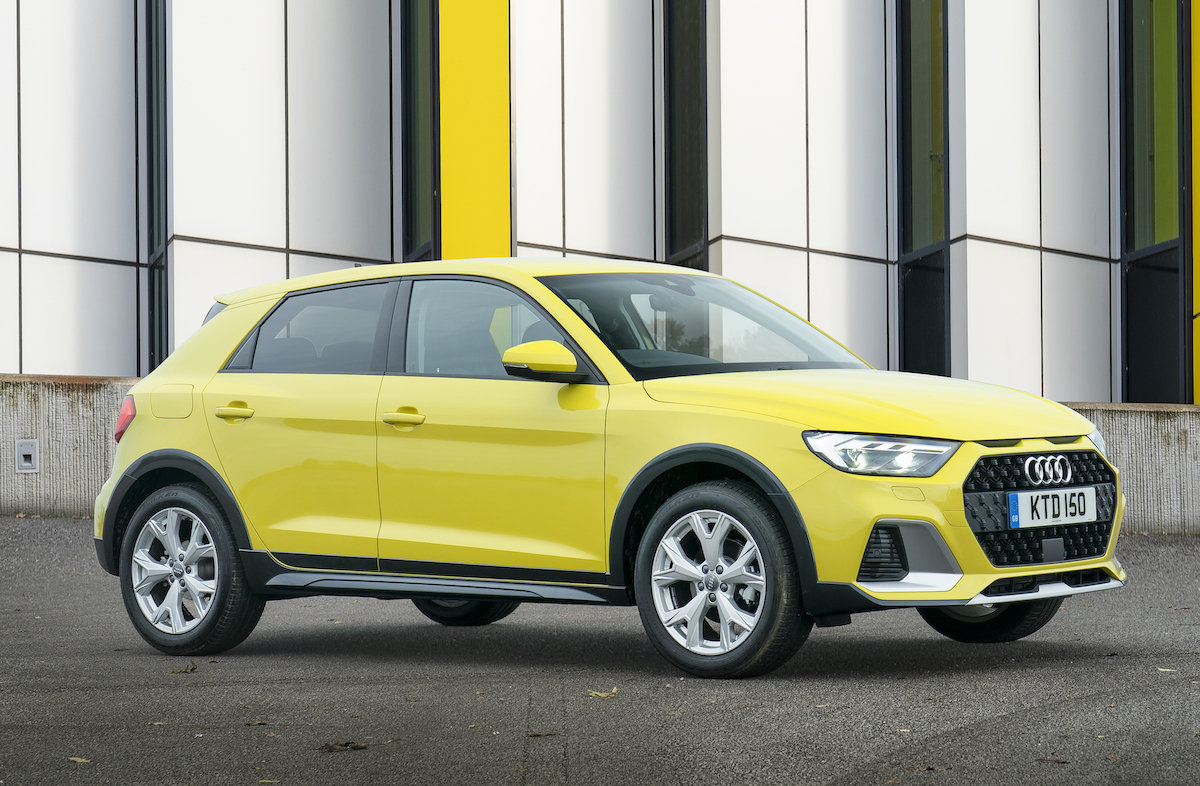
All A1 variants are front-wheel drive; you can’t get Audi’s quattro four-wheel drive system but you can get the intriguingly-named Citycarver, which adds a higher ride height and some rugged SUV styling cues, yet – as the name suggests – is still very much an on-road car.
How practical is it?
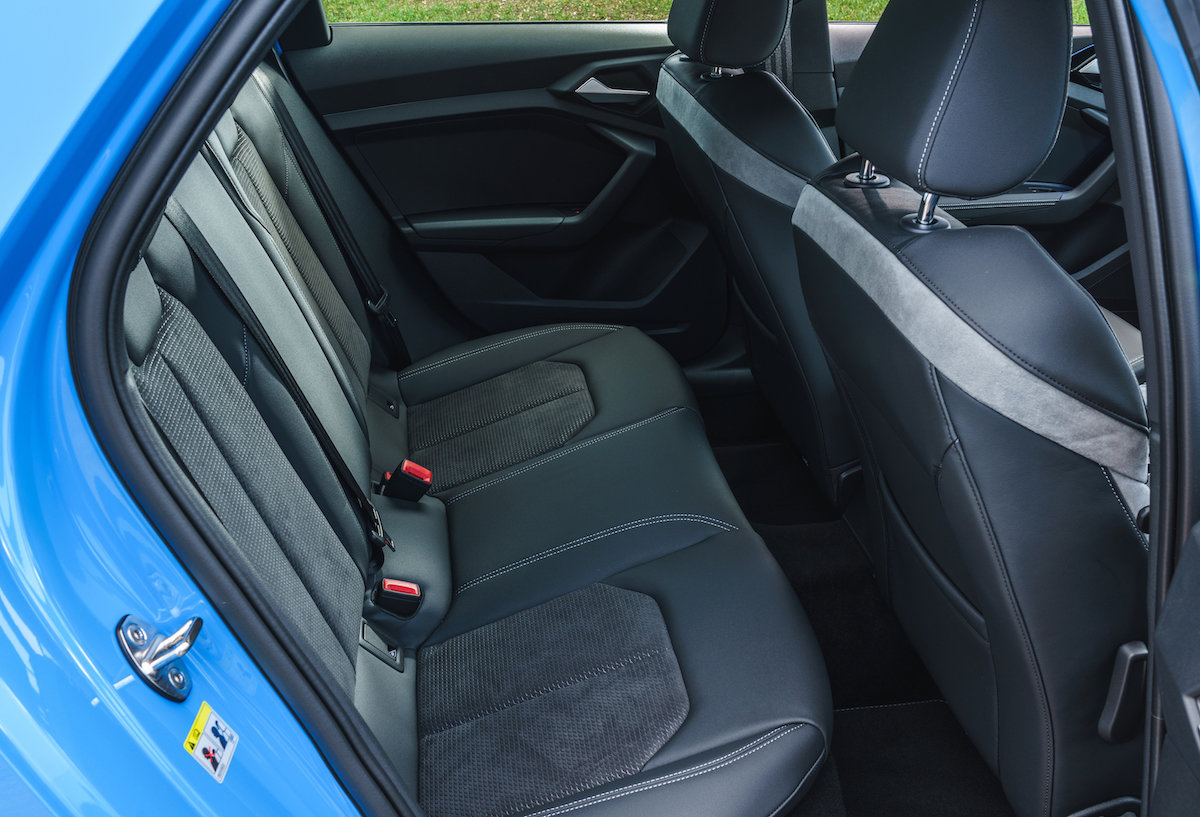
The A1 is very practical for a small car – it’s roomier in the back than the five-door MINI hatchback, and leagues better than the rather pokey if achingly cute Fiat 500. Two tall adults will be fine in the Audi’s back seats, and you can legally squeeze a third passenger in the middle although they’re unlikely to be too happy about it.
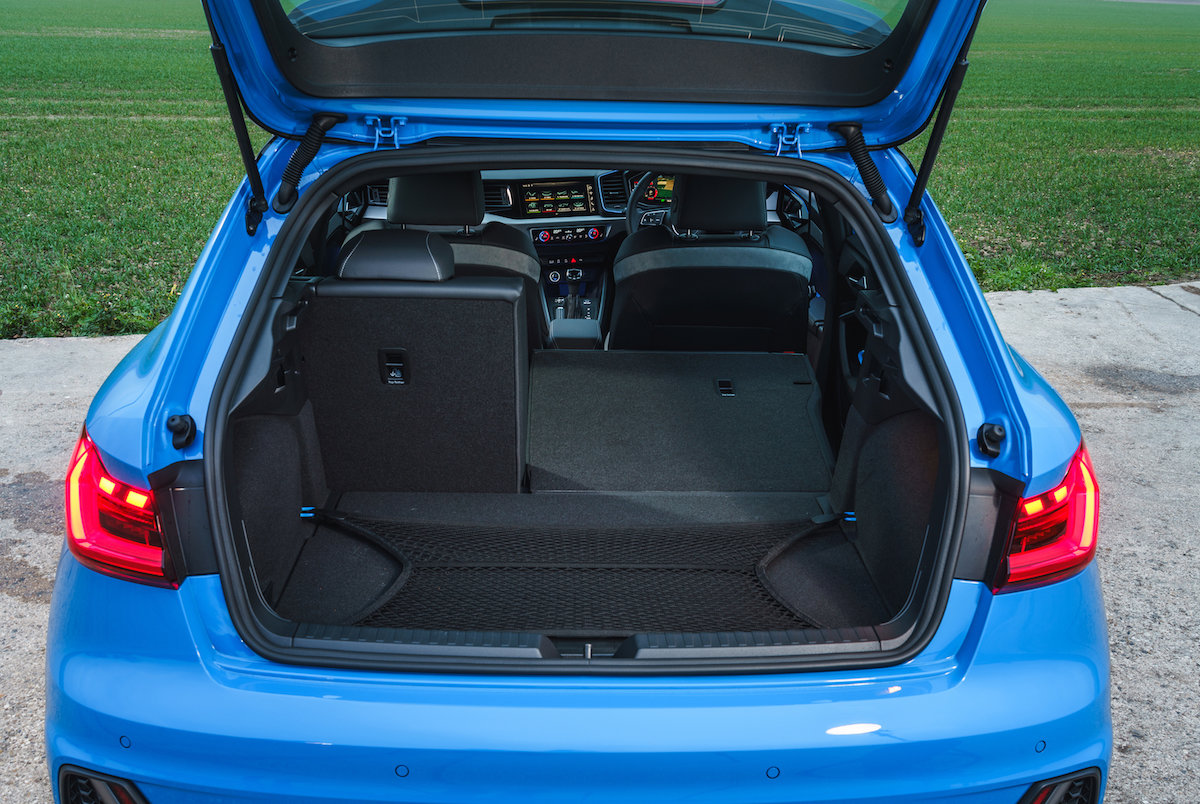
Boot space is very decent – at 335 litres it's 65 litres more generous than its predecessor – and is only bettered in the class by the Seat Ibiza and Honda Jazz, plus you get split-folding rear seats as standard. Ultimately, interior packaging in cars like the Audi A1 and its brethren – particularly the Ibiza and Polo – has improved enough to warrant them stealing a good number of sales from family hatches like the VW Golf.

What's it like to drive?
The Audi A1 has to be a good steer if it’s to live up to the Audi badge, and it doesn’t disappoint. With a range of sweet, free-revving petrol engines, pliant ride comfort and neat, predictable handling it’s a grown-up-feeling car that’s easy and satisfying to drive whether you’re wielding it around town or doing motorway miles. A MINI is more fun on a good road, but the extra comfort and practicality of the Audi is no small incentive for plenty of buyers.
As with all Audis, the engine badging bears no relation to the engine size. The range kicks off with the 94bhp 1.0-litre 25 TFSI, then there’s the 30 TFSI with 114bhp from the same engine, the 148hp 1.5-litre 35 TFSI, and topping the range is the 197bhp 2.0-litre 40 TFSI. The two lower-lowered engines get manual gearboxes as standard – a five-speed on the 25 TFSI and a six-speed on the 30 TFSI – but a seven-speed dual-clutch S tronic automatic is optional, or standard on the 35 TFSI. The sporty 40 TFSI gets a six-speed dual-clutch auto as standard.
Technology, equipment & infotainment
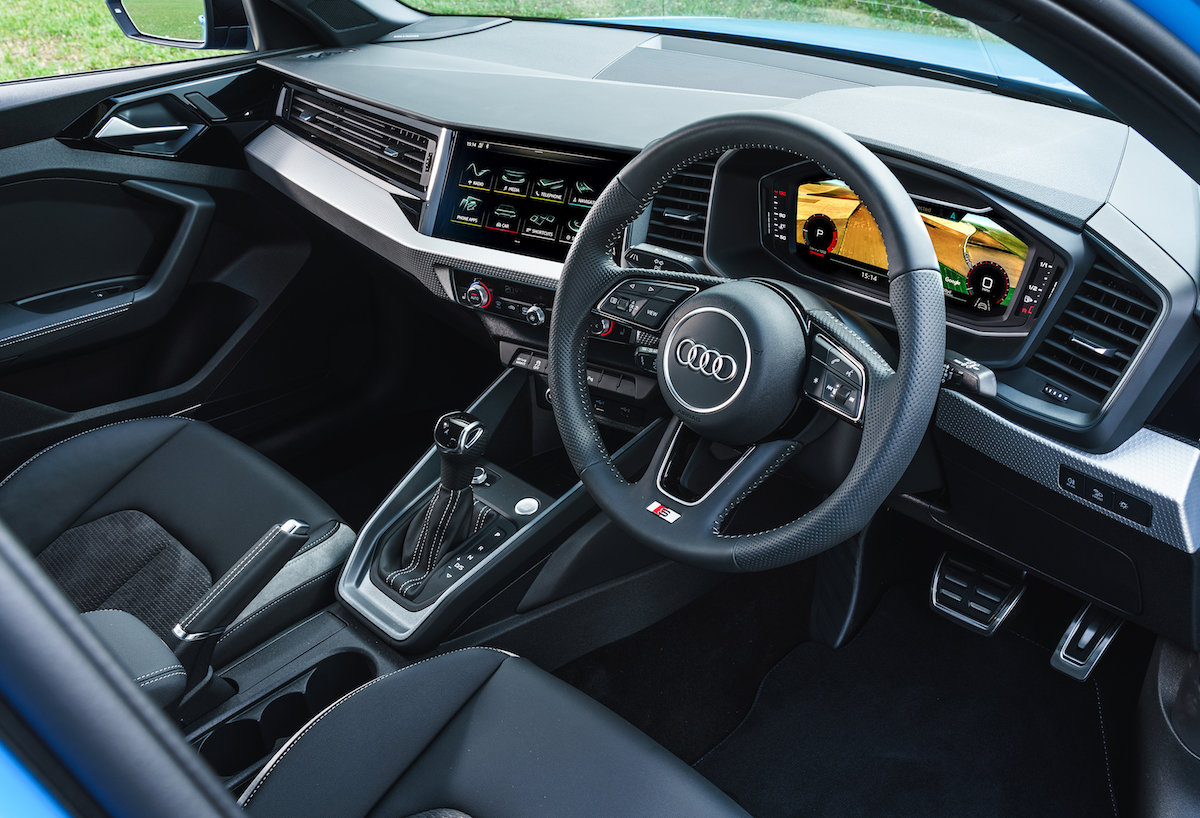
The A1 majors on offering equipment levels of much larger cars despite its urban-appropriate size, so even entry-level Technik trim get 10.3-inch digital dials and an 8.8-inch MMI colour touchscreen infotainment system, complete with Apple CarPlay and Android Auto for smartphone connectivity.
The rather pricey but popular Technology Pack adds even more configurable digital dials and an upgraded 10.1-inch touchscreen and wireless phone charging (standard on the lavish-but-expensive Vorsprung trim). The tech is hard to fault, and the interior quality in the A1 is great, if not quite up to the standards of the A3 and other bigger Audis. It’s still a seriously posh-feeling car, but in terms of perceived material quality in the cabin, the MINI just pips the Audi.
Audi A1 running costs
All of the smaller petrol engines in the Audi A1 Sportback should be fairly frugal to run. Since the 1.5-litre in the 35 TFSI isn’t likely to be working quite as hard as the 1.0-litre engines, we would expect to see similar real world economy from all of them with around 40-45mpg quite possible in moderate use – especially if you do a fair bit of motorway driving, as plenty of A1 drivers do. The 40 TFSI manages around 40mpg officially, but it’d be realistic to expect around 35mpg in routine driving, although if you enjoy that extra power particularly often, you’re unlikely to be fretting about the 30mpg or less that it’ll drop to.
Insurance is reasonable on the A1. Our pick of the range – the 30 TFSI Sport – is rated group 20, which is the same as the equivalent VW Polo, so payments won’t be expensive and the A1 could be a reasonable choice for learner driver. Having said that, insurance will be more expensive than for cheaper options like the Renault Clio and Ford Fiesta.
The Audi A1 Sportback holds onto its value well, so by the standards of this class of car you’ll lose relatively little in deprecation. Mind you, the spec of the car plays a big part in how easy it is to sell on or part-exchange, so keep that in mind if you’re inclined towards the more outlandish colours on offer in the A1 palette, as they can divide opinion more than subtler hues.
Audi offers two different three-year servicing plans. The fixed plan costs £399 and is recommended for those who cover less than 10,000 miles and spend a lot of time in town, while the £299 variable plan is aimed at those who do more motorway miles (which are less wearing on the car) and do over 10,000 miles per year. The car will beam a message on to your drivers display when it needs a routine service, so while it’s worth taking one of Audi’s fixed price service plans (which are transferrable to another owner) if you’re buying new or approved used, you’re unlikely to miss a service.
The tyre sizes on the A1 Sportback are common and so it should be easy and affordable to get replacement tyres, although if you’ve gone for the bigger, wider wheels found on higher trims and bigger engines then inevitably it’ll cost more for replacement tyres.
Audi A1 reliability
Like all Audis, the A1 comes with a three-year, 60,000-mile warranty, which is really the bare minimum you should expect on any new car these days. It uses a platform, engines and other parts that are used widely across the Volkswagen Group’s various brands, so you’d think that all these bits and pieces would be tried and tested.
However, the 2023 What Car? Reliability Survey tells a very different story. Of the 19 models included in the small cars category, the A1 came in stone-dead last. A quarter of owners reported that their cars went wrong in some way, and that the problems were time-consuming and expensive to fix. In fact, a quarter of the repairs necessary cost £1500 or more.
In the same study, Audi placed 26th out of the 32 carmakers included in the manufacturer standings, putting it behind both of its big rivals in the shape of BMW (12th) and Mercedes (24th).
- The Audi A1 gets firmer sports suspension as standard in all but the base Technik model, but the softer setup is better around town. That means it’s worth ticking the no-cost option for comfort suspension if you want a higher-spec car with the cool, big alloys but also want a relaxed drive.
- The Citycarver model gets 50mm higher ride height and butch, contrasting wheel arches for an SUV-feel. It also rides very well, so if you’ve got potholed gravel roads to navigate but want a small car, this is a happy solution that doesn’t involve a chunky SUV. However, while the raised ride makes for better ground clearance, the driving position isn’t much higher and in practice doesn’t feel much different to a normal hatchback. If you want a higher driving position and SUV-feel in a smaller car offering low running costs, a Nissan Juke, Renault Captur or VW T-Roc will likely hit the mark a bit better.
- There are no electric or plug-in hybrid variants of the Audi A1, but there are rumours that Audi will offer an all-electric A1 in the next few years. If a plug-in A1 does come to fruition, it would likely offer a range of around 200 miles and would take on the Peugeot e-208, MINI Electric and Honda-e.
- If you’re looking to save money on your A1: Go for the entry-level 25 TFSI and you’ll still have a likeable and grown-up feeling car. After all, Technik still gets automatic LED lights and wipers, air-conditioning and more. However, a few aspects will show the penny-pinching – primarily the five-speed manual gearbox, the lack of adjustable lumbar support for the driver, and there’s no cruise control or reverse parking sensors. For that reason, we reckon that the mid-range Sport trim with the six-speed manual 30 TFSI engine is the sweet spot if you want to keep costs down and drive something that delivers the experience you’d expect of a compact Audi. If you can’t stretch to that price, seriously consider a less premium brand, as you’ll get an impressively high-spec VW Polo, Seat Ibiza, Renault Clio or Ford Fiesta for the price of a basic Audi A1.
- If you're a company car driver: You may be tempted by the cheapest model in the A1 range but, for all the reasons above, we’d say it’s worth stretching to a 30 TFSI in Sport trim if you can. The equipment additions alone will likely justify what adds up to a jump of one tax band and under £200 extra in BiK tax each year. Adding the automatic gearbox will see CO2 emissions and tax band jump again, so stick (if you’ll forgive to the pun) to the manual 25 or 30 TFSI if you can.
- If you want a really fun A1: The 197bhp 40 TFSI is the one for you. It gets the venerable turbocharged 2.0-litre petrol engine from the Volkswagen Golf and Polo GTIs. A 6.5sec 0-62mph time suggests it’ll deliver a serious kick when you want it to. If the standard A1 is anything to go by, the 40 TFSI will struggle to be quite as bubbly and fun as a Mini Cooper S, but the A1 has always had its strengths in its maturity and ease of use so, for many, the fast and unflappable approach could be spot on.
- If you want your A1 to look a cool as possible: There's always the S Line Contrast Edition or Style Edition, both of which get a contrasting dark roof and striking design statements – Python yellow paint in the case of the former and polished bronze 18-inch wheels in the latter. They are seriously expensive compared to the less extrovert A1 versions, though, so you need to seriously value your style statement to go for it, whether you’re buying new or used.


