Audi Q3 Review (2011-2017)
Audi Q3 cars for sale
4.0
Expert review
Pros
Typical high-quality Audi interior
Good-looking exterior design
Agile handling and a comfortable ride
Cons
Cramped rear seats and small boot
Scary thirst if you choose the high-performance RS
Not as reliable as it could be
The CarGurus verdict
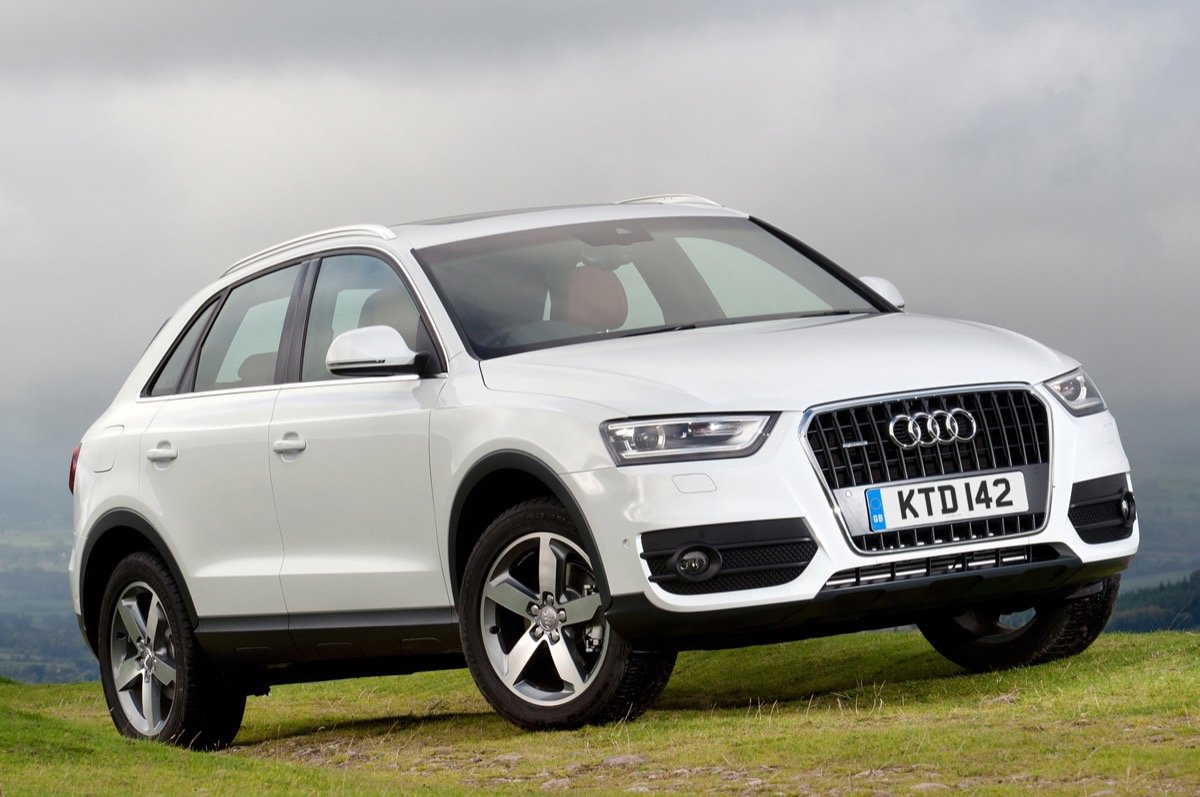
If you’re looking for style, image and prestige, but you don’t need your car to be the last word in practicality, then the Audi Q3 is a very sound choice. Its SUV styling means it’s about as fashionable as cars come, and its desirable Audi badge means it has a premium clout that the Fords and the Toyotas of the world simply can’t match. And, being an Audi, it also delivers class-leading cabin quality, in terms of both its materials and assembly, making it feel as substantial as it does luxurious. The driving experience, meanwhile, is just as civilised, with an impressive mix of comfort, agility, refinement and economy.
Yes, the cramped rear seats and small boot means it won’t suit families, even quite small ones, but if it’s just you and the odd pal, it’ll be fine. It’s not the most affordable small SUV, either, but importantly, it does feel worth the cash you pay.
What is the Audi Q3?
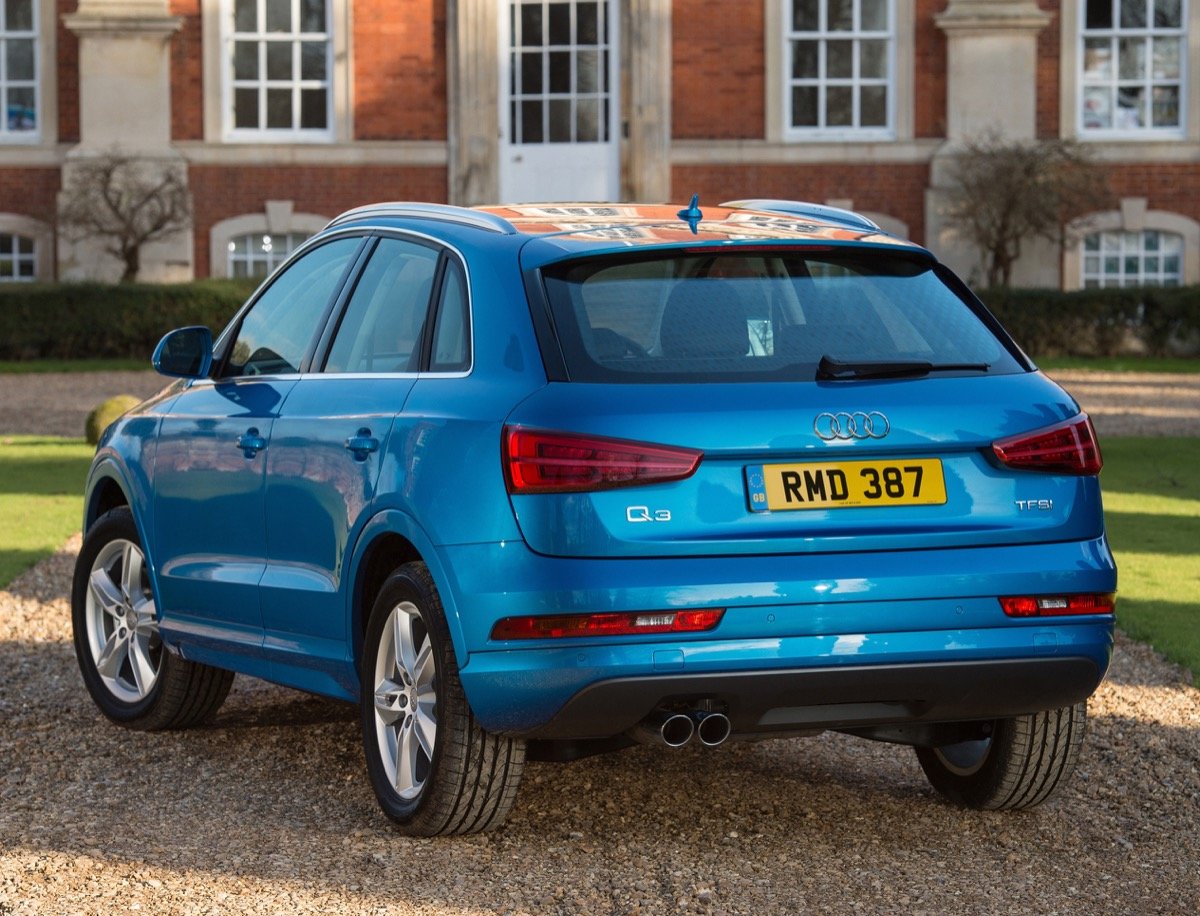
When it comes to desirability, the Audi Q3 is about as desirable as it gets. No type of car is more sought-after than the SUV right now, a box that the Q3 obviously has checked, and having a prestige badge on the nose does want levels no harm whatsoever, either. As the smallest of Audi’s lineup of Q-badged SUVs, it’s also the most affordable, meaning this desirability is also more attainable. What’s not to like?
Of course, desirability is no guarantee of excellence, but happily the first-generation Q3 – sold between 2011 and 2017 – also happens to be a very good car in several other ways.
How practical is it?
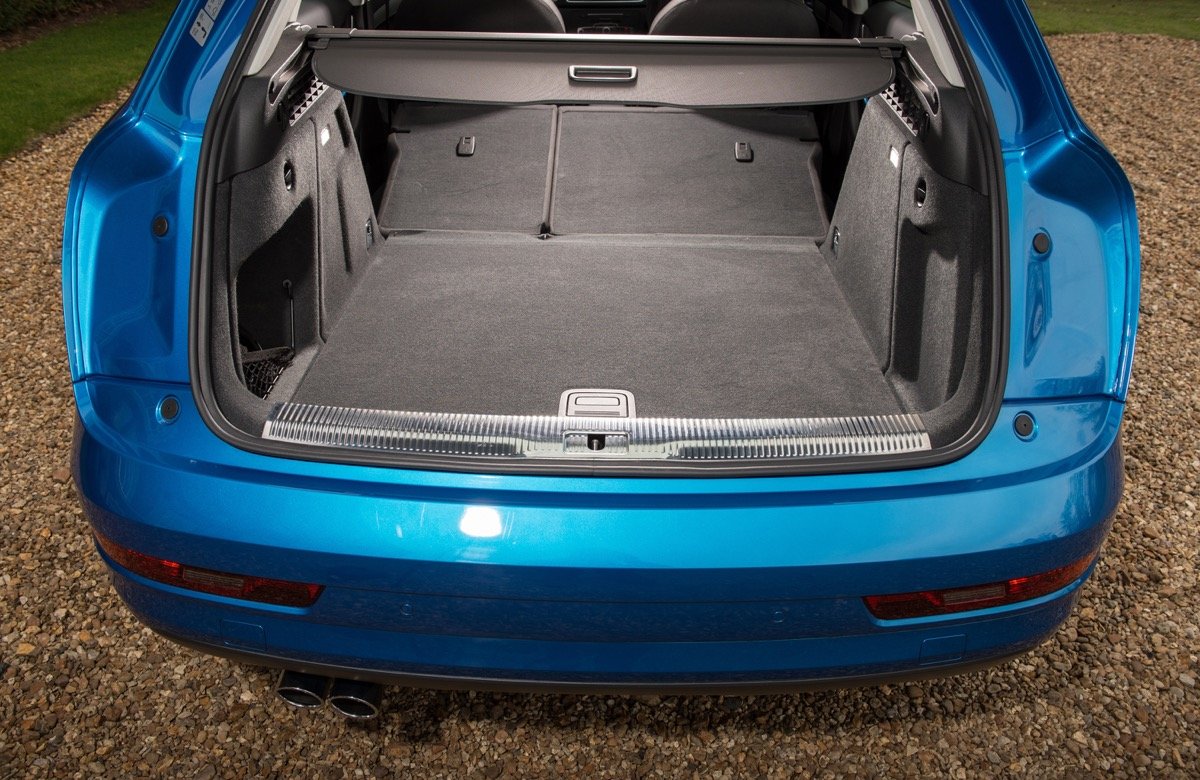
Fully-grown adults will find the rear seats to be a little tight on both headroom and legroom, and the boot space isn’t awfully big at 420 litres. A Volkswagen Tiguan is much roomier, although it still outpaces the 380 litres of room you'll find in a regular family hatchback such as the Volkswagen Golf.
Besides, if you’re not using the car to ferry the family around on a regular basis, it should be fine. It’s not a cheap choice of small SUV, either, but it is competitive on that score with its rivals from BMW and Mercedes-Benz.

What's it like to drive?
The ride stays pretty smooth most of the time, doing a good job of absorbing most lumps and bumps, but it’s worth noting that the sportier models at the upper end of the range come with firmer suspension and bigger wheels that make things appreciably less comfortable. The handling is very nimble, with strong grip and tight body control, making the Q3 feel more like a hatchback than an SUV. The engine range is fairly small, but it includes some absolute belters that really impress with their perkiness, refinement and economy.
Technology, equipment & infotainment
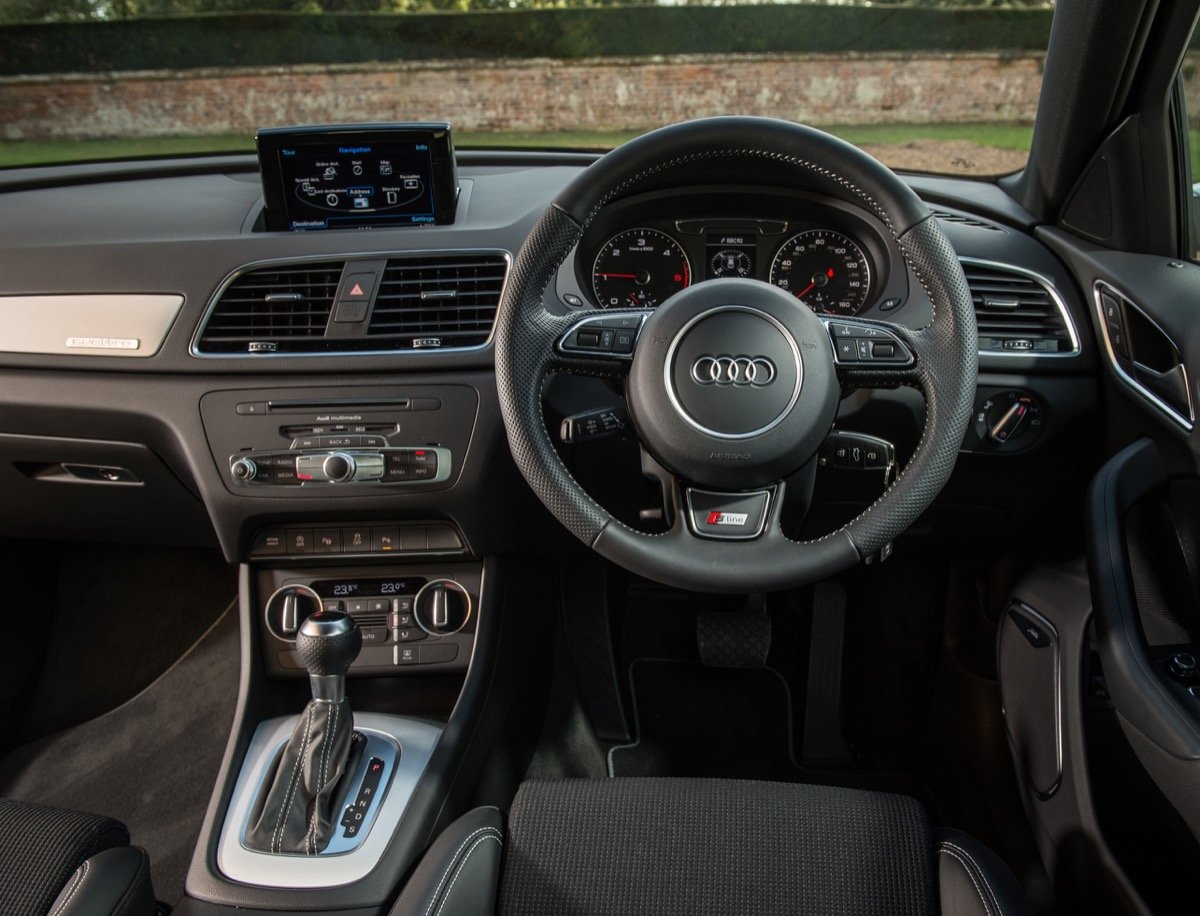
The ergonomics on show inside the car aren’t half bad, either. The dashboard layout is good, with big, chunky, well-marked buttons that are logically placed, while the infotainment interface is also easy to use thanks to straightforward menus and a slick rotary dial controller. There's none of that modern touchscreen nonsense here, and it’s all the better for it.
It’s not the cleverest system of its type – this was before Apple CarPlay and Android Auto were commonplace – but it was very competitive for the day. The Q3 was also reasonably competitive where other equipment was concerned too, with all versions coming with a very decent slice of luxury and safety kit as standard.
Audi Q3 running costs
The Audi Q3 will always be more expensive to buy than small SUVs from more mainstream brands, mainly due to higher original prices and stronger resale values. However, there’s virtually nothing to pick between the Q3 and its main rivals – the BMW X1 and Mercedes-Benz GLA – on either score, so prices will be very similar between the three, version-for-version.
There isn’t a huge amount to pick between them on fuel economy either. The BMW and Mercedes do have a slim lead over the Audi, but it is only slim. The most efficient Q3 – the front-drive 2.0 TDI 140 manual – will return around 54mpg according to official figures, while the rest of the diesels all sit at around the 50mpg mark. Even the 1.4 petrol manages upwards of 45mpg, but you’ll be looking at mpg in the mid-to-late thirties if you go for one of the bigger, more powerful petrols. And the RS? Don’t even ask. Bear in mind too that all these figures are from laboratory tests that are notoriously optimistic, so expect significantly less in the real world.
Vehicle Excise Duty will depend largely on which engine you choose, and also when your car was made. Pick a 2.0 TDI 140 of the right vintage, and you’ll pay as little as £30 per year in tax, but pick the wrong one, and that fee could go as high as £205. It’s always worth an online check for the car’s registration number to see what the situation is.
Buyers of the more powerful diesel will pay between £165 and £205, while buyers of the 1.4 petrol will be better off with annual bills of between £125 and £165. Those who opt for the 2.0 TFSI petrol models will be stung for between £205 and £265.
Of course, if your car was registered after April 1st 2017, all that goes out of the window, and you’ll pay a flat rate of £150 per year no matter which engine you pick. That’s unless the price of the car when it was new was above £40,000 including options (some of the higher-spec versions sailed quite close to that, and the addition of a few extras could tip it over), in which case you’ll be subject to an additional surcharge of £325 per year between years two and six of the car’s life. Insurance groupings sit between 18 and 31 for the regular versions, but between 37 and 43 for the RS versions.

Audi Q3 reliability
You might expect a premium German car to smash it out of the park when it comes to reliability, but that might not necessarily be the case. Several reliability surveys – including the JD Power Vehicle Dependability Survey and the Warranty Direct Reliability Index – place Audi very close to the foot of the table of manufacturers, but to be fair, that’s also the case with most of the other prestige marques too. There is some evidence to suggest that the Q3 is one of the brand’s less troublesome models, though, so that should provide some peace of mind. The same evidence suggests that the petrols are likely to be more dependable than the diesels, so that’s worth bearing in mind when choosing.
If you do plump for a diesel, ask the previous owner whether it’s been taken on regular motorway runs to allow the diesel particulate filter (DPF) to regenerate. On diesels that are primarily used for short runs, DPFs can clog up and fail, which is an expensive repair. A couple of recalls were also issued regarding glitches with brake lights and indicators. A software update was all that was needed to fix these problems, but it’s worth checking whether the work was needed on your car, and whether it has been done.
- When the Q3 was first launched, just four engines were offered, two petrol and two diesel, all turbocharged 2.0-litre units. The diesels had 140hp or 177hp, with the former having front-wheel drive and the latter – like all other Q3s – having four-wheel drive, which Audi calls quattro. The petrols, meanwhile, came with either 170hp or 211hp. All could be had with a six-speed manual gearbox or a seven-speed S-tronic twin-clutch automatic, except the most powerful petrol, which was auto-only. Later on, the weaker diesel was also made available with four-wheel drive, and later still, a new entry-level petrol version was introduced, using a 150hp turbocharged 1.4 and front-wheel drive. A high-performance RS Q3 was also available.
- At first, just two trim levels were available. The SE (later replaced by Sport trim) was the entry-point to the range, and even that one was reasonably well equipped, coming with standard kit including alloy wheels, dual-zone climate control, automatic lights and wipers, rear parking sensors, aluminium roof rails and an audio system with 6.5-inch colour screen, Bluetooth and iPod connection. The S line trim mainly added styling upgrades, including bigger alloys, a body kit, xenon headlamps with LED daytime running lights and LED tail lights. Later, an S line Plus trim was introduced (later replaced by the Black Edition), which added even bigger wheels, rear privacy glass, metallic paint, cruise control and satnav.
- At the beginning of 2015, the Q3 underwent a reasonably significant facelift. The looks were sharpened up thanks to a new 3D-effect grille, redesigned bumpers, new alloy wheel designs and rework LED tail lights. The two S line trims also got ‘scrolling’ indicators, which imply a direction change by sequentially illuminating a line of LEDs in a cool swooshing motion. The engine range underwent a range of revisions, too, with most of them receiving small hikes in power, along with improved efficiency figures.
- If you're on a budget: No Q3 is going to come cheap, but there’s very little wrong with the entry-level 1.4 TFSI version. It feels impressively punchy and eager, especially for an engine with such a modest capacity, and it’s also really quiet and smooth, keeping life civilised.
- If economy is your priority: You’ll be best off with the entry-level diesel, which had 138bhp before the 2015 facelift and 148bhp after it. The engine is available with front-wheel drive or four-wheel drive, and with a manual or twin-clutch automatic gearbox, but in both cases, choose the first option for maximum efficiency.
- If you’re after something with a bit more pace: You could opt for one of the 2.0-litre petrols, but as these are rather thirsty, we reckon the more powerful diesel would be a better bet for more drivers. With 175bhp or 181bhp depending on the age of the car, it provides a very useful slice of extra acceleration over its weaker relation.
- If you want the fastest Q3 you can get your hands on: Then you’ll be wanting one of the RS Q3 versions. These have the same (albeit slightly less powerful) 2.5-litre five-cylinder petrol engine as the TT RS. It had 335bhp in standard trim, while the RS Q3 Performance cranked the output up to 362bhp.


