Audi TT Coupe Mk1 Review (1999-2005)
Audi TT Coupe cars for sale
3.0
Expert review
Pros
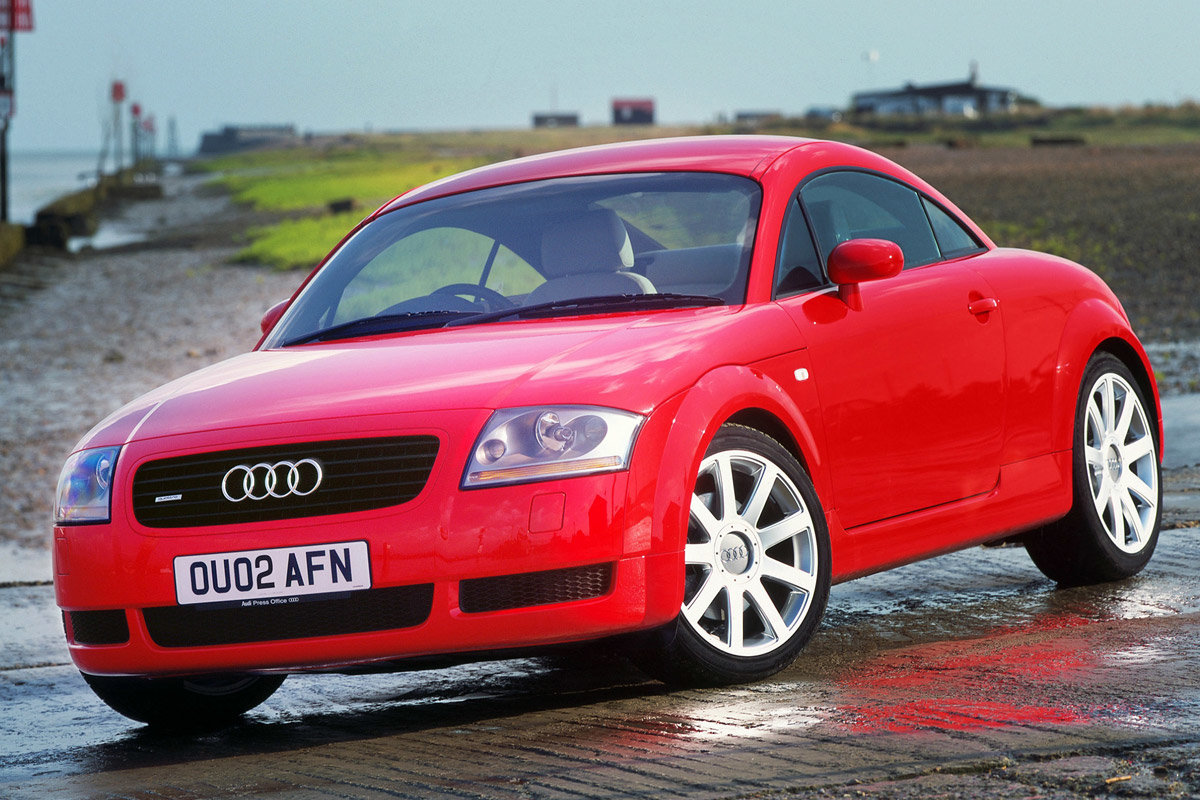
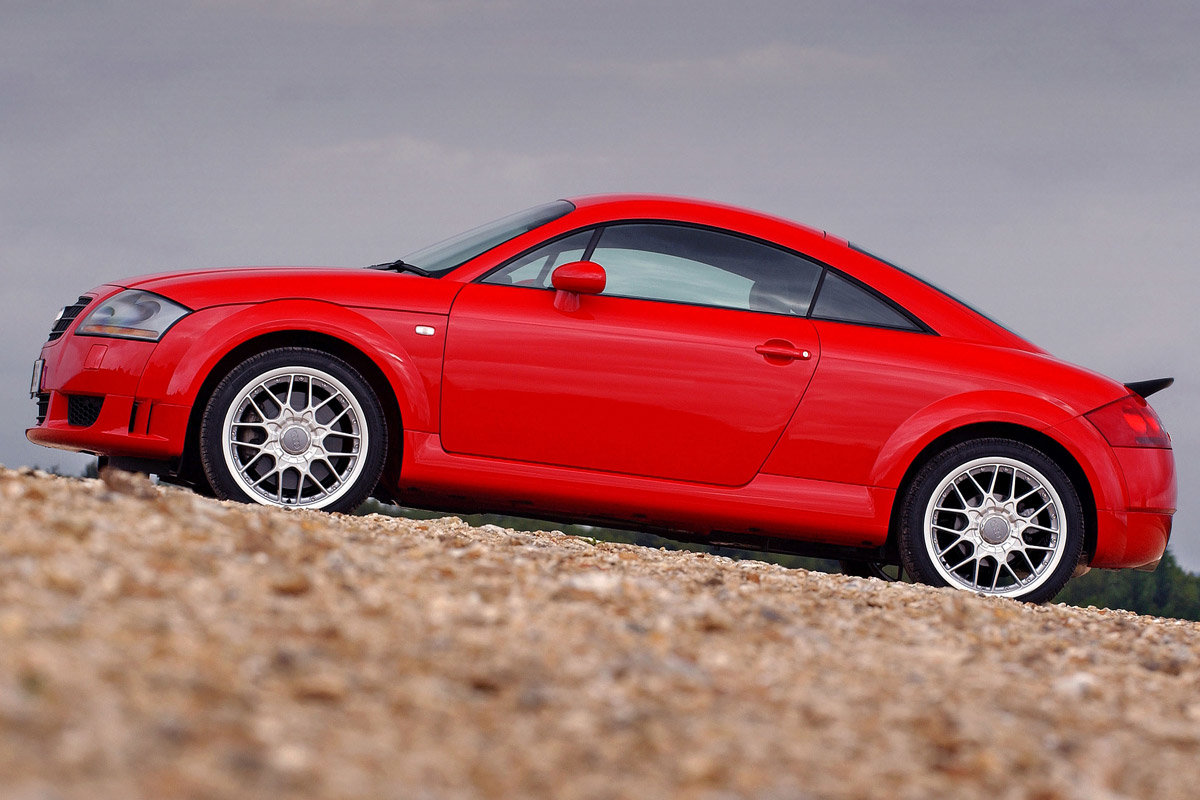
A style icon that still looks good today
Strong performance and soundtrack from 3.2-litre V6
Sensible servicing costs if you use an independent specialist
Cons
Lacks the thrill factor of a Porsche Boxster
Tired examples can cost a lot to maintain
1.8-litre turbo engine sounds bland
The CarGurus verdict
Audi TT reliability
The first-generation Audi TT is a beautiful piece of design, both inside and out, and many are starting to warm to the way it drives – especially when you consider how affordable many examples are and what they offer in terms of an overall package.
A TT isn’t for everyone, though; those looking for a brawnier and more visceral experience, for example, would probably prefer the stout Nissan 350Z. Similarly, enthusiasts will prefer the way that a first-generation Porsche Boxster corners and responds. Mazda’s MX-5 also offers more driving fun, out of the box, than a comparable TT.
There is lots you can do with a TT, however, which can quickly make it a more compelling and involving experience. Even in standard form, though, a good example should prove satisfying to drive and a delight to live with. Just remember, as is the case with many cars of this age, to steer clear of tired cars – as they can quickly become expensive money pits. Buy the best you can afford, service it properly and enjoy it.
What is the Audi TT?
Audi’s first-generation TT is an increasingly sought-after sports coupe that combines decent performance and attention-grabbing design with everyday practicality.
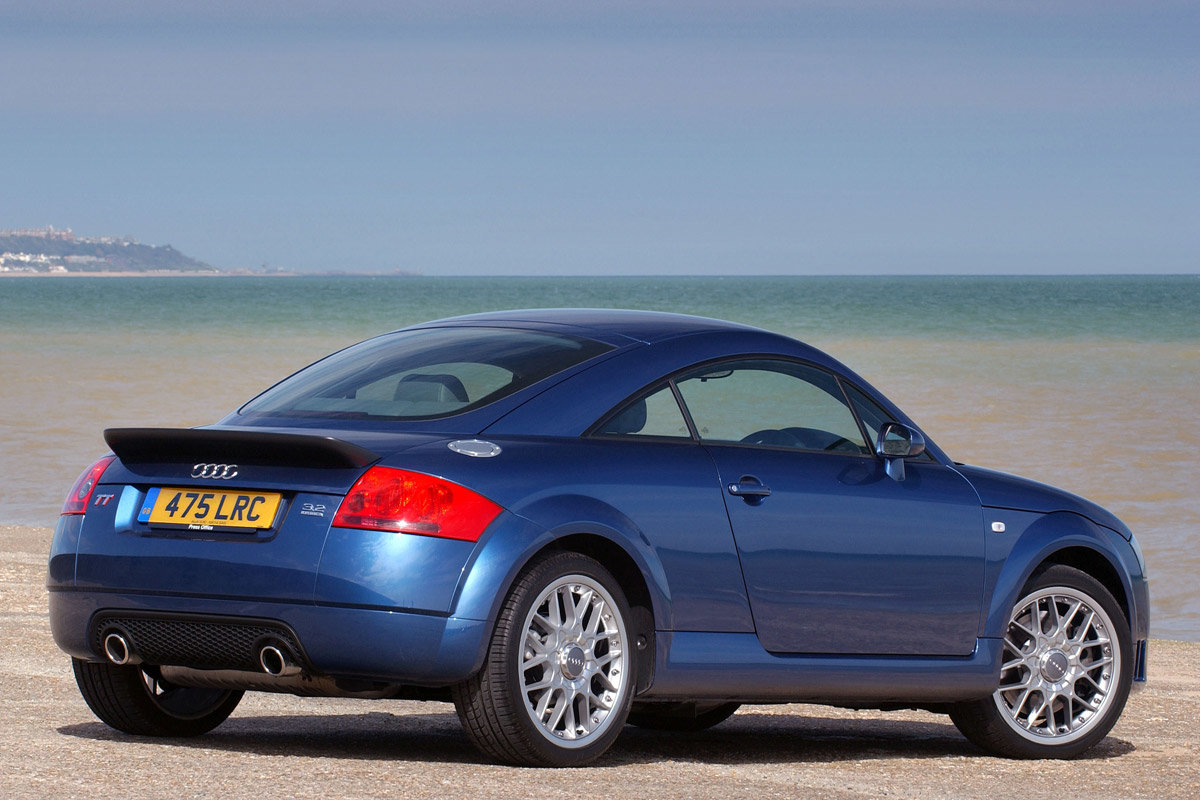
The TT Coupe, which was internally dubbed the Type 8N, was unveiled in production form in September 1998 and arrived on the UK market not long after. It marked the return of Audi to the sports car sector and would face off against the Porsche Boxster, BMW Z3 and Mercedes-Benz SLK, as well as later arrivals such as the Nissan 350Z and Mazda RX-8.
How practical is it?
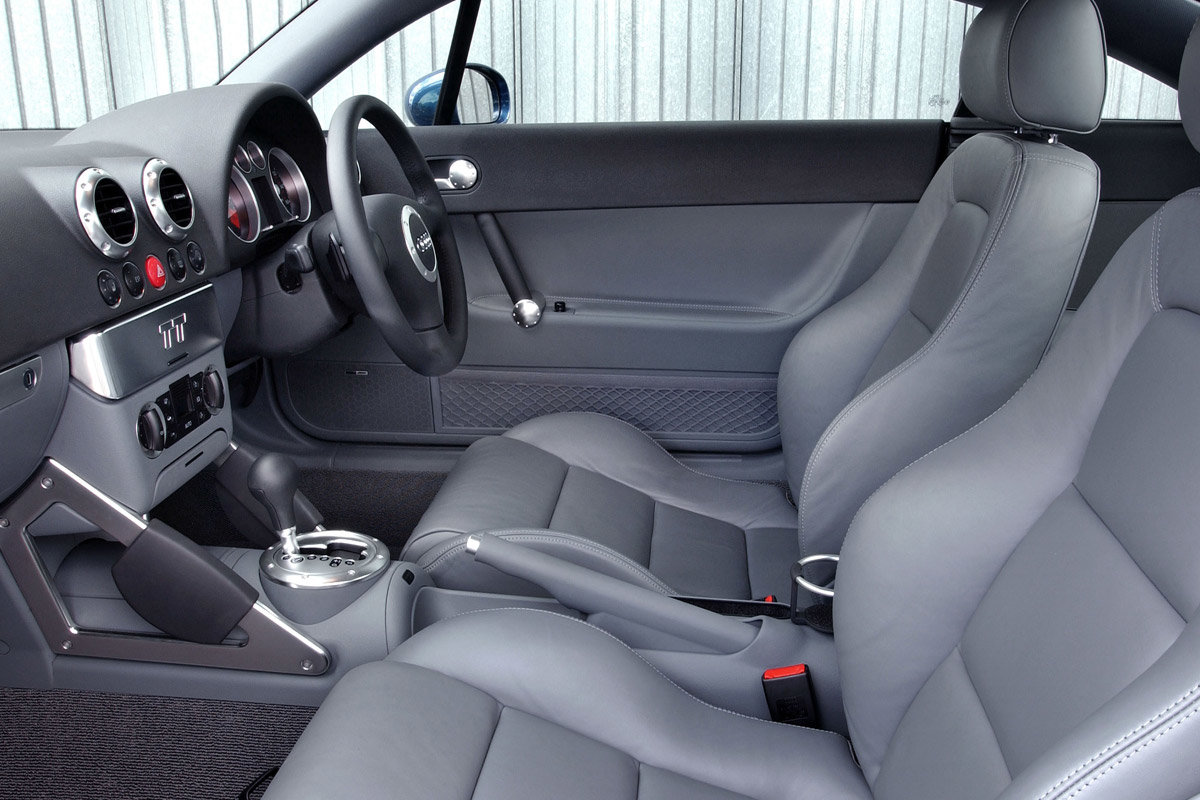
Not usually a key reason for buying a coupe or convertible, but the TT doesn’t do too bad a job here regardless. The front seats are very roomy, roomier than in most rivals, and the interior design is just as attractive as the exterior design, with lots of really stylish touches and some genuinely sumptuous-feeling materials.
The coupe has rear seats while the convertible doesn’t, but you’ve got a roughly equal chance of squeezing adult passengers into the back of either version because the coupe’s rear seats are seriously cramped. It’s better to consider them as extra storage space for luggage. Not that you’re likely to need it, mind, as the TT already had a bigger boot than most of its sports car rivals – 305 litres – making it better for a weekend away.

What's it like to drive?
An array of variants were offered, including the TT 180 and TT 225, which featured 1.8-litre turbocharged four-cylinder engines producing 178bhp and 222bhp respectively. Audi’s quattro all-wheel-drive system was also standard on many variants, which gave the TT an edge over two-wheel-drive rivals in poor conditions. Customers could pick from manual or automatic transmissions in some models.
The TT had the pace to match its sporty looks. The 225 version, for example, could accelerate from 0-62mph in a then-swift 6.6 seconds. Where the TT stumbled a little was on the driver engagement front; early cars were responsive and rewarding to drive, but a recall - induced by a series of high-speed accidents - resulted in modifications that numbed the Audi’s driver appeal.
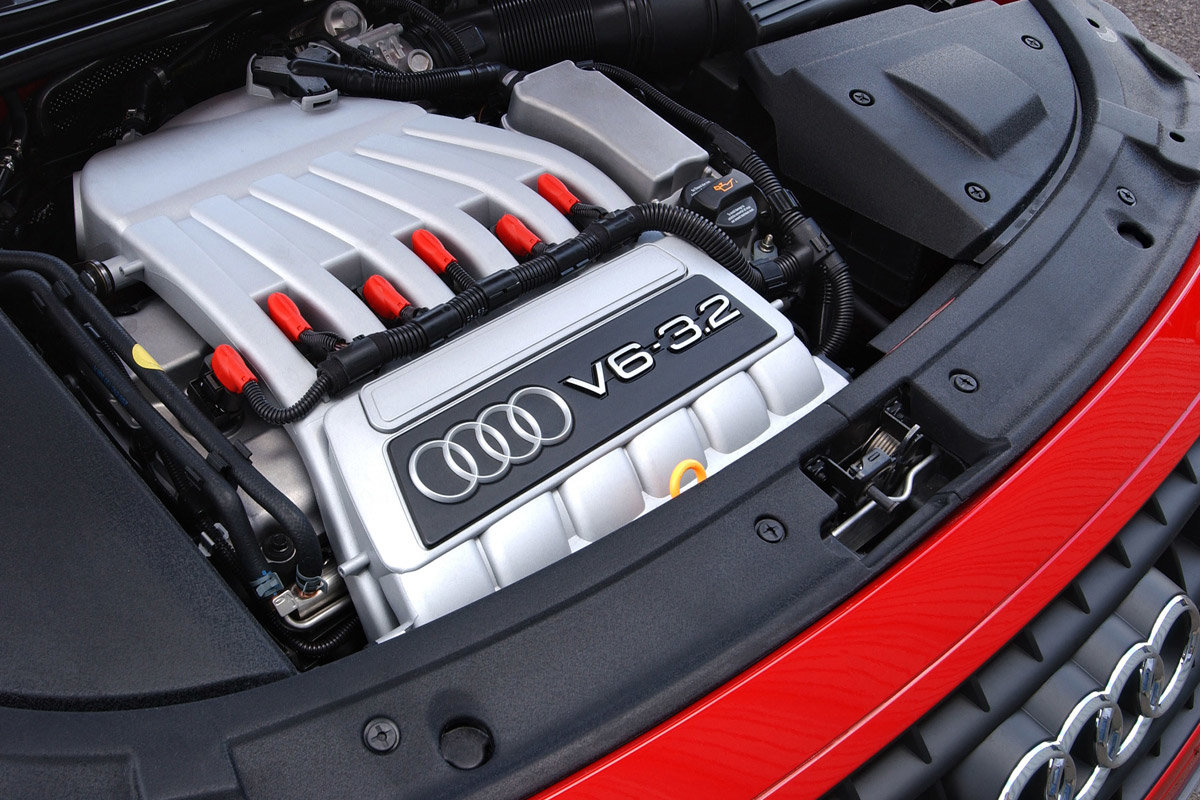
The softer nature led to an experience that wasn’t as exciting or involving as rival offerings which, in conjunction with the tuneless 1.8T engine, dented the TT’s desirability. It was still an easy car to drive, though, and is quick point-to-point – especially in quattro specification, but it lacked its original verve. A muscular and sonorous 3.2-litre V6 option would be added to the TT range, which would resolve the aural issues, but its heft gave the car a far more cruiser-like nature.
Technology, equipment & infotainment
The TT’s standard equipment list was fairly comprehensive for the day, featuring creature comforts such as climate control, electric windows, electric heated mirrors, leather upholstery, alloy wheels and an alarm. Remember, though, that this car was originally launched in 1999, so many of the more modern creature comforts are missing – you'll not find any satnavs here...

Audi TT running costs
At face value, you might not expect a four-cylinder Mk1 TT to cost much to run. A TT Coupe quattro with the higher-output 222bhp 1.8T, for example, was claimed to average a reasonable combined mpg of 30.1. That’s not remarkable, by today’s standards, but it wasn’t bad for a quick turbocharged coupe of the era. You could eke more out of them on a long run, too, with 39.8mpg being claimed for the extra-urban test cycle.
VED can be expensive, however; even a basic front-wheel-drive 178bhp TT costs £270 to tax, while some variants command a hefty £565 annual rate. It’s worth paying attention to the model years, transmissions and tax bands, too, as the rates can vary significantly; a V6 TT registered in early March 2006 would cost £330 to tax, for example, whereas one registered in April would cost you the then-maximum £565 a year to tax.
That would mean you were paying a premium of £20 a month, compared to an earlier V6, which might not put some off – but, if you’re trying to keep your outgoings to a minimum, you might want to opt for one of the less costly models.
Usefully, most TTs are done with depreciating – and some, particularly low-mileage examples in good condition, are even appreciating. This, again, could help keep the overall cost of running a TT down.
Servicing shouldn’t prove ruinously expensive, either; four-cylinder TTs have a timing belt which should be changed every five years or 75,000 miles, but most recommend changing it before 50,000 miles have passed. You’ll often pay in the region of £500 for a complete timing belt change, inclusive of new rollers, tensioner, water pump and coolant.
Aside from regular plug, filter and oil changes, quattro TTs will also need Haldex oil changes every 20,000 miles. Similarly, DSG-equipped Audis will need an oil and filter change every 40,000 miles or so. These jobs aren’t overly expensive, but the costs can tot up if you pick up a neglected car – so you need to tread carefully.
This is where things start to go a little sideways for the TT. These are old cars now, so age is taking its toll on many a component, and many cars have often not been maintained to an appropriate standard. Buy one that hasn’t been properly maintained, or one that needs significant work to bring up to scratch, and you can quickly rack up thousands in repair and restoration costs.
The saving grace is that there are many excellent independent specialists and myriad aftermarket parts suppliers that can help you keep a TT on the road and driving as it should.
When new, the first-generation TT came with a conventional three-year, 60,000-mile warranty, a three-year paint warranty and a 12-year anti-corrosion warranty. That was par for the course in the sports car sector, so there were no major gripes on that front.
However, that original warranty will be long defunct in any used example – and, if you want a used TT, you’ll probably be buying it privately. Even if you do get it from a dealer, it’s unlikely to come with any kind of meaningful warranty; Audi’s own used approved scheme also only offers warranties on cars up to eight years old, so you won’t be able to get a warranted TT via that route either.
As a result, you’ll need to be prepared to spend some time money fixing faults with your TT. And, unfortunately, you probably will run into some at some point; new, the cars were reliable but, now that time and neglect have taken their toll on many a TT, problems are common.
Firstly, there are predominately age- and mileage-related issues, such as worn braking components, tired bushes, failing dampers, cosmetic damage and underbody corrosion. Then there are 1.8T-specific issues; while generally durable engines, they can have problems with coil packs, clogged sump pickups, turbocharger failure and vacuum and boost leaks. The latter can be particularly annoying to resolve, as it often involves replacing lots of pipework – a problem compounded by the TT’s cramped engine bay.
While V6 variants don’t have a timing belt, they instead have a timing chain that can be prone to wear and rattle. If you can hear a lot of noise, or the check engine light is on, it’s probably best to walk away – as fixing it can be costly. The Haldex all-wheel-drive system can fail in TTs as well, while the dual-clutch gearboxes can also occasionally throw up costly faults. Watch out for a failing on-board computer display, too, as the only fix is to have the instrument cluster reconditioned.
There are additionally two recorded recalls for the TT, including the prominent early recall that resulted in Audi adjusting the suspension and offering to fit a rear spoiler and an electronic stability control system. This recall was optional, so you may still see the odd car without ESP or the optional rear spoiler. The other recall is for an airbag that may not deploy properly, so it’s worth checking to see if it has been attended to.
Ultimately, if you want to keep and enjoy your TT for a while – and use it as intended – it’s best to invest in a car that’s been properly maintained and looked after. It’ll work out costing less in the long run than buying an unknown quantity that needs work and it’ll potentially save you a lot of grief as well.
- You’ll often encounter Mk1 TT Coupes that are labelled as 180 or 225 models, which is their engine output measured in the German power unit pferdestarke (PS). Converted to bhp, that’s 178bhp and 222bhp respectively. There were often several drivetrain options; the front-wheel-drive 180 model, for example, was available with a five-speed manual or a six-speed tiptronic automatic gearbox. If you opted for a 180 quattro, it would come with a six-speed manual. The 225 and range-topping quattro Sport 240, which packed 237bhp, were only available in six-speed manual specification with quattro. The 247bhp 3.2-litre V6 TT also came with quattro as standard but it could be had with a six-speed manual or a six-speed dual-clutch automatic transmission.
- Several updates were released throughout the life of the TT. New bespoke options were introduced in June 2001, including new wheels and seat options, and a TT S-Line model was unveiled in November. These were either red or silver and featured 18-inch wheels and sports suspension, but only 200 were made. A no-cost sports equipment package, which included the same 18-inch wheels, was then made available for the Coupe and Roadster in January 2002. The DSG-equipped 3.2 quattro then arrived on the market in July 2003. A tiptronic automatic version of the 180 Coupe was then launched in July 2004, ahead of the launch of the flagship quattro Sport in 2005. The 150 and 180 versions of the TT, lastly, were upgraded and rebranded the 163 and 190 in August 2005.
- The TT Coupe quattro Sport was unveiled in February 2005 and deliveries commenced in May. It was branded as the quickest and most driver-focused TT and featured an upgraded 1.8T engine that produced 237bhp and 236lb ft of torque from 2300-5000rpm. This, in conjunction with a 49kg weight reduction, granted a 0-62mph time of 5.9 seconds. The quattro Sport also benefitted from upgraded brakes, sports suspension, bespoke 18-inch wheels, two-tone paint schemes, Recaro bucket seats and a rear seat delete kit. Only 1,000 right-hand-drive examples were offered.
- The best all-rounder: Go for the 225 version of the TT, which comes with quattro as standard, as it serves up decent performance in conjunction with sensible mpg and running costs. It’s a great base for some gentle upgrades, too, so you can improve it over time and make it better suit your driving style and preferences. Many buyers will also seek out 225s, instead of the lesser 180 Coupes, so it’ll also be easier to sell when the time comes.
- For collectability: A clean, unmodified early TT of any form is a comparatively rare thing these days, and even more so if it’s not got many miles on the clock, so if you see a good example it would be worth picking up. An early car, especially if it’s dodged the recall and doesn’t have a rear spoiler, would be a particularly neat find. The quattro Sport is also worth considering, especially if it has the standard-fit Recaro seats, but you’ll have to keep it standard and avoid racking up too many miles.
- For the best noise: One of the downsides of the 1.8T engine in the TT is that it’s far from tuneful, especially in standard form. The 3.2-litre V6, unsurprisingly, is the far more evocative powerplant. TTs with this engine aren’t as sharp to drive as four-cylinder models, and have a more GT-like nature, but they’re ideal if you want something that feels muscular and looks and sounds the part.
- For maximum performance: The 237bhp quattro Sport can sprint from 0-62mph in 5.9 seconds and is more exciting to drive, so it might seem the best port of call if you want a quick TT. However, due to its collectable and costly nature, we’d suggest getting a standard 225 TT and simply upgrading it. It won’t cost much to match or exceed the performance of a quattro Sport, and the right selection of upgrades could bolster the desirability of your TT – whereas collectors might shy away from a modified quattro Sport.

