BMW Z4 Review (2019-present)
BMW Z4 cars for sale
4.0
Expert review
Pros
More sporting than earlier Z4 generations, but still easy to live with
Refined engines and a comfortable ride make long drives a pleasure
Decent boot space for a sports car
Cons
Not as engaging as a Porsche Boxster
Relatively high running costs of M40i
No fixed-roof version (unless you count the Toyota Supra)
The CarGurus verdict
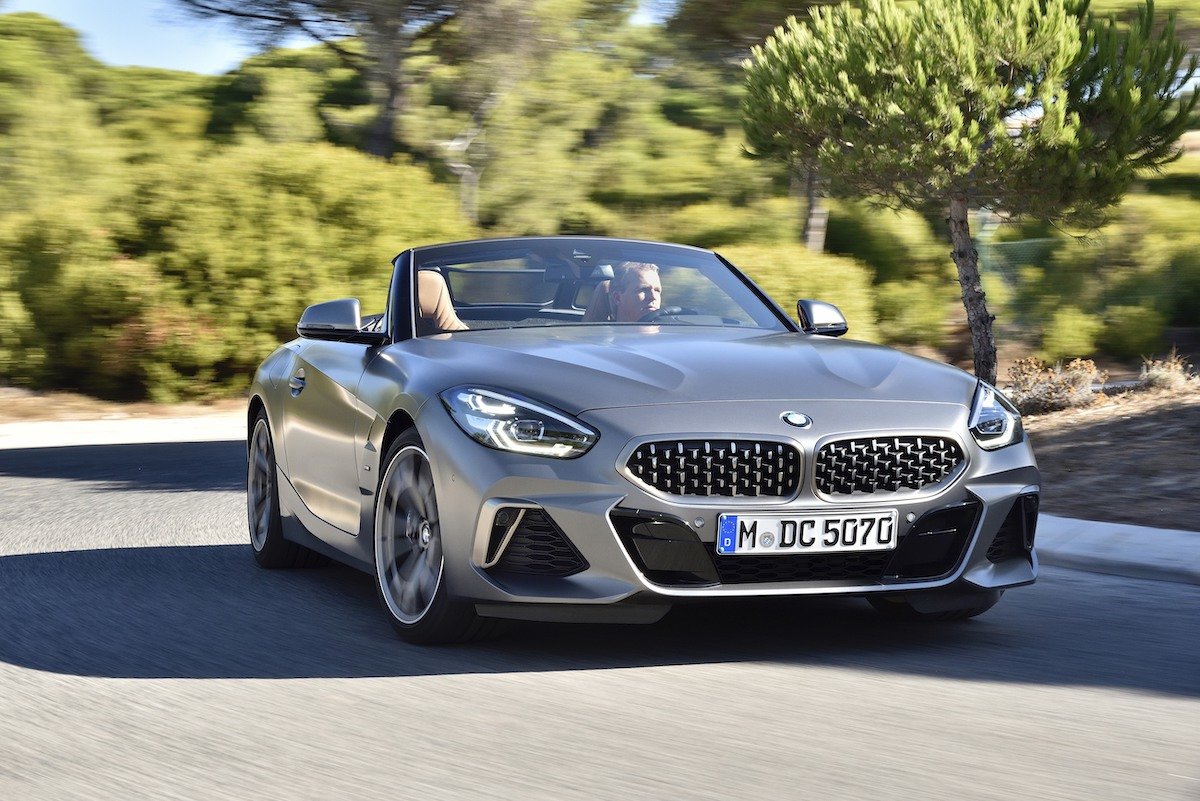
The most enthusiastic drivers will still be better served by the Z4’s long-standing competitor from Porsche. Nonetheless, this latest model does close the gap to the 718 Boxster thanks in part to wider tracks and a shorter wheelbase, physical characteristics that improve agility and handling precision. The previous Z4, on the other hand, was a more sedate car with little to recommend it for keen drivers.
A sizeable boot (for a two-seat roadster, at least), plenty of standard equipment, a good level of refinement and a cushioned ride all make the Z4 a very amenable everyday proposition. This isn’t the kind of sports car that stretches your patience to snapping point in normal driving. As long as you like the car’s styling and you aren’t searching for the most rewarding driving experience out there, the latest BMW Z4 has an awful lot going for it.
What is the BMW Z4?
BMW’s range of Z-badged sports car reaches back more than 30 years. The Z1, the first in the line, was a quirky two-door droptop that borrowed its underpinnings from the E30 3 Series. Since then we’ve had the Z3 and even the rarified Z8 – that was the retrospectively-styled V8 bruiser with the engine from an M5 that arrived around the turn of the century – but most BMW Z-cars have been labelled Z4.
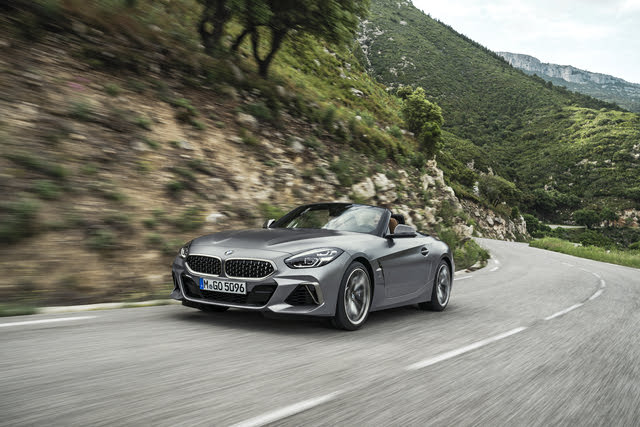
The current model, in production since late 2018, is the third in the series. It’s a rear-wheel drive, two-seat roadster with a fabric hood. The original Z4 was exactly that as well, although BMW did also build a fixed-roof coupe variant. Meanwhile, the second-generation Z4 had not a fabric hood, but a folding hardtop roof instead, much like its Mercedes SLK rival.
Fundamentally, though, the recipe hasn’t changed much since the first Z4 emerged in 2002: two seats, removable roof, rear-drive and with a range of four- and six-cylinder petrol engines that sit up front. The real departure with this latest model is that, unlike its predecessors, it has a twin. Peel away its bodywork and you’ll eventually find the very same platform that underpins the Toyota GR Supra. This is the first Z-car to have been developed with input from another manufacturer.
How practical is it?
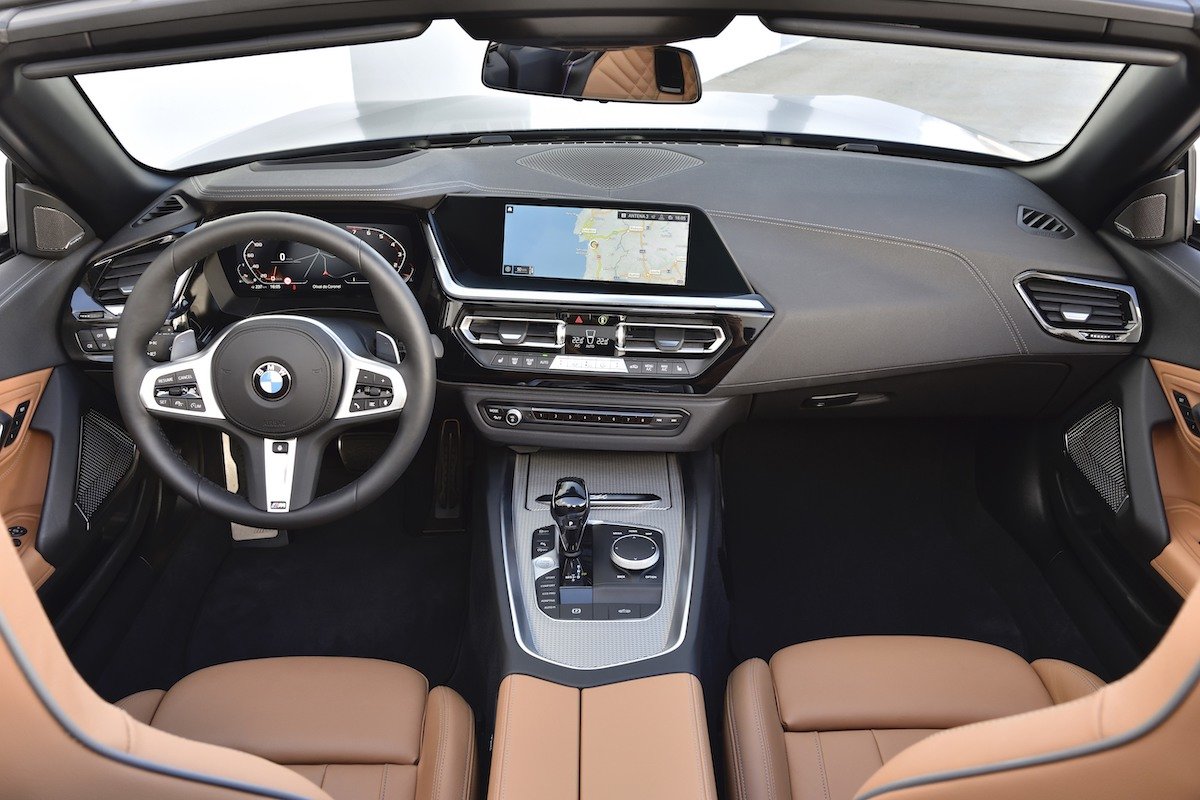
Within the cabin you’ll find the wide transmission tunnel and high dashboard that characterise purpose-built sports cars like this one. There’s also a low-slung driving position that helps you feel at one with the car, plus high-grade materials and good build quality that make the car feel like a properly upper-crust product.
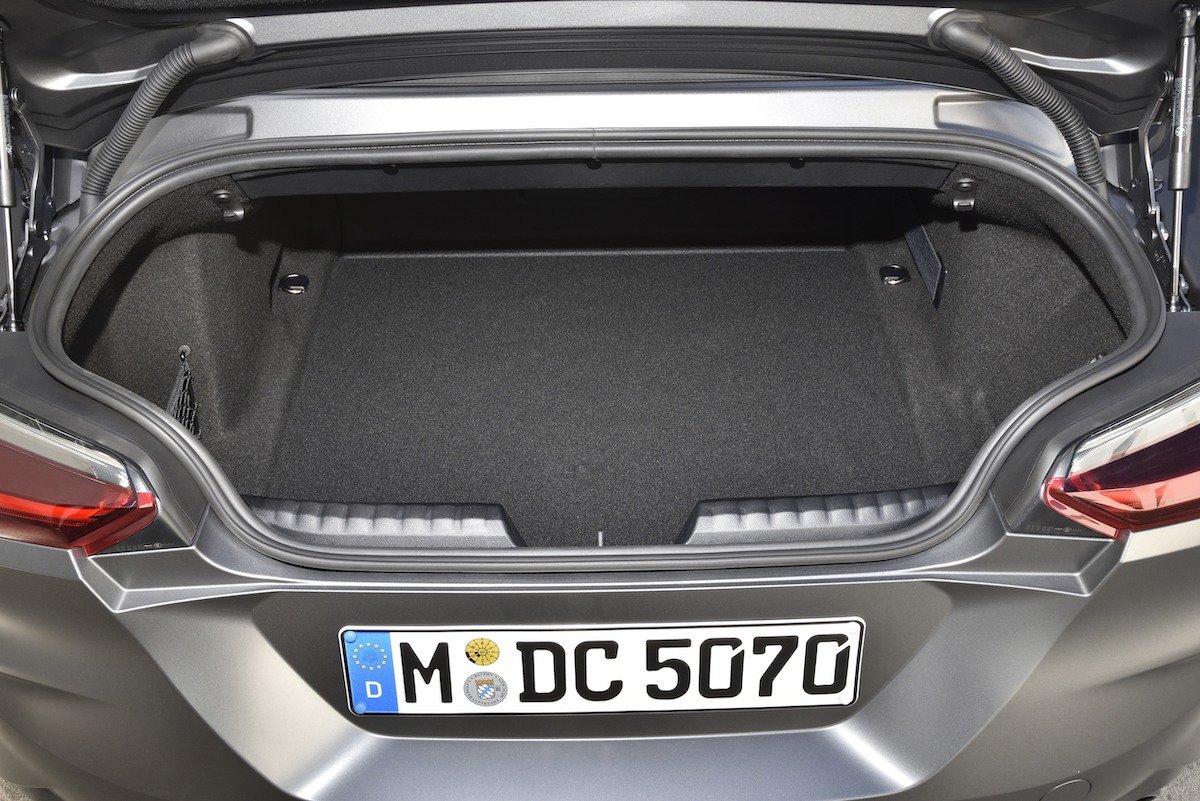
The Z4 is also fairly usable day-to-day, as long as you need no more than two seats, because it has a useful 281-litre boot (about average for a supermini and decent for a two-seater sports car), plenty of convenience and safety kit as standard, a very clear and intuitive iDrive infotainment system. There are more athletic roadsters on the market and faster cars in the class, but in terms of usability, the Z4 is up there with the best.

What's it like to drive?
The latest Z4 has a shorter wheelbase than the previous model, but wider tracks. Those squarer proportions make the new Z4 an intrinsically sportier car than the earlier one, because the less distance a car has between its axles and the more it has between wheels on opposite sides, the more agile and responsive that car will be.
So is this finally a Z4 to dethrone the mighty Porsche Boxster, which for quarter of a century has been far and away the most rewarding sports car in the segment? Not quite. Though this Z4 makes the previous one seem about as sporting as a canal barge, it still doesn’t have the steering precision, chassis balance or handling responses to topple the sublime Porsche. Never has the gap between the two German sports cars been narrower, however. What's more, the Z4 delivers a relatively comfortable ride and good wind noise suppression for a car with a fabric hood.
Technology, equipment & infotainment
Along with the various engine options, the Z4 comes in one of a handful of specifications. Sport models prop up the range and come reasonably well-equipped with LED headlights, 18-inch alloy wheels and Apple CarPlay.
To that, M Sport variants add a body styling kit, an upgraded stereo and bigger brakes. Finally, range-topping M Performance models also get 19-inch wheels, adaptive suspension, an M Sport differential (for even sharper handling) plus extra leather.
BMW Z4 running costs
Any performance car will squeeze more from your wallet than a typical family car; they burn more fuel, need bigger and more expensive tyres, they’re costlier to maintain and more expensive to insure. But no version of the Z4 should really break the bank.
The entry-level model, the sDrive20i, proves as much with its near-40mpg claimed fuel economy figure. Expect to see something closer to 35mpg in mixed real-world driving, which nonetheless is very parsimonious for a sports car with almost 200bhp. The mid-range model, the sDrive30i, boasts a claimed mpg figure of 38, while the range-topping M40i will return 33mpg, says BMW.
Meanwhile, insurance groups range from 30 for the most basic version to 38 for the M40i First Edition (out of 50). All models will incur a £475 annual Vehicle Excise Duty (or road tax) bill, apart from the sDrive20i, which sneaks into the lower category and so costs only £150 each year.
Like all purpose-built performance cars, the Z4 will need very particular and regular maintenance to keep it at its best. Buyers can choose to pay £25 a month over 36 months to spread the cost of servicing during the first three years.
BMW Z4 reliability
Like all BMWs, the Z4 is covered by a three-year, unlimited-mileage manufacturer’s warranty, which buyers can choose to extend at extra cost. That kind of warranty is par-for-the-course among the German manufacturers, but it is made to look somewhat mean by the warranty cover offered by the Korean manufacturers – Kias are covered by seven-year warranties and Hyundais by five-year warranties.
BMW's performance in customer satisfaction surveys has been a mixed bag over the years, and you don't often see the Z4 listed as an individual model, because it sells in relatively small numbers compared with the brand's SUVs and saloons. However, BMW did very well in the 2024 What Car reliability survey, finshing eighth out of 31 manufacturers. That put it streets ahead of arch rivals Jaguar (20th), Mercedes (22nd) and Audi (24th).
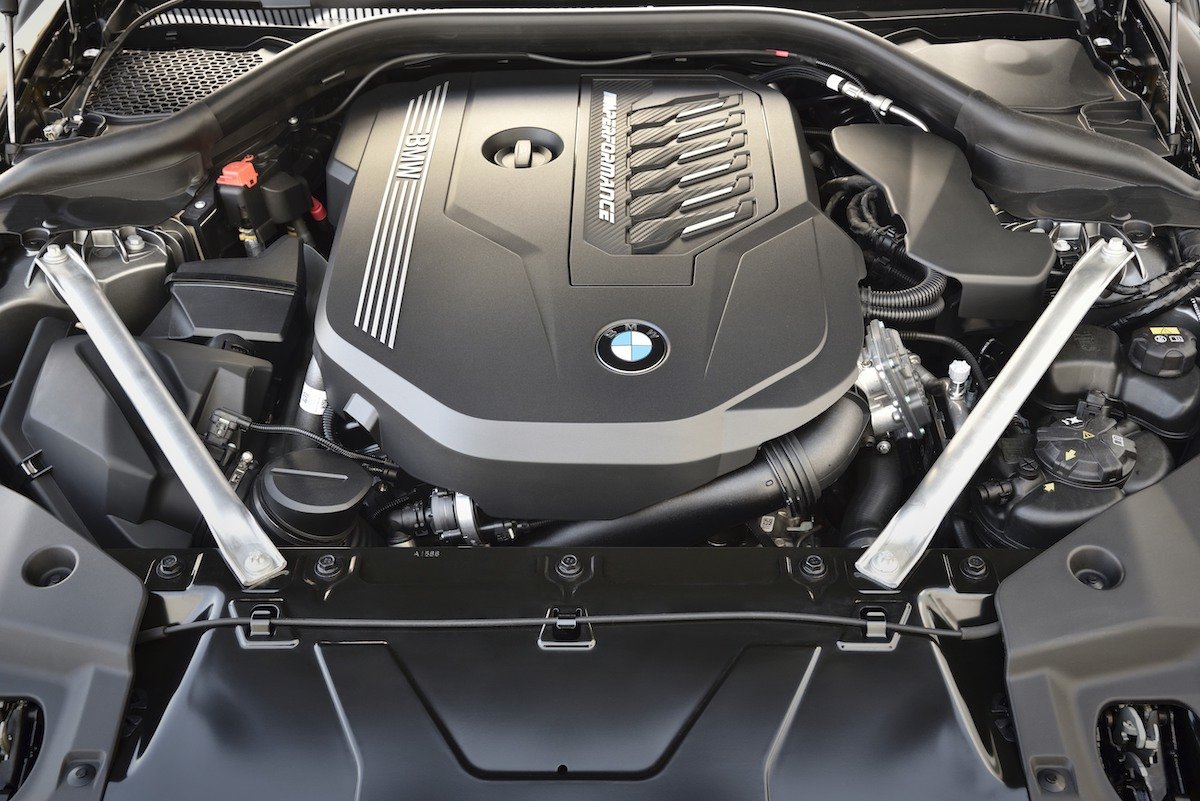
- The engine line-up includes a four-cylinder petrol and a six-cylinder petrol. Both are turbocharged. The four-cylinder engine is available in two states of tune; the sDrive20i engine develops 194bhp and the sDrive30i 254bhp. The six-cylinder in the M40i produces 335bhp, making it the top of the line engine for the time being. The lower-powered four-cylinder can be paired with a six-speed manual transmission, but the vast majority of cars will be fitted with an eight-speed automatic gearbox.
- Even the least powerful model in the line-up offers strong straight-line performance. The sDrive20i will reach 62mph from standstill in 6.6 seconds, making it plenty brisk enough to merit its BMW Z-car billing. The sDrive30i will reach the same speed in 5.4 seconds and the M40i in just 4.6 seconds, giving the halo model a formidable turn of speed. The more powerful versions top out at 155mph and the entry-level Z4 at 149mph.
- Choose a Z4 in Sport or M Sport trim, and your car comes in non-metallic white paint as standard. If another colour takes your fancy, it'll cost you around £700 to upgrade. The amount of colours you have to choose from will depend on the engine and trim combination you go for. The M40i comes with metallic paint included in the price, with three options to choose from. If you're feeling extra frivolous, however, M Sport and M40i cars can also be had with a Frozen Grey finish that'll cost you almost £2000 extra.
- On a budget: the most basic Z4 you can buy, an sDrive20i Sport, costs (at the time of writing) around £39,000. Certain buyers will need no more from their two-seat roadster, although those really enthusiastic drivers who do want more urgent performance will have more fun in the £43,000 sDrive30i.
- In a hurry: the fastest model in the line-up, the Z4 M40i, starts at £51,000. This is the only variant with six- rather than four cylinders and it comes fitted with an adaptive suspension to give a broader spread of ride comfort with handling precision, plus an active limited slip differential that helps to improve traction away from corners.
- The best in class: despite its underwhelming four-cylinder turbo engine, the Porsche 718 Boxster is still the best car of its type. It’s so sweet to drive, but also very easy to use every day and even very practical for this sort of machine, thanks to its pair of boots. The Porsche starts at £49,000.
- The Japanese variant: the Z4 shares its underpinnings and six-cylinder turbo engine with the Toyota Supra. While the BMW is a droptop roadster, though, the Toyota is a coupe. Both cars are built in the same factory in Austria by contract manufacturing firm Magna Steyr.

