Citroen E-Berlingo Review (2022-present)
Citroen E-Berlingo cars for sale
4.0
Expert review
Pros
Incredibly practical
Huge boot
Easy to drive
Cons
Limited electric range
Disconnected steering feel
Prices are higher than you might expect
The CarGurus verdict
The e-Berlingo doesn’t look like great value compared to similar electric cars at the same sort of price. Its range is shorter, its interior cheaper and the equipment list lacks comforts such as heated seats.
That said, what you’re paying for here is practicality, and lots of it. Unless you opt for one of its badge-engineered siblings, the amount of space the e-Berlingo offers is unmatched for the money, among its electric peers at least.
When you combine that practicality with comfort, ease of use and low running costs, you’re onto a winner. The e-Berlingo won’t appeal to everyone, but if you’re looking for the most spacious and sensible electric car around, this is probably it.

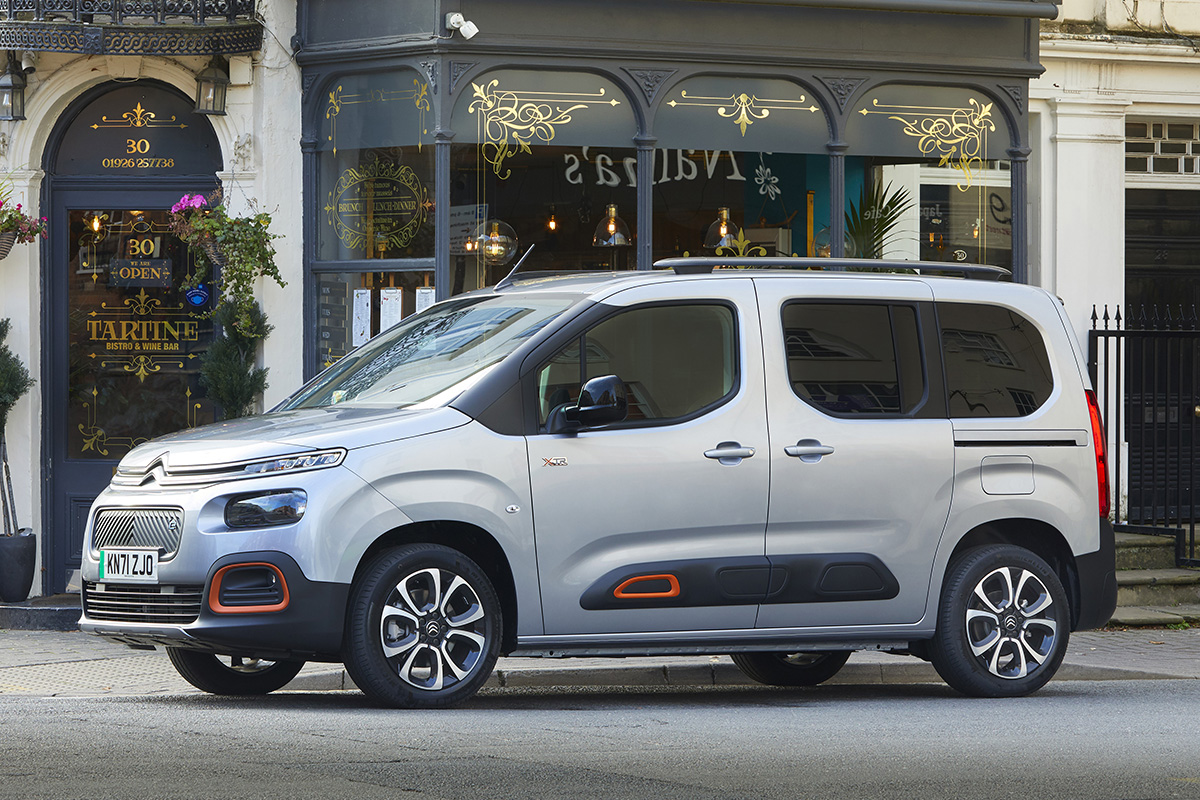
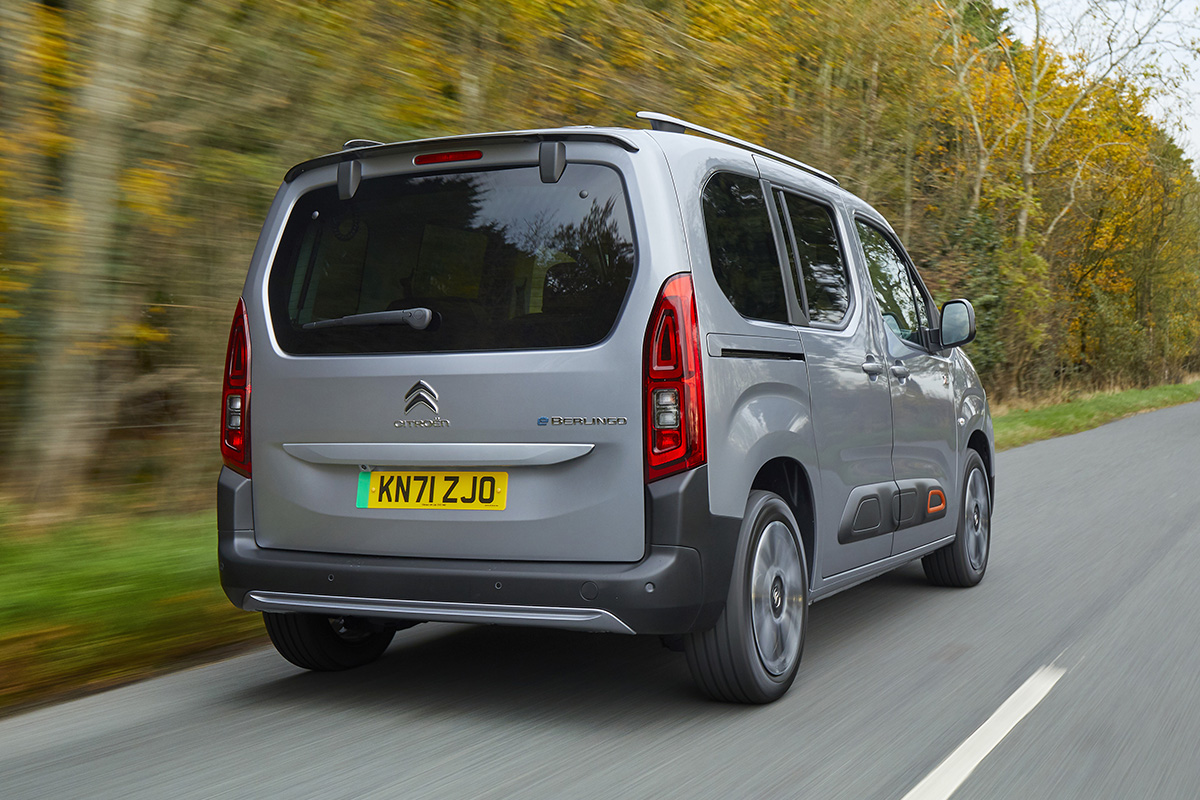
Quite simply, it’s a Berlingo van with windows and seats. Five or seven of them, to be precise, depending on whether you choose the standard M or long-wheelbase XL model.
Under the bonnet sits the same 134bhp electric motor and 50kWh battery as you’ll find in the Peugeot e-2008, the Vauxhall Corsa-E and the bigger Citroen Spacetourer people carrier, and that’s the only powertrain on offer. But you do get to choose between two equipment levels: Feel, which is a little basic, and Flair XTR, which has more equipment but is still no luxury car.
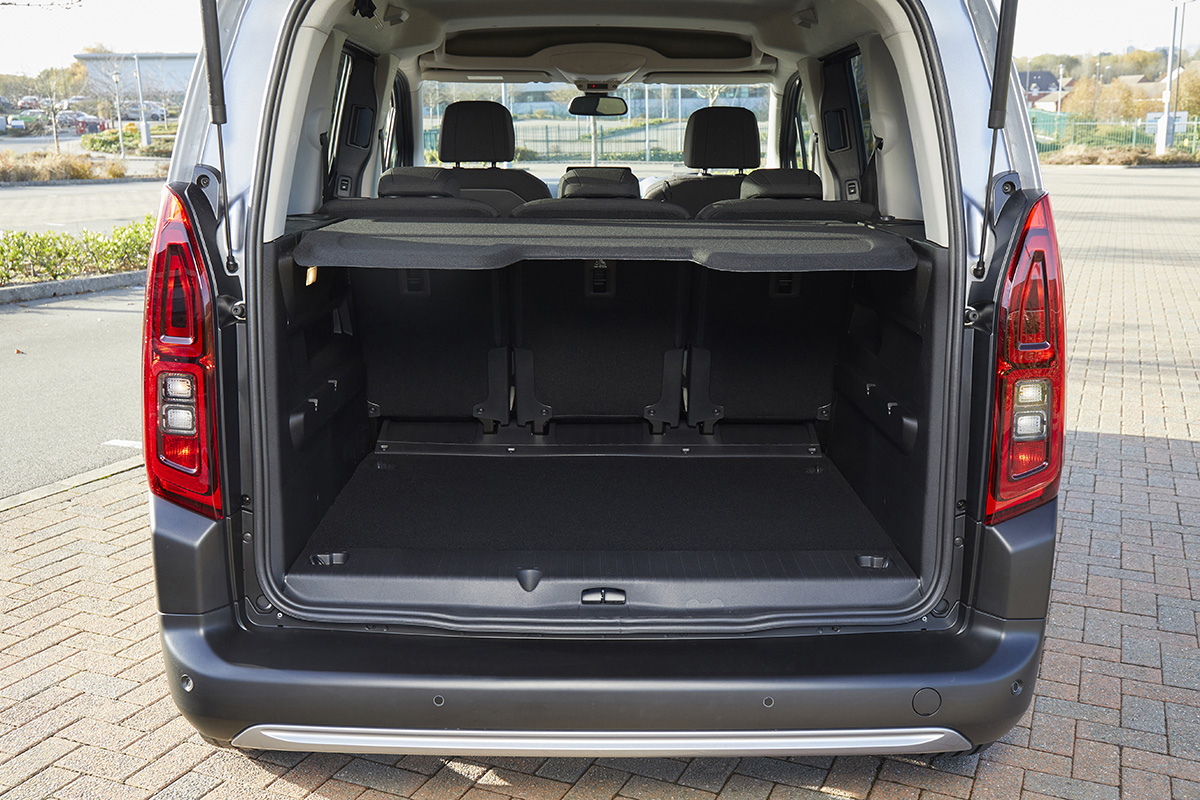
What you’re paying for with the e-Berlingo is space, and there’s a huge amount of it inside. You’ll never want for head-, elbow- or legroom in any of the front five seats, and there are neat little cubby holes and storage compartments galore, while the boot can take 775 litres in M form, or a whopping 1,050 litres with the rearmost seats folded down in the XL version.
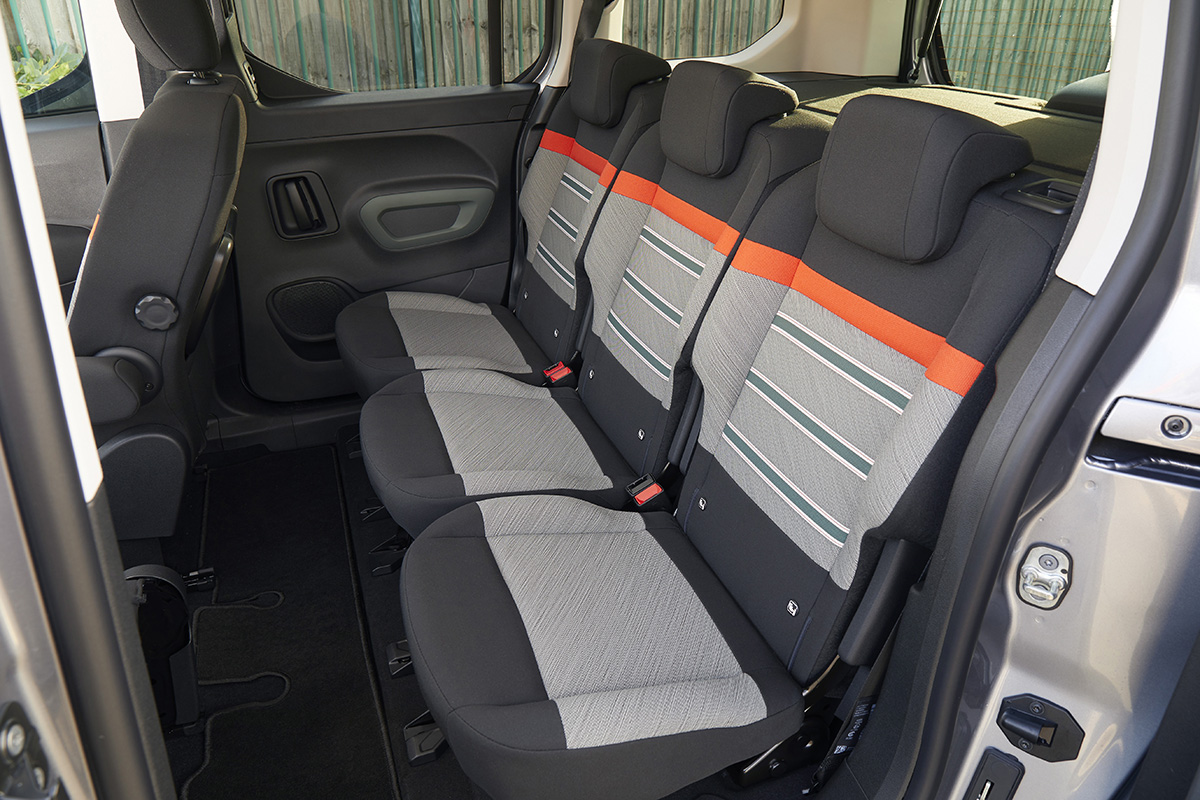
It's a shame that the second row of seats isn’t a bit more flexible, though. These come as a 60/40 split bench on the Feel or as three individual seats on the Flair XTR. The seats fold down to leave a flat load area, but they don’t do any more clever tricks, such as sliding or tumbling, and you can’t remove them to create a van-like load bay.
Opt for the XL model, though, and the two extra seats you get in the third row are more flexible. They slide back and forth, fold down and can be removed entirely.
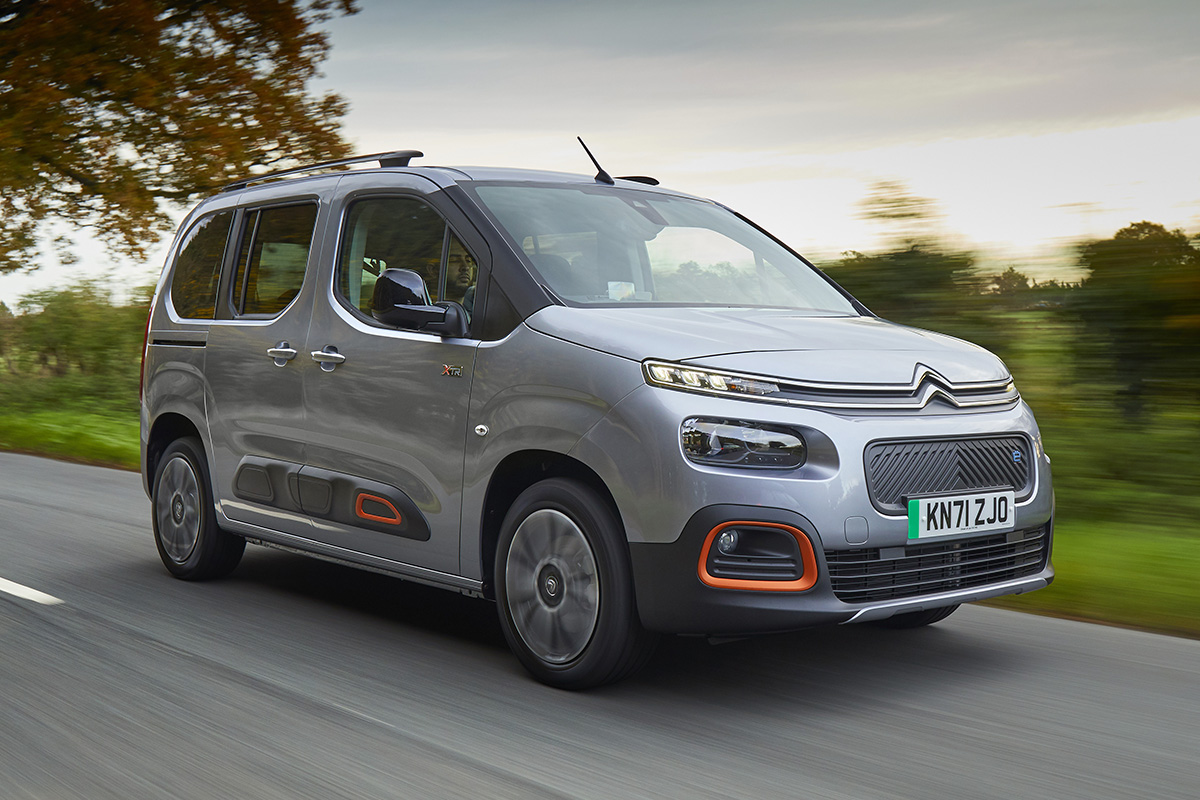
Take a look at the e-Berlingo, and you can probably imagine how it drives. This is clearly not a car built to provide a scintillating dynamic experience.
The steering is over-assisted and doesn’t have much feel, and the soft suspension means the e-Berlingo isn’t exactly the epitome of pinpoint accuracy. That said, it’s surprisingly capable of flowing down a back road with some verve; the suspension does a great job of keeping the body tight and controlled over mid-corner undulations, and there’s plenty of grip.
It rides pretty well, too. Sure, it can feel clumsy and lumpy over really churned-up bits of road, but the e-Berlingo smothers most larger bumps pretty well, and cruises comfortably. It’s also surprisingly free of wind- and road noise on the motorway, given its big, bluff shape.
The battery isn’t the biggest around, which explains the e-Berlingo’s slightly underwhelming range. By contrast, a Kia e-Niro can be had with a much bigger battery and nearly 300 miles of range for the same price.
On the plus side, the e-Berlingo comes with a 100kW on-board charger as standard, and recharging speeds are pretty reasonable right up to about 50 per cent full, at which point they start to tail off. In other words, like most electric vehicles, the e-Berlingo will charge faster the flatter the battery is.
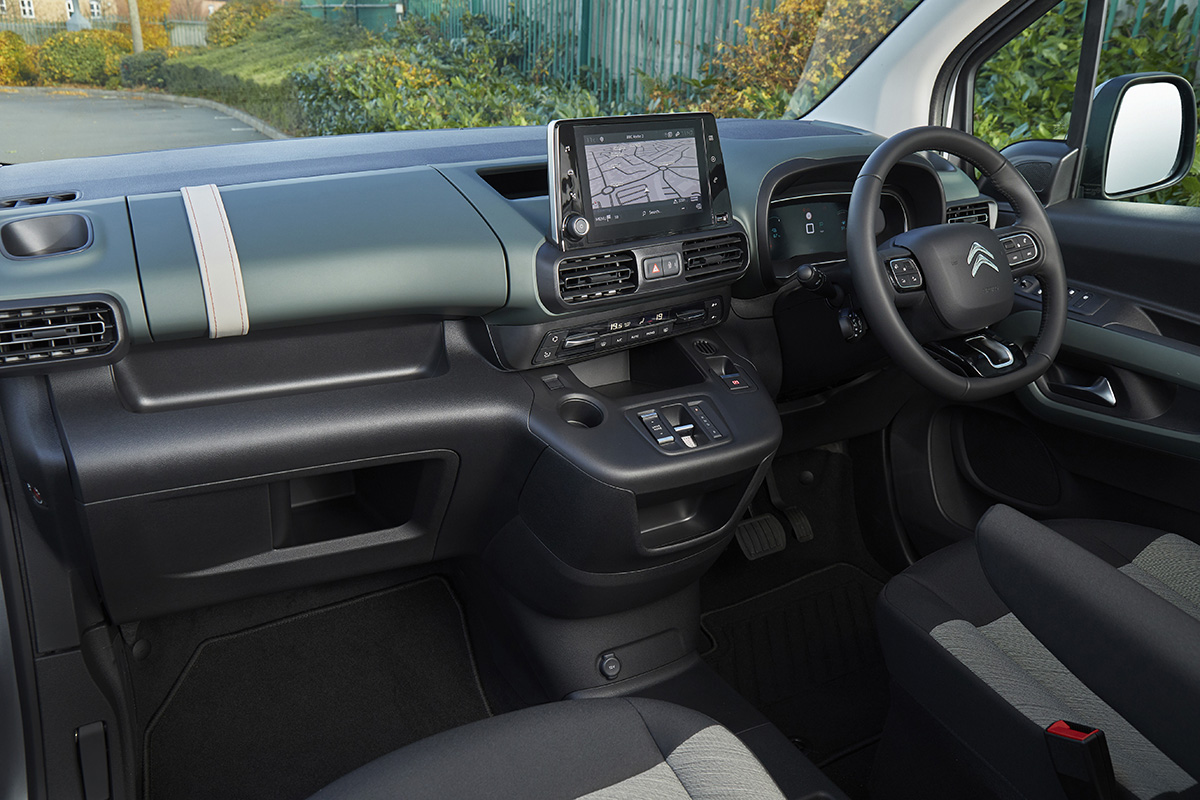
Standard kit on the Feel includes cruise control, air-conditioning, rear parking sensors, Apple Carplay, Android Auto and remote central locking, but you only get analogue dials and you don’t get alloy wheels. Bump up to Flair XTR for those, as well as a digital driver display, sat-nav, head-up display and dual-zone climate control.
As electric cars go, the e-Berlingo is pretty efficient, achieving 3.9 miles per kWh on the official WLTP test’s combined cycle. In the real world, of course, that figure will vary considerably, because it will depend largely on ambient temperatures, how fast you’re driving, how much you’re braking, and how many hills you’re going up and down. You'll also need to select Eco from the three driving modes to get anywhere near this figure, and that'll mean reduced heating and air-conditioning, which can get tiresome pretty quickly.
On the whole, though, this is slightly better-than-average efficiency for an electric car of the e-Berlingo’s size, which is all the more impressive when you consider what a big, boxy thing it is.
As with most electric cars, servicing costs should be pretty affordable, as the e-Berlingo's drivetrain has far fewer moving parts than you'd find in a petrol or diesel equivalent. Citroen dealers offer a range of service plans to help keep the costs even more manageable, while older Citroens benefit from a range of fixed-price repairs, which should apply to the e-Berlingo once it hits three years old. Replacement tyres should also be fairly reasonable, because the e-Berlingo’s wheels are fairly small, especially if you choose the basic Feel model.
Predicting the e-Berlingo’s reliability isn’t easy, for several reasons: firstly, the Berlingo has historically sold in pretty small numbers, so we don’t have a huge sample of reliability study results to draw upon. Secondly, the e-Berlingo’s electric motor and battery pack are still fairly new and, even though they've been used in other cars, none of them have been around for long enough for us to be able to get any concrete idea about its dependability.
Citroen as a whole has been doing reasonably well in reliability surveys of late. It finished 11th out of the 30 manufacturers included in the latest What Car? Reliability Survey, for example: not a star showing by any stretch, but above average.
That suggests the e-Berlingo should be pretty reliable, and what’s more, if you order it online, you’ll get the benefit of a longer warranty of five years and up to 100,000 miles. Buy at a dealership, however, and that drops to three years and 60,000 miles, which is basically considered the industry minimum these days.
- The e-Berlingo is one of three badge-engineered models that share the same basic body, platform and powertrain. The other two are the Peugeot e-Rifter and the Vauxhall Combo-E Life. All three offer the same battery, motor and range, the Vauxhall offers fewer toys and an interior devoid of frills in order to achieve a lower price than the e-Berlingo. The Peugeot, meanwhile, has a slightly raised ride height in order to lend it a more SUV-like stance, but the trade-off for this is that its range is reduced by a few miles due to the effect of its height on the aerodynamics.
- Unlike many Citroens, the e-Berlingo has a separate panel for its climate control system, so you don’t have to control it through the 8.0-inch touchscreen. This is good, because the touchscreen itself can take a long time to respond to your inputs, and it’s sometimes quite fiddly to operate, so the separate climate controls are easier to use. All is not perfect, though, because the rocker switches you use to adjust the temperature aren’t illuminated at night. This seems like a massive oversight, because you have to fumble around for them if you want to turn the heating up or down.
- Relatively few electric cars are cut out for off-roading, and while it would be wrong to say the e-Berlingo is set up to tackle the deepest canyons, you can pay a bit extra for the optional Grip Control system, which brings a limited amount of off-road ability. The system uses the traction control and brakes to improve grip on slippery surfaces, which will be useful if you frequently need to drive across wet grass or down a muddy track. It also comes with a hill descent control system, which will help you get down slippery inclines.
- The e-Berlingo is all about flexibility, so it makes sense to buy it in its most flexible form: the seven-seat XL. That way, you get extra seats if you need them, and extra space in the boot if you don’t, making the e-Berlingo the most versatile electric car you can buy at any price. Couple that with the Flair XTR trim for the best combination of equipment and versatility, and you’ll have a very useful way of going electric.
- If you’re buying on a budget, though, and can live without the extra pair of seats, then the e-Berlingo M Feel is the best bet. It’s pretty basic, but offers the most space for the least amount of money, and it has an identical powertrain (and therefore the same range and charging speeds) to the rest of the e-Berlingo range
- If you can manage with just a five-seater, but want a little more luxury, then the M Flair XTR is a good option. You still get a huge boot and three individual rear seats, but you can save a bit of money by doing without the extra body length and third row.
