Honda HR-V Review (2015-2020)
Honda HR-V cars for sale
4.0
Expert review
Pros
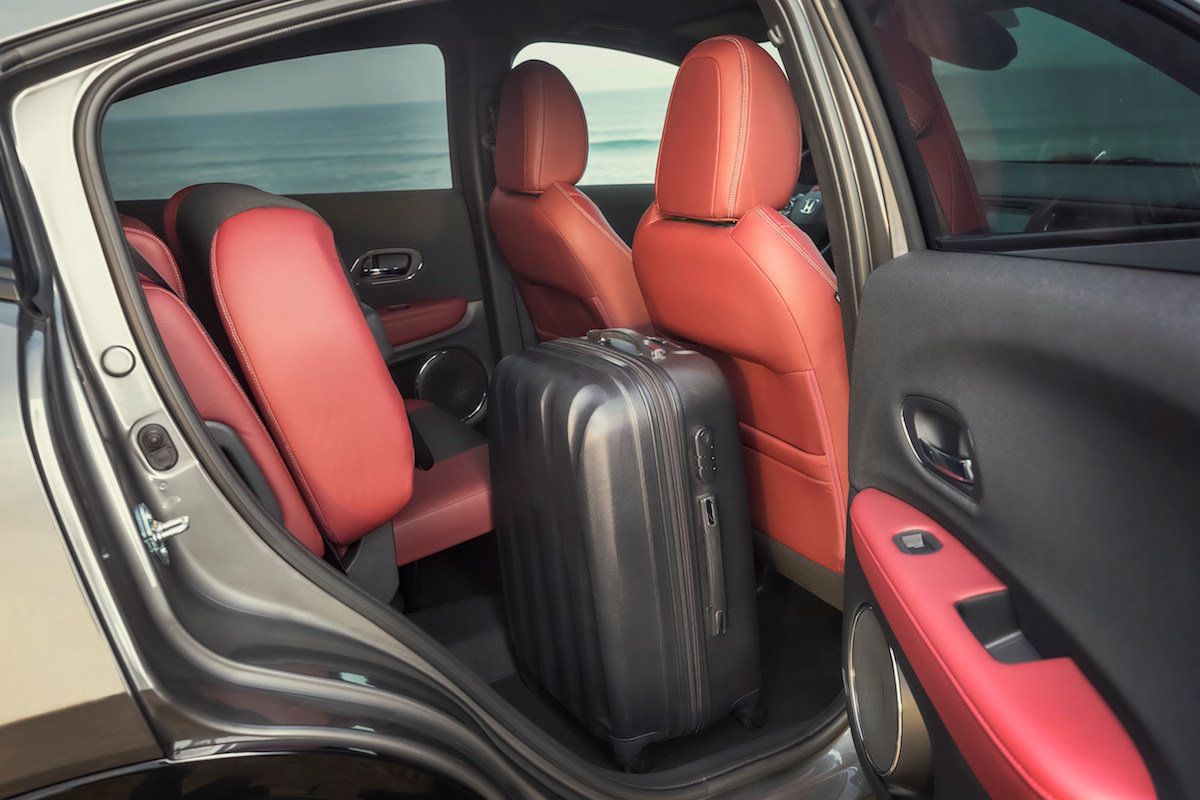
Spacious and versatile cabin
Easy to drive
Well engineered and solidly made
Cons
Noisy CVT auto
Gruff diesel version
Relatively high used prices
The CarGurus verdict
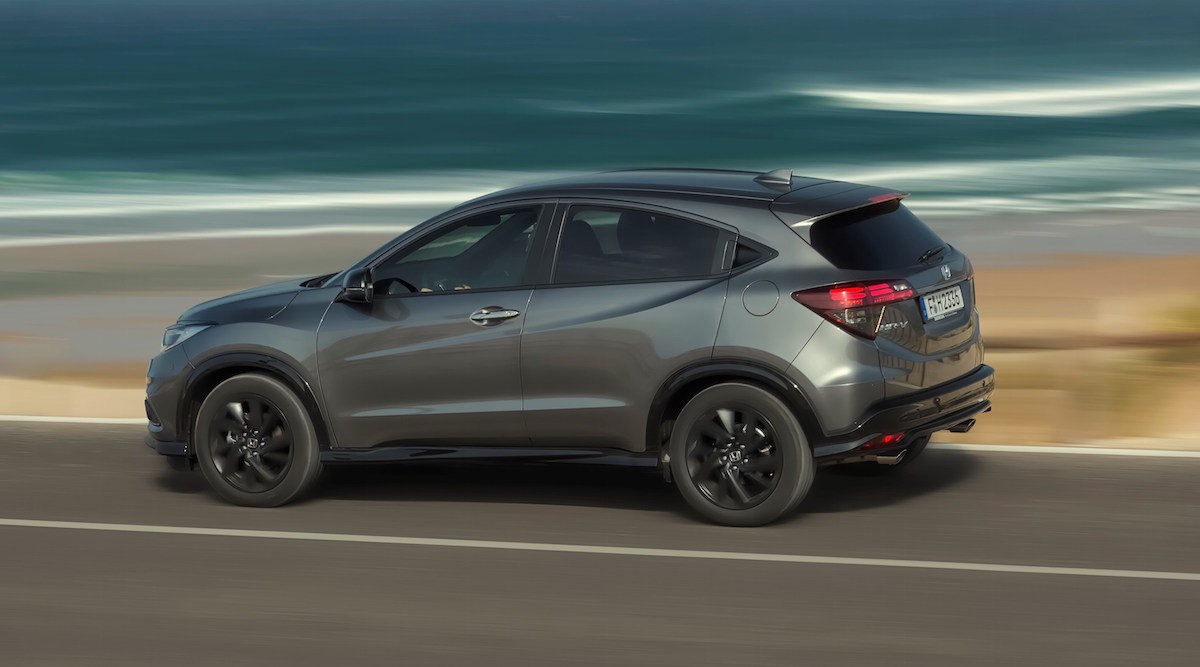
The HR-V is a bit of a leftfield SUV, but once you’ve experienced the extremely versatile interior, the excellent build quality, and its easy-going drive, you might wonder why it didn’t sell in bigger numbers.
Granted, the diesel engine feels a bit flat and gruff at times, but the combination of light controls and sweet gearshifts makes it a very pleasant car to drive. Avoid the CVT automatic transmission in favour of a manual gearbox and stick with a mid-level trim, and you’ll pick up a solid, low mileage example that will reward you with many miles of sterling service.
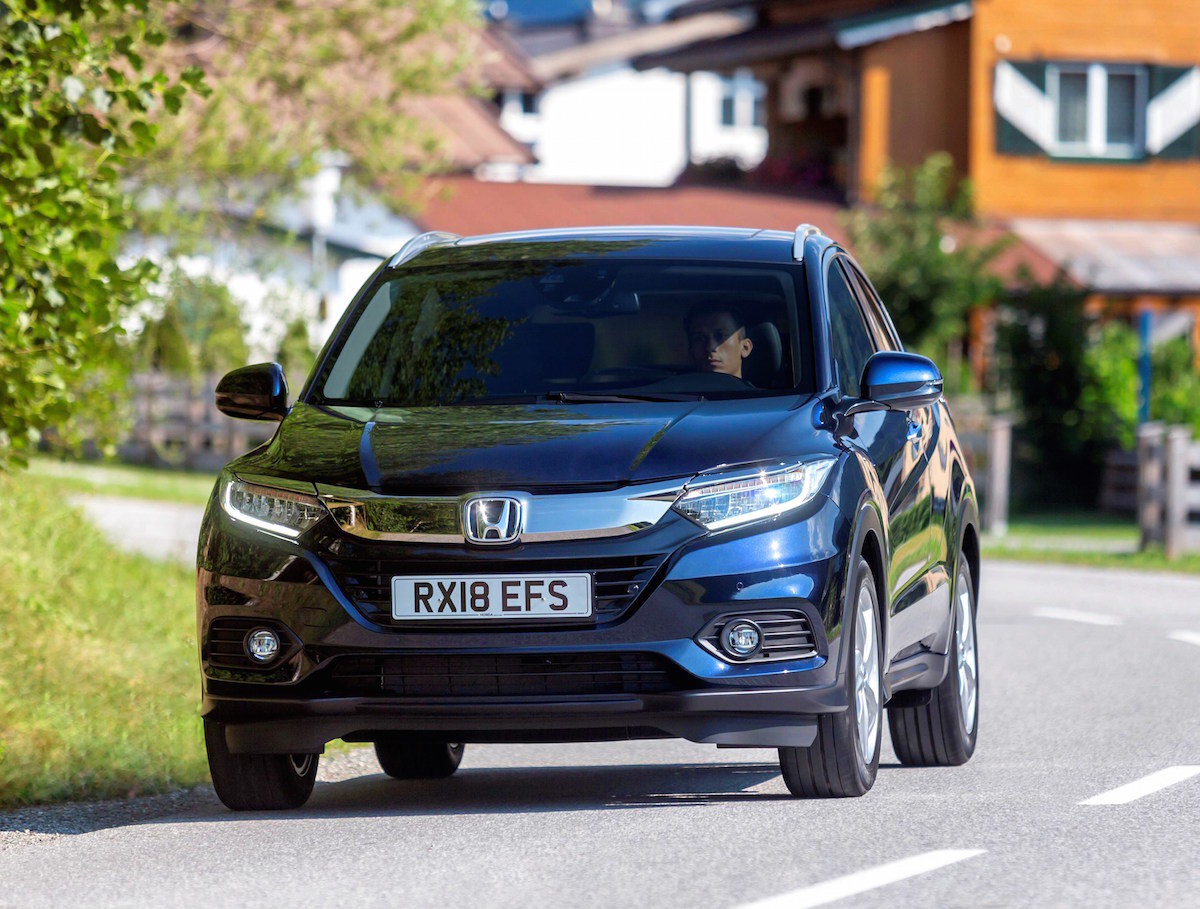
If you asked a hundred people to name an SUV, we doubt the Honda HR-V would even make the list. No doubt Honda wishes this wasn’t the case, but disappointing new car sales mean HR-V ownership comes with a certain amount of exclusivity.
One of the best things about the HR-V is it never feels like a big car, so it zips around town with ease and it’s as simple to slot into tight parking spots as any family hatchback. Other SUVs are more refined, but the HR-V is smooth and comfortable.
If you asked a hundred people to name an SUV, we doubt the Honda HR-V would even make the list. No doubt Honda wishes this wasn’t the case, but disappointing new car sales mean HR-V ownership comes with a certain amount of exclusivity.
One of the best things about the HR-V is it never feels like a big car, so it zips around town with ease and it’s as simple to slot into tight parking spots as any family hatchback. Other SUVs are more refined, but the HR-V is smooth and comfortable.

The 118bhp 1.6-litre iDTEC diesel engine is well-regarded for its frugality and durability, but rivals offer smoother and more powerful alternatives. The 128bhp 1.5-litre iVTEC petrol is a good deal smoother than the diesel, but it thrives on revs – a trait not particularly suited to the optional CVT automatic gearbox, so we’d stick with cars fitted with the six-speed manual transmission (automatics are petrol-only, too).
Speaking of which, that’s also the best gearbox from a driver’s perspective, because it’s really slick. Combine it with the smooth steering and light pedals, and you have a car that’s very easy to drive.
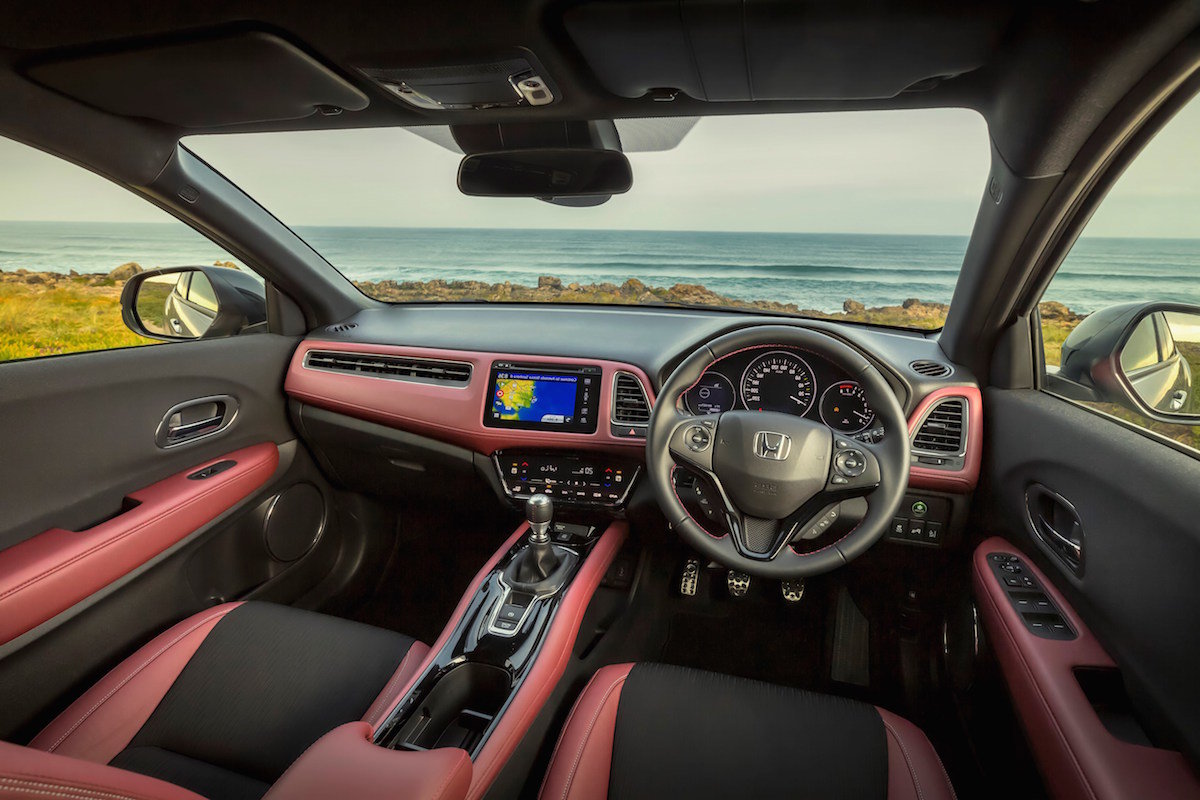
The HR-V has four straightforward trim levels: S, SE, Sport, and EX. Even entry-level S cars come with a fair bit of kit, including 16-inch alloy wheels, automatic LED headlights, climate control, cruise control, electric windows, and those clever Magic Seats.
SE adds 17-inch alloys, front- and rear parking sensors, an infotainment touchscreen system with Apple CarPlay, Android Auto, satnav, a leather steering wheel and gear knob, automatic high beam headlights, dual-zone climate control, and a rear parking camera.
Make the jump to Sport and, along with lots of body trim enhancements, the alloys grow to 18-inch and the seats are trimmed in half-leather. Top-end EX adds a full-length panoramic glass roof, full leather upholstery, and heated front seats.
Honda’s servicing costs are usually very reasonable, but the HR-V does require servicing every 12 months or 12,500 miles. Honda also operates a scheme for cars more than three years old called Honda 12, which includes an oil and filter change plus a thorough inspection of the overall condition of the vehicle. It was advertised at £225 at the time of writing, while the 12+ service costs £335 (again, correct at the time of writing) and adds a new air filter, pollen filter, and brake fluid.
Honda also has a fixed price menu for commonly replaced items, which will give you some insight into future running costs. While the brake fluid needs changing every three years, it cost £80 at the time of writing, while an engine coolant change, which is required every five years, was £123. An air-con service costs £70, which is not much more than you will pay at your local Kwik Fit. Increasingly, brakes are becoming one of the more expensive items to replace on any modern car, and the HR-V is no exception: expect to pay around £704 to replace all four discs and pads.
It’ll come as no surprise that the 1.6-litre diesel delivers the best fuel economy. Its claimed average of 55mpg is a good 12mpg better than the petrol car’s returns, but that’s an official test figure, so expect less from real-world driving. Insurance groups range from a modest 18 for the petrol cars to 21 for diesels.
Honda generally has an excellent reputation for reliability and customer service. As a brand, it finished a middling 14th out of 30 manufacturers in the 2021 What Car? reliability survey, but the HR-V aced the small SUV category of the same survey, with a 100% reliability rating.
It’s still worth checking the usual culprits for scuffs and damage when buying used, such as alloy wheels and bumpers and, on a test drive, listen out for any clunks or groans from the suspension.
The diesel engines are quite noisy, and suffer from quite a lot of turbo whine, even they’re when new, so don’t assume this is a problem. Test driving an automatic HR-V can be an unusual experience if you’ve never driven anything with a CVT (Continuously Variable Transmission) automatic gearbox before. If you hear the revs soaring when you put your foot down, don’t assume you’re dealing with a broken car, as this is just a trait of the gearbox.
Check that all the electrics work, including the touchscreen functions, and don’t be surprised if it’s quite slow to respond to your prods. Also, carry out a visual check of all the plastics and check the boot for any signs of abuse. It’s also worth getting down on your hands and knees to check for any signs of off-roading abuse. As always, check that all the stamps in the service book are present and correct.
Honda includes a three-year, 90,000-mile mechanical warranty from new, along with a five-year exhaust and a three-year body corrosion warranty, and a 10-year chassis and 12-year structural corrosion guarantee.
- Although the Nissan Juke is the car most people credit with sparking the UK’s small SUV revolution, Honda got there first with the HR-V. Launched in the UK in 1999, the original model was a lightweight SUV based on a small hatchback and powered by zingy 1.6-litre petrol. It was also well-kitted out, featured lots of safety equipment, and even came with an innovative boot floor divider. It would be another 16 years before this version of the car arrived in the UK and, although it looks radically different, it owes much to the ethos of the original.
- Honda dropped the 1.6-litre iDTEC diesel engine when the HR-V underwent a facelift in 2019, because sales of such engines were falling. It replaced it with a stronger, turbocharged 180bhp 1.5-litre petrol.
- Most HR-Vs come with a touchscreen infotainment system, but it’s not the best around. Interactions can be frustratingly slow and imprecise, and it’s not that easy to focus on the various icons when the sun’s reflections hit the screen.
- If you’re on a budget: Low sales and high desirability ensure used prices of HR-Vs are very strong, so even high- mileage, low-grade models sell for good money. However, the basic S trim level has plenty of equipment, and the HR-V is capable of stellar mileages if it’s been well-maintained, so don’t be put off by such examples.
- The most powerful: Sport models with the later 180bhp 1.5-litre turbocharged engine are the quickest. It’s typically a Honda engine, in as much as it thrives on revs, but the turbocharger means it’s also pretty muscular towards the bottom of the rev range. This is a useful trait when towing or overtaking.
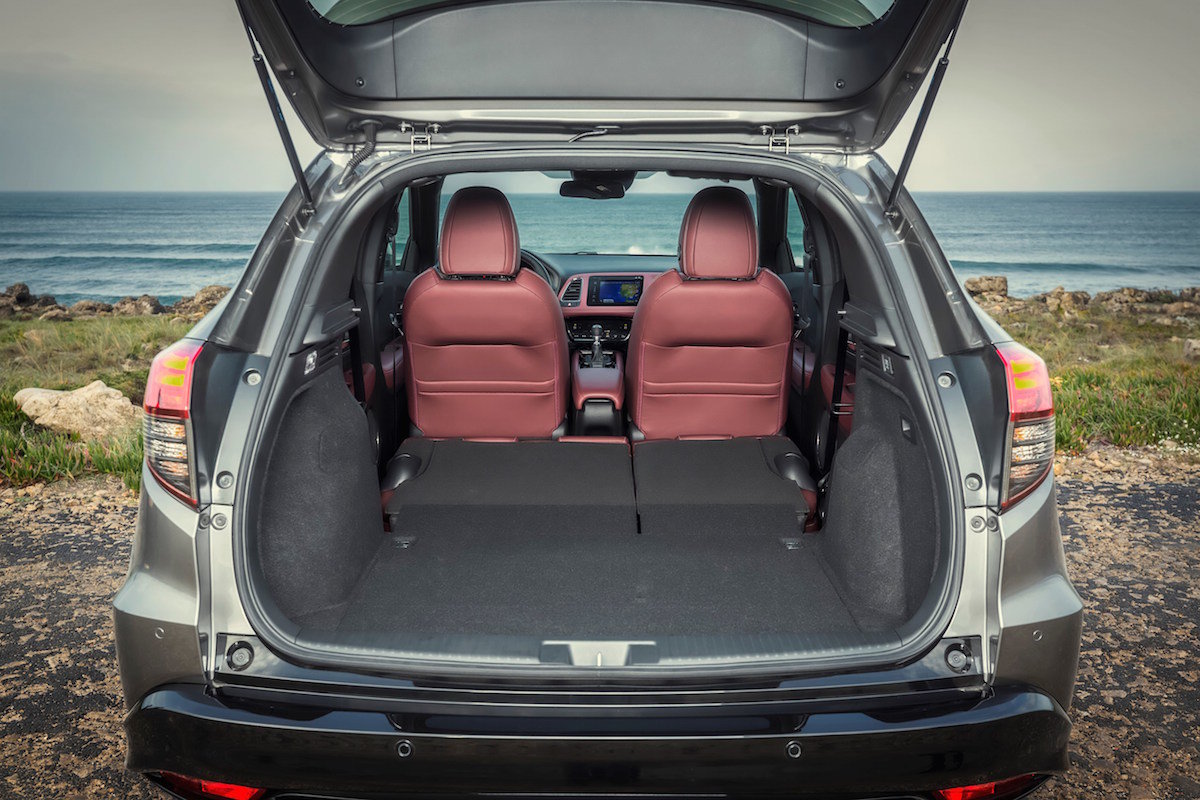
- The best all-rounder: It doesn’t matter which version of the HR-V you choose if you’re looking to maximise space and practicality, because no rival compact crossover comes close to matching its incredibly flexible seating layout. Our ideal combination would consist of a diesel SE model, which comes with an impressive amount of kit, while keeping the price and running costs under control.

