Toyota Prius Review (2003-2009)
Toyota Prius cars for sale
4.0
Expert review
Pros
Very fuel-efficient in urban driving
Dependable and reliable, even at this age
Capable of fully electric running for short distances
Cons
Dull to drive
Motorway miles hurt the Toyota's mpg figure
Engine sounds strained while accelerating
The CarGurus verdict
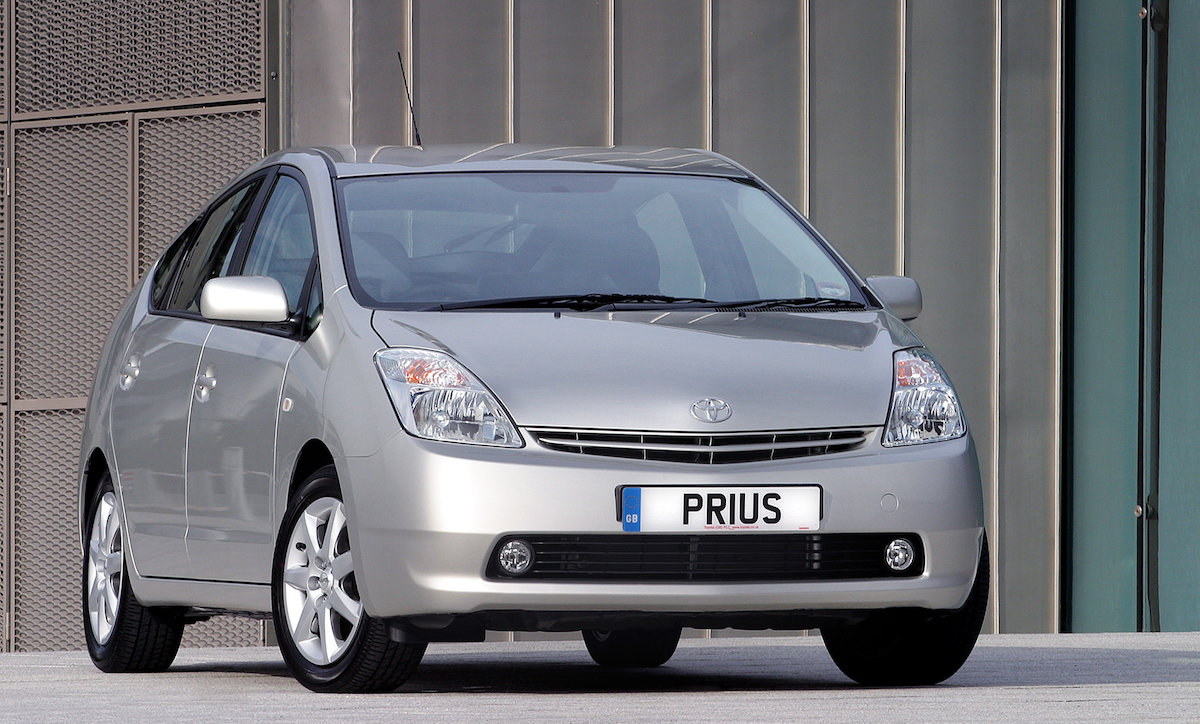
The Toyota Prius was European Car of the Year 2005, and a very worthy winner. Fairly unassuming to look at and to drive, the Prius nevertheless has brilliantly popularised the idea of the everyday hybrid car, pretty much on its own: other car makers are now playing catch-up.
The Prius’s hybrid technology works seamlessly and unobtrusively, and the ability to run with zero emissions is a real boon in city driving. And although 55mpg might not seem so special these days, let’s not forget that it comes from a Golf-sized hatchback that’s more than 10 years old.
The hybrid drive’s battery life is deeply impressive and the Prius’s overall reliability even more so. Many owners turn into Prius zealots, either keeping their car for hundreds of thousands of miles or buying a succession of them, and it isn’t hard to see why.
What is the Toyota Prius?
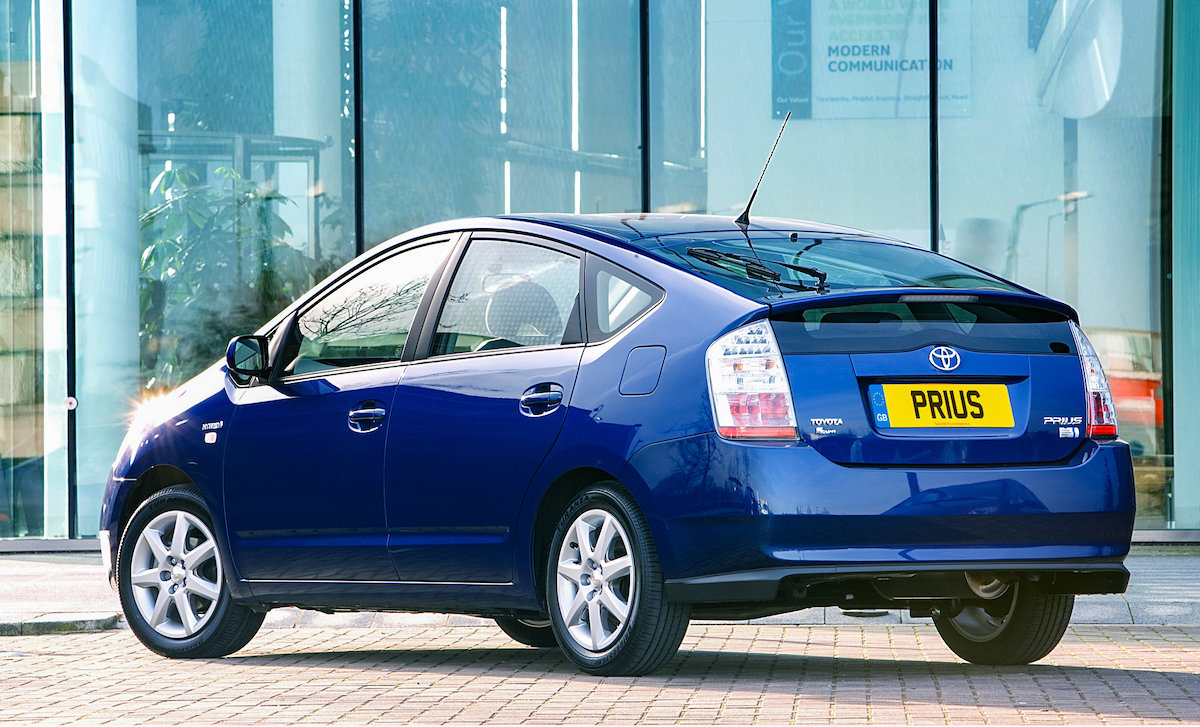
The world has Toyota to thank for the widespread acceptance of the hybrid car. The Japanese company was first to produce a mass market petrol-electric hybrid with the original Prius, and despite that model’s mediocre sales performance, Toyota persisted with the concept, bringing us the second generation Prius in 2003.
More efficient and more spacious inside than the mk1, the Prius mk2 has for many years been the car that most people think of when the term hybrid is mentioned in conversation. It was replaced by the third-generation Prius in 2009.
How practical is it?
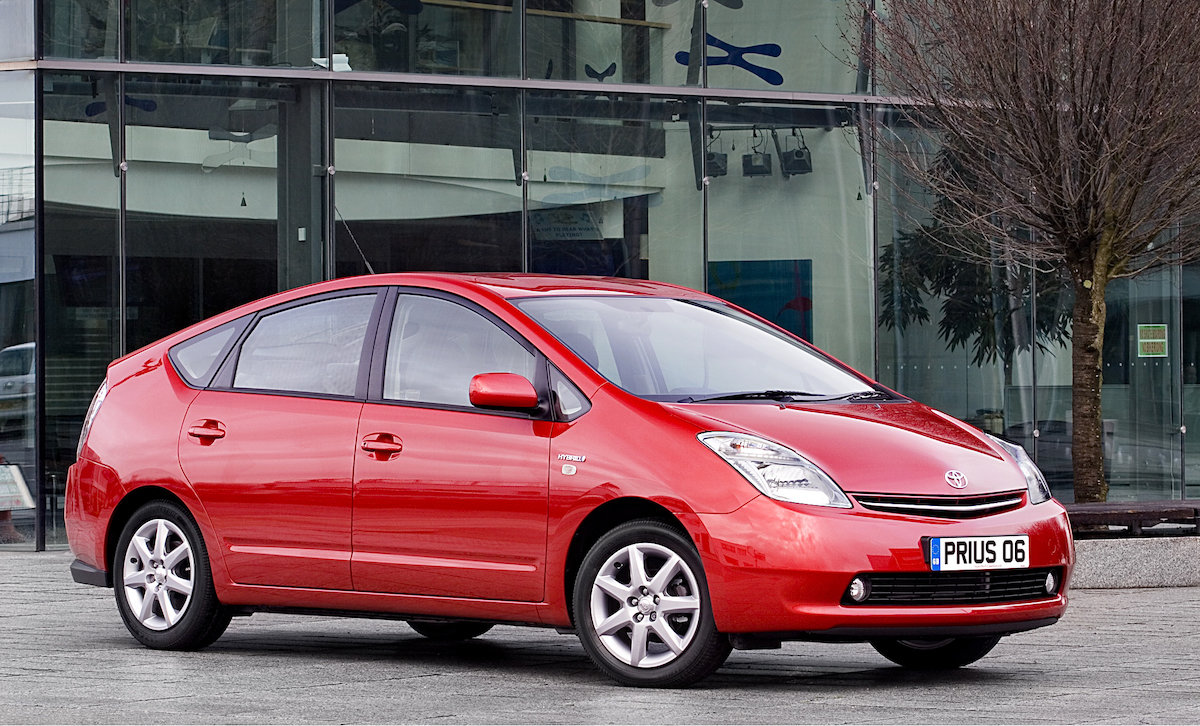
Some critics think the Prius looks a bit gawky, but it’s perhaps fairer to say that it has its own very individual style that makes it a distinctive sight on the road.
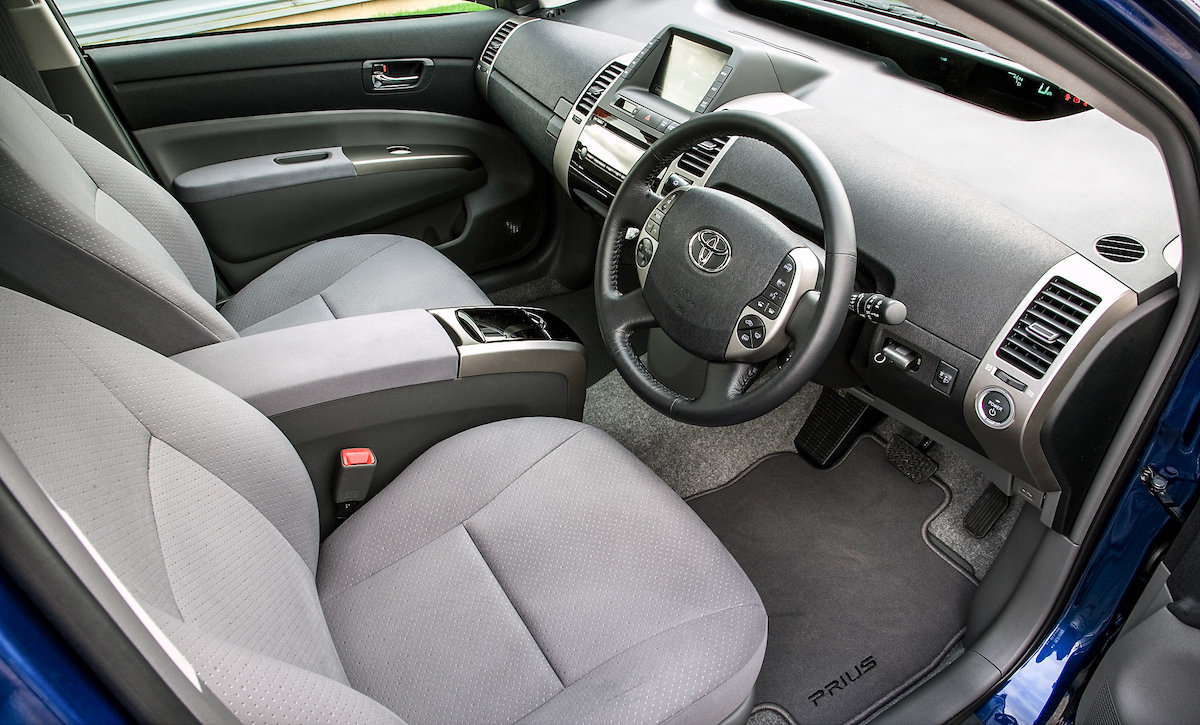
The dashboard is distinctive, too, with no instruments directly in front of the driver: the instrumentation is right up at the base of the windscreen, some minor controls on a touchscreen in the middle of the dash.
The cabin is spacious, if a tad tight for sitting three abreast in the back and, at 408 litres, there’s a decent amount of room for luggage despite the hybrid gubbins living underneath the boot floor.

What's it like to drive?
The Prius’s clever hybrid powertrain might sound very complicated, but apart from the EV button you drive the Prius the same as you would any other car, all the switchovers handled automatically by the hybrid system’s electronics.
The aim of all this cleverness is to produce diesel engine levels of fuel economy – the Prius’s official Combined figure is 65mpg – but without the associated diesel particulate emissions, and to facilitate zero-emissions travel in urban environments. To simplify the driving process still further, all Prius have CVT automatic transmission, so all drivers have to do is flick a lever protruding from the facia to the Forward position, then accelerate or brake as appropriate.
Away from the city the Prius performs adequately – although the petrol engine sounds a bit strained when you accelerate hard – cruising easily at motorway speeds and with just enough verve to keep pace with the traffic on A-roads. It’s not the most exciting car on back roads (and isn’t meant to be), and it has reasonable ride quality.
Technology, equipment & infotainment
The Prius mk2 is available in three grades of trim. Entry level is T3, which entitles you to electric windows all-round, an octet of airbags, aircon, CD player and alloys wheels.
Next one up is T4, which adds front fog lights, a CD multi-changer (remember those?), and an upgraded stereo system. The range-topping T Spirit has satnav as standard, bu given how old the Prius is now, and the fact that map updates at the time were £150 a throw, you’re better off relying on a TomTom.
Toyota Prius running costs
The potential big ticket item on the Prius is the hybrid drive battery pack, but to date not many of them have been replaced, even on some cars with 200,000 to 300,000 miles on the clock. When buying it would be good to see evidence of an annual battery health check – free at Toyota potentially for the first 11 years, and now £39 – because a replacement battery can cost as much as £1,400.
A rather unusual possible expense is about £1,000 to replace the exhaust’s catalytic converter. They don’t tend to fail on the Prius mk2 but they do have a habit of getting stolen. Not sure why, but we’ve seen several instances where a Prius was targeted in preference to other cars in the car park.
With even the youngest mk2 Prius more than a decade old now, chances are that you won’t have it serviced in the official Toyota dealer network. However, if you did then expect to pay around £190 for an intermediate service and £340 for a full service. Against those figures a decent independent garage may charge from around £110 for the interim and £145 for the full. We’ve seen even lower prices online, but worry about what you might get for your money…
Quality brand tyres for the Prius will set you back between £66 and £98, but at least your Road Fund Licence is only a tenner a year, and the insurance group is a lowly 15.
Fuel economy is a major reason for buying a Prius and while the official figure is 65mpg, most owners confess to seeing much less in everyday use. Some claim to have managed only 42mpg at times, but the majority reckon that 55mpg both around town and on the open road is par for the course. This is backed up by the experience of a private hire company running a fleet of 500 Prius (mk2s and mk3s), which over several million miles have averaged 55mpg. Very cold weather, however, can knock the fuel economy back to just 34mpg or so.

Toyota Prius reliability
Ask your average Prius owner if they have had any reliability issues and most will answer, ‘why would I have done, it’s a Toyota!’ And it does appear that the Japanese car company’s legendary reputation for reliability has been passed on to the Prius. Outside of some recall issues that were promptly dealt with, there are no major recurring problems with the car.
Those recalls were for a possible electric water pump failure in the hybrid system and for potentially faulty components in the steering, both of which were remedied free of charge.
There are a few niggly little problems, though. The 12-volt auxiliary battery that helps kick the electrical systems into life when you press the start button are known to fail in as little as two years, and while the Prius’s touchscreen controls are much admired by owners for their ease of use, occasionally they’ll go on the blink and cost £1,700 to replace. Radios, too, are known to fail.
Several owners report that an irritating squeaking sound from the front wheels turned out to be sticking brake calipers, while others reveal that the LEDs in the tail lights can expire with age. And while we’ve not seen any complaints about the reliability of the CVT automatic gearbox, a few owners recommend renewing the transmission fluid and filter every 56,000 miles to ensure the ’box remains in tip-top health.
Somewhat irrationally there are many Prius ‘haters’ out there, eager to badmouth the Toyota hybrid at any opportunity. The fact that even they have found nothing to criticise about the Prius’s reliability means that it really must be good!
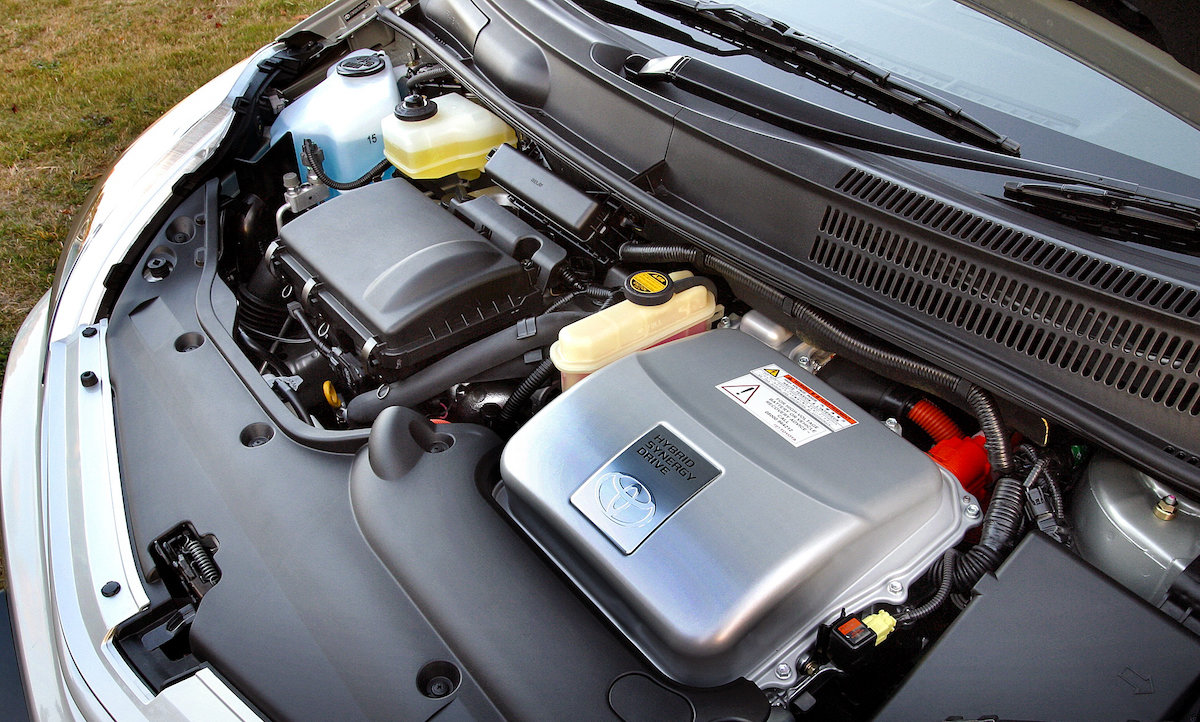
- The Prius is a full hybrid: you don’t have to plug it in to an electricity supply. It has two means of propulsion, a regular 1.5-litre four-cylinder petrol engine producing 76bhp, and an electric motor that feeds from large batteries under the Prius’s floor, and generates the equivalent of 67bhp, taking the total to 143bhp. The batteries receive charge from the engine and from what’s known as the regenerative effect of applying the brakes. When pulling away from a standstill the electric motor powers the Prius, and then as you go faster the petrol engine takes over. However, if you need to accelerate quickly then the electric motor provides extra boost for its petrol partner. Press the ‘EV’ button on the facia when you’re in city traffic and the Prius will be fully electric – what Toyota calls Hybrid Synergy Drive – for a range of up to 1.2 miles.
- One of the great concerns of anyone buying a hybrid is how long the electric motor’s batteries will last, especially when purchasing a used car such as the Prius: replacement hybrid batteries can cost up to £1,400. To date it seems as though the Prius’s batteries are still going strong, even on cars more than 10 years old. The (very active) Prius online community tells tales of minicabs with 200,000 to 300,000 miles on the clock that are still on their original batteries. It’s worth keeping an eye on the health of the batteries, though, and Toyota dealers can give yours an annual inspection for £39.
- The Prius seldom achieves its quoted economy figure so many owners have devised special driving techniques to eke more out of every gallon. Most popular is known as ‘pulse and glide’. Say you want the best economy at a 50mph average speed – you don’t hold the speed at 50mph, you accelerate up to 60mph, put the gearbox into neutral which shuts down the petrol engine, and then coast along without any power. Eventually your speed will drop to, say 40mph, when you re-engage the engine and repeat the process. Sounds nuts, but is claimed to work.


