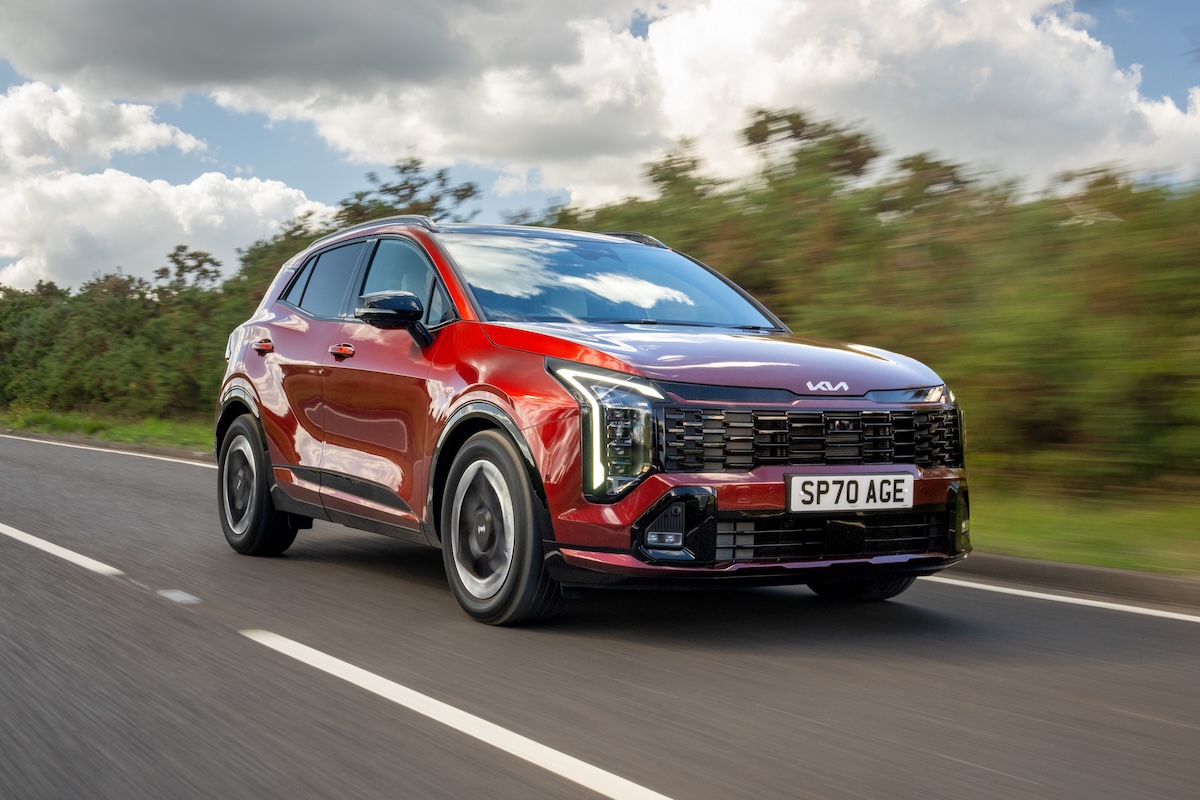
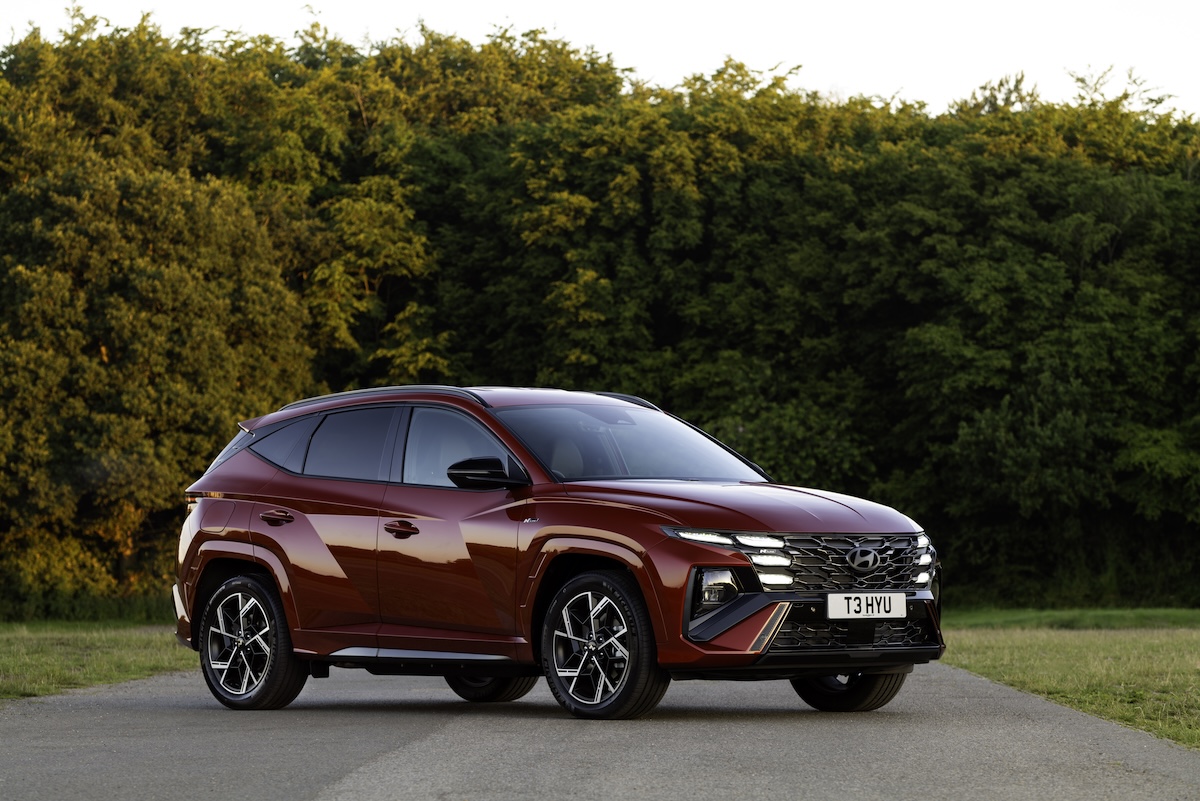
If you're looking for a midsize family SUV, the Kia Sportage and Hyundai Tucson are likely on your shortlist. Built on the same underpinnings, these two Korean cousins take different approaches to design and interior layout, meaning choosing between them isn't just a matter of price.
The Sportage offers bold styling and a tech-focused cabin, while the Tucson brings its own distinctive looks and a slightly more premium feel in places. Both are available with a range of efficient hybrid powertrains, so which of these popular SUVs is the right fit for you?
Kia Sportage vs Hyundai Tucson
Practicality
Kia Sportage practicality score: 4/5
Hyundai Tucson practicality score: 4/5
Both of these SUVs are well thought out for family life. The Tucson offers a slightly larger boot in its non-hybrid form, providing 620 litres of space compared to the Sportage's 591 litres. However, both see a reduction in capacity if you opt for the hybrid or plug-in hybrid models.
Passenger space is generous in both cars, with plenty of head and legroom for adults in the front and rear. The Sportage features a useful 40:20:40 split-folding rear seat, leaving a flat floor for larger loads, while the Tucson matches this versatility. Fit and finish in both cabins is good, with plenty of storage cubbies for everyday items.
Driving Impressions
Kia Sportage driving score: 4/5
Hyundai Tucson driving score: 4/5
Neither the Sportage nor the Tucson is designed to be a sporty driver's car, but they both deliver a comfortable and secure experience on the road. The Sportage strikes a sensible balance, offering a ride that absorbs bumps well while maintaining enough grip and steering weight to feel planted on twisty roads. It is a capable long-distance cruiser with well-contained wind and road noise.
The Tucson is similarly easygoing, with smooth power delivery from its hybrid options. It leans slightly towards relaxed cruising, though models fitted with the larger 19-inch alloy wheels can feel a bit unsettled over rougher surfaces. Both cars offer seamless transitions between electric and petrol power in their hybrid guises.
Technology and Equipment
Kia Sportage technology and equipment score: 5/5
Hyundai Tucson technology and equipment score: 4/5
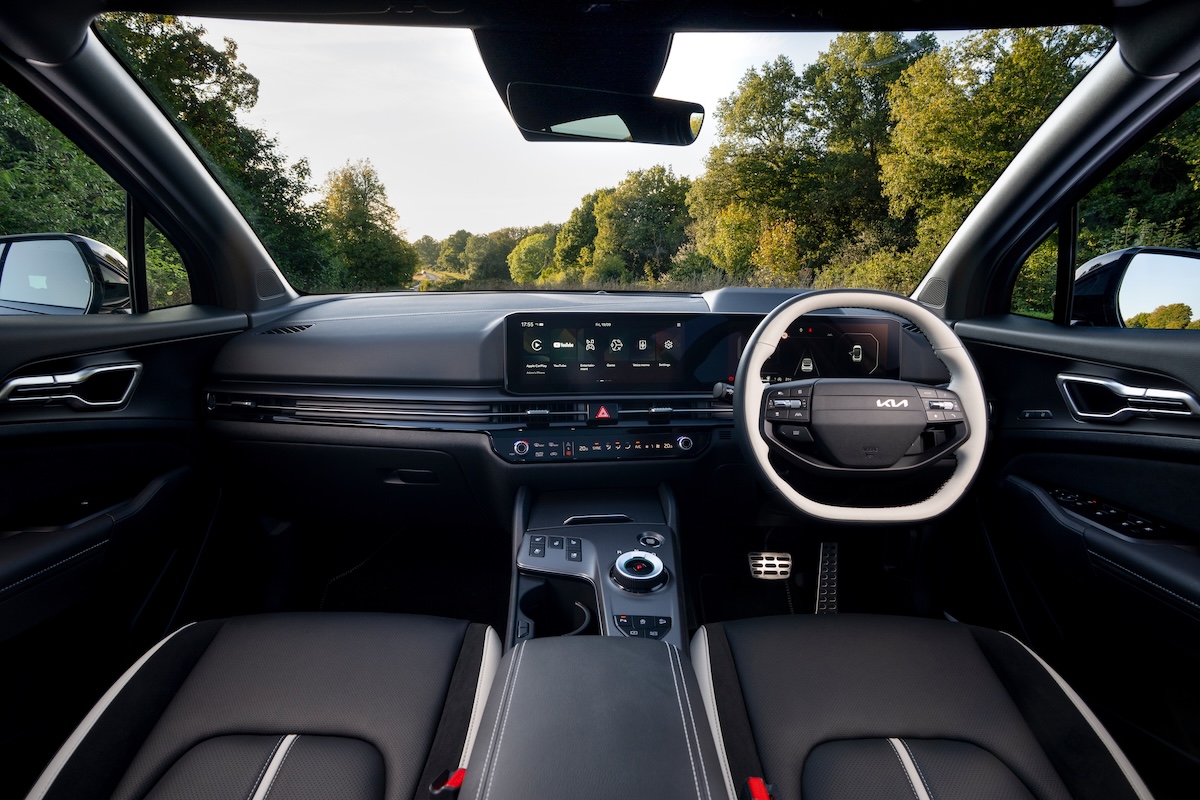
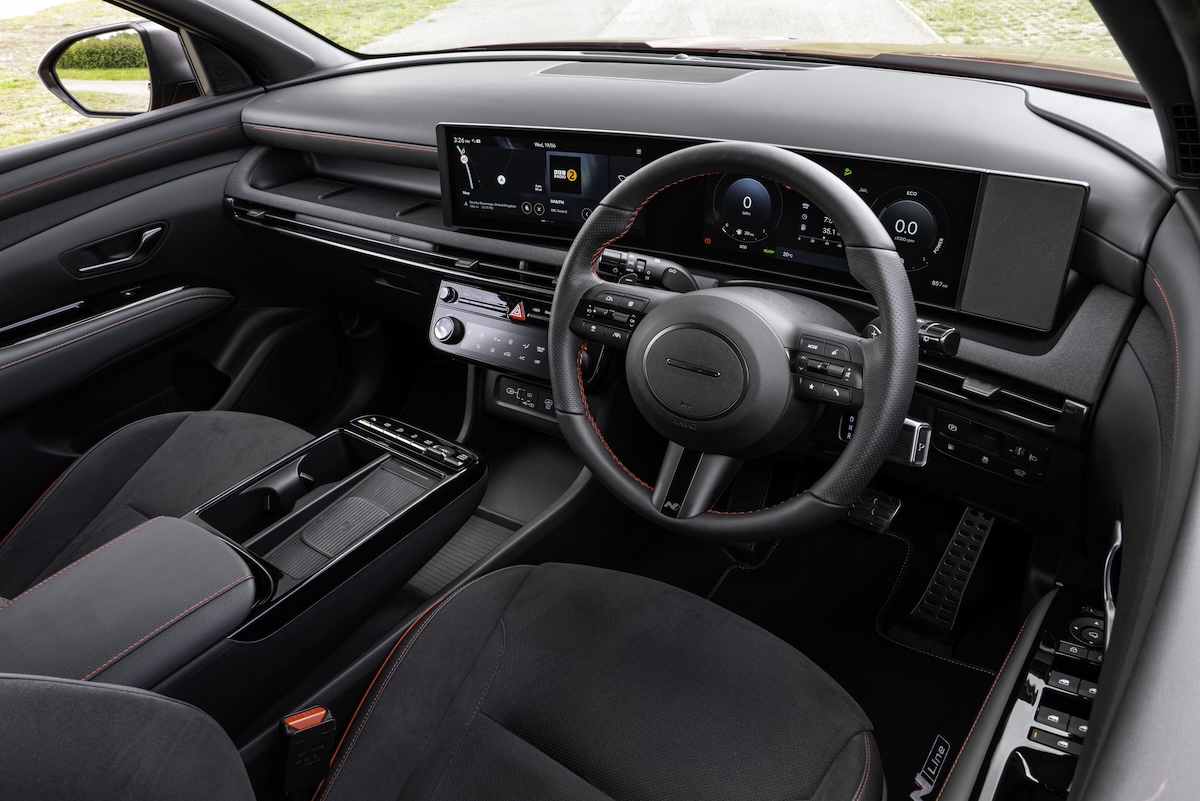
This is an area where both brands excel, but the Sportage takes a slight lead. Newer Sportage models come with a sharp 12.3-inch central infotainment screen as standard, paired with digital driver displays that are intuitive to navigate.
The Tucson is also well-equipped, featuring a smart curved dual-screen setup in post-facelift models that looks great and responds quickly. Both SUVs include Apple CarPlay and Android Auto, along with a comprehensive suite of active safety systems like lane-keeping assist and forward-collision avoidance. While the Tucson offers plenty of standard kit, the Sportage's superb infotainment system gives it top marks.
Running Costs
Kia Sportage running costs score: 4/5
Hyundai Tucson running costs score: 4/5
Running costs for these two are closely matched. The self-charging hybrid versions of both cars will return around 40 to 45mpg in everyday driving, which is respectable for SUVs of this size. If you want maximum efficiency, the plug-in hybrid models offer around 40 miles of electric-only range, making them ideal for short commutes if you can charge at home.
When it comes to warranty cover, both manufacturers provide excellent peace of mind. Hyundai offers a solid five-year, unlimited-mileage warranty, but Kia goes further with its industry-leading seven-year, 100,000-mile cover, which is a notable bonus for long-term owners.
CarGurus Buyer Insights
|
Kia Sportage |
Hyundai Tucson |
| CarGurus expert rating |
5 out of 5 |
4 out of 5 |
| CarGurus user rating |
4.4 out of 5 |
4.8 out of 5 |
| Percentage of good/great deals available on CarGurus* |
34.2% |
34.3% |
| Overall CarGurus rating |
4.5 out of 5 |
4.5 out of 5 |
The Verdict
Kia Sportage Overall CarGurus rating: 4.5/5
Hyundai Tucson Overall CarGurus rating: 4.5/5
Choosing between the Kia Sportage and the Hyundai Tucson is genuinely difficult, as both are highly capable, practical, and well-equipped family SUVs. In fact, they are so closely matched that they share an identical Overall CarGurus rating of 4.5 out of 5, making this comparison a well-deserved tie.
If you value cutting-edge interior technology and the reassurance of a seven-year warranty, the Kia Sportage is a fantastic choice. It earned a perfect five-star rating from our experts and stands out as a brilliant all-rounder for daily family life.
On the other hand, the Hyundai Tucson boasts a slightly higher user rating and offers a fraction more boot space in certain configurations. Its distinctive styling and comfortable cruising nature make it just as appealing. Ultimately, you can't go wrong with either, and your decision will likely come down to which design you prefer.
Kia Sportage Pros and Cons
| Pros |
Cons |
| Wide range of powertrains |
Divisive styling |
| Superb infotainment |
Ford Kuga is better to drive |
| Well equipped |
Top-spec models are very pricey |
Hyundai Tucson Pros and Cons
| Pros |
Cons |
| Lots of standard kit |
Not all that fun to drive |
| Five-year warranty |
Unsettled ride on big 19-inch wheels |
| Choice of hybrid powertrains |
Plug-in hybrid range not a match for the best in class |
*The Overall CarGurus rating that informs these recommendations is based on CarGurus' proprietary market data from September 2026, CarGurus expert reviews, and CarGurus user reviews.
Read Our Full Reviews: