If you're shopping for a premium mid-size SUV, you're not short on options. It's one of the most competitive classes of car on sale, but two models that consistently feature on buyers' shortlists are the Volvo XC60 and the Audi Q5.
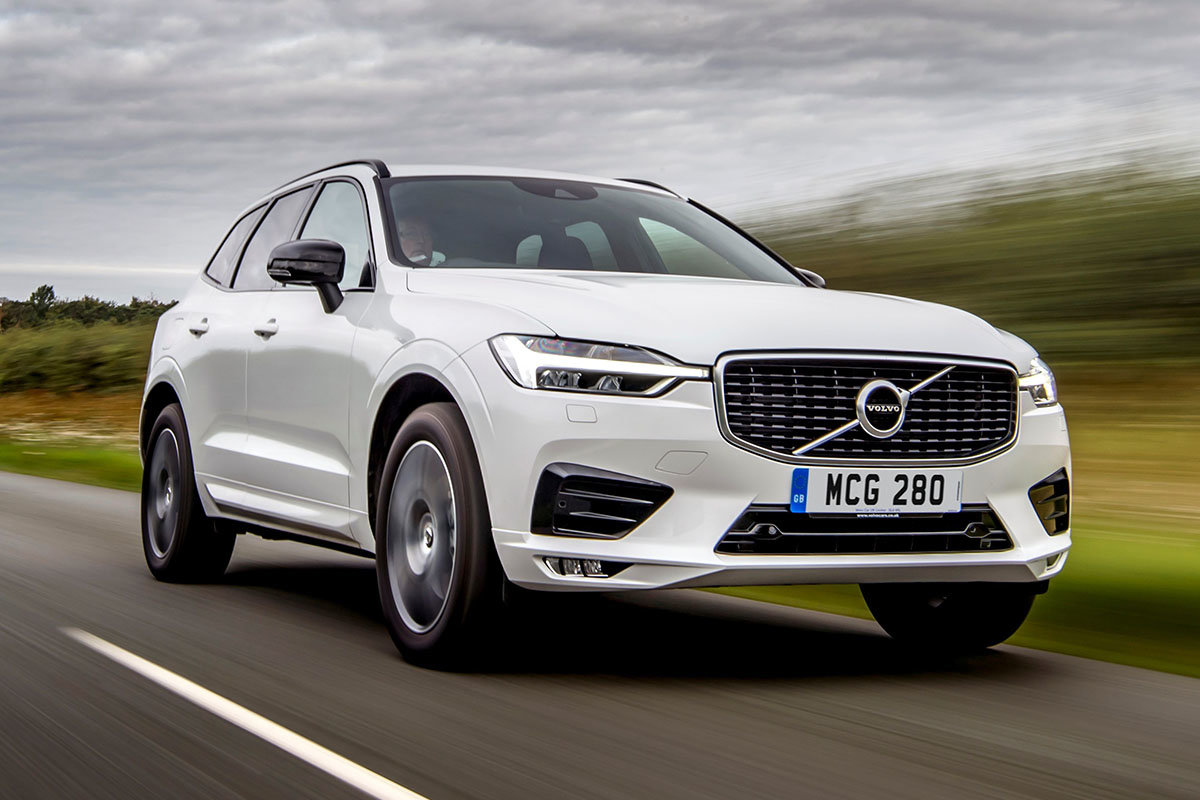
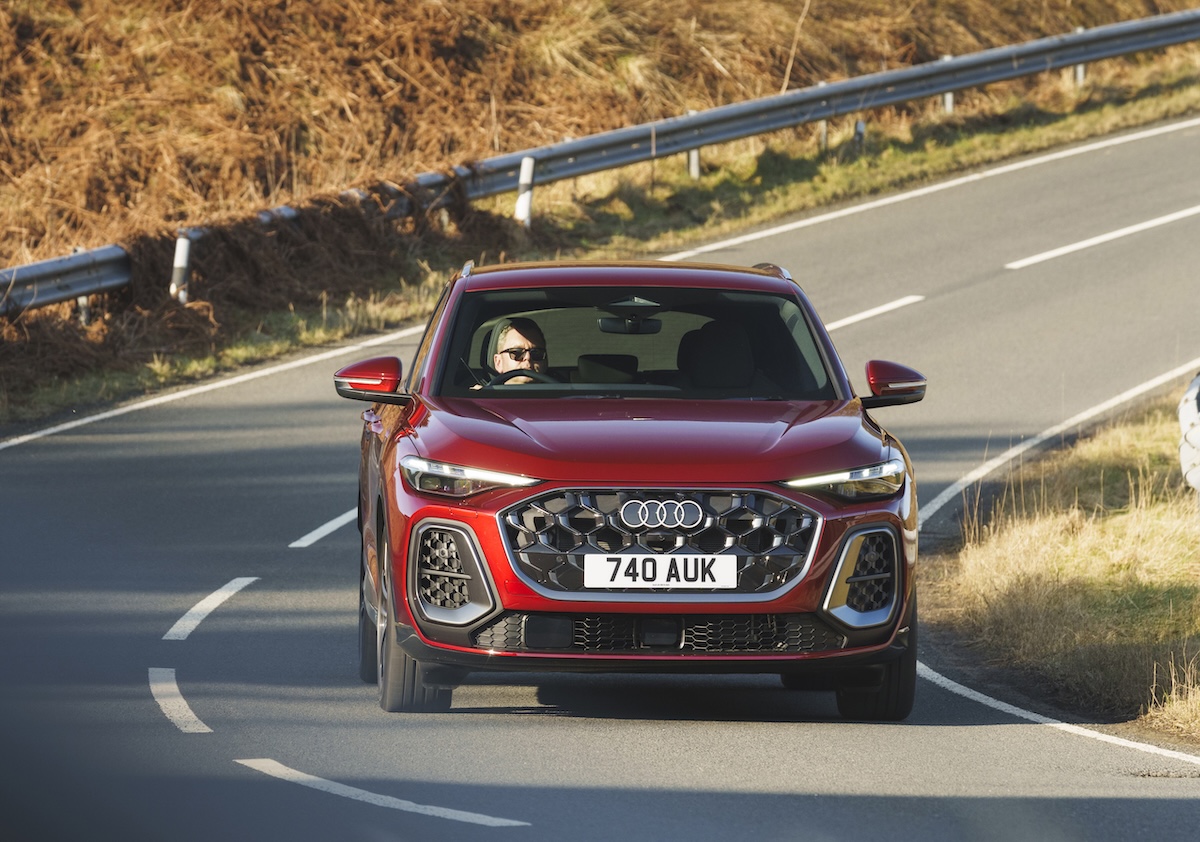
These two SUVs take different approaches to the premium family car formula. The XC60 is all about Scandinavian cool, prioritising a minimalist, comfortable, and safe environment. The Q5, on the other hand, is a showcase of German engineering and technology, aiming to be a polished all-rounder that does everything well. Both are five-seaters, but which one is the better fit for you?
Volvo XC60 vs Audi Q5
Practicality
Volvo XC60 practicality score: 4/5
Audi Q5 practicality score: 4/5
Both of these SUVs are practical five-seaters, but they go about it in slightly different ways. The Audi Q5 has a slight edge on paper, with a 520-litre boot that's a bit bigger than the XC60's 483 litres. The Q5's boot also has a flat load lip and some useful underfloor storage, which makes loading bulky items easier. On S line trim and above, the Q5's rear seats can slide and recline, allowing you to choose between more legroom or more boot space.
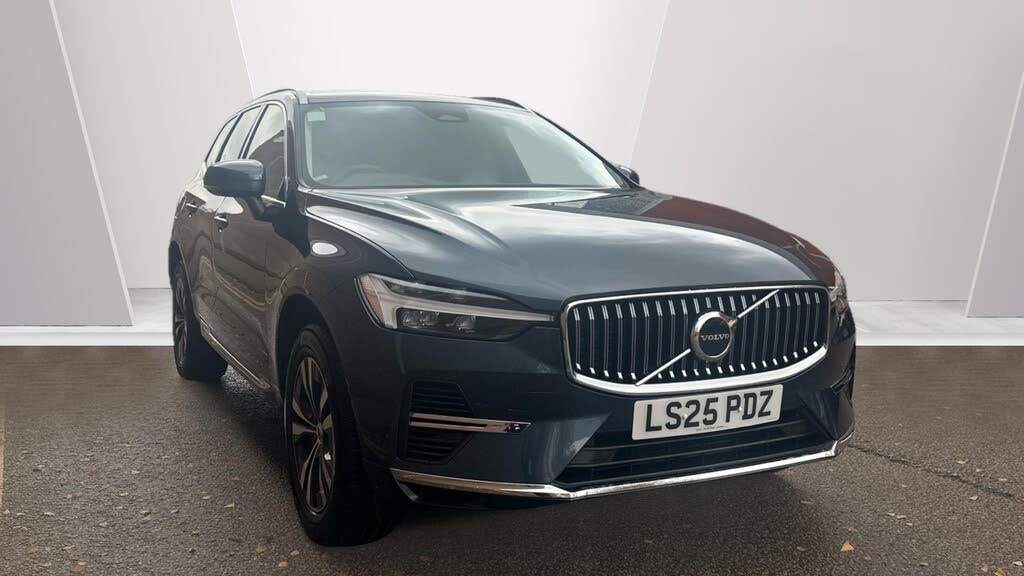
The Volvo XC60 might have a smaller boot, but it still offers plenty of space for family life. Headroom and legroom are generous for four adults, and the cabin feels wide and airy. However, its rear seats don't slide or recline, a feature you might find in some less expensive rivals. While the Q5's extra flexibility gives it a small advantage, both cars provide more than enough space for the average family.
Driving Impressions
Volvo XC60 driving score: 4/5
Audi Q5 driving score: 4/5
Here, the different characters of the two cars really come to the fore. The Volvo XC60 is unashamedly focused on comfort. Its suspension is soft, and the steering is light and deliberate, so it's not trying to be a sports car. The result is a smooth and composed ride that glides over bumps, making it a relaxing car for long motorway journeys. Refinement is good, with engine and road noise kept to a minimum, creating a serene cabin environment.
The Audi Q5 aims for a more balanced driving experience. The handling is competent and predictable, and while it's not as sharp as a BMW X3, it feels secure and planted on a twisty road. The ride is comfortable, especially with the optional air suspension, and it does a good job of soaking up road imperfections without feeling floaty. Like the Volvo, it's a quiet and refined cruiser. If you want the most comfortable car here, the XC60 has the edge, but the Q5 offers a more complete all-round driving package.
Technology and Equipment
Volvo XC60 technology and equipment score: 4/5
Audi Q5 technology and equipment score: 3/5
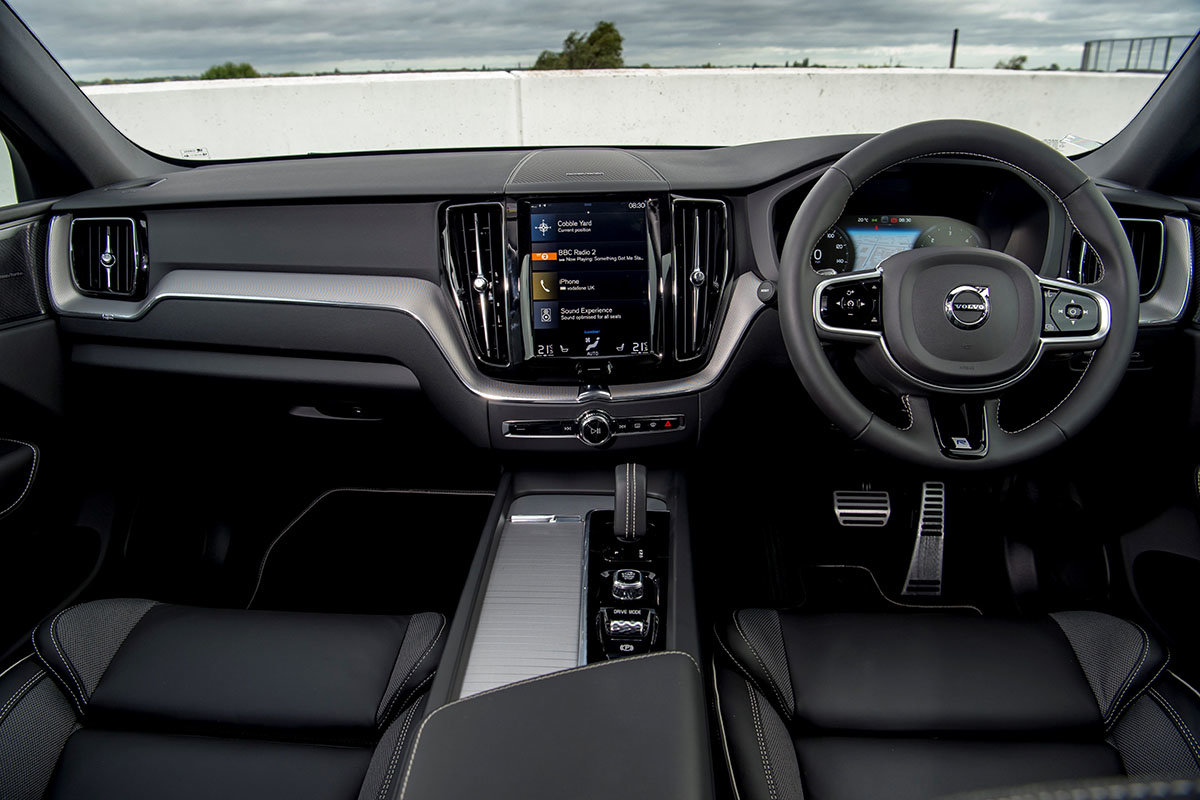
Step inside either car and you're greeted by a high-tech cabin dominated by screens. The XC60 uses a large, portrait-style touchscreen to control most of the car's functions. Models built after late 2021 feature a Google-based system which is slick and responsive, but having to use the screen to adjust the climate control can be a bit distracting.
The Q5's interior is a sea of screens, with Audi's Virtual Cockpit digital dials and a large central infotainment display. The graphics are sharp, and it has Apple CarPlay and Android Auto as standard. However, like the Volvo, the menu system can be confusing to navigate, and simple tasks like changing the fan speed require a few too many screen prods. Both cars come well-equipped from the entry-level trim, with heated seats, climate control, and a host of safety features as standard.
Running Costs
Volvo XC60 running costs score: 4/5
Audi Q5 running costs score: 3/5
As premium SUVs, both the XC60 and Q5 come with premium price tags. They also fall into the higher bracket for Vehicle Excise Duty (VED), meaning you'll pay a luxury car supplement for the first five years from new. The Audi Q5 generally offers better fuel economy, with the popular diesel version capable of around 45mpg. The petrol Q5 is a bit thirstier, but the plug-in hybrid model offers up to 60 miles of electric range, which could mean low fuel bills if you can charge at home.
The XC60's fuel consumption is competitive. The mild-hybrid diesel models can return over 40mpg, while the petrols are closer to 35mpg. The Recharge plug-in hybrid models offer good on-paper efficiency and a decent electric-only range, making them a solid choice for company car drivers or those with a short commute. Both brands offer service plans to help spread the cost of maintenance.
CarGurus Buyer Insights
|
Volvo XC60 |
Audi Q5 |
| CarGurus expert rating |
4 out of 5 |
4 out of 5 |
| CarGurus user rating |
4.7 out of 5 |
4.3 out of 5 |
| Percentage of good/great deals available on CarGurus* |
31.7% |
33.5% |
| Overall CarGurus rating |
4.5 out of 5 |
4.3 out of 5 |
The Verdict
Volvo XC60 Overall CarGurus rating: 4.5/5
Audi Q5 Overall CarGurus rating: 4.3/5
This is a close contest between two accomplished premium SUVs. Both the Volvo XC60 and Audi Q5 are comfortable, well-made, and packed with technology, and you wouldn't be disappointed with either.
However, based on our CarGurus Buyer Insights data, it's the Volvo XC60 that takes the victory. While both cars receive the same expert rating, the XC60 scores notably higher with our users and achieves a better Overall CarGurus rating. Its focus on supreme comfort, its serene and stylish interior, and its reputation for safety clearly resonate with owners.
The Audi Q5 is arguably the more practical and better all-round car to drive, thanks to its clever seating and more balanced handling. If those are your top priorities, it remains an excellent choice. But the XC60's unique blend of comfort and Scandinavian cool, backed up by strong user reviews, gives it the win in this comparison.
Volvo XC60 Pros and Cons
| Pros |
Cons |
| Comfortable ride quality |
Smaller boot than the Q5 |
| Stylish and high-quality minimalist interior |
Infotainment relies heavily on the touchscreen |
| Strong safety credentials |
Rear seats aren't as flexible as the Audi's |
Audi Q5 Pros and Cons
| Pros |
Cons |
| Practical boot and flexible rear seats |
Ride isn't quite as comfortable as the Volvo's |
| Balanced and competent handling |
Complex infotainment system |
| Good fuel economy from diesel engines |
Conventional styling may not excite everyone |
*The Overall CarGurus rating that informs these recommendations is based on CarGurus' proprietary market data from May 2026, CarGurus expert reviews, and CarGurus user reviews.
Read Our Full Reviews: