Alfa Romeo MiTo Review (2008-2018)
Alfa Romeo MiTo cars for sale
2.0
Expert review
Pros
Distinctive styling
Frugal diesels
Sporty driving position
Cons
Not as fun to drive as an Alfa should be
Cheap-looking, cramped cabin
No five-door version

The CarGurus verdict
The supermini market is highly competitive, with lots of very good cars vying for buyers’ money. The Alfa Romeo MiTo was designed to rival cars at the more expensive end of the segment, challenging the likes of the MINI Cooper Hatchback and the Audi A1, which was a bold move.
Ultimately, it wasn’t very successful, despite the car being in production for a decade. The MiTo undoubtedly has style, but there’s a lack of real substance to back it up. It’s not that great to drive – a Fiesta is better and costs less, while a MINI is more engaging and has a more upmarket cabin – while the interior just can’t match the A1 for build quality or the standard of the materials. Then there are the questions about reliability, of which there are plenty, both with Alfa Romeo as a brand, and with the MiTo itself. On that score alone, you’re probably better off looking at one of the alternatives we’ve mentioned.
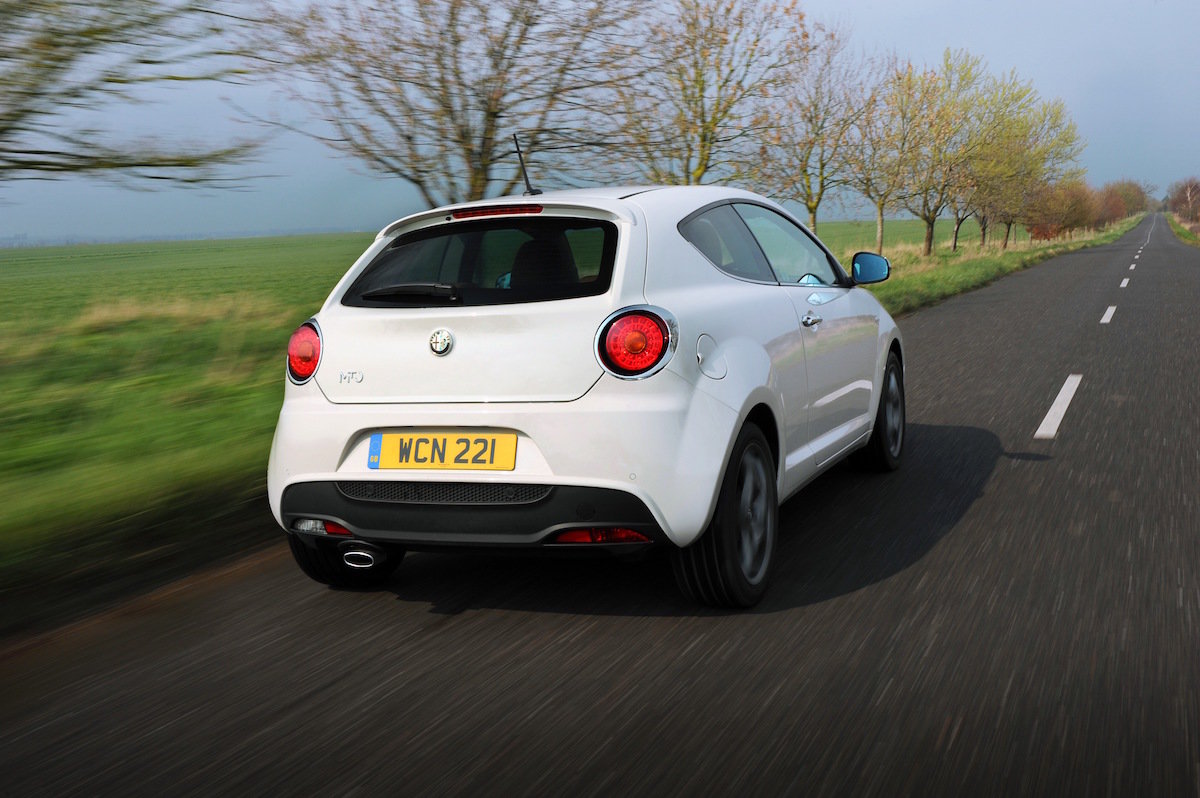
What is the Alfa Romeo MiTo?
The Alfa Romeo MiTo (the name is a conflation of Milan, where the car was designed, and Torino, where it was built) was launched in 2008, and was intended to reinvigorate the brand’s reputation for building fun-to-drive small cars.
That reputation was won over decades of building vehicles that were engaging on the road and possessed what Italians might describe as a sense of divertimento (fun): cars that begged to be owned and driven. It’s a reputation that has faltered more recently, however, making Alfas less of a ‘must-own’ proposition than they used to be.
The MiTo was designed as a three-door premium supermini to take on the MINI Hatchback, which has been a favourite of young, urban drivers since the turn of the millennium. It was a big ask for Alfa, because the MINI has always had a lot going for it, from the update of its iconic design to its road manners.
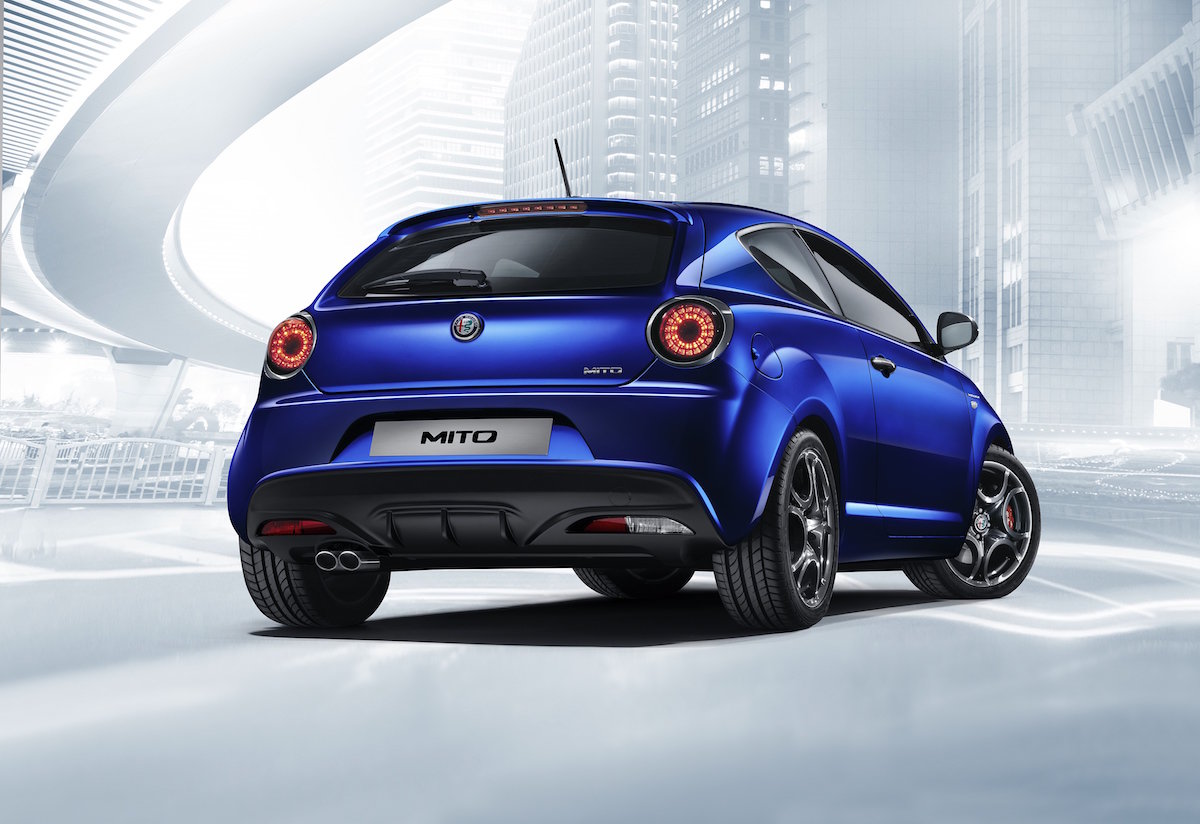
From a design perspective, when the MiTo arrived, it certainly made everyone sit up and take notice. From its shield-shaped grille and bug-eyed headlights, to the shapely bella figura of its body lines (echoes of the Fiat 500, perhaps?) and set-back cabin, the styling evokes the greatest hits of Alfa’s design heritage, along with elements of the more contemporary 8C and 4C sports cars.
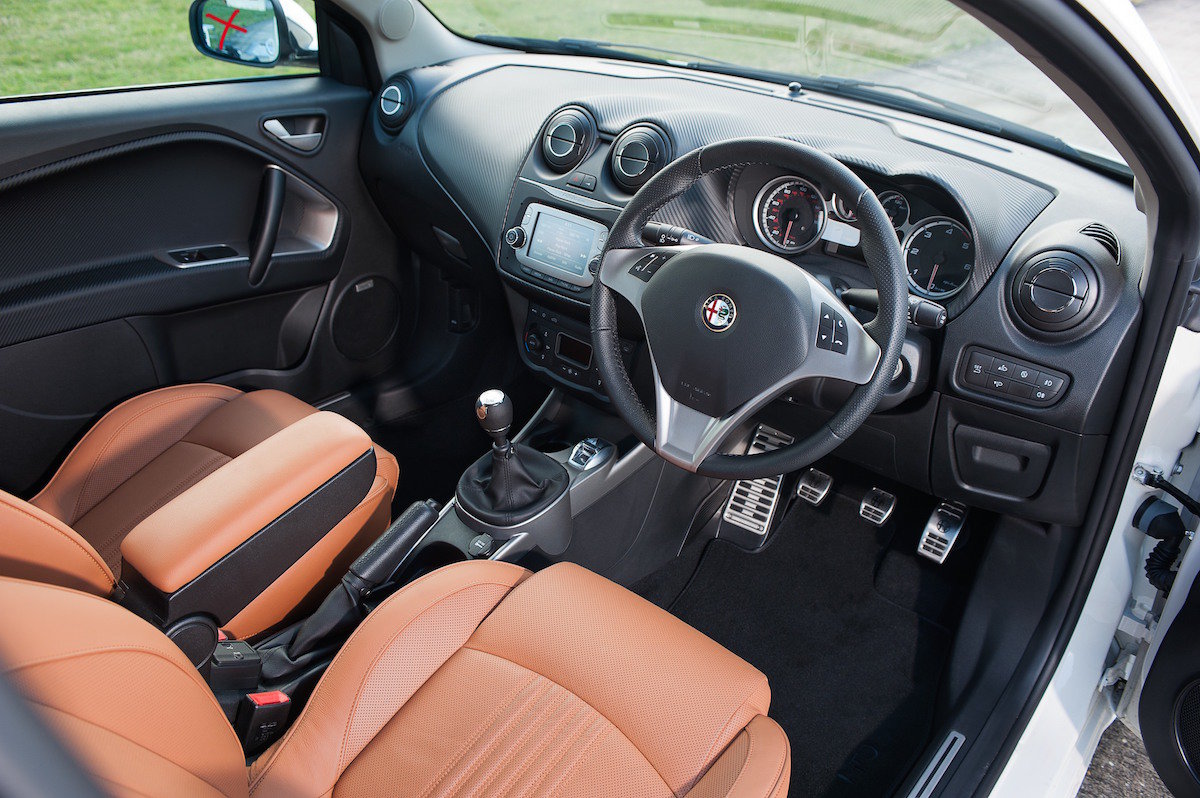
The warm feeling generated by the exterior design is slightly undermined by the interior, which has some cheap-feeling plastics and underwhelming switchgear. The MiTo predates the current trend for dash-mounted displays and, even when they did appear in a 2013 update, the 5.0-inch screen was rather unimpressive.
Practicality
The driving position is nice and low, so it feels as if you’re in the car, rather than on it. There's decent adjustability of the driver's seat and the steering wheel, but as the MiTo is only available as a three-door, practicality isn’t great. Getting into the back seats is awkward because you have to tip the front seat forwards and clamber through the tight gap that's left, and very cramped rear space means this isn't a car you'll want to travel five-up (or even four-up) in very often.
The boot capacity isn’t too bad; 270 litres is around the same as a MINI or Audi A1, but the high lip can make loading things in a bit of a pain. The rear seats do fold down, but not flat, so it’s not a hugely usable space.
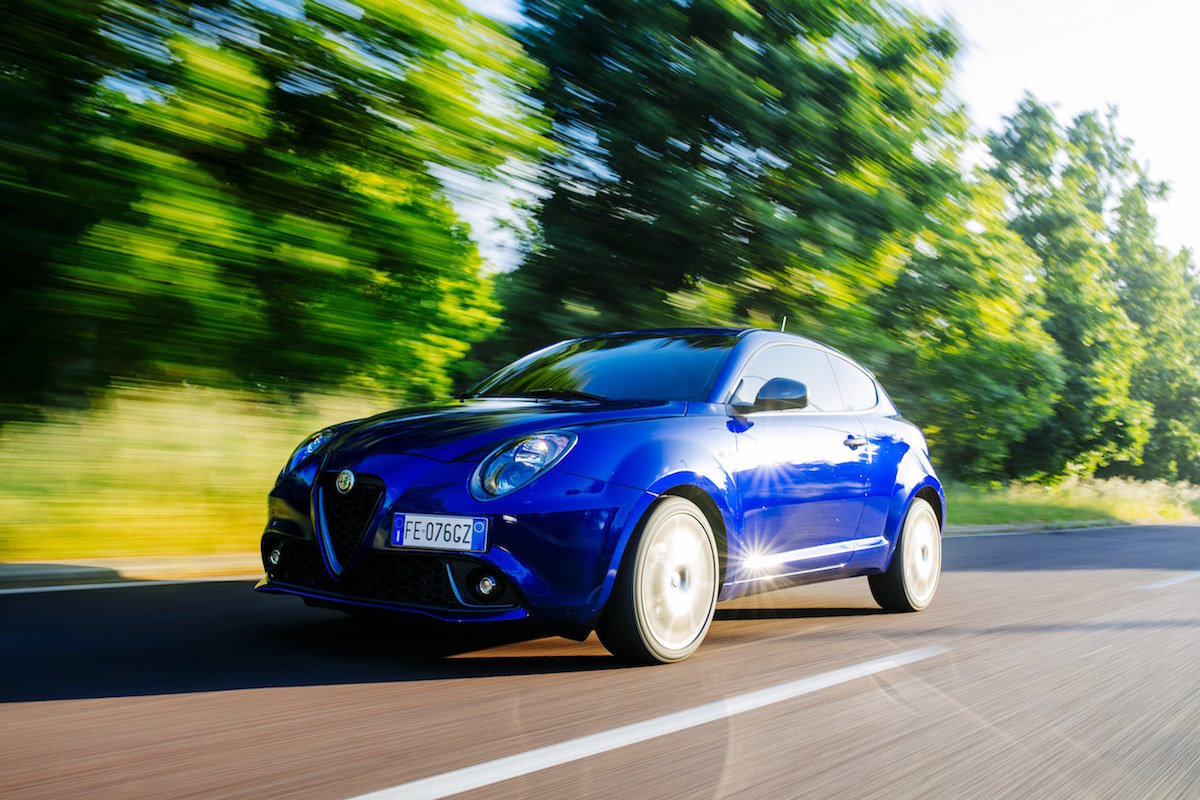
What's it Like to Drive?
Even in its most dynamic mode, the MiTo can’t match the involvement of the MINI, the Ford Fiesta or even the Seat Ibiza: the handling isn’t bad, but the steering feels vague. Ride quality is also unsatisfying, because the car never feels quite settled, and there’s too much bounce when tackling speed humps or potholes. There’s a decent level of grip, but the body doesn't feel as well controlled as it could be.
Alfa made the MiTo available with a range of petrol and diesel engines during its life. The turbo 1.4-litre petrol units were the pick of the bunch, as they’re peppy and well-suited to the small car. The 1.3 diesel was the wallet’s best friend, but was uninspiring to drive, while the unusual two-cylinder TwinAir was just too loud and thrashy.
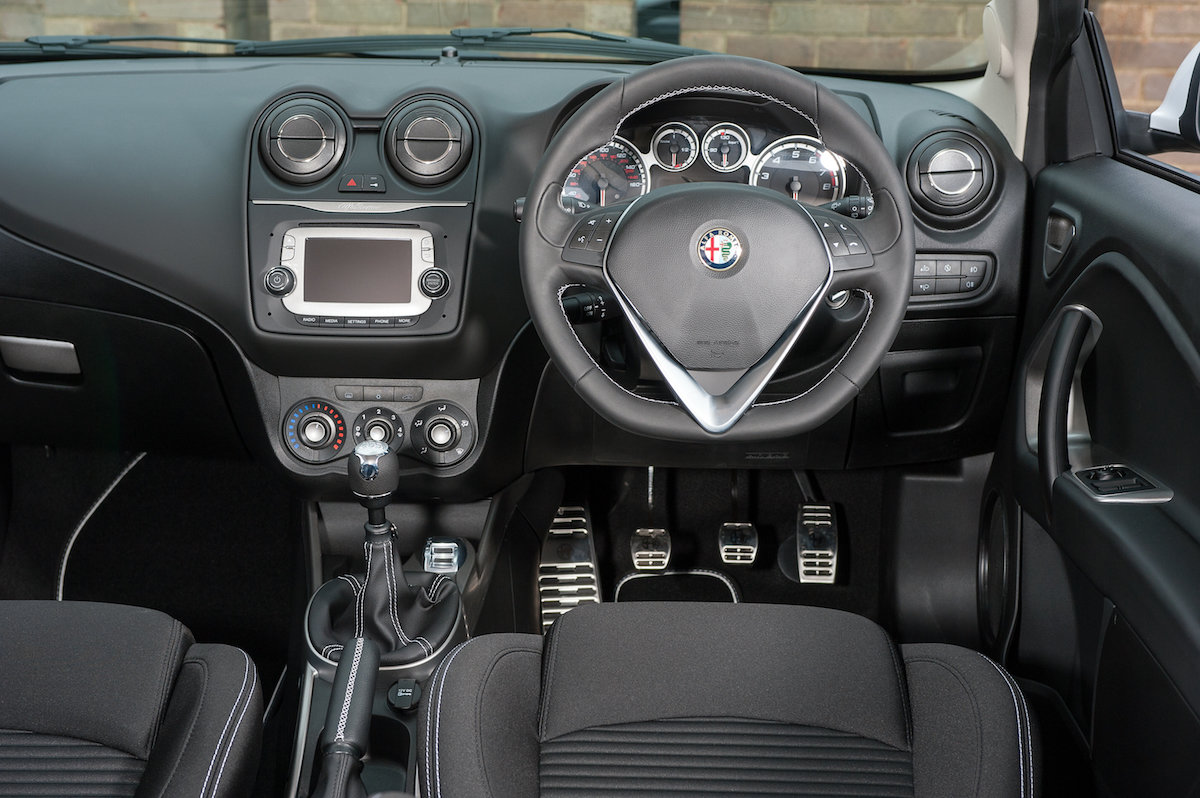
Technology and Equipment
Alfa Romeo regularly rejigged the names of the trim levels available throughout the time the MiTo was on sale. Our count is a total of 21 different versions, including various special editions, but essentially, earlier models will be called Junior, Sprint, Lusso or Turismo. From 2014, they were called Sprint, Distinctive and Sportiva, while cars from 2016 onwards were named MiTo, Speciale and Super.
There was also a sporty hot hatch version that was initially called Cloverleaf, then Quadrifoglio Verde, before ending its life as the Veloce. All MiTos are fitted with alloy wheels, the DNA system that switches between driving modes, climate control and a stop-start system, while later models all have a Uconnect 5.0-inch colour touchscreen, a DAB radio, Bluetooth and voice recognition as standard.
Running Costs
The diesels are the cheapest to run, and they start with the 118bhp 1.6-litre JTDm, which officially returns 58.9mpg and emits 126g/km, neither of which are spectacular figures, especially when you compare it to the smaller 1.3 JTDm. This is the more popular and long-lasting diesel alternative, with official figures of 83.1mpg and 89g/km. They’re eye-catching numbers, but it’s worth remembering that all the MiTo fuel economy and CO2 emissions figures were determined under the old NEDC test, which wasn't as accurate as the current WLTP test, which itself is pretty darned optimistic compared to what you'll actually get in the real world. So, for the 1.3 JTDm, we’d suggest working on the assumption that around 65-70mpg is nearer the mark, but even that’s pretty good.
The two-cylinder TwinAir engine was introduced to the range a few years after the MiTo was launched and while, on paper, 67.3 mpg looks good, this has little to do with the real world, where you’ll be lucky to get 40mpg out of it. The 1.4 Multiair petrol returns around 47.1mpg, which is perfectly respectable and achieved, in part, because of the stop-start function that switches off the engine in static traffic.
The more powerful 1.4 in the hot hatch Quadrifoglio Verde/Veloce is, perhaps surprisingly, more economical in later versions, returning 52.3mpg (the first version, the Cloverleaf, returned the same 47.1 mpg as the standard 1.4).
MiTos fall into insurance groups eight to 27. Most of them sit between 8 and 15, while some of the more powerful variants sit in groups 19 and 20, and hot hatch versions in group 27. Alfa Romeo does offer a servicing pack for older cars called Easy Care, which enables owners to plan future services and pay by direct debit.

Reliability
The MiTo didn’t exactly set the customer satisfaction surveys on fire while it was on sale (although owners did like the service they received from dealers, possibly because they got to know them so well...). For example, one leading 2014 survey assessed 109 models, and the MiTo came 108th in the table.
Another reliability index rates the MiTo way below average, with an overall verdict of ‘Poor’ and average repair costs that are comparatively high. The most common problems according to this index are those around the axle and suspension (responsible for 40% of issues), followed by electrical woes (21%).
Other reported problems include diesel engine timing chains, oil leaks from the transmission, power steering failures, gearbox issues and creaks and rattles from the interior trim, as well as concerns over their sharp edges. If you have a diesel, the particulate filter light can illuminate – which is a common problem with diesel cars that are mostly driven around town on short journeys – but driving the car on an open road at around 50mph in third gear for 15-20 minutes should burn off the particles that are clogging up the filter.
Water pumps also tend to fail, which leads to overheating, but replacements should be pretty straightforward to source and they’re not too expensive to fix.
The other relatively common problem is the seal on the turbocharger blowing, which is identified by a shortage of power when accelerating, accompanied by black smoke from the exhaust. Again, a replacement shouldn’t be too expensive.
- The MiTo came with a relatively sophisticated adaptive vehicle dynamics system called DNA (so-called because the three modes are Dynamic, Normal and All-Weather). It changed the response of the accelerator, and how the steering is set up. Sadly, it’s a bit of a wasted opportunity, as the Dynamic setting is really the only one worth using in most circumstances.
- The car received a very good safety rating in independent Euro NCAP crash tests, and was awarded the full five stars when it was tested in 2008. The tests have become more rigorous since, but compared to its contemporaries, the result was impressive, with a good score for adult and child occupant protection.
- Along with the myriad of engines and trims, the MiTo was offered with a wide variety of personalisation options during its decade on sale, so don’t be surprised to find a spectrum of different colours, alloy wheel designs and exterior trims on used examples.
- Best for economy: As you’d expect, it’s a MiTo fitted with a diesel engine. There were two versions available at launch: a 1.6 and 1.3, known as Multijet or JTDm, respectively. The 1.6 was quickly dispensed with, because the 1.3 was considerably more popular, and it achieved 83.1mpg on the combined driving cycle (although this was under the old NEDC test) while emissions were as low as 89g/km.
- Most interesting: The TwinAir engine is an 875cc two-cylinder unit that produces either 85bhp or 105bhp, depending on whether you buy a model sold before or after 2014. The MiTo TwinAir sounds a bit like the three-cylinder engines that have become increasingly widespread in the last few years, but one fewer cylinder makes it a little gruffer. It’s fine for low-speed driving, though.
- The best all-rounder: That would be a Sportiva model from 2014-16, or a Super from 2016, powered by the 135bhp 1.4-litre turbocharged Multiair petrol engine. It’s very flexible and usable; there’s plenty of urge around town, but it doesn’t feel underpowered at motorway speeds.
- Best performance: The range-topping MiTo that was variously called Cloverleaf, Quadrifoglio Verde or Veloce is the one to look for. The 1.4-litre Multiair engine’s power was boosted to 170bhp, rendering it good for 0-62mph in 7.3 seconds (or 0.2 seconds slower in earlier versions). Earlier cars (the Cloverleaf) were fitted with a six-speed manual gearbox, which is decent enough, but later examples have a TCT dual-clutch automatic transmission, which is jerky and detracts from the driving experience.


