Aston Martin Vantage Review (2018-present)
Aston Martin Vantage cars for sale
4.0
Expert review
Pros
Easy to live with – an everyday supercar
The 503bhp twin-turbo V8 is mighty
Choice of coupe and roadster models
Cons
Hugely expensive to buy and run
Not quite as thrilling as its predecessor
Controversial looks
The CarGurus verdict
It’s a pity that, as the Aston Martin Vantage became more amenable to live with, so too did it become less spellbinding to drive. The new baby Aston is a better all-round car than the previous model, not to mention faster and more fuel efficient, but some of the old car’s soul has been lost to the latest must-have technologies.
Not too long ago, a Vantage would have cost you around £80,000 new. Today, you’ll pay more than half as much again, and that will inevitably prove an insurmountable barrier for plenty of would-be buyers – as might a busier, less classically beautiful design. But these are merely the flaws that prove the Vantage to be the diamond it unquestionably is. Quite apart from being fantastically fast and excellent to drive, it is the most usable sports car Aston Martin has ever built.

What is the Aston Martin Vantage?
One of the first of a new era of Aston Martins, the current Vantage is a very different proposition to the car it replaced. Whereas the previous model was demanding in everyday use but sensational to drive on a flowing B-road, the latest version swings the needle in the opposite direction.
It’s far easier to live with day-to-day, but when weather, road and traffic conditions converge in that serendipitous way, it’s not quite as rewarding as its predecessor.
How practical is it?
The Vantage is a strict two-seater, but it has a very usable boot. If you’re dead set on an Aston Martin but need a bit more space and a pair of admittedly small rear seats, then check out the DB11. For the cost of a new Vantage, you could buy a one-year-old DB11 AMR, complete with its life-affirming V12 engine.
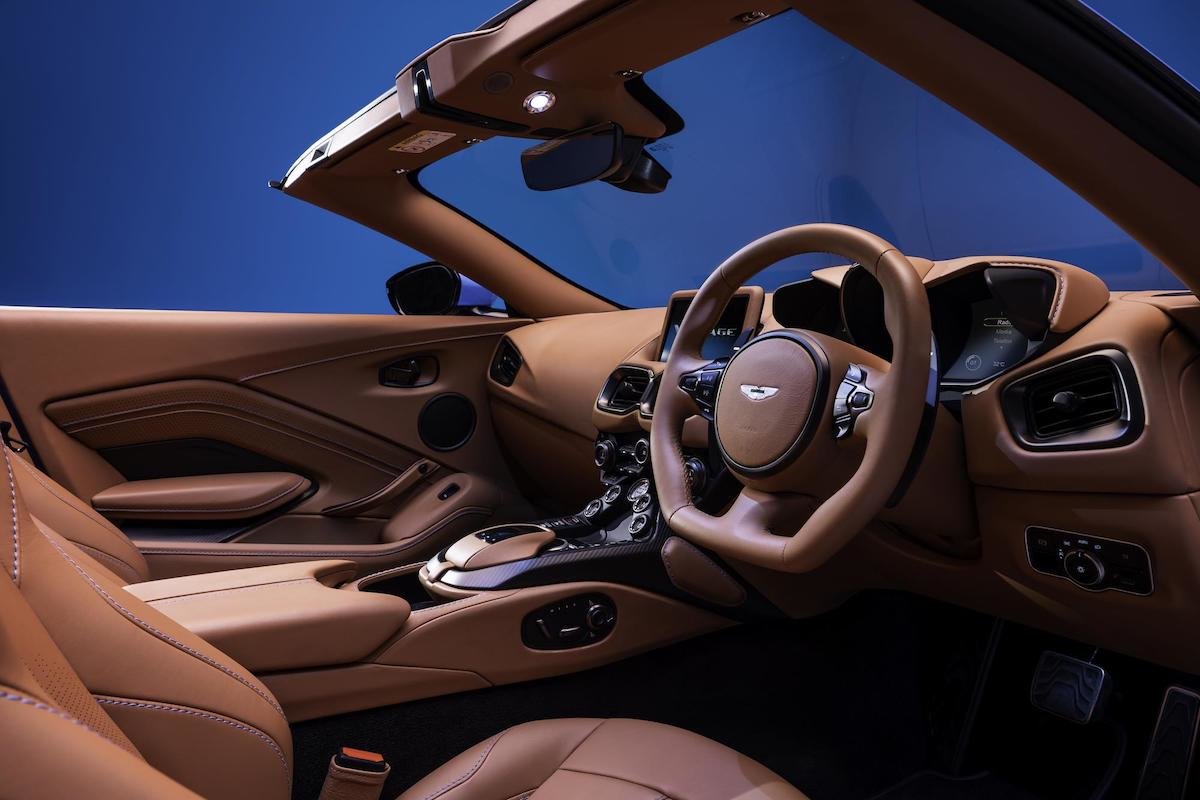
Its dashboard design is very busy indeed; there are buttons scattered everywhere. It’d be a stretch to call the car’s interior beautiful, although there is real craftsmanship in the stitching and the soft leather upholstery.
What's it like to drive?
Heavy steering, an awkward fly-off handbrake, a weighty clutch pedal and manual gearshift (where fitted) made the last Vantage a recalcitrant car at times. It had a narrow operating window, but within it, its communicative hydraulic steering, exquisite balance, and sonorous naturally aspirated engines (V8 or V12) made it as engaging to hustle as anything else in the sector.
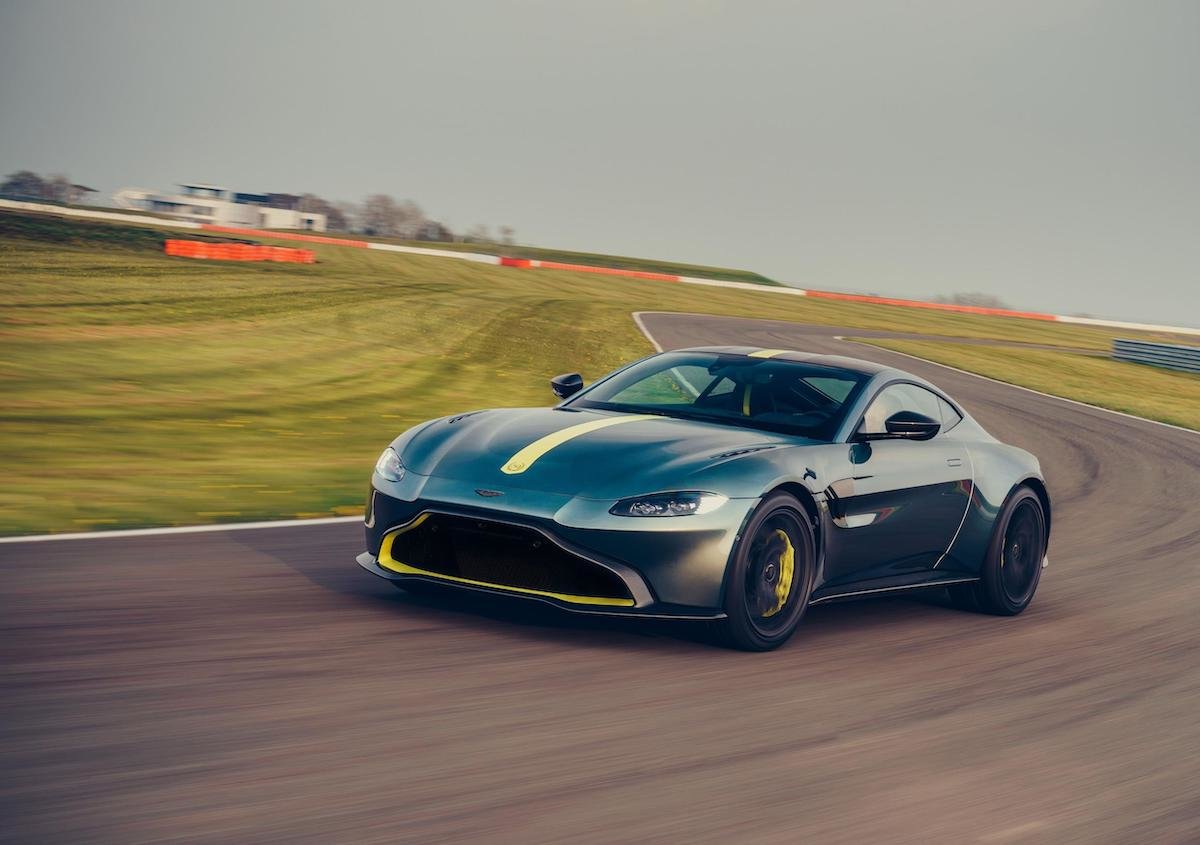
The new model, with its electrically assisted steering, unimpeachable grip, and turbocharged powertrain is less visceral in every way, but objectively, it has far more outright performance to call on. It’s also an easier car to live with, particularly if you choose the excellent eight-speed automatic gearbox over the seven-speed manual.
The Vantage has changed its spots. It’s a pity the new car isn’t quite as thrilling to drive as its predecessor, but its superior manners in normal driving are almost certainly intended to appeal to a wider range of buyers.
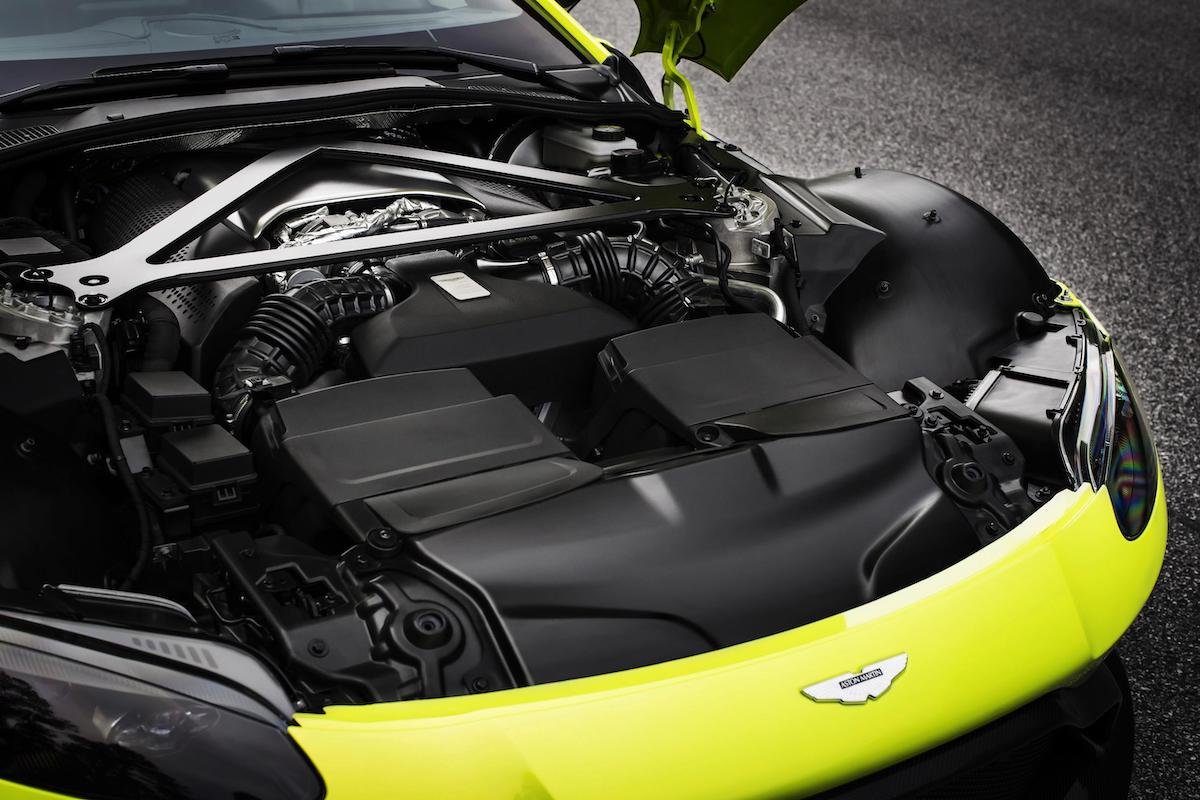
Only one engine is offered for the time being. It’s the same Mercedes-AMG sourced 4.0-litre twin-turbo V8 that also serves in the DBX and the entry-level DB11 (and the Mercedes-AMG GT). Good for 503bhp and a mighty 505lb ft of torque, it’s spectacularly powerful, and the throttle response is remarkably sharp for a turbocharged engine. However, it’s a pity the howling V8 soundtrack of old has been lost to tuneless exhaust blare and engineered-in cracks and pops when you shift gear.
The Vantage coupe weighs 1,530kg and the Roadster 1,590kg (both without fluids), meaning neither is a flyweight for its class. Nonetheless, even the heavier droptop model will reach 62mph in just 3.7 seconds and run on to a top speed of 190mph. The coupe is faster still, sprinting from rest to 62mph in 3.6 seconds and not stopping until it reaches 195mph. The best acceleration figures are achieved with the eight-speed automatic transmission, rather than the seven-speed manual.
A V12 Vantage was introduced in mid-2022 as a swansong primarily for Aston’s long-serving V12 engine. The 5.2-litre twin turbo unit produces an immense 690bhp and renders the car good for 0-62mph in 3.4 seconds.
Technology, equipment & infotainment
Like most Aston Martins these days the Vantage’s infotainment system is borrowed from Mercedes-Benz, although being a previous generation unit, it now feels a little outdated. At least it works reliably. something that hasn’t always been true of Aston Martin infotainment systems in the past. It comes with an eight-inch screen and comprises satellite navigation, a DAB radio, Bluetooth, and iPhone and USB connectivity.
Other standard equipment includes automatic dual-zone climate control, front and rear parking sensors with cameras, leather and Alcantara trim and memory seats.
Aston Martin Vantage running costs
No 500bhp sports car will ever be affordable to run. Aston Martin says you’ll see 27mpg in mixed driving, but the real-world mpg figure is likely to be closer to 22mpg, while in more spirited driving, fuel economy could drop into the low teens.
A full set of tyres for the 20-inch wheels will categorically not come cheap, and if you drive your Vantage to its limits, you’ll get through those at an alarming rate. Meanwhile, insurance group 50 means you’ll spend a sizeable sum each year, and it’s the same top whack for road tax.
Aston Martin’s five-year service plan will keep the cost of routine maintenance down for the first half-decade, but after that, you should budget £1,000 per year for servicing at the very least, even at a specialist rather than a main dealer.
Aston Martin Vantage reliability
Aston Martins are woefully unreliable; that’s the running narrative. It is true that cars from the previous generation – such as the DB9 and the earlier naturally-aspirated Vantage – have earned reputations for being troublesome and costly. The current Vantage, however, belongs to a new era of Astons, sitting on a newly developed platform and powered by a proven Mercedes-AMG engine. Many of the car’s electrical systems are also borrowed from the German giant, which isn’t a bad sign in reliability terms.
Every new Aston Martin is covered by a three-year, unlimited-mileage warranty, which owners can extend at additional cost for up to two more years. Three grades of extended warranty are offered – Plus, Premium and Classic – each covering a greater or lesser number of the vehicle’s components to suit varying budgets.
- The controversial ‘Hunter’ grille, with its fussy cascading elements, has come in for a lot of criticism. In response, Aston Martin has now made the more conventional ‘Vane’ grille available as an optional extra. Opinions will vary, but with its flanks and arches like a bodybuilder’s swollen deltoids, the Vantage certainly isn’t short on visual muscle. The car’s price point has been another problematic area for some; starting at £124,400 (at the time of writing), the Vantage costs only £10,000 less than a Porsche 911 Turbo. For reference, the cheapest 911 you can buy starts at £82,795.
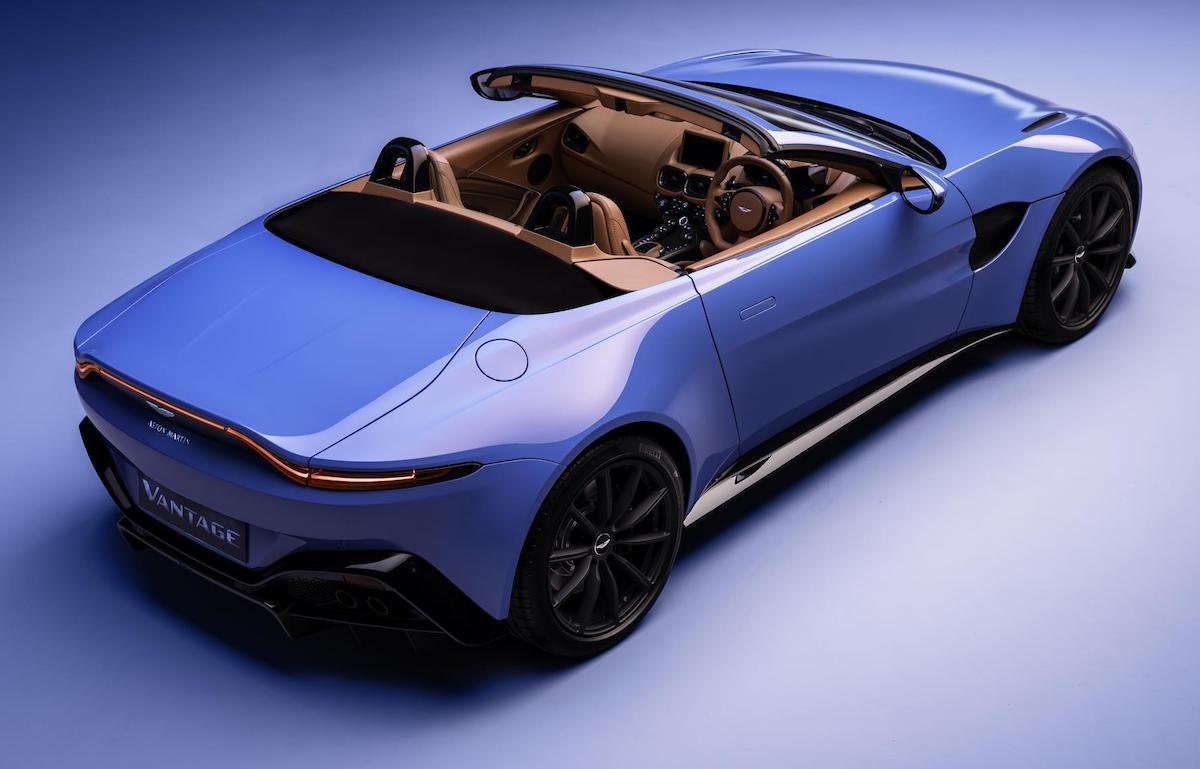
- In 2020, the Aston Martin Vantage Roadster appeared with what the Gaydon firm claims is the fastest powered hood in the business. At the touch of a button, it’ll rise or fall in just seven seconds and at speeds up to 31mph. The Roadster is inevitably a heavier car than the fixed-head model – the roof mechanism accounts for most of the 60kg weight penalty, additional body strengthening for the rest – but the car carries it beautifully, without any ruinous effect on its handling. The structure is also very rigid – rare for a convertible – meaning if you love the finer points of driving, you needn’t necessarily overlook the Roadster altogether.
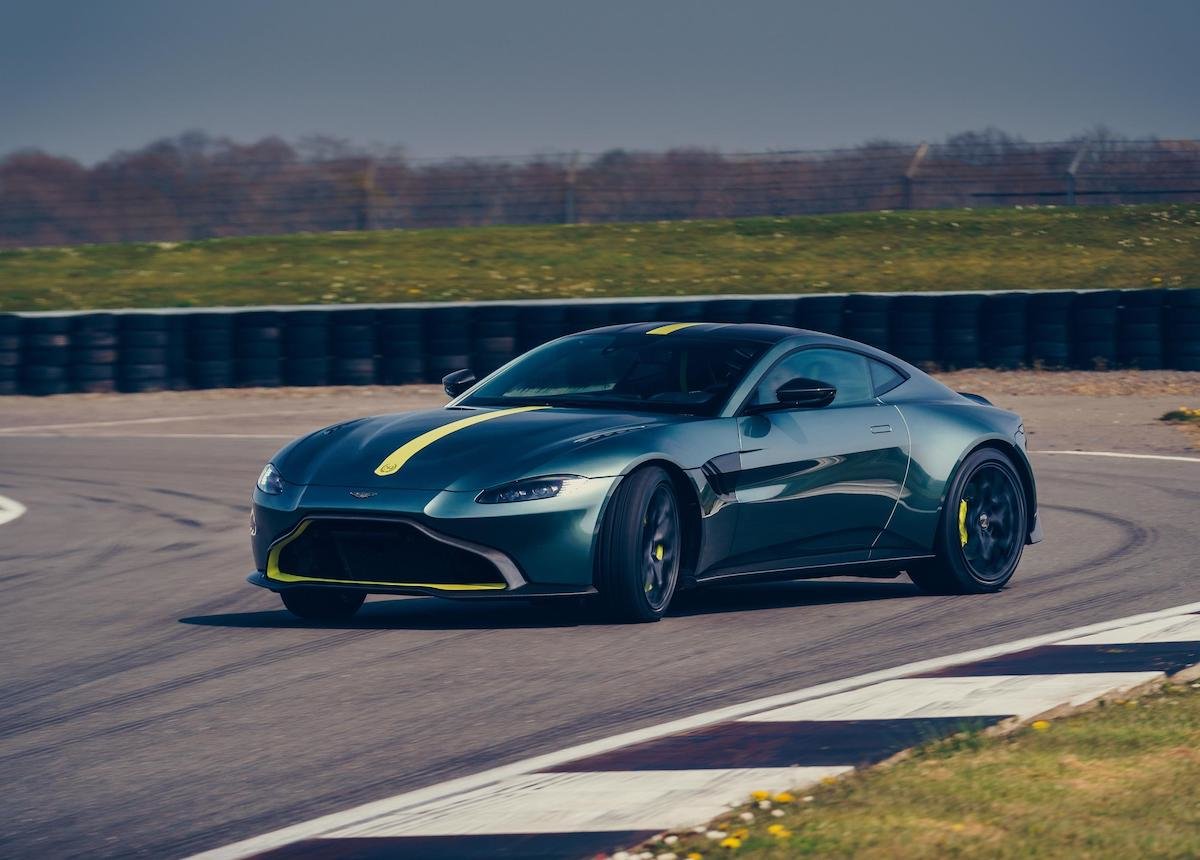
- The Aston Martin Vantage AMR, which arrived in 2019, is the most driver-focused variant to date. It was the first new Vantage to be offered with a manual gearbox, and the seven-speed transmission locates first gear away to one side on a dogleg. Only 200 Vantage AMRs were built, each one weighing 95kg less than a regular Vantage, mostly because of their lighter gearboxes, and featuring a conventional limited-slip differential rather than the electronically controlled item fitted to other Vantages. A revised suspension setup made the AMR sharper to drive.
- On a budget: the earliest used examples are now dipping below £90,000. For that kind of money, you’ll be looking at a 2018 car with around 10,000 miles on the clock.
- Must be a manual: if you’d rather row between gears yourself, you’ll need to spend rather more on the very rare Vantage AMR. These cost a fraction under £150,000 when new in 2019, and even now, you won’t pick up a used examples for much less than £140,000.
- The Porsche alternative: the basic Vantage sits between a high-spec Porsche 911 Carrera S and the bells-and-whistles 911 Turbo. For Vantage money, then, you can more or less have your pick of the 911 line-up.

