Audi RS5 Review (2010-2015)
Audi RS5 cars for sale
3.0
Expert review
Pros
Extremely rapid, thanks to an engine borrowed from Lamborghini
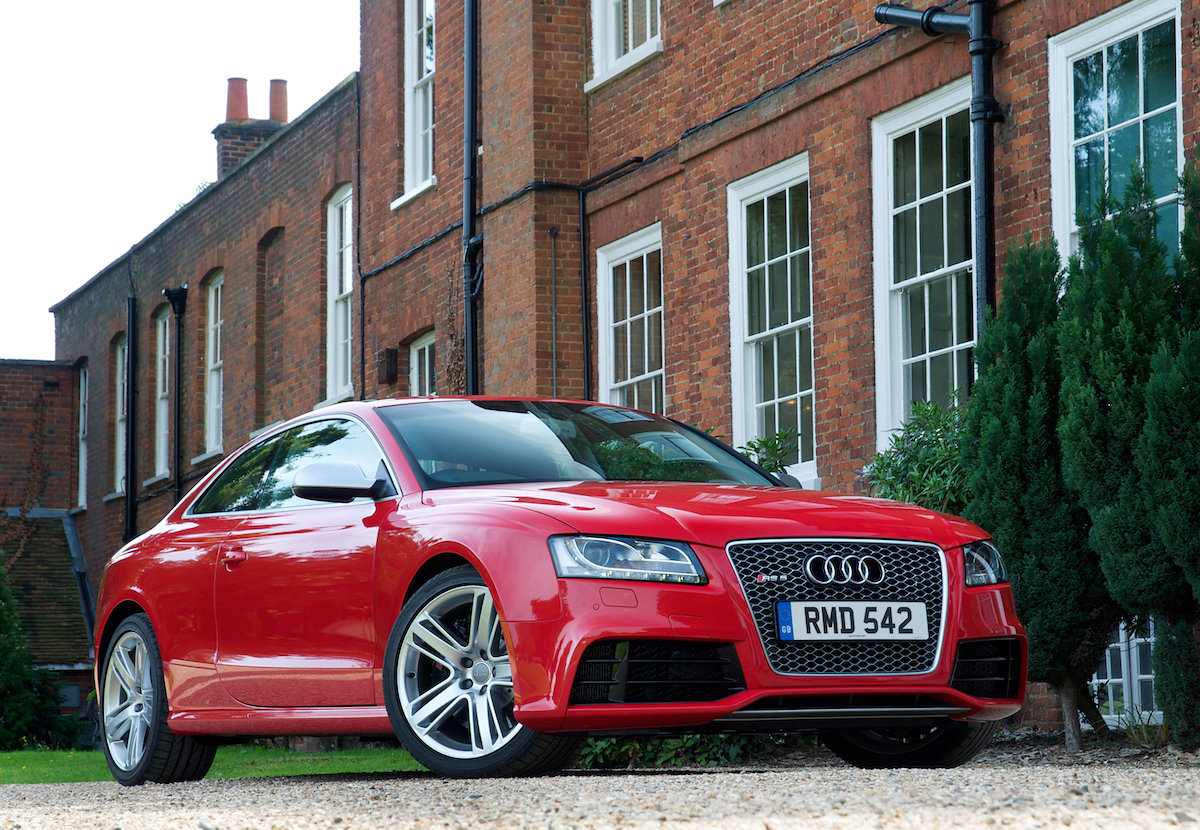
Good looking, if you prefer understatement to ostentation
Four-wheel drive makes the RS5 a four-season express
Cons
Ruinously expensive to run
Potential for pricey reliability problems
Not as involving as a BMW M3
The CarGurus verdict
For all its supercar pace and dynamic brilliance, the RS5 suffers from a number of potential mechanical and electronic problems that can be financially ruinous. For peace of mind, invest in a pre-purchase inspection by an independent specialist and investigate the costs of an aftermarket warranty. Also bear in mind that this car’s running costs are wallet-wiltingly high.
Yet for those with deep pockets the discreetly classy RS5 will turn even a mundane journey into a special occasion.

What is the Audi RS5?
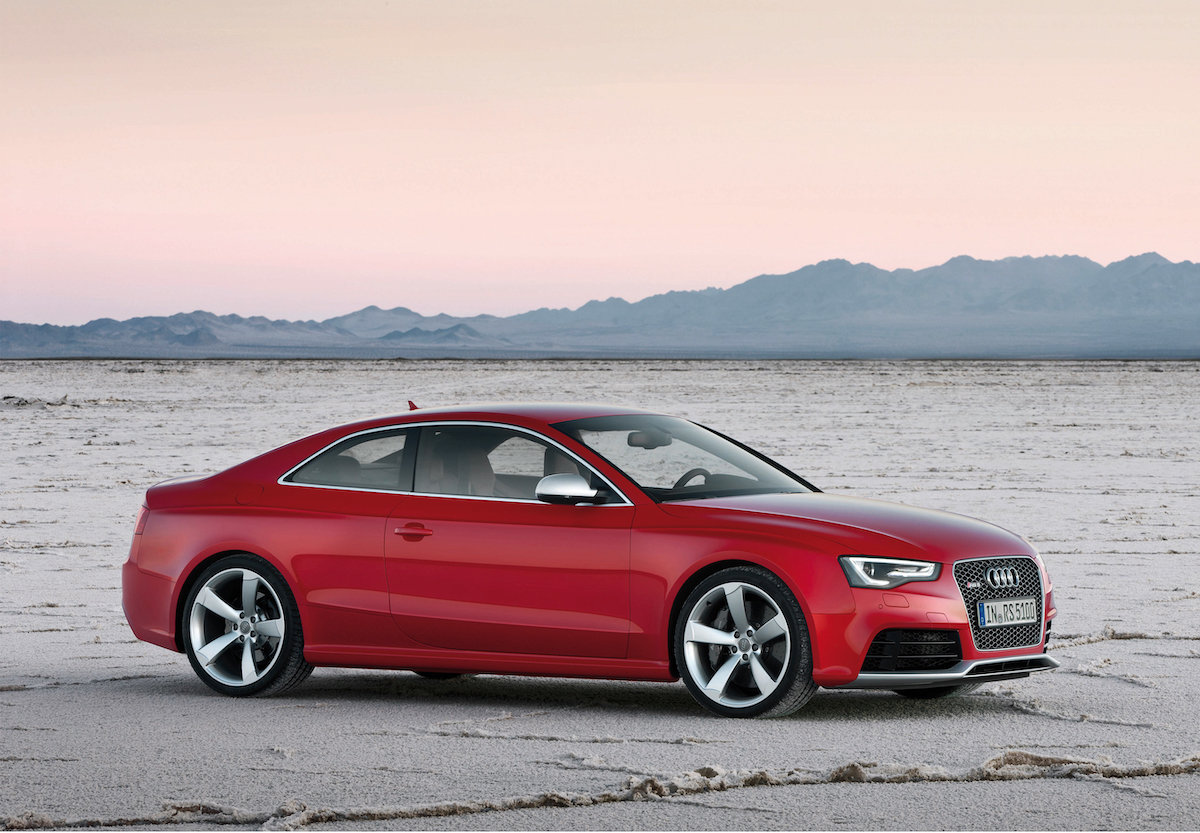
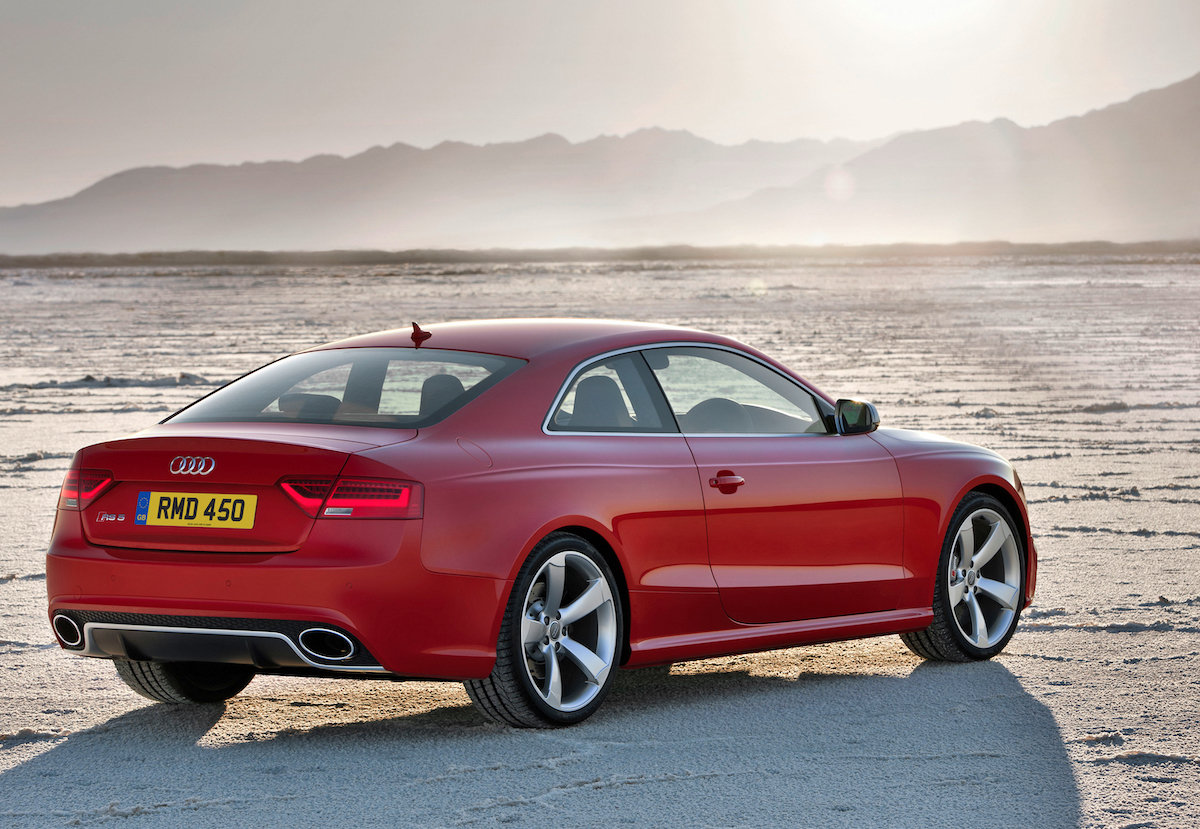
The Audi RS5 mk1 has a serious set of sports car credentials. It’s powered by a hand-built 4.2-litre naturally aspirated V8 petrol engine derived from the V10 that propels the Lamborghini Gallardo (not to be confused with the 2.9-litre twin-turbo V6 found in the mk2 RS5, an engine shared with the Porsche Panamera).
This V8 produces 444bhp at a giddy 8,250rpm and 317lb ft (430Nm) of torque between 4,000 and 6,000rpm. It makes a bombastic noise – as befits a high performance V8 – as it belts out a 0-62mph time of 4.6 seconds. Although restricted to 155mph in standard guise, original owners could pay £1,500 for their RS5 to be unfettered and achieve its full top speed of 174mph.
How practical is it?
Obviously, those wanting immense everyday practicality from their fast Audi would be much better off with an Audi RS4 Avant, but the RS5 has enough space in the rear seats for a couple of adults to sit comfortably and the boot, at 380 litres, is a decent size.
Buyers of the Convertible version should be aware the the luggage area does shrink quite a bit (by 60 litres) with the roof folded.
What's it like to drive?
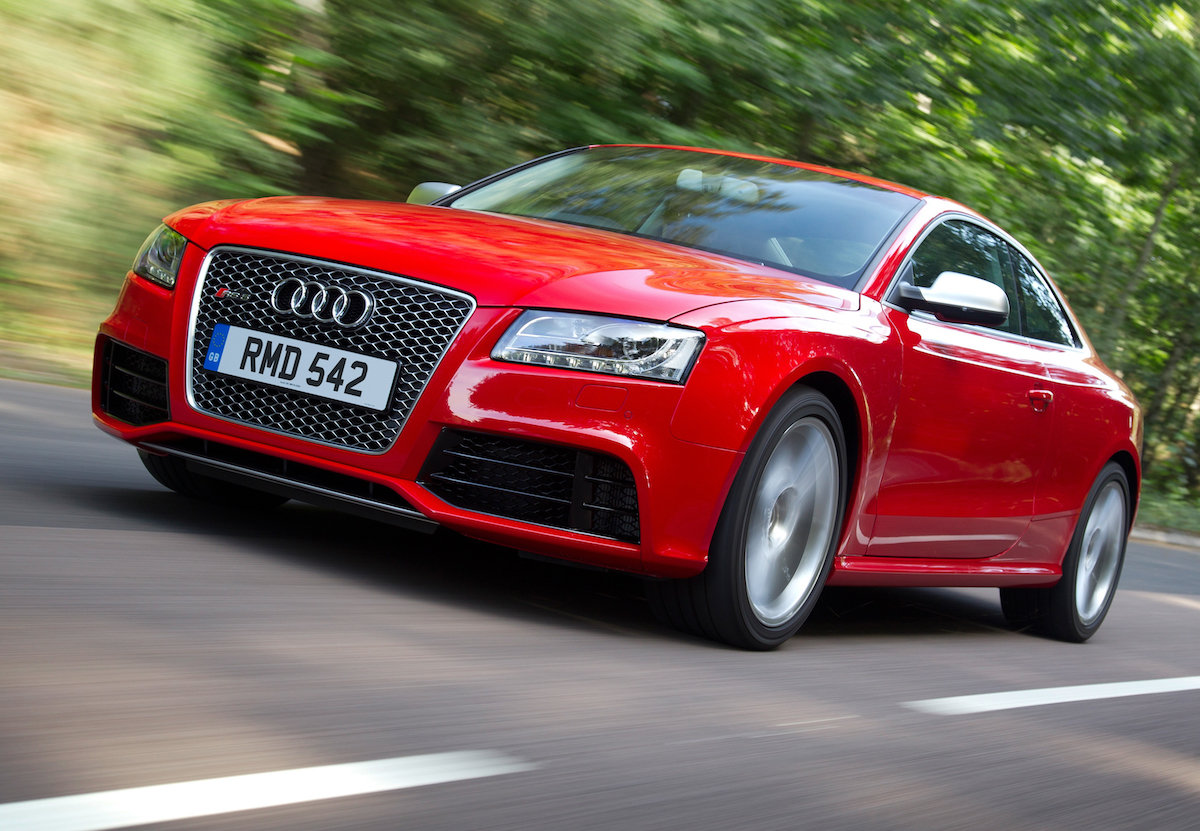
The RS5’s roadholding is fearsomely strong and its stability through corners (dry or wet) is outstanding. It can be hustled along winding roads with gusto and tremendous speed, exhibiting an agility that belies the RS5’s considerable size.
What it lacks is that last few degrees of driver involvement that would make it a class leader alongside rear-wheel-drive rivals like the BMW M4. The flip side of that comment is that the RS5 is easier and less frenetic to drive quickly than its key rivals, so may well suit you better. Besides which, even the RS5’s harshest critic couldn’t deny that it offers a thrilling experience from behind the wheel.
Also in the RS5’s favour is an excellent (when it’s working properly) seven-speed dual-clutch automatic gearbox, which Audi calls S tronic but is named DSG in other VW Group cars: there is no manual gearbox option.
Complementing the RS5’s under-bonnet awe is a chassis of remarkable sophistication. In trademark Audi style the RS5 mk1 features a quattro four-wheel drive transmission, but in this instance with a 40:60 torque bias towards the rear wheels for sportier handling characteristics. It’s an adaptive system that can automatically transfer up to 70 per cent of the torque to the front wheels and up to 80 per cent to the rears when driving conditions require it.
The RS5 also features a torque vectoring system that can brake individual wheels to the benefit of handling and roadholding, Dynamic Ride Control to limit the amount of body roll through corners, and adaptive dampers that can automatically adjust their settings according to the sort of driving you’re doing. Some cars are also fitted (optionally) with an electronic rear differential that further enhances the handling.
As a way to cover very long distances very, very quickly, the Audi RS5 is highly recommended. Thanks to its extremely sophisticated chassis electronics and four-wheel drive hardware, it’s stable in all weather conditions and it’s easy to drive. And in addition to being mightily powerful, the V8 engine is blessed with an intoxicating soundtrack. While the Audi coupe lacks the sort of driver/machine intimacy that marks out a truly great sports car, few owners are likely to be disappointed with the considerable talents that it does possess.
Technology, equipment & infotainment
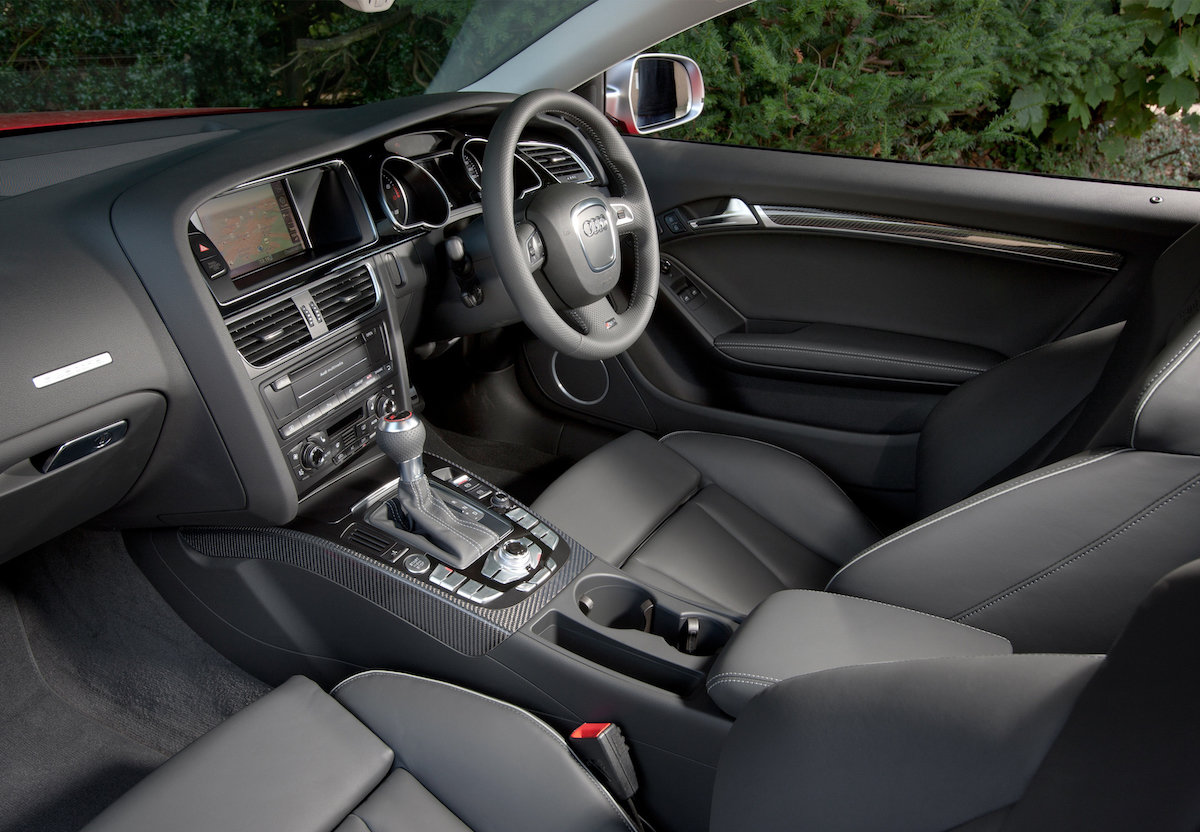
The RS5's cabin is a paragon of fit and finish as well as being stylish, there’s a cracking MMI infotainment system that's a doddle to use, standard equipment levels are appropriate to a car that cost £57,480 at launch, and on days when you just want to mooch along, the RS5 mk1 is quiet, comfortable and composed.
A facelift in late 2011 added a touch more aggression to the RS5 mk1’s external styling and improved its infotainment provision, but the basic mechanical package remained the same throughout the car’s lifespan.
Audi RS5 running costs
As is occasionally commented upon in the RS Audi online forums, if you have to ask how much it costs to run an RS5, you probably can’t afford to run an RS5… It’s an incredibly complicated car that cost a considerable sum to buy new, and while secondhand prices may be falling, looking after one doesn’t get any cheaper.
Firstly, there's the cost of fuelling an RS5. Around town it can consume a gallon for every 10 miles you travel. One owner worked out his average fuel consumption during 40,000 miles of mixed driving to be 20.7mpg. Another reckoned his best ever mpg figure was 26. This is a thirsty beast. And with thirst comes high CO2 figures and consequently a high annual road tax bill. By now it won’t surprise you that the RS5 sits in groups 44-49 (out of 50) for insurance.
Audi runs its own fixed price servicing and maintenance scheme for cars over three years old, so you can use it as a benchmark to compare what the independent Audi specialists charge. At an Audi dealer an interim service is from £360, while a major service will cost you from £700. The S tronic gearbox requires a transmission oil and filter change every 40,000 miles and that’s £245.
The front brake discs and pads are notoriously weak and if you use the car hard will need replacing every 16,000 miles. At an Audi dealer, that’s around £1,275 for a pair of front discs and pads. The forums will steer you towards better and cheaper alternatives.
The RS5 also chews through tyres. If you’re easy on them they may last 20,000 miles, but if you’re seduced by the car’s raging performance then that figure can fall to 12,000 miles. Expect to pay between £135 and £220 per corner for replacements.
Although not common to all RS5s, many suffer from carbon build-up on the intake valves which generally starts to affect the car’s running from around 70,000 miles. It’s a day’s work to de-coke at a specialist, and the work can run to £700. As stated, not all cars are prone to it, but be financially prepared.
Also bear in mind that as these cars get older then the original servicing plans tend to become obsolete. Most independent Audi specialists recommend, at the very least, an annual oil change and inspection to see what potential problems might be lurking.

Audi RS5 reliability
Some RS5 mk1 owners claim never to have had a problem, others haven’t been so fortunate… On a minor level, carbon build-up on the back of the inlet valves can cause misfires and triggers limp-home mode on the ECU. It’s commonplace but not universal, and typically tends to occur from about 70,000 miles. Cleaning up the carbon deposits can relieve your wallet of up to £700.
Misfires are also caused by faulty fuel injectors, dicky inlet manifold sensors, and alternator regulator malfunctions. More disastrous are reports of complete engine destruction precipitated by ingesting chunks of the inlet system, from oil pump failures, and from defunct electronic oil level sensors. A new engine, not to frighten you, is the thick end of £17,000. Bear that figure in mind if you hear rattling sounds from under the bonnet; from around 70,000 miles that could be the noise of failing camshaft chain tensioners, and should that chain jump a few teeth on its pulleys, then a huge bill may be heading your way.
The failure of sensors is a recurring theme with the RS5 mk1. These include the lambda sensor, oxygen sensor, inlet pressure sensor, camshaft sensor, damper sensor and front and rear parking sensors. Much more critical, though, is the failure of the sensor inside the Mechatronic unit that is the control module for the S tronic gearbox. This can cause problematic running of the gearbox and even stop it functioning altogether. Because the Mechatronic unit is buried inside the gearbox it can cost £2,000 and more to have it replaced. In extreme cases its failure can impact the entire gearbox, and that results in a bill for £10,000.
Another horrendously costly failure is that of the exhaust’s catalytic convertors, heralded by a white powdery substance emerging from the tailpipes. Replacing the cats means removing the engine, which means the extraction of about £5,000 from your wallet.
With age the adaptive dampers are beginning to spring leaks, while the Dynamic Ride Control’s hardware is also getting leaky. Oil leaks from the rear differential may mean replacing both driveshafts at a cost of approximately £1,500, and if the engine and gearbox have been parted at any stage – say to replace the Mechatronic unit – then there are reports of further leakage where the two are joined.
RS5s fitted with a sunroof can suffer water ingress to the front footwells and to the boot, caused by blocked drainage holes: either end, there are expensive electronics put under threat.
- The RS5 mk1 features the Audi Drive system whereby the driver can alter the car’s dynamic settings according to their mood or driving conditions. There are three pre-sets – Comfort, Automatic and Dynamic – which change various parameters including throttle response, gearbox behaviour, damping control and steering weighting. Also in the settings menu is Individual, that lets drivers set the parameters the way they prefer – for instance, Dynamic throttle response, Automatic dampers, Comfort steering. However, the Individual facility is available only in RS5 mk1s fitted with optional satnav, so if you think it might be useful or fun, you know what to look out for.
- At least one RS5 mk1 owner has been reported to utter, ‘it would be madness to own one of these things without a warranty.’ The RS5 mk1 is a very complex car and when major things go wrong – and as you’ll read in our Reliability section, they can and do – it’s stunningly expensive. Aftermarket warranties aren’t cheap and you need to read the fine print very, very diligently concerning what’s covered, but some owners are extremely thankful they took one out. Also recommended is a pre-purchase inspection by an independent Audi specialist with experience in RS models.
- As standard the RS5 mk1 is fitted with 19-inch alloy wheels, but many original owners paid extra to have the 20-inch alternatives. If you can, pick a car with the former as that way you will enjoy ride quality on the acceptable side of very firm, even with the adaptive dampers in their Comfort setting. This may mean a fair bit of hunting as the RS5 didn’t sell in huge numbers and many owners believed that the 20s looked better and were prepared to live with the compromised ride.
- If you want the greatest choice: Essentially there is only one real derivative of the RS5, the standard coupe, although there is, of course, also the rarely spotted Convertible (for this generation of car, there was no option of having an Audi RS5 Sportback as there was with the mk2). But finding a standard RS5 Coupe in the colour you want might not be so easy – not many of them were sold in the first place, and quite a few of the older cars have by now been modified in some form or other.
- If you enjoy being exposed to the elements: If you can find one then the RS5 Convertible will give you excellent exposure to the skies above and the evocative soundtracks of the engine and exhaust. The Convertible also boasts a very well insulated hood, although when it’s stowed it does eat into the boot space, and it’s not as good to drive hard as the Coupe.
- If you want to make more of the V8 engine’s sweet music: Even though the RS5 sounds epic as standard, Audi offered the option of a factory-produced sports exhaust. However, many original owners didn’t think that the factory pipes went far enough and there are several aftermarket exhaust system options that make the RS5 sound even more like a race car.
- If you’d like a little more exclusivity: While you’re unlikely to see many other RS5s in your local supermarket car park on a Saturday morning, in November 2014 Audi introduced the RS5 Sport Edition, a cosmetics-only special. It comes in either Daytona Grey pearl effect or Nardo Grey paint, and also features 20-inch alloy wheels and red brake calipers, while inside there’s Crimson Red fine Nappa leather ‘interior accents’.

