BMW 6 Series Gran Turismo Review (2018-2020)

Pros and cons
What we like
An interesting alternative to a conventional executive car
The hatchback layout is practical and there's plenty of luggage space
Four-wheel drive is available with some engines
What to consider
The xDrive 4x4 versions cost more to fuel than two-wheel-drive models
Not as compelling to drive as a BMW 5 Series
Divisive looks may put you off
The CarGurus verdict
The BMW 6 Series Gran Turismo is unquestionably a high-end car that’s comfortable and accommodating, while the engine and drivetrain line-up is excellent, especially if you go for one of the smooth six-cylinder options.
It’s also well equipped, easy to drive and suitably luxurious throughout. However, it’s also an expensive option and one that just doesn’t look as appealing or sleek as its competitors. While also quick and capable, the big GT just isn’t that compelling to drive, either. Subsequently, if you’re expecting it to be like a 5 Series, you might come away disappointed.
Buyers wanting a large, practical and relaxing luxury new car, though, will find much to appreciate here, but we’d recommend first investigating alternatives such as conventional BMW saloons, the Jaguar XJ, Porsche Panamera or the Mercedes-Benz CLS and S-Class. Or, if you’re searching for something with a more forward-looking edge, you could even consider a Tesla Model S.
out of 5 expert review
What is the BMW 6 Series Gran Turismo?
If you’re looking for a large and practical executive car, you’re probably shortlisting options such as the BMW 5 Series Touring and Audi A6 Avant, or perhaps, larger SUVs such as the Land Rover Discovery or Volvo XC90.
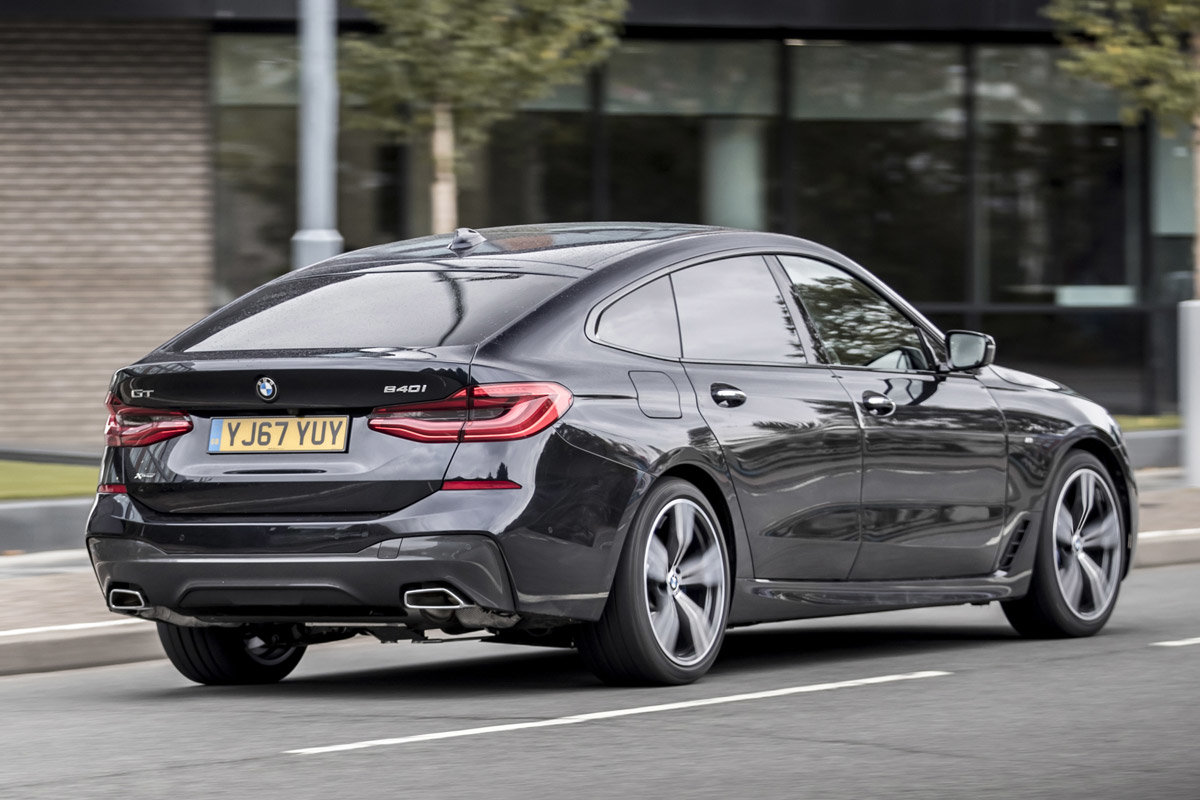
On your travels, however, you might encounter the BMW 6 Series Gran Turismo. It was launched in 2017 as the successor to the similarly niche 5 Series Gran Turismo and, like its predecessor, it blended tried-and-tested BMW underpinnings with a bigger coupe-like body and a practical hatchback layout.
It looked better than the 5 Series GT but, even so, the net result was a somewhat ungainly executive hatch that wasn’t as elegant as the Mercedes-Benz CLS or as sharp as the Audi A7. There were improvements elsewhere, though, so BMW’s efforts weren’t completely wasted. The 6 Series GT was more spacious than its predecessor, more practical, more advanced and more efficient.
Practicality
How practical is it?
While BMW’s grand tourer might not be the most visually appealing option, it’s unquestionably accommodating inside, with lots of room for occupants in both the front and rear seats. There’s lots of adjustment for the driver’s seat, which means it’s easy to get comfortable, and It’s all finished to BMW’s usual upmarket standards, too, and feels every inch the premium product.
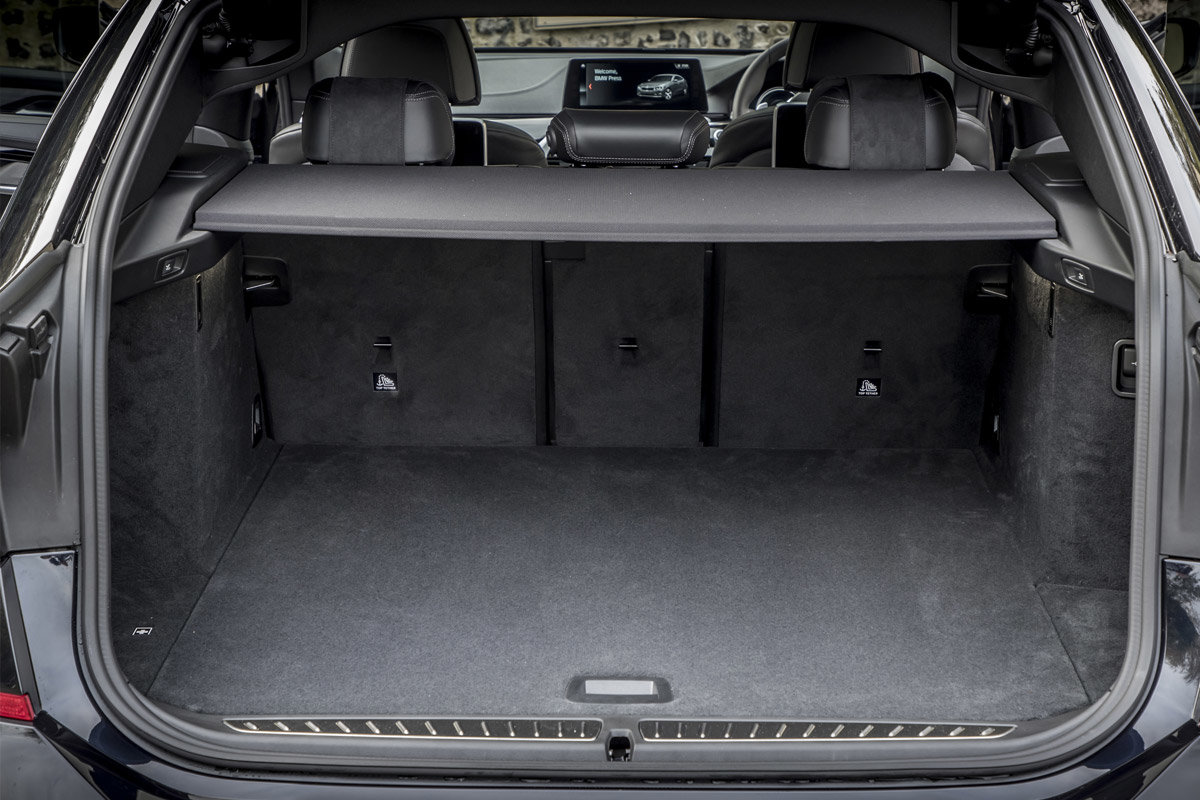
It’s hard to argue with the practicality offered by the 6 Series GT, with its boot offering 610 litres of storage space with the rear seats up and a substantial 1800 litres with them folded down. If you often find yourself needing lots of space in a premium wrapper, this alone might justify the purchase of a 6 Series. The powered tailgate also makes the boot easy to access and there’s no large lip to lift objects over, so it’s not hard to load. And although the rear seats don’t fold completely flat, there’s no awkward step up from the boot floor to the rear of the seats, which makes it easier to carry longer items.
Driving
What's it like to drive?
All versions came with an eight-speed automatic gearbox and, initially, buyers could pick from the 2.0-litre, four-cylinder 630i, the 3.0-litre, six-cylinder 640i xDrive and a 3.0-litre, six-cylinder diesel in 630d or 630d xDrive specification (xDrive means it's got four-wheel drive).
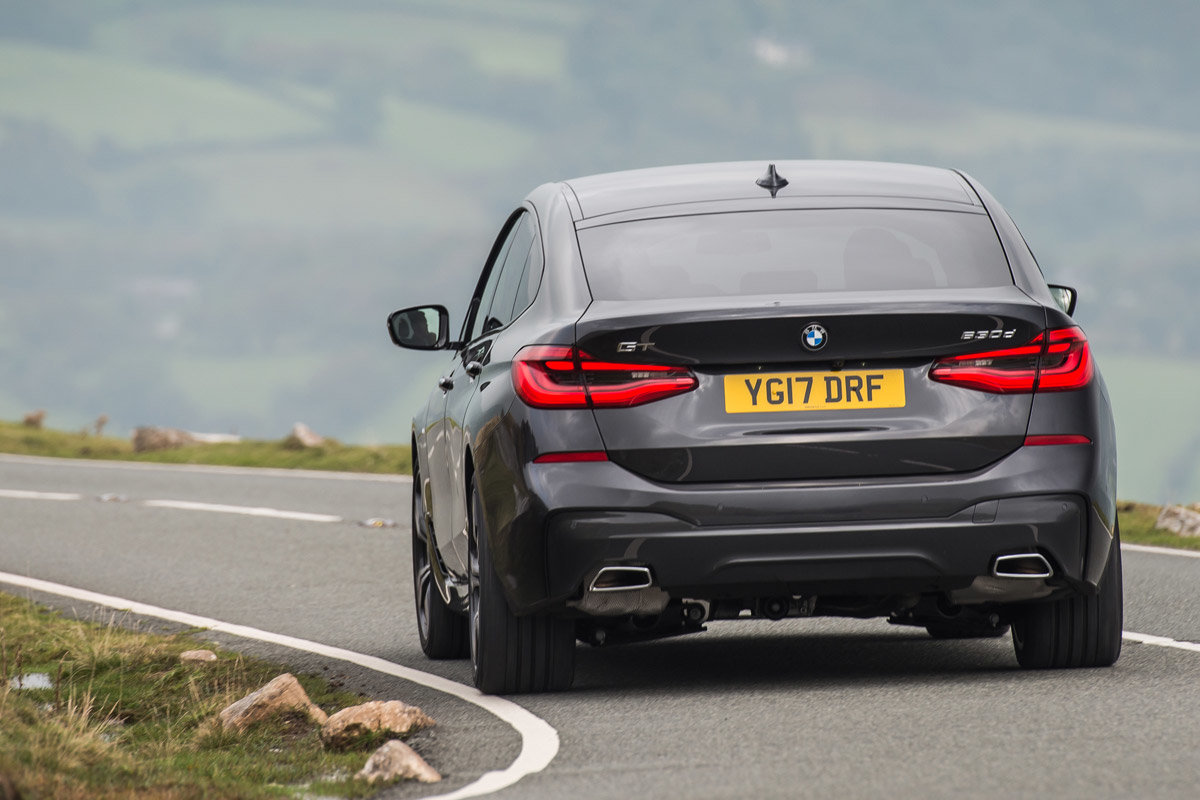
However, while the engine line up is excellent, and the car is more compelling and capable than its predecessor, many will find that it doesn’t deliver on the handling front. It’s a big, heavy and uncommunicative car, which blunts any fun, and many competitors are better to drive, including alternatives such as the Jaguar XJ and BMW’s own 5 Series and 7 Series.
That, coupled with its divisive styling, makes it tricky to recommend the 6 Series Gran Turismo. It’s been discontinued now, though, and a used example that’s depreciated a bit might make sense for those who need comfort and pace blended with impressive space.
Tech and equipment
Technology, equipment & infotainment
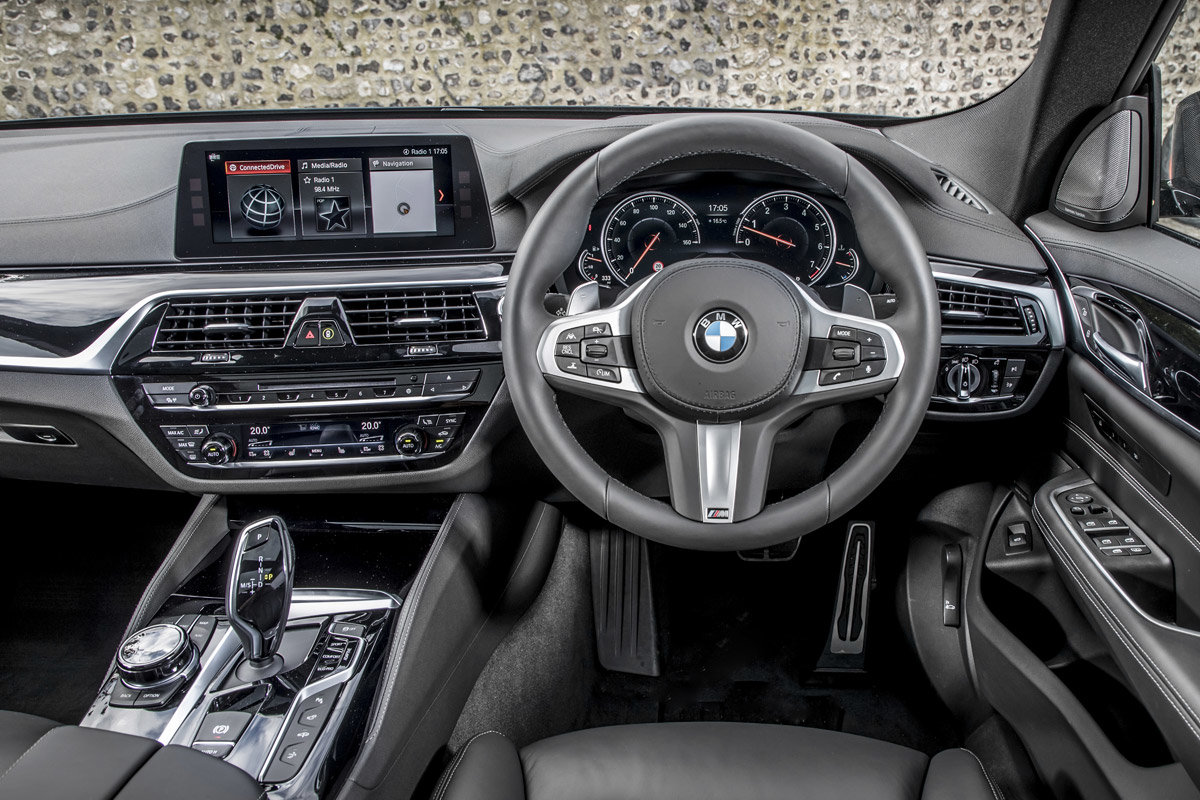
Only two trim levels were offered, making the decision-making process easy: customers could pick from an SE model or the M Sport. Fittingly, even the base-model SE came with a kit list as long as your arm, with standard features including dual-zone climate control, Bluetooth connectivity, adaptive LED headlights, satnav, front- and rear parking sensors, automatic lights, heated front seats and a powered tailgate.
The M Sport option, as the name suggested, benefitted from upgraded brakes, sports suspension, sports front seats and a plethora of M Sport body and interior trim parts. It also came with a panoramic glass sunroof, for a more airy and open cabin feel. A range of option packs were available as well, allowing customers to tailor the 6 Series GT to suit their intended motoring style.
Running costs
BMW 6 Series GT running costs
The BMW 6 Series GT was an expensive car when new but running costs aren’t outrageous, in part because the engine line-up consists of comparatively straightforward and efficient four- and six-cylinder options.
The 630d SE, as a case in point, is claimed to average an impressive 55.3mpg in models with 18-inch wheels, and according to owners, it’ll often return close to 50mpg in real-world conditions. Even the flagship 640i xDrive M Sport is claimed to average 34.4mpg, and nigh on 30mpg is possible with a light foot out on the road, which isn’t bad for a big and heavy petrol hatchback.
The all-wheel-drive models are less efficient in the real world, though, so that option is best avoided unless you intend to regularly tackle snow-covered roads or challenging routes. Even with AWD, though, you’ll still need a set of appropriate winter or all-season tyres to help you stop and steer effectively.
First-year VED rates can smart due to the high emissions of many models, however. Annual VED costs might also sting as the BMW commands a hefty five-year VED premium of £325 due to its list price being north of £40,000 in all cases. Once that five-year window has passed, though, the tax cost will drop to a more manageable £150 flat rate.
BMW does offer Service Inclusive plans, which will keep the car serviced for up to three years or 36,000 miles. Quotes can be provided online, by entering the details of the vehicle you’re interested in, so you can get a precise handle on what to expect. We ran a quote for a 630d GT, for example, and got back a figure of £1,080 for two services 18,000 miles and two years apart. Don’t forget the cost of consumables such as tyres, though, as they could bump up a bill significantly.

BMW 6 Series GT reliability
If you bought a new BMW 6 Series Gran Turismo then it would have come with a three-year, unlimited-mileage warranty, which isn’t shabby, considering many competitors offer just three-year, 60,000-mile warranties.
Three years’ worth of roadside assistance was also included with every new 6 Series GT and warranty extensions were available up to 100,000 miles. It’s worth opting for a renewed or extended warranty, or finding a car with lots of original warranty left, because BMW doesn’t have the best reputation for reliability in the UK. The 6 Series GT is a big and complex car, after all, so it’s worth making sure that you’ve got some protection against costly failures if you can.
You have to go for a Toyota, Hyundai or Kia if you want a longer warranty, extensions aside, and that’s a move that’s unlikely to appeal to someone shopping for a premium saloon, hatch or estate. That said, Kia’s smartly styled Stinger offers a decent amount of storage space, plenty of punch and kit, and it comes with a seven-year, unlimited-mileage warranty.
Pleasingly, and in the BMW’s favour, there have only been a handful of recalls for the 6 Series. These can be looked at using the government’s 'Check Vehicle Recalls' service, which will allow you to see if a used 6 Series GT needs any updates.

What owners say
A very excellent car, services were done on time, white interior, best seller in 640d and cat S models
13 July 2025Fabulous Driving Machine. All over Europe in it; become blase about the admiring looks, especially with the roof down. Sporty; no slouch. A diesel with 2 turbos; wow !!! And - to cap it all - several young ladies asking if they could be photographed in it. !!
28 June 2026For such a big car it certainly doesnt feel like it. The performance for a big car is incredible so to get decent economy requires some restraint. Very smooth as you would expect from something that costs £60k+ when new. Spec differs so much between cars so read up a bit and happy car hunting.
16 April 2021What owners say
A very excellent car, services were done on time, white interior, best seller in 640d and cat S models
13 July 2025Fabulous Driving Machine. All over Europe in it; become blase about the admiring looks, especially with the roof down. Sporty; no slouch. A diesel with 2 turbos; wow !!! And - to cap it all - several young ladies asking if they could be photographed in it. !!
28 June 2026For such a big car it certainly doesnt feel like it. The performance for a big car is incredible so to get decent economy requires some restraint. Very smooth as you would expect from something that costs £60k+ when new. Spec differs so much between cars so read up a bit and happy car hunting.
16 April 2021Overpriced in COVID global market with early stages of recession
29 January 2021The hybrid version which BMW in my view erroneously have decided to sell in Europe but not the Uk would have been the ideal replacement for my 5GT. It looks as if I will have to look at the Audi or Merc ranges . A pity has I and my family, plus the company , have been almost exclusively BMW purchasers for well over 20 years
29 August 2021Three things to know
- It’s worth noting that the Gran Turismo wasn’t the only model to wear the 6 Series badge, and the other versions in the range might be worth exploring if you’re willing to sacrifice some of the GT’s practicality in favour of a more involving driving experience. Even the standard two-door Coupe offers a modicum of practicality, with reasonably spacious rear seats, although access is tricky if you have to use them regularly. A better bet, therefore, and a good halfway house between GT and Coupe is the 6 Series Gran Coupe, which adds a pair of extra doors and a larger, saloon-style boot while retaining the Coupe’s low roof line.
- The initial line-up consisted of the 630i, the 640i xDrive, the 630d and the 630d xDrive. The petrol four-cylinder 630i packed 255bhp and could accelerate from 0-62mph in 6.3 seconds, while the petrol six-cylinder 640i offered 335bhp and a 0-62mph time of 5.3 seconds. The six-cylinder diesel option produced 261bhp and a lot of pulling power, which allowed it to dispatch the 0-62mph sprint in 6.1 seconds or a quicker 6.0 seconds in all-wheel-drive xDrive form. A more efficient four-cylinder diesel 620d model, with 188bhp, was also added later. It was still pretty swift, though, clocking a best of 7.9 seconds in the 0-62mph dash.
- An array of packs were offered when the 6 Series GT was new, which allowed for a degree of personalisation. Customers could pick from the rear seat comfort package, the M Sport Plus package, the Premium package and the Bowers & Wilkins Diamond Surround Sound System option. All have their advantages but keep an eye out for cars with the Premium package, as it adds quad-zone climate control, ceramic-finished controls, massaging front seats and soft-close doors for an even more upmarket feel.
Which one to buy
- The best all-rounder: The 6 Series GT is a premium car so it seems a shame to go for one of the four-cylinder options. After all, the 630d is smooth, powerful and capable of averaging a claimed 55.3mpg, which will make it a great choice for longer trips. Stick to rear-wheel drive, unless you need the extra traction, because the all-wheel-drive models are heavier and less efficient. SE trim comes with stacks of kit, so we’d save some cash and stick with that.
- For maximum efficiency: The most economical model in the range is the later 620d, which could average a claimed mpg of 58.8. That’s not a million miles away from the more powerful and refined 630d, though, and in the real world, the 620d will have to work harder, so the fuel economy gap between the two might not end up as big as you think.
- For the best performance: If acceleration is key, you’ll want the 640i xDrive in SE or M Sport trim, as the 335bhp straight-six will accelerate the big BMW from 0-62mph in just 5.3 seconds. It’s not horrifically inefficient, either, with BMW claiming an average of up to 35.3mpg.
- The cheapest used buy: You’ve got your pick of powertrains, even if you’re on a budget, as both 630is and 630ds tend to occupy a similar price bracket. You’ll even see a few 620ds at the bottom end of the classifieds. A petrol option might make the best sense in terms of reliability, but if you’re doing lots of miles then a diesel might be justified.


Pricing trends
Starting RRP
£35,663
Current avg. market price
£18,859
Trending down by 0.8% this month
May 2026 - October 2026
More on the Gran Turismo BMW 6 Series (2018 - 2020)
Compare 2018 BMW 6 Series Trims
The 2018 BMW 6 Series offers a blend of luxury and performance, with options ranging from the value-focused 630d to the fully loaded 640d M Sport.
- Starting at £17,685
- Most Popular: 640d M Sport 2dr Auto
Trim Overview
Prices updated weekly from CarGurus listings.
| 630d Xdrive M Sport 5dr Auto | 640d M Sport 2dr Auto (Most Popular) | |
|---|---|---|
| Starting MSRP | £56,525 | £73,320 |
| Avg. Market Price | £17,685 | £24,920 |
| Positioning | Best value | Fully loaded |
| Standout Features | Panoramic Roof, Parking Assist | Bluetooth, Keyless Entry/Start system |
| Drivetrain | AWD | RWD |
| Listings Available | 10 | 33 |
Quick Compare Table
Listing prices sourced from CarGurus — updated weekly. OEM specs from manufacturer data.
| 630d Xdrive M Sport 5dr Auto | 640d M Sport 2dr Auto | |
|---|---|---|
| AI Summary | Best value option with solid features | Premium performance with advanced tech |
| Avg. Market Price | £17,685 | £24,920 |
| MSRP | £56,525 | £73,320 |
| Engine | 2993.0cc 265 hp I6 | 2993.0cc 313 hp I6 |
| Drivetrain | AWD | RWD |
| MPG/MPGe (City/Hwy) | 38.7/55.4 | 42.2/53.3 |
| Parking Assist | ✓ | ✓ |
| Navigation System | ✓ | ✓ |
| Bluetooth | ✓ | ✓ |
| Backup Camera | ✓ | — |
| DAB Radio | ✓ | ✓ |
| AUX/USB connectivity | ✓ | ✓ |
| DVD Entertainment System | ✓ | — |
| Cruise Control | — | ✓ |
| Air Conditioning | — | ✓ |
| Keyless Entry/Start system | — | ✓ |
| isofix | — | ✓ |
| Active Listings | 10 | 33 |
Missing data displayed as "—".
Trim Deep Dives
630d Xdrive M Sport 5dr Auto — "Who It's For"
The 630d Xdrive M Sport is the pick for shoppers who want a luxury experience without the hefty price tag of higher trims. It offers solid features and all-wheel drive for added confidence.
- Avg. market price: £17,685 (updated weekly)
- MPG/MPGe: 38.7 city / 55.4 hwy
- Inventory: 10 listings — lower availability; may limit negotiating room
- View 630d Xdrive M Sport listings
640d M Sport 2dr Auto — "Who It's For"
The 640d M Sport is the pick for shoppers who want top-tier performance and luxury features without compromise. It's also the most popular trim in the lineup, appealing to those seeking a fully loaded experience.
- Avg. market price: £24,920 (updated weekly)
- MPG/MPGe: 42.2 city / 53.3 hwy
- Inventory: 33 listings — lower availability; may limit negotiating room
- View 640d M Sport listings
Trim Recommendations
Most Popular — 640d M Sport 2dr Auto
With 33 active listings, the 640d M Sport is the clear volume leader in the lineup.
Best Budget Option — 630d Xdrive M Sport 5dr Auto
At £17,685 avg market price — below the lineup median of £21,302 — it's the most accessible entry point.
Browse 630d Xdrive M Sport listings
These recommendations are based on CarGurus' proprietary market data from October 22, 2026, CarGurus experts' opinions, and generative AI.

