BMW X3 Review (2004-2010)
BMW X3 cars for sale
3.0
Expert review
Pros
Precise handling makes the X3 appeal to keen drivers
Efficient and powerful engines
Plenty of luggage space
Cons
Cramped rear seats
Awful ride, especially with sports suspension
Reliability issues with the 2.0-litre diesel engine
The CarGurus verdict
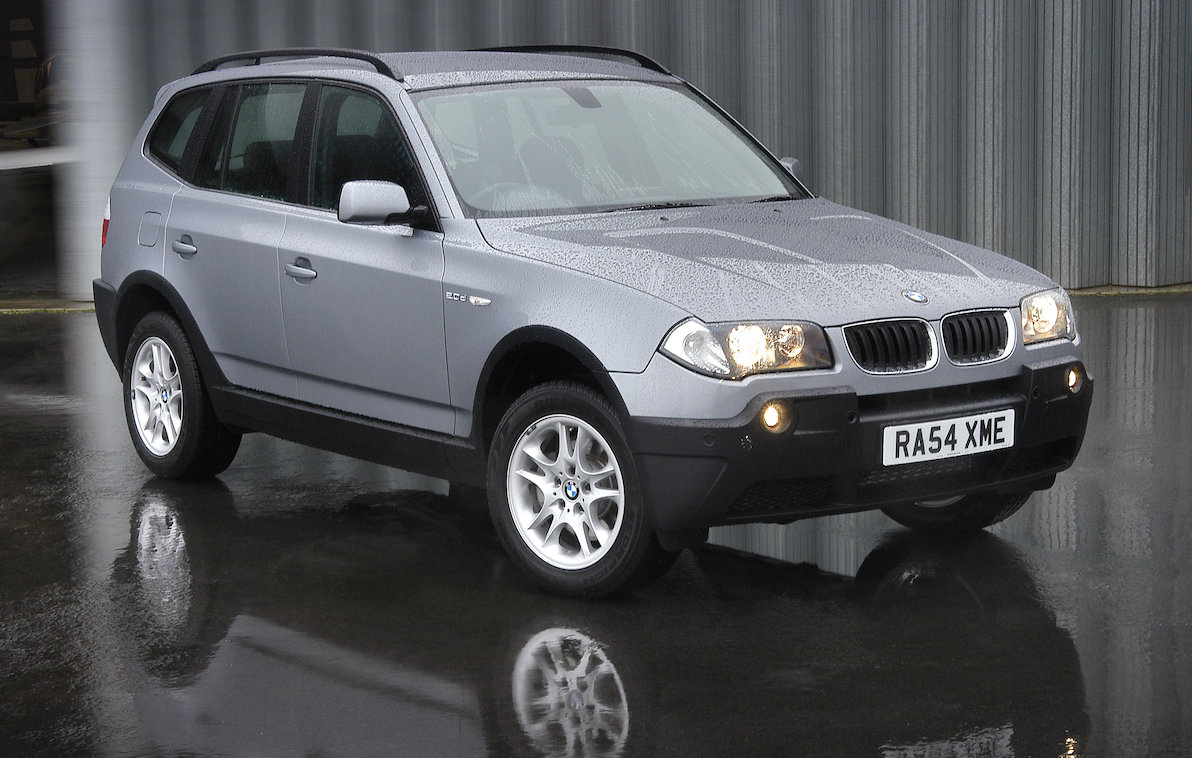
It may have the appearance of an off-roader and enjoy full-time ‘intelligent’ four-wheel drive, but it’s best to think of the X3 as more like a tall estate car. It handles like a regular car – a regular BMW, no less – and most of its engines combine spirited performance with good fuel economy. Other virtues include a big boot, top-class cabin ergonomics, and reasonably high standard equipment levels.
Yet there are several downsides to the X3, too. Its ride quality is rubbish, especially on the bigger wheels and with sports suspension. Access to the cabin through the rear doors isn’t so great. Cabin materials in the pre-facelift models isn’t to BMW’s normally high standards. It’s not cheap to run. And the reliability issues with the 2.0-litre diesel engine makes buying one a gamble.
If you desperately want an X3 then you may not be put off: if you simply want a mid-size SUV, there are better alternatives.
What is the BMW X3?
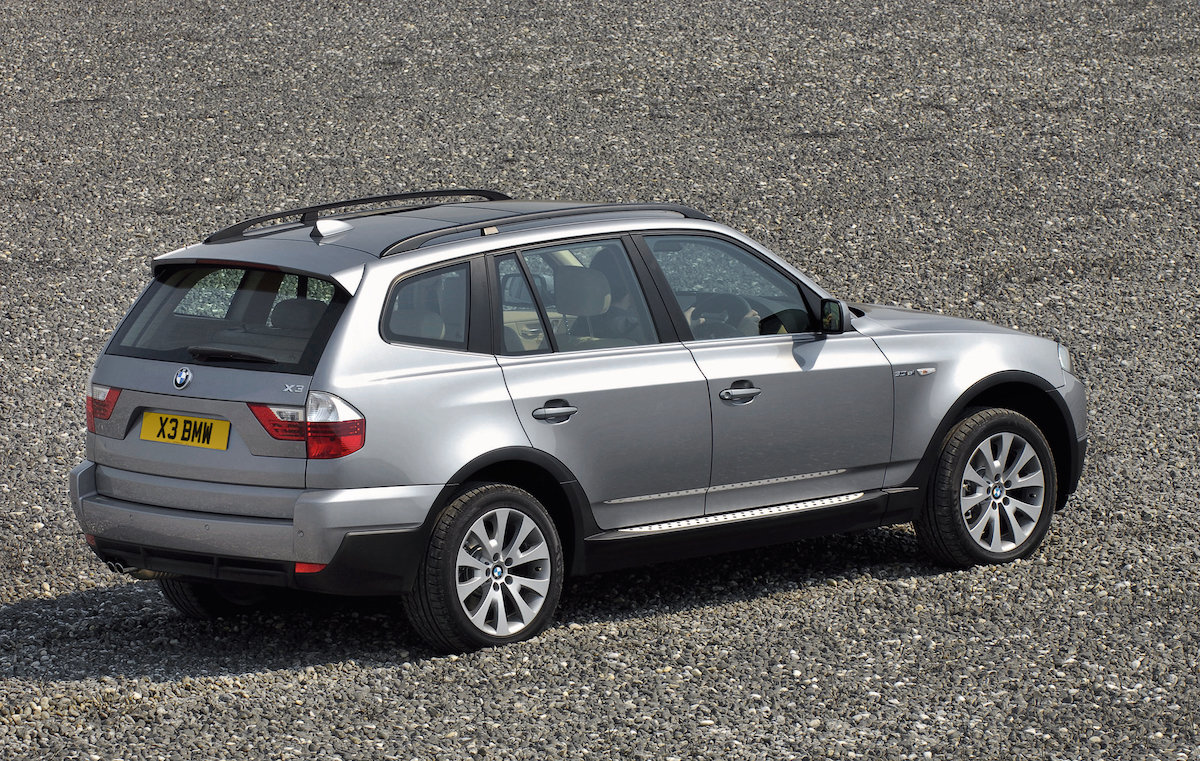
Having proven the commercial worth of a prestige SUV with the X5, in 2003 BMW shrunk the concept a little bit to create the permanent four-wheel drive X3. Launched on the UK market in 2004, the X3 is roughly as high as its big brother and almost as long, but is about 30cm narrower, giving it a clear advantage in supermarket car parks.
Stylistically the family resemblance to the X5 is strong, but initially BMW messed up the premium feel by cursing most versions of the X3 with unpainted black plastic bumpers. It was an expensive car and yet many owners felt that theirs looked like the bargain basement version. BMW was soon shamed into offering body-coloured bumpers on all models.
The first-generation car gave way to the second-generation BMW X3 (codenamed F25) in 2011.
How practical is it?
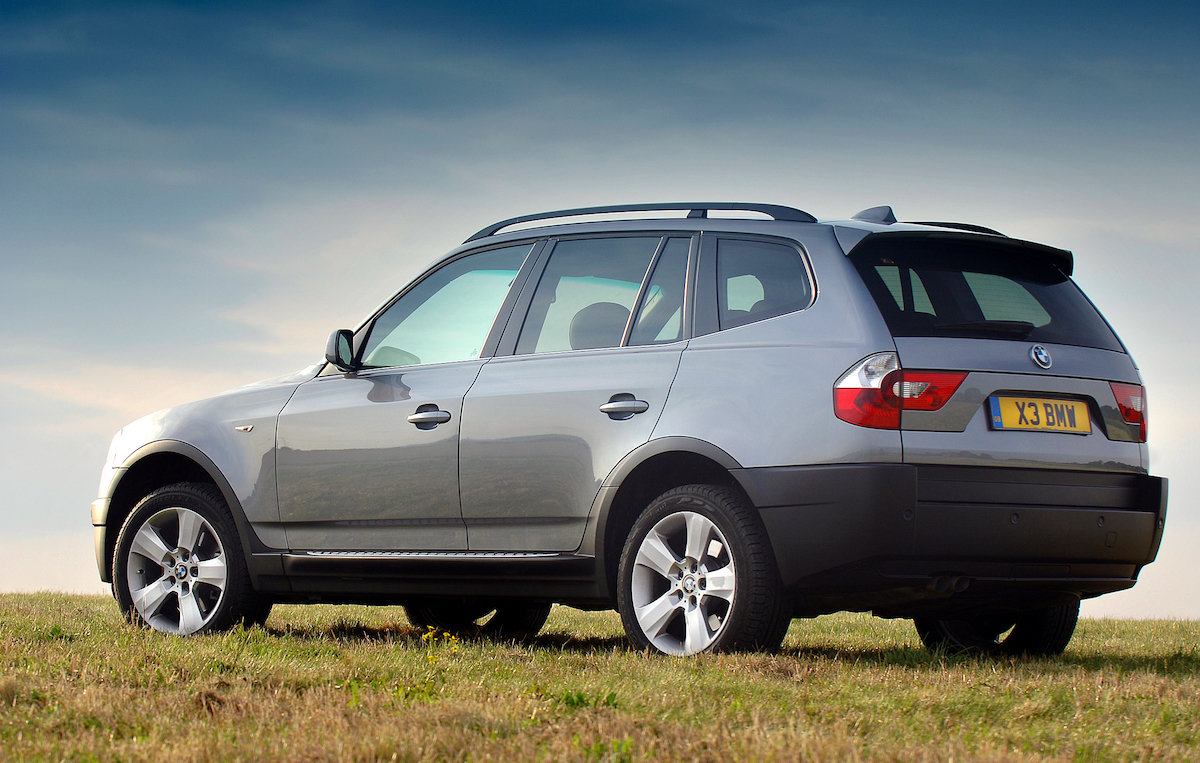
Very – in fact, this is probably the X3’s strongest suit. Leg room in the back could be a bit more generous, granted, but with that exception, there’s a good amount of space for all five passengers. The 480-litre boot is massive, too, and what’s more, the rear seats fold down flat to allow you to slide larger, bulkier items in – aided, in fact, by a low load lip that sits flush with the boot floor.

What's it like to drive?
The X3’s sophisticated xDrive four-wheel drive system doesn’t just endow it with a degree of off-road prowess, it enhances the car’s on-road handling, which for most owners is what actually counts: at the time several motoring magazines proclaimed the X3 to be the best handling 4x4 on the market. Unfortunately, the X3 also suffers from harsh ride quality, made worse in versions equipped with sports suspension and large diameter alloy wheels (Sport and M Sport). When the road smoothe out, though, what you notice is the X3 mk1’s refinement in terms of engine, wind and road noise.
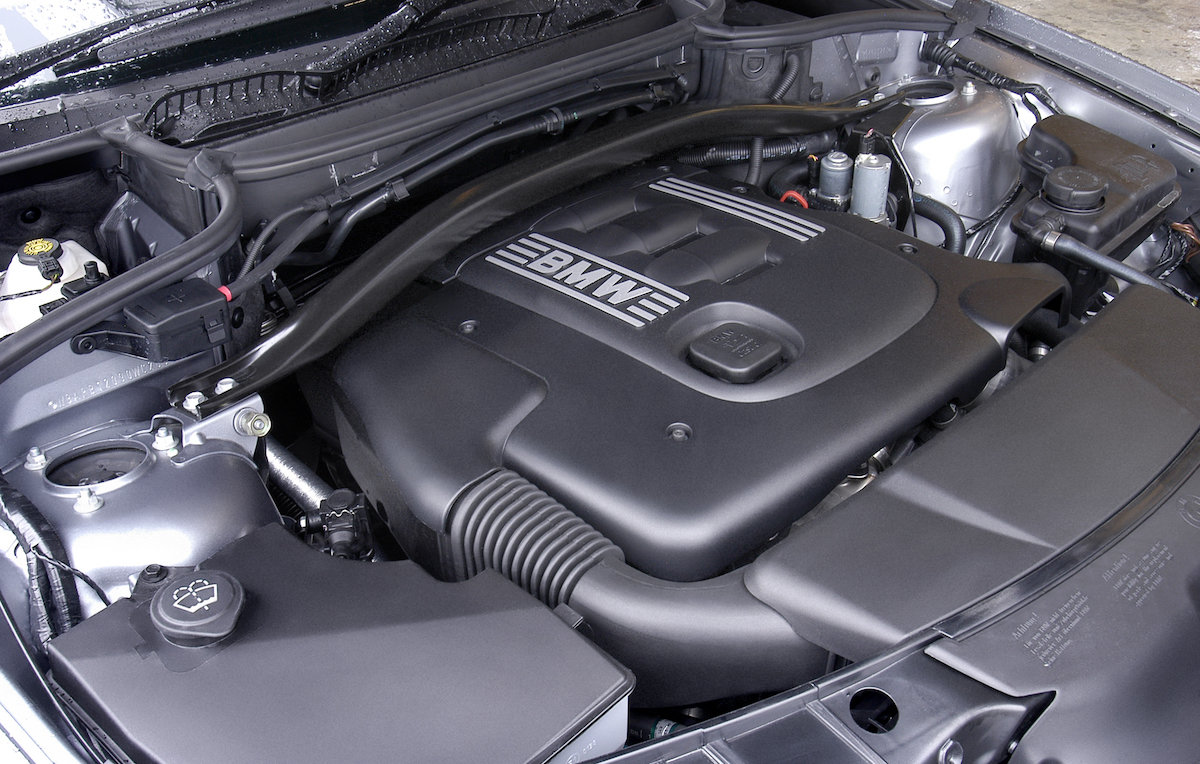
Somewhat strangely given the dominance of diesel engines in the SUV market, initially the X3 was available with a pair of in-line six-cylinder petrol engines, a 2.5-litre producing 189bhp and a 3.0-litre with 227bhp. The line-up was soon expanded with a 147bhp 2.0-litre turbodiesel, and then, disappointingly, a four-cylinder petrol engine also with 147bhp but a comparatively puny amount of torque. Unloved, it disappeared from the price lists as part of the 2006 revamp and facelift. A 214bhp straight-six 3.0-litre turbodiesel debuted in 2005 and is one of the highlights of the X3 engine line-up.
For the 2016 facelift the 2.5 and 3.0 petrol engines received a power hike and the twin-turbo 3.0sd diesel engine was introduced, boasting 281bhp and a tsunami of torque.
Further engine options arrived in 2007 in the form of a 2.0-litre diesel with 177bhp, and then in May 2009 a detuned version of that engine - called the 18d – capable of an official 45mpg.
Technology, equipment & infotainment
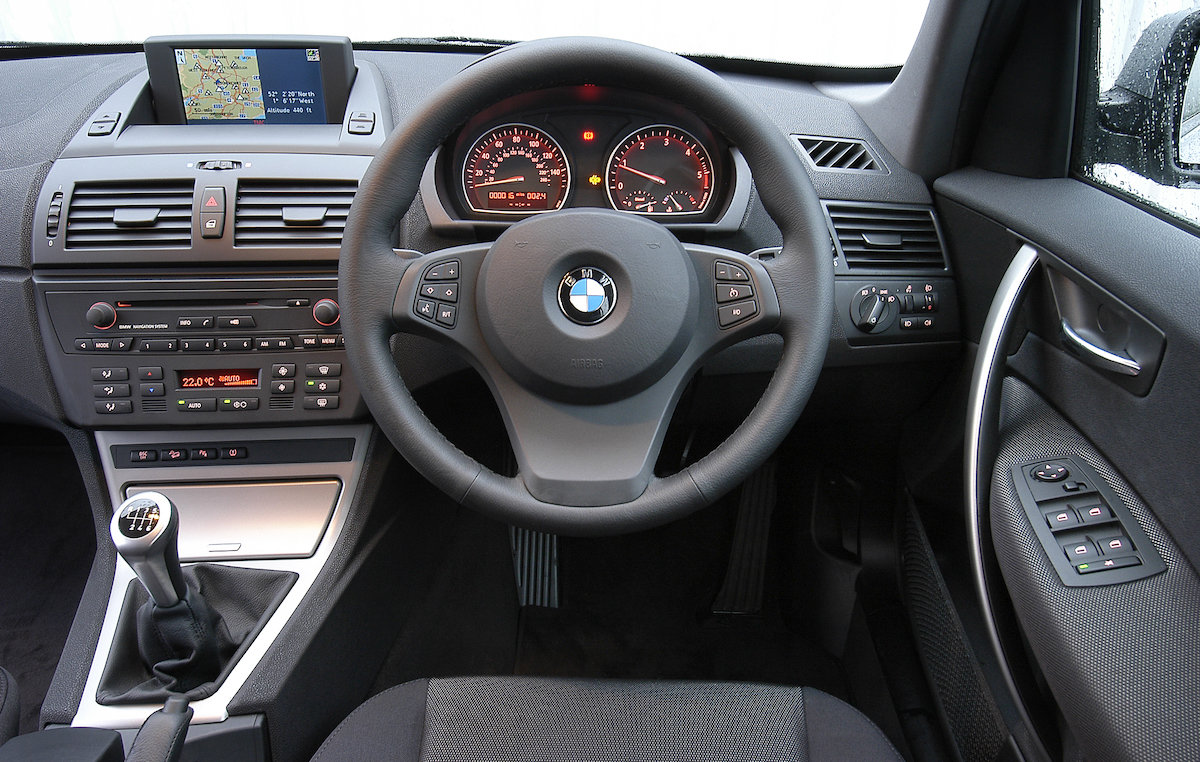
The 2006 facelift of the X3 is important not just because it got a bigger front grille and reprofiled bumpers, but also because its interior was enhanced. Previously, hard plastics and unsatisfactory material finishes had disappointed owners and harmed the car’s reputation as a quality product: cabin improvements went some of the way towards re-establishing the X3’s premium credentials.

BMW X3 running costs
With even the youngest X3 being ten years old and therefore well out of warranty, it makes no sense to have your car serviced at a BMW dealer: there are plenty of well respected independent BMW specialists out there – Google and the BMW forums will help you find a good one near you – and servicing prices will be much cheaper. An interim service costs from around £150, a full service from £185, while a major service will set you back about £285.
Something to factor into your budget is that regardless of what your X3’s on-board service indicator might suggest, the car needs to have an oil and filter change annually. In some circumstances the on-board system could string out the intervals to two years, but the bitter experience of some owners and independent BMW specialists demonstrates that the engines are less likely to suffer problems if you treat them to an oil change on a yearly basis. Also, as the X3 is now comparatively old, an annual check-up for general wear and tear is no bad thing.
Talking of wear and tear, tyres represent a significant ownership cost. Expect to pay between £100 and £140 per tyre for standard and SE-spec models, but the Sport and M Sport versions have different sized rubber front and rear: front tyres will cost around £108 to £155 each, the broader rears £120 to £195. What can bump up costs still further is the fact that the car’s sophisticated xDrive four-wheel drive system is very sensitive to differences in tyre sizes, such as when the fronts wear more quickly than the rears. It may mean changing both tyres on an axle when only one is damaged or worn out, while on models with the same size tyres front and rear, you should swap tyres front to rear to even out the wear, which, of course, means that they will all need replacing at the same time…
As for fuel economy, quoted Combined figures for the petrol engines range from 27mpg to 29mpg, while the diesels will take you between 33 and 46 miles for every gallon they burn. Rates of annual road tax span from £205 to £580 depending on the model, and the X3 sits in insurance groups 27 to 42.
BMW X3 reliability
There are several serious reliability issues that afflict the X3’s 2.0-litre diesel engines. Let’s start with turbocharger failure. In the handbook it advises to let the engine idle for a little while after it’s parked up after a trip: this allows the turbocharger to cool down. Not every owner read that section of the handbook. They parked and immediately switched off the engine. Unfortunately a hot turbo carbonises the oil in its bearings and in its oil feed pipe. After a while this causes oil starvation to the turbo and it packs up expensively – £2,000 expensively. If the car you’re looking at has had a replacement turbo check the invoice to ensure that the oil feeder pipe was replaced at the same time, otherwise the problem will recur.
On 2.0-litre diesel engines built between 2004 and 2006, the swirl flaps on the inlet manifold are known to snap off and get ingested by the engine, resulting in a costly rebuild. As a preventative measure it’s worth asking an independent BMW specialist how much it would cost to replace the plastic swirl flaps with more robust, metal alternatives. The 2.0 diesel engines built after the middle of 2006 are also known to suffer timing chain failures, and as the chain is located at the rear of the engine replacing it is a time-consuming and therefore expensive process.
In common with many modern cars, the diesel particulate filter, or DPF, on all the X3’s diesel engines is prone to clogging up if the car isn’t occasionally driven hard, because the regeneration process inside the filter requires heat to function efficiently. In extreme circumstances with a clogged filter, the diesel fuel required for the regeneration process instead drips into the sump, diluting the engine oil and raising its level perilously high. If not diagnosed early enough this can lead to substantial engine damage.
Some diesel engines were also recalled for a potential fire risk, while a number of petrol units were recalled to rectify an issue where screws in the housing for part of the Vanos variable valve timing mechanism could work loose or even snap.
- Coinciding with the X3’s facelift in 2006, BMW changed the naming protocol for the car. For example, where previously the 3.0-litre diesel was called the X3 30d, post-2006 it became known as the xDrive 30d, highlighting the name of the car’s four-wheel drive technology. The twin-turbo 3.0 diesel is the xDrive 35d (early models wear 3.0sd badging), and the lower-powered 2.0 diesel the xDrive 18d. Petrol-engined X3s have an ‘si’ suffix; xDrive 25si and xDrive 30si.
- Although the Sport and M Sport versions of the X3 appear very tempting because of their stylistic flourishes and body-hugging sports seats, they’re best avoided if you enjoy a comfortable drive: their larger diameter alloy wheels and sports suspension make the ride quality even harder and harsher than it is with standard suspension and smaller alloys. Even very enthusiastic X3 owners will concede that the dismal ride quality is the car’s Achilles’ heel, although some claim to like it that way.
- In many respects the xDrive 20d is the best of the X3 bunch: it’s nippy and frugal and refined. On face value we’d recommend you choose it, but unfortunately we have to say you should approach this model with extreme caution. As you will read in our Reliability section, the 20d/xDrive 20d suffers a variety of quite serious and therefore expensive potential problems associated with the engine, not to mention the diesel particulate filter (DPF) issue that afflict many modern diesel engines. If you do want to proceed with a purchase, check the service history thoroughly and invest in a pre-purchase inspection by either a BMW specialist or the AA or RAC.
- If you want the best economy: With the caveat detailed in point three of our Three Things to Know section, the xDrive 18d 2.0-litre diesel tops the X3 fuel economy chart with a Combined figure of 45.6mpg. It wasn’t launched until April 2009, by which stage the reliability issues with the 2.0-litre engine were widely known and BMW dealers and X3 owners were taking better care of them, which is a positive. If you’d prefer not to take the risk, the more reliable 30d/xDrive 30d gives 35.6mpg.
- If you enjoy going quickly: The twin-turbo diesel 30sd/xDrive 35d is the performance star of the X3 range, its 281bhp helping to thrust it along to almost 150mph while blitzing the zero to 60mph dash in 6.4 seconds. It’s also in possession of 428lb ft (580Nm) of torque, blessing the car with some truly impressive mid-range performance. Plus it does 33mpg. Make sure you find one with the SE trim package, though: the M Sport version may look good but the ride quality is bone-jarring.
- If you need to tow a caravan or trailer: Although the 30sd/xDrive 35d has more than enough muscle for hauling duties, it is expensive, so instead look for a 30d/XDrive 30d. With 369lb ft (500Nm) of torque it’s well equipped for towing and boasts a braked towing weight of 2,000kg. Trailer Stability Control was an option on the X3, but as the car is popular with the caravan crowd, it may not be that hard to find an example fitted with it.
- If you prefer a petrol engine: The in-line six-cylinder 25si/xDrive 25si is just fine, but the far feistier 30si/xDrive 30si is almost as economical and gives a superior driving experience. You’ll pay dearly for road tax, of course – up to £580 a year – and in the real world the 27.4mpg economy figure is more like 20mpg according to owners, but this engine is a punchy performer and extremely refined.

