Citroen C4 Cactus Review (2014-2020)
Citroen C4 Cactus cars for sale
3.0
Expert review
Pros
Quirky design makes rivals seem boring
Very affordable running costs
Poor resale values make the C4 Picasso a bargain-priced used car
Cons
Not as roomy as a Skoda Octavia
A Ford Focus is more fun to drive
Unrefined engines and vague controls
The CarGurus verdict
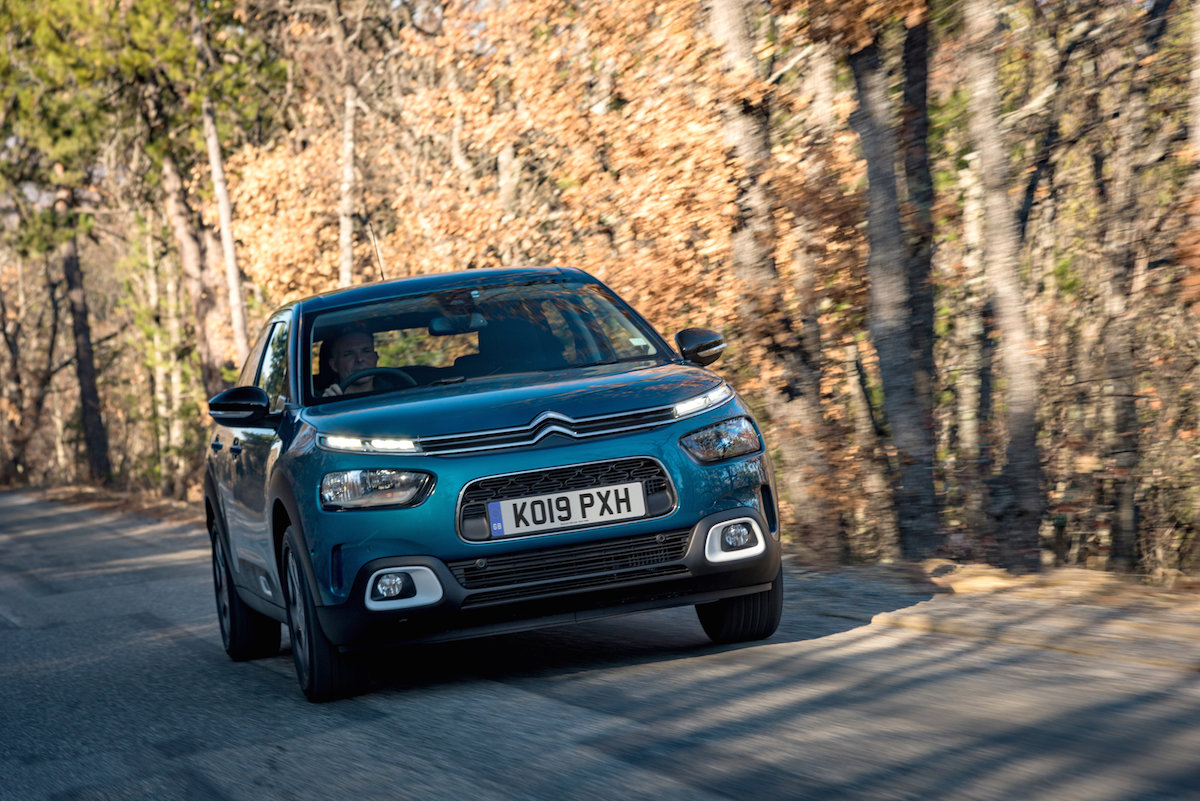
The C4 Cactus’ looks and vivid colour schemes can be divisive, but fans will love the love the way it looks, along with the imaginative interior.
The engines aren’t the most refined, the controls are downright vague, and the soft suspension is something of a Marmite feature. On straight roads, you’ll question why more manufacturers don’t adopt this approach, but the fairground-ride body roll in corners explains it.
Affordable running and repair costs are encouraging, and if you can stretch to a facelifted model, you’ll also get a decent level of standard equipment. Best of all for used buyers are the weak residual values, which make the C4 Cactus a real bargain next to rival family hatchbacks.

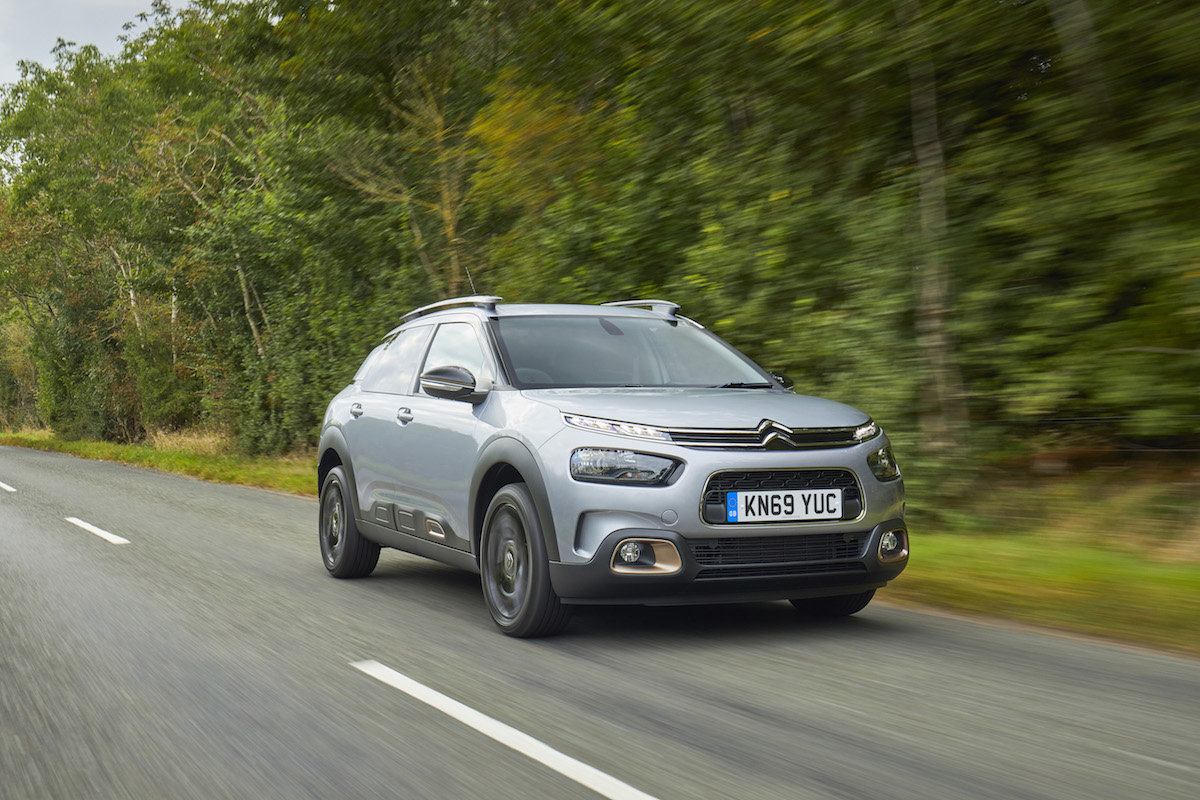
The C4 Cactus is a brilliant example of a manufacturer willing to break the mould. It was initially marketed as a small SUV, along the lines of the Peugeot 2008 and the Renault Captur, but Citroen positioned it differently after it launched the slightly larger C3 Aircross, which became its staple compact SUV. Along with a facelift in 2018, which toned down the styling a bit, the C4 Cactus took on rivals such as the Volkswagen Golf, the Ford Focus and the Vauxhall Astra – but it couldn’t look more different.
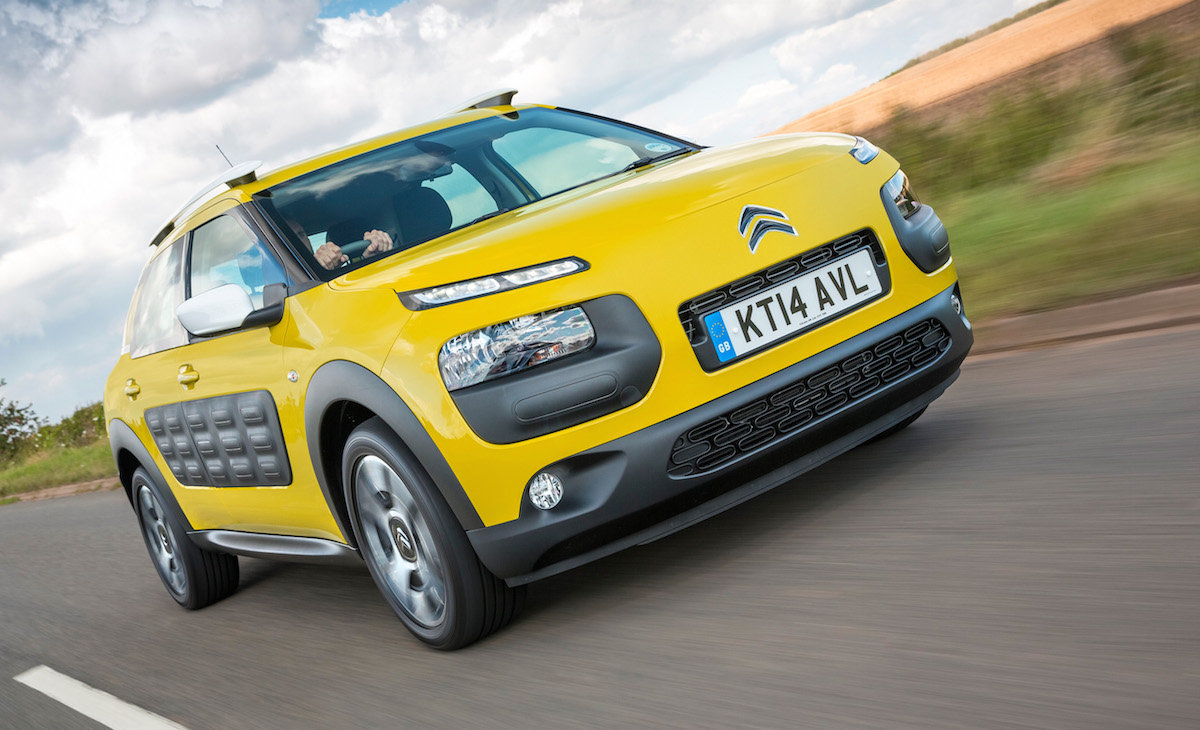
Early cars look particularly offbeat, because they were covered in weird and wondered features such as ‘Airbump’ door panel protectors, chunky bumpers, and jagged roof rails. There were also loads of colour and customisation options.
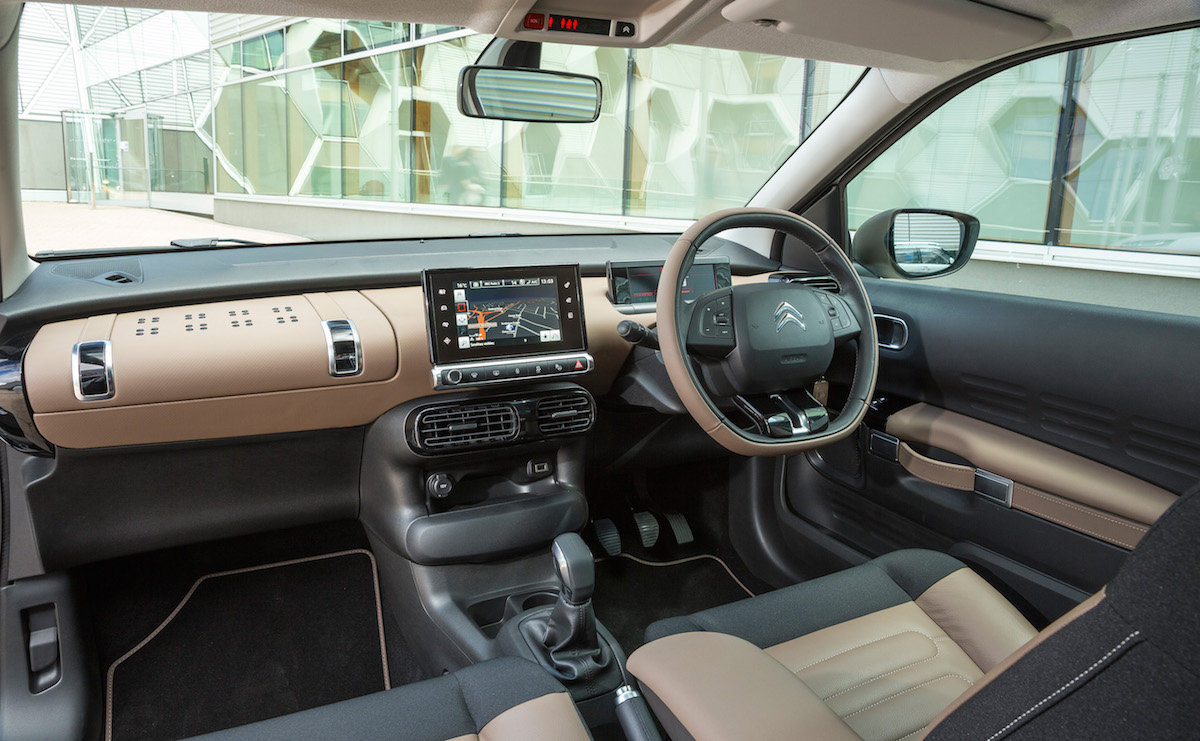
The interior is pretty wacky, too. Instead of conventional dials, the driver gets their information from a screen that juts out of the dashboard, there’s a top-loading glove box, and fabric straps for the doors, among other weird and wonderful touches.
The seats are squishy and there’s loads of room up front. Space is particularly generous for the front-seat passenger because the airbag is in the roof, rather than the dashboard, which makes space for the top-loading glovebox and adds more knee room.
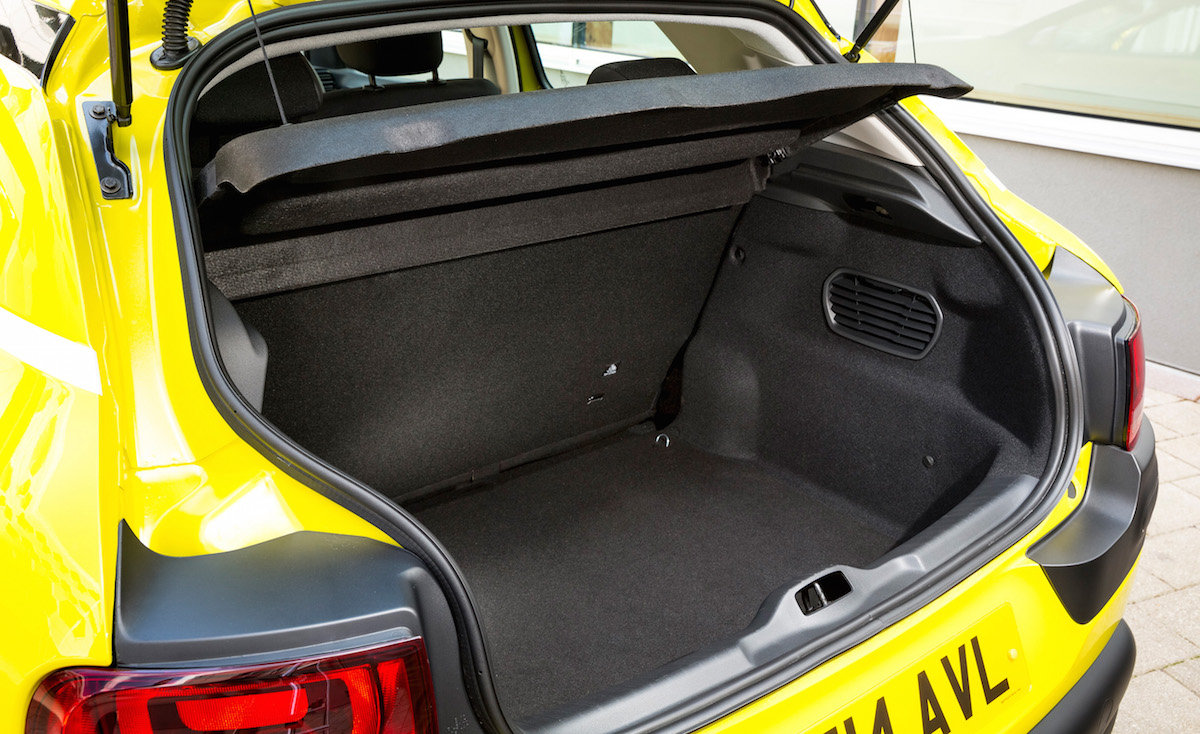
There’s plenty of space for legs and elbows in the back seats, but headroom is on the snug side. While the seat backs split and fold on all but the earliest and most basic versions of the C4 Cactus, the fixed seat bases mean you don’t get a flat boot floor.
It’s also unusual that rear windows only pop-out – and by a very limited amount – rather than wind down. Citroen’s explanation for this is because it saves weight, but more likely, the real savings came from the production budget.

The Cactus is very comfortable in a straight line and quiet on a motorway run, but it rolls a lot in corners, and the body can pitch back and forth under acceleration and braking. The steering, clutch, and gearchange are all very light and quite vague. This is a car that’s built for comfort in mind, not dynamics.
The engine line-up starts with an 81bhp three-cylinder 1.2-litre petrol, and there’s a pair of turbocharged versions of the same unit, producing 109bhp or 128bhp respectively. Diesel versions of the C4 Cactus started with a 99bhp 1.6, but that was replaced by a 1.5 with the same power output when the car was updated in 2018. An automatic gearbox was available with the 109bhp version of the petrol engine.
All facelifted models are fitted with a stop-start system to help save fuel in traffic. The 1.2-litre Puretech 110 with a manual transmission is the best-selling Cactus and later versions have official fuel economy of 61.4mpg, which likely means high 40s in real-world driving, while the more powerful Puretech 130 model, again with a manual gearbox, officially returns 56.5mpg.
On paper, the most economical engine is the older 1.6-litre diesel, which returns a claimed average of 78.5mpg, but these figures were attained under the old NEDC test regime (the aforementioned ones were subject to the newer and more realistic WLTP test). The later 1.5-litre diesel engine’s 70.6mpg (WLTP figure) will almost certainly be superior to the old engine’s consumption out in the real world.
Insurance costs range from group 14 for the lower-powered petrol cars to group 20 for the top of the range diesel. The C4 Cactus needs servicing every 12 months or 12,000 miles, and Citroen’s standard servicing costs are generally affordable. The manufacturer also offers fixed-price service plans for new and used cars, which makes it easier to budget for maintenance costs.
Although there are some incredible deals to be had on used models, it’s important balance this against the car’s weak residual values. The C4 Cactus doesn’t hold its worth as well as rivals such as the Volkswagen Golf, which is worth bearing in mind for the long-run.
The C4 Cactus didn’t appear in the latest What Car? Reliability Survey – likely because not enough owners responded – but wasn’t so hot the previous year, when it came 20th out of 31 in the family car class. As a brand, Citroen did well in the most recent survey, as it came 11th out of 30 manufacturers.
The most common issues with Citroens tend to be the fiddly infotainment systems, including the satnav and Bluetooth functions. They also come in for a fair bit of stick regarding clunky gearboxes. The RAC found that, although there were plenty of perfectly happy C4 Cactus owners, they weren’t without their issues. Owners didn’t rate the automatic gearbox, while electrical issues and problems with the air conditioning system were among the most common complaints. Suspension faults and squeaks and rattles are also reportedly common.
One of the upsides to owning a Citroen is the affordability of replacement parts. Essentials such as oil and air filters and brake pads and discs are very affordable in comparison with other models, which helps to keep service and repair costs reasonable.
Citroen’s warranty is an industry-standard three-year/60,000-mile affair, but it now sells new cars with a five-year/100,000-mile warranty if you buy them directly from the manufacturer via its website. Second-hand examples sold via Citroen’s official used approved scheme, called Spoticar, come with a year’s warranty.
- Citroen has always had a unique take on how its cars should look and drive. Classic models, such as the DS, the BX, the XM and the C6 looked and drove in a more radical fashion than most of their contemporaries, and featured sophisticated hydraulic suspension, which was really comfortable (when it worked). The C4 Cactus is intended to recreate the spirit of those halcyon days by with original design and comfort as core brand values, and Citroen made a big deal about its advanced comfort programme, featuring suspension with progressive hydraulic cushions and advanced comfort seats.
- Early trim levels comprised Touch, Feel, Flair, and Flair Edition. The entry-level Touch came with a seven-inch infotainment system, a DAB radio, a USB port, and cruise control. Flair added a lot more kit, including alloy wheels, satnav, and a rear-view camera. The Flair Edition is basically the same but with fancier seats and a panoramic sunroof. The trim levels were rationalised with the 2018 facelift, leaving Feel to carry on as before with Flair grabbing everything that was previously unique to Flair Edition models.
- The infotainment system was also upgraded in 2018, which is when Apple Carplay and Android Auto connectivity were added, as was extra safety equipment, including automatic emergency braking, a lane departure warning system, and speed limit recognition. In 2020, the range was reduced to a single Flair model, with a choice of one diesel and one petrol engine.
- Citroen has always had a unique take on how its cars should look and drive. Classic models, such as the DS, the BX, the XM and the C6 looked and drove in a more radical fashion than most of their contemporaries, and featured sophisticated hydraulic suspension, which was really comfortable (when it worked). The C4 Cactus is intended to recreate the spirit of those halcyon days by with original design and comfort as core brand values, and Citroen made a big deal about its advanced comfort programme, featuring suspension with progressive hydraulic cushions and advanced comfort seats.
- Early trim levels comprised Touch, Feel, Flair, and Flair Edition. The entry-level Touch came with a seven-inch infotainment system, a DAB radio, a USB port, and cruise control. Flair added a lot more kit, including alloy wheels, satnav, and a rear-view camera. The Flair Edition is basically the same but with fancier seats and a panoramic sunroof. The trim levels were rationalised with the 2018 facelift, leaving Feel to carry on as before with Flair grabbing everything that was previously unique to Flair Edition models.
- The infotainment system was also upgraded in 2018, which is when Apple Carplay and Android Auto connectivity were added, as was extra safety equipment, including automatic emergency braking, a lane departure warning system, and speed limit recognition. In 2020, the range was reduced to a single Flair model, with a choice of one diesel and one petrol engine.


