Dodge Nitro Review (2007-2011)
Dodge Nitro cars for sale
1.0
Expert review
Pros
Tough, retro looks still turn heads
Good value for money
Simple mechanically, so should be reliable
Cons
Poor fuel economy and emissions
Unpleasant to drive
No main dealer support
The CarGurus verdict
Dodge didn’t bother replacing the Nitro with a new car, even in its US home market, and that speaks volumes about how successful it was. Difficult to recommend when new, the Nitro’s only virtue was its stand-out looks, and while that remains true today, the car’s shortcomings are only likely to be more pronounced when experienced as a used car.
The interior plastics are awful, the drive bouncy, unrefined and generally unpleasant, and it’s not even hugely practical compared to the majority of its direct rivals. Throw in poor economy, and the case for buying a Nitro is very thin indeed, as is the lack of main dealer support, the Dodge brand having long since departed from the UK.

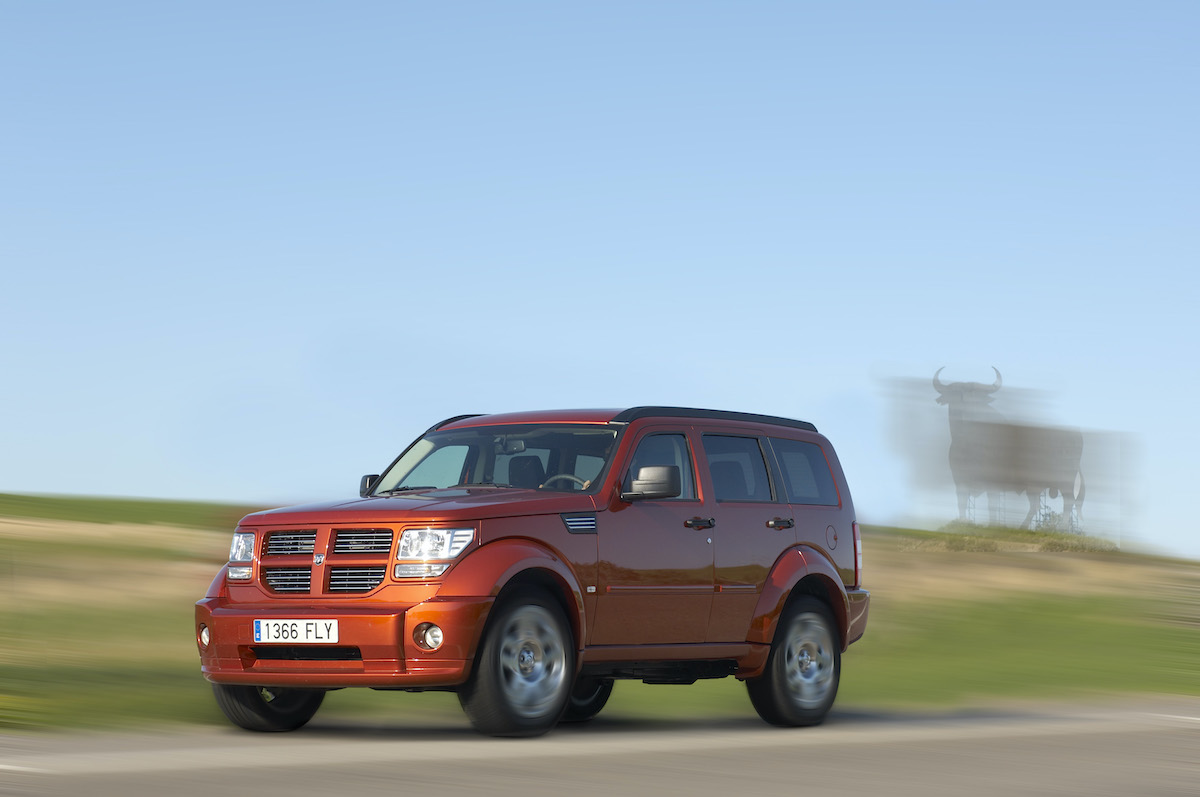
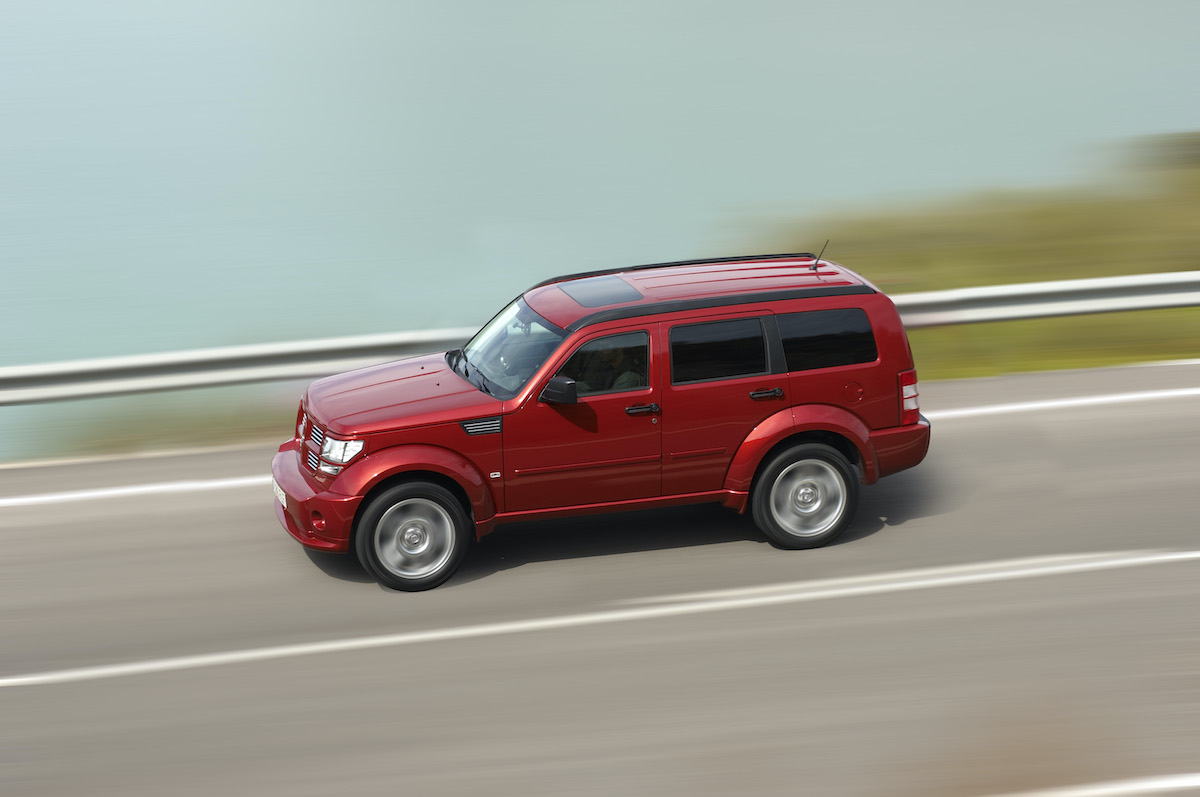
A mid-size SUV that was most certainly not for the shy and retiring. The Dodge Nitro’s brash looks were very much a love-it-or-leave-it affair, but nobody could accuse Dodge for not being daring on its introduction to the UK. A pretty much unknown brand in the UK, at least for those not brought up on a diet of the Dukes of Hazzard on Saturday mornings, Dodge used the Nitro as a means of tapping into the growing market for compact SUVs and crossovers. It was offered with the American model of pile-them-high-sell-them-cheap pricing, which meant buyers did get a lot of retro-looking metal for their money.
In three short years operating in the UK market, Dodge did shift a decent amount of Nitros, but the brand’s departure from UK shores meant that Dodge never got to build on its sales. That the rest of the company's offerings were equally poorly executed, and did without the Nitro’s bold looks, meant that the company’s time in the UK was short-lived. Daimler (Mercedes-Benz's parent firm) offloaded the Chrysler (Dodge’s parent company) arm of the business shortly after in what’s gone on to be recognised as one of the motor industry’s most ill-conceived, and catastrophically expensive marriages. Even so, if you’re after a used car then you should be able to pick up a Dodge Nitro for not much money. Be prepared for a less than brilliant driving experience, while the interior looked and felt awful when it was new, so it’s anyone’s guess how well it’ll have lasted several owners, many years and tens - if not hundreds - of thousands of miles…
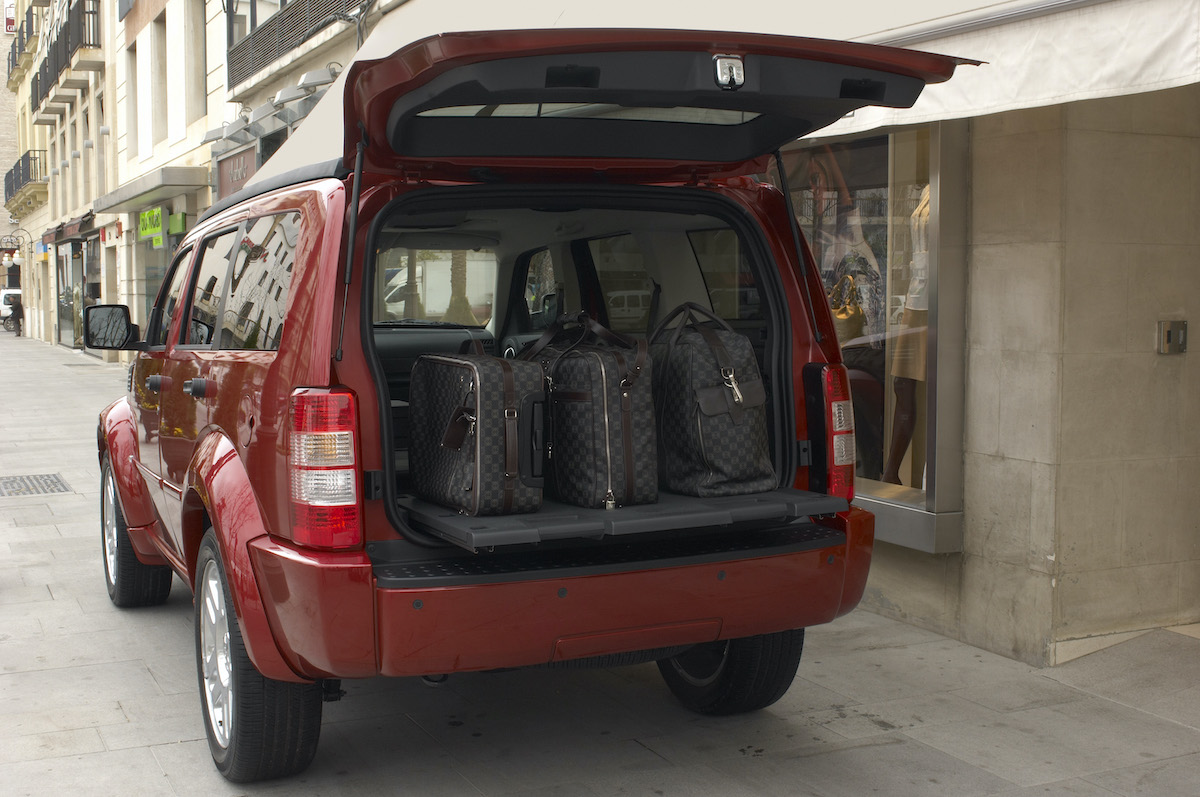
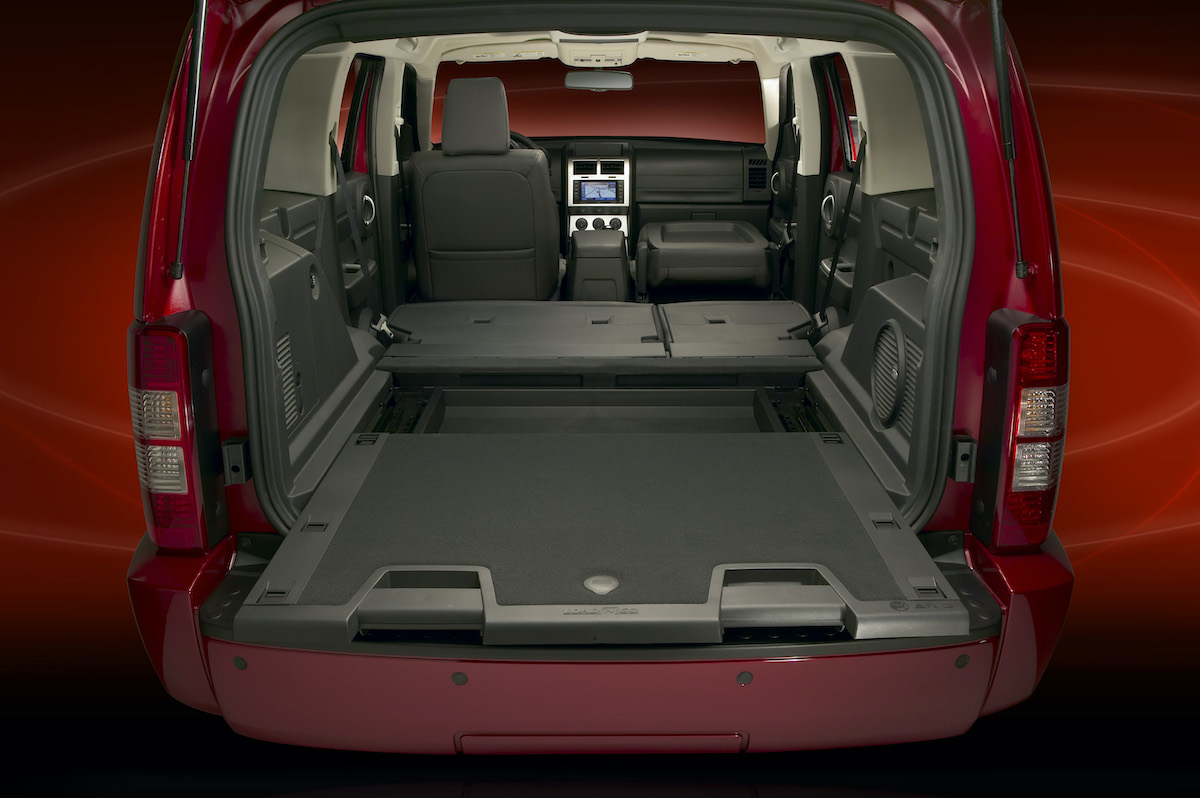
Size-wise, the Nitro definitely sits at the larger end of the mid-size SUV spectrum, but even so, practicality is no better than so-so. There’s plenty of space in the front – there always is – but the cramped footwell and no reach adjustment for the steering column makes for a slightly awkward-feeling driving position. The rear seats are okay for headroom and legroom, but given the size of the car, passengers could reasonably expect to feel a little less cramped than they do. Similarly, while the boot is acceptable for space at 389 litres – about the same as you get in a Volkswagen Golf – you might expect more cargo space from such a large vehicle. What’s more, many SUV rivals of a similar size offered a seven-seat option to boost practicality for large families, but the Nitro was only ever a five-seater.
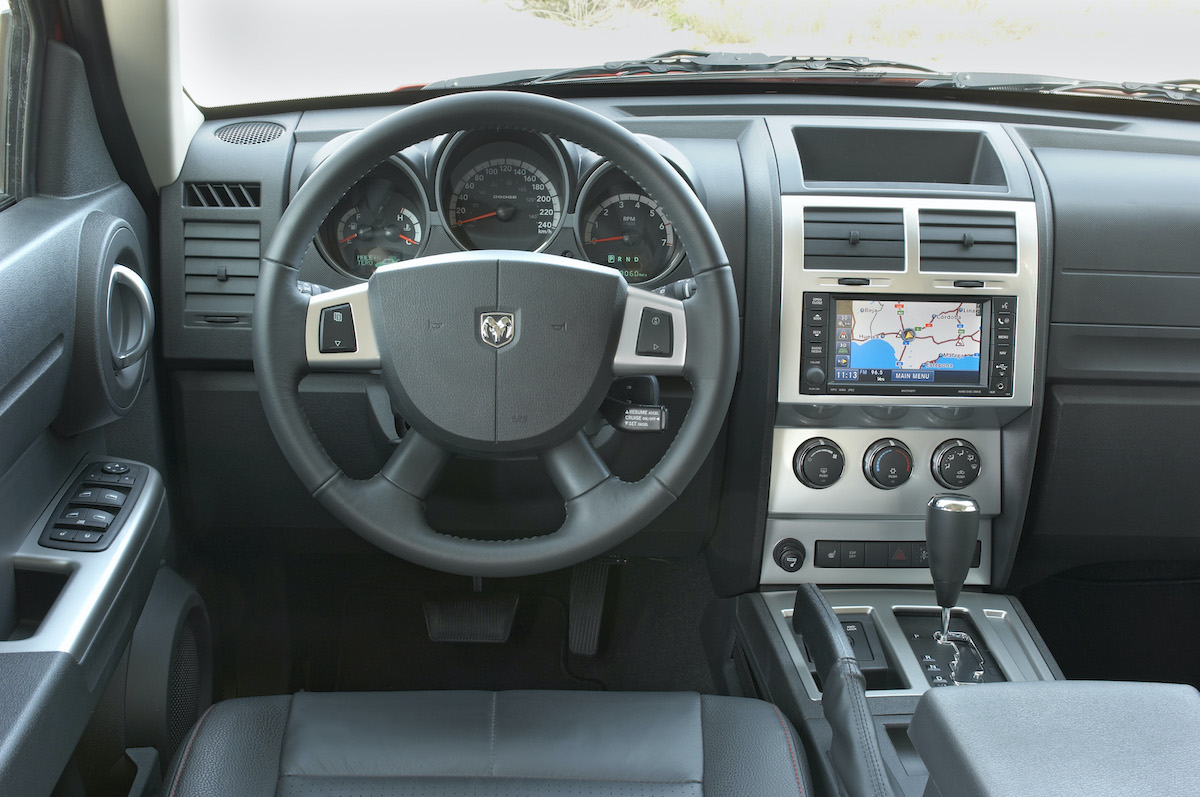
Perhaps worse than the disappointing practicality and versatility, though, was how cheap the cabin materials felt, and the equally questionable build quality – the marriage of equals with Mercedes-Benz evidently didn’t see Dodge tapping up its new partner’s skillset in producing tightly finished, high quality interiors. An equivalent age Audi or Volkswagen will highlight just how far behind Dodge was when it came to interior quality, while even the Korean rivals like Kia and Hyundai did better back when the Nitro was around.
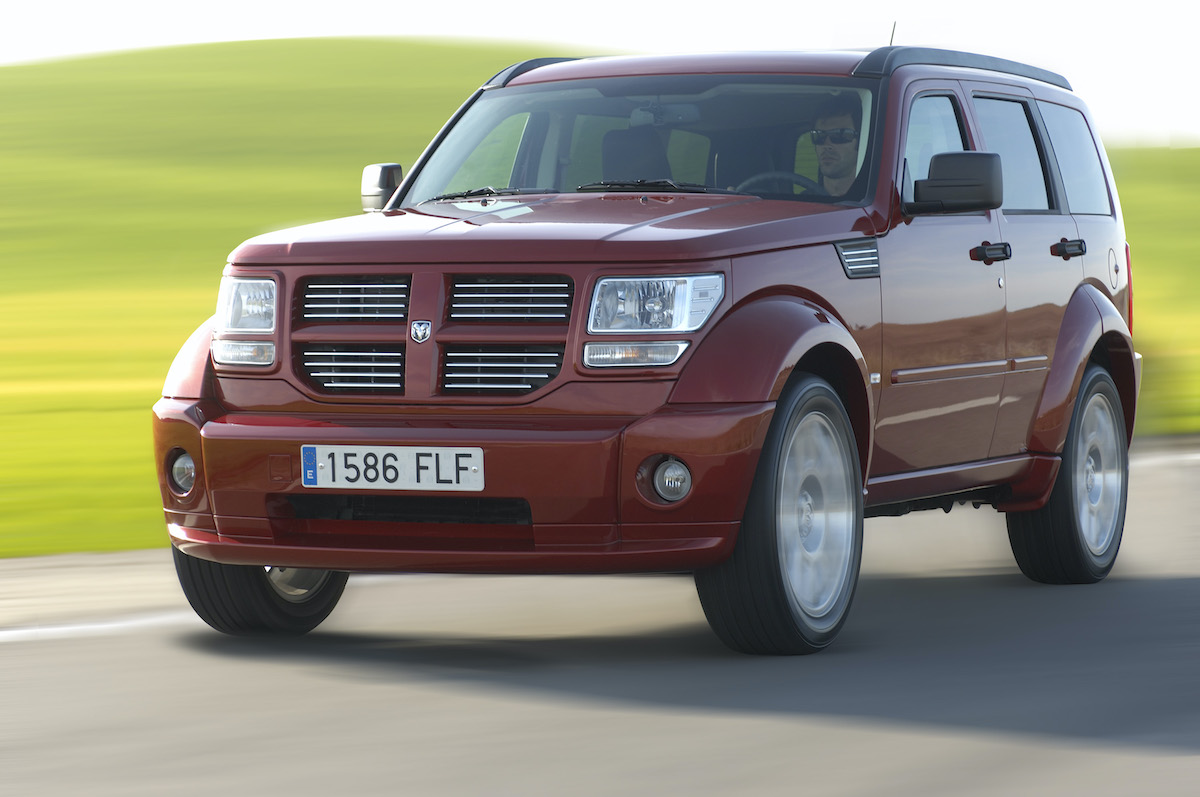
Despite its Dukes of Hazzard image, the Nitro was less General Lee, and more Daisy Duke’s Jeep, with the retro, boxy SUV borrowing a good deal from the Jeep Liberty. That means fairly rudimentary mechanicals underneath, which brought with it the promise of some toughness, but also meant the Nitro was hopelessly outclassed on the road by its rivals. The four-wheel drive system was switchable, but it sent drive in a 50/50 ratio when selected, so it really was only ever intended for loose surfaces, meaning most of the time the Nitro was two-wheel drive. Forget the mountain goat-like ability of a Land Rover, then, the Nitro is more focussed on its on-road driving, and here it's pretty hopeless, too.
Two engine choices were offered to UK buyers, a gasping 3.7-litre V6 petrol that offered 211bhp, or a 2.8-litre V6 turbodiesel with 174bhp. Other markets were offered a 4.0-litre V6 petrol, which bumped up power to 260bhp, while offering better mpg than the 3.7-litre V6 petrol. Frankly, the Nitro struggled to use what little power it had convincingly in either of the UK choices, both needing to work pretty hard to shift the car's considerable bulk. If you did manage to get a decent turn of speed, the only thing more terrifying than the poor fuel economy was the handling, which saw the Nitro lurch around on the road with vague, lifeless steering. The suspension was pretty much hopeless at preventing the heavy body from rolling about fore, aft and sideways if you so much as stepped on the accelerator or brakes, or if you entered a corner at anything more than moderate pace.
The diesel was the bigger seller, and an easier drive thanks to is decent torque output, and the automatic was the better choice, not least because it meant you didn’t have to take your hands off the wheel while trying to maintain a straight trajectory down a poorly surfaced British road. Two trim levels were offered, SE and SXT, the latter coming with 20-inch chrome alloy wheels, which did wonders for the looks, but did nothing to settle down the ride. The SE made do with 16-inch alloy wheels, which were also considerably less shiny due to their lack of chrome.
The petrol 3.7-litre V6 is tricky - read impossible - to recommend when it comes to running costs, and that’s exhibited in the classifieds, as they only very rarely pop up for sale. If you do find one, avoid it, because it’ll drink fuel quicker than the space shuttle but without providing anything like the performance. The Nitro 2.8 CRD turbo diesel it is then, it bringing decent, if still not exactly brilliant – the Nitro is heavy and as aerodynamic as a cathedral – performance. Officially, that diesel returned 32.8mpg with the manual transmission, with the penalty for specifying the automatic seeing that drop to 30.0mpg, but it’s worth having, regardless. Real-world, it’s unlikely to get close to those numbers, not least because they’re from the old measuring system, which was woefully out of kilter with reality. Think of real-world consumption in the region of early to mid-20mpg, if you’re sensible with it. At least the terrible handling, as much as the racket from under the bonnet, are certain to reign in any enthusiasm you might have for pushing the diesel engine hard.
Servicing shouldn’t be too expensive, but with the V6, two extra cylinders over its predominantly four-cylinder rivals will mean some additional expense when you’re taking it to the garage. The likelihood is, now, that you’ll be doing so at an independent garage rather than a Dodge dealership, because besides a handful of specialists dealing in US imports, they’re all gone.
- The automatic CRD (Common Rail Diesel) had more torque than its manual equivalent, which will help should you ever be towing with it. It’s also the better choice because the six-speed manual isn’t the most accurate of gearboxes, and the clutch feels rather agricultural, too.
- The Nitro was offered with a £1,500 option that gave a 20GB hard drive for storing photos and music as part of an entertainment package. That might be handy unless previous owners have filled it up with Country and Western music and family snaps.
- We’re not sure whether it’s anecdotal or truth, but it’s rumoured that the Nitro was removed from DaimlerChrysler UK’s own company car scheme because staff were having so many accidents in the car because it drove so poorly.
- The cheap and cheerful one: That’s got to be the SE 2.8 CRD manual. The entry-level car came decently equipped as standard, so if you’re after something usefully boxy for not a lot of money, then see if you can find one of these.
- The shiny one: The Dodge Nitro SXT is the one if you’re after the full-fat Nitro experience, or at least the full-on 20-inch chrome wheels and shinier interior trim pieces. We’d stick with the 2.8 CRD here, too, though go automatic, because it’s a far easier drive.
- The thirsty one: That’ll be the V6 petrol. Unsurprisingly, the 3.7-litre V6 is a rare machine in the UK, which has everything to do with the certain real-world consumption in the region of 20mpg, and less if you’re brave enough to push it hard on faster roads.
- The one to buy: Honestly, we wouldn’t. There are far better SUVs out there for the money, that’ll drive better, be more comfortable and more economical, too. A Nissan X-Trail will do a better job on- and off-road, as will countless other mid/compact SUVs, although these all do lack the Dodge’s overt, look at me, styling…


