Bentley Continental Review (2011-2017)
Bentley Continental cars for sale
3.0
Expert review
Pros
Beautifully made cabin
Combines comfort and extreme performance
Available as a coupe and a convertible
Cons
Disappointing reliability
Wallet-wilting running costs
Not as agile as an Aston Martin DB11
The CarGurus verdict
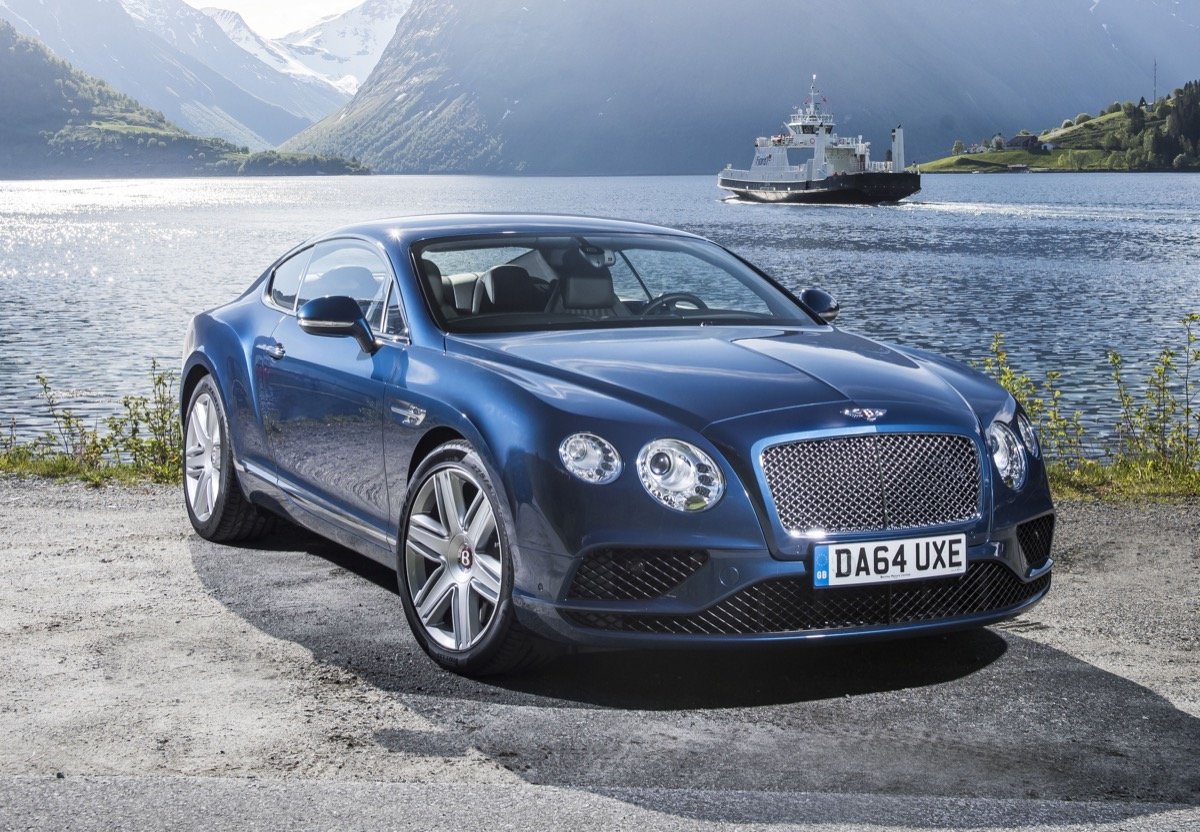
The Continental GT and the GTC are in many ways fantastic cars – simultaneously modern and a throwback to another era of driving. They’re beautifully made by craftsmen, with some exquisite engines and huge amounts of power, and can easily cross continents quickly and in premium comfort.
But potential owners should note there are some reliability concerns and, even if nothing goes wrong, running one will be hugely expensive. But if you’re willing to take the risk, and you do your homework before signing on the dotted line, you’ll end up with a car that it’s difficult not to love.
What is the Bentley Continental?
It helps to have some idea of Bentley as a company. It’s a British carmaker with a long history, spanning back to motoring’s early days, and has always made cars that mix high-end luxury with performance and no small amount of motorsport pedigree. That’s what makes it stand out from that other high-end marque, Rolls-Royce, which doesn’t really bother with all the sporty stuff.
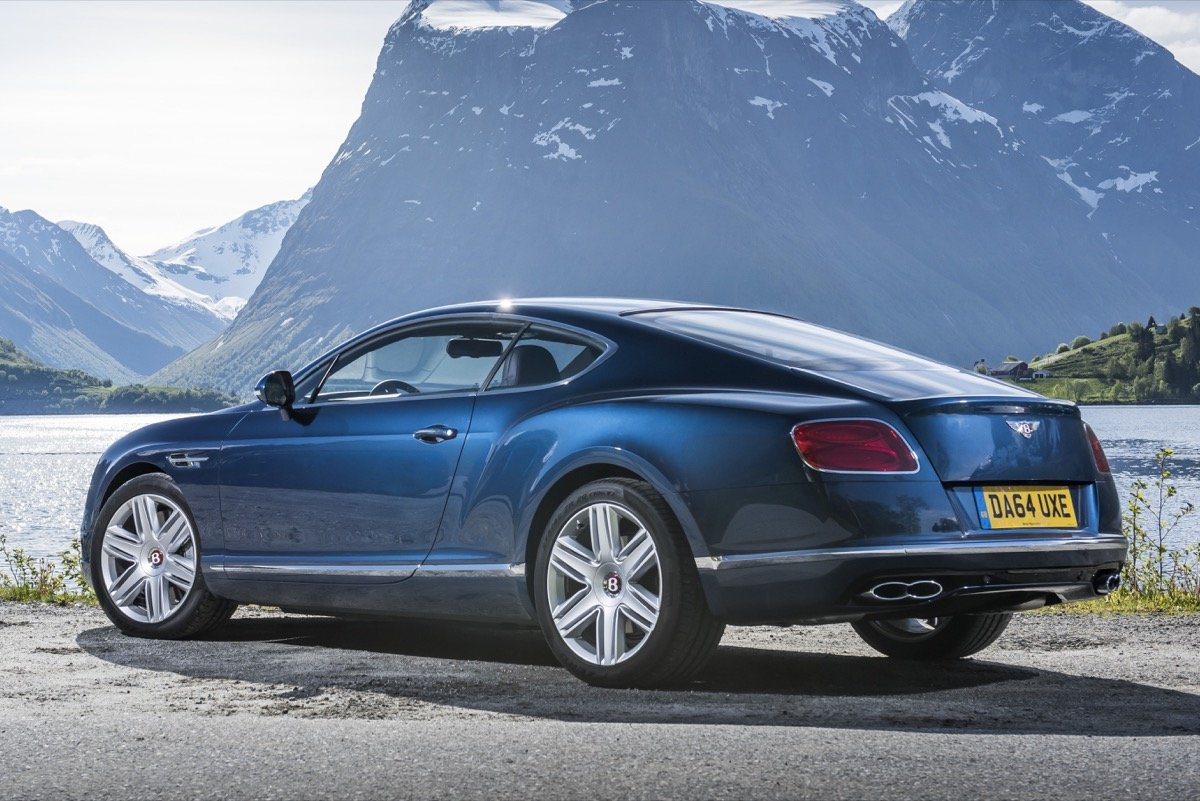
It could be argued, then, that the Continental GT is the best embodiment of Bentley; a luxurious grand tourer, a coupe in which you could cross continents but also take to the racetracks of the world and set a half-decent time. It first appeared in 2003 and, while it wasn’t quite perfect, it quickly garnered plenty of well-heeled fans. This is the second-generation version, introduced in 2011, which sought to damp previous criticisms over its bulk by shedding weight, adding new engines, and improving refinement.
The result was a surprisingly wide range of cars, comprising both Bentley Continental GT coupes and convertibles (known as the Continental GTC). There was a saloon version as well, called the Bentley Flying Spur, but we cover that in a different review. Because of the number of options when new, there are very few completely alike, and while they didn’t hold their value well, that means you can now pick up a used example for relatively little money, and get a heck of a lot of car for your outlay.
This version was replaced in 2018 by the mk3 Bentley Continental, which you can find reviewed here.
How practical is it?
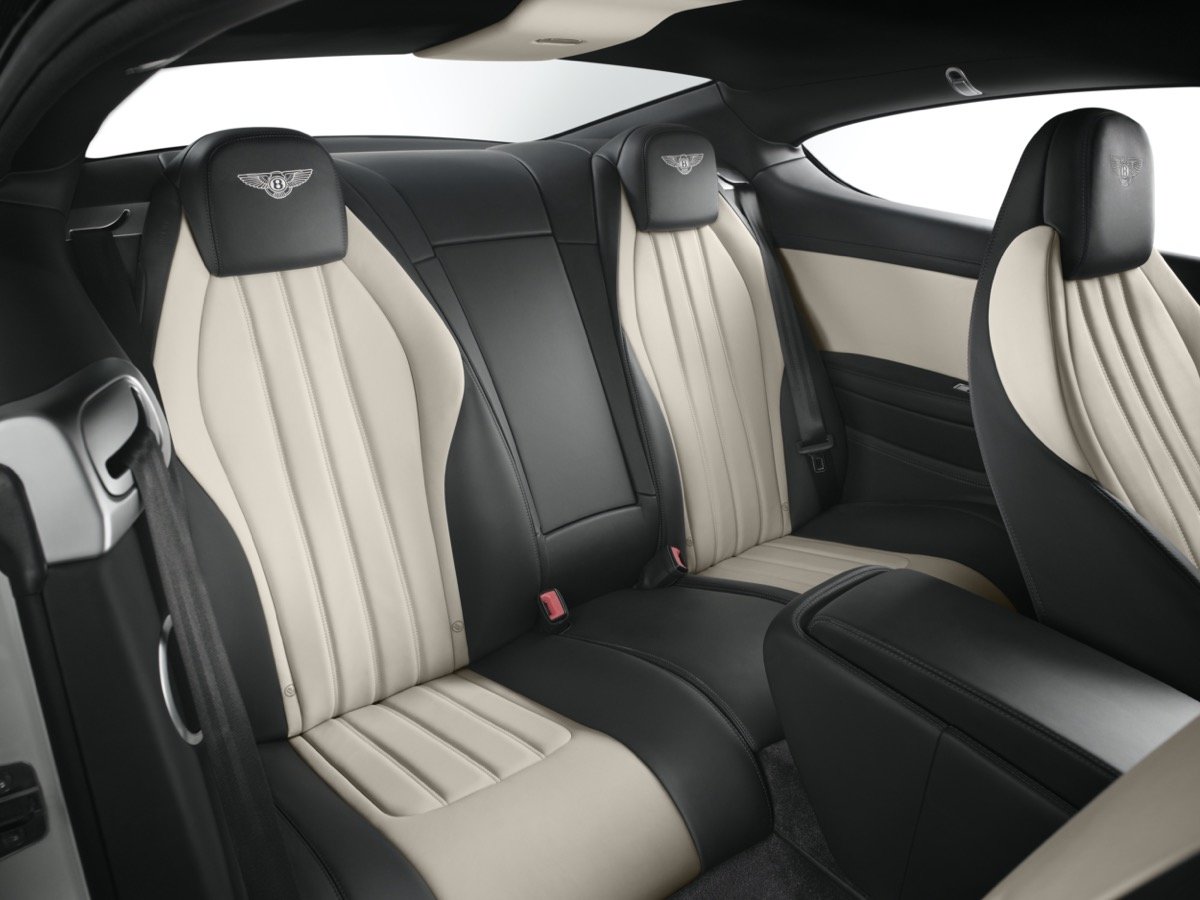
Inside you’ll find swathes of leather, wood and/or carbon fibre, depending on which version you opt for, all hand-crafted in Bentley’s Crewe headquarters to exacting specifications. It’s a properly luxurious environment, redolent of motoring’s pre-war bespoke years when everything was coach built. Sure, a few Volkswagen Group parts bin elements take a slight edge off the sheen – it is Bentley’s parent company after all – but otherwise, you’ll be hard-pressed to find anything to complain about.
Apart from space, perhaps. It’s a big car, but the rear seats are for very small children only. Or coats. The boot is a good size at 358 litres, though, making it a great car to cruise around Europe in.

What's it like to drive?
One of the big changes for the second-generation GT was the introduction of a new engine. The 6.0-litre W12 was carried over from before, with 567bhp, and there’s a big appeal in such a muscley lump. But boy, was it heavy. So entered a 4.0-litre Bentley Continental GT V8 with 500bhp in 2012, which was much lighter and had a beneficial effect on handling. No Continental range is a lightweight, so don’t expect incredible agility, but it can be impressively sprightly for such a heavy car. Think heavyweight boxer, with a 500bhp-plus punch.
There are a few variants of the Continental GT to watch out for. As well as the standard cars, there was a GT Speed introduced in 2012 with 616bhp from the W12 engine, as well as tweaks to the gearbox and some beefed up brakes and suspension. In 2014, a 521bhp V8 S was introduced and, later that year, both the GT and the GTC were tweaked, with new optional packs and more power – 626bhp – for the Speed model.
The Continental range was facelifted in 2015, with a new front and rear and some minor revisions to the interior, and the W12 engine was upped to 682bhp.
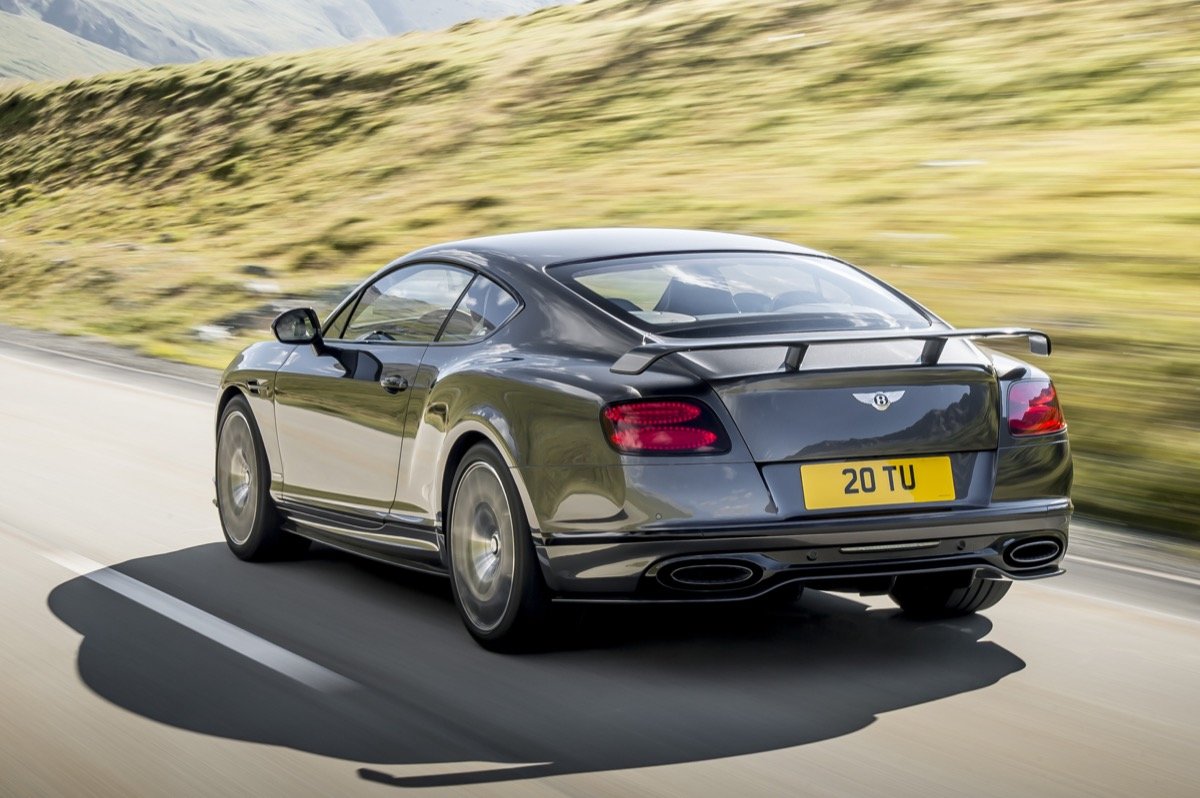
In 2017 Bentley introduced the Supersports version, available both as GT and GTC, with a 700bhp version of the W12 engine and beefed up looks. Only 710 were built, so it’s a particularly expensive one. Although perhaps not as expensive as the even more limited, motorsport-inspired Continental GT3R, more on which below.
Technology, equipment & infotainment
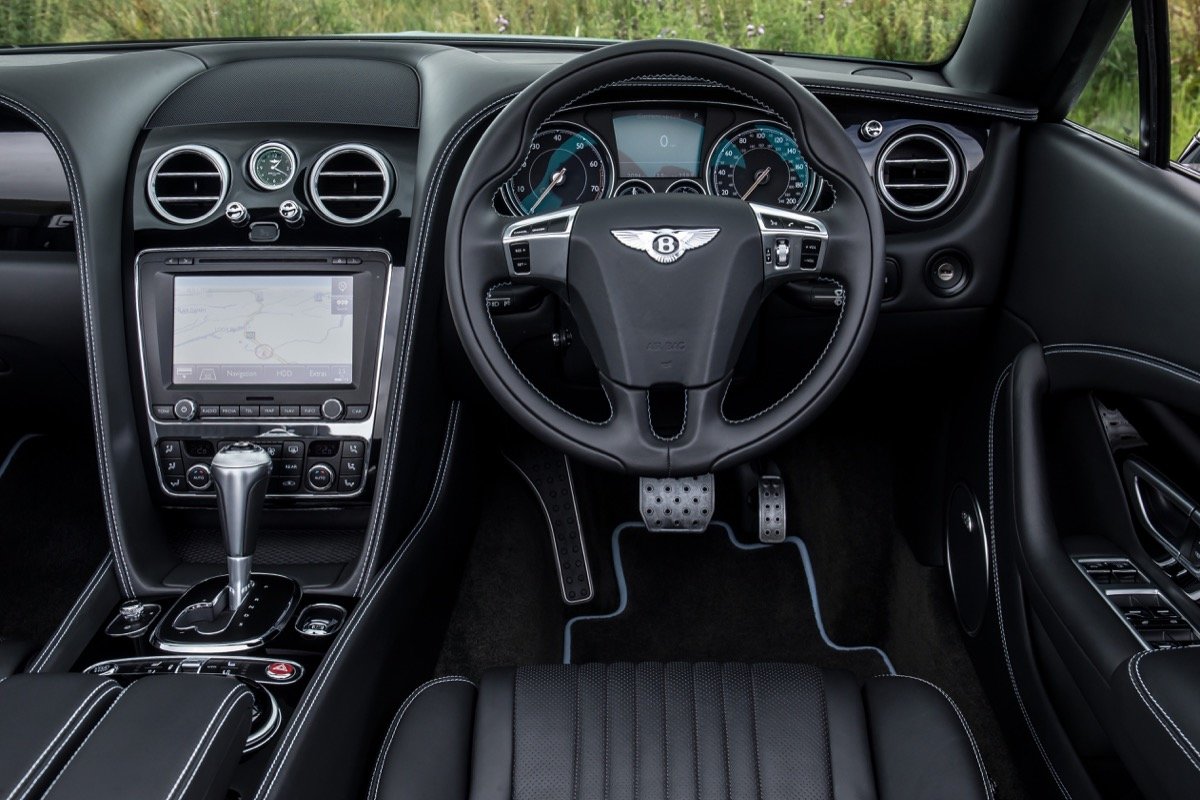
As you would expect, the Continental GT was never short of equipment in any form. The infotainment system was sourced from fellow Volkswagen Group models, so it will look familiar if you’re used to Audis or – less likely because it was so rare – VW Phaetons of the same era. That arguably detracts from the Bentley’s exclusivity but, for the time, it certainly wasn’t a bad system, so you could do much worse.
A high-end audio system is one of the many standard gadgets, and the Continental was offered with options galore, so don’t be surprised to find quite different and, in some cases, heavily customised examples on the used market.
Bentley Continental running costs
It won’t be a shock to hear that a car with a massive engine that cost well north of £130,000 when new will not be cheap to run. The good news is that most second-generation models will now have taken the initial big value hit, and you can pick up a good used Bentley Continental GT for less than half of what they cost new. Older, more common examples will be even less, but drops in purchase price don’t equal drops in running costs.
Fuel consumption on any version will be high; more so on the W12, but even the standard V8 will struggle to better an mpg in the low 20s. The standard W12 will officially give you 17mpg, but it’ll be hard to hit even that, and the higher up the performance range you go, the more fuel you’ll have to chuck in. Still, a 90-litre fuel tank should extend the time between petrol station stops.
Wheels, and therefore tyres, are large and expensive, so it’s worth measuring the tread on any car you’re thinking of buying. Replacing all four will almost certainly leave you with a four-figure bill.
The method of working out Vehicle Excise Duty changed during the GT’s life, with different rules for those before or after April 2017, but rest assured, you’ll be paying a lot, whichever side you land on. And insurance will be pricey too.
Plan to get your Continental GT serviced every year or 10,000 miles and make sure you get the service book stamped, because we wouldn’t recommend buying one without a full service history. But, as you’ve probably guessed by now, it won’t be cheap. Expect to pay between £800 and £1,200 per service at a Bentley dealer, and slightly less at an independent specialist.
Bentley Continental reliability
There’s always a catch, isn’t there? And with Bentleys, it’s reliability. The company doesn’t always feature on every dependability study, due to the small number of cars it makes, but when it does, it’s almost always at the bottom. At the time of writing, Bentley was 39th of 40 manufacturers on the Warranty Direct Reliability Index, with only Maserati below it. This is often due to the high cost of repairs rather than the number of things that go wrong. That said, we have heard anecdotal evidence that things are getting better, rather than worse.
With that in mind, we’d be cautious about any used Continental GT that doesn’t have a full service history. It doesn’t necessarily need to be from a Bentley dealer, though, as there are plenty of very good independent specialists.
Thankfully engine and gearbox issues seem to be relatively rare, but electrical problems are not unheard of, so check all the various systems work if you’re on a test drive. Watch out also for a knocking noise on bumpy roads, which could indicate worn anti-roll bar drop links.
The GT comes with air suspension, which can raise and lower the car for different modes, but it’s prone to issues. The struts use rubber cylinders, which can perish over time. You’ll need to sort this quickly, because it can make the car ride unevenly and cause damage elsewhere in the chassis.
The GT’s tyre pressure sensors have to be replaced every five years, because the battery runs out. Expect to pay several hundred pounds for this.
Bentley offers a three-year, unlimited mileage warranty on the Continental GT, including European breakdown assistance. It’s also worth checking out Bentley’s Pre-Owned approved used scheme, as any cars sold through it have a 12-month warranty that can be further extended. That, and they go through an in-depth inspection from Bentley technicians before they’re sold.
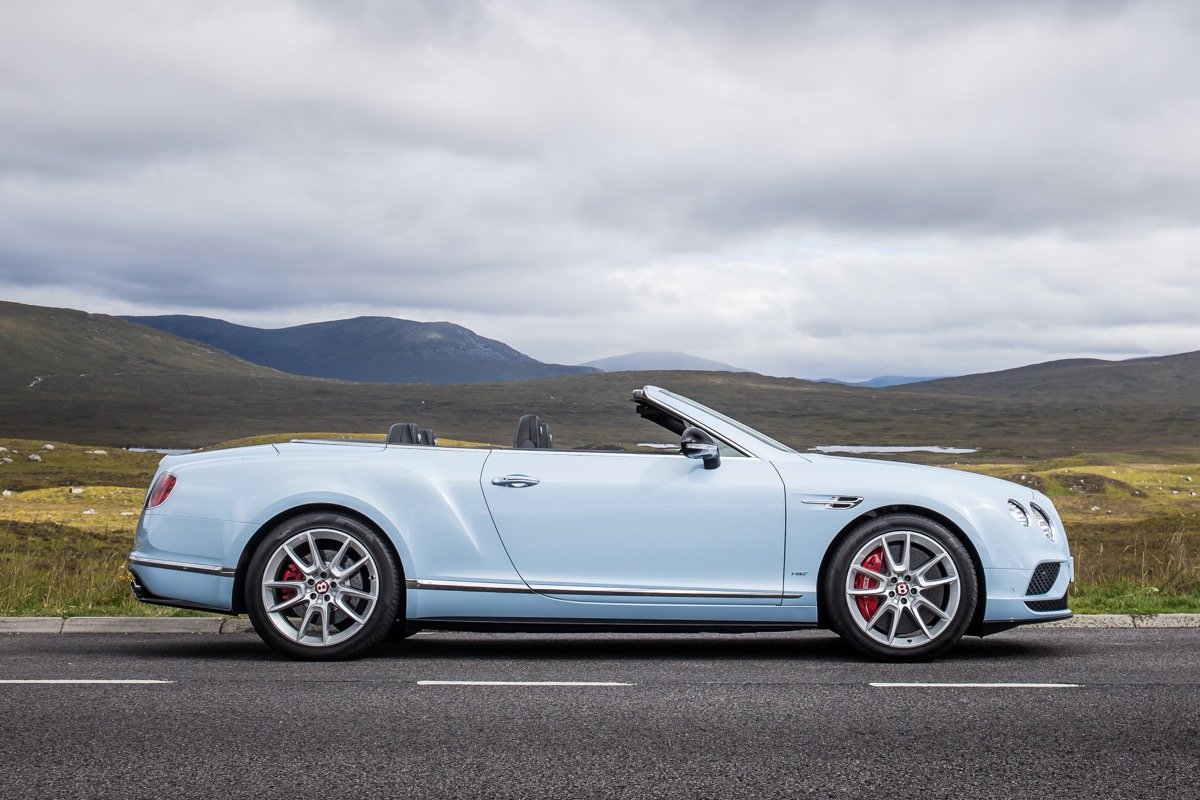
- The Continental GT Convertible, called the GTC, has a folding four-layer fabric hood that folds away into a compartment ahead of the boot with the touch of a switch in around 25 seconds. This gives you all the fun of open-air motoring, but with a neck warmer to keep you toasty in the winter. With the roof up, road and wind noise is barely more than the coupe’s.
- All Continentals are four-wheel drive, which means they have considerable traction in poor conditions and under hard acceleration than rear-wheel drive rivals. For tech fans, the system uses a Torsen differential and sends power biased toward the rear in a 40:60 split. But don’t worry if that doesn’t mean much to you; it just means it handles like a sporty car should.
- Although it’s a sporty coupe/convertible and will only comfortably seat two, the Continental is big. Really big. Even the lightest models tip the scales at more than two tonnes, and the heaviest are almost half a tonne heavier than that. It’s also 4.8 metres long and nearly two metres wide, so make sure your garage is big enough.
- If you want the better engine: The W12 engine might be bigger and have more power, but Continentals with the V8 under the bonnet are better to drive. The 4.0-litre engine is lighter, makes for better handling, and it’s also cheaper to run.
- If you think bigger is better: It’s easy to argue that if you can own a car with a W12 engine, you should. It’ll cost a fortune to run, and it won’t be as good to drive as the V8 models, but you’ll definitely win the pub Top Trumps battle against just about anyone, unless they own a Bugatti.
- If you want the most power: The Continental GT Supersports pumps out a whopping 700bhp from its W12 engine and will hit 62mph from standstill in just 3.4 seconds, which is pretty crazy for a car that weighs as much as it does. If you’ve got a stretch of private runway, it’ll top out at 209mph. However, it’s likely to be a considerably more expensive than other models.
- If you’re going to a racetrack: When Bentley took the Continental racing, it brought out a road car to celebrate – the GT3R. Powered by a 572bhp version of the V8 engine, it had sportier styling, stiffened suspension and carbon-ceramic brakes, as well as a titanium exhaust, lightweight alloy wheels and no rear seats to keep the weight down. Just 300 were made, and if you can find one, you’ll pay a very large amount for it.
- If you want the best all-rounder: For our money, the V8 S provides the best balance of power, handling, and cost. It’s hugely fast and one of the best Continentals to drive, thanks in part to its lower-than-standard suspension, louder exhaust and upgraded brakes.
