Kia Niro 2016-2022 review | One car, many powertrains
Pros and cons
What we like
Roomy for passengers
Low running costs
PHEV or standard hybrid options
What to consider
Small boot on PHEV
Dull to drive
Lacks polish of e-Niro
The CarGurus verdict
You may have already read our Kia e-Niro review, and be expecting us to lavish similar praise upon the hybrid versions of the same car. But we’re not going to do that, because there’s a significant gulf between them.
The hybrid and plug-in hybrid models aren’t bad, to be fair, but rivals are better to drive, more spacious, better looking, and more comfortable.
If you’re after a plug-in hybrid, then the Niro’s neat trick of acting like a normal hybrid when you’re low on charge could be enough to convince you, and many will be tempted by the Niro’s excellent reputation for reliability and its fantastic seven-year warranty. On the whole, though, there are better options on the market for most tastes and requirements.
out of 5 expert review
What is the Kia Niro?
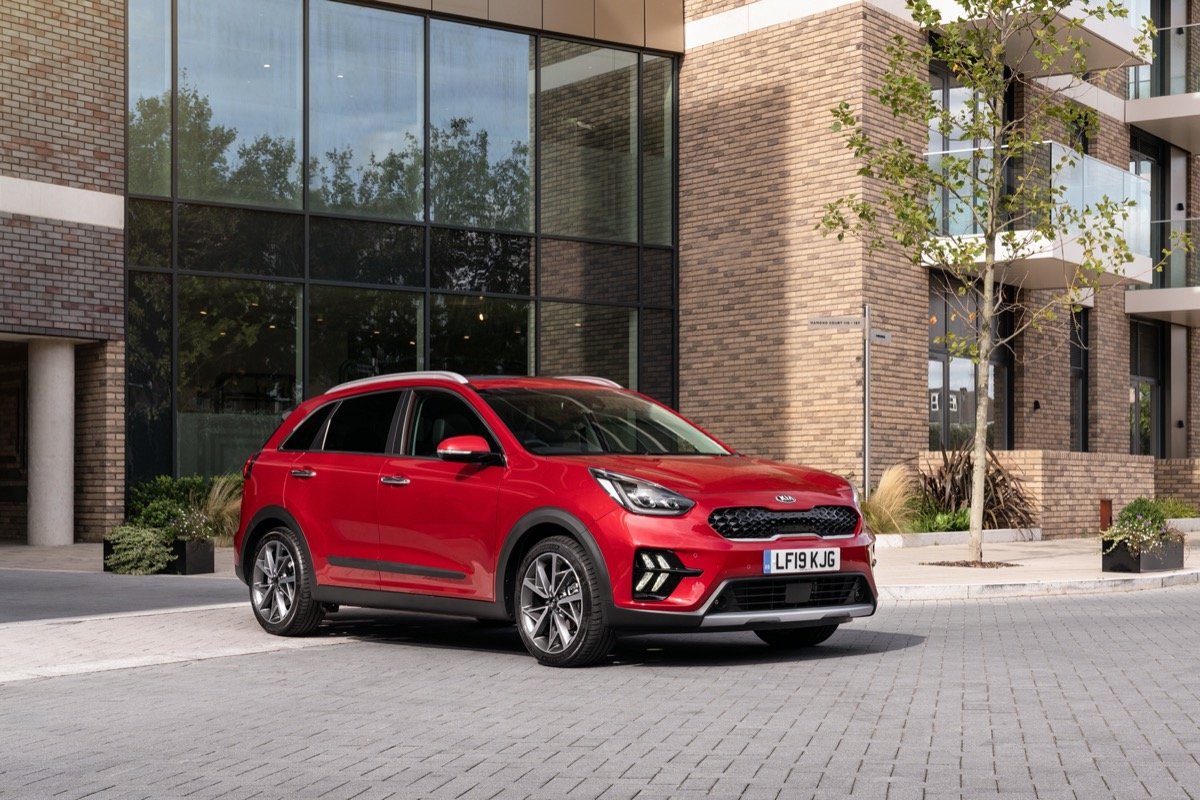
It’s not unusual for a company to launch a small SUV these days – virtually every manufacturer has one – but in 2016 it was very unusual for a car company to launch a small SUV with no conventional petrol or diesel options. When Kia unveiled the Niro hybrid SUV, it was very clear that all versions would be electrified to one degree or another, and a plug-in hybrid and a full-electric model followed suit.
The first Niro released was a ‘self-charging’ hybrid, which means you don’t have to plug it in so, in addition to other SUVs, that meant it also competed with conventional hybrids, such as the Toyota Prius hatchback.
In 2017, a plug-in hybrid (PHEV) model followed, with a battery that you could charge by plugging it into a wall socket or dedicated charger to give you up to 30 miles on pure electric power.
SUVs have rocketed in popularity, and if you’re going to take on the likes of the Nissan Qashqai, the Skoda Karoq, and the Ford Kuga, let alone other hybrids such as the Hyundai Kona, the Toyota C-HR and the Peugeot 3008, you’d better have something good. A zero-emission electric version, called the e-Niro, was introduced in 2018, but we’ll cover that in a separate review.
You can make up your own mind about the looks on the outside – but the interior styling is conservative. Build quality is good, even if the materials used don’t feel all that special. It’s a bit underwhelming compared to the chic Peugeot 3008, but that doesn’t mean it’s unpleasant.
Practicality
How practical is it?
Space inside is reasonable, and four adults should have no problems fitting in, although the middle rear seat is on the tight side. Headroom is a little less generous in models with a panoramic sunroof, but they also look great and used buyers love them, so it makes the Niro more desirable as a second-hand buy.
At 373 litres, the hybrid’s boot is acceptable, but not class leading, largely because the battery takes up room under the floor. Mind you, the plug-in hybrid has an even smaller boot at 324 litres, because of its larger battery pack.
Still, you can fold the rear seats down pretty much flat if you need to transport larger items. If you want more space from a Kia SUV, check out the Sportage.
Disappointingly, you don’t get the clever storagefest that is the interior of the e-Niro in the petrol-powered equivalents. That’s because the centre console arrangement is more conventional, with a T-shaped gear selector instead of the EV’s rotary dial.
As a result, you also don’t get the huge central bins of the e-Niro, though there is at least a decently sized cubby under the arm rest, as well as a pair of huge door pockets and a big glovebox.

Driving
What's it like to drive?
The hybrid Niro can run solely on electric power only for a short period and, together with the engine, it produces 139bhp. Like all Niros, it's front-wheel drive and uses a six-speed dual-clutch automatic gearbox, instead of the CVT transmission fitted to many hybrids.
The Niro PHEV’s 30-mile electric range means it has the potential for much better fuel economy, but only if you have somewhere to charge it, and rely mainly on the electric motor. If the battery starts to run out of charge, you’re back to using a petrol engine, so it’s best suited for relatively low-mileage journeys.
Performance in both models is perfectly adequate around town, although they’re both heavy cars and aren’t particularly nippy if you want to overtake or get up to speed on a motorway.
That weight also affects handling, especially in the heavier plug-in model, which leans a little too much while cornering. You have to drive it quite conservatively, although the light steering, which doesn’t deliver much feedback, doesn’t encourage you to do anything else anyway. A Seat Ateca SUV is much more fun to drive. Still, both versions of the Niro are comfortable enough.

Tech and equipment
Technology, equipment & infotainment
At launch, trim levels started with a trio of numbered models. The entry-level 1 included a DAB radio, Bluetooth, 16-inch alloy wheels, Apple CarPlay and Android Auto, and air-conditioning, while 2 added a seven-inch touchscreen with satnav and a reversing camera, as well as rear parking sensors. The 3 had a bigger eight-inch screen, 18-inch alloys and leather upholstery.
Customers early in the Niro’s life could opt for the top-end First Edition, which had extra safety systems including a blind-spot warning feature and automatic emergency braking, as well as keyless entry and start and a sunroof. A top-spec 4 model was introduced later, with brighter headlights and adaptive cruise control, while the 1 was dropped.
A facelift in 2019 added various new features across the range, including a larger 10.25-inch screen on 3 and 4 models, while the 2 got an eight-inch infotainment system in place of the original seven-inch item.
The Niro’s touchscreen is one of the best of any car of its age. You wouldn’t guess that on first acquaintance, as the blocky graphics look rather dated, and make you think it’s going to be rather slow. But in fact it responds crisply, the menu layout is easy to fathom out, and you finding your way to the function turns out to be a doddle.

Running costs
Kia Niro running costs
On paper at least, the PHEV is the most affordable of the two hybrid Niros to run. That’s because its official fuel economy figure is 201.8mpg. As you’ll have worked out, that’s to be trusted about as much as a fox that tells you he’ll guard your henhouse, largely because the official tests are hugely flattering to PHEVs.
As with any plug-in hybrid, you’ll need to charge the Niro up regularly to get the best out of it. The sort of fuel economy you see will vary drastically depending on how much you do this, but you can expect some fairly parlous fuel economy figures if you don’t ever bother. Just imagine driving around in a petrol car with the additional weight of a huge lump of battery that isn’t doing anything, and it isn’t hard to see why.
The ‘self-charging’ hybrid model is a better bet if you aren’t going to charge your Niro up regularly, then. Official figures put this model’s fuel efficiency at 58.9mpg, and you can actually expect to see similar fuel economy when driving around town, where the constant stop-start traffic keeps the engine off and helps the battery to recharge. Out on the motorway, that figure will drop off a little, but 45mpg should still be perfectly feasible.
Insurance groups range from 11 to 15 out of 50, which means premiums should stay pretty low. The PHEV models tend to be a bit more expensive, but there’s not much in it.
Servicing is required every year or 10,000 miles, which isn’t the longest of intervals, but Kia’s prices tend to be pretty reasonable. The manufacturer also has a fixed-price service plan called Care that bundles the cost of future services. The advantage here is that you pay for the next few services at today’s prices, guarding against additional costs incurred through inflation.

Kia Niro reliability
Kia has a very good reputation for reliability, backed up by results in independent studies. The brand came 8th out of 30 manufactures in the 2025 What Car? Reliability Survey.
The Niro itself came 27th out of 76 cars in the family SUV category of the same survey. That might not sound quite as good, but that category had proportionately higher scores than many others, and a reliability score of 94.6% isn’t half bad.
What’s more, the vast majority of Niros for sale on the used market will still be backed up by their manufacturer warranty, which lasts for seven years (or 100,000 miles, if clocked up sooner than that), and applies as long as the car has been serviced on time and on mileage, in accordance with Kia’s servicing standards – which is why it’s so important to buy one with a full and detailed service history.
Common faults to watch out for with the Niro include a stutter or jerk on PHEVs when moving away from standstill. Most of these issues seem to affect North American owners, although a few UK owners have reported the same problem, with no obvious fix.
You might want to test the 12-volt battery, too. Like most hybrids, the Niro has a smaller 12-volt battery than a normal car’s, and infrequent use can therefore drain it more quickly. If this happens on a regular basis, it can damage the battery – the only solution being to replace it.
There have been a couple of recalls, too. One was to fix a heat build-up in a power relay assembly, while the other addressed burrs in the clutch actuator housing, which could damage the oil seal. Affected cars should have been fixed by now, but it’s worth checking with a Kia dealer to see if the car you’re considering has been sorted.

What owners say
Car is good but I felt little over valued. Driving this car feels good and comfortable.
23 April 2025Value of car is good but I feel a little higher price. Features in car is very good than in lexus. Lexus with same Features will be more expensive than kia.
20 April 2025This car is a very comfortable ride, very little noise whether its in ev or hev. Spec is very good on this model and is quite economical to run. My insurance did go up quite a lot though from having a Nissan Qashqai before.
11 March 2021What owners say
Car is good but I felt little over valued. Driving this car feels good and comfortable.
23 April 2025Value of car is good but I feel a little higher price. Features in car is very good than in lexus. Lexus with same Features will be more expensive than kia.
20 April 2025This car is a very comfortable ride, very little noise whether its in ev or hev. Spec is very good on this model and is quite economical to run. My insurance did go up quite a lot though from having a Nissan Qashqai before.
11 March 2021Excellent motor to drive, especially when in sport mode. Unfortunately it was missing floor mats and the satnav sd card , but it has android auto. Its very comfortable. I cant compare it to any other hybrid because its the first hybrid Ive ever driven, but I would highly recommend this model.
25 June 2023Three things to know
- Unlike some plug-in hybrids, which will revert to pure petrol power when the battery runs out, the Niro PHEV will use the engine to recharge the battery if it drops below a certain level, much like a regular hybrid. While this is nowhere near as efficient as just keeping the battery charged up from a wall box, it can at least mean that real-world fuel economy isn’t quite as bad when you’ve run out of electricity.
- The plug-in hybrid model lets you control the level of regenerative braking, which is how much energy the car reclaims when it’s slowing down. The more you harvest, the more the car will slow when you lift off the throttle. Crank the re-gen right up and, to a certain extent, you can drive the car just on the throttle, and you hardly need to use the brake pedal at all. This takes some getting used to, but if you don’t like it, you can dial down the amount of regeneration using steering wheel-mounted paddles.
- The Niro scored impressively well in contemporary crash tests. When filled with dummies and slammed into a wall by the safety gurus at Euro NCAP, the Niro came away with a five-star rating and a terrific 91 per cent score for adult occupant protection. Almost as good was the 80 per cent score for child occupant protection, and together those scores mean the Niro is one of the safest family SUVs around.
Which one to buy
- If you want the best all-rounder: If you have access to a charging point, then the Niro PHEV can really keep running costs down with its blend of petrol and electric power. If you mainly cover longer distances, then it won’t work as well, but as an everyday family car, the plug-in hybrid is rather good. We’d stick with the 2 trim level.
- If you want the best Niro: We’re not really covering it in this review, but the all-electric e Niro is a better car than either the hybrid or the plug-in hybrid, offering a great EV driving range at a very attractive price. We’d urge you to read our separate review to see what makes it so good.
- If you’re on a budget: The most affordable model on the used market will be a regular hybrid in 1 trim, but Kia didn’t sell many of them. You also won’t get desirable several infotainment features, so you might want to consider a 2 model instead.
- If you want all the toys: The top-of-the-range 4 trim level is only available in regular hybrid form, but it includes pretty much every feature that the Niro has to offer, from bright LED headlights and ventilated front seats, to heated rear seats and a panoramic sunroof. It isn’t cheap, but it’s worth keeping an eye out for on the used market to see if prices drop enough to make it worthwhile.


Pricing trends
Starting RRP
£19,246
Current avg. market price
£13,811
Trending down by 2.2% this month
April 2026 - October 2026
More on the Kia Niro (2016 - 2021)


Compare 2021 Kia Niro Trims
The 2021 Kia Niro offers a range of trims from budget-friendly hybrids to fully electric options, catering to diverse preferences and budgets.
- Starting at £13,795
- Most Popular: 1.6 Gdi Hybrid 2 5dr Dct
Trim Overview
Prices updated weekly from CarGurus listings.
| 1.6 Gdi Hybrid 2 5dr Dct (Most Popular) | 1.6 Gdi Hybrid 3 5dr Dct | 1.6 Gdi Hybrid 4 5dr Dct | 1.6 Gdi Phev 2 5dr Dct | 1.6 Gdi Phev 3 5dr Dct | 150kw 2 Long Range 64kwh 5dr Auto | 150kw 4+ 64kwh 5dr Auto | |
|---|---|---|---|---|---|---|---|
| Starting MSRP | £24,855 | £27,245 | £29,535 | £30,365 | £32,255 | £34,295 | £38,995 |
| Avg. Market Price | £14,737 | £15,523 | £16,003 | £15,395 | £16,566 | £13,795 | £15,721 |
| Positioning | Best value | Standard | Standard | Standard | Standard | Standard | Fully loaded |
| Standout Features | Cruise Control, Parking Assist, Android Auto | Heated Seats, Navigation System, Privacy glass | Panoramic Roof, Heated Seats, Navigation System | Parking Assist, Android Auto, Backup Camera | Bluetooth, Heated Steering Wheel, Navigation System | Parking Assist, Android Auto, Backup Camera | Heated Seats, Panoramic Roof, Navigation System |
| Drivetrain | FWD | FWD | FWD | FWD | FWD | FWD | FWD |
| Listings Available | 150 | 126 | 70 | 17 | 53 | 17 | 21 |
Quick Compare Table
Listing prices sourced from CarGurus — updated weekly. OEM specs from manufacturer data.
| 1.6 Gdi Hybrid 2 5dr Dct | 1.6 Gdi Hybrid 3 5dr Dct | 1.6 Gdi Hybrid 4 5dr Dct | 1.6 Gdi Phev 2 5dr Dct | 1.6 Gdi Phev 3 5dr Dct | 150kw 2 Long Range 64kwh 5dr Auto | 150kw 4+ 64kwh 5dr Auto | |
|---|---|---|---|---|---|---|---|
| AI Summary | Best value hybrid with great features | Well-equipped with heated seats | Premium features for comfort | Plug-in hybrid with standard features | Enhanced tech and comfort | Most affordable electric option | Fully loaded with advanced tech |
| Avg. Market Price | £14,737 | £15,523 | £16,003 | £15,395 | £16,566 | £13,795 | £15,721 |
| MSRP | £24,855 | £27,245 | £29,535 | £30,365 | £32,255 | £34,295 | £38,995 |
| Engine | 1580.0cc 139.0 hp I4 | 1580.0cc 139.0 hp I4 | 1580.0cc 139.0 hp I4 | 1580.0cc 139.0 hp I4 | 1580.0cc 139.0 hp I4 | 0.0cc 201.0 hp 0 | 0.0cc 201.0 hp 0 |
| Drivetrain | FWD | FWD | FWD | FWD | FWD | FWD | FWD |
| MPG/MPGe (City/Hwy) | 83.1/70.6 | 72.4/62.8 | 72.4/62.8 | 0.0/0.0 | 0.0/0.0 | 0.0/0.0 | 0.0/0.0 |
| Cruise Control | ✓ | ✓ | ✓ | ✓ | ✓ | ✓ | ✓ |
| Parking Assist | ✓ | ✓ | ✓ | ✓ | ✓ | ✓ | ✓ |
| Android Auto | ✓ | ✓ | ✓ | ✓ | ✓ | ✓ | ✓ |
| Backup Camera | ✓ | ✓ | ✓ | ✓ | ✓ | ✓ | ✓ |
| Apple CarPlay | ✓ | ✓ | ✓ | ✓ | ✓ | ✓ | ✓ |
| Bluetooth | ✓ | ✓ | ✓ | ✓ | ✓ | ✓ | ✓ |
| isofix | ✓ | — | — | ✓ | ✓ | ✓ | — |
| AUX/USB connectivity | ✓ | ✓ | — | ✓ | — | ✓ | — |
| Alarm/Immobiliser | ✓ | — | — | ✓ | — | ✓ | — |
| DAB Radio | ✓ | — | — | ✓ | — | — | — |
| Air Conditioning | ✓ | — | — | ✓ | — | ✓ | — |
| Heated Seats | — | ✓ | ✓ | — | ✓ | — | ✓ |
| Heated Steering Wheel | — | ✓ | — | — | ✓ | — | — |
| Navigation System | — | ✓ | ✓ | — | ✓ | — | ✓ |
| Privacy glass/Tinted windows | — | ✓ | ✓ | — | ✓ | ✓ | ✓ |
| Active Listings | 150 | 126 | 70 | 17 | 53 | 17 | 21 |
Missing data displayed as "—".
Trim Deep Dives
1.6 Gdi Hybrid 2 5dr Dct — "Who It's For"
The 1.6 Gdi Hybrid 2 is the pick for shoppers who want a well-equipped hybrid without paying for higher trims. It's also the most popular trim in the lineup.
- Avg. market price: £14,737 (updated weekly)
- MPG/MPGe: 83.1 city / 70.6 hwy
- Inventory: 150 listings — lower availability; may limit negotiating room
- View 1.6 Gdi Hybrid 2 listings
1.6 Gdi Hybrid 3 5dr Dct — "Who It's For"
The 1.6 Gdi Hybrid 3 is ideal for those seeking additional comfort features like heated seats and navigation without a significant price jump.
- Avg. market price: £15,523 (updated weekly)
- MPG/MPGe: 72.4 city / 62.8 hwy
- Inventory: 126 listings — lower availability; may limit negotiating room
- View 1.6 Gdi Hybrid 3 listings
1.6 Gdi Hybrid 4 5dr Dct — "Who It's For"
The 1.6 Gdi Hybrid 4 caters to buyers wanting premium features like a panoramic roof and advanced tech without going fully electric.
- Avg. market price: £16,003 (updated weekly)
- MPG/MPGe: 72.4 city / 62.8 hwy
- Inventory: 70 listings — lower availability; may limit negotiating room
- View 1.6 Gdi Hybrid 4 listings
1.6 Gdi Phev 2 5dr Dct — "Who It's For"
The 1.6 Gdi Phev 2 is for those who want a plug-in hybrid experience with essential features at a competitive price.
- Avg. market price: £15,395 (updated weekly)
- MPG/MPGe: 0.0 city / 0.0 hwy
- Inventory: 17 listings — lower availability; may limit negotiating room
- View 1.6 Gdi Phev 2 listings
1.6 Gdi Phev 3 5dr Dct — "Who It's For"
The 1.6 Gdi Phev 3 is perfect for buyers wanting enhanced tech and comfort features in a plug-in hybrid format.
- Avg. market price: £16,566 (updated weekly)
- MPG/MPGe: 0.0 city / 0.0 hwy
- Inventory: 53 listings — lower availability; may limit negotiating room
- View 1.6 Gdi Phev 3 listings
150kw 2 Long Range 64kwh 5dr Auto — "Who It's For"
The 150kw 2 Long Range is for those seeking an affordable electric vehicle with essential features and a lower price point.
- Avg. market price: £13,795 (updated weekly)
- MPG/MPGe: 0.0 city / 0.0 hwy
- Inventory: 17 listings — lower availability; may limit negotiating room
- View 150kw 2 Long Range listings
150kw 4+ 64kwh 5dr Auto — "Who It's For"
The 150kw 4+ is ideal for buyers wanting a fully loaded electric vehicle with advanced tech and comfort features.
- Avg. market price: £15,721 (updated weekly)
- MPG/MPGe: 0.0 city / 0.0 hwy
- Inventory: 21 listings — lower availability; may limit negotiating room
- View 150kw 4+ listings
Trim Recommendations
Most Popular — 1.6 Gdi Hybrid 2 5dr Dct
With 150 active listings, the 1.6 Gdi Hybrid 2 is the clear volume leader in the lineup.
Browse 1.6 Gdi Hybrid 2 listings
Best Budget Option — 150kw 2 Long Range 64kwh 5dr Auto
At £13,795 avg market price — below the lineup median of £15,523 — it's the most accessible entry point.
Browse 150kw 2 Long Range listings
These recommendations are based on CarGurus' proprietary market data from October 22, 2026, CarGurus experts' opinions, and generative AI.

