Range Rover Evoque 2026 review | Classy and capable premium compact SUV
Land Rover Range Rover Evoque cars for sale
4.0
Expert review
Pros
More affordable than a large Range Rover
Comfortable ride on standard or optional adaptive suspension
Low running costs of plug-in hybrid
Cons
Be wary of Land Rover's reliability record
Not as sporty to drive as the first-gen Evoque
Some rivals are roomier

The CarGurus verdict
There’s no doubt that the Range Rover Evoque is a very attractive, luxurious SUV that does a great job of delivering a slice of Range Rover style and class for far less than one of the brand’s larger models. It’s not the cheapest car of its type to buy or run, and Land Rover’s reliability record means we’d approach ownership with a degree of caution, but the Evoque’s desirability should help it hold onto its value well.
The plug-in hybrid versions can also make a lot of sense, especially for company car drivers or anyone who can charge regularly and cover short journeys on electric power only. If you can’t plug in at home, a diesel may still be the better choice for higher-mileage use. There are plenty of alternatives on the market, but if you’re sold on the Evoque’s looks and image, it’s a solid choice as a comfortable, upmarket and surprisingly capable SUV.
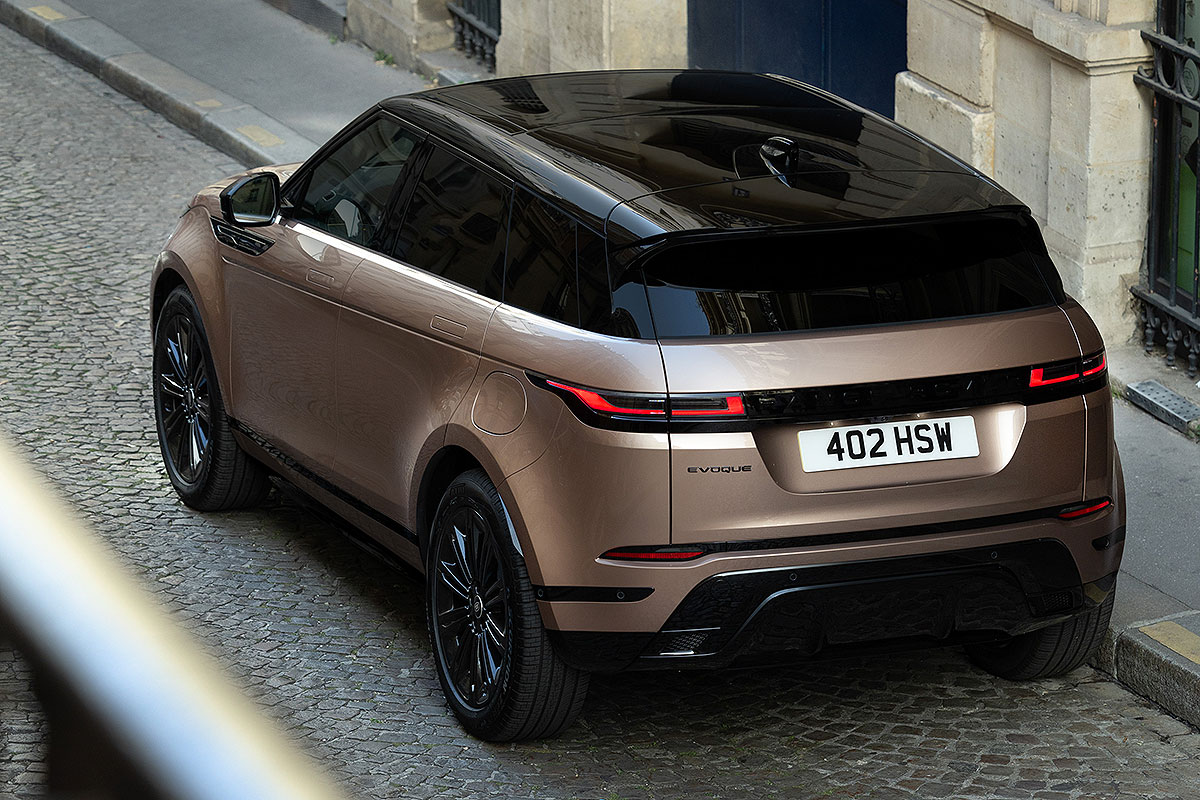
What is the Range Rover Evoque?
The original Range Rover Evoque caused jaws to drop when it arrived, thanks mainly to its stunning concept-car looks. It stood out a mile next to most of its compact SUV rivals, and it still looks remarkably fresh today, which meant this second-generation Evoque had quite a job on its hands when launched in 2019.
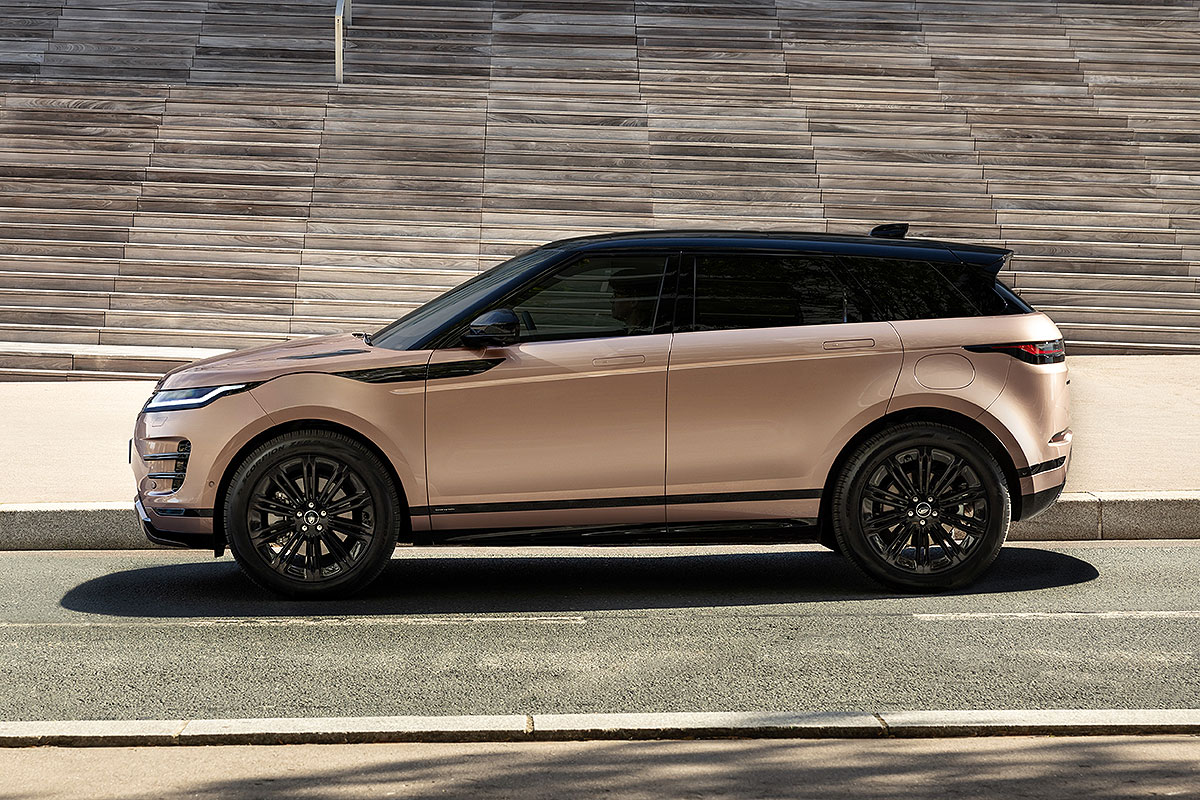
Thankfully, Land Rover didn’t mess too much with the formula. The second-generation Range Rover Evoque kept the original’s coupe-like profile and fashion-conscious image, but added smoother styling, a more upmarket interior and some suitably modern Range Rover touches. The flush door handles were particularly avant-garde at launch, although it’s a more common feature today.
The Evoque has also been updated over the years, most notably with a smarter interior and a more modern infotainment system. Engine choices have included petrol, diesel and plug-in hybrid versions, so there’s more to the Evoque than just looking good outside expensive coffee shops.
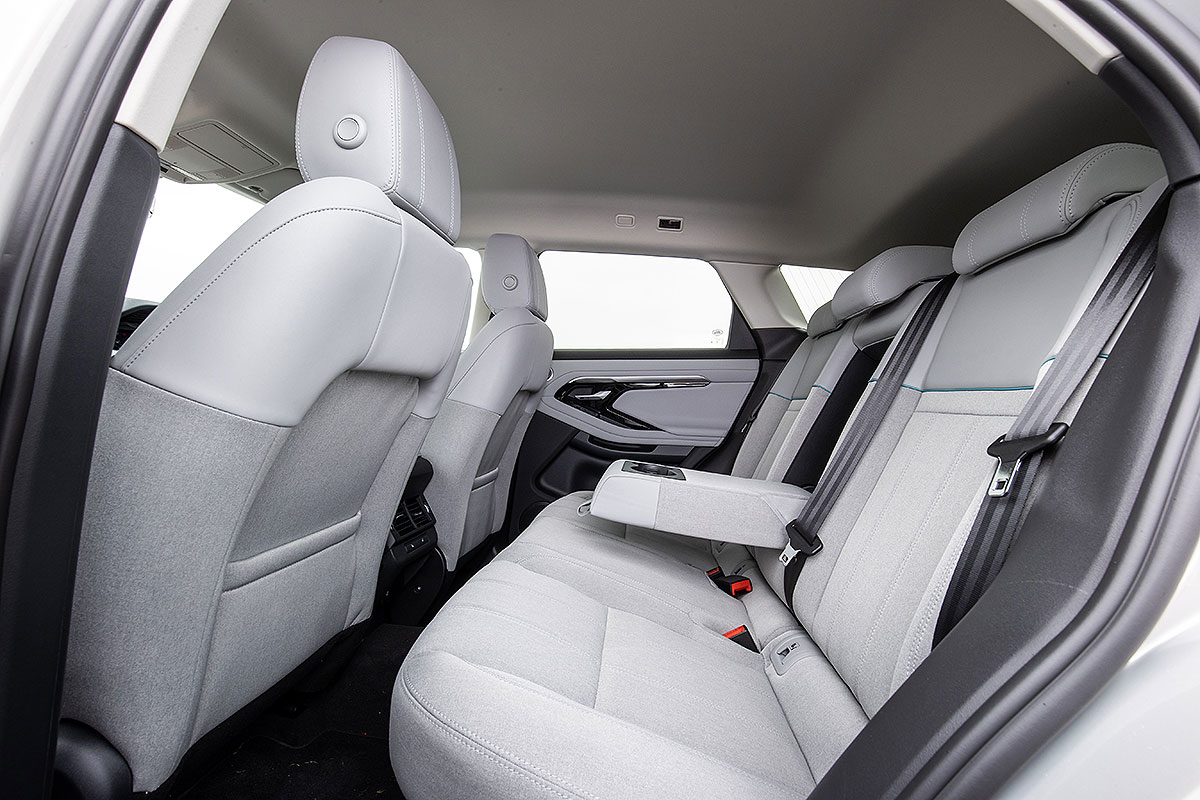
How practical is it?
From a practicality point of view, there’s a reasonable amount of space inside the Range Rover Evoque, but perhaps not as much as you’d expect for an SUV of this size. That sloping roof and rising window line look great from the outside, but they make things a bit dark and gloomy for rear-seat passengers. Rearward visibility from the driver’s seat isn’t brilliant either, although that can be helped by the clever ClearSight camera system, which displays a wider view on a screen in the rear-view mirror.
Those in the back should be comfortable enough, although taller passengers might struggle for headroom. That’s the price you have to pay for the stylish roofline.
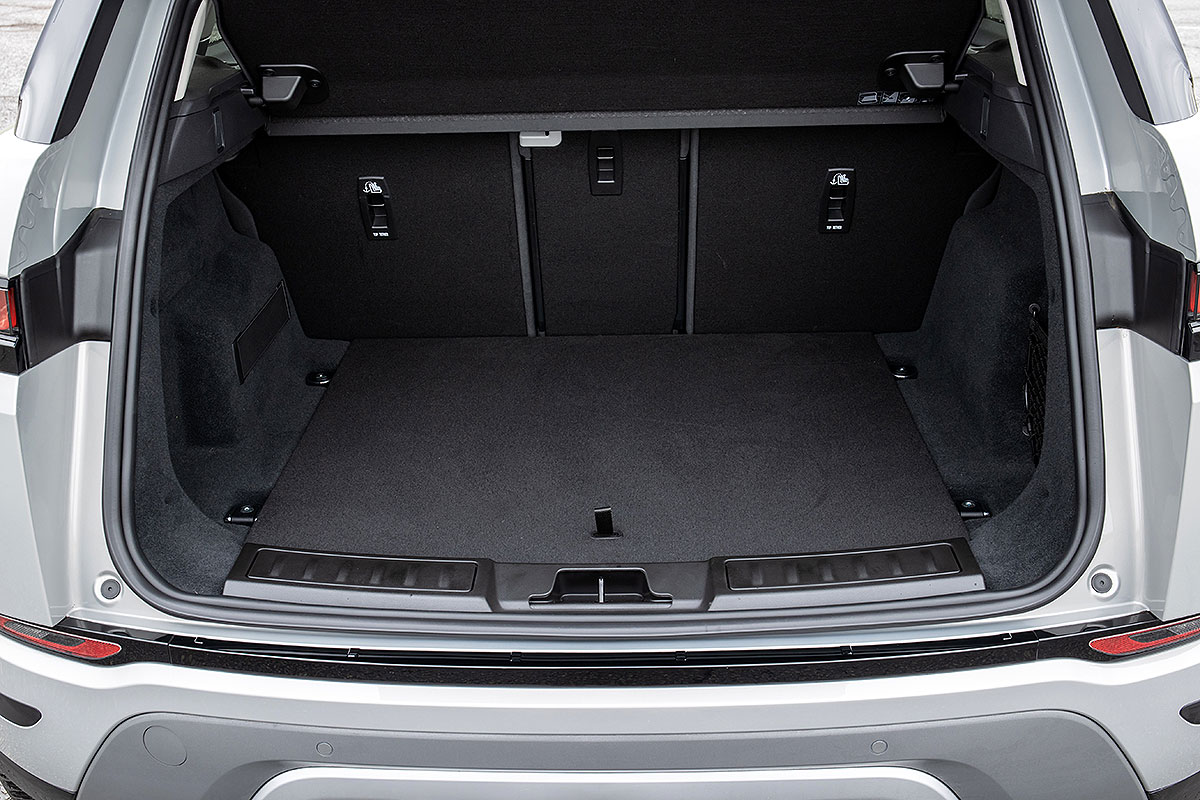
Boot space is reasonable rather than vast. There’s 591 litres of luggage capacity with the rear seats up, extending to 1,383 litres with them folded down. Practical enough for everyday use, but there are more spacious rivals available if luggage space is more important than the badge on the bonnet.
Up front, the Evoque feels more convincing. There’s a good driving position with plenty of adjustment for the seats and steering wheel, and the cabin has a classy feel that will be familiar to Range Rover buyers. Some of the plastics in lower areas aren’t quite as plush as you might hope, but perceived quality is excellent and the later models in particular feel classy and upmarket.
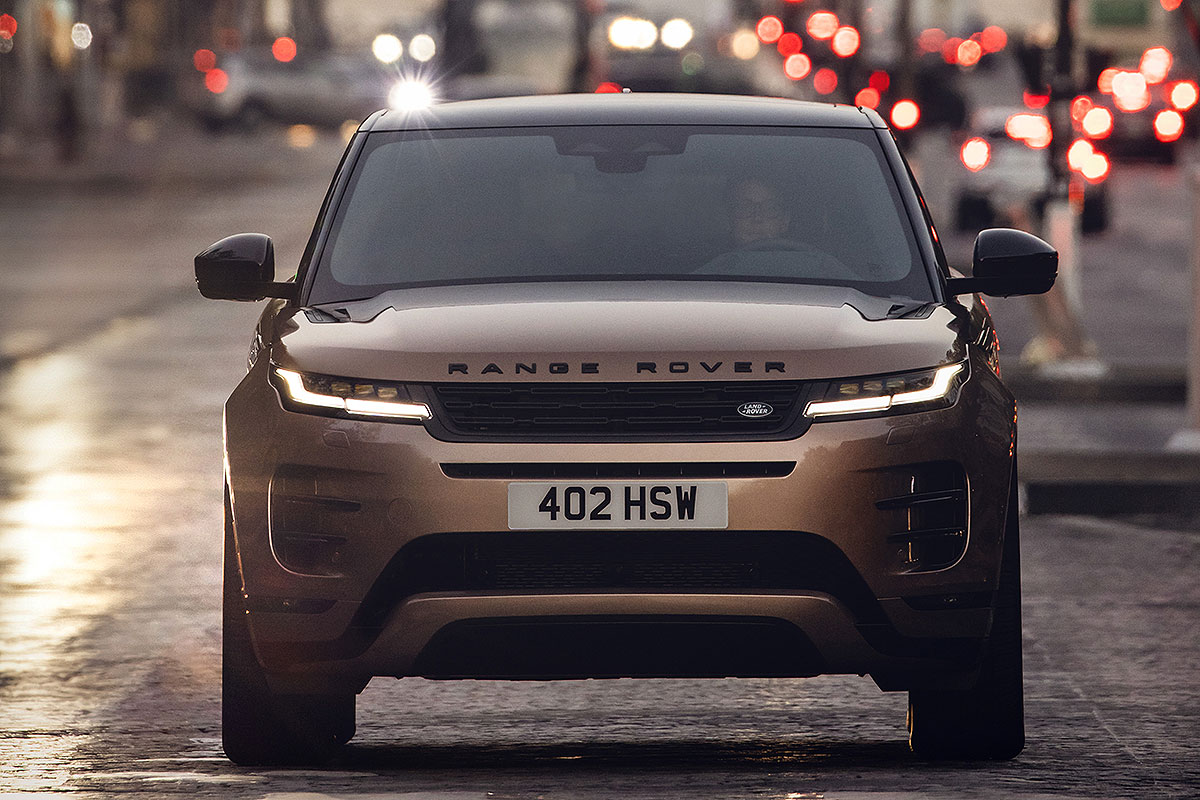
What's it like to drive?
The driving experience is more grown-up than in the sporty-edged first-generation Evoque, with a more comfortable, Range Rover-like feel. It stays stable when cornering, despite being a heavy car for its size, but this is still more of a stylish and relaxing SUV than something designed to chase a BMW X2 down a back road.
Ride comfort is generally good, particularly on smaller wheels, and the Evoque feels reassuringly settled on the motorway. Ride comfort suffers if you choose larger alloy wheels to impress the neighbours, but the overall impression is still of a car set up more for comfort than cornering. Fitting for something with a Range Rover badge, then.
It’s also more capable off-road than most compact premium SUVs. Four-wheel-drive versions are the ones to have if you genuinely intend to hit the rough stuff, while the front-wheel-drive Evoques are best if you don’t intend to venture much beyond the kerb outside the school gates.
Petrol, diesel and plug-in hybrid models have all been offered, with many using mild-hybrid technology to improve efficiency. The plug-in hybrid is the quickest and potentially the cheapest to run if you can charge it regularly, while diesel versions are best if you spend more time on a motorway than in the city.
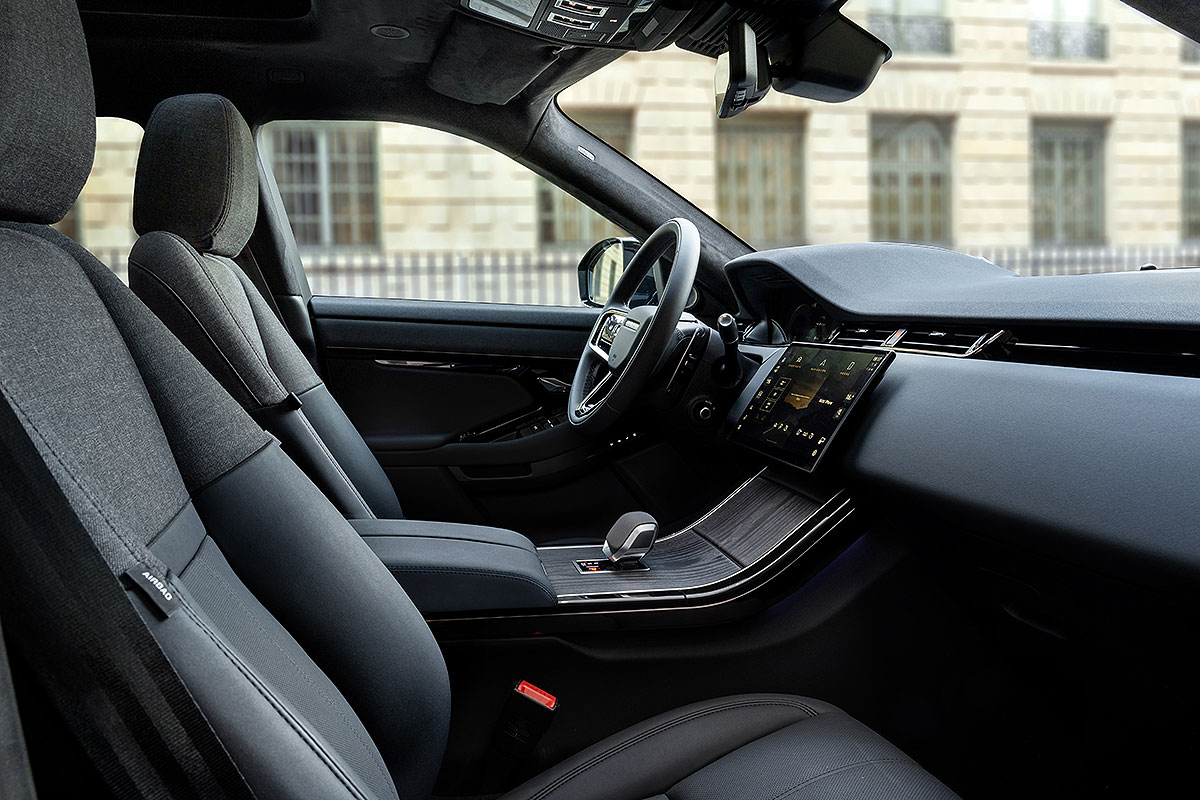
Technology, equipment & infotainment
The Evoque has always been fairly generous with equipment, although the exact specification depends heavily on age and trim level. Even earlier cars came with a long list of kit, including a heated windscreen, automatic headlights, rain-sensing wipers, dual-zone climate control, heated front seats, cruise control, parking sensors, a reversing camera and smartphone connectivity.
More recently, the Evoque has gained a much cleaner dashboard layout and a new 11.4-inch curved glass touchscreen running Land Rover’s latest Pivi Pro infotainment system. It looks slick, responds quickly and helps give the cabin a more modern feel. The downside is that even more functions are now controlled through the screen, so it can take a while to get used to if you prefer actual buttons.
Later cars are available in trims including S, Dynamic SE, Dynamic HSE and Autobiography, with the equipment getting more lavish as you move up the range. Depending on version, you’ll find features such as an electric tailgate, 360-degree camera, adaptive cruise control, keyless entry, Pixel LED headlights, wireless phone charging and upgraded interior materials.
Range Rover Evoque running costs
The Range Rover Evoque is not a particularly cheap premium SUV to buy or run, but strong desirability should help values stay relatively healthy. That can offset some of the day-to-day costs, although fuel economy, insurance and servicing are still likely to be pricier than for many mainstream family SUVs.
Diesel models are generally the best bet for motorway drivers, especially older D150, D180, D165 and D200 versions. They won’t be spectacularly frugal, partly because the Evoque is heavy for its size, but they should make more sense than the petrol models if you regularly cover long journeys.
Petrol versions are smoother and better suited to short trips and the school run, but they can be thirsty in real-world driving. The P160 is the most affordable petrol option in later cars, while the older P200 and P250 models offer better performance but higher fuel bills.
The plug-in hybrid is the most tax-friendly version and can be very cheap to run if you have access to a charger at home or at work. Both the P270e and the more powerful P300e use a 1.5-litre three-cylinder petrol engine with plug-in hybrid assistance, and both should deliver around 30 miles of electric range in the real world. Run a plug-in hybrid with a flat battery, though, and it becomes a heavy petrol SUV, so the fuel economy will look less favourable.
Company car drivers should look closely at the plug-in hybrid because of the low CO2 emissions and tax costs, but private buyers need to factor in the purchase price, charging access and long-term maintenance costs. Insurance and servicing are also likely to be on the pricey side, as you’d expect from a premium SUV wearing a Range Rover badge. Land Rover service plans may help spread the cost, while independent specialists can be useful for older used examples.
Range Rover Evoque reliability
Land Rover’s reliability record doesn’t always make for happy reading, and the Range Rover Evoque is not immune from that. In the latest What Car? Reliability Survey, Land Rover finished joint 26th out of 30 manufacturers, while the current-generation Evoque was ranked joint 51st out of 76 family SUVs.
Reported issues with the Evoque have included electrical glitches, infotainment faults, hybrid-system problems and general niggles with some of the car’s more complex systems. That doesn’t mean every Evoque will be troublesome, but it does mean buyers should go in with their eyes open.
Every new Range Rover Evoque comes with a three-year, unlimited-mileage warranty, and extended cover is available if required. Given the Evoque’s reputation and the complexity of higher-spec models, a robust aftermarket warranty is worth considering.
If buying used, check for a full service history, evidence of completed recall work and any warning lights or electrical issues. Make sure the infotainment system, cameras, climate control, driver assistance systems and the charging system on plug-in hybrid models all work properly, before handing over your cash.
- This second-generation Range Rover Evoque is only available as a five-door model. The three-door and convertible versions of the first-generation Evoque weren’t continued, which is unlikely to trouble many buyers given the five-door was always the version most people actually bought. That said, the drop-top version of the first-generation Evoque is worth a look if your heart is set on an SUV convertible.
- Evoque engine names can look confusing, but the basic logic is simple enough. Petrol models use a P, diesels use a D, and the number broadly reflects the power output. Over the years, the range has included petrol, diesel and plug-in hybrid versions, with later cars using mild-hybrid tech on many petrol and diesel models. Current and recent examples include engines such as the D165, D200, P160 and P270e plug-in hybrid.
- If you don’t want leather draped over your Evoque’s seats, there are some suitably upmarket alternatives. Land Rover has offered leather-free materials including Kvadrat wool blend fabric and Ultrafabrics, giving the cabin a more contemporary feel without making it look like someone has trimmed it in old gym shorts. Traditional leather is still available, but the non-leather options suit the Evoque’s fashion-conscious image rather well.
- If you want the best all-rounder: A diesel still makes sense if you do plenty of longer journeys. Older D180 models are a good used buy, while later D165 and D200 versions are worth considering depending on your budget. The D200 is the stronger choice if you regularly carry passengers or cover lots of motorway miles, but condition, service history and specification matter more than chasing a particular badge.
- If you want the best company car: Look at the plug-in hybrid. The P300e is more powerful than the P270e, but the basic appeal is the same: low CO2 emissions, useful electric-only range and strong performance. Just make sure you can charge it regularly, otherwise you’ll be carrying a heavy battery without seeing much benefit. Without access to a charging point, a regular petrol or diesel model makes more sense.
- If you want the smartest interior: Go for a later car with the updated 11.4-inch curved touchscreen and latest Pivi Pro infotainment system. It modernises the Evoque’s cabin, giving it a cleaner and more upmarket feel.
- If you want the most desirable version: Higher-spec Dynamic HSE and Autobiography models boast the best equipment and the plushest materials, but they can be expensive. A well-specced S or Dynamic SE can deliver most of the Evoque’s style and comfort without the painful price tag.