Lotus Elise Review (2011-2021)
Lotus Elise cars for sale
4.0
Expert review
Pros
An absolute joy to drive
Feels at home on the track as well as the road
Cheap fuel bills for a sports car
Cons
Expensive to buy
Difficult to live with as a daily driver
Insurance premiums will be high
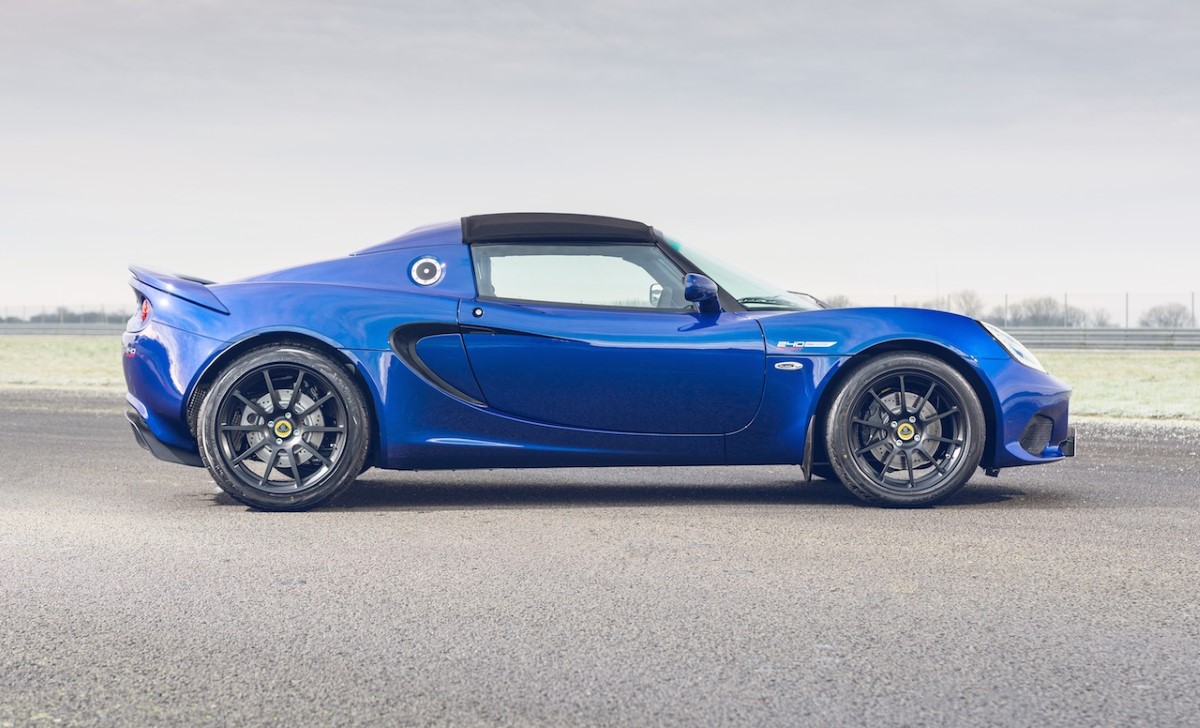
The CarGurus verdict
It is no exaggeration to say that the Lotus Elise is one of the finest handling cars in the world. Even so, it’s tricky not to baulk at the Lotus’s new price when the same money will get you a brand new Porsche Boxster or Alpine A110, instead of a small, noisy, plastic car that’s built in Norfolk and has a tent for a roof.
Ultimately, none of that matters because the Lotus Elise’s 25-year life is nearly done, and what remains of the Elise Final Edition cars are sure to sell to collectors and enthusiasts. It's a model that represents an entire era of automotive history, and is the best of what the British lightweights can offer before ‘cottage industry’ brands like Lotus face up to the transition to electric cars, and whatever that might mean for them.
Yes, the Lotus Elise is pricey and a total faff to live with. You need to be a committed enthusiast to justify one, whether you’re buying new or used. But it's so brilliant to drive that we forgave it any and all of its sins before the first corner. If you love driving enough to be considering a Lotus of any kind, we guarantee that you will, too.
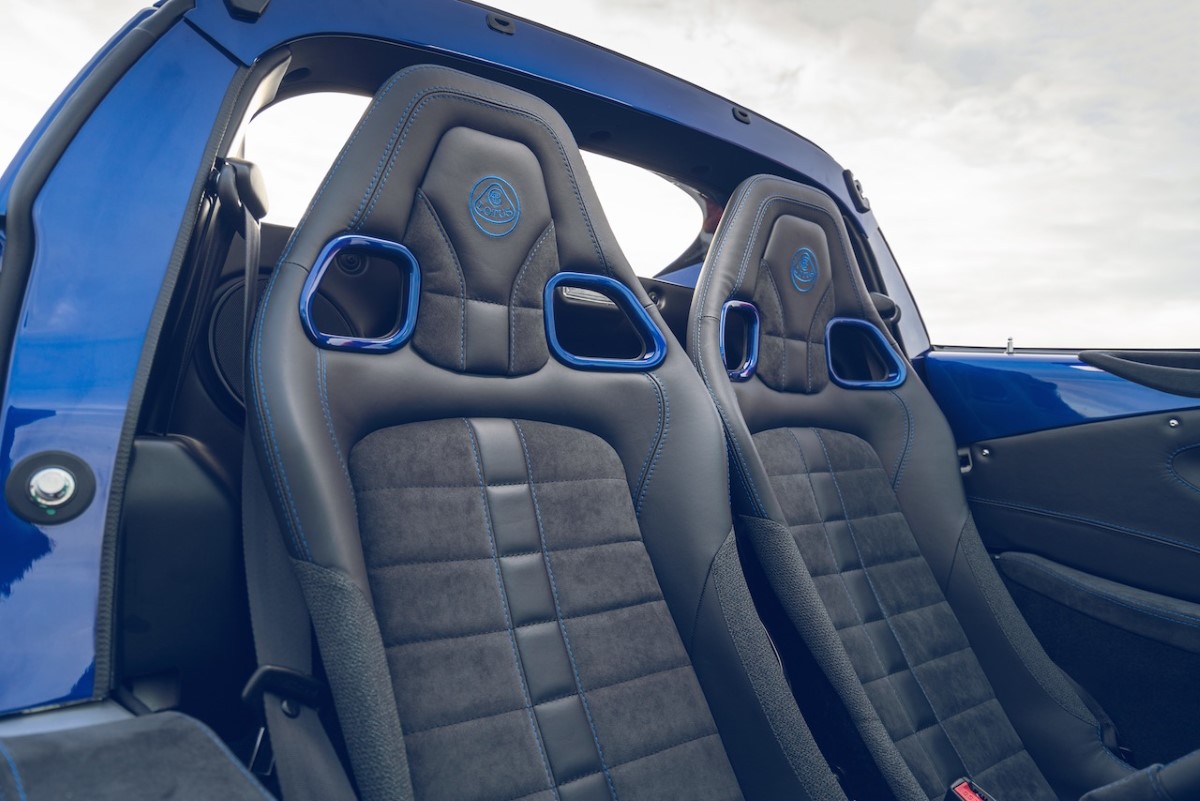
On the plus side, the seats are very supportive and have a decent breadth of movement so that even very tall drivers can get comfortable. The dashboard is also straightforward and quite solidly put together. Since the Lotus Elise Sprint (an even lighter special edition of the Elise) arrived in 2017, there’s also been exposed gear linkage below the gearstick, which is one of the coolest things you will see in any car.
But headroom with the roof on will be tight, and getting into or out of the car requires dexterity and a willingness to look like a fool, regardless of how hard you try not to trip over the wide sills. There’s precious little luggage space, and it’s noisy at motorway speeds. This is no daily driver, unless you're seriously dedicated.
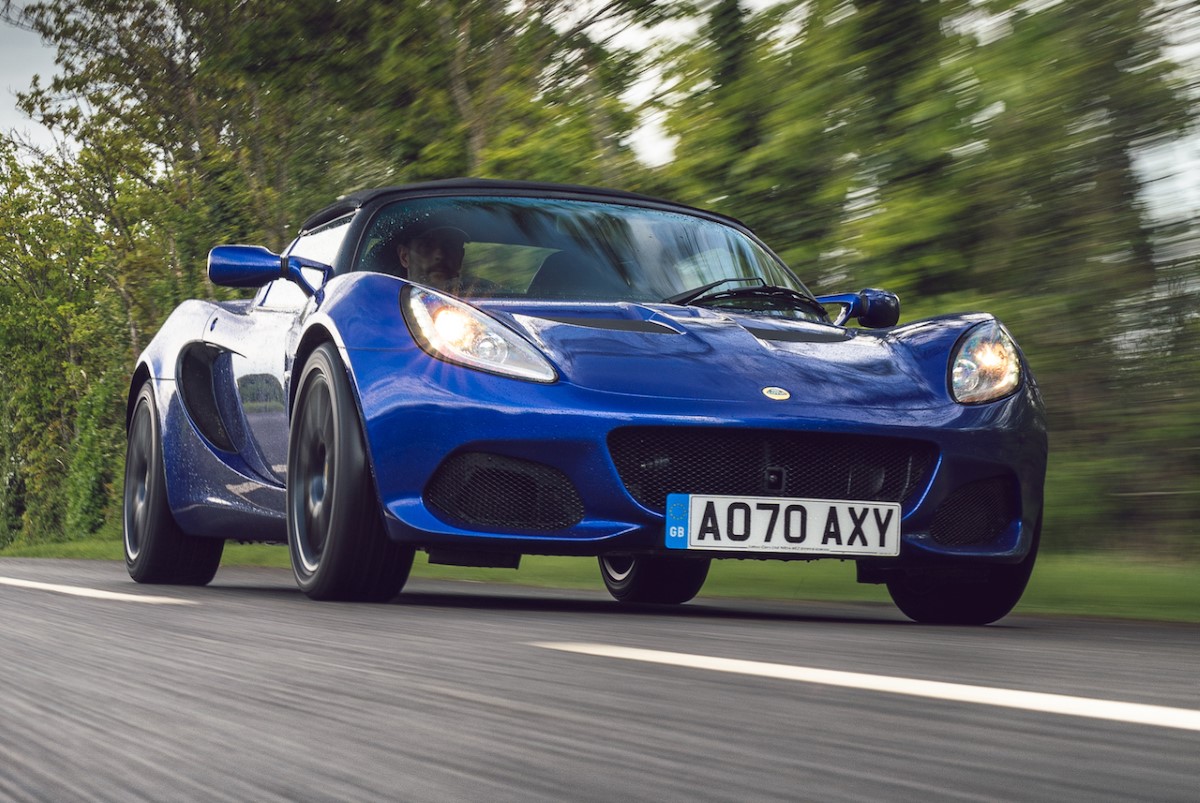
You don’t buy an Elise to cart your family around in – you buy it to drive.
The Elise has been tweaked and updated over the years. That naturally aspirated, 134bhp 1.6 was dropped from the lineup in 2018, while the supercharged 1.8 in various tunes from 217bhp in the Elise sport 220, right up to 250bhp in the most hardcore, track-focussed 250 Cup. It's one of the closest things to a race car that you can get for the road, and draws on Lotus' immense motorsport experience in its search for performance.
The 1.6-litre petrol is a little flat in its power delivery but there’s still a huge thrill in revving it out towards the 6,800rpm redline. Do that and the little Lotus Elise fires up the road in a sprightly 6.0 seconds, or quicker still in the 2017 1.6 Lotus Elise Sprint model, which had an even lower kerb weight.
But it’s the supercharged 1.8-litre that's the star of the range. It’s powerful enough to give the Elise a 0-60mph time of as little as 3.8 seconds. That's fast by any standards, and a much more relevant metric than top speed. It feels quite breathtaking when you’re in a plastic-bodied car with an aluminium chassis, which weighs well under a tonne and is about three inches off the floor. There’s vastly better mid-range pull from this engine, it sounds better than the 1.6 – there’s a bit more of a crackle, not to mention the supercharger whine – and it generally elevates to the Elise from a hot-hatch level of performance to serious sports-car pace. It’s also easier to find on the used market so it’s definitely the one to go for, even if the 1.6 is still very recommendable if that suits your budget better.
Whatever engine powers it, the Lotus Elise is a car designed and built around handling purity. It does that by weighing only around 900kg depending on the variant, giving it an excellent power-to-weight ratio despite bhp figures that, on their own, don't look too remarkable. It's rear-wheel drive and is only available with a manual gearbox, which means that this simple Norfolk-built sports car is one of the best-handling cars in the world.
You have to look to other flyweights, such as a Caterham Seven or Ariel Atom, to find anything that surpasses its zen-like handling, and those cars are substantially more compromised when it comes to luxuries such as doors and a roof. However, the Lotus does have serious competition from the Alpine A110, which is almost as delightful to drive yet is an easier and safer car to live with, and to do high mileage in. At the other end of the scale, the Mazda MX-5 is cheaper, slower and quite a bit less precise in its handling, but is also a small, lightweight roadster that’s worth considering if you simply want a properly fun open-top. Arguably the Alfa Romeo 4C is the closest rival to the Lotus Elise, given its fairly basic interior and track-focussed setup, but the Lotus is easily the better handling car.
The steering is heavy at manoeuvring speeds but is perfectly weighted and feels precise when you’re on the move, seeming to almost suck the Lotus Elise into the ideal line through a corner. With such a tiny body, the wheels placed right out at each corner and the engine behind the driver, it’s no surprise that it seems to swivel around you, such is the immediacy of its response.
What might be more surprising is that everything feels so natural and intuitive. There’s very little scariness to the Elise, which has plenty of reassuring grip to keep it planted on a typically scruffy British country road despite the always-playful handling. It even rides reasonably comfortably. Again, thanks to the fact that there’s not much mass in the car, the suspension seems to make the car virtually levitate over high speed bumps or awkward cambers, even as it keeps the body under tight control through bends.
In short, if you’re after one of the most pure, unfussy, fun-filled driving experiences, but you don’t want the inconvenience of a Caterham or Ariel, this is it.
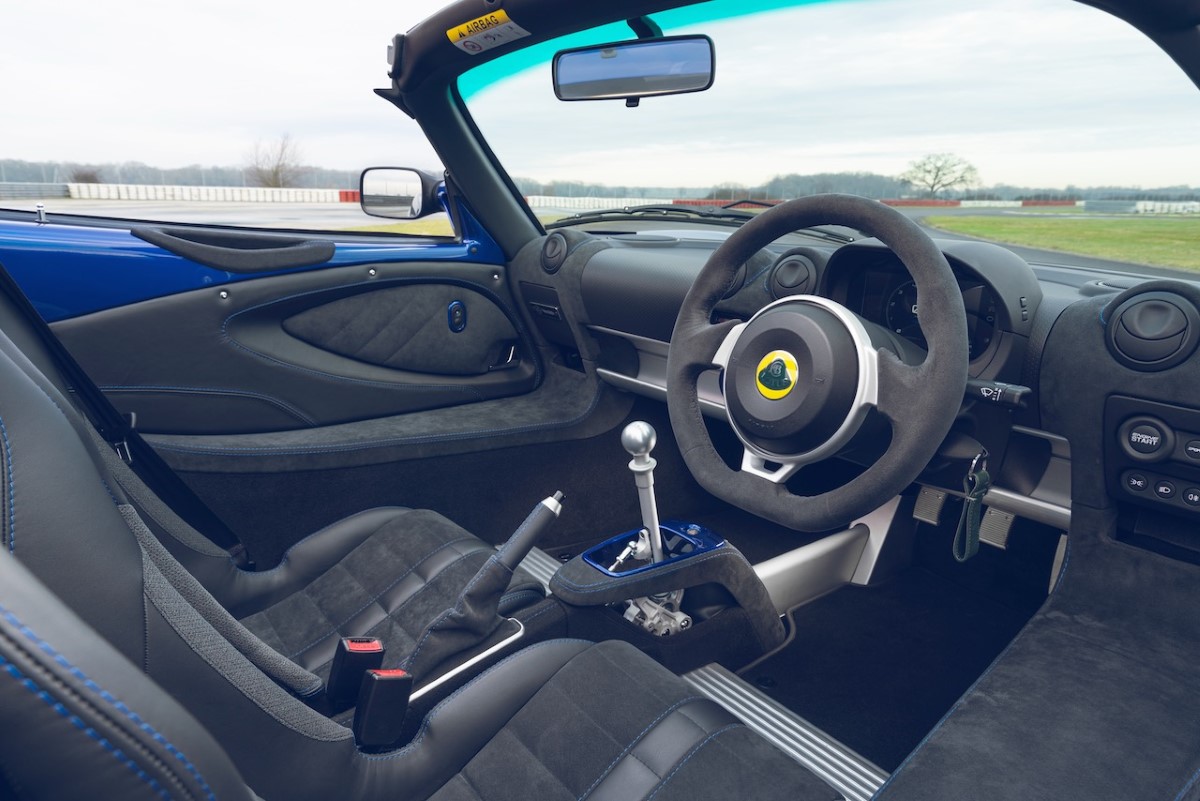
The Elise is not especially well equipped. You have to wind the windows up by hand, and the interior is a mass of thin, cheap plastic and bare metal. You have to pay extra to add air-conditioning, Bluetooth and digital radio, and even sound insulation costs extra.
But what you’re paying for here is the engineering expertise that has gone into creating one of the all-time great drivers’ cars. Despite the abundance of compromises that the Lotus Elise asks for in return for its endlessly brilliant handling, it’s still sad to know that 2021 is the end of the road for this legendary British sports car. There will be no new Elise to replace it, either.
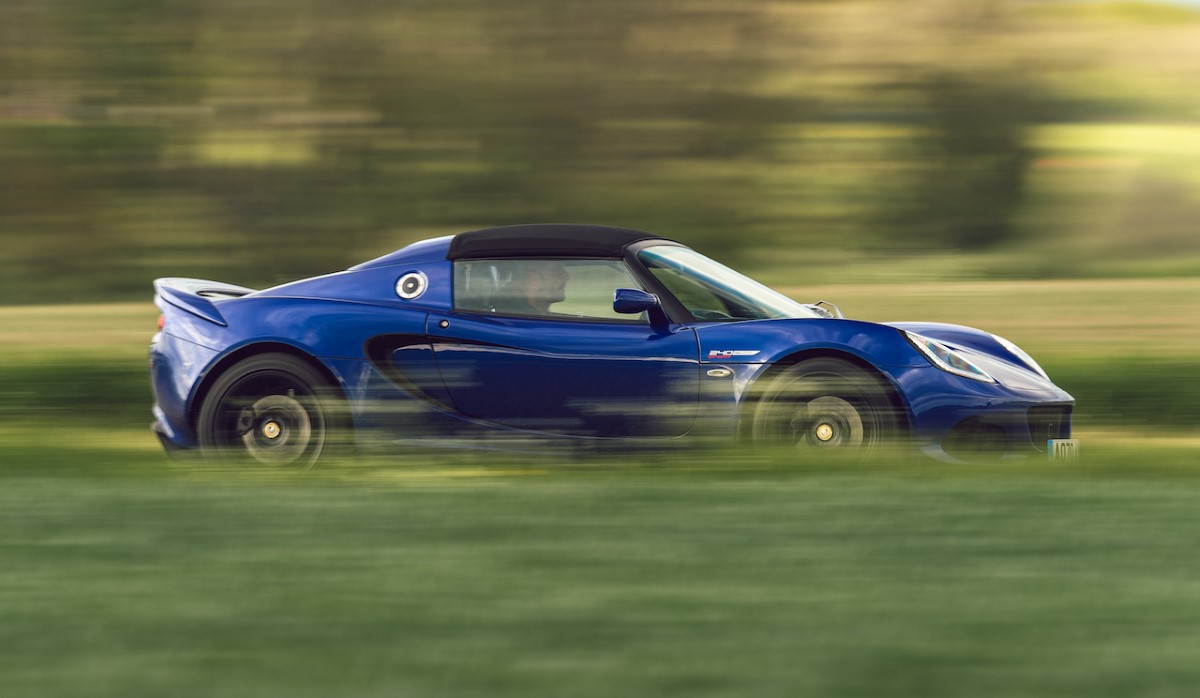
The Lotus Elise used to be popular for being an affordable sports car. That was its chief attraction, besides its world-renowned handling. But the Lotus Elise isn’t the budget buy it once was, and hasn’t been for a very long time. As a new purchase it cost north of £40,000 for much of the life of the Series 3, putting it in contention with all of those rivals we’ve already mentioned, and making the Mazda MX-5 look more appealing than ever at half the price.
However, the flipside of this is that demand for the Lotus Elise as a used buy is pretty huge, which has kept second-hand prices high. That’s unlikely to change any time soon, and it’d even be reasonable to speculate that prices may even go up in the long run, given the Elise’s heritage and iconic status and its recent demise. So yes, it’s surprisingly expensive to buy, but you also won’t lose much money on it in terms of depreciation.
And it won’t cost that much to run when you’ve got it on the driveway. One of the many benefits of the Lotus Elise being so light is that it’s surprisingly economical. You can realistically get an MPG of around 35 in steady use with the supercharged 1.8-litre engine, while the 1.6 will do even better.
Get it serviced routinely every 12 months or 9,000 miles, and at a recognised Lotus specialist or Lotus-approved garage. Apart from anything else, it’ll protect the car’s used value as well as keeping it in good condition, even if you do very low mileage.
Tyres are fairly cheap and don’t wear too quickly unless you take it on track. If you do that, expect to be looking at new brake pads after the event, as well as replacement rubber.
Insurance is costly, with most models falling into insurance group 48 of 50. Opting for a limited mileage policy typically keeps the price down, though.
As a new buy, the Lotus Elise comes with a three-year, unlimited-mileage warranty with roadside assistance. Approved used Lotus cars also get a 12-month warranty, but there are lots of cars out there for sale from private owners and they’re well worth considering, especially since the Elise has a solid reputation for reliability. Even the rather infamous head gasket issues with K Series engine on older S1 and S2 Lotus Elises are generally exaggerated and, in reality, the Rover engine is quite solid and also cheap to fix. Do check the oil for signs of white residue, though.
If you can stretch to it then the Toyota engines are the more reliable options. They use a chain rather than a cambelt, and generally the engine has no common faults. The clutch can be an issue, though, so make sure that the biting point isn’t too close to the top or bottom of the pedal travel. Look for any panel damage, as that can be an expensive fix, and while we’re talking about bodywork, the Series 2 Elise had fibreglass body panels that can absorb water, resulting in blistering, so keep an eye out for that. Given that the Elise is also known for sometimes letting water in through the roof seals, keep it garaged if you possibly can.
Otherwise, being lightweight and mechanically fairly simple, the Lotus Elise is a sturdy used car. Just be careful to look for poorly repaired crash damage, and give the underside of the car a thorough check as well as looking carefully at body panel alignment.
- The Lotus Elise, Lotus Evora and Lotus Exige are all ending production by the end of 2021. The British brand is based in Hethel, Norfolk, but is now owned by Chinese firm, Geely, which is focussing on its new car, the Lotus Emira sports car. It's also preparing for its forthcoming lithium-ion battery electric cars, starting with the Lotus Evija hypercar. It will also be jointly producing electric sports cars with Alpine within the next few years.
- As a swansong for the Elise, the company is offering the Lotus Elise Sport 240 and Elise Cup 250 up until the end of 2021. These are the only two models on offer at the end of the car’s life, but they’re still compelling options, even considering the competition at what is a rather high price. Digital driver’s dials, bespoke interior styling cues, a flat-bottomed steering wheel, bespoke forged alloy wheels and the option of carbonfibre styling extras help to set them apart. Go for the Elise Cup 250 and you get stiffer suspension with Bilstein dampers, lightweight alloy wheel design, carbonfibre seats and more.
- The roof on the Elise is a simple, fabric canopy that sits on a number of rods that slot into the car’s body. It is more like camping equipment than a car part, but it’s simple, lightweight and effective. You can remove it and roll it up into quite a small package, so that it fits neatly into the shallow boot compartment. There won’t be much room for your other luggage in there (even if you haven’t got the roof stowed away), but then the Lotus Elise has never been about roominess. You can add a hard top insert for £1,250, or there’s a carbonfibre hard top for £3,000.
- If you’re on a budget: Buy used. There’s a good array of used Lotus Elise models on the secondhand market, so there’s likely to be one to suit you, whether you’re after something that’s as cheap as possible for regular track day abuse, or one that you can cherish and keep for sunny weekend road trips. There hasn’t ever been a bad Lotus Elise, so – other than avoiding ones that have been used hard and not maintained well – you can’t go wrong on the used market, either. We’d go for a Series 2 to get the best value for a used Lotus Elise, but the standard early Lotus Elise S is a great bet if you want a Series 3.
- If you want the best option for track use: The Lotus Elise Cup 250 Final Edition is about as good as an Elise has ever been for circuit use, so if money is no issue, this is where to go. Mind you, it’s worth considering the Lotus Exige if you’re that set on track use, as this more powerful, even more focussed Lotus sportscar is specifically designed for proper circuit use, while the Elise is intended to be the friendlier, more road-biased option. Either will be a hilarious amount of fun on road or track.
- If you want the most stylish: The 250 Cup and 240 Sport Final Edition models are hard to overlook if you want striking looks, given the multi-spoke alloys, the option of various heritage colours, as well as either black or carbonfibre contrasting front panels and hard top. However, there was a limited run of just 100 Lotus Elise Heritage Editions introduced in 2020. These played on historic Lotus colour combinations, including the classic black and gold John Player Special livery. Finding one of these is exceptionally hard, and it will probably cost more than the substantial £46,000 that it cost new (before options), but it does look fantastic.

