MINI Countryman Review (2010-2016)
MINI Mini Countryman cars for sale
4.0
Expert review
Pros
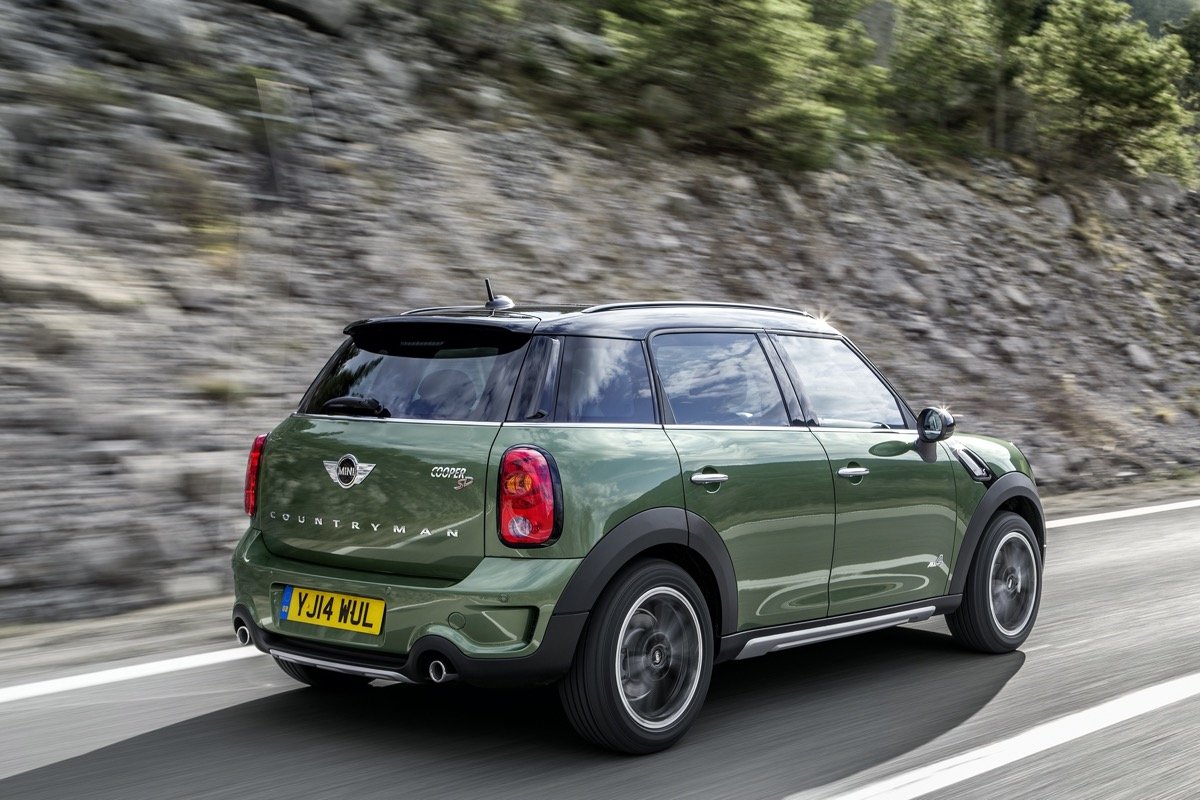
Quirky and appealing looks
Fun to drive
More practical than a MINI hatchback
Cons
Not as roomy as many rivals
The cabin is prone to squeaks and rattles
More powerful models can be costly to insure
The CarGurus verdict
There are more practical small SUVs than the MINI Countryman, but there aren’t many that mix such characterful presence with a fun and engaging drive. If you’re after as much space as possible then look elsewhere, perhaps even at a larger but similarly priced car like the Nissan Qashqai. Nissan’s smaller SUV, the Juke, is also a quirky machine, but lacks the zippy driving experience of the MINI, and other rivals like the Renault Captur and Peugeot 2008 are worthy but relatively bland. If you want style and smiles, with a dose of extra space over the MINI Hatch, then this is the place to look.
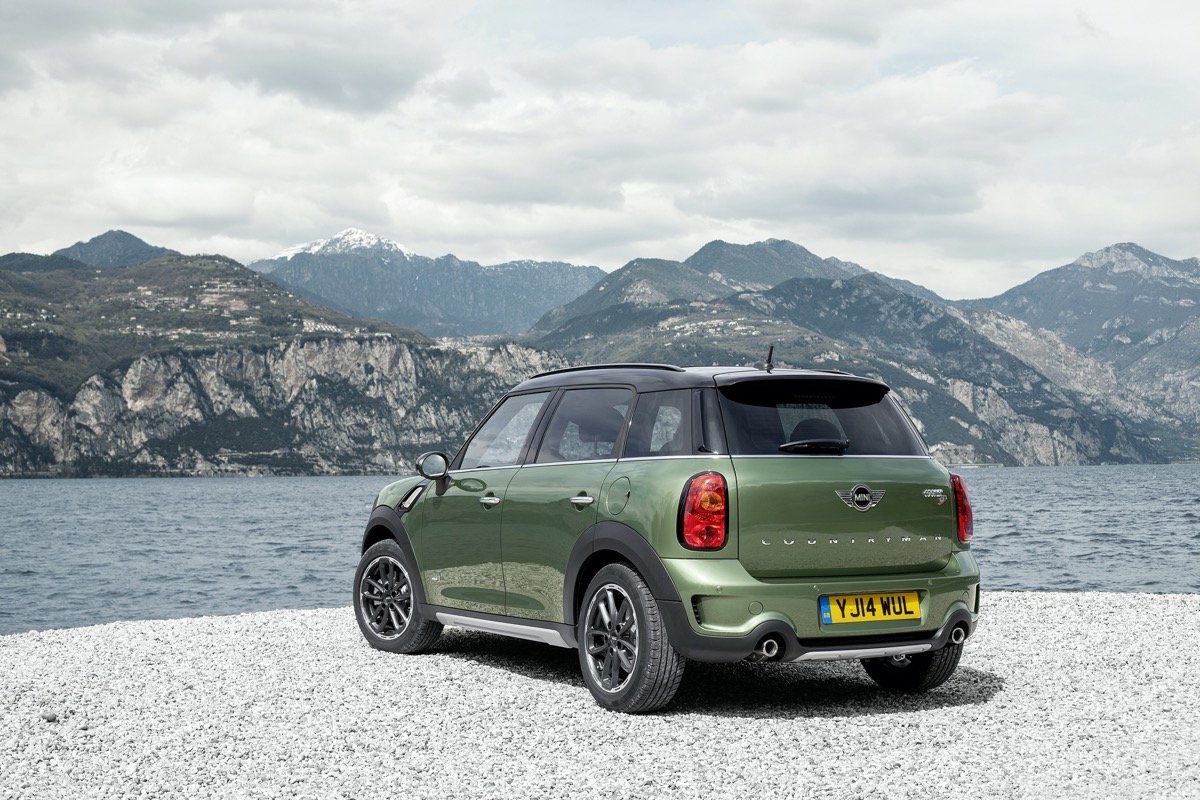
There’s a whole history lesson on the decades of appeal that the MINI brand has under its belt, starting with the now-iconic small car of the 1960s. The re-imagined hatchback, which was launched by parent company BMW in 2001, found plenty of favour with the public, but there was a solid chunk of potential customers that wanted something larger. So in 2010, MINI unveiled a new car called the Countryman.
It sold very well, which means there are plenty of used MINI Countryman examples on the market, and such has been the company's desire to offer lots of personalisation, there’s a huge amount of choice too.
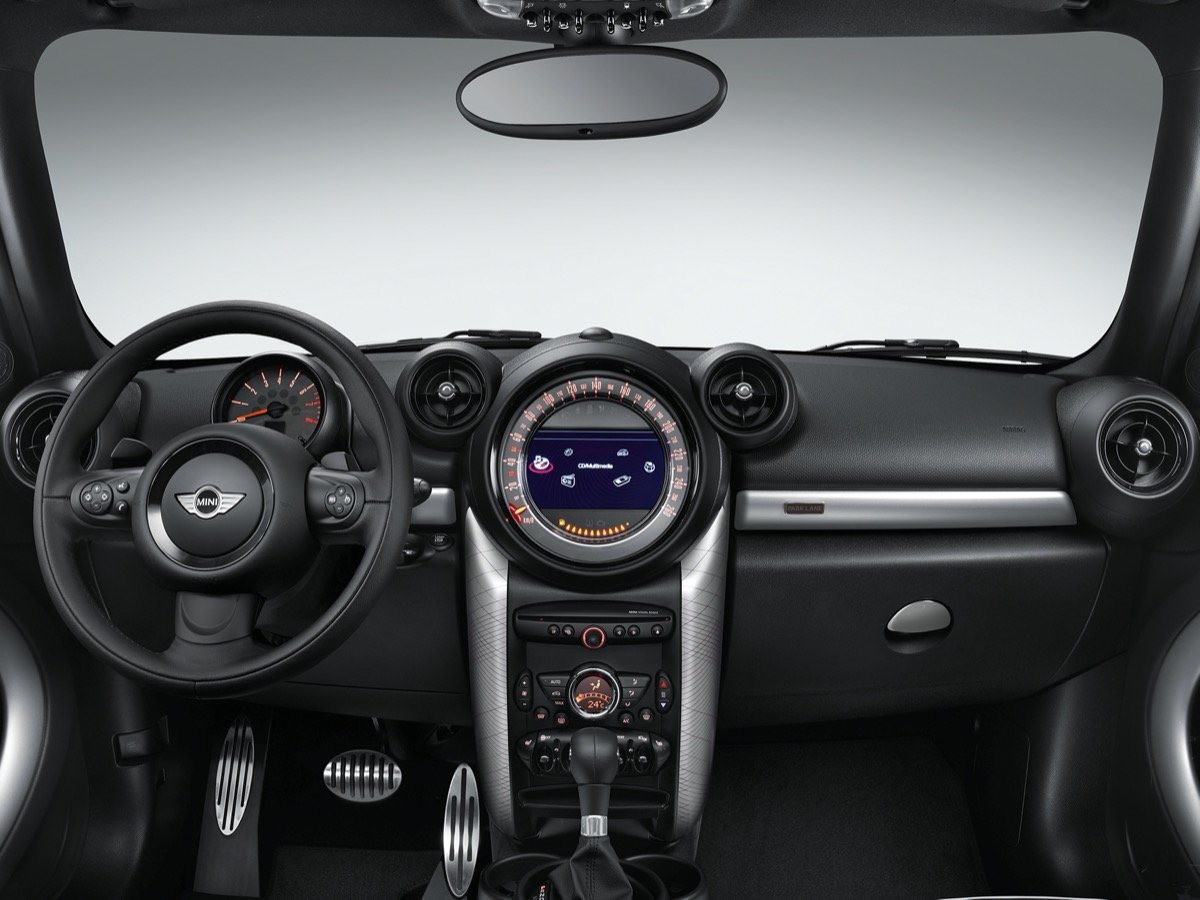
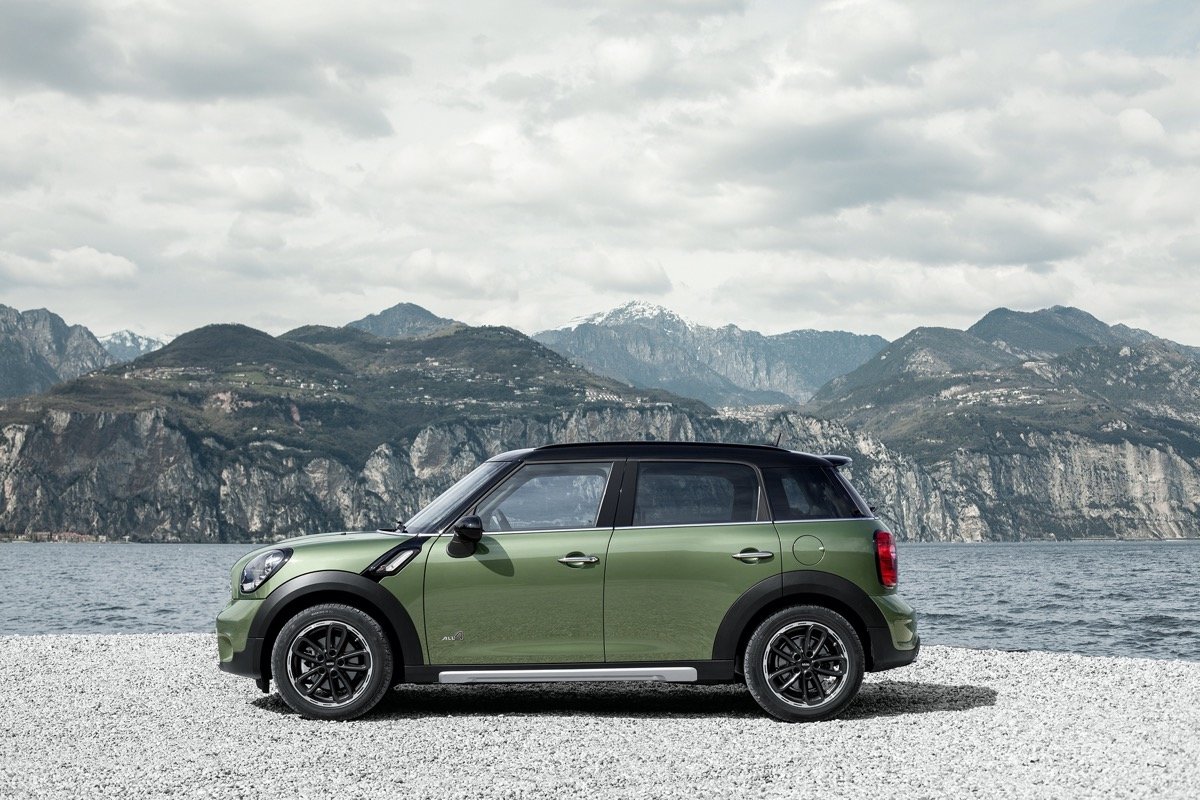
If you’re at all familiar with the MINI Hatch then you’ll be right at home in the Countryman, with its cheerful bubbly exterior looks and retro-inspired, unusual interior. The dashboard is dominated by a huge central speedometer and digital display, and the material quality is generally pretty good. That said, earlier cars in particular can suffer from squeaks and rattles.
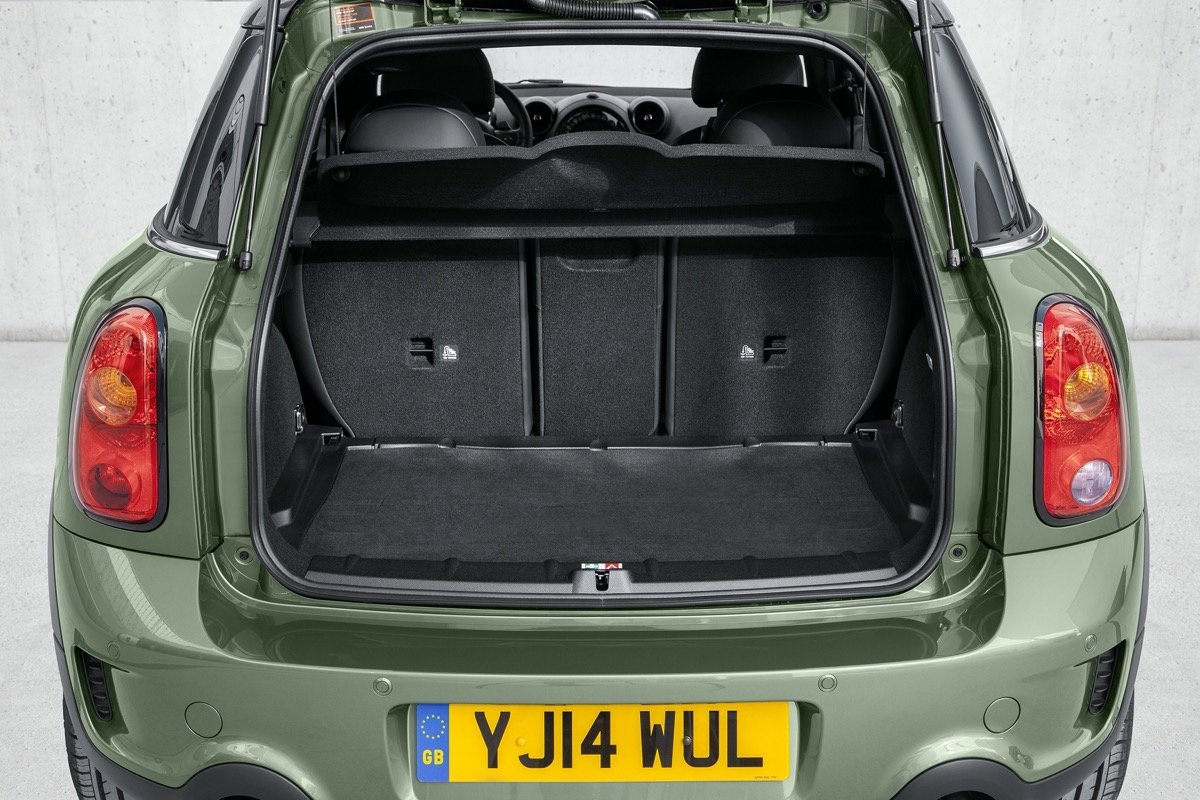
If space is your number one priority then there are more practical cars than the Countryman, but you do get a 350-litre boot and the rear seats slide forward or backwards to prioritise either boot space or legroom.
There’s plenty of headroom for taller adults in the back. Most Countrymans will seat three in the back, but some were specified with two individual seats instead. These are relatively rare though.

On the road, the Countryman doesn’t quite have the go-kart-like fizz of the MINI Hatch, but it does a passable impression. The ride isn’t as soft and comfortable as some less sporty rivals, and can be particularly firm on larger alloy wheels, which is worth keeping in mind if you spend a lot of time on the UK’s less well-maintained roads. But the upside is that it’s nimble and agile through the corners for a car of this type, although the higher centre of gravity does mean more body roll than the hatch. The steering is light, allowing for easy parking, but there’s enough feel to be confident threading it along a country road.
You can choose between a range of petrol and diesel engines. The petrol line-up starts with the One, a 98bhp 1.6-litre unit that feels rather underpowered for a car of this size. Much better to start looking at the MINI Countryman Cooper, which has a 122bhp version of the same engine, while the Cooper S upped the power to a punchy 184bhp. The John Cooper Works model, with 218bhp, was introduced in 2012, and turns the Countryman into a high-riding hot hatch. It's often known as the JCW.
Diesel cars started with the One D, with a 90bhp 1.6, and it too lacks the grunt to feel suited to an SUV. The Cooper D, which had a 112bhp 2.0-litre, is considerably better. A 143bhp Cooper SD followed in 2011, and that’s got plenty of oomph.
Trim levels on the Countryman can be confusing, mostly because … well, there aren’t any. Instead, new customers would choose their engine as above, which would come with a certain amount of standard kit, and then add packs of extra features. The most common packs were called Salt, Pepper and Chili, and included features like upgraded air con, automatic wipers, extra storage and interior mood lighting.
Additional options included things like automatic headlights, heated front seats and climate control. There’s also a bewildering array of different cosmetic options, including various paint finishes, bonnet stripes, roof colours and spoilers. Back when they were new, customising a MINI could soon get expensive for the first owner, but the extra outlay for those options isn’t always reflected in the used values, so you might find a bargain if you shop around.
If you want the best fuel economy then the diesel cars are worth looking at, but they’ll be harder to find and are more mechanically complicated, so we’d only really consider them if we were doing high mileages and would benefit from the extra miles per gallon. For most people, the petrol cars will better suit. The Cooper and the One, for example, have official fuel consumption figures of 40 and 49mpg respectively. Models with four-wheel drive will be several miles-per-gallon worse. Thirstiest of the lot is the JCW at 35.8mpg.
All models of this first-generation Countryman will have been registered before 1 April 2017, which means they fall into the old Vehicle Excise Duty rules and will have to pay annual tax based on their CO2 emissions, with more powerful cars generally costing more. The least-polluting One D model (115g/km) will set you back £30 a year to tax, but the JCW All4 (184g/km) could be up to £290, depending on the exact spec.
The Countryman has variable service intervals, and the car will let you know when it needs looking at. The largest gap will be two years or 18,000 miles, but as these cars are getting on a bit in years, it might be best to have them looked at annually. MINI dealerships will charge you between £200 and £400 for a service, but it may be worth looking for independent specialists who will charge less. Either way, those costs are pretty reasonable.
When it comes to consumables, replacing brake pads will cost between £150 and £190 at a franchised dealer, or between £80 and £100 at an independent mechanic. If you need a set of discs replaced, factor around £350-£400 at a dealer or £250-£300 at an independent.
Insurance groups range between 8 and 28 of 50, with the more powerful models understandably costing more in premiums.
MINI has an average reputation for reliability – not too bad, but not particularly great. Warranty Direct’s Reliability Index puts MINI as a brand solidly mid-table.
Common reported problems include stretched timing chains, caused by not keeping the oil topped up, especially in diesel cars. Replacing a chain can be pricey, so watch for a rattling from the engine. If in doubt, get it checked out by a mechanic and whatever you do, don’t let the chain snap, as it’ll cause serious damage to the engine. Just to add to that, watch for leaks from the oil pump, as this can further deplete the oil level. Basically what we’re saying is keep a close eye on the oil.
As previously mentioned, the interior is prone to squeaks and rattles, which is more annoying than dangerous, but could still be a deal breaker if you don’t want to play loud music to drown it out. Make sure you take a long enough test drive so that existing issues make themselves known.
Some earlier cars would get through clutches quite quickly, so watch out for any clutch slip when changing gear as that could be a sign that it needs replacing.
There’s been one recall for the Countryman, which was for earlier Cooper SD cars and involved replacing part of the wiring harness, following fears that they could overheat and cause a fire. This should have all been carried out by previous owners, but it’s worth double checking with a MINI dealer.
- Most versions of the Countryman were front-wheel drive, but you could specify four-wheel drive – called ALL4 – on Cooper models upwards. The John Cooper Works was four-wheel drive as standard. If you live in an area with particularly inclement weather then an ALL4-equipped car is worth considering, but for most people, two-wheel drive will be fine.
- A facelift in 2014 tweaked the styling a bit, added some new paint colours and also upped power in the Cooper S to 190bhp. It also allowed customers to choose some new interior trim finishes, including Piano Black, and added LED fog lights and LED daytime running lamps to Cooper models upwards.
- MINI has a long tradition of launched special edition models, stretching right back to the Rover Mini days. The Countryman is no exception, with several during the R60’s lifetime. There’s the unimaginatively named Special Edition, which came with Space Grey metallic roof and mirror caps, 18-inch alloy wheels in black and Absolute Black metallic body paint, plus satellite navigation as standard. This was one of several limited-run versions that included the Park Lane and Business Edition, all of which added a few extra features like special paint or coloured alloys to make them stand out. Keep an eye out for them on the used market if you want something a bit different.
- If you want the best fuel economy: The entry-level One D model will give you the best fuel economy, with an official fuel economy of 67mpg, although that’s measured using the old NEDC testing formula. Expect high 50s in the real world.
- If you want the best all-rounder: We reckon that for most people, the Countryman Cooper is the best balance of price and performance. It came with reasonable amounts of equipment included, but chances are the first buyer will have added a pack or two, so check to see which features are on the car you’re after.
- If you want the most fun: For maximum giggles, the John Cooper Works ALL4 Countryman is the used car to look for. It’s got the most powerful engine, lowered suspension and a four-wheel drive system that can send all the power to the back wheels, which makes it considerable fun during spirited cornering.
- If you want to climb every mountain: The Countryman isn’t really intended as serious off-roader, but its raised ride height will be useful if you encounter the occasional farm track or festival campsite. The four-wheel drive All4 versions provide extra traction in slippery conditions, although they are slightly less economical. A standard front-wheel drive model fitted with winter tyres may be a better compromise.

