Mazda2 Review (2015-present)
Mazda Mazda2 cars for sale
4.0
Expert review
Pros
Improved safety after 2020 refresh
Low running costs
Fun to drive
Cons
Boot is on the small side
Non-turbocharged engines can feel flat
No EV model offered

The CarGurus verdict
The Mazda2 often goes under the radar in the supermini class. It’s unsurprising, considering the sheer volume of cars in the market, and the popularity of some of them (the Ford Fiesta was the UK’s best-selling car for more than a decade, and has only recently lost that crown to the Vauxhall Corsa).
However, the Mazda2’s overlooked status is undeserved because it’s a great all-round package. It’s good looking, drives well and because it's so economical running costs will be low. Not the most obvious supermini, certainly, but well worth considering.
What is the Mazda2?
The popular supermini segment is packed a highly competitive array of models, many of which have become multi-generational hits, among them the Ford Fiesta, Honda Jazz, Vauxhall Corsa Toyota Yaris, and Volkswagen Polo.
Now in its fourth generation, the Mazda2 isn’t as big a seller as the aforementioned models, especially the Corsa, but Mazda knows a thing or two about building an appealing small car.
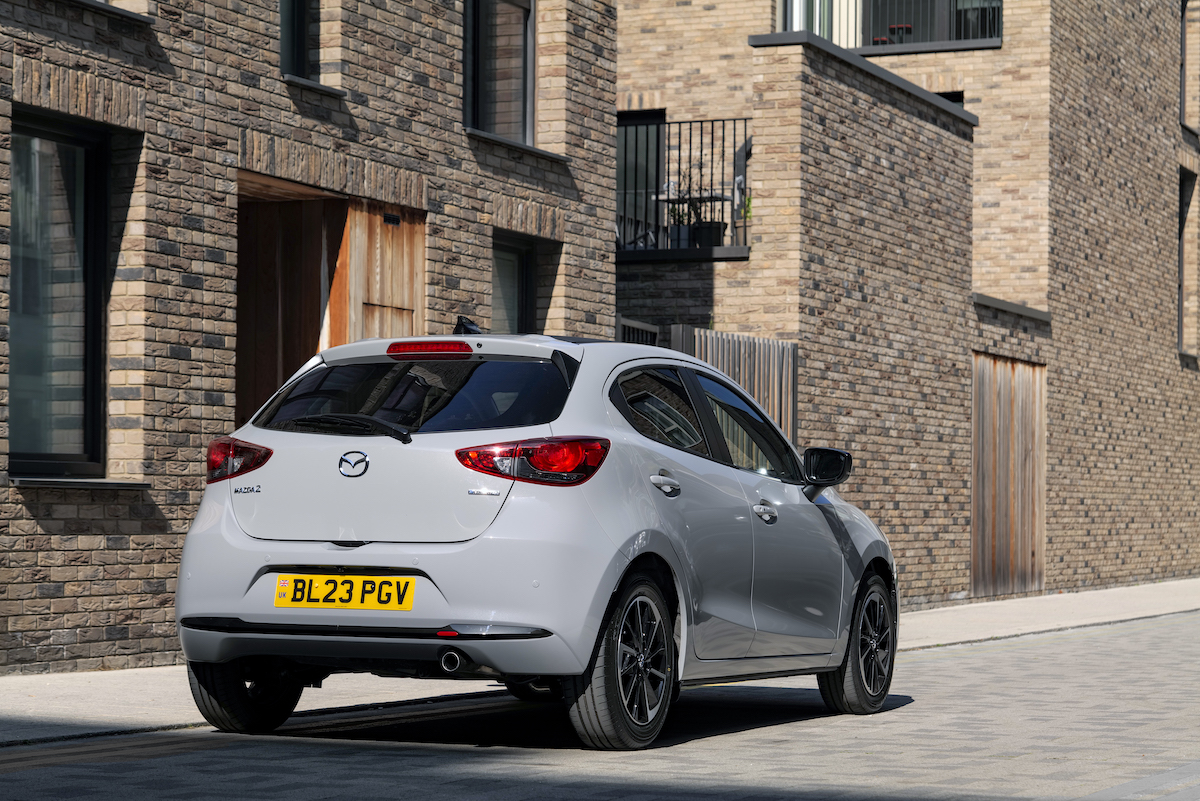
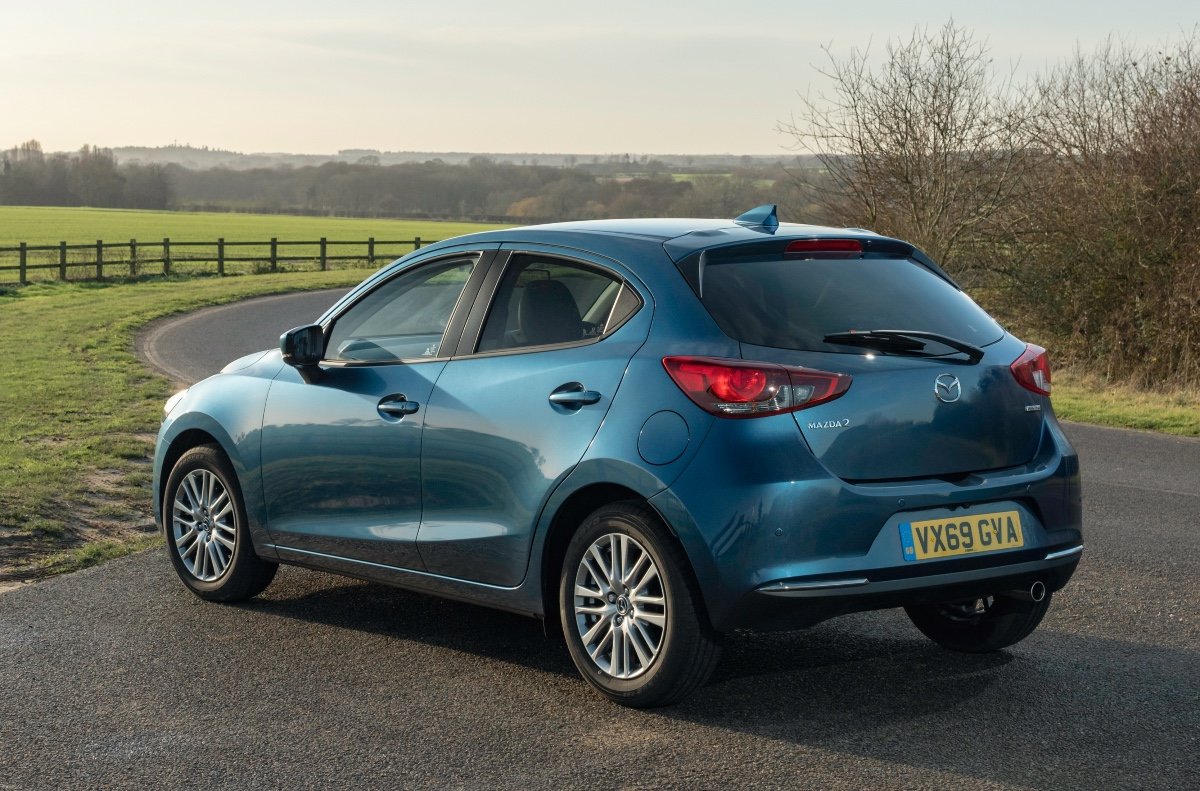
On sale since 2015 and in receipt of a minor update in 2018 and a full facelift in late 2019, the Mazda2 has a distinctive ‘wing’ (Mazda’s term) front grille, while the lines on the bodywork create a relatively sporty look. A series of small updates applied at various points throughout its life have kept the Mazda2 looking fresh, despite its age.
How practical is it?
When it was first launched, the fourth-generation Mazda2's relatively long wheelbase and smaller overhangs (the bodywork between the wheels and the corner of the car) resulted in impressive interior space by supermini class standards. However, since then rivals such as the Skoda Fabia, Seat Ibiza and Dacia Sandero have added even more space to the supermini class.
That said, it's still possible to fit two adults in the rear seats, or three at a push. There's good headroom, acceptable knee room, and enough space to tuck feet under the seats in front.
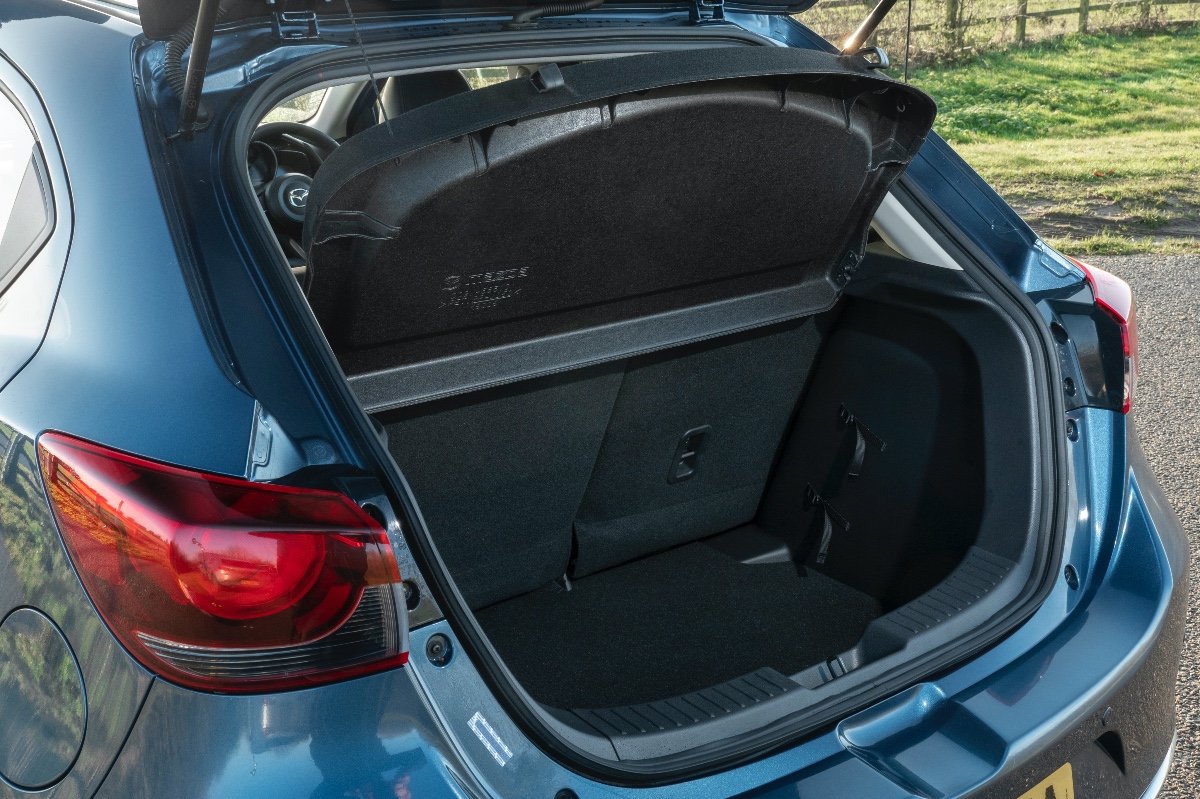
Boot space is more of an issue: 280 litres with the rear seats in place (and 950 litres with the seats folded) used to be on a par with many of its rivals. However, things have moved on, and with a Corsa now offering 309 litres and a Fabia 380 litres, the Mazda has started to feel a but stingy in this regard.
Up front, the dashboard is well laid out and the instrument cluster, with its central circular display, is neat. While some of the plastics are hard, the textured finish and the addition of some plusher materials ensure the Mazda2 is still a step up from more budget offerings such as the Dacia Sandero and Suzuki Swift.

What's it like to drive?
Another area in which the Mazda2 impresses is on the road. The previous generation had its fans, because it shared some development with the Ford Fiesta, which is excellent to drive. For the fourth generation Mazda has used its own platform, but it has still created a little car that’s good fun to drive.
The steering is accurate and direct and there’s plenty of grip. The ride comfort isn't quite as good as in a Ford Fiesta, but other than that the Mazda2 isn't far behind in terms of its dynamic prowess.
One area where the Mazda does feel very different to most rivals is in its non-turbocharged engines. Its 1.5-litre, four-cylinder petrol unit is available with 75bhp, 90bhp or 115bhp, but all need to be worked fairly hard compared with the kind of turbocharged engines offered in many rivals. If you're prepared to use the revs and make the most of the fantastically snappy manual gearbox then this can add to the fun of driving the little Mazda, but in general driving the lack of mid-range pull can be frustrating.

Technology, equipment & infotainment
When the fourth-generation Mazda2 was first launched it was available in SE, SE-L, SE-L Nav, Sport, and Sport Nav trim levels. SE models have 15-inch steel wheels, front electric windows and mirrors, USB and AUX connectivity, remote central locking, and air conditioning – not at all bad for an entry-level supermini of the time.
SE-L adds 15-inch alloy wheels, Bluetooth, a leather steering wheel and gear stick, and steering wheel-mounted audio controls, cruise control with a speed limiter, and rear electric windows. Sport models are especially well kitted out by supermini standards, with 16-inch alloy wheels, privacy glass, automatic headlamps and wipers, rear parking sensors, a pair of extra speakers, climate control, and keyless entry. As the names suggest, SE-L Nav and Sport Nav include satellite navigation.
Trim levels changed to SE+, SE-L+, SE-L Nav+, Sport Nav+ and GT Sport Nav+ in 2018; equipment levels were broadly similar but, again as the name suggests, more models came with satnav.
They were updated again with the 2020 facelift, and chopped to five models: SE-L, with rear parking sensors, 15-inch alloy wheels, LED headlights, climate and cruise control. SE-L Nav, Sport Nav and GT Sport Nav, get Mazda’s Connect navigation with a seven-inch colour touchscreen, plus Apple CarPlay and Android Auto. Sport Nav has 16-inch alloy wheels, rear privacy glass, some exterior styling features and keyless entry, while GT Sport Nav includes a reversing camera, leather seats (heated in the front, along with the steering wheel), and a colour head-up display.
Then, in 2023 the trims changed again to Centre-Line and Exclusive-Line for the regular models and Hakura and Hakura Aka for sportier trims. With the 2 nearing the end of its production run, Mazda fitted lots of equipment as standard, including the seven-inch touchscreen with Wireless Apple CarPlay and wired Android Auto on all models.
Mazda2 running costs
Small cars are generally pretty fuel efficient and the Mazda2 is no exception, thanks to a range of clever, non-turbocharged engines.
When it was first launched in 2015, buyers could choose a 1.5D diesel option that returned 83.1 mpg, according to the old but often unreliable NEDC cycle (which has now been replaced by the newer, more accurate WLTP test). Achieving this figure in real-world driving situations, especially urban driving, is a tall order, but it should still be capable of MPG in the upper 60s.
New Mazda2s are now only available with a 1.5-litre non-turbocharged petrol engine, with a choice of 75bhp and 90bhp, both of which have official fuel economy figures in the low 60s. There’s also an 90bhp variant available with an automatic gearbox, which lowers economy to 58.9mpg. A more powerful 115bhp model has a fuel consumption of 55.5mpg.
Insurance groups are little higher than some of its more popular rivals, but they still only range from group 13 to 16 (out of 50) so it shouldn’t be too expensive.
Servicing costs aren’t quite as cheap as those of many mainstream rivals, but neither are they the most expensive, while Mazda also offers fixed-price maintenance costs for common items such changing the brake discs and pads, along with a three-year service plan.

Mazda2 reliability
Mazda has a good reputation for reliability, so its supermini should be largely trouble free, apart from a few niggles that have been reported by owners since the car went on sale in 2015.
The most common complaint seems to centre on the air-conditioning. Several problems have been reported, so if you're buying used it’s worth trying to find out via the service history if previous owners have had any repair work done on their car. If this isn’t possible, a quick test will check that the system works: switching quickly between hot and cold air will reveal if the air con is working as it should.
In common with many superminis, the Mazda2 is likely to have been used largely in low-speed, urban environments, so it's always a good idea to check that there isn’t any slippage from the clutch. With the diesel models, regular in-town use without frequent longer runs could mean issues with the diesel particulate filter (DPF) system, which clogs up if it doesn’t get the occasional blast.
Mazda’s warranty covers three years or 60,000 miles, which is no better than average. By comparison a Kia Rio has seven years-worth of cover, the Hyundai i20 has a five-year package, and Toyota will cover a Yaris for a decade, but only if you have it serviced at a franchised dealer once a year.
- Mazda has a long-thought-out philosophy behind the styling of its cars. Called Kodo – Soul of Motion, it is claimed to embody the potential of energy in stationary forms and takes inspiration from the stance of an animal that is preparing to pounce, or a sword poised to strike an opponent in Kendo, the Japanese martial art. Definitely the sort of thing at the forefront of used car buyers’ minds.
- In addition to the equipment we mentioned above, the Mazda2 from 2020 onwards comes with more safety gear, including six airbags, Isofix child seat points, Dynamic Stability Control, Hill Hold Assist, and a tyre pressure monitoring system.
- Models with 89bhp engines also feature Advanced Smart City Brake Support, an emergency braking system designed to automatically stop the car, or at least reduce its speed, at up to approximately 50mph, when a collision with the vehicle or pedestrian in front appears imminent. On certain models, there’s also a lane keep assist system and a driver attention alert.
- If you want a more economical diesel, you’ll be looking for a used example, as Mazda went for an all-petrol line-up from 2018. It wasn’t that popular from new, so if you want a 1.5D, you’ll have to scour for it, but you’ll be rewarded by 89g/km of CO2 and 83.1mpg.
- The mid-level 90bhp version is the best of the three different versions of the 1.5-litre Skyactiv-G petrol engine. The 75bhp model lacks power, while the 115bhp unit doesn’t really add anything significant. The 90bhp cars have sufficient power, but you sometimes need to give it some revs – which makes it a little rowdy – to get the most out of it. Pair that with the SE-L Nav trim, and you’ll have a great all-rounder.
- If you want a supermini with the kind of kit usually found in bigger cars, then the range-topping GT Sport Nav trim is incredibly well-equipped. As well as almost all the toys you’re ever likely to find on a supermini, it features styling touches such as a gloss black grille and chrome exhaust trim.


