Mercedes-Benz GLA-Class (2014-2019) review | An A-Class with loftier ambitions
Mercedes-Benz GLA-Class cars for sale
2.0
Expert review
Pros
Premium looks, inside and out
Five-star Euro NCAP safety rating
The GLA45 is very quick
Cons
Competent but ordinary to drive when rivals offer more
Rear-seat space is tight
Slow-witted dual-clutch auto transmission

The CarGurus verdict
The first-generation Mercedes-Benz GLA-Class never quite matched the best compact SUVs of its era for practicality or driving enjoyment, but it still has plenty going for it as a used buy. It feels solidly built, wears a premium badge and offers a comfortable driving position alongside decent long-distance refinement.
Rear-seat space and visibility are not as good as in some rivals, while the firm ride on larger wheels can become tiring on poor roads. That said, the GLA now makes more sense than it did when new. Facelifted cars feel much more up to date and there’s a wide range of engines to choose from. The Mercedes-AMG GLA 45 is an entertaining performance crossover with the pace to rival a hot hatch. Overall, the GLA is a stylish and desirable compact family car.

What is the Mercedes-Benz GLA-Class?
For many years, Mercedes-Benz has introduced smaller and more affordable models designed to broaden the brand’s appeal.
The original Mercedes-Benz A-Class, for example, was created to offer premium-badged practicality in a compact package, serving as a rival to cars such as the Volkswagen Golf. Later generations of the A-Class continued that approach, helping Mercedes-Benz attract buyers who might otherwise have considered a conventional family hatchback.
The first-generation Mercedes-Benz GLA-Class, launched in the UK in 2014, followed a similar formula. Based heavily on the A-Class, it was designed to rival premium compact SUVs such as the BMW X1 and Audi Q3, while also helping Mercedes-Benz appeal to younger buyers and those wanting a slightly more fashionable alternative to a traditional hatchback.
How practical is it?
Mercedes-Benz based the GLA on the existing A-Class hatchback and gave it a taller ride height, chunkier styling and optional four-wheel drive in an attempt to create a compact premium SUV. Compared with the A-Class, it also benefited from increased ground clearance for rough-road performance.
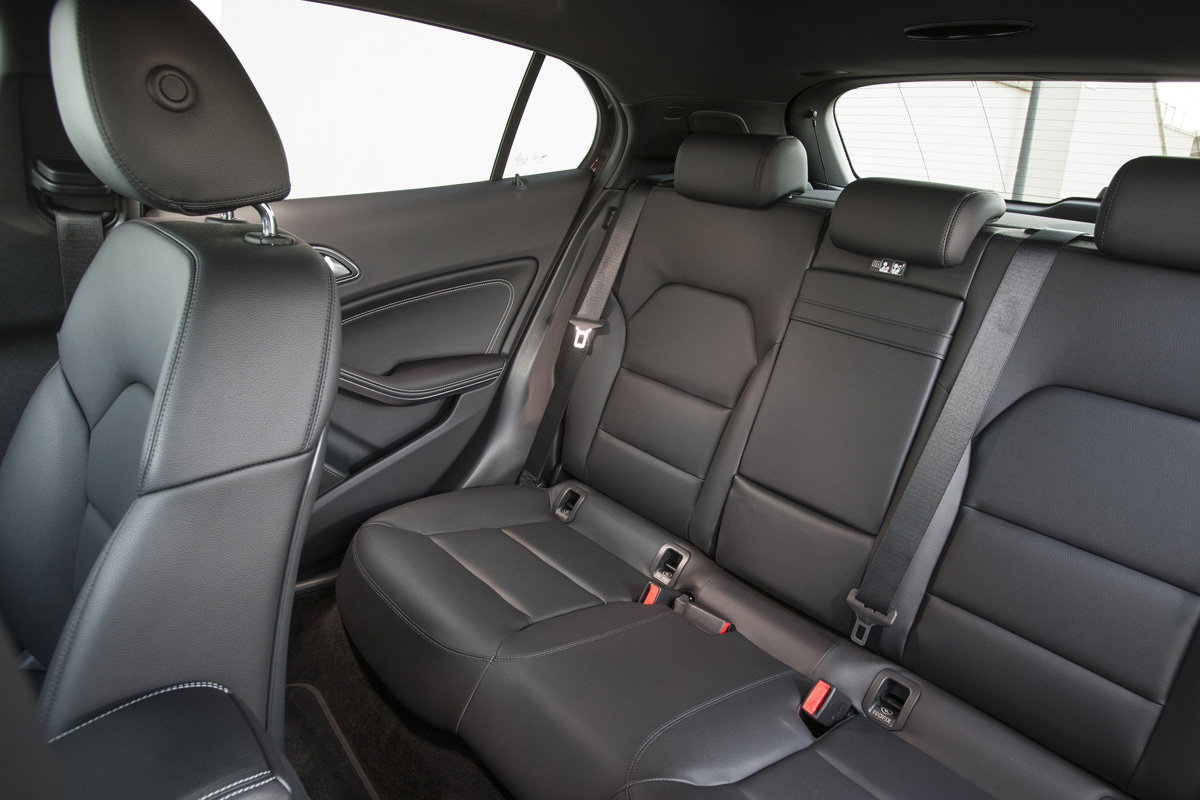
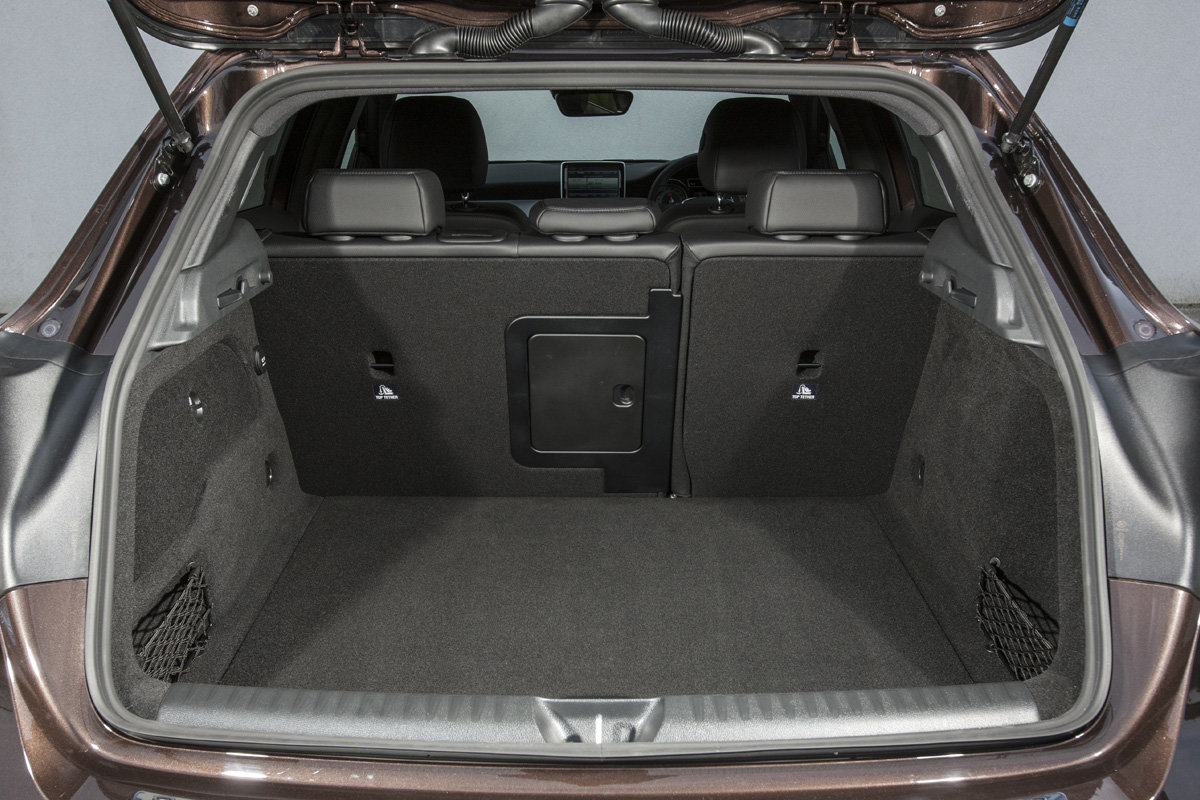
Inside, however, the GLA felt much smaller than it looked. Boot space measures 481 litres, which is perfectly usable for everyday family duties, but several rivals offered more luggage capacity and better rear-seat space. Taller rear-seat passengers may feel cramped, particularly because the swooping roofline and relatively small rear door openings make access more awkward than in some alternatives.
That can also make fitting children into car seats more fiddly than expected, despite the GLA’s raised ride height. Up front, things are much better, with a comfortable driving position and the slightly elevated seating that many SUV buyers are looking for.

What's it like to drive?
On the road, the GLA is a competent and easy car to drive. Its controls are sensibly weighted, body-roll is well managed and most versions feel secure and predictable in everyday driving. Diesel engines, particularly the GLA 220 CDI, deliver strong mid-range punch and suit the car’s relaxed character.
Models fitted with Mercedes-Benz’s 4Matic four-wheel-drive system also cope better with slippery surfaces and poor weather, while providing extra traction when accelerating hard from a standstill.
The GLA is less convincing when it comes to refinement. Diesel engines can sound quite gruff under acceleration, while larger alloy wheels and AMG Line suspension can make the ride feel firm on Britain’s pockmarked roads. Wind and road noise are also more noticeable than in some premium SUV rivals.
Still, the GLA is comfortable enough on long motorway journeys, while the front seats and raised driving position help make it an easy car to live with.
Technology, equipment & infotainment
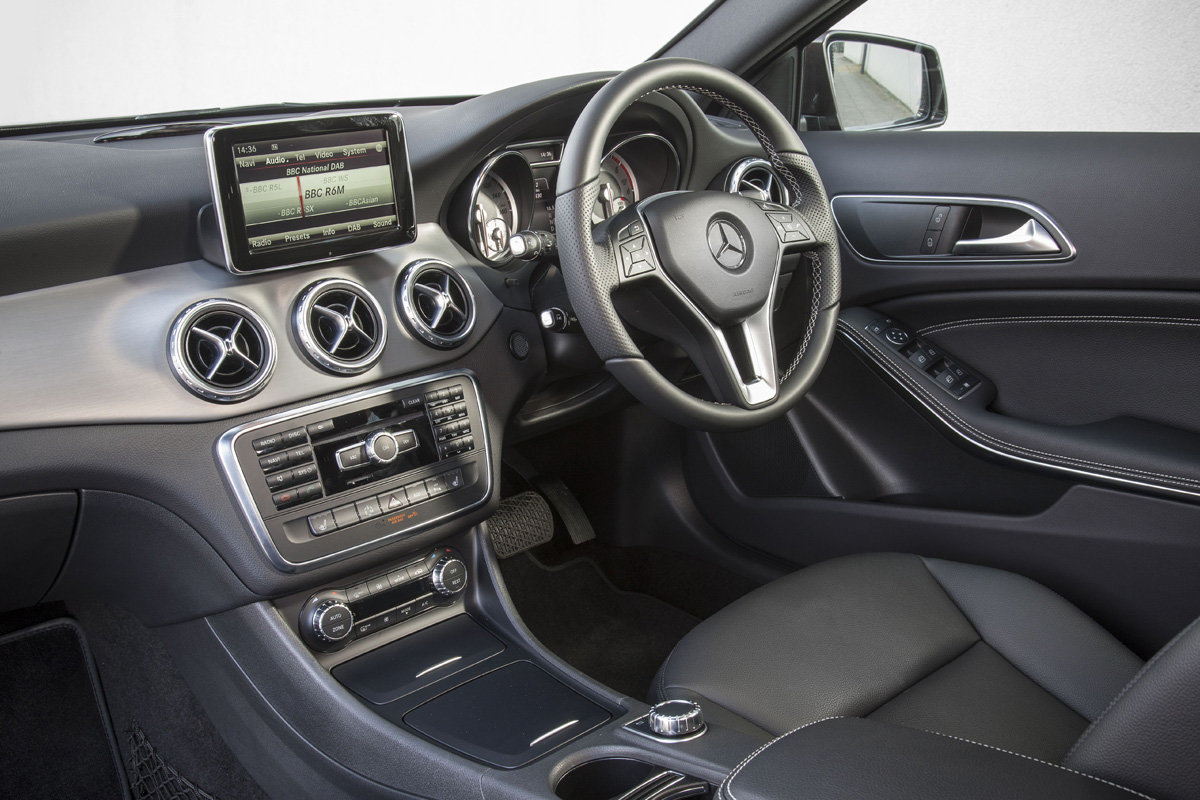
Like other Mercedes-Benz models of the era, the GLA was designed to feel suitably premium inside, with plenty of standard equipment even on entry-level versions. Early SE models came with 18-inch alloy wheels, rain-sensing wipers, a reversing camera, Artico man-made leather upholstery and air conditioning.
A facelift in 2017 brought refreshed styling, revised engine options and upgraded technology. Features such as LED headlights and a 360-degree camera became available, while later models also gained improved smartphone connectivity – including Apple CarPlay and Android Auto.
By modern standards, the 8.0-inch infotainment system and traditional dials now look slightly dated, but the layout remains straightforward to use and cabin quality still feels solid today.

Mercedes-Benz GLA-Class running costs
The Mercedes-Benz GLA should not prove especially expensive to run. Diesel models in particular offer strong fuel economy, with the GLA 200d and GLA 220d capable of returning impressive real-world mpg figures on longer journeys. Even the more powerful four-wheel-drive versions remain reasonably efficient considering their performance.
Petrol models are naturally thirstier, although most non-AMG versions still deliver respectable fuel economy of 35-40mpg and are better suited to short, urban journeys. The Mercedes-AMG GLA 45 is significantly more expensive to run, however, with much higher fuel, tyre and servicing costs than the rest of the range.
Most GLAs offer a decent touring range thanks to fuel tanks ranging from 50 to 56 litres in capacity. Insurance costs are generally competitive for a premium-badged SUV, although AMG and higher-spec 4Matic models naturally sit in higher insurance groups.
Many owners now choose independent Mercedes-Benz specialists, which can often work out considerably cheaper than main dealers.
Mercedes-Benz GLA-Class reliability
Mercedes-Benz models often enjoy a strong reputation for quality, although the brand’s results in reliability surveys are sometimes more mixed than buyers might expect. In the latest What Car? Reliability Survey, Mercedes-Benz finished joint 22nd out of 30 manufacturers.
The GLA itself was subject to several recalls during its production run, so it’s important to check that any outstanding recall work has been completed on a used example. As with many premium cars, service history is particularly important.
When new, every GLA came with a three-year, unlimited-mileage warranty, while approved used examples from Mercedes-Benz dealers typically include a minimum 12-month warranty and roadside assistance package. Buyers looking to minimise the risk of expensive repairs may prefer the simplicity of a front-wheel-drive petrol model over more complex diesel and 4Matic variants.
Safety is another strong point. The GLA received a five-star Euro NCAP crash test rating in 2014 and scored particularly well for adult and child occupant protection.
- Many versions of the GLA were fitted with Mercedes-Benz’s seven-speed dual-clutch automatic transmission, known as the 7G-DCT. It suits relaxed driving reasonably well, but responses can sometimes feel hesitant at lower speeds compared with rival automatic transmissions from brands such as Audi and BMW.
- Mercedes-Benz’s optional 4Matic four-wheel-drive system improves traction in poor weather and on slippery roads, making it worth considering if you regularly drive in rural areas or more extreme wintry conditions. However, it does add extra weight and slightly higher running costs, - The range-topping Mercedes-AMG GLA 45 transformed the compact GLA into a genuinely rapid performance SUV. Its turbocharged 2.0-litre petrol engine produced 375bhp in later models, helping it sprint from 0-62mph in less than five seconds. Uprated suspension, stronger brakes and more aggressive styling completed the transformation.
- Best all-rounder: The front-wheel-drive GLA 200 petrol offers a good balance of performance, refinement and running costs. It’s quieter and smoother than the diesel models, while still feeling quick enough for everyday driving. Buyers covering bigger motorway mileages may prefer the GLA 200d, which combines strong fuel economy with decent real-world performance. Even entry-level models come reasonably well equipped, so condition and service history matter more than trim level.
- Best for fuel economy: The front-wheel-drive GLA 200d is the most efficient version, with early versions posting a claimed average of 62.8mpg and CO2 emissions of 119g/km. There’s no difference in average consumption and emissions between the manual gearbox and automatic transmission version, either.
- Best for performance: The GLA 250 4Matic offers brisk performance without the full expense and intensity of the Mercedes-AMG model. However, if outright pace matters most, the full-fat AMG GLA 45 is hugely entertaining, with serious performance from its turbocharged 2.0-litre engine. Just budget carefully for fuel, tyres and servicing.
- Best for poor weather: Buyers regularly dealing with muddy lanes, wet roads or winter conditions should consider a GLA fitted with Mercedes-Benz 4Matic four-wheel-drive system. The GLA 220d 4Matic is probably the sweet spot, offering strong performance alongside improved traction and stability in poor conditions.