Nissan Micra Review (2017-present)
Nissan Micra cars for sale
3.0
Expert review
Pros
Strong on safety
Low insurance costs
Lots of well priced second-hand examples
Cons
Tight on space in the back
Early 1.0-litre cars are very slow
Shorter new car warranty than some rivals

The CarGurus verdict
The Nissan Micra is more recommendable as a used buy than a new buy because its brochure prices are just too high next to more rounded alternatives. However, thanks to decent equipment and safety levels, low insurance ratings, and comparably affordable transaction prices for second-hand models, it’s a solid option for a cheap runabout or learner car.
Beyond that, the Micra is a car that lacks a unique selling point. It’s not the most fun, the most spacious, the cheapest, the most reliable, the most efficient, or any other single winning factor. So, while it is a perfectly inoffensive small car, the only reason you really buy a new or used Micra is because you’ve found an unbeatable deal. If that’s what you’ve done, then go for it.
Otherwise, look to the Ford Fiesta for the best small car to drive, the VW Polo for the classiest interior, the Peugeot 208 for the most style, the Skoda Fabia for the best value and space, or the Seat Ibiza for a fantastic balance of all of these things. And the Nissan Micra? It’s really just a footnote to a more recommendable bunch of rivals.
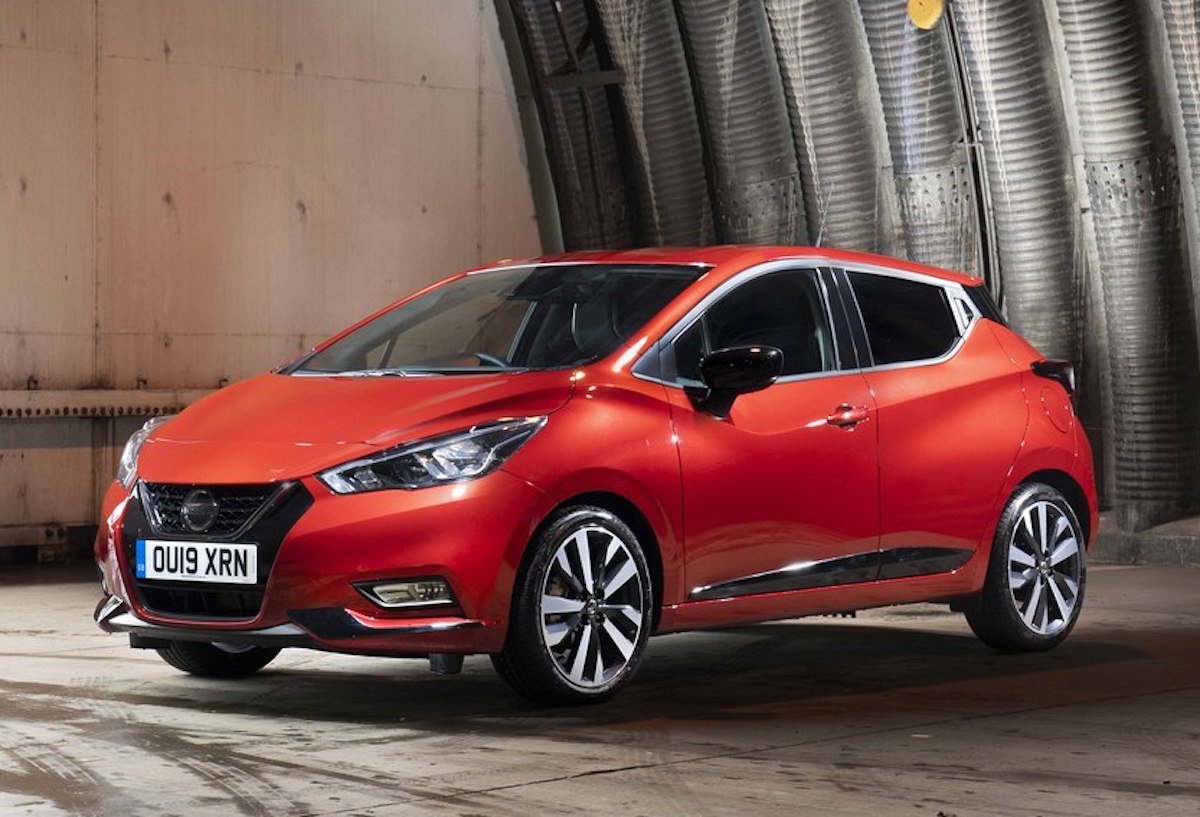
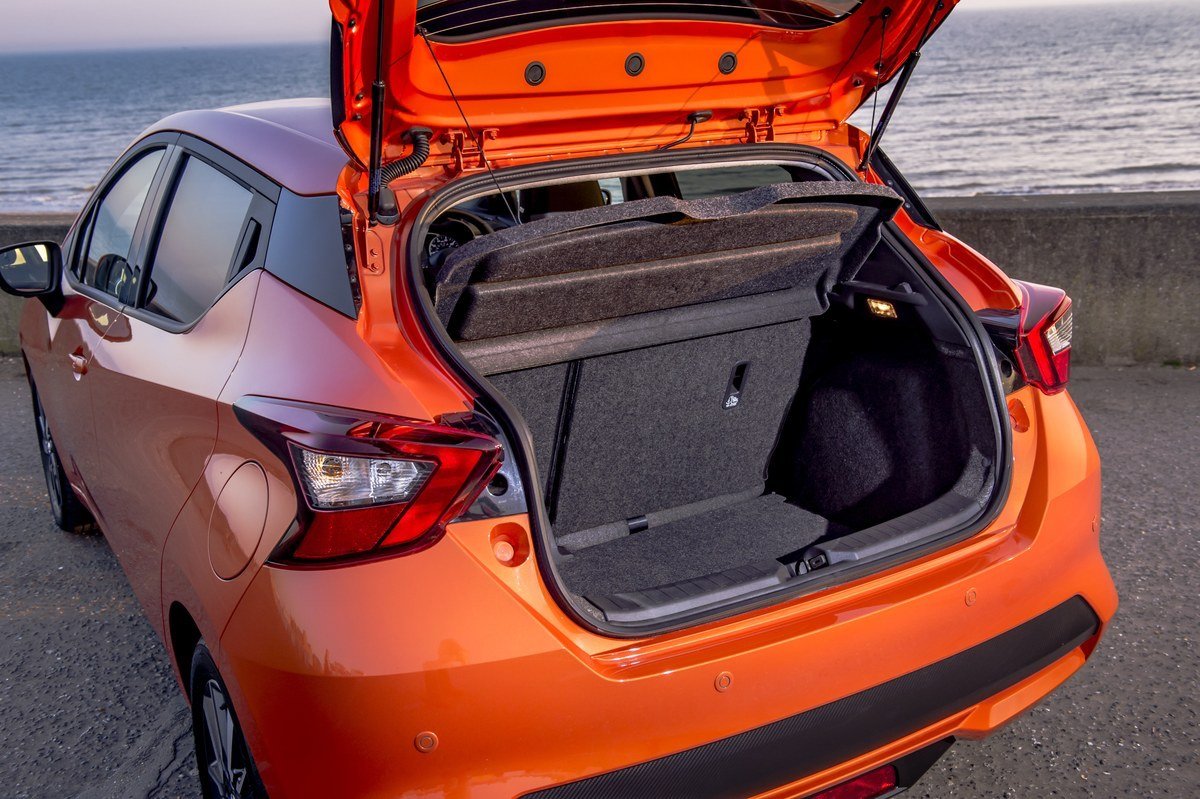
The Micra isn’t a great option for a small family since it's a bit short of practicality. Sure, there’s a good amount of space and seat adjustment up front, and it’s also five-door as standard. But leg- and headroom in the back is tight, so if you’ve got to bend in to fix car seats, or if you’ve got a lanky teen to ferry about, the usefully better rear space in a Seat Ibiza, Skoda Fabia or Hyundai i20 will make life easier.
The Micra’s 300-litre boot is a decent size, though; it’s wide enough for a chunky suitcase (or the entire contents of a university student’s residence), and the rear seats split 60/40 and fold on every model, even if they do leave a big step in the boot floor. So, while we wouldn’t recommend the Micra for family duties, the decent boot, infotainment and safety aids make it a solid choice for a learner or young driver.
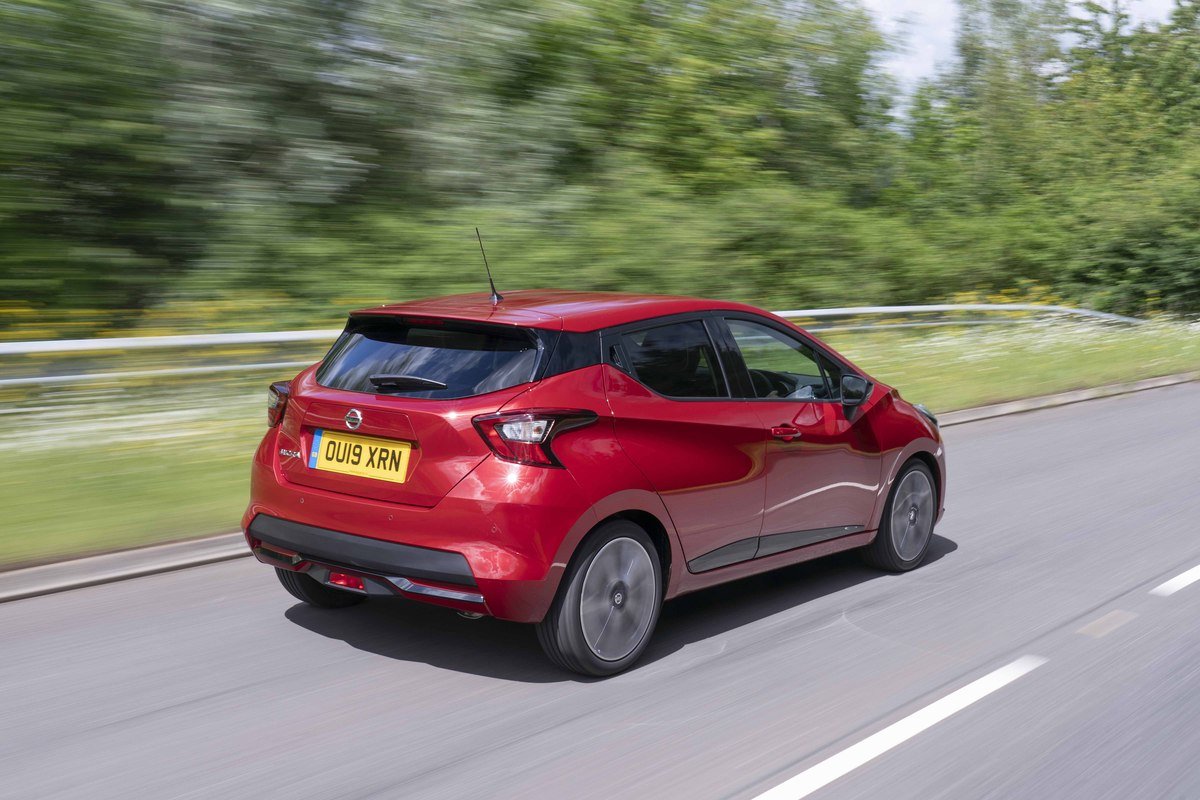
At launch the Micra was offered with a 70bhp 1.0-litre petrol engine as the cheapest option, or an 89bhp turbocharged 0.9-litre petrol that was the most popular option. A 1.5-litre diesel was also offered.
That 89bhp 0.9 IG-T petrol model is the best option if you’re buying used. It’s got plenty of low-down oomph, which makes it ideal for around-town driving, and it’s confident enough to make easy work of the odd long motorway journey, although the five-speed manual gearbox has the engine buzzing at high revs. The diesel will be a better bet if economy is a priority, but the 0.9 engine is still efficient and is better to drive and cheaper to tax than the noisier diesel.
An update in 2019 saw the engine line-up replaced with a new 1.0-litre turbocharged petrol engine – also three-cylinder, and then a further refresh at the end of 2020 introduced a 92bhp, lower emission, Euro 6D-compliant version of the same engine.
Don’t confuse this with the 70bhp 1.0-litre petrol that was the entry-level option when the Micra launched in 2017 (and which is well worth avoiding). This new engine gets 99bhp or 115bhp, the former having a five-speed manual or optional CVT auto, while the latter gets a sportier-feeling chassis and six-speed manual gearbox.
Of these later Micra models, the lower-powered car is by far the best option as it’s usefully cheaper yet still has plenty of response when you want it. The higher-powered car is a bit more fun yet a lot more expensive and – whether you’re buying new or used – there are lots of alternatives that will be better at the price. In fact, the Ford Fiesta or Seat Ibiza will be more fun than any Micra, and a VW Polo will be more refined and classier inside, so whichever version of the Micra you’re considering there’s a host of rivals that you should also look at before parting with any money.
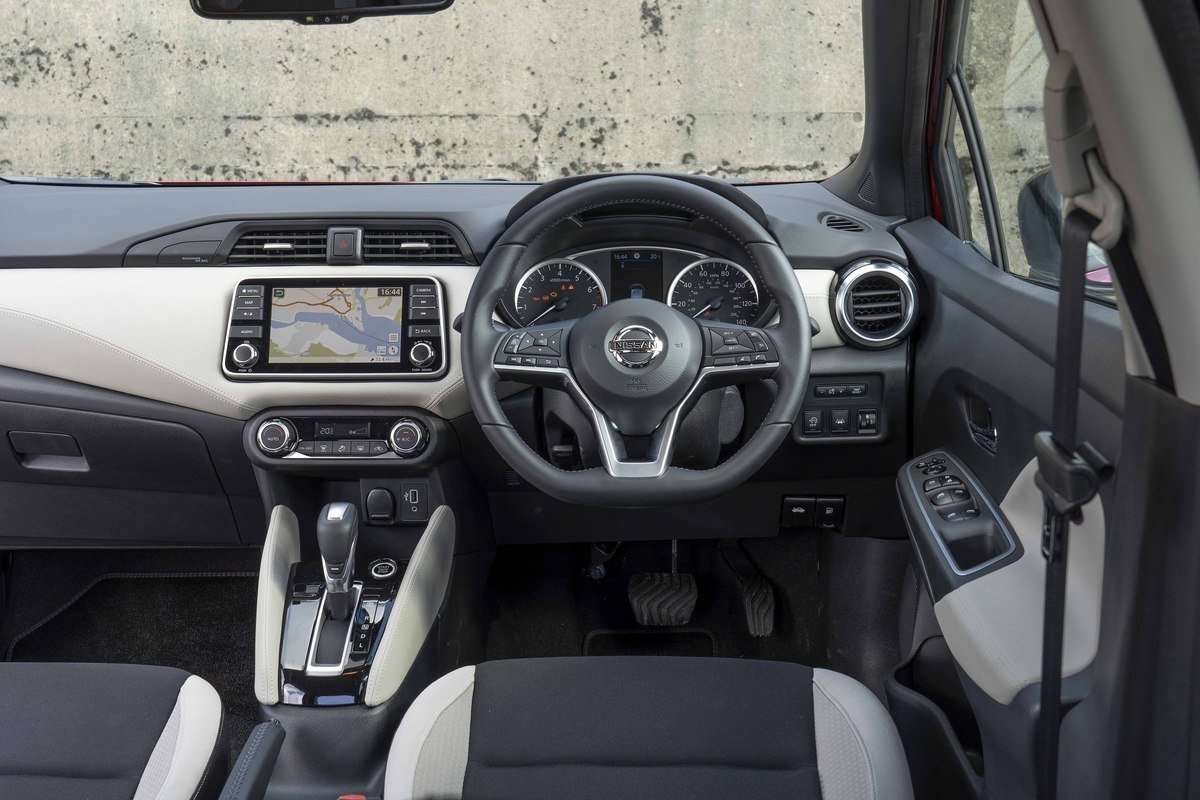
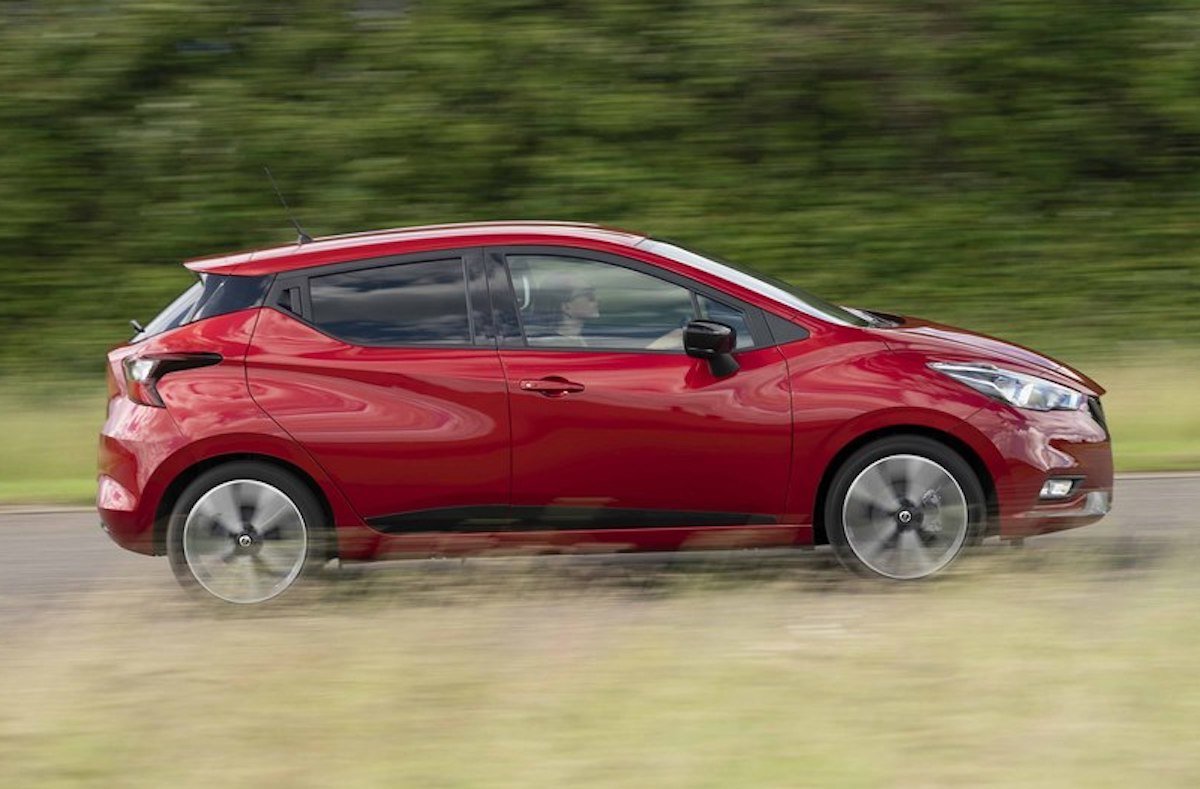
If you’re buying a new Micra, remember to look for the best deal and haggle hard. Put bluntly, the little Nissan has a huge amount of competition and many of its rivals are newer, and generally better, so the only reason we’d recommend a brand new purchase is if you can get a great deal.
Thankfully there are loads out there, and at the time of writing you can get our pick of the range – the IG-T 100 Acenta – for under £200 per month, with zero interest and a deposit of only £1560. Finance offers like this will come and go, of course, but the Micra is a fine and recommendable car only if you’re not paying too much for it. Also check out the nearly-new and ex-demo cars on offer, as there are plenty of low-mileage, high-spec Micras available from CarGurus trusted traders at great prices. Used prices for older Micras are very competitive with other cars in the class.
Running costs will be cheap on most Micras, but no cheaper than on plenty of other small cars. Expect to get around around 40 to 45 mpg in real-world driving with the manual 1.0-litre Micra, or the CVT automatic will be slightly less efficient.
A three-year, 60,000-mile warranty is standard on the Micra, which is industry standard and the same as you’ll get on a VW Polo. You can also extend the warranty by up to three years, but the Renault Clio, Hyundai i20, Toyota Yaris and Kia Rio all offer much longer warranties than the Micra’s standard offering.
Most Nissan Micra models fall into insurance group 8, so are suitable for learner drivers, and the car will be cheap to service.
Reliability data for the Nissan Micra is a little patchy. It has a vague reputation for reliability born out of the good standings of its forebears from the ‘90s, but it was only rated 63rd out of 100 cars included in the 2019 Driver Power survey, and Nissan as a whole brand came only 27th out of 31 brands included in the 2020 What Car? used car reliability survey (the Micra wasn’t included specifically in the latter survey).
Given the general abundance of its parts, which are largely shared with the Renault Clio, the Nissan Micra is unlikely to be expensive to repair if something does go wrong. Owners do complain of high servicing costs, though. If you are concerned about reliability, options like the Toyota Yaris, Honda Jazz and Skoda Fabia all have solid reliability records.
- The entry-level, non-turbocharged 1.0-litre Nissan Micra that was offered from 2017 to 2019 took 16.4 seconds to get to 62mph, making it one of the slowest cars on sale in the UK. The Micra 0.9 IG-T was some four seconds faster. While small cars are hardly about power, the 1.0-litre really can feel unnervingly outgunned if you venture out of town limits. Thankfully, it’s not on sale any more and there are not many on the used market. But don’t be tempted by the low official economy figures: they don’t justify the painful performance, and since the engine often has to be worked hard, it won’t return the sort of real-world fuel economy you’d hope for.
- If the Micra’s engine line-up sounds familiar, that’s because you might have seen it before in the Renault Clio. In fact, the Micra is based on the same platform as the fourth-generation Clio, and therefore shares with it much of its technology. If you like the sound of the Micra, but feel like you might want a bit more room and a more comfortable ride, then check out the Clio instead.
- All Micras get front and side airbags, autonomous emergency braking (that’ll hit the brakes automatically if the car senses an imminent collision with a car or pedestrian), lane departure warning, hill start assist and, of course, traction control as standard. It is one of the best equipped small cars when it comes to safety equipment, and it scored five stars in Euro NCAP tests.
- If you’re shopping for a learner driver, go for either the 89bhp 0.9 or the 99bhp 1.0-litre. In terms of trims, anything but Visia or Visa- has what you need. Our pick is in mid-range Acenta, since it gets the the touchscreen with CarPlay, air-con, remote central locking, automatic wipers and lights, cruise control and plenty of safety equipment. Acenta is also offered with an optional pack that adds rear parking sensors and reversing camera (as well as factory-fit navigation), so look for those cars with it added if you’re keen to avoid parking bumps.
- If you don’t want a manual gearbox but do want a small, efficient car, the automatic 1.0 IG-T CVT Micra does a fair job. Just think carefully about a Toyota Yaris Hybrid if you want an auto, as the 2020 Yaris is seriously efficient, has usefully lower emissions and is surprisingly fun to drive. The dual-clutch automatic gearboxes in the VW Polo, Seat Ibiza and Skoda Fabia are also more cultured than the CVT in the Micra, which will let the engine rev noisily even under moderate acceleration.
- Company car drivers or fleet buyers should consider the 2021 updated Micra, which adds a lower emission, 91bhp version of the turbocharged 1.0-litre engine that will be the cheapest for Benefit in Kind car tax. If that doesn’t appeal, stick with the heartland model that we’d recommend for most buyers, the manual, 1.0 IG-T 100 Acenta. It’ll still keep tax and running costs to a minimum, or we’d recommend the 2020 Toyota Yaris Hybrid over any Micra model if you want something that’s fun, economical and cheap for company car tax.
- Learner and novice drivers may well like the Micra for its slick styling, and if you’re keen to get your fledgling driver the one they really want, with all the features that a teenager or uni student value most, go for the N-Sport. It gets 17-inch alloys, contrasting carbon-effect exterior styling highlights, part-alcantara sports seats and keyless entry. It also gets reversing camera and rear parking sensors as standard. If you're not fussed about the sportier styling, we'd still say that Acenta represents best value for money, and there's the option add the reversing camera and even a Bose sound system upgrade.

