Nissan NV200 Review (2009-2019)
Nissan NV200 cars for sale
4.0
Expert review
Pros
Lots of load capacity for a small van
Electric version is ideal for the city
Competitive running costs
Cons
Scratchy cabin plastics
Early diesels are low on power
Basic S trim lacks air con
The CarGurus verdict
The Nissan NV200 is an extremely sturdy, reliable and practical small van, boasting plentiful rear load capacity and a punchy diesel engine that has been proven to withstand high mileage without too many complaints.
The low running costs and cheap used prices make the NV200 a tempting purchase, but throw in the largely excellent reliability history and inexpensive maintenance and you have a diminutive and easy to live with van that offers a huge amount of versatility for a reasonable price.
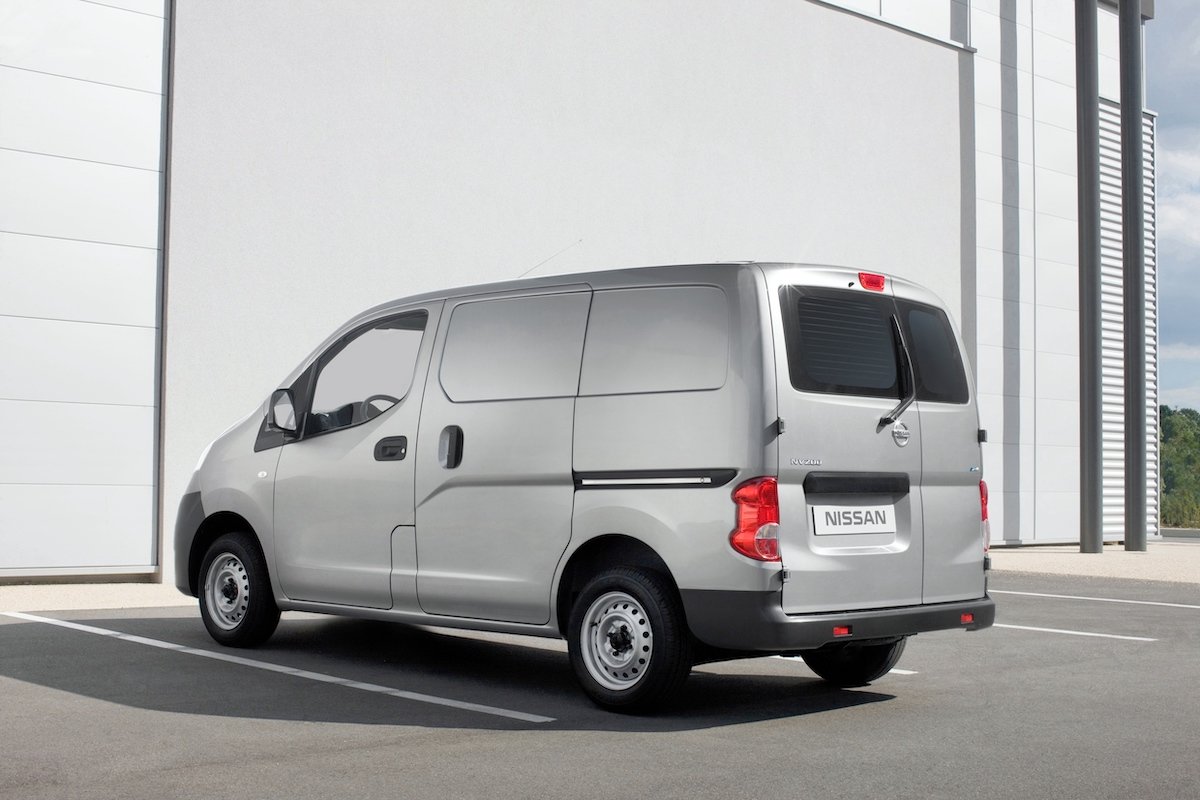
At its time of release in 2009, the Nissan NV200 was somewhat of an anomaly among the small van community, boasting the load space of rivals with an extended wheelbase, yet retaining a fairly diminutive footprint and tight turning circle that ensured it felt very much at home in the busy city.
Nissan replaced the ageing NV200 in 2019 with the NV250, a more versatile offering with a platform shared by Renault products that, unlike its predecessor, comes in two body sizes and boasts an increased 800kg payload.
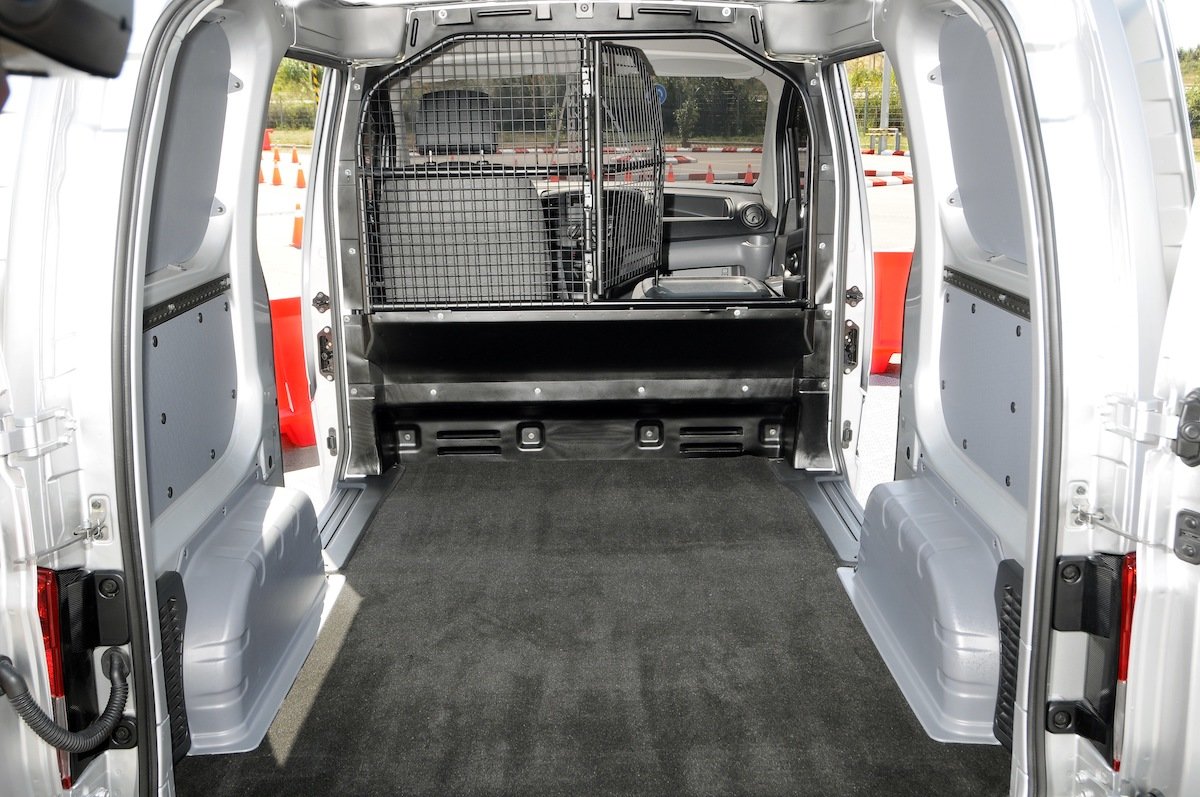
As a result, it became instantly popular with the likes of couriers and small businesses, who found the 4.2 cubic metres of rear space (enough to squeeze in two Euro pallets) and taller roofline perfect for loading and delivering awkward goods. Even though its maximum payload of 795kg fell short of competitors', the narrow, nimble machine won the coveted Van of the Year award in 2010 due to its versatility and excellent value for money.
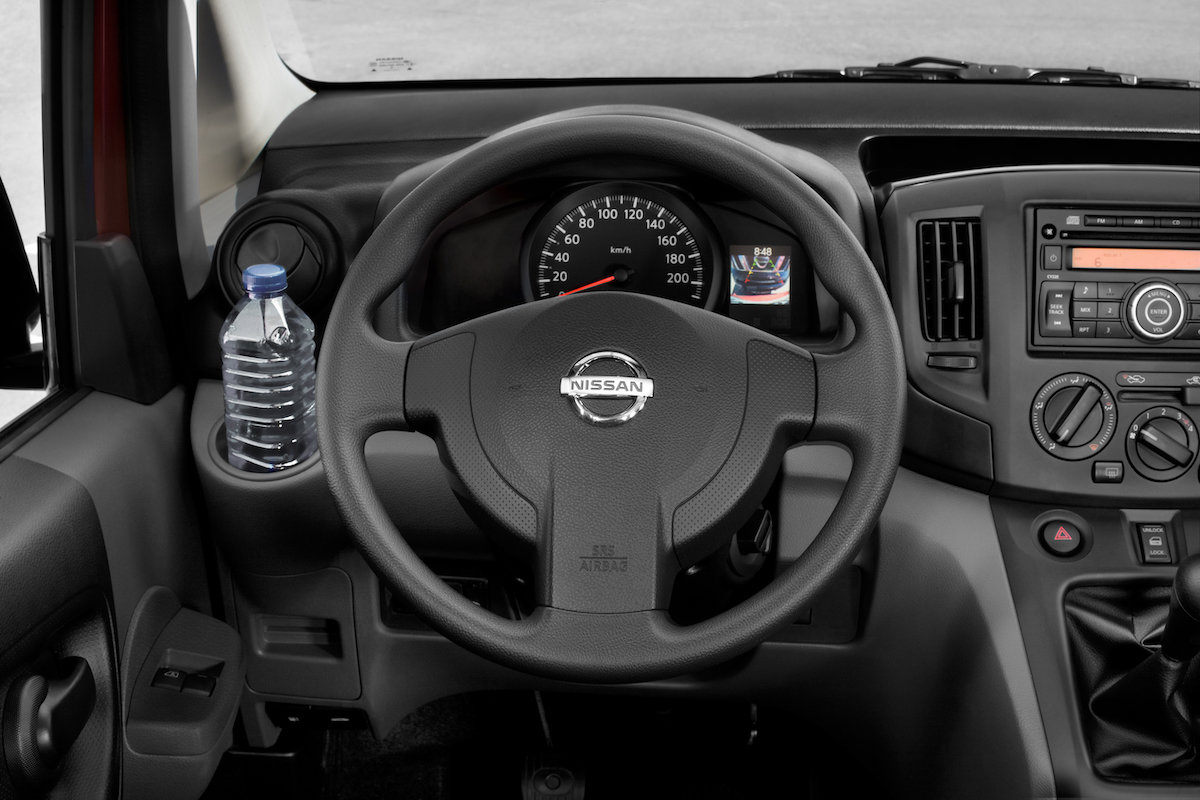
It might be a practical and fairly low cost cargo solution, but the NV200 isn’t exactly a head-turner, both inside and out. The cabin, for example, is festooned with hard-wearing but scratchy plastics, while some owners have bemoaned the lack of large interior storage bins and cupholders placed on either side of the van, rather than in the centre. That said, Nissan did offer optional storage trays between driver's seat and passenger seat and even under-seat storage solutions, so it could be worth looking out for these handy additions.
The narrow-but-tall dimensions of Nissan’s small van mean the driving position feels unusually high and can come as a bit of a surprise to those used to driving lower-slung cars. But once used to the lofty seat, the view of the road ahead is excellent and the NV200 is otherwise a very easy thing to drive.

Powering most versions of the peppy little van is a 1.5-litre four-cylinder dCi turbodiesel, which develops 84bhp to drive the front wheels. It is mated to a five-speed manual gearbox and manages a fairly respectable 54mpg on the combined cycle.
Later iterations of the NV200 were also available in a more powerful 109bhp version of the same diesel engine, which came fitted with a six-speed manual gearbox. This powertrain was far better suited to longer motorway journeys, as the additional power and extra gear makes higher speed driving a little less tedious. Confusingly, the five- or seven-seat Combi vans came fitted with an 89bhp version of the same 1.5-litre dCi engine.
Both the five-speed and six-speed manual gearboxes are light but crisp, while the steering is incredibly easy to wrangle at low speeds. When fully loaded, the lesser-powered earlier models can feel a little sluggish and they are noisy at motorway speeds, but the additional punch of later models and the extra gear really help this.
In fact, the more powerful 109bhp model feels quite brisk, especially when relieved of serious load-carrying duties. It accelerates with gusto and Nissan’s suspension set-up equates to a van that doesn’t roll and wallow around corners like some of its rivals. The only downside of this is the ride quality can feel quite firm around town or on particularly potholed routes.
Seeing as the vehicle has been on sale since 2009, some of the earlier models will feature in-car tech that feels a bit dated now. That said, all NV200s received an AM-FM radio with Bluetooth hands-free connectivity, so there is some ability to stream services from your smartphone to the very basic four-speaker sound system, as well as a CD player and electric windows. Like many Nissan products, the level of specification increases from basic S models, with SE and later Visia and N-Tec versions receiving things like a rear-view camera and cruise control.
Nissan’s reputation for solid, reliable vehicles make the NV200 a very popular small van on the used market, where its residual values remain buoyant. And despite the lone body size, there’s a vast array of choice out there, from seven-seater taxis to full-on camper van conversions.
Both the 84bhp and more powerful 109bhp dCi diesel engines boast pretty good fuel economy, with official combined figures sitting at 53.3–54.3 mpg for the former and 53.3–57.6 mpg for the latter. In reality, that number is likely to sit at around the mid-40s mark if you carry out a variety of journeys on a mix of motorway and slower town traffic.
Nissan originally offered the NV200 with an impressive three-year/100,000-mile warranty, but this increased to five years (with the same mileage) in later iterations. This is good news for those buying nearly new, as many cars will still be covered under that original warranty, reducing costs and delivering peace-of-mind.
Aside from that, the NV200 requires a service every year or 12,500 miles (whatever comes first) but Nissan dealerships are plentiful and offer competitive rates on regular maintenance. On top of this, components and perishables are reasonably priced, with most parts on an NV200 designed to be replaced easily and at a low cost.
Opt for the more basic commercial vehicles, and they come fitted with worry-free steel wheels, large plastic bumpers and other protective elements that can withstand the odd bump or scrape, or at least don’t cost the earth to replace if the worst should happen.
Nissan is well-known for producing solid, reliable vehicles and its NV200 is no different, with many owners racking up serious mileages with very few complaints. However, there have been a number of recalls and well-known defects over the years, but most will have been ironed out by a main dealer.
These issues have included the steering, with complaints of the steering wheel’s overall strength leading to a recall in 2012, as well as a fairly major recall in the same year due to concerns over the steering wheel boss, where the boss could come away from the steering column itself.
Similarly, many of the components have been carried over from Nissan’s passenger vehicles and may not be able to withstand a life of heavy hauling and abuse. If buying used, be sure to check the five-speed gearbox and ensure there are no unusual rattles or sounds when swapping cogs.
As previously mentioned, early stereo systems were extremely basic and the Bluetooth connection to modern phones can be unpredictable. Don’t be surprised if used models feature an aftermarket head unit, as it’s a relatively inexpensive way of bringing the in-car technology up to scratch.
Finally, it is worth noting that earlier models didn’t feature an Electronic Stability Programme (ESP) as standard, nor did they offer a passenger airbag. These came bundled as part of an optional ‘safety pack’, which feels decidedly dated in today’s health and safety conscious world.
- There is also an electrified version of the NV200, badged the Nissan e-NV200, which manages a 658kg payload and, if you opt for the later 2017 van, offers a claimed 174 miles on a single charge of the 40kWh battery packs. With the running gear from a Nissan Leaf, it’s a practical, zero-emissions answer to load lugging.
- Nissan’s packaging of the NV200 is clever, as its 1.84m height means it easily fits in most underground car parks, yet the floor, which is just 520mm from ground level, is one of the lowest on sale, making loading and unloading much easier.
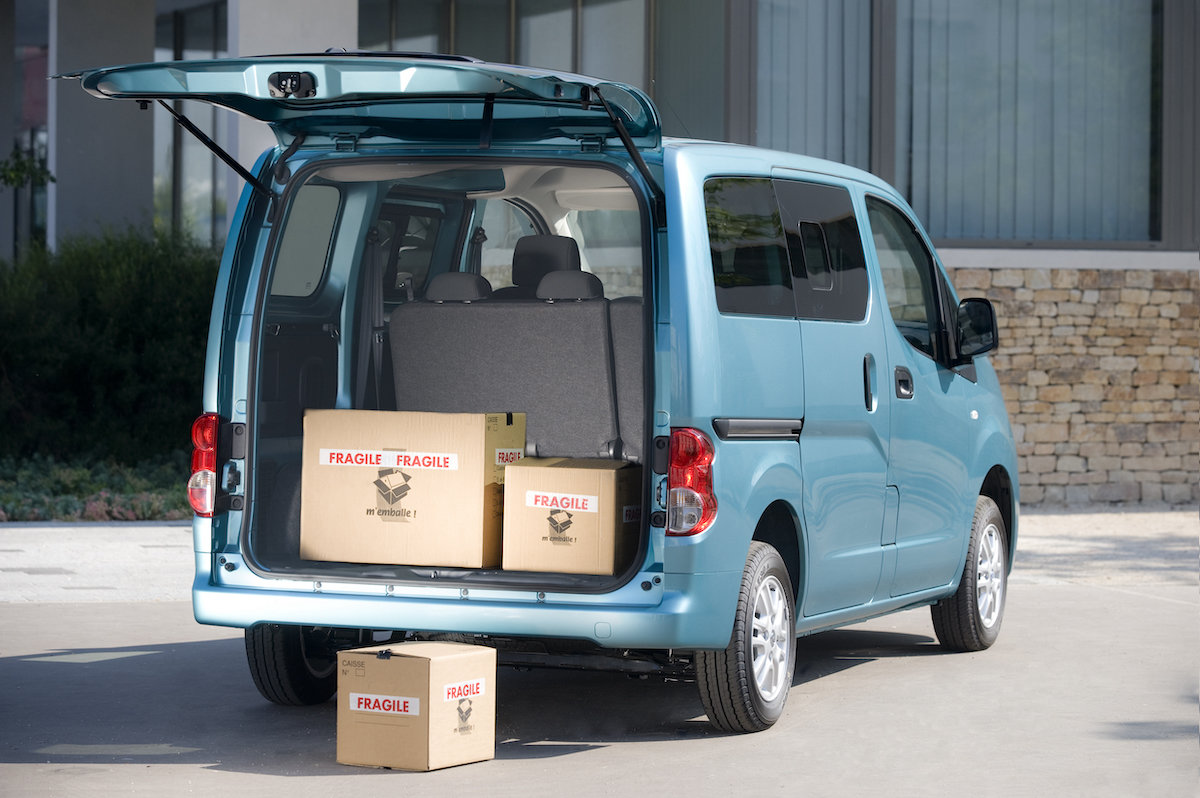
- Despite its commercial vehicle appearance, the NV200 is also available as a seven-seat passenger car, which has proven popular with taxi drivers (particularly in New York, where it’s a Yellow Cab). Customers can also get the best of both worlds with a five-seat Combi variant, that blends decent load space with plenty of room for passengers.
- The later and more powerful 109bhp diesel engine is the best of the bunch, as it only emits 2g/km CO2 more than the original 84bhp version but offers a good deal more useable power, while the addition of a sixth gear greatly improves motorway journeys.
- On top of this, the more powerful unit was only available in SE trim or above, which meant it was fitted with a reversing camera. Opt for the grade above (N-Tec) and you’ll get Nissan’s Connect satellite-navigation and communication system, along with cruise control and a speed limiter.
- The choice of pure commercial vehicle or a seated Combi version will come down to personal preference and the sort of jobs that are in store for your new van. It’s also possible to find refrigerated versions, as well as conversions for wheelchair access and aftermarket camper van set-ups, where fold-down beds and kitchens are commonplace.
- Bear in mind that earlier NV200s in the entry level S trim will lack air-conditioning and any kind of infotainment system. The latter is easily upgraded on the aftermarket, but spending a hot summer’s day in a van without air-conditioning is not the nicest of experiences.


