Porsche Cayman 981 Review (2012-2016)
Porsche Cayman cars for sale
5.0
Expert review
Pros
Superb handling and performance
Usable every day
GTS in particular brilliantly balances performance and comfort
Cons
High insurance costs
Lacks the rear seats of a 911
GT4 isn't as comfortable as the rest of the range
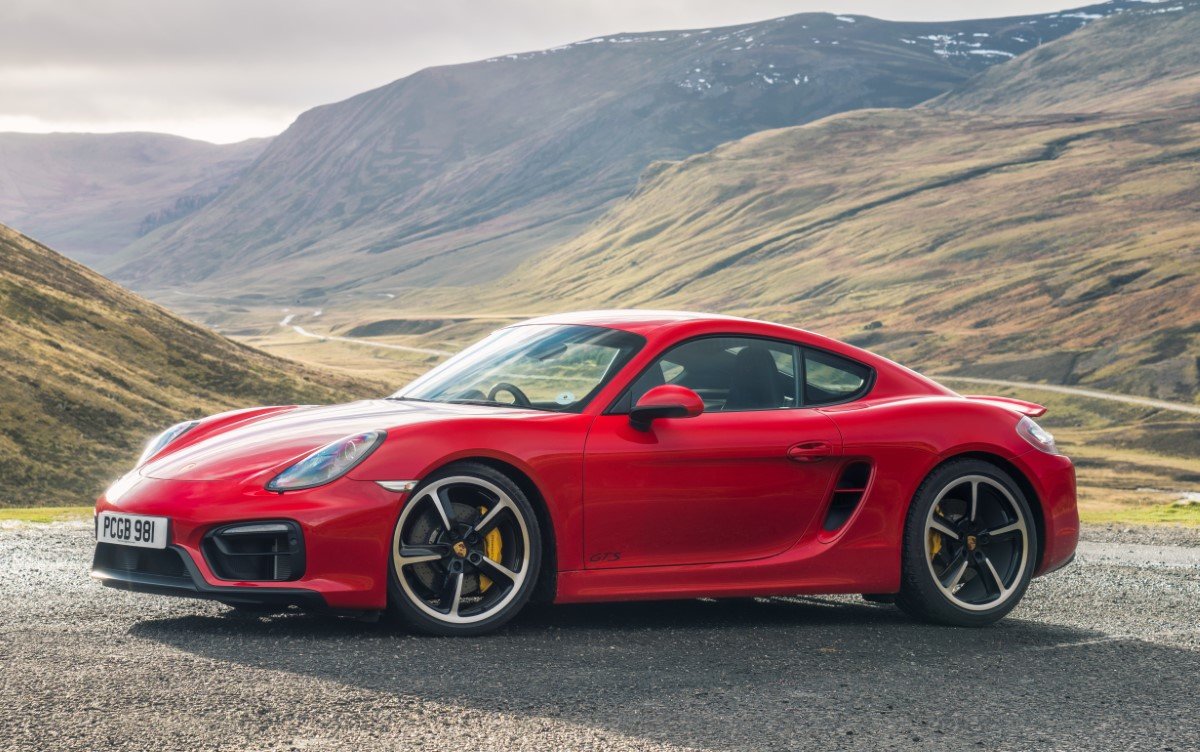
The CarGurus verdict
If you’re after a coupe sports car, then it would be verging on criminal to leave the Cayman off your list. Ignore anyone who suggests that it’s a Porsche for those that can’t afford a 911: they don’t know what they’re talking about, and there are plenty in the know that think the Cayman is actually the sweeter handling car. It’s important to make sure you find a used example that’s been well looked after and has a full service history, but do that and you’ll have one of the finest sports cars ever made, and one that should hold onto its value pretty well, too.
For many years, Porsche had traded almost exclusively on the justified reputation of its flagship sports car, the 911. The rear-engined machine had evolved gradually over decades to be the choice of driving connoisseurs the world over.
Then in 1996, Porsche added a new car; a two-seater, mid-engined convertible, called the Boxster. Purists sneered at the very idea of it, but the Boxster was a hit, and not just because it was more affordable than the Porsche 911. It was also similarly engaging to drive, with its mid-engined layout giving the car superb balance and handling.
So in many ways it's surprising that Porsche took so long to make a hardtop version, waiting until 2005 and calling it the Cayman. Based on the second generation ‘987’ Boxster, it proved to be arguably the best driver’s car Porsche built (better even than, whisper it, the 911) the addition of a roof giving extra rigidity to the car’s structure and making it even sharper and more agile from behind the wheel.
This second-generation version of the Cayman, introduced in 2012, is known by the code 981, and can make an excellent used purchase. For enthusiasts, it marks the last time the Cayman used Porsches’s signature flat six-cylinder ‘boxer’ engine, as the subsequent 718 Cayman model from 2016 used four-cylinder engines that many feel aren't as characterful.
While prices aren’t exactly cheap, they’re far less than a modern, new Cayman, and such is the fanbase for the car, they should hold onto their value well. This all means that there are rival cars that you’ll be able to buy for less, such as Audi’s TT Coupe and the Jaguar F-Type, or the barebones focused driver’s car that is the Lotus Evora. But none of these can match the general all-round excellence of the Cayman.
Part of the beauty of Cayman ownership is that fact it can take the everyday grind in its stride. Designed to be as easy to live with as it is fun to drive, the Porsche is a surprisingly stress-free companion when you need to tackle a long motorway journey, or even a traffic-choked commute.
For instance, there’s plenty of space for the driver and passenger, while the wide range of seat and steering wheel adjustment makes it easy to find a comfortable driving position. Better still, the low-slung seating layout makes you feel fully connected with the car and the road beneath you.
Build quality is also fantastic with top-notch materials used throughout, while the layout is excellent, making it easy to find the various controls without taking your eyes off the road for too long. There’s also just enough storage space, with a decent glove box, slim door bins and a pair of cup holders, although the shallow lidded compartment between the seats is only really big enough for a smartphone. Another niggle takes the form of the deep storage areas behind each seat, which offer plenty of space but are hard to get into.
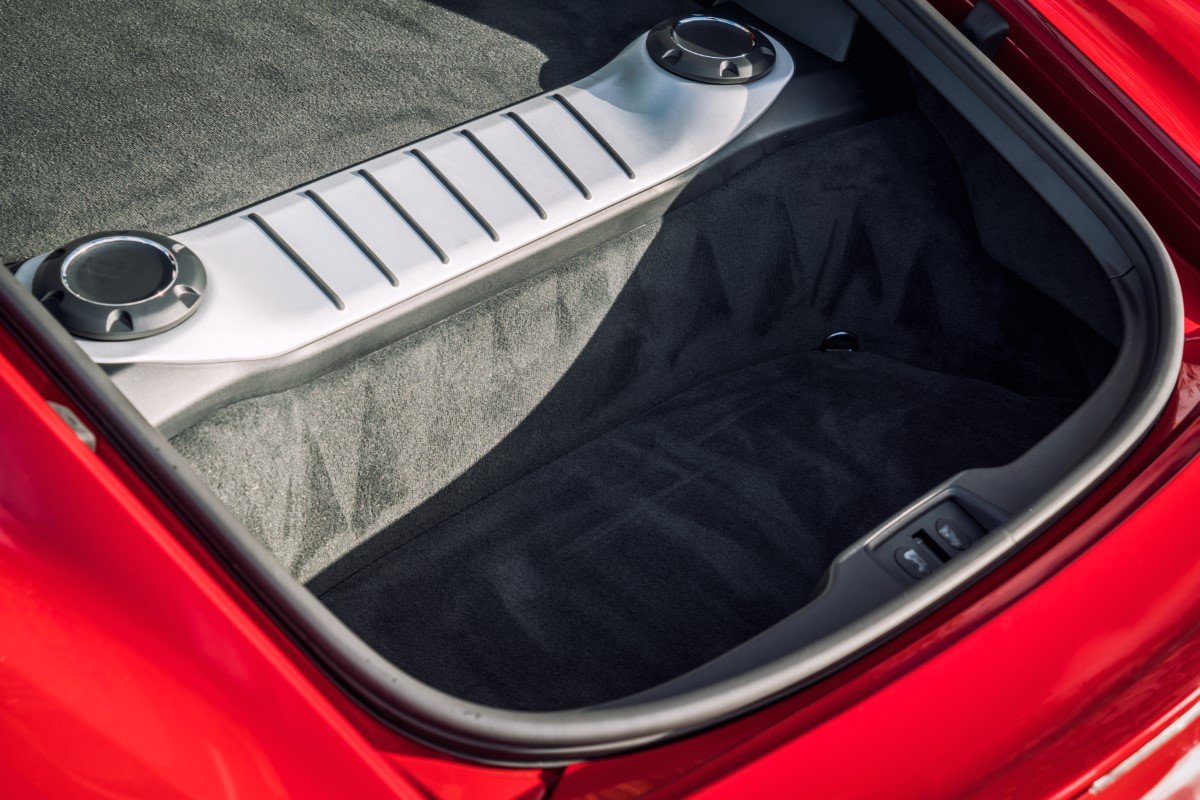
More impressive is the amount of luggage space on offer, which means you won’t have to leave anything behind, even on a longer trip away. A hatchback opening at the rear boosts versatility, while the large but shallow load area has a decent 275-litre capacity. This is complemented by a deep 130-litre compartment in the nose of the car.

Make no mistake - if you love driving then you’ll fall head over heels for the Cayman. Porsche purists don’t like to admit it, but when it comes to agility, poise and engagement, the mid-engined 981 is arguably an even more accomplished machine than the legendary 911. There, we’ve said it. Either way, few cars offer as many smiles per mile as this near-perfect Porsche.
At launch, the Cayman was available in two models. The regular Cayman had a 2.7-litre engine with 271bhp, while the Cayman S had a 3.4-litre engine with 321bhp. Both six-speed manual transmissions and seven-speed, dual-clutch automatic (known as PDK) gearboxes were available. The latter serves-up crisp and quick shifts, but for driver satisfaction, the former’s tight and precise shift action makes it a far more compelling option.
Don’t dismiss these entry-level models. While they might not have the cachet of more potent Caymans, both the standard machine and the S are still fantastic driver’s cars. You might hanker after the extra power and features of the rest of the range, and you’ll thoroughly enjoy them, but you don’t need them: the standard cars do everything superbly. They’re taut and poised through corners, the steering is crisp and informative and the engines deliver their power in a beautiful linear-yet-urgent manner.
In 2014 the Cayman GTS was launched, with power from the 3.4-litre engine upped to 335bhp. The GTS also had PASM adaptive suspension as standard (although you could opt for lower sports suspension instead), and a Sport Chrono package included, too. For many, the GTS is the dream model of the 981 Cayman range, with exquisite handling and plenty of power, but it’s not so hardcore that it becomes a chore to use everyday.
That same year, the Cayman GT4 was added to the range, with a 374bhp, 3.8-litre engine taken from the 911 Carrera S, and a six-speed manual gearbox. This version is much more motorsports and track orientated, with suspension based on that from the hardcore 911 GT3. Some versions had a Club Sport package, which included a roll cage and six-point racing harness. While the GT4 offers a spectacularly good driving experience, and is the obvious choice for those that want as much performance as possible, it does sacrifice some everyday comfort to achieve it.
On the plus side, other versions of the Cayman do mix this incredible driver appeal with everyday usability. For a mid-engined car visibility is excellent, making it easy to place on the road and park at journey’s end, while the controls are light and accurate enough to take the strain out of congested town work.
If you want to cover long distances in comfort, the Cayman will do that, too. As an added bonus, the smaller 18- and 19-inch wheels of the standard car are, if anything, better for agility than the larger versions on more expensive models, yet they have the added benefit of extra comfort. Wind- and engine noise are also well suppressed, but tyre roar can be a cacophonous issue on poor surfaces.
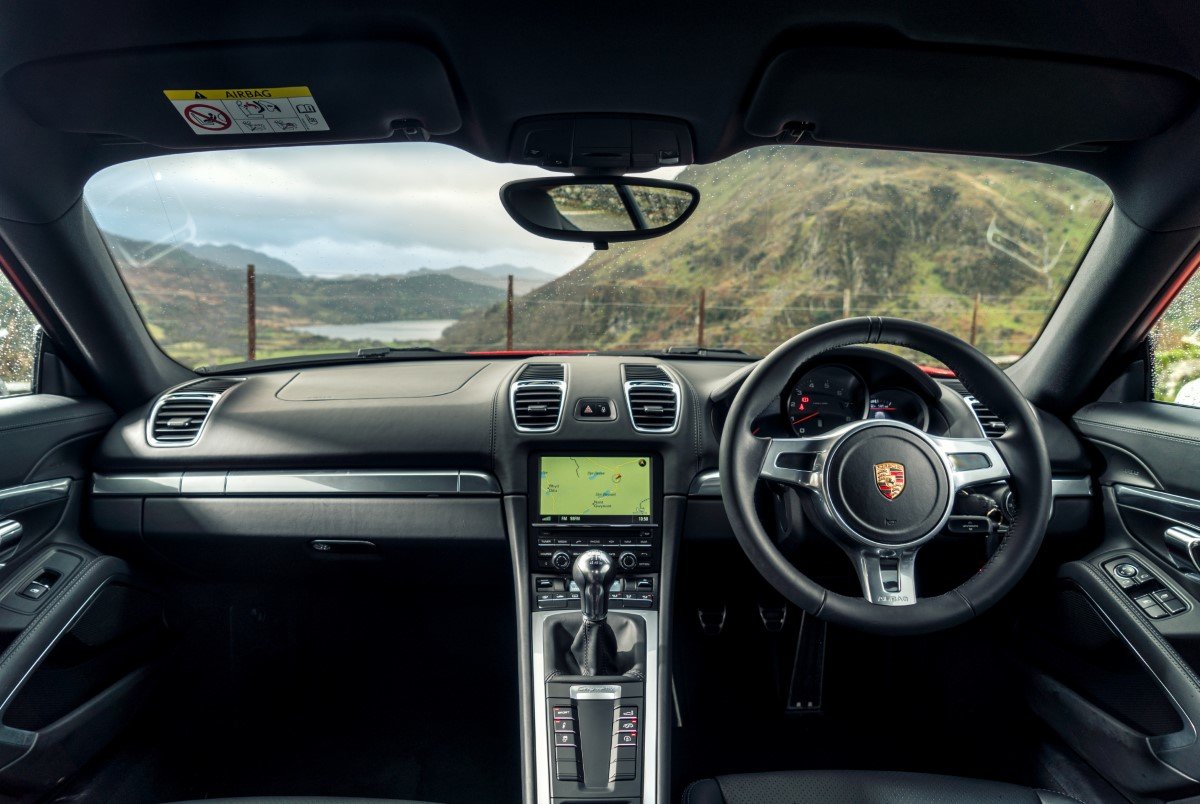
As is often the case with Porsche, the brand wasn’t exactly generous with the standard specification of the Cayman. Air-conditioning, alloy wheels, remote locking and electric windows were all fitted, but quite a lot of the other stuff you wanted was an extra cost option. Moving up to S and GTS models added extra kit, but much of this was cosmetic. For the flagship GT4, equipment was actually removed (in the name of weight-saving), including the interior door release handles, which were replaced with fabric loops...
Still, when they were specified, many Caymans were treated by their well-heeled owners to many desirable extras, so most used examples don’t feel like spartan, entry-level specials. Leather trim and heated seats were popular, as were bigger alloy wheels and brighter xenon headlamps. Either way, make sure you check every potential purchase to make sure you know exactly what kit you’re getting, because individual examples vary wildly.
On the plus side, most Cayman models did get a fairly good infotainment system that included a CD Player and USB connection, plus touchscreen sat-nav was an option. However, if you want the latest features, such as Apple CarPlay and Android Auto, then you’ll need to upgrade to an aftermarket system. Or you could dig deep in your wallet for one of Porsche’s official, retro-fit infotainment set-ups that packs much of the latest software and applications found on the firm’s new cars.
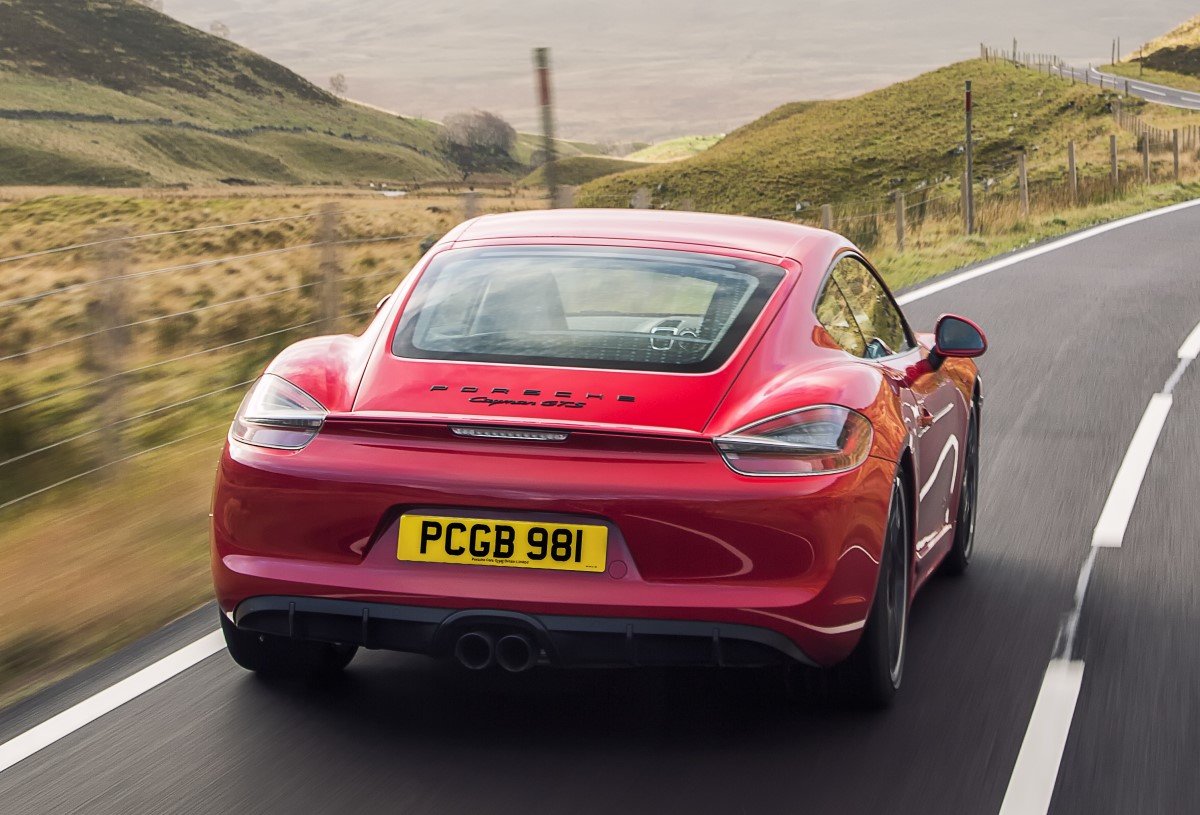
There’s no such thing as a car guaranteed not to depreciate, but a good Cayman is about as close as you’ll get. It might not be the cheapest car of its type, but it should hold onto its value very well as demand is generally high.
You don’t buy a petrol-powered sports car to save fuel, but if you do want to keep the wallet bashing to a minimum then the 2.7-litre engine will get a slightly better MPG figure than the 3.4. Officially, the 2.7 will return up to 35mpg, and the 3.4 Cayman S and GTS up to 34mpg. The GT4 claims 27mpg, but you’ll be lucky to get much above 20 in the real world.
All examples of this generation of Cayman were registered before the Vehicle Excise Duty rules were changed, which means annual charges of between £275 and £585, depending on model.
You’ll need to service your Cayman every two years or 20,000 miles, and alternate between major and minor. You may want to change the oil and brake fluid more often than that, though, especially if you drive it a lot. All 981 Caymans are out of warranty now, so we’d recommend having them looked after by an independent Porsche specialist, as they’ll be considerably cheaper than a main dealer. Expect to pay around £300-£400 for a service, versus more than £500 at a Porsche dealer.
Insurance groups range between 37 and 48 (of 50), so while premiums won’t be cheap, they could be worse.
Porsche sells cars in relatively small numbers, so doesn’t show up on quite a few reliability studies, but it doesn't tend to fare well on the ones that do look into its history. For example, Warranty Direct’s Reliability Index places Porsche right down near the bottom of the overall rankings.
That said, the general consensus seems to be that the Cayman is a relatively good performer. Find a good one and you’re unlikely to have too many issues. It’s vital to insist on a full service history on any Cayman you’re considering, and preferably one stamped by a Porsche main dealer or a well-regarded independent specialist.
However, you should still check out a prospective purchase thoroughly. When test driving a manual car, watch for clunky shifting from first to second, which could be a sign that the cables need adjusting. Also make sure that you try each mode in PASM, as the damper units can leak and will cost around £600 each to replace. Luckily it’s easy to spot if you get underneath the car and have a look.
Watch for the PSM light on the dash and the brake lights staying on, which can be caused by the pedal sticking and not returning fully. It’s not difficult to sort but can cause overheating brakes if left unattended.
As with any purchase, but especially with sports cars that could have been driven hard, we’d advise getting a mechanic to give any prospects an inspection before you buy.
There’s been one recall on this generation of Cayman, to fix a possibly faulty bonnet catch assembly. Affected cars should already have been sorted, but it’s worth checking with a Porsche dealer to see if the car you’re looking at has been fixed.
- One new feature of the 981, which proved controversial among fans of the previous Cayman, was the introduction of an electrically assisted power steering system rather than a hydraulic set-up. Critics said it wasn’t as feelsome as the previous setup and, in fairness, they’re right, but the differences are tiny and both arrangements are excellent. The electric system still gives fantastic amounts of information from the steering wheel as you thread the car down country roads or around a track. Yes, the old hydraulic system was better still, but the move to electric has other efficiency benefits, and it’s certainly not worth turning your nose up at the 981 for that reason.
- When you look at the specs of a Cayman, you’ll see an awful lot of acronyms, and it’s useful to know what these are. PSM stands for Porsche Stability Management, a safety feature to stop you spinning. You can relax these electronic reins if you want things to get a bit more enthusiastic. PASM is Porsche Active Suspension Management, which lets you adjust the suspension for stiffness, while PSE stands for Porsche Sports Exhaust. PTV means Porsche Torque Vectoring, a system that includes a limited slip differential and brakes individual wheels when cornering to keep things extra tight.
- Keep an eye out for cars fitted with the Sport Chrono package. This featured dynamic gearbox mounts to add extra stability, and various motorsport-influenced features, such as lap timers, a G-force meter and a Sport Plus mode that ups the car’s steering, throttle and gearbox responses to a new level of sharpness.
- If you want the best all-rounder: If money’s no object, it’s hard to look beyond the Cayman GTS as a car with the most sublime performance, but that doesn’t compromise everyday usability. Good as the Cayman GT4 is, it’s very focused on speed and handling to the slight detriment of comfort.
- If you’re a purebred petrolhead: While the PDK automatic transmission is very good and fun to use, the manual gearbox is a joy to use and a clutch pedal does add to the engagement of driving a Cayman. Which, let’s face it, is what it’s all about.
- If you want the most fun: For the maximum performance and engagement, the manual gearbox-equipped Cayman GT4 is the car to go for. It’s a truly astonishing bit of kit, and we defy anyone to not emerge from it with a wide smile on their face.
- If you’re on a budget: You might miss a few toys and a couple of pub boasting facts if you go for the entry-level Cayman 2.7, but when you’re driving it, you won’t care. It’s every inch the supreme sports car and you’ll have a whale of a time. Anything else is just icing on the cake.

