Renault Megane Review (2016-2022)
Renault Megane cars for sale
3.0
Expert review
Pros
Impressively comfortable ride
Punchy, efficient engines
Effective plug-in version
Cons
Doesn't excel in any one area
Questionable reliability record
Infotainment awkward to use.
The CarGurus verdict
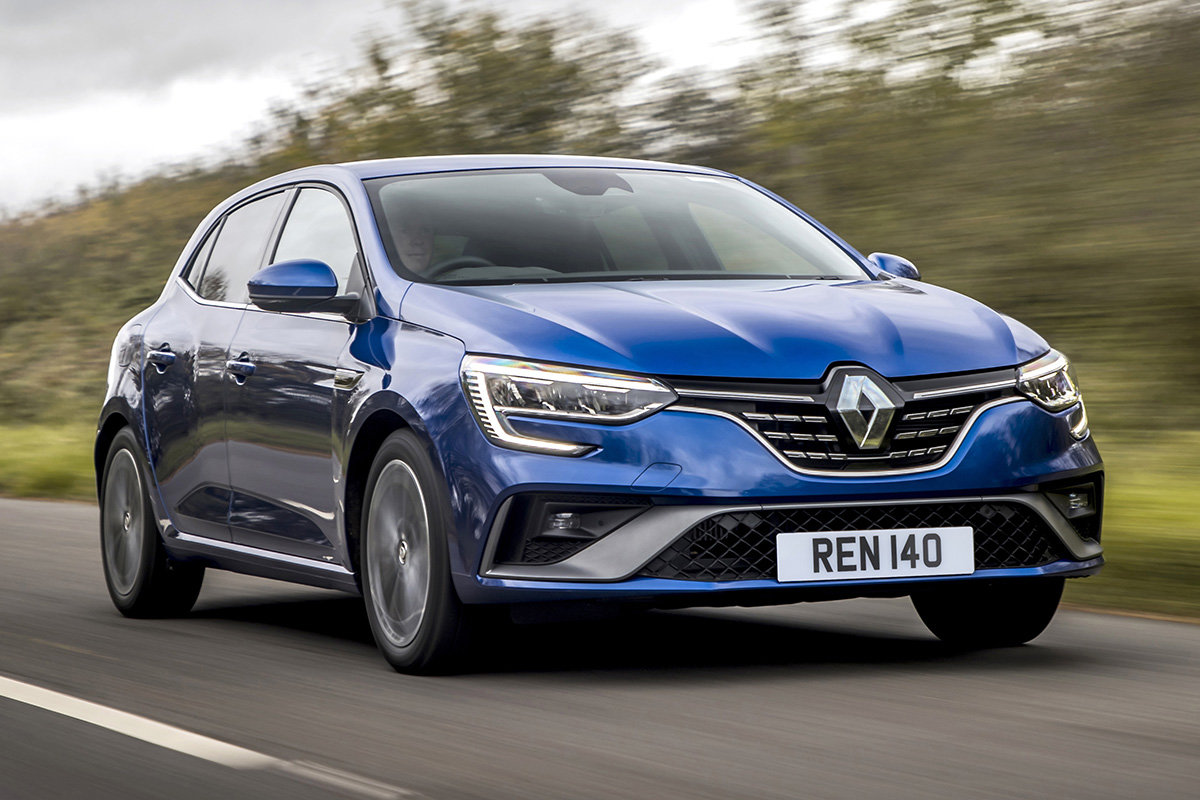
The Megane is a pleasant enough thing, and with its punchy petrol engine, comfortable ride, generous equipment list and fairly reasonable prices, it’s definitely worth considering if you’re looking for your next family car, especially if it’s a company car you’re after, in which case the plug-in hybrid version makes a lot of sense.
Having said that, there are better family cars out there. The Ford Focus is better to drive, the Skoda Octavia is more spacious, and the Seat Leon is a better and more modern-feeling all-rounder, and none of these cars suffer from the heavy drop in value the Megane is predicted to suffer come resale time. What’s more, Renault’s reliability record isn’t the best, so you might have to rely on that long warranty more than you’d hope.

Why would you opt for a Renault Megane instead of a Ford Focus or a Volkswagen Golf? It’s a good question, and one that quite a few buyers have struggled to find answers for. That could be one reason this French family hatchback is a relatively rare sight on our roads, but does it deserve to be?
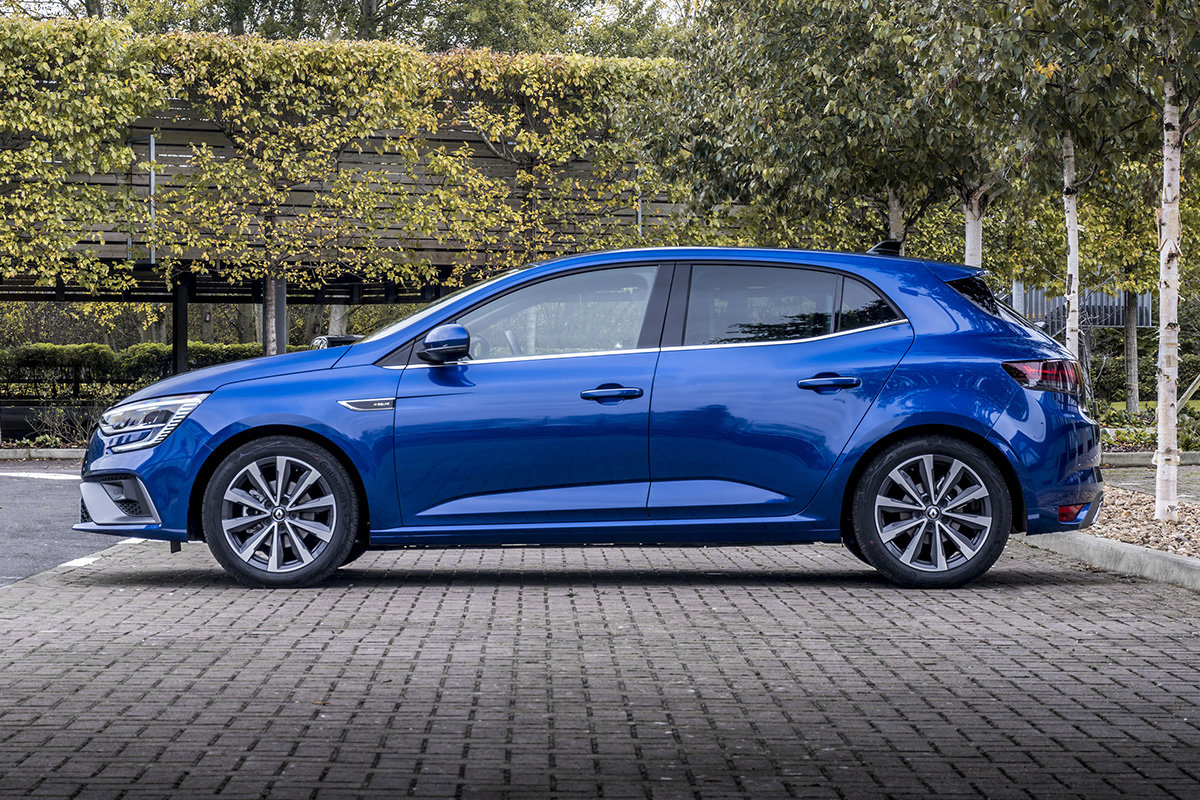
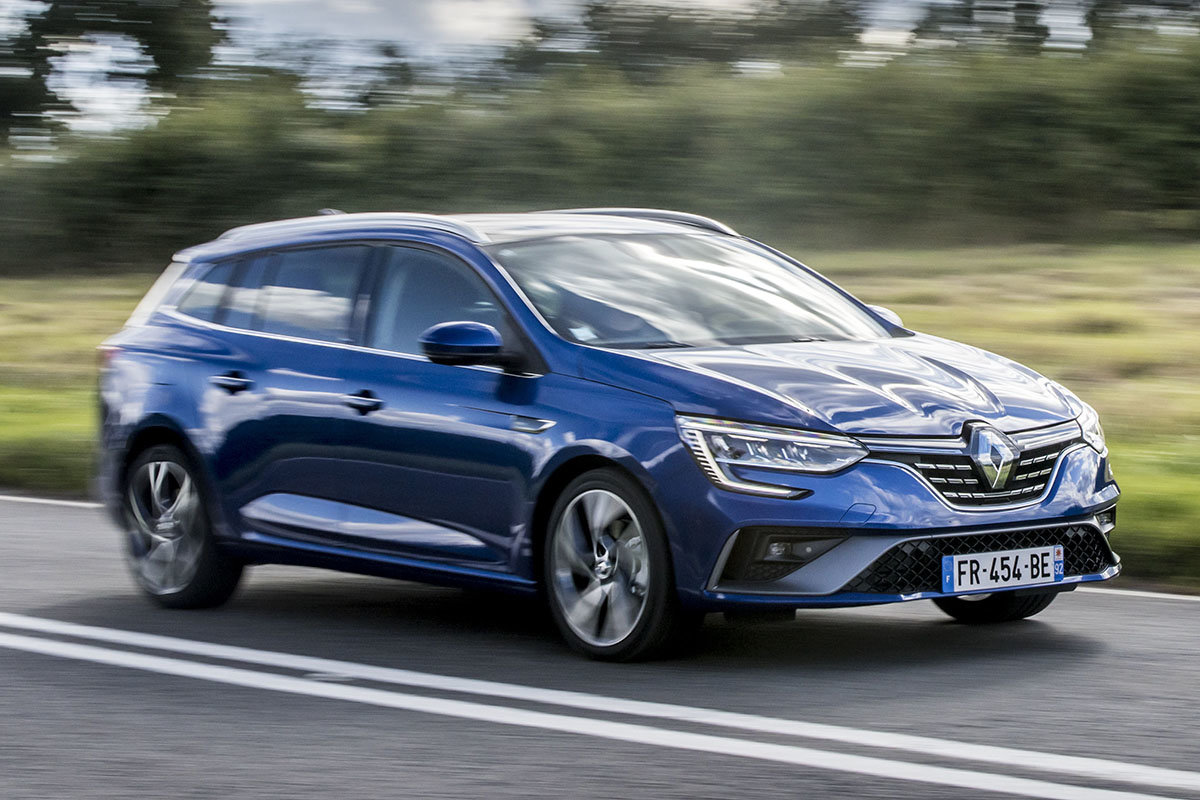
On the outside, it’s certainly stylish enough, in an unassuming way, with its big LED running lights cutting into the bumper and near-full-width tail light clusters. Inside, there’s quite a bit of drab grey plastic, but the majority of it feels robust enough, and the design is pretty easy on the eye.
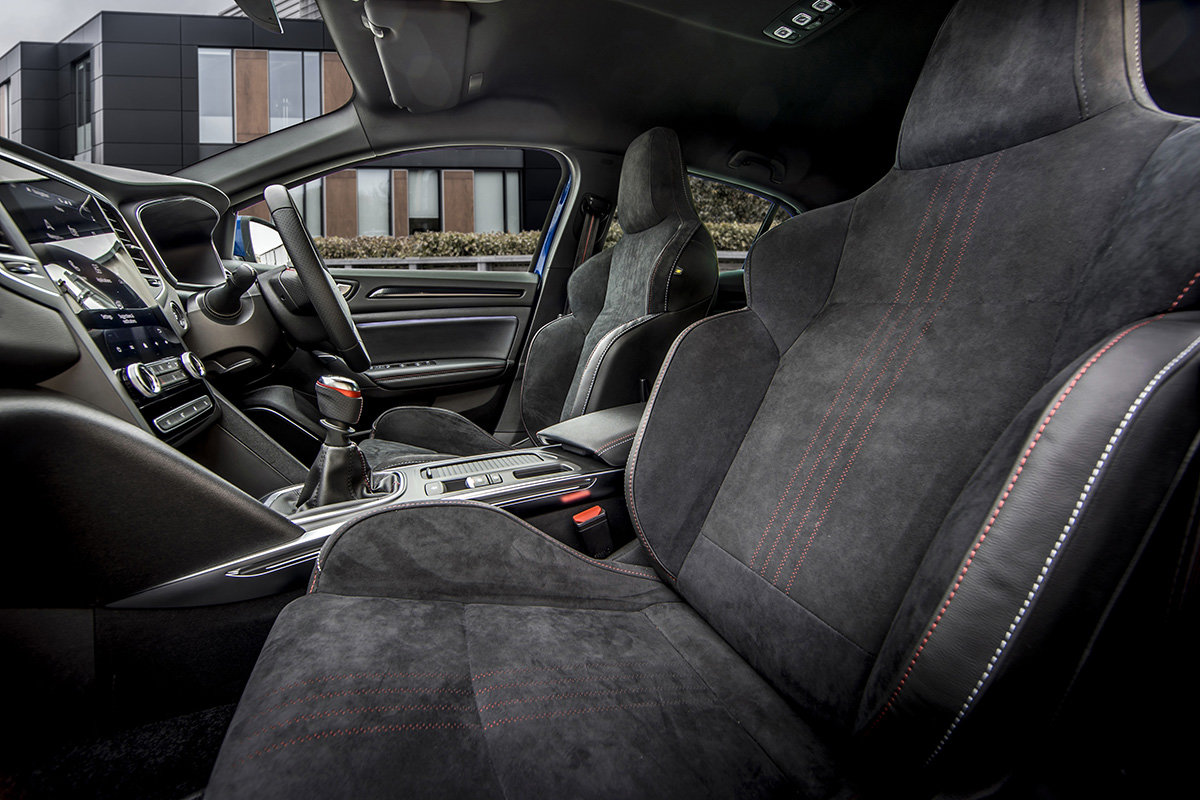
The rear seats in the Megane aren’t quite as spacious as they are in the best family cars, but neither are they cramped. There's more room than you'll find in a Peugeot 308, for example, but nowhere near as much as is offered in a Mk4 Ford Focus or Skoda Octavia.
Boot space is fairly generous, too, although again, not outstanding. There’s an estate version if you want more practicality, and once again, this is plenty capacious enough, if again not quite up there with the Ford Focus and Skoda Octavia.
The Megane drives in quite a relaxed manner. On faster, more flowing roads with more gentle direction changes it feels stable and secure, which makes it quite satisfying to drive, but sporty it ain't; get it onto anything more challenging and you’ll notice the unevenly weighted steering, and the way the soft suspension allows the car to stumble over onto its outer front tyre.
Having said that, that soft suspension results in a pretty comfortable ride; the Megane glosses over even fairly lumpy sections of churned-up Tarmac, and it’s quiet, too, which makes it a good motorway cruiser.
Performance versions of the Megane became world-renowned for their exceptional agility in the 2000s, and Renault still made them into this generation of Megane. While they’re no longer quite the cream of the crop as rivals have caught and surpassed them, the Megane Renaultsport, or RS for short, is still a terrific hot hatch that’s a lot of fun to drive. You can have it in its standard form, as the harder-edged Trophy, or if you’re willing to pay the eye-watering price tag, there’s also the Trophy-R which, with its carbon fibre wheels and ceramic brakes, is very extreme, even by hot hatch standards.
Until the 2020 facelift, you could choose from five different trim levels in the Megane range, from Expression- and Dynamique at the lower end right up to the top-spec GT. However, newer Meganes come in just two variants: entry-level Iconic and upscale RS Line.
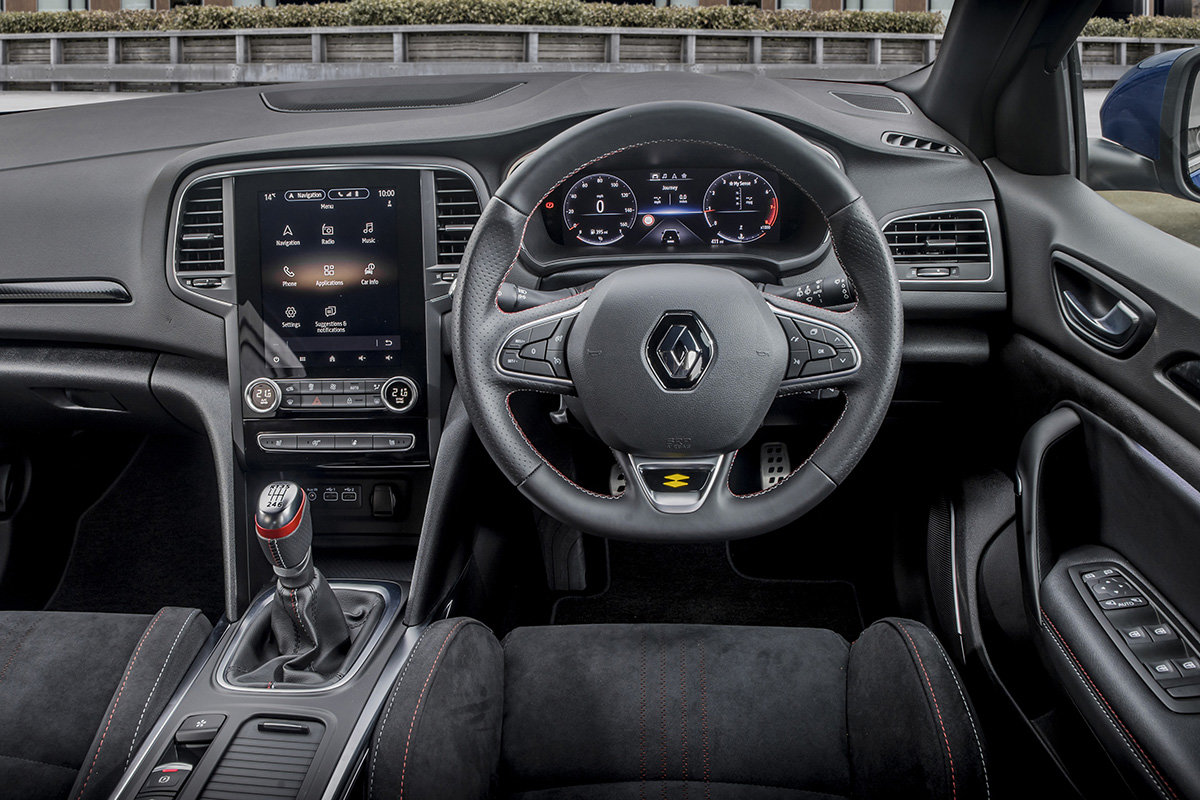
You get a nice, crisp touchscreen infotainment display in both versions – a seven-inch item in the Iconic, or a 9.3-inch one in the RS Line – though while this looks good, it can be a bit fiddly to use. There’s no physical volume knob, for example, so each time you want to adjust the radio’s volume, you have to press the display, then press on-screen buttons to make your changes, all of which can be quite distracting.
Iconic gets a good specification for the price, mind you, with Apple Carplay and Android Auto, as well as LED headlights, cruise control, ambient lighting, parking sensors and dual-zone climate control all coming as standard. The RS Line then adds sports seats, more aggressive body styling and larger alloy wheels.
Choose the petrol Megane, and you can expect to see around 40-45mpg on average. Go for the diesel, on the other hand, and you’ll see around 55mpg. As we’ve just mentioned, opting for the automatic gearbox will shave 1-2 mpg off both of those figures.
That might make the diesel seem like the most cost-conscious option, but you’ll have to weigh up those fuel savings against both the higher list price of the diesel – it’s almost £2,000 more than the petrol – and the steeper depreciation.
You’ll need to take the plug-in hybrid E-Tech’s official figures with a very large pinch of salt – the official fuel consumption test favours plug-in hybrids of its ilk – and the actual efficiency figures you’ll see will vary wildly depending on how frequently you can plug it in, and how much of your mileage is done on electric power. But it should still be a little easier on fuel than most of its plug-in rivals.
As a company car, the E-Tech makes a lot of sense thanks to its low CO2 emissions figures. However, as a private buy it’s less impressive, as it’s predicted to lose a huge chunk of its value when resale time comes along.
The petrol and diesel versions of the Megane suffer less from this phenomenon, as their prices are pretty low to start with, but don’t escape it completely. As a result, no Megane is particularly cost-effective to own. In fact, the lower price, better residual values and higher fuel economy of the Seat Leon will make it quite a bit more cost-effective to own.
The Megane’s diesel engine will require a timing belt change every six years or 90,000 miles, whichever comes up sooner, and that’s an additional expense you’ll have to factor in. The petrol-engined version has a metal timing chain instead, which shouldn’t need changing for the life of the car.
Unfortunately we don’t have all that much reliability data for the Megane, as it hasn’t sold in significant enough numbers to have been featured in any recent reliability surveys.
However, Renault as a manufacturer finished below the industry average in the 2019 JD Power Vehicle Dependability Study, while in the 2020 What Car? Reliability Survey, Renault did even worse, finishing second-from-bottom with a poor average score of 87.6%. In short, the signs are not promising.
That said, as we’ve already discussed, new Meganes come with a five-year, 100,000-mile warranty, which should set your mind at ease somewhat if you’re planning to buy brand-new.
- A long warranty? Yes – new Meganes come with a five-year, 100,000-mile guarantee, which is more than you’ll get on a Ford Focus or Volkswagen Golf, and more in line with the longer warranties of the Kia Ceed and Toyota Corolla. However, if you’re looking for a used car, just bear in mind that Renault only introduced this new, longer warranty on 18 December 2019. Before that date it flip-flopped on its warranty a bit; the Megane had a four-year warranty until February 2018, when it was reduced to three years. If you buy a Megane used, the cover you get will depend on when the car was registered.
- In October 2020, Renault introduced a plug-in hybrid version of the Megane. Badged E-Tech, it’s only available as an estate, though you can choose either Iconic or RS Line variants. It’s powered by a 1.6-litre petrol engine and an electric motor, the combined output of which is a healthy 158bhp. It’ll do 30 miles on electric power alone, too. Its smooth, seamless power delivery and quiet engine rather suit the Megane’s laid-back manner, and thanks to its low emissions, it incurs very little company car tax. However, if you’re a private buyer, you’ll want to beware its massive predicted depreciation.
- Both petrol and diesel versions of the Megane are available with an automatic option, which uses a twin-clutch system called EDC for snappy gearshifts. It takes a small toll on fuel economy, mind you, so if running costs are the be-all-and-end-all, you might want to stick with the manual.
- You can choose between a single petrol and a single diesel engine in your Megane, and we reckon it’s the former, a sweet little 138bhp 1.3-litre turbo that punches well above its weight, which makes the most sense for most buyers. Team that with the cheapest version in the form of the TCe 140 Iconic, and you get everything that’s good about the Megane, with none of the fripperies that jack the price up.
- If you’re a higher-mileage driver, we’d simply switch the petrol engine out for the 113bhp 1.5-litre diesel, badged Blue dCi; it’s a little gutless, but relatively smooth, and pretty efficient.
- If you’re choosing a company car, and your company will let you have one, then the E-Tech is the one to have. Not only will it save you a bundle in company car tax, but its smooth, slick powertrain makes it incredibly satisfying to drive.
- And if you want a hot Megane, we reckon the standard Renault Megane RS is a better bet than the RS Trophy or Trophy-R. Both of the more hardcore versions are slightly more talented, but it’s hard to justify their extra cost against the talents of the standard car.

