Seat Tarraco Review (2018-present)
Seat Tarraco cars for sale
4.0
Expert review
Pros
Lots of standard equipment
Good to drive
Versatile interior
Cons
A little pricey compared with some rivals
Third row of seats really for kids only
Badge doesn't quite have the Kudos of a VW
The CarGurus verdict
Conventional wisdom suggests that launching a product as early as possible into a new market gives a company a significant advantage, as consumers are impressed by innovation.
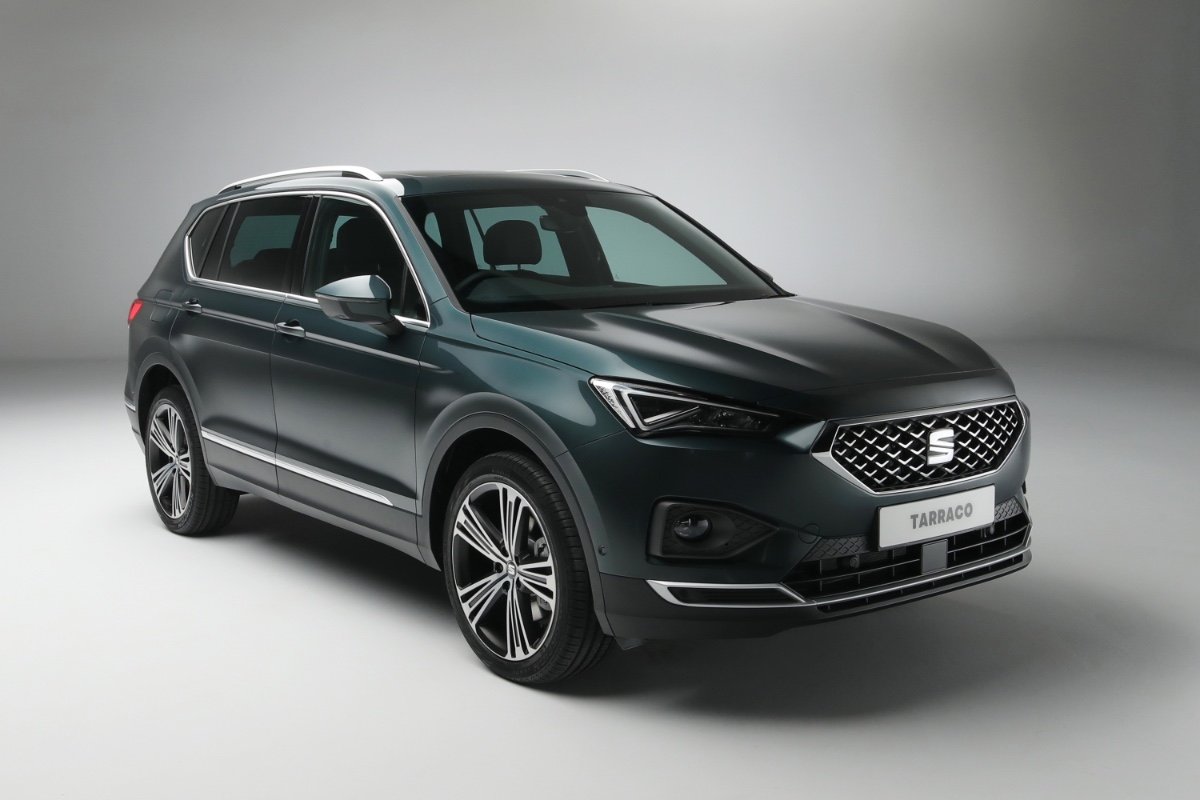
Seat doesn’t seem to have been too bothered by that theory, however. Most of its carmaking rivals had a large SUV on sale for quite a few years before Tarraco came along, but the Spanish brand’s confidence in its Johnny-come-lately model is justified, as it has managed to differentiate itself from the pack with a car that looks surprisingly good for a hulking off-roader.
Throw into the mix a relatively straightforward – and attractive – line-up of engines and trims, an impressive driving experience and seven-seat practicality, and you have something with a great deal of appeal for buyers on the lookout for something in this segment. It's not the cheapest option on the market, but it makes up for that by being well equipped and offering a sense of style that will chime with buyers who appreciate good design.
What is the Seat Tarraco?
Large SUVs have become hugely popular over the last couple of decades, becoming more affordable for more car buyers as mainstream brands add them to their model ranges. Seat has been relatively late in the day in entering the fray compared to other manufacturers, in adding a large SUV model to its range, called Tarraco, joining the Arona small SUV and mid-sized Ateca.
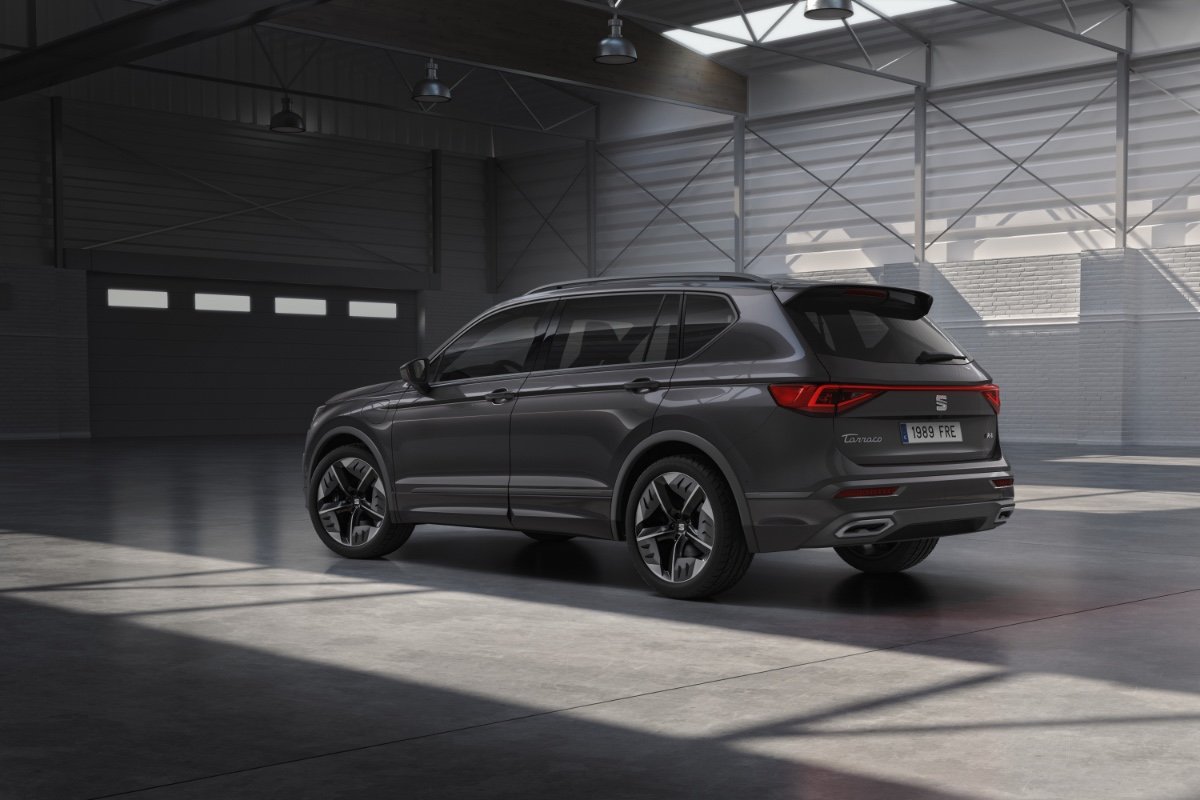
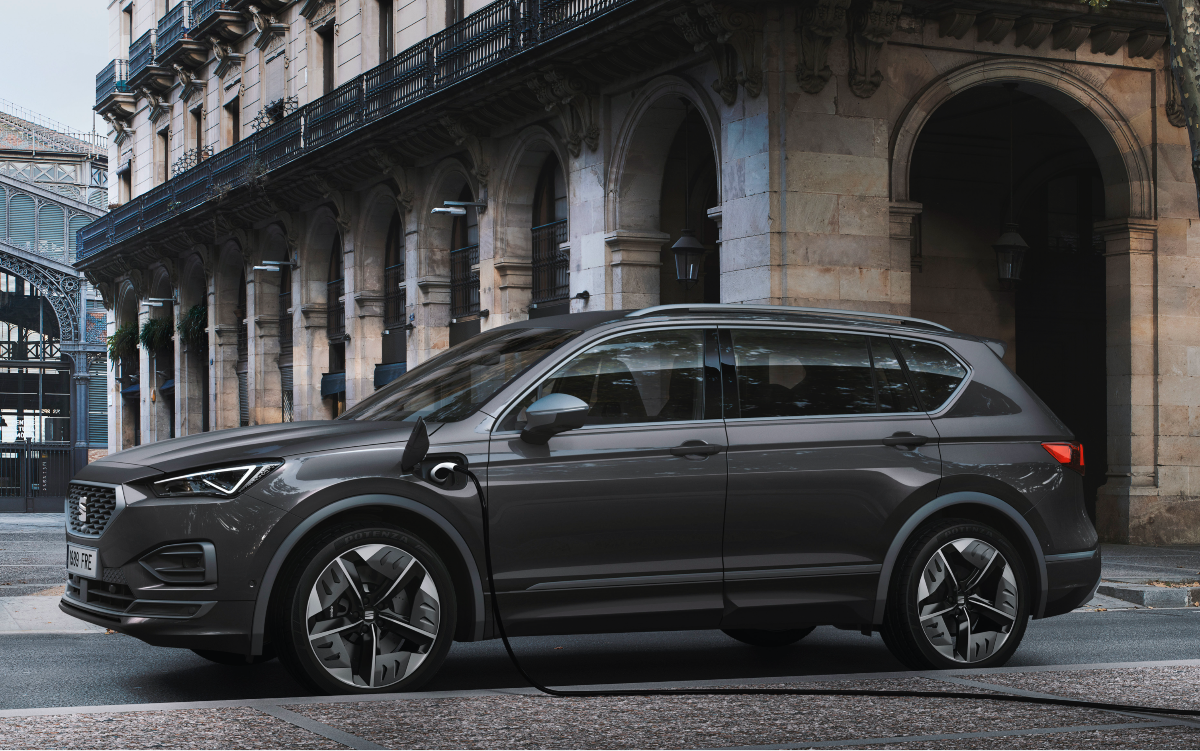
Launching a new large SUV when many rivals have well-established models means that Seat has had to come up with a persuasive USP, and it's managed to do so in the form of its design. Large seven-seater SUVs are often not the most stylish vehicles, thanks to their size and the need for the same practicality as a seven-seater MPV (such as Seat's own Alhambra) in order to work as a family car. But Seat has adopted the same sharp styling lines and triangular graphics as you’ll find on its smaller stablemates, and has worked with the length and SUV bulk to create something that definitely catches the eye.
How practical is it?
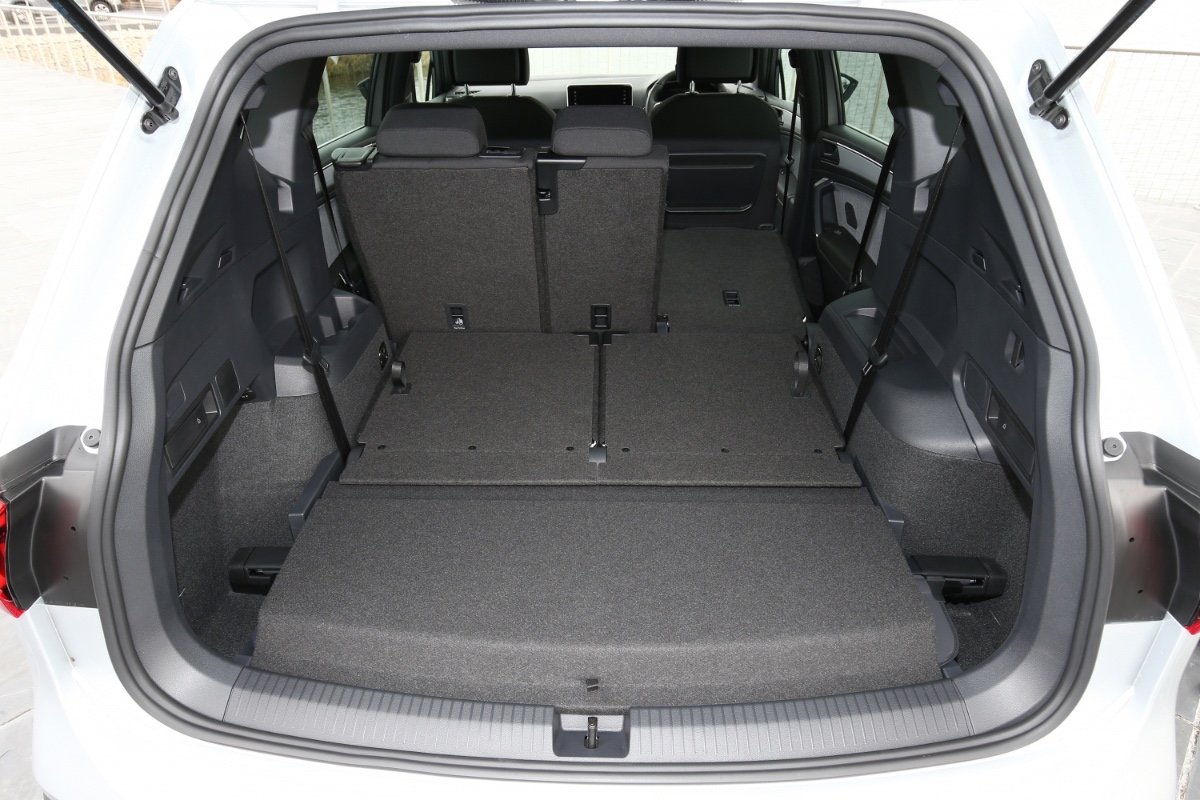
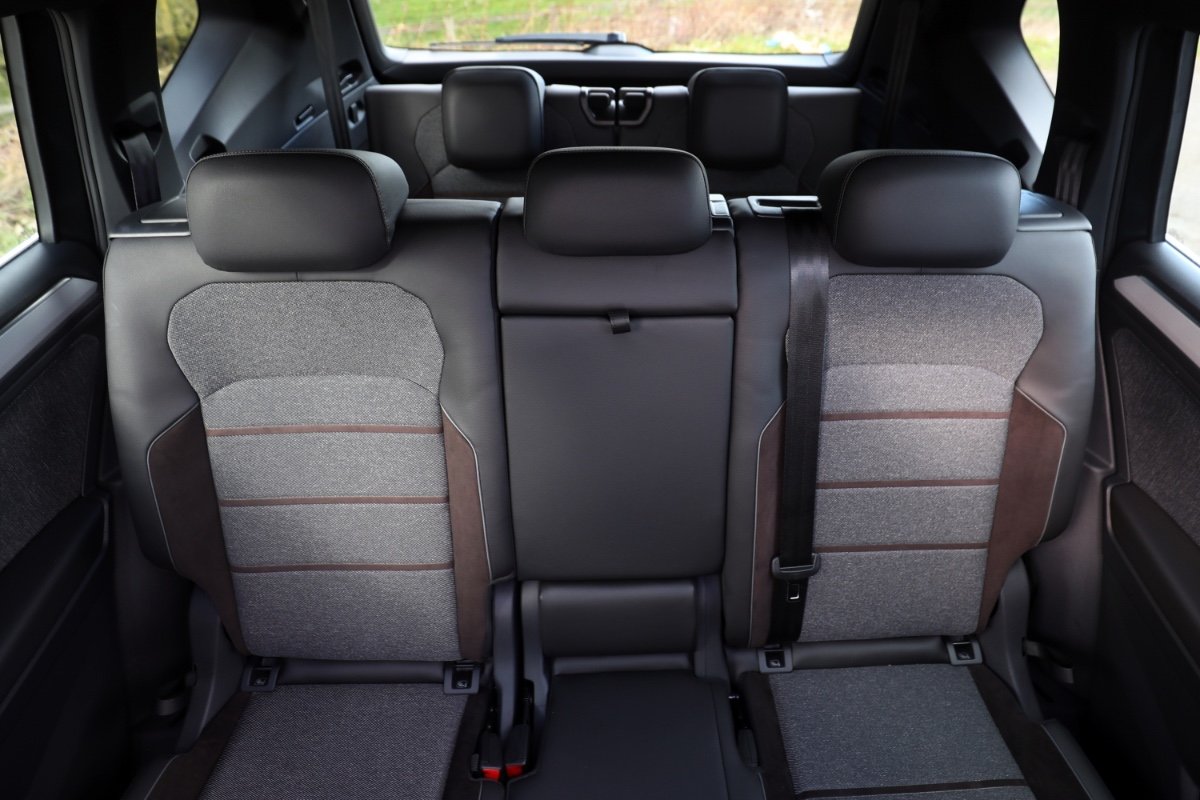
The cabin is equally well designed and spacious. The dashboard and centre console are practical, stylish and highly usable, while there’s lots of adjustability in the front seats and a commanding driving position that offers good visibility. Behind, the middle row of seats is a 40:20:40 bench that can move forward and back to ensure there’s enough legroom for passengers of all heights.
There’s also a pair of third-row rear seats (although you can specify a five-seat version), but these are only for occasional use, because there’s not that much space for passengers; in common with most seven-seat SUVs on the market, the third row of seats is essentially a kids-only space. The passenger seats all fold flat so you can fit in long loads and the 700-litre boot (760 litres in the five-seat version) is greater than rivals such as the Kia Sorento and Hyundai Santa Fe – making the Seat Tarraco a car that is both stylish and practical.

What's it like to drive?
Seat has impressed in recent years with the on-road qualities of many of its recent models; the Leon and Arona, in particular, come to mind. The Tarraco is engineered along similar lines, although, as a large SUV, it’s never going to be completely engaging to drive.
That said, Seat has made a good fist of building a car that is relatively enjoyable to drive and one that feels more agile than rivals such as the Nissan X-Trail or Sorento, for example. Despite its weight (over 1,800kg with just a driver onboard), it corners with stability and there’s an accuracy to the steering that makes it feel secure, while switchable drive modes help it adapt to various road and driving conditions.
The ride is very good, and it manages to smooth out any serious disruptions to your comfort.
Technology, equipment & infotainment
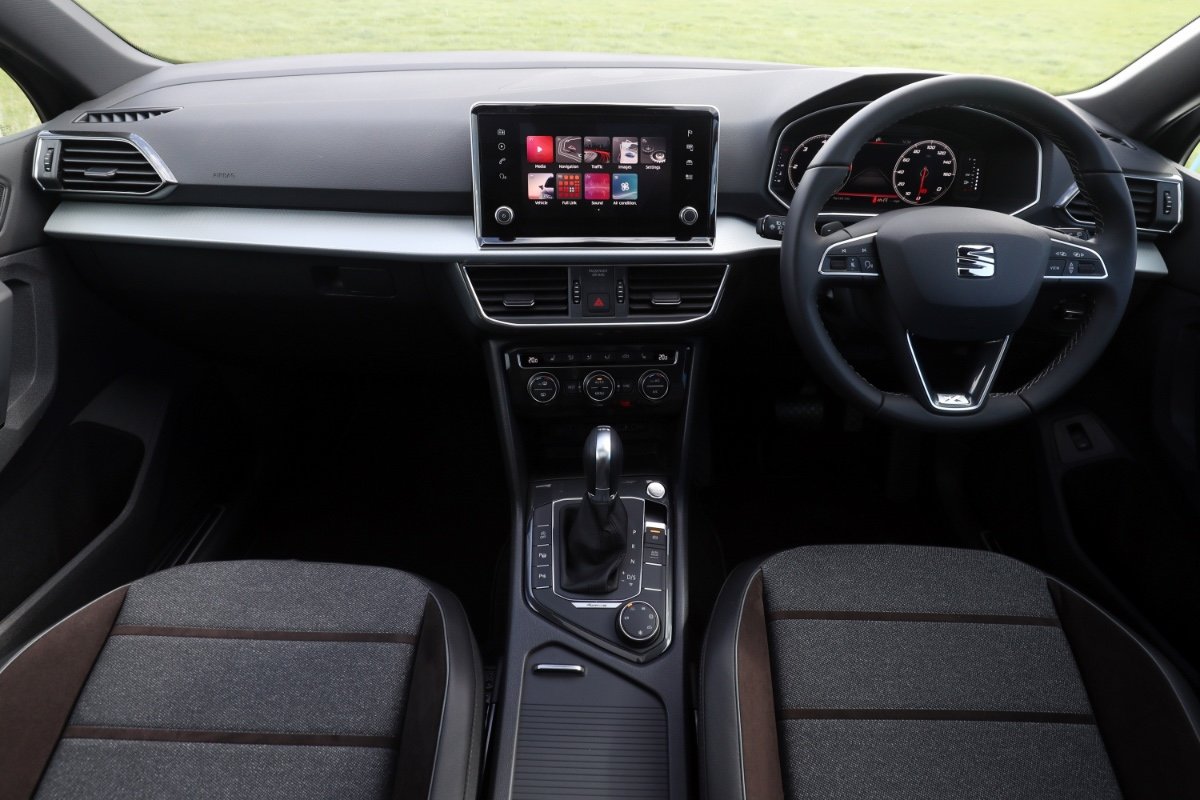
There should be enough technology in the new Seat Tarraco SUV to satisfy most buyers. For example, there’s an 8.0-inch touchscreen that can handle all the tasks we now come to expect from an infotainment screen, plus a 10.25-inch digital display in front of the driver, which can, in some versions, even show navigation information. For smartphone connectivity, there’s Apple CarPlay and Android Auto that will facilitate handsfree use of your phone’s functions.
There’s certainly a lot of competition in the segment, with not only the models we’ve mentioned, but also the Volkswagen Tiguan Allspace and Skoda Kodiaq, with which it shares underpinnings and parts. The cheapest Kodiaq is admittedly cheaper than the base Tarraco, but the Seat is very well equipped at every trim level, justifying the additional cost.
Seat Tarraco running costs
Seven-seat SUVs are not the most economical cars to drive, so it won’t come as a complete shock that the Tarraco won’t win any prizes for fuel economy.
As you’d expect, the TDI diesel engines are the most economical powertrains, but all are 2.0-litre units, so there’s not a huge variance in the official mpg figures, which range from 44.1-47.9mpg for the base 148bhp car, to 37.2-38.2mpg for the same engine fitted with a seven-speed DSG automatic, and the more powerful 187bhp engine. Of course, despite the latest WLTP testing regime being closer to real-world economy figures than the older NEDC system, chances are that you will still struggle to get above 40mpg and 35mpg, respectively.
Petrol-engined TSI Tarraco cars also meet expectations, with their low mpg figures and high CO2 emissions. Even the 1.5 TSI unit is unlikely to return much more than 30mpg, while 152g/km of CO2 exceeds every one of the diesel versions. If you decide to opt for a 2.0 TSI engine under the bonnet, you’ll be making regular visits to the filling station, as it’s unlikely to better 25mpg, while CO2 can be as high as 207g/km.
At the same time, the first year of VED (road tax) isn’t going to be cheap for most variants, either. Rates start at £215 and rise to £1,305. But thankfully, all versions cost less than £40,000, so none of them will incur the additional £325 tax imposed on cars over this price after the first year, leaving you with £150 to pay annually.
Insurance groups are also quite high for the Tarraco, so that will also increase its running costs. The lowest group is 23E, rising to 30E (out of 50 groups), so it's rated pretty highly for risk.
The one piece of good news in this department is that the resale value of the Tarraco is predicted to be among the best in its class, so if you’re selling it after three years, or you have a finance deal based on its value at that age, you should be better off than owners of the Skoda Kodiaq or Peugeot 5008.
Seat Tarraco reliability
The Tarraco has been on the market for less than two years, so it's a little early to make any definitive judgement on the model’s reliability. However, there are some useful indicators.
First is Seat’s record as a brand, which isn’t great at the moment: recent surveys of the most reliable brands show Seat placing in the bottom half of manufacturers, which isn’t encouraging. And while Arona and the last-generation Leon are rated as reliable in some recent surveys, suggesting that the brand’s models do seem to be improving, Tarraco isn’t built alongside those cars in Seat’s Martorell factory near Barcelona, but on the same Volkswagen production line as the Tiguan, in Wolfsburg, Germany.
There have been a couple of recalls of UK cars already. The first was because engines weren’t delivering enough torque at low speeds, an issue that is a simple fix at a dealership, with a tweak to the car’s electronic control unit. The other recall was for a potential problem with the front passenger seat developing a crack in its frame. If this proves to be the case, the seat frame is replaced.
Owners have also reported a number of issues on forums, including GPS problems with the navigation system (something also reported on models from other VW Group brands), the digital cockpit crashing and water leaking into a reflective strip at the rear.
Any such issues with new cars should be covered by Seat’s three-year, 60,000-mile warranty, which isn’t the most generous on the market – a Kia Sorento, for example, will have seven years of cover – but is in line with many mainstream brands, especially those owned by the Volkswagen Group.
- The Tarraco shares a lot of its parts (and even some body panels) with the Volkswagen Tiguan Allspace, and is even built on the same production line in the German town of Wolfsburg. Both cars benefit from the economies of scale of sharing development costs of the platform and parts they share, but because Seat isn’t seen as having the same brand cachet as Volkswagen, the Tarraco is cheaper, for what is essentially the same car. If you’re looking for a car in this class, you can save yourself a few grand by choosing the Spanish version.
- There will be many prospective buyers thinking about buying a large SUV such as Tarraco, but will be concerned by its environmental credentials (or rather, lack of them). The good news is that Seat has announced that a plug-in hybrid (PHEV) version of the Tarraco is arriving in early 2021. It will combine a 1.5-litre petrol engine that produces 148bhp and a 114bhp electric motor to create a total output of 242bhp. The 13kWh battery pack will have an electric-only range of around 30 miles. The Tarraco PHEV will be available in the sporty FR trim.
- There’s no shortage of safety features on the Tarraco, which has ensured that it has bagged a five-star safety rating from EuroNCAP, the highest possible score. It’s fitted with all the expected passive safety features, so there are eight airbags, sealtbelt pretensioners and Isofix child seat anchor points. At the same time, it also has an almost complete suite of active safety features, including an autonomous emergency braking system that is calibrated to recognise pedestrians and cyclists (as well as other vehicles), plus lane keeping assist as standard, while there’s a host of other safety equipment available as options on different trim levels.
- If you want the best all-rounder in the Tarraco line-up, the lower-powered 2.0 litre diesel producing 148bhp in Xcellence trim is a good choice. Running costs are the lowest of the range, while there are some nice additional bits of kit; wireless phone charging, a rear camera and Alcantara (man-made suede) upholstery all come as pack of the package. It's priced well, too, coming at the lower end of the range, so it offers some of the best value to buyers.
- In terms of practicality, the choice comes down to whether you need seats or boot space. True, there’s not a huge difference between five-seat and seven-seat versions of the Tarraco, but the boot capacity does vary by 60 litres (760 litres with five seats, 700 litres with seven), which might have some bearing on which one you choose.
- For taking on the rough stuff, when front-wheel drive won't do the job, there are four-wheel-drive versions of the Tarraco . These are only available in cars that are fitted with the DSG dual-clutch automatic gearbox and are badged 4Drive. Around half of the available versions in the Tarraco range are fitted with all-wheel drive, with at least one in each of the different trim levels.
- For a Tarraco with a little extra performance, it’s a dead heat between the most powerful 2.0 TSI petrol variant and the most powerful 2.0 TDI diesel. Both engines produce 187bhp and both enable the Tarraco to make the 0-62mph acceleration test in 8.0 seconds dead. The top speed of the 2.0 TSI is 131mph, 1mph faster than the 2.0 TDI, an advantage so small as to be insignificant.


