Suzuki Across Review (2021-present)
Suzuki Across cars for sale
4.0
Expert review
Pros
Solid all-electric range
Toyota origins promise reliability
Cheaper to buy than the Toyota RAV4
Cons
You can buy premium-badged SUVs for similar money
Not very engaging to drive
Underwhelming interior quality
The CarGurus verdict
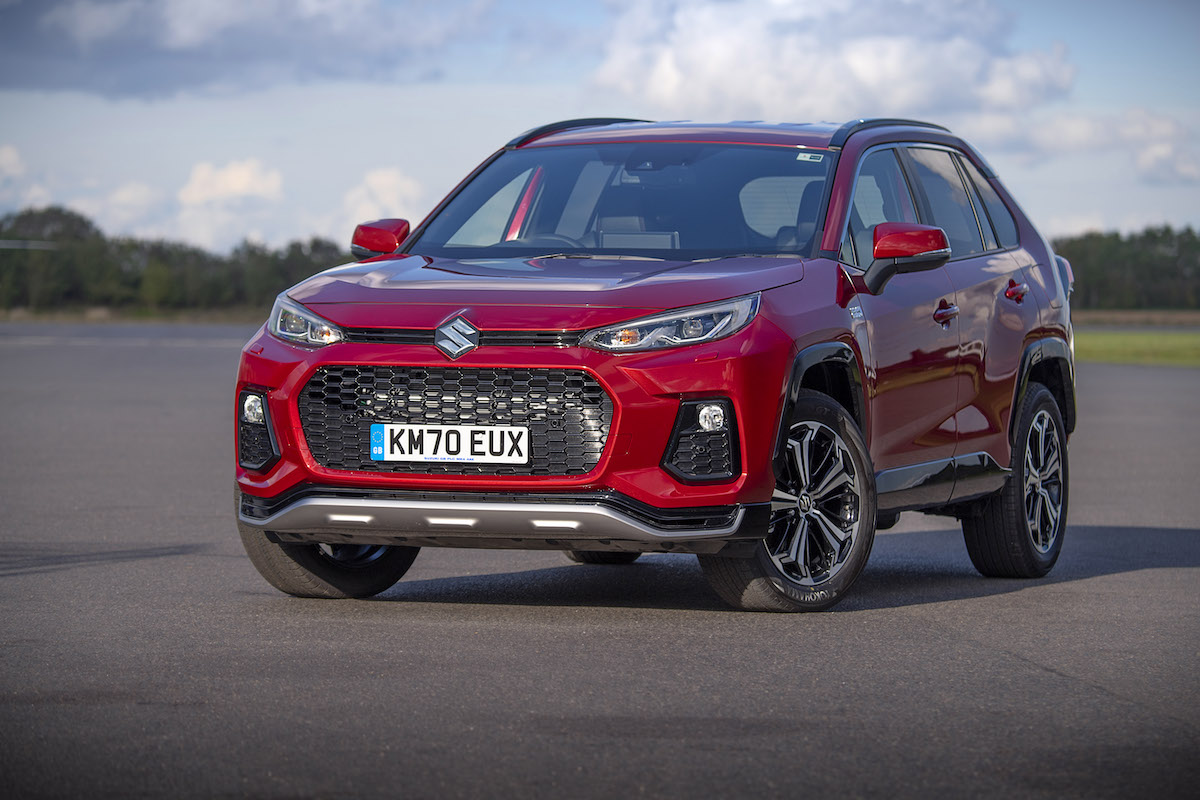
The Suzuki Across is a solid choice for anyone in the market for an SUV, especially if economy and environmental issues are important considerations when choosing a new car. It's directly comparable to the Toyota RAV4 in most aspects, but is between £2,000 and £5,000 cheaper when new, depending on spec and options. It also fares well against more premium models, such as the Land Rover Discovery or Range Rover Evoque. Both have higher-quality cabins, but in terms of performance, economy and price, the Across has them beat.
The Suzuki also stands up against more mainstream rivals, such as the Ford Kuga and Vauxhall Grandland X. The Kuga is cheaper, but it doesn’t have 4WD or the performance of the Across. The Vauxhall is closer in most of the key indicators, but is more expensive than the Suzuki. Overall, if you can get past paying £45,000 for a Suzuki, the Across is a more than solid choice in this class of SUV PHEV.
What is the Suzuki Across?
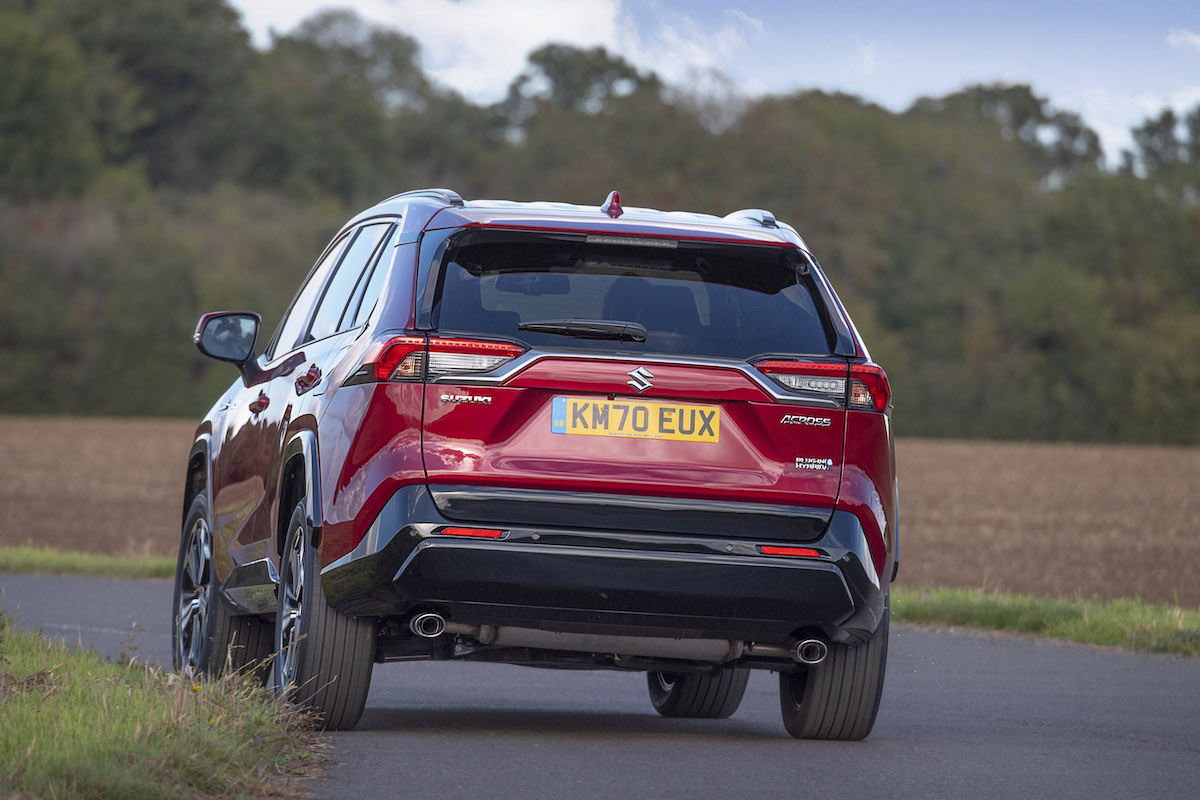
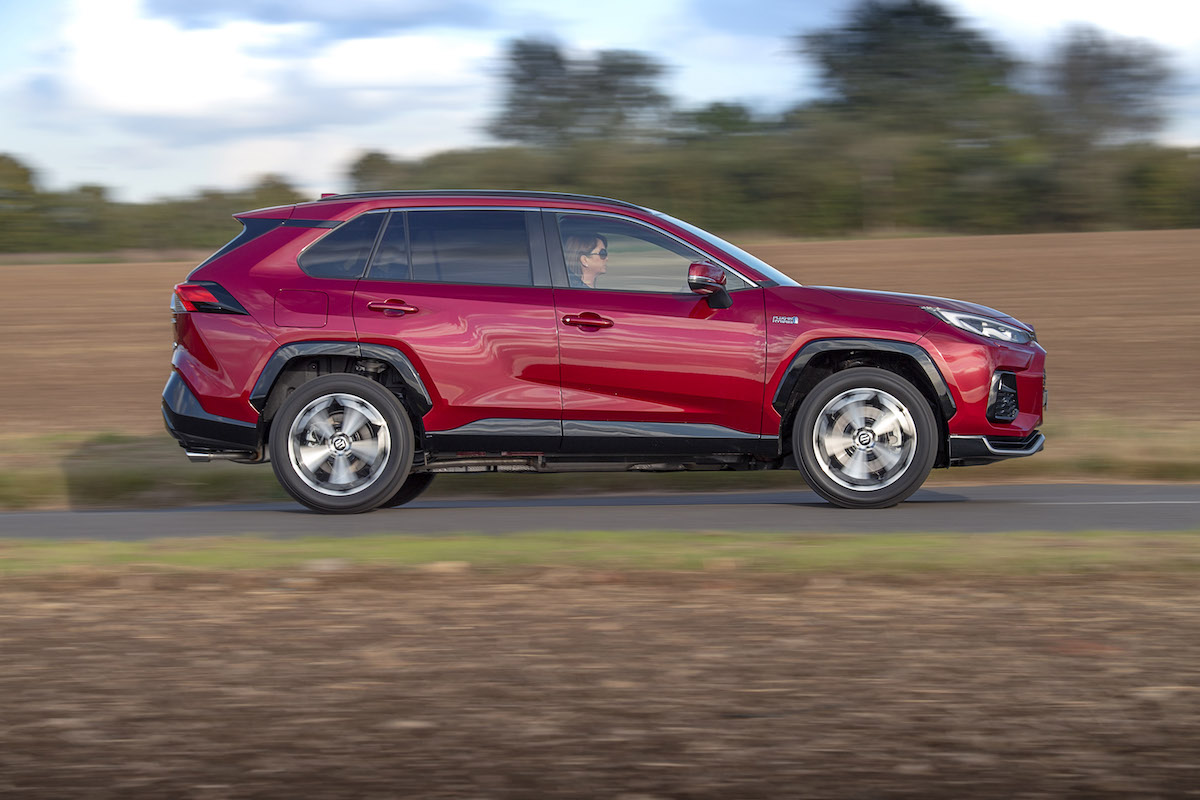
When is a Suzuki not a Suzuki? No, it’s not a riddle, but it is a valid question when the Suzuki Across is simply a rebadged Toyota RAV4.
This has come about because Toyota (the world’s biggest manufacturer of cars by volume) bought a share in Suzuki in 2019; this is the first of what will probably be a number of Suzuki models that started life in the R&D department of its new investor and collaborator (another example is the Suzuki Swace, which is a rebadged Toyota Corolla estate). The Across will only be sold in Europe, as a means of helping Suzuki achieve its corporate emissions targets.
How practical is it?
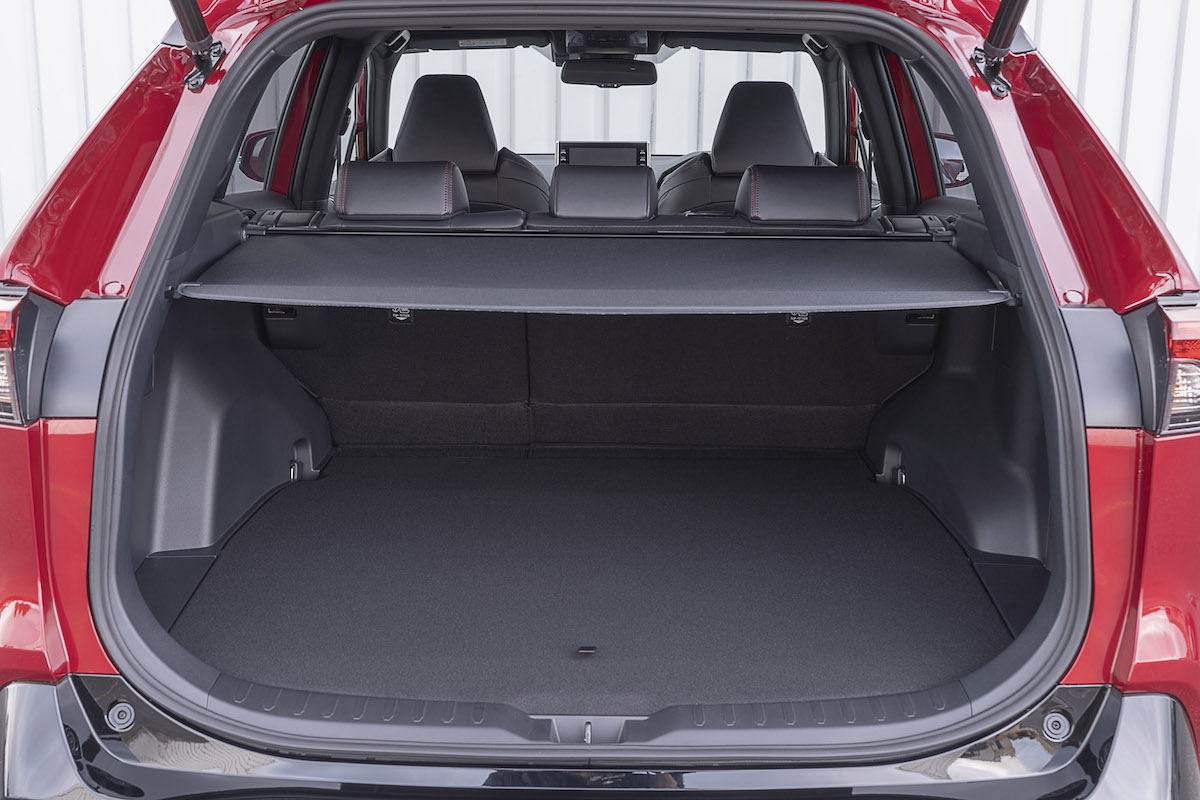
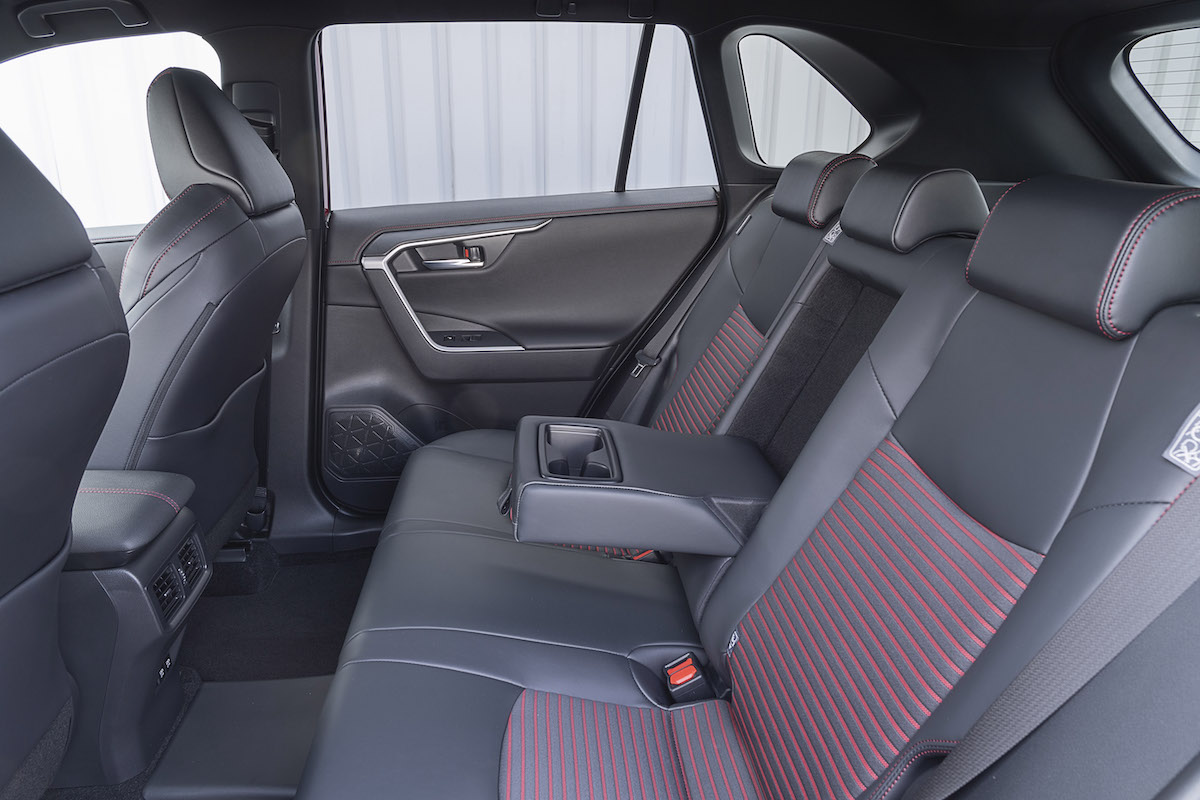
The Across is certainly a promising start to the relationship. There’s plenty of room in the front of the Across, giving it a good level of practicality, and there’s plenty of leg- and headroom in the back, for children or adults. The cabin is peppered with useful cubbies and storage spaces, too.
However, the boot isn’t as big as the plug-in hybrid (PHEV) version of the RAV4, which serves as the basis for the Across, with 490 litres of capacity with the rear seats in place (compared to the Toyota’s 580 litres), expanding to 1,168 litres if they’re lowered.
What's it like to drive?
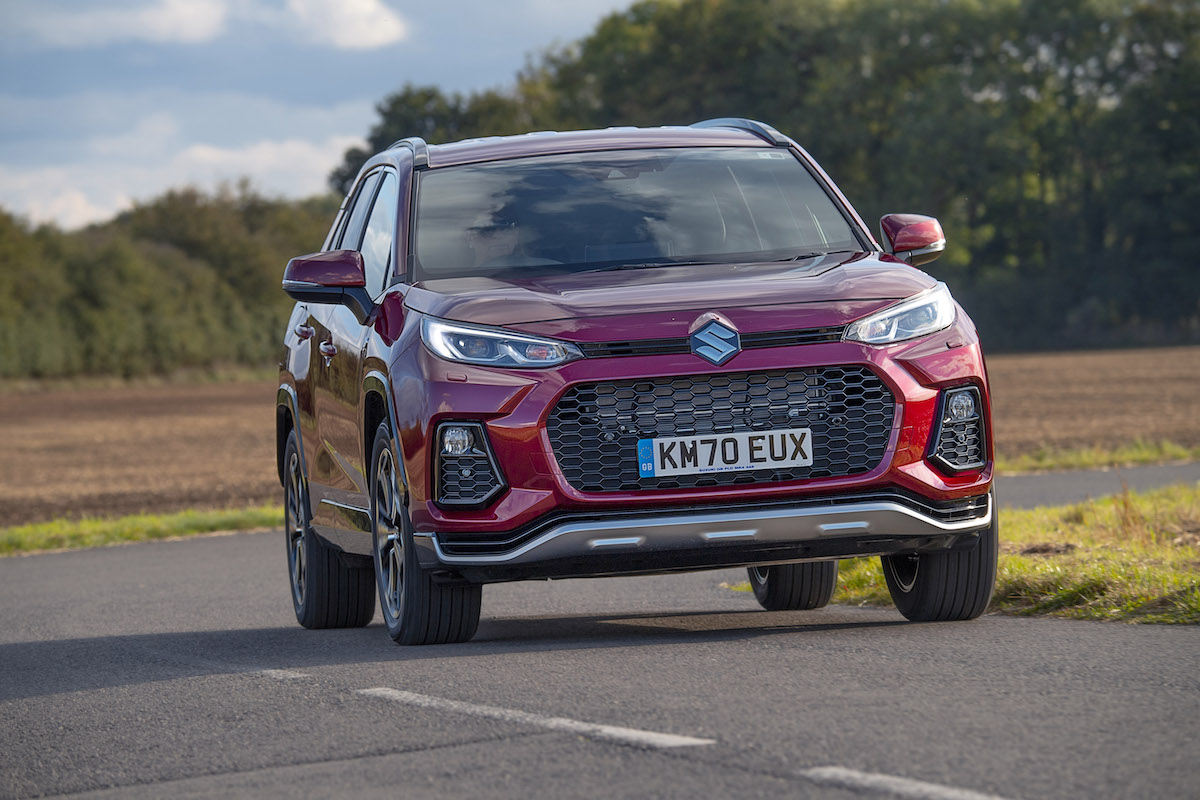
As you might expect, the Across shares the RAV4 PHEV’s 2.5-litre petrol engine that combines with an electric motor at the front, producing a combined power output of 302bhp.
As a result, the Across doesn’t feel as if it’s ever short of power, whether on electric power only around town, or when the petrol engine and motor combine on a higher-speed highway cruise. Indeed, a 6.0-second 0-62mph acceleration time is not only very respectable, but also one of the quickest in its class; the Vauxhall Grandland X is close (6.1 secs), but the Ford Kuga is comparatively sluggish at 9.2 secs.
On-road manners are equally consistent with expectations. While not the most engaging car to drive, it acquits itself well, with plenty of traction, helped in part by the E-Four four-wheel-drive system. It's got good balance and accurate steering, too. Yes, there's a bit of body roll if you corner too hastily, but aside from that, the Across is comfortable and copes with pretty much everything that the roads of the UK will throw at it.
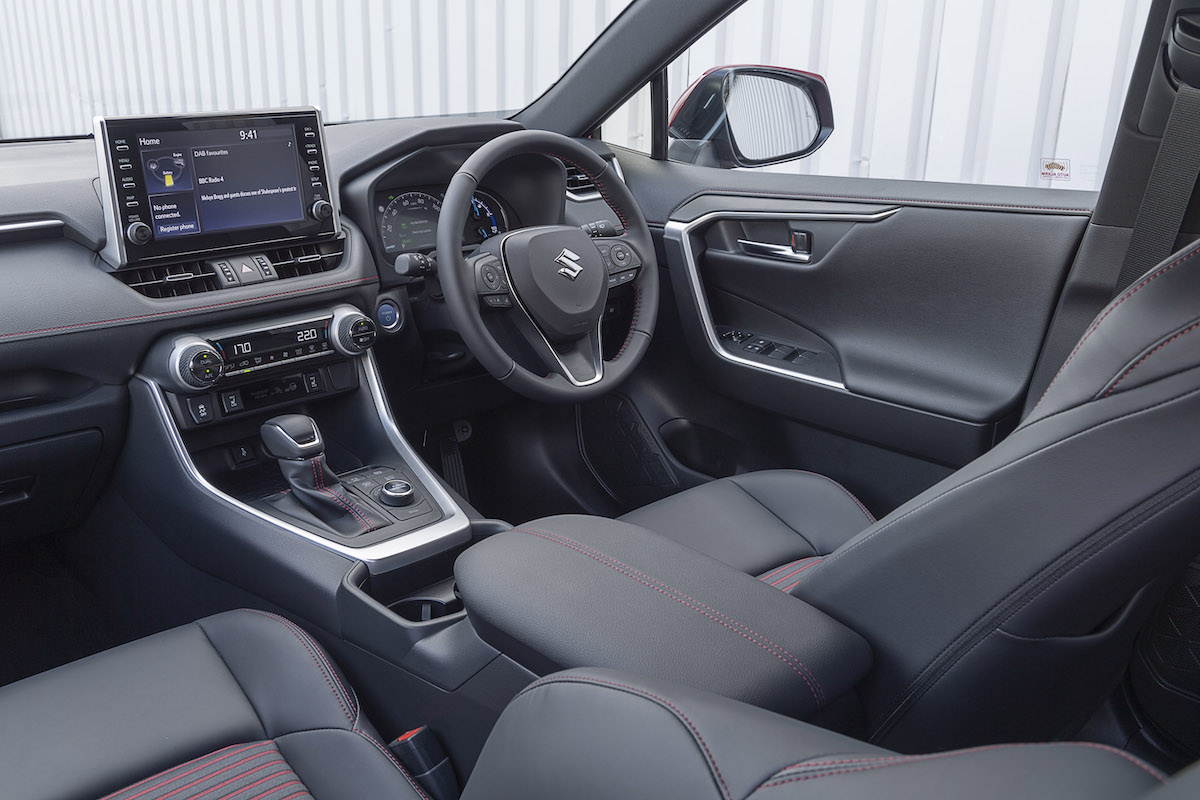
Technology, equipment & infotainment
The interior is comfortable and practical, but the quality of the materials used feels a little underwhelming when you consider the price tag of the Across. Nothing feels cheap, but neither does it feel as if it is up to the standard of some of its rivals going for similar money; the Land Rover Discovery Sport, for example.
One of the more unusual features – or, rather, the lack of it – is that there is no satellite navigation included in the infotainment options. For a car costing £45K when new, this is some omission.
Most customers would expect a satnav for that price, but perhaps this is again a vision of the future; the touchscreen enables smartphone mirroring with Apple CarPlay and Android Auto, so mapping and navigation apps can do the same job as an in-built system. As we all have smartphones these days, does the Across represent the tools we’ll be using for navigation in the coming years?
Suzuki Across running costs
The running costs of the Suzuki Across benefit from the 18.1kWh battery pack, which offers many of the advantages of an electric vehicle.
The official fuel consumption figure is a good starting point: under the new WLTP fuel and emissions testing regime, the Across is rated as having a fuel economy figure of around 282mpg, which is possible, if it’s regularly charged from a home wallbox or pubic charger, and used almost exclusively in EV mode. The longer you drive and the more you rely on the petrol engine, however, the further away from that official figure you get.
CO2 emissions of just 22g/km are another benefit of the plug-in hybrid powertrain on the Across. Vehicle Excise Duty (VED, the official name for car tax) is low, in the first year, at least; the purchase price when new of more than £40,000 means that it's subject to an additional £335 a year for five years. But the real benefit is for company car drivers, whose Benefit in Kind (BIK) payments will be lower than with a petrol or diesel car.
Insurance won’t be that cheap for an Across, though, as it sits in group 43 (of 50), largely due to its price and equipment levels.
Suzuki Across reliability
As the Across has been on the market for less than a year at the time of writing this review, it’s a little early to definitively judge how reliable it is. However, Toyota has a very strong reputation for the reliability of its cars, which is reflected in its results in customer satisfaction surveys. The Suzuki version should be just as dependable and worry-free.
The RAV4’s history can also be used as a benchmark. The fifth-generation model, upon which the Across is based, is also too new to be cited in current reliability studies, but the previous iteration scored consistently well throughout its life, as it did its predecessors, another good sign for the Across.
However, if things do wrong, the warranty is valid for three years or 100,000 miles: not great, but slightly more generous than most other manufacturers give you.
- The RAV4 that the Suzuki Across is based on is a long-established model for Toyota that is now in its fifth generation, so it’s a good choice for the kind of ‘rebadging’ exercise that Suzuki decided upon. The cars are not identical in terms of aesthetics, but to all intents and purposes, they are fundamentally the same car. Perhaps the most important distinction between the two is price, with the Suzuki up to £5K less expensive when new than a comparable RAV4 plug-in.
- Having said that, it’s worth bearing in mind that the RAV4 comes with Toyota’s excellent warranty offer, which allows you to extend the warranty beyond the initial three-year, 60,000-mile period, up to a maximum of 10 years and 100,000 miles. This comes at no extra charge, providing you have your car serviced at a Toyota dealer. By comparison, Suzuki’s three-year, 60,000-mile warranty, which you can only extend at extra cost – is less fulsome.
- The plug-in hybrid system has a 46.6-mile electric range that's way ahead of most rivals. The standard range for PHEVs until now is around 30 miles, so the 50% increase that the range in the Across represents is both progress for the car industry and a USP for this Suzuki model. The 22g/km official CO2 emissions is also lower than its rivals, although it remains in the same road tax bracket.
- If you want, erm, an Across...:This is an easy question to answer, as there's only one variant, with a high equipment specification. Choosing to buy an Across involves making just the one decision, so it’s a pretty fuss-free process. Included in the purchase price, therefore, is (synthetic) leather seats, alloy wheels, heated seats in front and at the rear, heated steering wheel, dual-zone air-conditioning, automatic tailgate and a 9.0-inch multimedia display. In addition, there’s a four-wheel-drive system and host of electronic active safety features – Pre-Collision System (PCS), Lane Tracing Assist (LTA) and Dynamic Radar Cruise Control (DRCC) – that are designed to assist the driver.
- If you want the one with the long warranty: The Kia Sportage should be on or near the top of your list in this regard, because it comes with a seven-year, 100,000-mile warranty package as standard from new. This is also fully transferrable to subsequent owners, making the Sportage very desirable on the used market and protecting resale values for whoever buys new.
- If you want an off-roader rather than an SUV: The Discovery Sport isn't the most rugged car that Land Rover makes, but it's still a Land Rover, and that makes it more at home in the rough stuff than just about any midsize family SUV rival. Most muddy fields and uneven tracks should be dealt with easily.
- If you want the stylish one: We'd recommend giving the Peugeot 3008 a look. It looks sleek and dashing from the outside, and if anything, it's even more stylish inside, and the interior uses plush, high-end materials as well.


