Suzuki Baleno Review (2016-2019)
Suzuki Baleno cars for sale
3.0
Expert review
Pros
Well equipped, whichever model you go for
Good value as a used car
Practical cabin and boot
Cons
Anonymous and uninspired looks
Dull to drive compared with the Suzuki Swift
Frequent service intervals
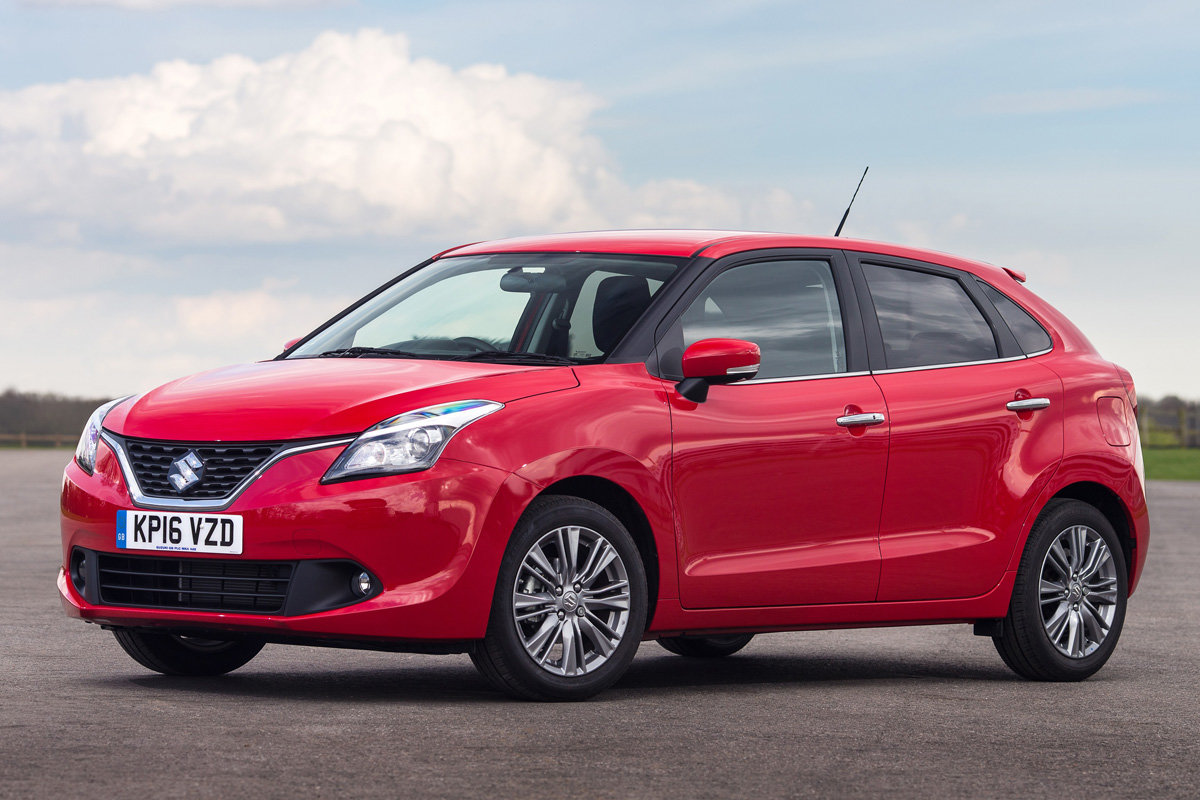
The CarGurus verdict
Making inroads into the small car market is always difficult and simply getting noticed among the likes of the ever-present Ford Fiesta and Vauxhall Corsa is no mean feat.
Unfortunately, the Suzuki Baleno – while perfectly serviceable – simply didn’t do enough to draw the attention of buyers, despite features such as its stout Boosterjet engine, practical interior and good equipment levels. Sales were few, as a result, which contributed to the model being axed in 2019.
Used Suzuki Balenos, however, are a more enticing proposition. While they might not be as stylish, fun or as upmarket as some alternatives, you can often get them for less money than rival offerings and they’ll typically have more kit and fewer miles on the clock. That, coupled with their efficient nature and reliability, means that a used Baleno can offer great value for money.
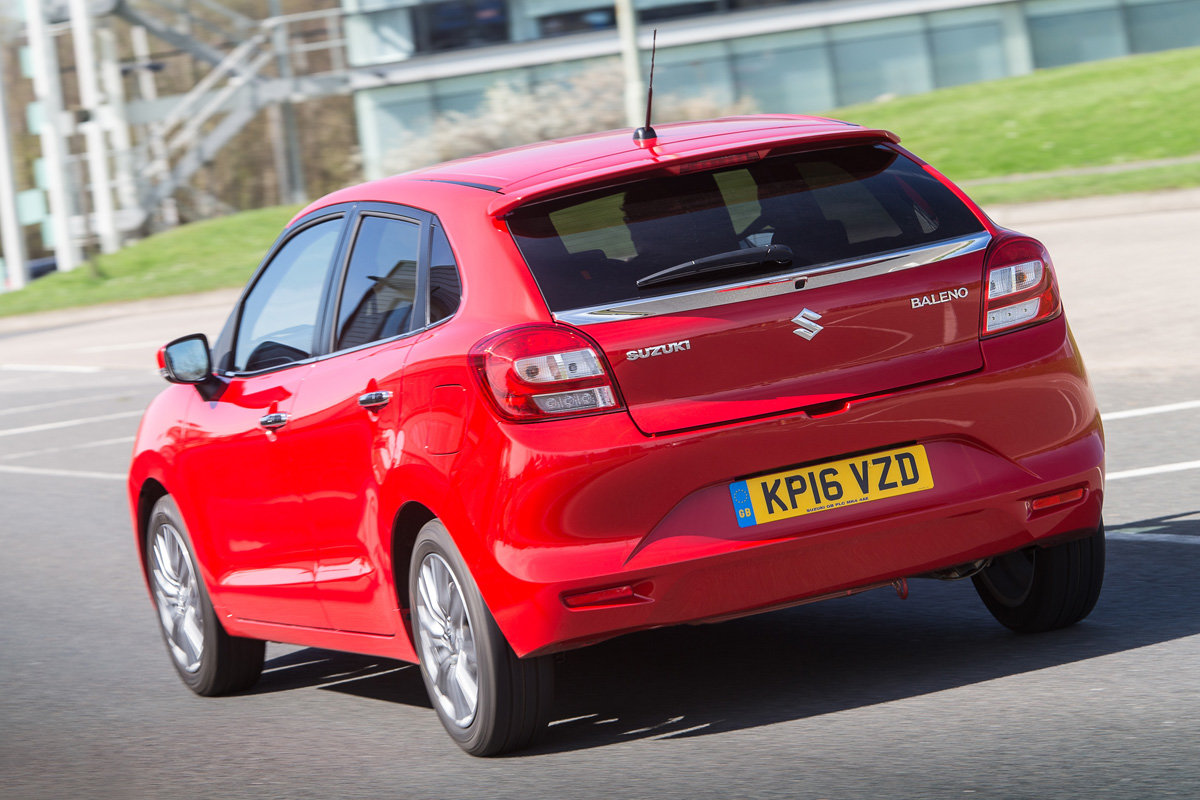
What is the Suzuki Baleno?
A Suzuki Baleno probably isn’t at the top of your list if you’re in the market for a small family car. To be honest, it would come as a surprise if it was on your list at all.
However, if you’re shopping for an inexpensive supermini in which to run about, it’s worth having a closer look at the compact five-door Suzuki.
The Baleno name has been used on a few cars in the past, including a UK-market saloon that was available in the ’90s, but this all-new hatchback version arrived in 2016. Its size and specifications meant that it went head-to-head with some serious competition, including the ever-popular Ford Fiesta and Vauxhall Corsa, as well as more practical alternatives such as the Honda Jazz.
Baleno sales wound up in in 2019 and, although there was a second-generation model, it wasn't destined for the UK.
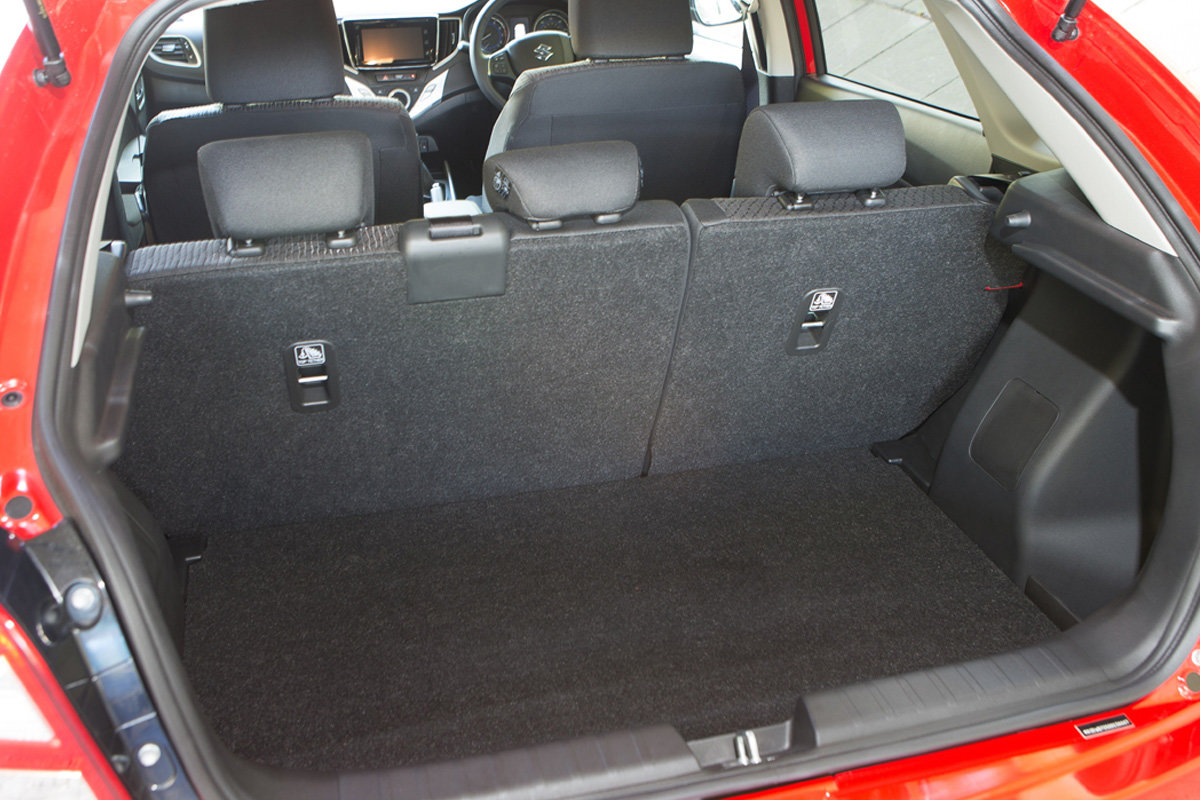
How practical is it?
Its introduction might have seemed a bit odd given the existence of the excellent Suzuki Swift, but the all-new Baleno was slightly larger and more spacious. This meant that Suzuki customers needing a more practical car now had an option that didn’t entail them stepping up to a bigger Vitara or S-Cross.
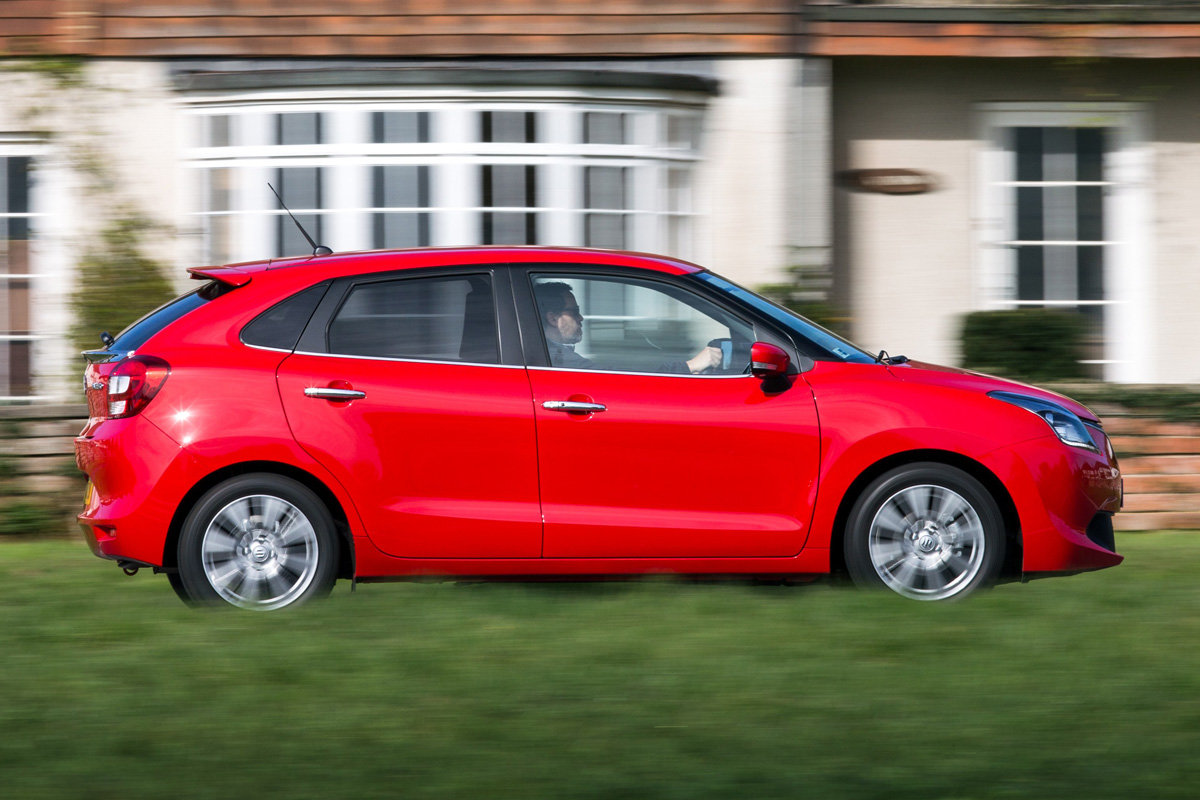
A Baleno also won’t score many points on the style front, inside or out, but it does feel like it’ll stand the test of time well. Supportive seats and good visibility further make the Baleno relaxing and easy to handle. There’s also plenty of room, with space for four adults, a large 320-litre boot and split-folding rear seats. These factors, for some, may prove more important than outright refinement and driving fun.

What's it like to drive?
The Baleno isn’t as fun or as engaging as a Ford Fiesta or the smaller Suzuki Swift. Neither does it ride as well as some alternatives, and nor is it as refined, but few will grumble about enduring longer trips in it.
Performance isn’t outstanding, either, but the four-cylinder Dualjet engine can accelerate the Suzuki from 0-62mph in a sensible 12.3 seconds. A mild hybrid 1.2-litre SHVS model is available, too, but the more appealing choice is the turbocharged three-cylinder 1.0-litre Boosterjet.
It grants a slightly quicker 0-62mph time of 11.4 seconds and improved flexibility, compared to the Dualjet option, which makes the Suzuki more willing and relaxing. It’s a pleasant car to drive in any configuration. Its steering is accurate enough, it corners confidently – albeit with some pronounced roll – and its controls are light while its stopping power is adequate.
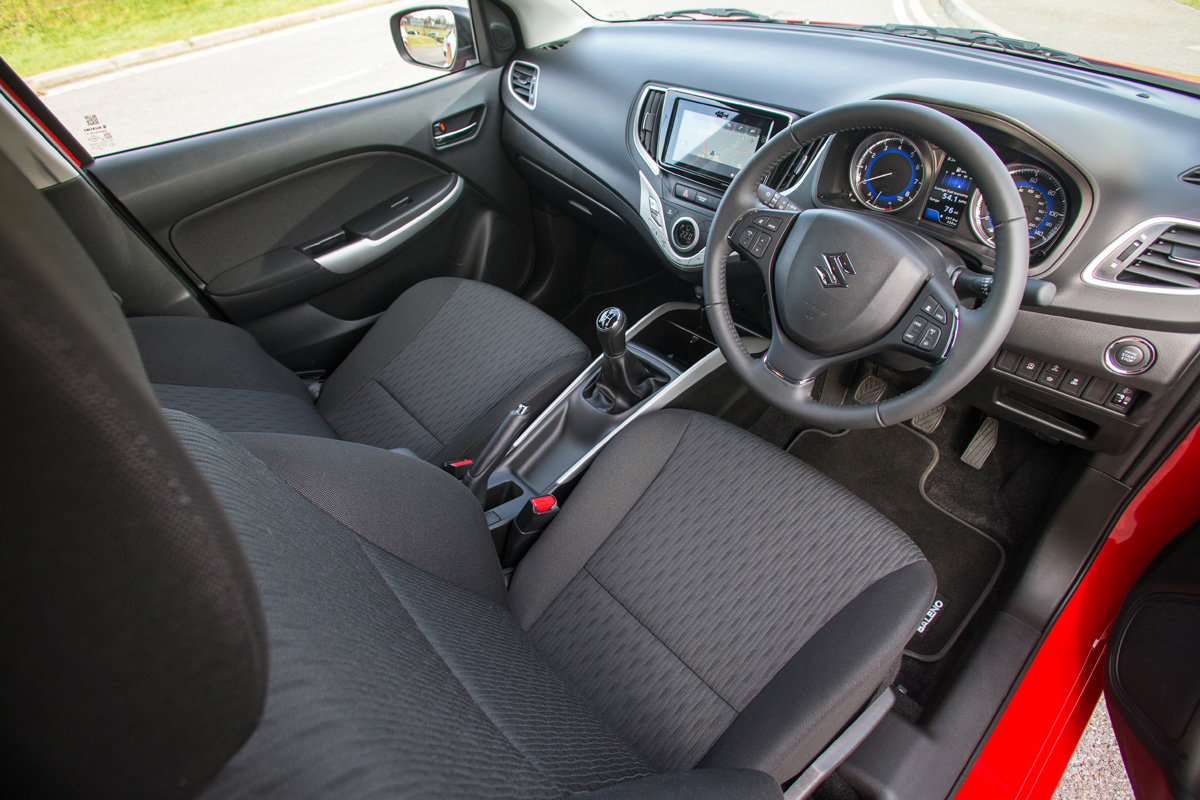
Technology, equipment & infotainment
Equipment levels are good, with even entry-level models featuring six airbags, air-conditioning, DAB, Bluetooth and electric windows.
SZ-T Balenos benefit from HID headlights, tinted rear glass, satnav, a reversing camera, front fog lights and alloy wheels. They also get a leather steering wheel, which improves the cabin ambience a little.
Step up to the range-topping SZ5, which can be had with a manual or automatic transmission, and you’ll also get climate control, adaptive cruise control, radar braking, rear electric windows, a colour driver’s display and LED rear lights.
Suzuki Baleno running costs
The Baleno is an excellent option if you’re looking to keep running costs to a minimum. It’s light, so wear on consumables is negligible, it’s efficient and it’s reliable. Consequently, there should be little in the way of excessive or unexpected bills.
In terms of fuel costs, there’s little to worry about. The basic five-speed manual 1.2 Dualjet model, as a case in point, is reputed to average 52.4mpg on the more realistic WLTP test cycle. Suzuki often fares well when it comes to real-world economy, too, and many owners report consumption in that range.
Even if you go for the range-topping Boosterjet in six-speed automatic specification, it’ll still return an average fuel consumption figure of up to 44.6mpg. The mild-hybrid SHVS promises up to 70.6mpg, which is impressive, but that is on the less realistic NEDC test, which has since been replaced.
Vehicle Excise Duty charges predominantly all fall into the standard fixed annual brackets, so there are no surprises there, but it’s worth pointing out that some pre-1 April 2017 models are cheaper to tax. The early Dualjet SHVS qualifies for £0 VED and some Boosterjets also qualify for £20 VED, so they could be worth hunting out if you want to keep costs to a minimum. The savings will probably be negligible on the grand scheme, however, so do crunch the numbers to make sure it’s worth your time.
There are no qualms on the servicing front, either. For starters, both Dualjet and Boosterjet engines using timing chains instead of belts, so there are no big bills that come around every few years or so, and there’s no need to worry about an unknown belt letting go and leaving you stranded. Regular oil changes are essential, so make sure that any used example has a service book full of stamps and clean fluids.
Servicing is required every year or 9,000 miles, that said. An annual interval isn’t unusual, but some might raise an eyebrow at the comparatively low 9,000-mile interval. There are two ways to look at it: for those racking up starship mileages, the need to visit the dealership every 9,000 miles could be a minor annoyance. On the plus side, you probably won’t be testing the limits of the fluids, and a fresh oil filter and oil every 9,000 miles will keep the engine in fine fettle.
Consumable costs won’t raise any flags, either, and the Suzuki’s featherweight nature means tyres wear very slowly. The 185/55 R16 items on Boosterjet models, for example, cost around £70 a corner if you go for a premium option.

Suzuki Baleno reliabiity
If you bought a Suzuki Baleno new then it would come with a three-year, 60,000-mile warranty. Suzuki would also include 12 years of anti-perforation warranty and one year’s UK and European roadside assistance and recovery.
Nowadays, given that the Baleno is no longer available as a new car, you’ll either be looking at examples with no warranty, the remainder of their factory warranty, or perhaps some aftermarket cover. However, in any case, there’s not much cause for worry because Suzuki has an excellent reputation for reliability and its cars are durable, uncomplicated and easy to maintain.
There have also only been two recalls on Balenos, both of which were minor. Nevertheless, it’s worth checking with Suzuki if any used example has been updated and corrected.
You can buy used Suzuki Balenos direct from Suzuki itself, if you want to make the purchasing process easy, as it offers warranted and approved used cars. The Suzuki Approved Used Car Promise scheme serves up cars that have been comprehensively checked and many are offered with a Suzuki-branded warranty for further peace of mind.
However, if you’re looking to keep fuss to an absolute minimum, you might want to look at a Kia Rio, Hyundai i20 or a car from Toyota, because their longer warranties mean you might be able to buy a used car with a significant chunk of original warranty remaining.
- Three trim levels were available: SZ3, SZ-T and SZ5. Base-specification SZ3 models feature six airbags, air-conditioning, Bluetooth, DAB and LED daytime running lights. These cars are only offered with the 1.2-litre Dualjet engine and a manual gearbox, so if you want the Boosterjet engine then you’ll have to go for an SZ-T or SZ5 model. The 1.2-litre SHVS mild hybrid is only available in SZ5 specification.
- The Baleno scored a decent four-star rating in Euro NCAP crash testing, albeit only in higher SZ5 specification, putting it on a par with the Hyundai i20, but a star behind cars such as the Ford Fiesta and Volkswagen Polo.
- The infotainment system in SZ-T and SZ5 models supports MirrorLink and Apple CarPlay, making it easier to use certain smartphone applications and features. All versions also support Bluetooth connectivity, so streaming music is straightforward. However, if you’re a fan of physical media, it’s worth pointing out that only the base-specification SZ3 comes with a CD player.
- If you want the best all-rounder: The 110bhp Boosterjet turbo petrol engine is a flexible and efficient option, so it’s the one to go for provided it’s in budget. SZ-T models come with plenty of kit but it’s worth considering the SZ5, especially if you see a sensibly priced example. Even more so if you’ve longer trips in mind, given its fatigue-reducing adaptive cruise control.
- If you want the hybrid option: The mild-hybrid 1.2-litre SHVS – Smart Hybrid Vehicle by Suzuki – version of the Baleno claims to average 70.6mpg and emit 94g/km of CO2. However, that was on the older and less realistic NEDC test procedure. Its emissions were low enough to qualify it for no-cost annual VED before 1 April 2017, however, so you could stand to save a little money. Used examples often command a premium, so you will have to do the sums carefully to ensure you stand to save something.
- If you want the best fuel economy: If you don’t need the hybrid, or don’t want to pay the premium for one, go for a standard Dualjet or Boosterjet Baleno. Suzuki claims that the five-speed manual Dualjet SZ3 can average up to 52.4mpg, while the five-speed manual Boosterjets average a lesser 46.8mpg. However, in terms of real-world MPG and used values, there’s often not much between them. Unless budget and running costs are of absolute concern, we’d still aim for the more flexible and capable Boosterjet model in SZ-T or SZ5 specification.
- If you need an automatic: An automatic transmission is only available in the range-topping SZ5 model with the Boosterjet engine. It’s a decent six-speed automatic and, on paper, it’s quicker than the manual and clocks a 0-62mph time of 11 seconds. It’s predictably a little less efficient than the manual model, but not by a notable amount.


