Toyota Auris Review (2012-2019)
Toyota Auris cars for sale
4.0
Expert review
Pros
Extremely reliable
Comfortable ride
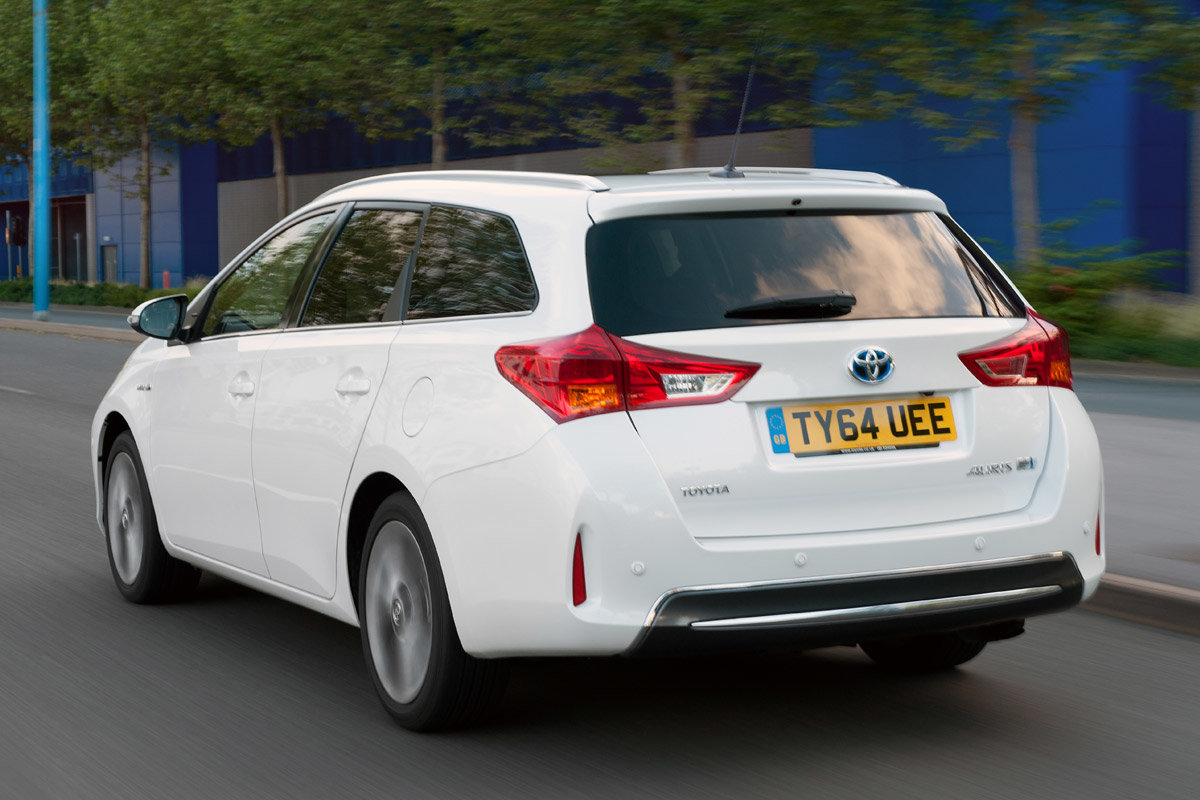
Touring Sports estate has a big boot
Cons
Very boring to drive
Rear seat space is only average
Boring interior design

The CarGurus verdict
It’s easy to dismiss the Auris. After all, many rivals – such as the Seat Leon or Ford Focus – are far sharper, more appealing and more entertaining cars. However, few can touch Toyota’s reputation for tremendous reliability. It’s also an efficient choice, especially in hybrid form, which will further help keep its running costs down.
All in, it’s a sensible option for those seeking a dependable, frugal and zero-fuss car that’s effortless to drive. Buyers do need to bear in mind that it’s not as practical as some rivals, though, while others may find its dated media system a bit of a chore to live with. If those points are moot to you, though, and sensible is what you’re shopping for, a used Toyota Auris could fit the bill perfectly.
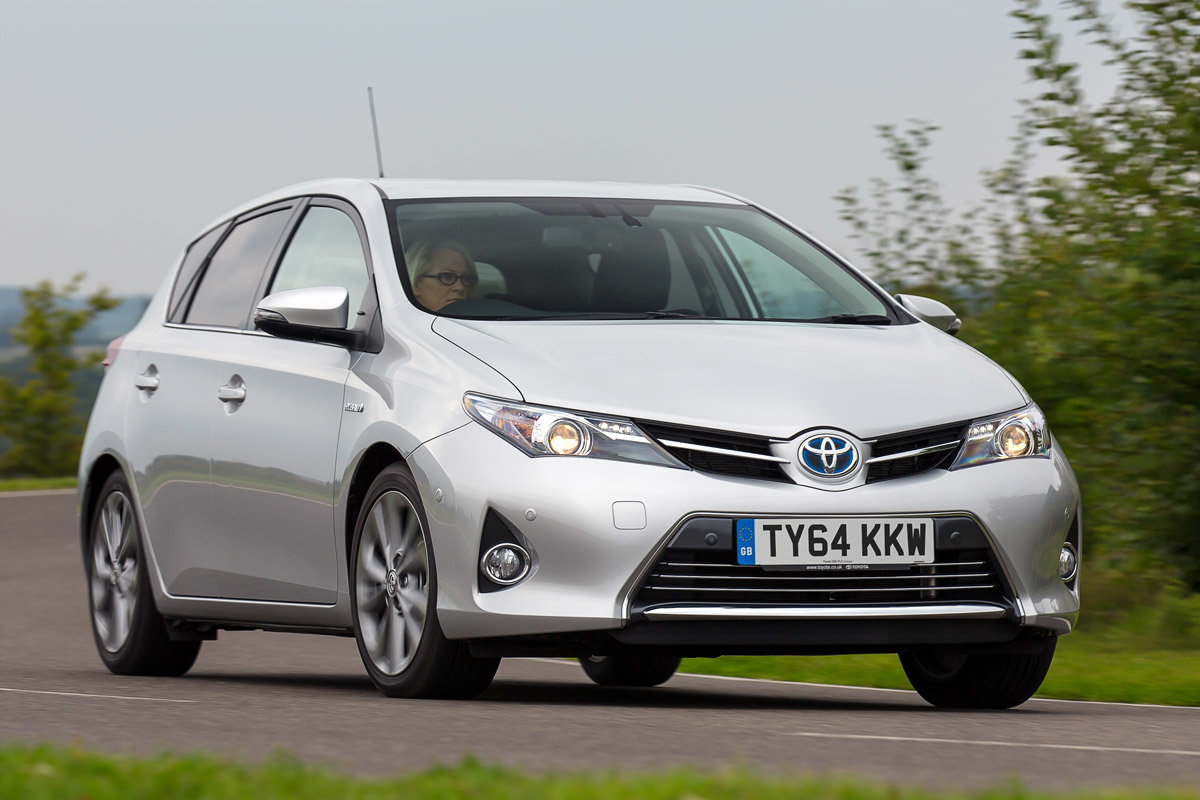
What is the Toyota Auris?
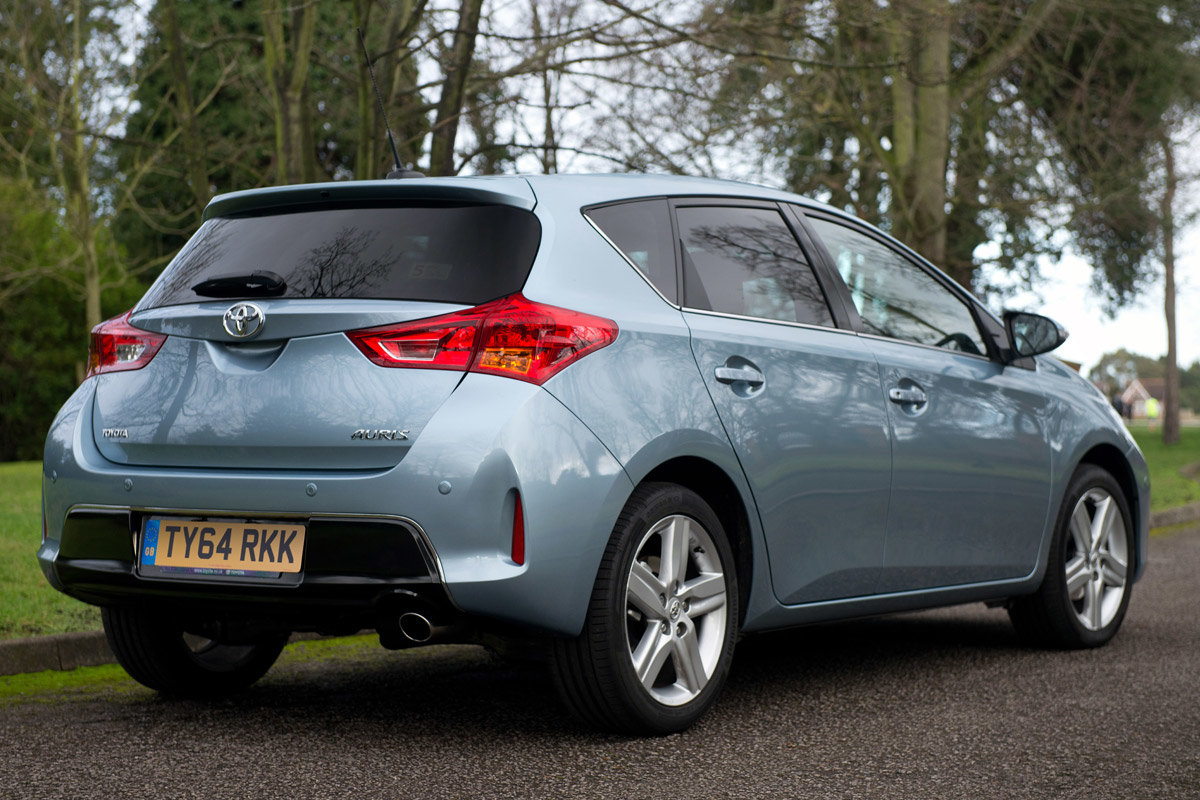
The Toyota Auris is an affordable and economical family car, offered in both five-door hatchback and estate body styles, the latter known as the Touring Sports (although 'sports' is about the last word you'd associate with an Auris).
Toyota launched the Auris nameplate to replace the Corolla in certain markets, in an attempt to add more glamour to a car that had developed an image for being somewhat dull. The Auris did little to change that. In fact, the model reviewed here is the second and final generation of Auris, after which Toyota reverted to calling its family car Corolla once again.
The second-generation Auris has an enormous number of rivals including the Ford Focus, Skoda Octavia, Vauxhall Astra and Volkswagen Golf, and stands out for its no-nonsense reliability and ease of use, if not its dynamic prowess.
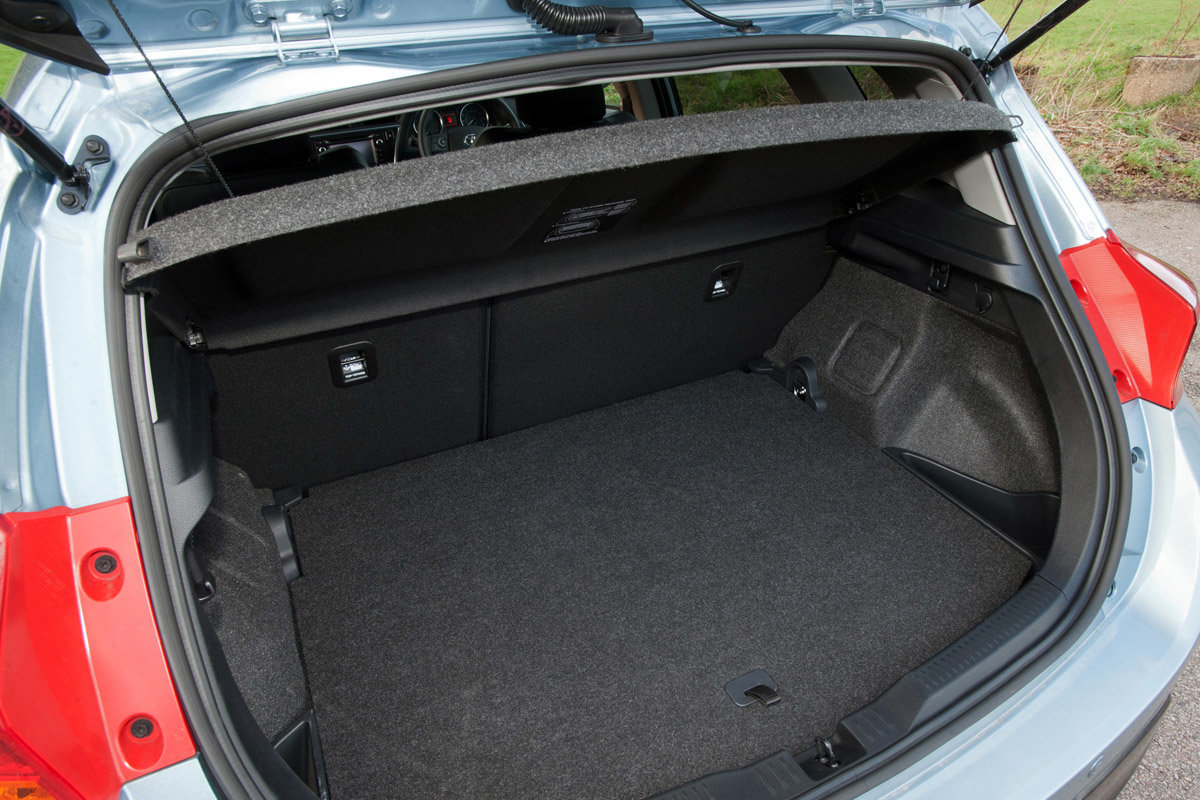
How practical is it?
Any Auris is a very easy car to live with; they are well built, comfortable, spacious and extremely easy to drive. As you might expect, the Auris also scored the maximum five-star rating in Euro NCAP crash testing. The rear seats will just about accommodate three adults, but a Skoda Octavia offers much more legroom. Two child seats will also fit with ease.
Toyota also subsequently introduced an estate version, called the Touring Sports. This increases boot space beneath the load cover to 507 litres from the hatchback’s 337. Happily, and in contrast to rivals, choosing the hybrid model doesn’t alter boot space in either version.
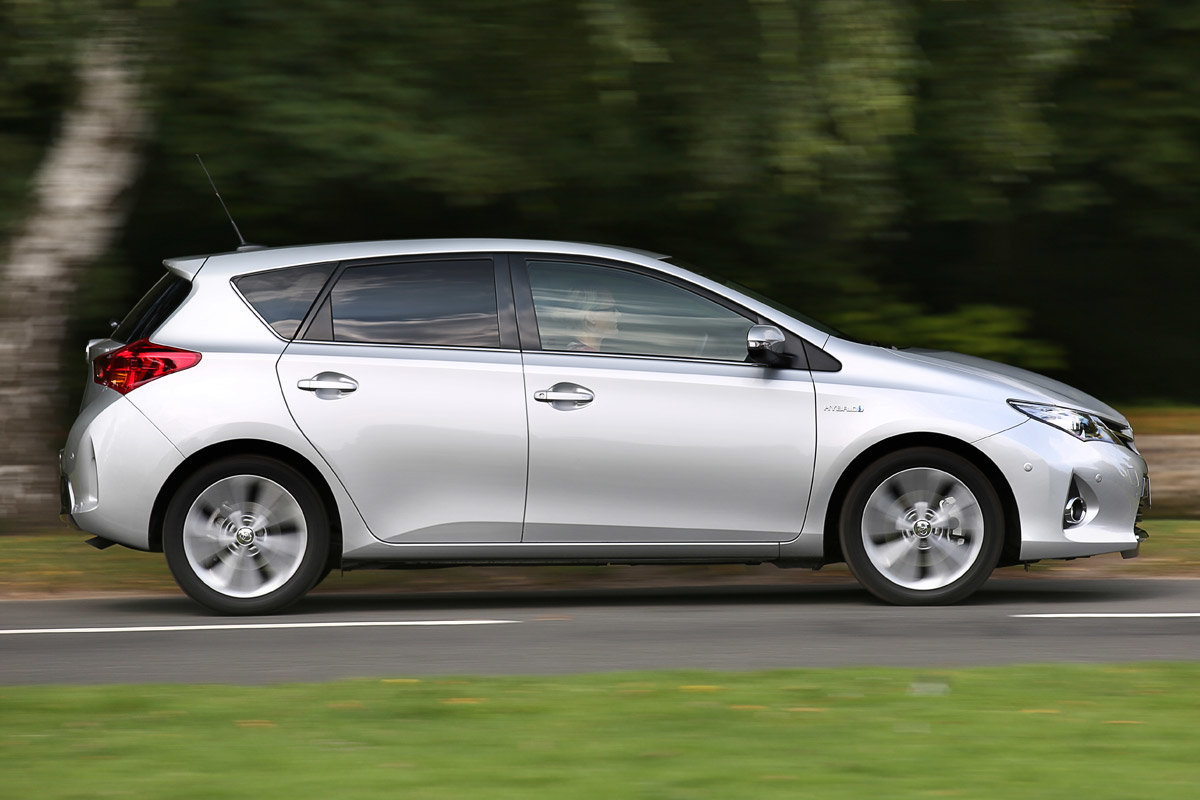
What's it like to drive?
The Auris lags behind its competitors on the driving experience front; it’s safe, comfortable and reassured, but it isn’t fun or engaging. Likewise, it's comfortable enough, but many rivals are more cosseting.
The engines are good, though, particularly the later turbocharged 1.2-litre petrol. The hybrid option is unquestionably efficient, too, but some may not like the rubber band-like power delivery or occasionally irritating engine noise when accelerating.
Consequently, if you’re looking for a family hatch with some verve and pep, you’re better off considering something such as a Ford Focus. If you just want effortless and uncomplicated motoring, however, then the dependable Auris is worthy of your attention.
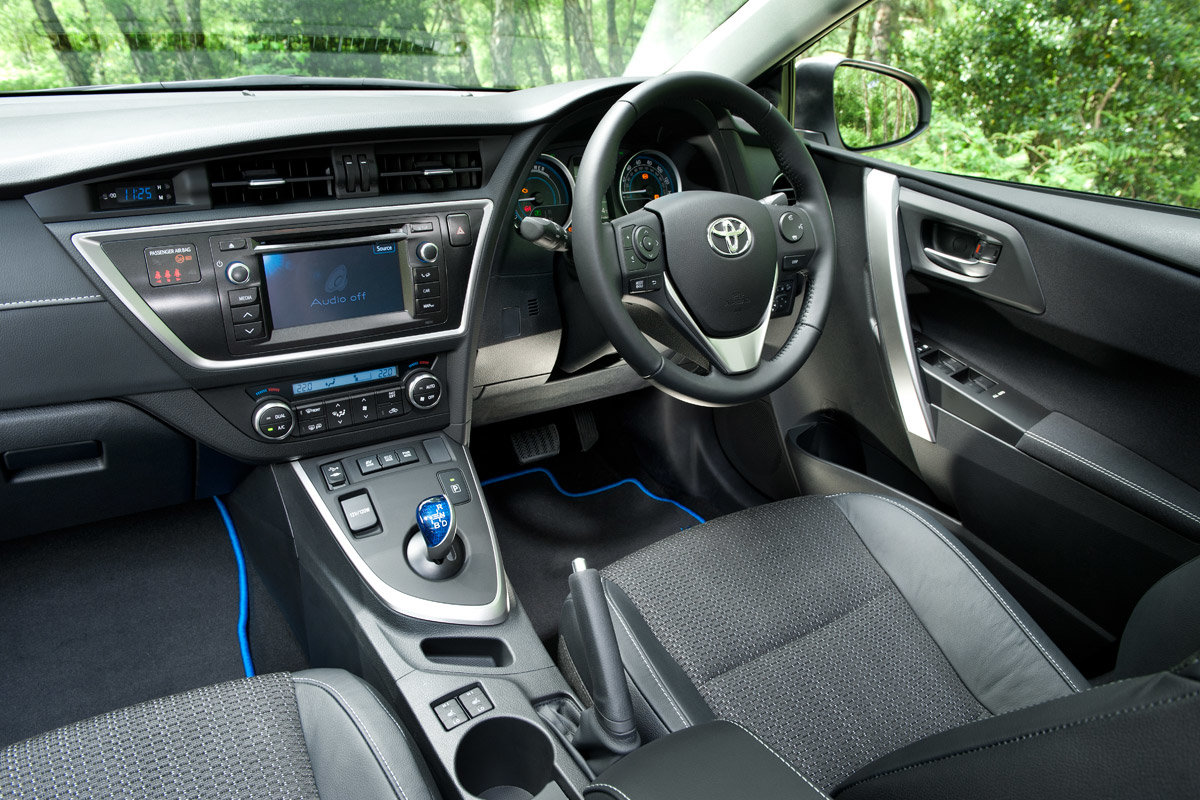
Technology, equipment & infotainment
A new grade structure was introduced with the Auris, which consisted of Active, Icon, Sport and Excel, while engine options consisted of a 1.3-litre petrol, a 1.6-litre petrol, a 1.4-litre diesel and the popular Auris Hybrid with Toyota’s Hybrid Synergy Drive system.
Base-grade Active models of the Auris come with climate control, a four-speaker stereo with USB and auxiliary connections, electric heated mirrors and electric front windows. It’s worth going for an Icon grade or above, if you can, because they benefit from an upgraded six-speaker stereo, a DAB tuner, the Toyota Touch multimedia system, a rear-view camera, Bluetooth connectivity, electric rear windows and cosmetic upgrades.
Sport trim, which was later discontinued, included 17-inch alloy wheels, sports front seats, a different grille, a rear diffuser and rear privacy glass. The flagship Excel came with lots of neat features, including cruise control, front- and rear parking sensors, dual-zone climate and heated front seats.
Toyota Auris running costs
Low running costs are one of the major strengths of the Auris; fuel costs are low, VED rates are inexpensive, servicing should prove reasonable and the cars also hold their value well. All of this, coupled with good reliability and durability, means that buyers shouldn’t have to fork out much to keep their Toyota ticking along.
Even the early entry-level 1.3-litre manual petrol model, as a case in point, emitted 125g/km of CO2, so owners would pay a sensible £125 in annual VED. No Auris should cost more than £150 to tax, at any rate, and many of the cleaner variants cost either nothing or just £20 or £30.
What’s good is that even the basic 1.3-litre petrol is claimed by owners to average north of 40mpg in the real world, while the 1.2-litre turbo, the diesels and hybrid routinely do significantly better. The latter does often fall some way from its impressive official figures, but it’s often not difficult to average around 50mpg.
Toyota also allows you to check the price of servicing online, using the registration number of the car and its mileage, so you can get a good handle on what to expect. A full six-year, 60,000-mile service on a 1.4-litre diesel Auris, for example, is quoted at £340, while an intermediate service is £190.
You can also pick from 12- and 24-month service plans, which can be paid for monthly and tailored to include features such as MOT testing and roadside assistance. Any local independent garage should also have no problem maintaining an Auris, which could help keep costs down even further.
Toyota Auris reliability
The Auris came with a five-year, 100,000-mile warranty when new, which was excellent compared to the conventional three-year warranties offered by many rivals. The length of the Toyota warranty also means that, if you’re looking at a more recent used example, it may well still have some factory protection remaining.
Toyota also offered a 12-year, unlimited-mileage corrosion warranty, as well as a three-year, unlimited-mileage paintwork cover, giving owners even more peace of mind. Not that any Toyota driver should have much to worry about, given that the brand is always at or near the top of any customer satisfaction or reliability survey. If you want a car that you can depend upon, you need not look much further.
Even so, a little care is required when buying an Auris. While the cars are very reliable and last well, and aside from checking for obvious damage, you need to keep an eye out for recalls. Toyota issued several recalls for the Auris, ranging from minor headlight issues to potential fuel leaks, so use the government website to check if the car you’re looking at is affected; a dealer will also be able to help you identify if a car has any outstanding recalls.
Toyota will now also warranty cars aged up to 10 years that have covered less than 100,000 miles, on condition that you have the car serviced at a Toyota dealership. Many versions of the Auris will still be eligible for this Toyota Relax warranty, adding even more peace of mind to an already robust offering.
- Toyota launched the Auris in 2006 but this, the second-generation model, was unveiled in 2012. It featured revised interior and exterior styling, more interior space, fine-tuned suspension and steering and new technology.
- The Toyota Auris Hybrid has long been a popular choice because it offers low emissions and fuel consumption in conjunction with excellent reliability. It blends a 1.8-litre petrol engine with an electric motor, which can assist the engine or propel the car on its own, allowing for quiet zero local-emissions motoring when the battery can support it. The system was updated throughout the car’s life, too; in 2015, when the Auris was updated, the hybrid’s fuel consumption was claimed to be 80.7mpg while its CO2 emissions were 79g/km.
- A major facelift for the Auris was announced in June 2015. It consisted of refreshed exterior styling for a more upmarket look, a redesigned interior with upgraded materials, suspension and steering revisions and cabin noise reductions. A new 1.2-litre turbocharged petrol was introduced, along with a new 1.6-litre D-4D diesel and an updated 1.4-litre D-4D diesel, bolstering the appeal of the Toyota. The 1.2-litre engine was also offered with the Toyota Multidrive S CVT, as was the case with the 1.6-litre petrol, giving buyers wanting an automatic yet another option alongside the E-CVT equipped hybrid.
- The best all-rounder: If you’re on a budget, we’d recommend going for the 1.3- or 1.6-litre petrol in Icon specification. Go for the bigger engine if you’re going to be doing more motorway miles, or cross-country work, as it’ll be a more relaxing drive (if still lacking in mid-range flexibility). If you’re looking at newer Auris models, aim for the 1.2-litre petrol. It offered a claimed average of 61.4mpg when introduced.
- For the eco-minded: The Hybrid is a great option for those who want a frugal hatch or estate and the ability to run briefly on electric power alone is useful. If you don’t like the way the Hybrid drives, though, the diesels are also efficient, particularly in the case of the 1.4-litre D-4D. Don’t discount the smaller petrol options, either, as they can be economical and are ideal for those who don’t want a diesel.
- For those with families: The Touring Sports has a 530-litre boot, or 1658 litres with the rear seats down, compared to the 337 and 507 litres offered by the hatch, which makes it a better choice for tackling family life. Again, go for Icon grade – which features the touchscreen media system – and pick an engine that best suits your mileage and driving style.
- For technology fans: Go for a facelifted Auris in range-topping Excel trim. These feature luxuries such as a Wi-Fi hotspot, intelligent parking assist, LED headlights, dual-zone climate and heated part-leather seats. Keep an eye out for cars with the Toyota Safety Sense package, too, which adds autonomous emergency braking, automatic high beam, lane departure warning and road sign assistance.

