Vauxhall Crossland X Review (2017-2020)

Pros and cons
What we like
Lots of equipment, whichever trim you choose
Well priced used examples
Spacious inside for a relatively small car
What to consider
Not very exciting to drive
Some reliability issues
The non-turbo 1.2-litre model is slow
The CarGurus verdict
The Crossland X won’t set hearts racing with its driving experience, but it looks good, has plenty of equipment across a vast choice of trim levels, and lots of space inside for a family for a compact SUV. You should find used examples are well priced against rivals, too.
There are a few concerns about reliability, so make sure you do a thorough test drive of any car you’re considering, and don’t buy one without first checking out the competition.
out of 5 expert review
What is the Vauxhall Crossland X?
The world has gone crazy for crossover SUVs, so manufacturers need a good selection to sell to a demanding public, and the Crossland X is Vauxhall’s offering.
It was introduced in 2017, replacing the Meriva MPV with a much more of-the-moment body style and better looks.
It sits below the larger Grandland X in Vauxhall’s SUV line-up, but alongside the similarly sized Mokka X, which is a bit less family-friendly but has four-wheel drive available.
The Crossland X is front-wheel drive only and firmly aimed at families that will be using it on, rather than off-road.

Practicality
How practical is it?
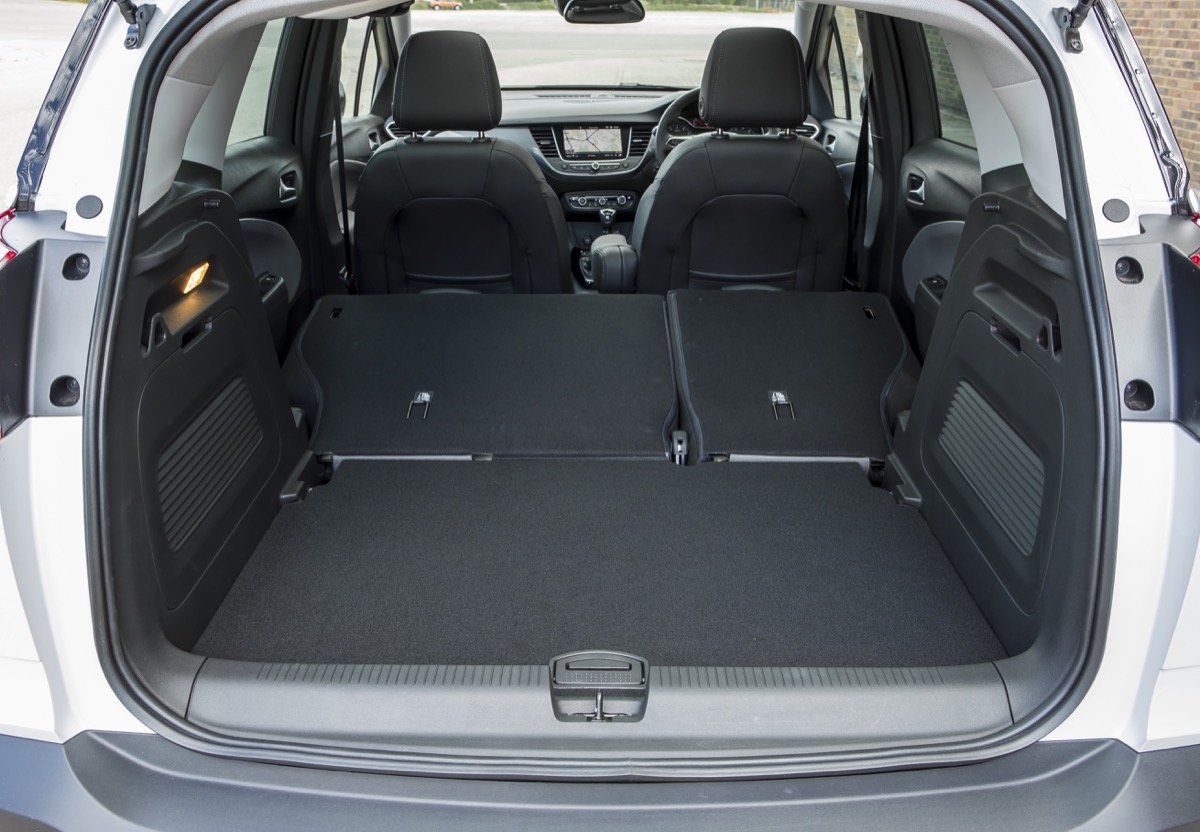
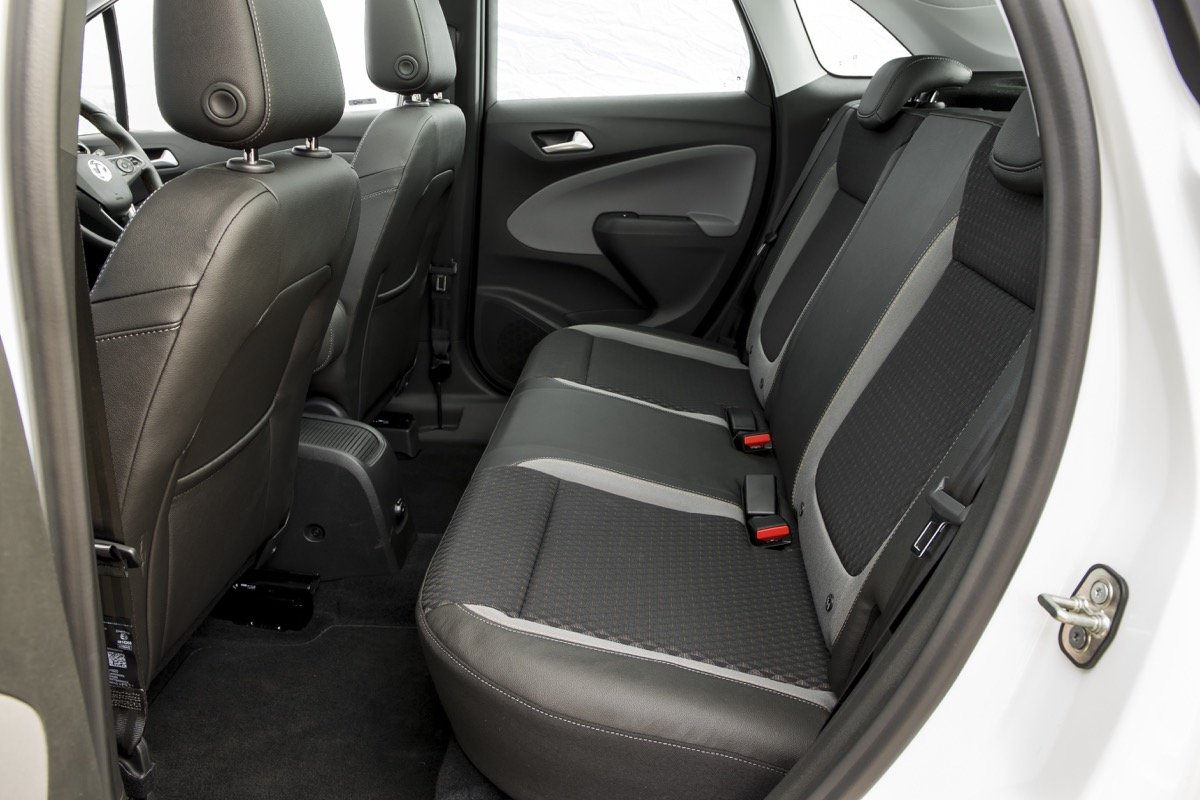
The interior is very spacious for a car of this size (around the footprint of a Corsa hatchback) with plenty of headroom and legroom for adults in the front or back seats.
Some models are equipped with what’s known as a Versatility Pack and have sliding rear seats to prioritise legroom or luggage space as needed. Slide them forward, and you have 520 litres of boot space, which is a lot, although there is a big lip at the entrance that you’ll need to lug stuff over. Higher-end models have a movable boot floor, though.
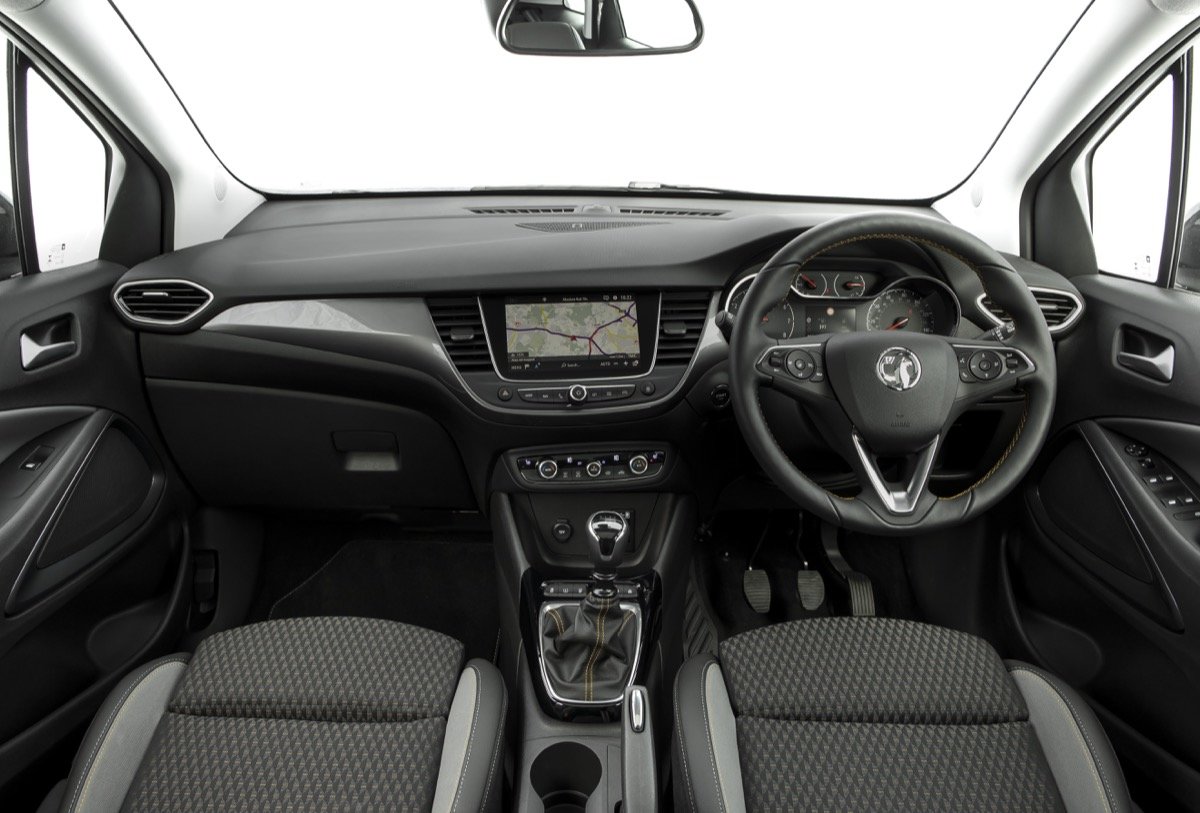
Interior quality is reasonable, although some of the plastics feel a long way from premium. Every model has a simple touchscreen infotainment system that includes Bluetooth as well as Apple CarPlay and Android Auto for smartphone connectivity.
Driving
What's it like to drive?
On the move, the Crossland X strikes a nice balance between agility and comfort. The suspension massages out the worst that bad road surfaces throw at you, even on larger wheels, but it’s taut enough to be composed and solid through corners.
The steering can feel a bit vague, but its lightness means it’s easy to manoeuvre the Crossland X in town, and that’s likely to be a bigger priority for most owners than sharp handling.
Tech and equipment
Technology, equipment & infotainment
Trim levels on the Crossland X changed repeatedly throughout its life, but all models are well equipped. Originally, the entry-level model was the SE, which featured 16-inch alloy wheels and cruise control, while SE Nav added, as the name suggests, satnav, and a bigger infotainment system screen. Techline Nav had 17-inch wheels and satnav, Elite had 17-inch alloys but no satnav, and Elite Nav added navigation again. Phew.
Before long, the trim levels had changed, although they broadly mirrored what had gone before. The updated range started with Sport, which featured aircon, cruise control, and 17-inch alloy wheels, while Sport Nav upgraded the infotainment screen and added satnav, as well as front and rear parking sensors.
Business Edition Nav, aimed at fleet users, gave you climate control, front fog lamps and some ambient LED lighting inside, while Elite and Elite Nav were much the same as before.
In 2018, Vauxhall added the Ultimate model, loaded with safety kit and more premium features including leather seats, but this was dropped by 2020, when the range started with the Griffin, which was much the same as the Sport, while SRi Nav was basically the same as Sport Nav. Did you get all that?
Running costs
Vauxhall Crossland X running costs
The diesel models are your best bet for fuel economy, with the later 1.5-litre models promising an official MPG figure of up to 61.4mpg. Older 1.6-litre models actually trump that, but they were measured using the previous NEDC test, which was less accurate than the current WLTP one, so the newer engines are definitely more efficient.
The turbocharged petrols have identical official fuel consumption figures to that of the entry-level, non-turbo petrol, but they’re more powerful, so you won’t need to work them as hard. Realistically, that means the turbos will probably be more efficient.
No Crossland X cost more than £40,000 when new, which means you’ll pay a flat rate year for Vehicle Excise Duty. Insurance groups range between eight and 19 of 50, which means the lower-spec versions, at least, will be very affordable when it comes to premiums.
Servicing is due every year or 16,000 miles (20,000 miles for 1.5 diesels), and alternate between major and minor. You can buy monthly payment service plans from Vauxhall or pay per service, which cost between £205 and £435 at the time of writing. General running costs should be very reasonable.
Vauxhall Crossland X reliability
Vauxhall’s reputation for reliability has been up and down in recent years. It finished a credible sixth in JD Power’s 2019 UK Vehicle Dependability Study (around the time the Crossland X was on sale), which ranks the major manufacturers. That said, it was 29th out of 31 in the 2024 What Car? reliability survey.
The Crossland X shares a lot of its mechanical components with Peugeot’s 2008, which has a reasonable, if not outstanding, reliability record, and uses lots of well-proven parts.
We haven’t heard of too many common problems from owners, but the Crosssland X has been subject to several recalls. Issues have included leaking fuel pumps, missing rear end impact limiters, and high emissions, as well as suspect elements on the rear axle. All affected vehicles should have been fixed by now, but it’s always worth checking with a Vauxhall dealer to make sure that’s the case on any used Crossland X, and the government’s online recall checker tool is also worth a look.

What owners say
All round good experience pleased with the car better than what I thought only a chip on the bonnet could have been made a bit better .
16 August 2024excellent value for money as you get more bells & whistles for your money compared to other models
6 August 2021I like the shape and the car is very comfortable to drive
12 August 2023Three things to know
- When it comes to engines, the Crossland X range starts with a 1.2-litre 80bhp petrol. This is best avoided, because it lacks power and needs to be worked hard, which doesn’t do much for fuel economy. Much better is the 108bhp 1.2-litre Turbo, which has enough grunt to get you around at a decent pace. You can also get this engine with 128bhp for a bit more oomph.
- Diesels started with a 98bhp 1.6, and there’s also a 118bhp version. These were replaced by 1.5-litre engines in 2018, which come with 101bhp or 118bhp and have better fuel economy. Most models have a five-speed manual gearbox, although the most powerful petrol and the pokier diesels have six-speed versions, as well as the option of an automatic.
- Vauxhall overhauled Crossland X in 2021 and renamed it the Crossland (the ‘X’ was dropped). The later model has new front-end styling and some changes under the surface.
Which one to buy
- The best all-rounder: We think the 108bhp version of the 1.2-litre petrol turbo engine is the best of the bunch. It has enough performance, which it balances well with fuel economy. The exception would be if you do lots of long journeys, and a diesel would suit you better. As far as trim levels go, Techline Nav strikes a good balance of kit and cost, but you might be able to find a higher-spec model for not much more.
- The most economical: The later 1.5-litre diesels are more frugal than the 1.6s that preceded them, and the 101bhp version has an official fuel consumption figure of 61.4mpg. Entry-level models are slightly better on fuel than the top-of-the-range ones, but the difference is minimal so don’t compromise your choice of trim level just to save a few pence at the pumps.
- If you want all the toys: The top-of-the-range Ultimate model is the one if you want as many features as possible. It wasn’t sold for long though, so it’s rarer than other trim levels.
- The best to drive: The Crossland X is neither the comfiest nor the most engaging small SUV to drive, so if you’re after a bit of dynamism then we’d point you towards rivals such as the Mazda CX-3 or the Seat Arona. For comfort, try the Volkswagen T-Roc.


Pricing trends
Starting RRP
£13,492
Current avg. market price
£6,978
Trending down by 12.7% this month
April 2026 - October 2026
Compare 2020 Vauxhall Crossland X Trims
The 2020 Vauxhall Crossland X offers a range of trims from budget-friendly options to well-equipped models, all featuring efficient engines and practical designs.
- Starting at £7,036
- Most Popular: 1.2 [83] Elite Nav 5dr
Trim Overview
Prices updated weekly from CarGurus listings.
| 1.2 [83] Sport 5dr [start Stop] | 1.2 [83] Griffin 5dr [start Stop] | 1.2 [83] Elite 5dr | 1.2t [110] Griffin 5dr [6 Spd] [start Stop] | 1.2 [83] Sri Nav 5dr [start Stop] | 1.2 [83] Elite Nav 5dr (Most Popular) | 1.2t [130] Elite 5dr [start Stop] | 1.2t [130] Elite Nav 5dr [start Stop] Auto | |
|---|---|---|---|---|---|---|---|---|
| Starting MSRP | £17,530 | £18,360 | £19,420 | £19,450 | £19,510 | £20,470 | £21,260 | £23,350 |
| Avg. Market Price | £7,179 | £7,036 | £7,768 | £7,722 | £7,536 | £7,184 | £8,291 | £9,403 |
| Positioning | Best value | Standard | Standard | Standard | Standard | Standard | Standard | Fully loaded |
| Standout Features | Air Conditioning, Bluetooth, Apple CarPlay | Cruise Control, Privacy glass, Parking Assist | Climate control, Navigation System, Parking Assist | Air Conditioning, Bluetooth, Parking Assist | Navigation System, Heated Mirrors, Air Conditioning | Navigation System, Climate control, Parking Assist | Cruise Control, DAB Radio, Apple CarPlay | Navigation System, Climate control, Parking Assist |
| Drivetrain | FWD | FWD | FWD | FWD | FWD | FWD | FWD | FWD |
| Listings Available | 11 | 24 | 19 | 21 | 14 | 28 | 19 | 14 |
Quick Compare Table
Listing prices sourced from CarGurus — updated weekly. OEM specs from manufacturer data.
| 1.2 [83] Sport 5dr [start Stop] | 1.2 [83] Griffin 5dr [start Stop] | 1.2 [83] Elite 5dr | 1.2t [110] Griffin 5dr [6 Spd] [start Stop] | 1.2 [83] Sri Nav 5dr [start Stop] | 1.2 [83] Elite Nav 5dr | 1.2t [130] Elite 5dr [start Stop] | 1.2t [130] Elite Nav 5dr [start Stop] Auto | |
|---|---|---|---|---|---|---|---|---|
| AI Summary | Best value option for budget-conscious buyers | Affordable with essential features included | Well-rounded with added comfort features | Slightly more power with standard features | Good tech features for the price | Most popular choice with navigation | More power and tech features | Fully loaded with premium features |
| Avg. Market Price | £7,179 | £7,036 | £7,768 | £7,722 | £7,536 | £7,184 | £8,291 | £9,403 |
| MSRP | £17,530 | £18,360 | £19,420 | £19,450 | £19,510 | £20,470 | £21,260 | £23,350 |
| Engine | 1199.0cc 83 hp I3 | 1199.0cc 83 hp I3 | 1199.0cc 83 hp I3 | 1199.0cc 110 hp I3 | 1199.0cc 83 hp I3 | 1199.0cc 83 hp I3 | 1199.0cc 130 hp I3 | 1199.0cc 130 hp I3 |
| Drivetrain | FWD | FWD | FWD | FWD | FWD | FWD | FWD | FWD |
| MPG/MPGe (City/Hwy) | — | — | 45.6/62.8 | — | — | 45.6/62.8 | 45.6/61.4 | — |
| Air Conditioning | ✓ | ✓ | ✓ | ✓ | ✓ | ✓ | ✓ | ✓ |
| Cruise Control | ✓ | ✓ | ✓ | ✓ | ✓ | ✓ | ✓ | ✓ |
| isofix | ✓ | ✓ | ✓ | ✓ | ✓ | ✓ | ✓ | ✓ |
| Privacy glass/Tinted windows | ✓ | ✓ | ✓ | ✓ | ✓ | ✓ | ✓ | ✓ |
| Bluetooth | ✓ | ✓ | ✓ | ✓ | ✓ | ✓ | ✓ | ✓ |
| Alarm/Immobiliser | ✓ | ✓ | ✓ | ✓ | ✓ | ✓ | ✓ | ✓ |
| DAB Radio | ✓ | ✓ | — | ✓ | ✓ | — | ✓ | — |
| Apple CarPlay | ✓ | ✓ | ✓ | ✓ | ✓ | ✓ | ✓ | ✓ |
| Android Auto | ✓ | ✓ | ✓ | ✓ | ✓ | ✓ | — | ✓ |
| Parking Assist | ✓ | ✓ | ✓ | ✓ | — | ✓ | ✓ | ✓ |
| Climate control | ✓ | — | ✓ | — | — | ✓ | ✓ | ✓ |
| AUX/USB connectivity | — | ✓ | ✓ | ✓ | — | — | ✓ | — |
| Navigation System | — | — | — | — | ✓ | ✓ | — | ✓ |
| Heated Mirrors | — | — | — | — | ✓ | — | — | — |
| Active Listings | 11 | 24 | 19 | 21 | 14 | 28 | 19 | 14 |
Missing data displayed as "—".
Trim Deep Dives
1.2 [83] Sport 5dr [start Stop] — "Who It's For"
The 1.2 [83] Sport is the pick for shoppers who want a budget-friendly option without sacrificing essential features.
- Avg. market price: £7,179 (updated weekly)
- Inventory: 11 listings — lower availability; may limit negotiating room
- View 1.2 [83] Sport listings
1.2 [83] Griffin 5dr [start Stop] — "Who It's For"
The 1.2 [83] Griffin is the pick for shoppers who want a standard trim with essential features at an affordable price.
- Avg. market price: £7,036 (updated weekly)
- Inventory: 24 listings — lower availability; may limit negotiating room
- View 1.2 [83] Griffin listings
1.2 [83] Elite 5dr — "Who It's For"
The 1.2 [83] Elite is the pick for shoppers who want a balance of comfort and technology without going for the top trim.
- Avg. market price: £7,768 (updated weekly)
- MPG/MPGe: 45.6 city / 62.8 hwy
- Inventory: 19 listings — lower availability; may limit negotiating room
- View 1.2 [83] Elite listings
1.2t [110] Griffin 5dr [6 Spd] [start Stop] — "Who It's For"
The 1.2t [110] Griffin is the pick for shoppers who want a bit more power while still enjoying standard features.
- Avg. market price: £7,722 (updated weekly)
- Inventory: 21 listings — lower availability; may limit negotiating room
- View 1.2t [110] Griffin listings
1.2 [83] Sri Nav 5dr [start Stop] — "Who It's For"
The 1.2 [83] Sri Nav is the pick for shoppers who want navigation and tech features without stepping up to a higher trim.
- Avg. market price: £7,536 (updated weekly)
- Inventory: 14 listings — lower availability; may limit negotiating room
- View 1.2 [83] Sri Nav listings
1.2 [83] Elite Nav 5dr — "Who It's For"
The 1.2 [83] Elite Nav is the pick for shoppers who want a well-equipped model with navigation and comfort features.
- Avg. market price: £7,184 (updated weekly)
- MPG/MPGe: 45.6 city / 62.8 hwy
- Inventory: 28 listings — lower availability; may limit negotiating room
- View 1.2 [83] Elite Nav listings
1.2t [130] Elite 5dr [start Stop] — "Who It's For"
The 1.2t [130] Elite is the pick for shoppers who want more power and tech features without going fully loaded.
- Avg. market price: £8,291 (updated weekly)
- MPG/MPGe: 45.6 city / 61.4 hwy
- Inventory: 19 listings — lower availability; may limit negotiating room
- View 1.2t [130] Elite listings
1.2t [130] Elite Nav 5dr [start Stop] Auto — "Who It's For"
The 1.2t [130] Elite Nav is the pick for shoppers who want a fully loaded model with all the premium features.
- Avg. market price: £9,403 (updated weekly)
- Inventory: 14 listings — lower availability; may limit negotiating room
- View 1.2t [130] Elite Nav listings
Trim Recommendations
Most Popular — 1.2 [83] Elite Nav 5dr
With 28 active listings, the 1.2 [83] Elite Nav is the clear volume leader in the lineup.
Browse 1.2 [83] Elite Nav listings
Best Budget Option — 1.2 [83] Griffin 5dr [start Stop]
At £7,036 avg market price — below the lineup median of £7,629 — it's the most accessible entry point.
Browse 1.2 [83] Griffin listings
These recommendations are based on CarGurus' proprietary market data from October 22, 2026, CarGurus experts' opinions, and generative AI.

