Vauxhall Mokka Review (2021-present)
Vauxhall Mokka cars for sale
3.0
Expert review
Pros
Funky to look at
Punchy petrol engine
Most trim levels have decent kit
Cons
Not the most practical car of its type
Some interior panels don't impress on quality
Many rivals are better on the road
The CarGurus verdict
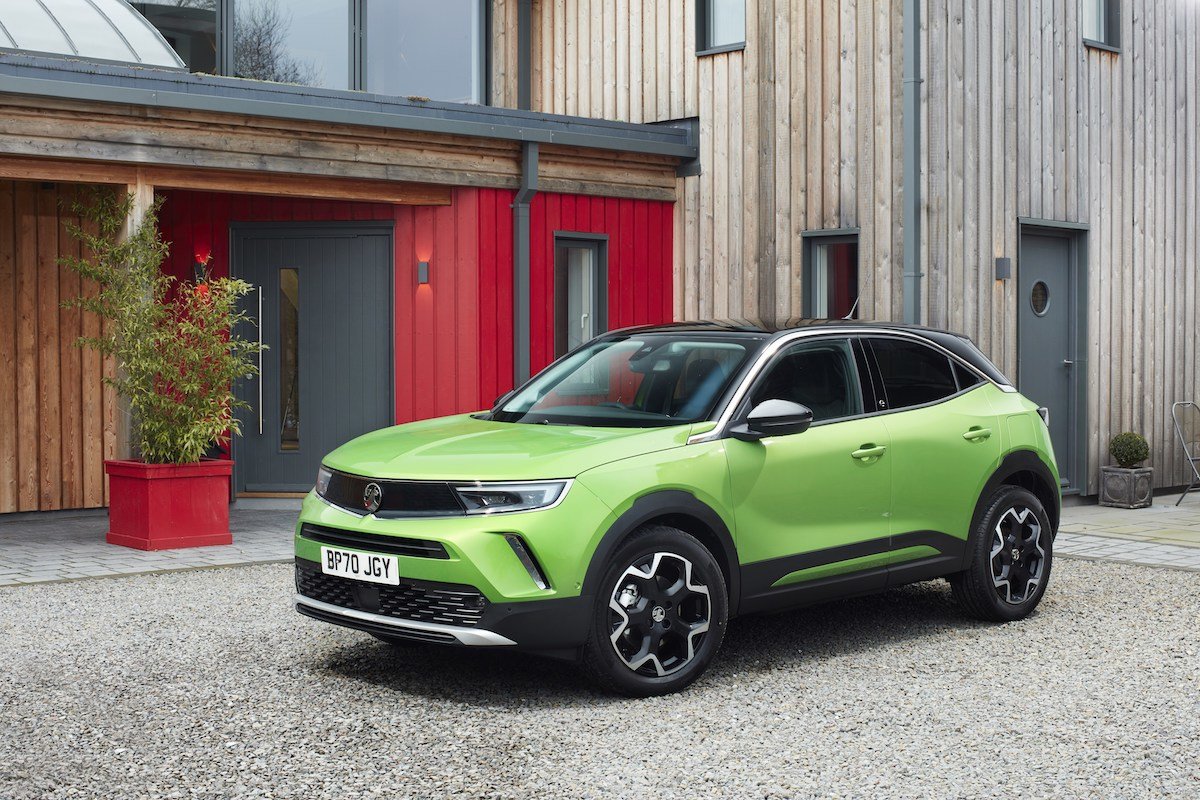
If style is any indicator of success, then the new Vauxhall Mokka could be even more of a smash hit than its predecessor, which sold in droves despite not being very good in several key areas. However, while the original Mokka was one of the first entrants into the small SUV market, the second-generation car has to see off far more competing models, so it needs to improve in every area. And to a point, it does. Get beyond that angular bodywork, and you’ll find an equally stylish interior, not to mention a decent slice of standard luxury and safety kit.
On closer inspection, it doesn’t quite have the build quality or practicality you might be hoping for, but if those aspects are of less concern to you than jaw-dropping looks and kerbside appeal, then you’ll probably be prepared to make do. The driving experience is also of the acceptable-if-not-exceptional variety, but if you’re sold on the looks, you’ve probably already stopped reading and are currently heading straight for your local Vauxhall dealer. Or you could just click below, of course...
What is the Vauxhall Mokka?
Justin Bieber. Gogglebox. Tottenham Hotspur. All proof – if it were needed – that just because something is popular, it doesn’t necessarily mean that it’s good.
You could count the first-generation Vauxhall Mokka among those examples, too. It was a fairly wretched little thing in a wide variety of ways. It wasn’t very comfortable, it wasn’t very entertaining, it wasn’t all that practical, the interior was bland and low rent, it wasn’t all that well equipped, etc, etc. Yet Vauxhall sold as many of the things as it could make.
Why? Simple. While small SUVs are ten-a-penny these days, the Vauxhall Mokka was right there at the very outset of the craze and cashed in on the zeitgeist. Although list prices weren’t all that low, discounts were huge and finance offers were generous, which made it one of the most affordable and accessible cars of its type.
Fast-forward to today, and supermini-sized SUVs are more popular than ever, and there’s no sign of that changing any time soon. With the second coming of the Mokka, Vauxhall would surely stick with the same formula that made the first-generation so successful, right?
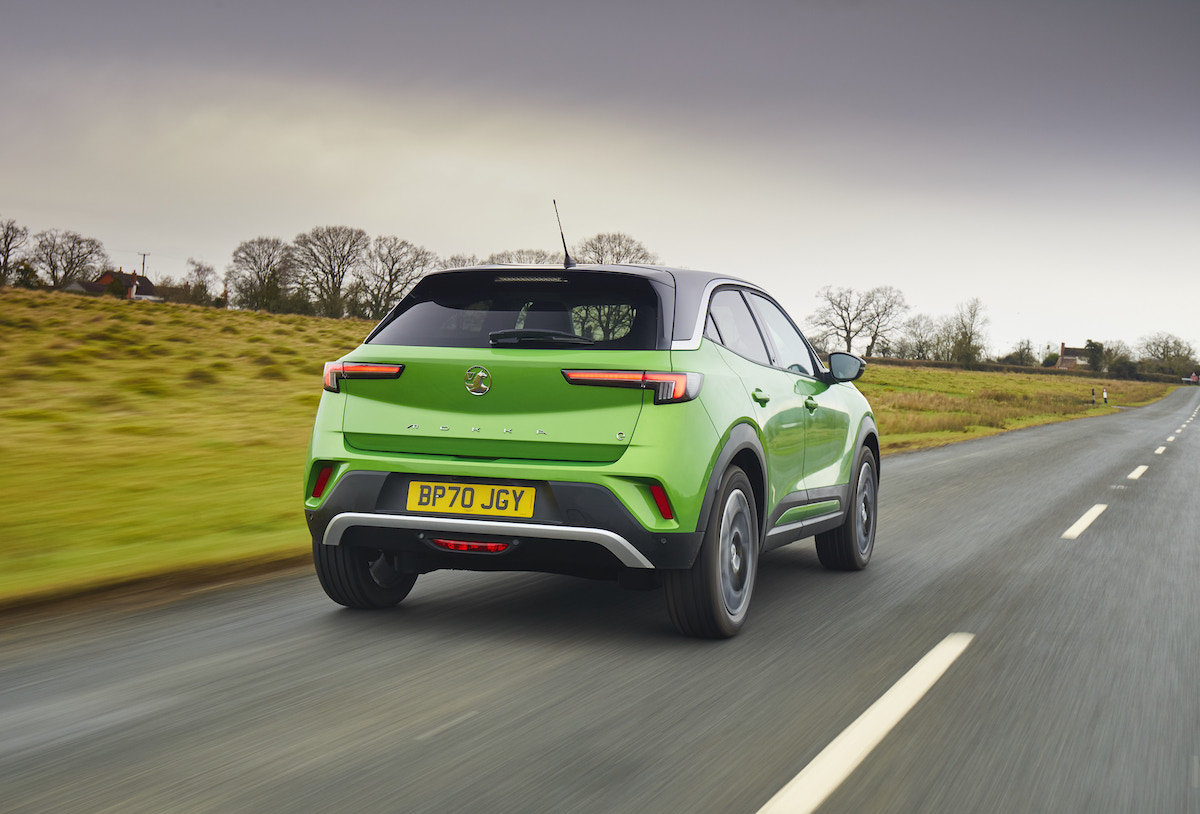
Guess again. Prices when new are sufficiently high that even when you apply a discount – which Vauxhall dealers will be a lot less willing to do these days – it’ll still cost you a similar amount to its most expensive rivals. Instead, it attempts to stand out from the mini-SUV crowd with its edgy look-at-me styling, and to be fair, that’s something it does well.
But is the rest of the package any more compelling than before? Well, standard equipment looks fairly generous – more on that below (see Technology and Equipment) and it’s definitely better to drive than before.

How practical is it?
All versions come with a touchscreen infotainment system and digital instrumentation panel, both of which look good and are reasonably clear and easy to use. The interior looks as jazzy as the outside, with plenty of bits of glossy and tactile trim. Look elsewhere, however, and you'll find some rougher surfaces that rather let the side down. Culprits include the cheap glovebox lid and scratchy door pockets. These alone are enough to remind you that you’re sitting in a Vauxhall, not an Audi or a BMW.
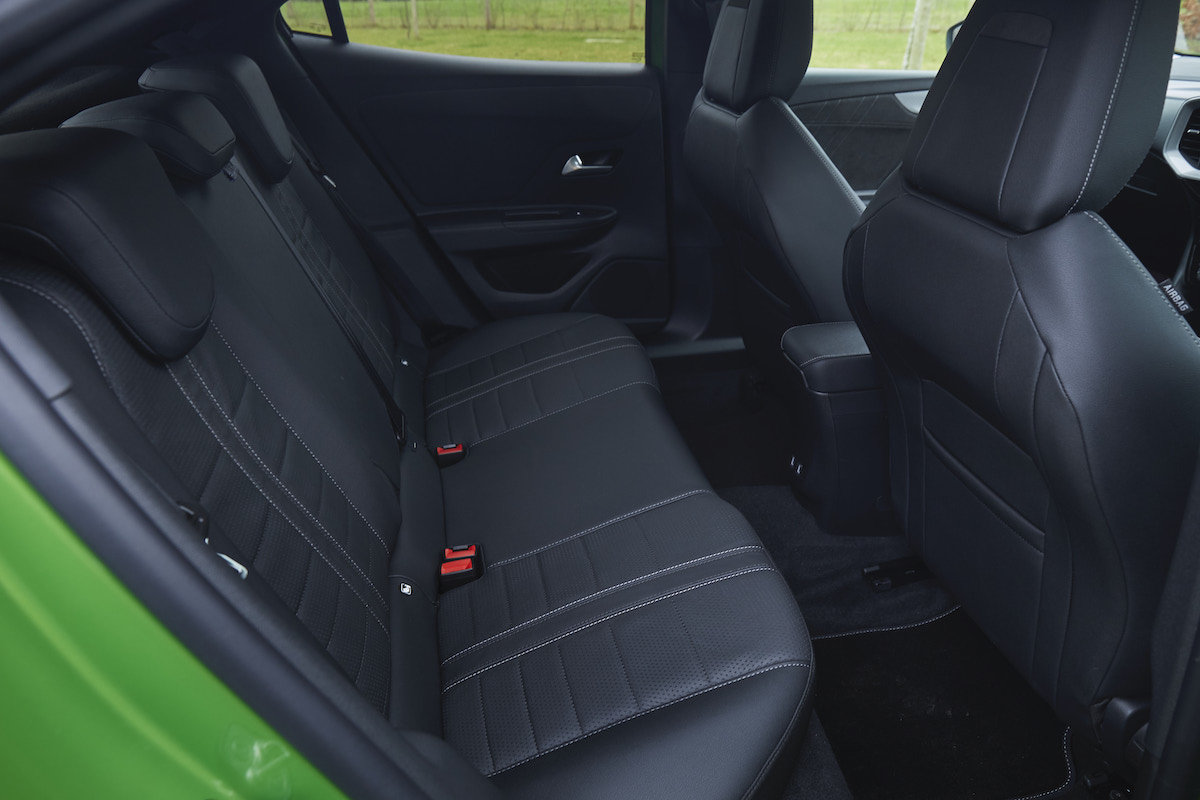
There are some questions over practicality, too. Rear legroom is fine, but anyone over six feet tall will find their hairdo brushing the headlining, and because the ceiling drops so dramatically just behind your head, it’s very easy to knock your bonce on it. The small rear door openings – made even smaller by the rear wheel arches that cut into them – make getting in and out trickier than it needs to be.
Meanwhile, boot space is a reasonable 350 litres, but there’s a hefty lip that you’ll have to haul heavy items over before dropping them in, and a large step up to the rear seats when they’re folded. Some higher-spec versions get a moveable boot floor that helps level off both the lip and the step, but that only equates to about half the range of trim levels. It's also worth noting that on electric versions boot capacity drops to 310 litres.

What's it like to drive?
A range of petrol and diesel engines, plus an all-electric Mokka-e variant, means there’s something for everyone in the line-up.
The engine in the petrol car we tried was an absolute peach. It was the more powerful of two 1.2-litre options (99bhp and 128bhp, and there’s a 108bhp 1.5 diesel as well) and it delivers strong, fizzy performance and impressive smoothness. The optional eight-speed automatic gearbox to which it was mated (we haven’t yet tried the standard six-speed manual) also impresses, swapping ratios in a smooth, fuss-free manner.
We’ve also had a shot in the Mokka-e, and it’s very compelling. It’s not as blistering off the line as most other EVs, instead choosing to unfurl its acceleration in a gentler, more considered manner, but it’s always ready to respond and delightfully quiet when trundling around, although you do hear a fair amount of road noise on the motorway.
Elsewhere, the Mokka does a decent enough job without really excelling in any area. There’s a hint of firmness to the ride, so bumps and ruts can jiggle you about a bit. Many other small SUVs are more forgiving, but the Mokka should be comfortable enough for most tastes. It’s worth noting that the Mokka-e feels slightly more settled than petrol and diesel versions over rough surfaces, presumably due to the extra weight of its batteries.
This extra weight can also be felt in corners – your front tyres will run wide a little earlier in the EV – but all Mokkas deliver decent control over body movements and change direction crisply. It’s a shame, then, that the steering is slightly odd. It’s slow to react around the straight-ahead position, but once you turn the wheel far enough for the front wheels to respond, the steering then becomes really quick. This kind of all-or-nothing character will have you making frequent corrections, which can get irritating.

Technology, equipment & infotainment
Even the entry-level SE trim comes with a decent amount of standard equipment including alloy wheels, air-conditioning, cruise control, all-round LED lighting, remote locking, automatic emergency braking, speed sign recognition, lane departure warning and a 7.0-inch touchscreen infotainment system that supports DAB, Bluetooth, and Apple CarPlay/Android Auto. You’ll have to make do with either the weaker petrol engine or the diesel engine with this trim, though.
The upgrade to SRi trim earns you access to the pokier petrol, along with smarter looks, adaptive cruise control, electronic climate control, heated front seats, rear parking sensors, and a reversing camera. Elite Nav trim earns you satnav (funny, that) and a heated steering wheel, while SRi Nav Premium, Elite Nav Premium and Ultimate Nav trims all give you keyless entry, blind spot alert and the upgraded infotainment system that swaps the 7.0-inch screens for a 10.0-inch touchscreen and the 12.0-inch digital instrument cluster.
Ultimate Nav also gives you wireless phone charging, rain-sensing wipers, and clever headlights that divert their full beams around oncoming traffic to avoid dazzling other motorists. Bear in mind that the Mokka-e is available only in SE Nav Premium, SRi Nav Premium and Elite Nav Premium trim levels, which are similar to their combustion-engined equivalents, but not identical.
Vauxhall Mokka running costs
Keen pricing was a big part of why the first-generation Mokka was so successful, but you won’t be getting the latest version for a song, at least while it’s relatively new. Prices are comparable with those of the Ford Puma and the Volkswagen T-Cross, but rivals such as the Nissan Juke and the Renault Captur cost a good slice less, model-for-model. The electric version isn’t the cheapest EV you can buy, but it’s far from expensive in the scheme of EV prices.
There’s barely anything in it in terms of fuel economy between the two petrol engines according to official figures, with both recording a maximum average of around 51mpg. You’ll be doing extremely well if you ever see this figure from either – expect MPG of more like 45 from a carefully driven Mokka – but the more powerful unit is likely to get you closer, because you won’t have to work it quite as hard for equivalent performance. However, if you choose to combine this engine with the optional automatic gearbox, expect a fuel penalty of around 3mpg.
The diesel is, predictably, the most parsimonious of the fuel-burners, with an official figure of up to 65mpg (reckon on more like 57mpg), while obviously, the Mokka-e makes a mockery (see what we’ve done there?!) of the very notion of combustion, because it uses no fuel at all.
Insurance groupings for the various versions range from 13 to 20 on the combustion-engined versions, and from 21 to 23 on the electric ones. Mokka-e buyers will make up the difference in tax savings, though: you’ll pay no annual VED road tax on the electric version, while petrol or diesel buyers will still have to stump up.
The tax savings for going electric are truly ludicrous for company car drivers. At the time of writing, those who chose a petrol powered Mokka would pay monthly benefit-in-kind tax on between 29% and 31% of their car’s original value. Contrast that with just 2% of the Mokka-e’s list price, and you’re looking at enormous tax savings, while the rate will remain similarly low until at least the middle of the decade.

Vauxhall Mokka reliability
With the Mokka still being fairly new, not enough time has yet elapsed for any meaningful reliability data to be gathered, or for any common faults to have made themselves known.
Traditionally, Vauxhall’s reliability record has been hit-and-miss, but these days, since being bought out by a firm called Stellantis, the firm’s new products bear far more mechanical resemblance to those of Peugeot and Citroen, which Stellantis also owns. That could mean good news on the reliability front, because in the 2019 JD Power UK Vehicle Dependability Study, Peugeot emerged as the number one manufacturer. Then again, Citroen – which in theory uses identical parts and processes – placed a lowly 17th out of the 24 carmakers considered, so make of that what you will.
Like all Vauxhalls, new Mokkas come with a three-year, 60,000-mile manufacturer warranty. That’s the bare minimum that any new car buyer should expect, and certainly nothing special. If you want more cover, look to the likes of Hyundai and Kia, which respectively offer five-year/unlimited-mileage and seven-year/100,000-mile warranties, while Toyota will cover any car up to 10 years old if you have it serviced at one of the manufacturer’s franchised dealers every year.
- If you’re thinking that the Mokka is a handsome little devil – and we really wouldn’t blame you – then we might have some good news for you even if you don’t fancy an SUV. With the styling based on Vauxhall’s GT X Experimental concept car, the Mokka is the first car to display the firm’s new design language, so eventually, all of Vauxhall’s cars will have elements of the Mokka’s edgy style about them.
- The Vauxhall Mokka-e is a purely electric version that has an official electric range of 201 miles. Charging the battery from empty to full on a 7kW wallbox home charger will take a little over seven hours, and if you can find a 50kW public rapid charger, your battery can go from 15% to 80% in 45 minutes, or 30 minutes if you can find a charger rated at 100kW.
- The previous Mokka was known as the Mokka X, and the letter was formerly applied to Vauxhall’s other SUVs, including the Grandland X and the Crossland X, presumably to mark them out as 4x4-type vehicles (even though lots, if not the majority of them, are front-wheel drive). The letter was dropped from all of them when updated versions arrived at around the turn of the decade, but don’t be surprised if you see used examples sporting it.
- If you want the cheapest Mokka: That’ll be the entry-level 1.2 Puretech turbo petrol engine with 99bhp. We haven’t tried it yet, but on paper it’s not much slower than the 128bhp version, and although it’s behind its more powerful counterpart on fuel economy, the difference is miniscule.
- If you want the best all-rounder: Go for the more powerful of the two 1.2 petrol engines. This will be the most popular with buyers, and we can see why. It’s a cracking little engine and serves up plenty of low-rev punch for eager and easy performance, and it’s quiet and smooth, too.
- If you cover a lot of miles: Diesel may be a dirty word these days, but if you spend your days pounding up and down motorways rather than pottering along city streets, it still makes a lot of sense due to its superior long-distance fuel economy. The Mokka’s 1.5-litre unit delivers 108bhp, but we haven’t yet had the opportunity to try it.
- If you want your Mokka to be emissions-free: The all-electric Mokka-e has you covered. It’s built on the same electric platform as plug-in models from other brands that belong to Vauxhall’s parent company Stellantis – which includes Peugeot, Citroen, and DS – and its electric motor delivers 134bhp. It also happens to be the fastest-accelerating version of the Mokka.

