Volkswagen Scirocco Review (2008-2017)
Volkswagen Scirocco cars for sale
4.0
Expert review
Pros
Loads of cabin space for a sporty coupe
Driving experience balances sporty and sensible
High-performance R is great fun
Cons
Not quite as sexy as an Audi TT
Not as fun to drive as a BMW 2 Series
Potential reliability issues
The CarGurus verdict
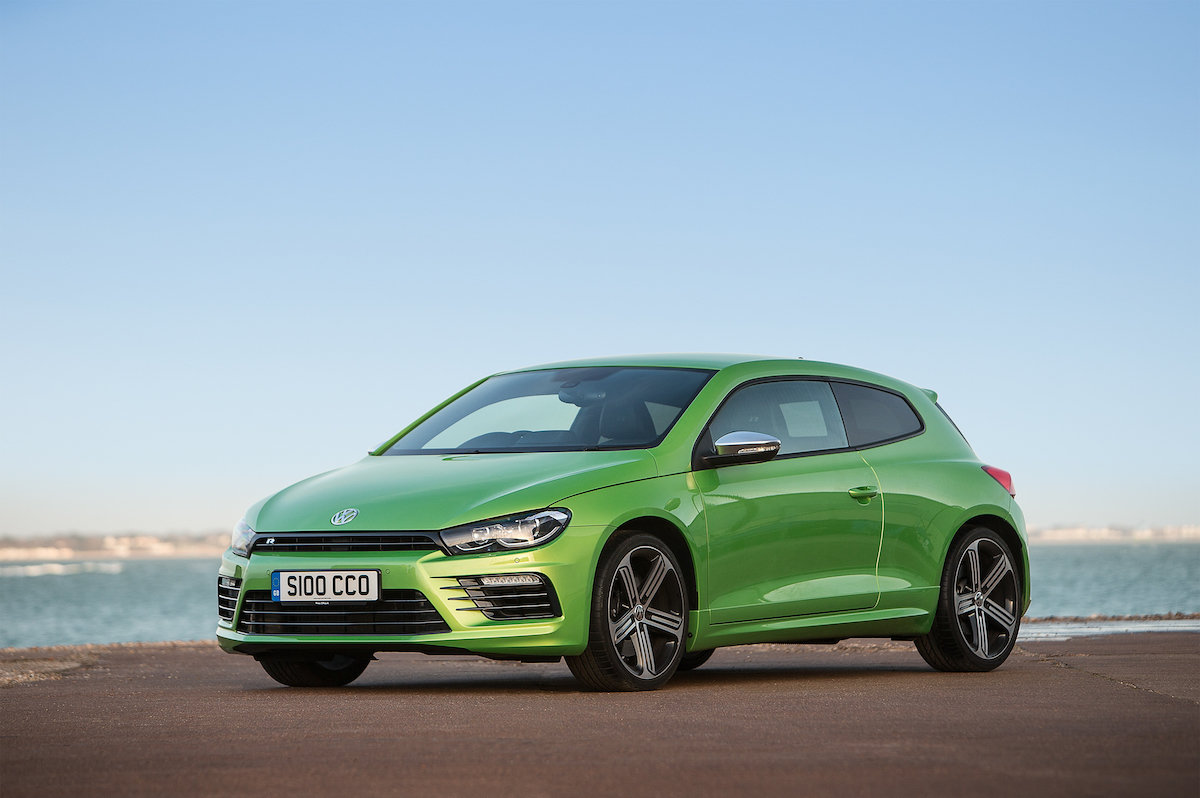
The Volkswagen Scirocco mk3 is such a likeable car that it would be great to recommend it wholeheartedly. It does all the affordable coupe stuff so well: it looks racy, it feels fast throughout the model range, it’s fun, comfortable, reasonably spacious, and more practical than most coupes. You can razz around back roads in it or cruise across continents, and whichever you do, it'll put a smile on your face.
But the Scirocco mk3’s reliability issues are a haunting background presence that can’t be ignored. Enough owners have been hit with large bills that you really need to be cautious. Our best advice is to spend time on the internet and find a reputable independent specialist to undertake a pre-purchase inspection. With luck, your Scirocco purchase should then entail more pleasure than financial pain.
What is the Volkswagen Scirocco?
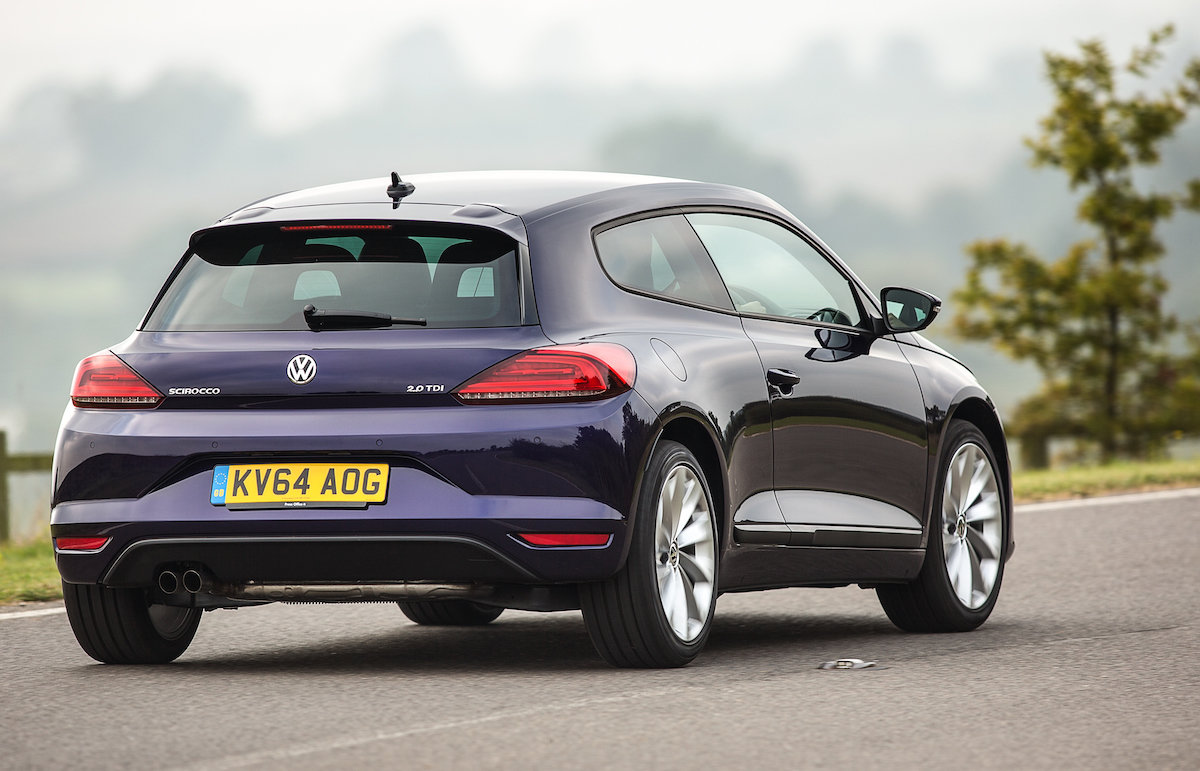
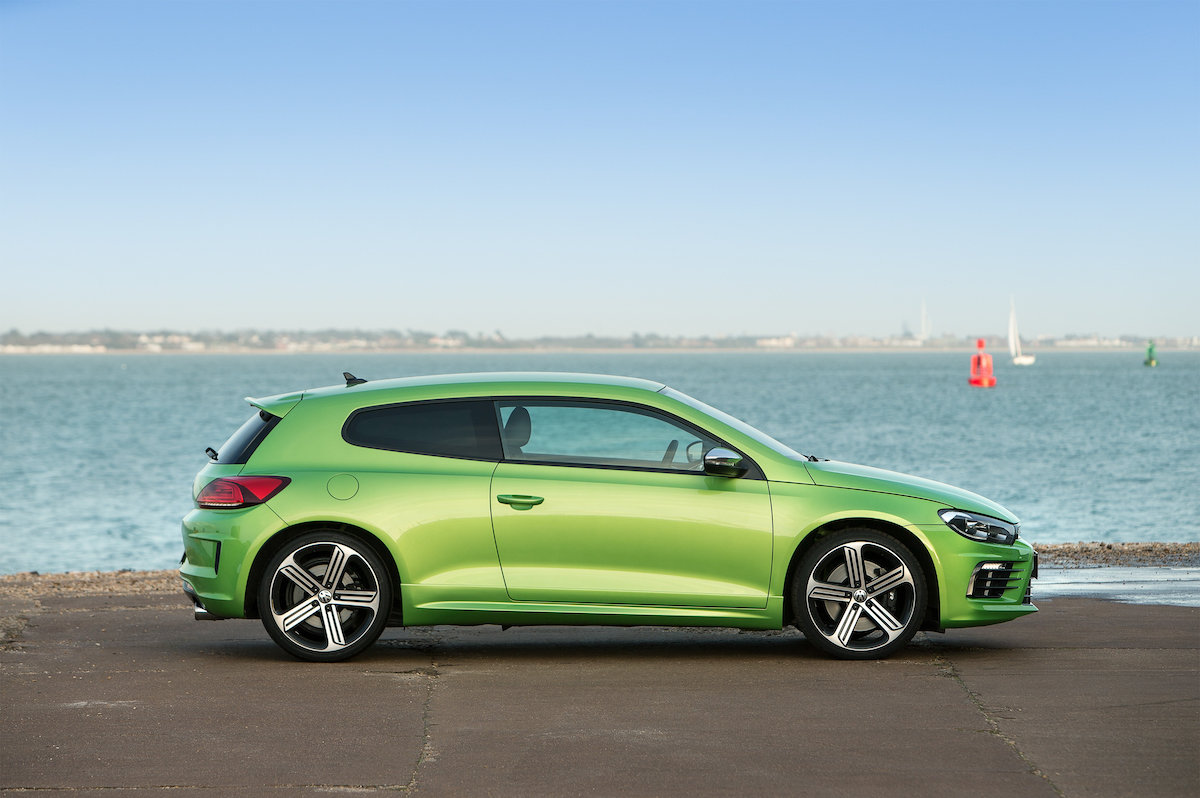
While some three-door coupes look very much like the more mainstream cars on which they’re based, the Volkswagen Scirocco mk3 bears almost no resemblance at all to the mk5 VW Golf with which it shares many of its underpinnings.
The differentiation between coupe and hatchback can be traced back to the introduction of the original Scirocco in 1974 – four months ahead of the launch of the mk1 Golf – and it continued with the second generation coupe. The Scirocco mk3 upholds that tradition. Not only is its styling more curvaceous and lower, but it also features wider front and rear suspension tracks than the mk5 Golf, which helps give it a different driving experience, too.
Given the success of the Scirocco’s styling it’s no surprise VW didn’t mess with a winning formula, so even the 2014 mid-life refresh was extremely subtle, with only eagle-eyed fans spotting the reprofiled tail lamps and updated interior trims. There were also some new engines, as well as a few tech upgrades.
Despite its initial popularity, like many coupe models Scirocco eventually became overlooked by buyers keener on SUVs, so when production ended in 2017 there was no replacement waiting in the wings.
How practical is it?
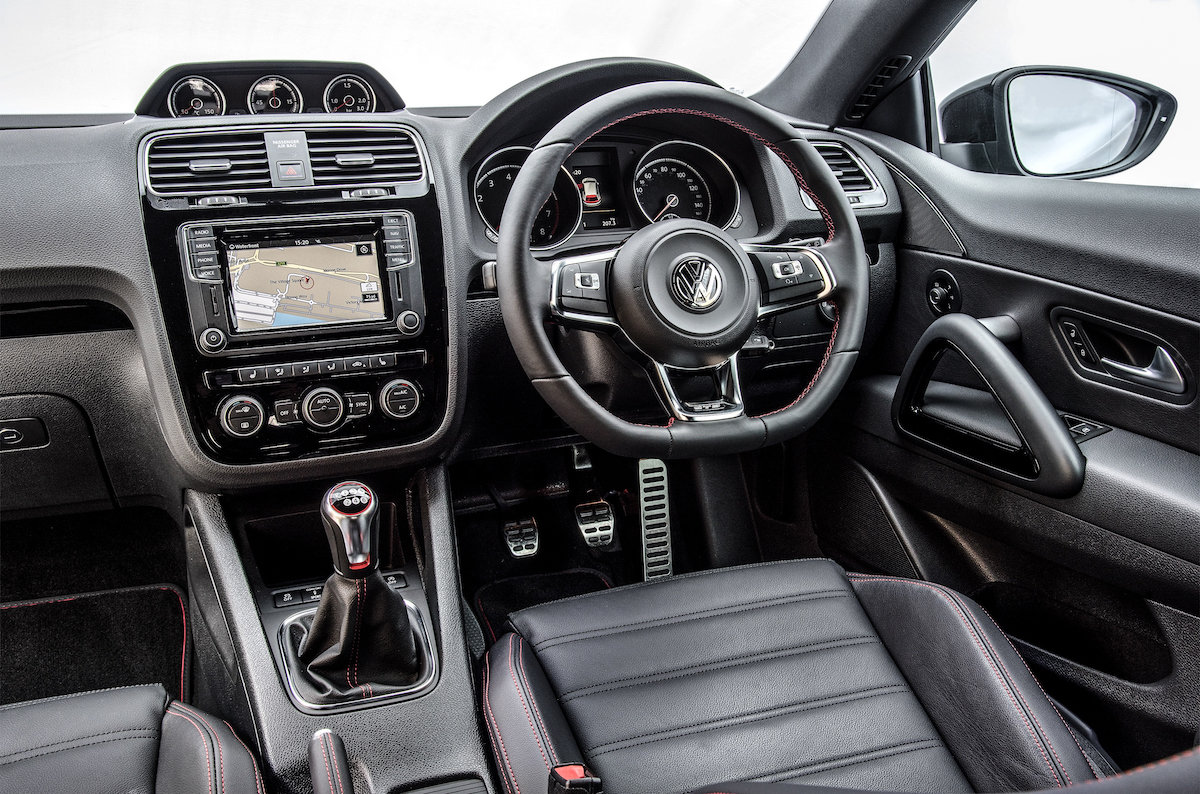
Inside, the Scirocco is stylish, classy, robustly constructed and easy to use. Late in the Scirocco mk3’s long life there was criticism that the interior design, along with some of the cabin materials, appeared dated compared with modern rivals, but few buyers are likely to be too disappointed.
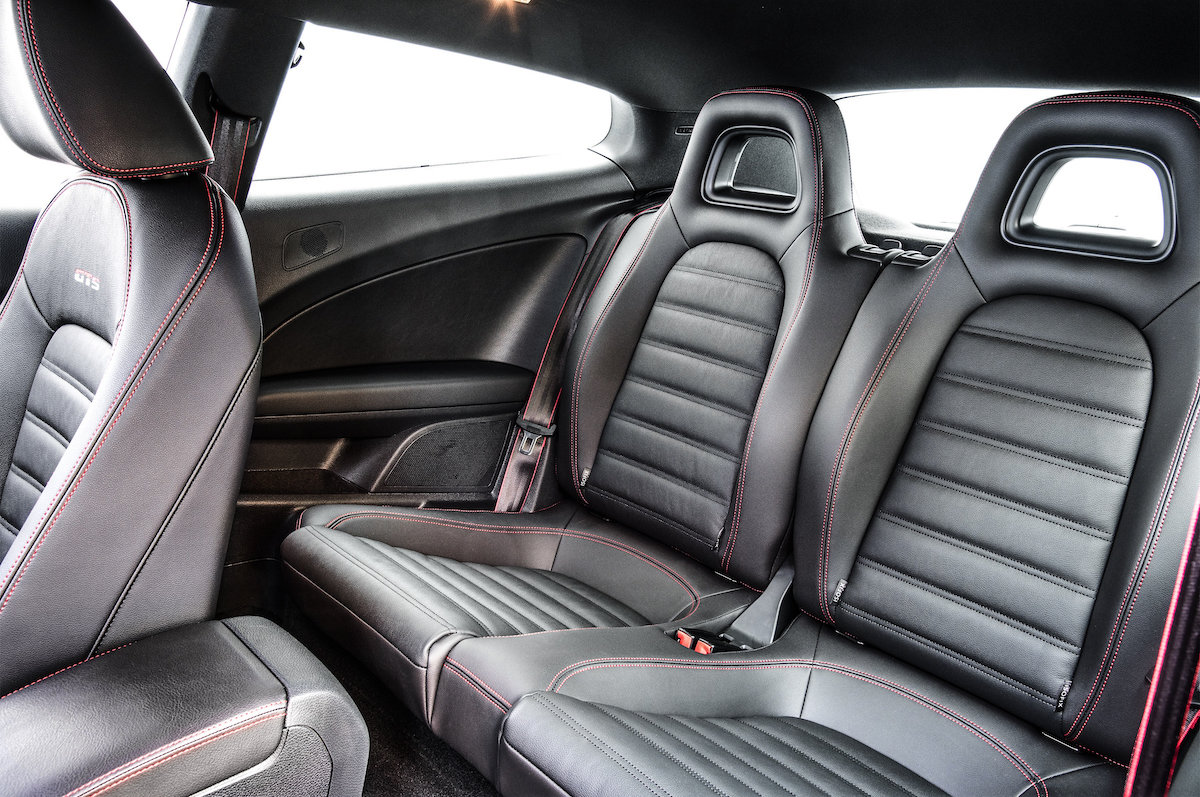
Up front there’s plenty of room and comfortable seats – especially the sports variety – and there’s lots of adjustment for the driver’s seat and wheel, so finding a good driving position is a doddle. There’s enough storage for most odds and ends too, with large door bins, a big glovebox and a couple of cupholders. That sloping roofline means that headroom is tight in the rear for anyone over about 5ft 11in sitting in the two bucket seats, but knee-room is generous, particularly for a coupe. In fact, unlike many cars of this type, the Scirocco is a car you can genuinely use for family duties.
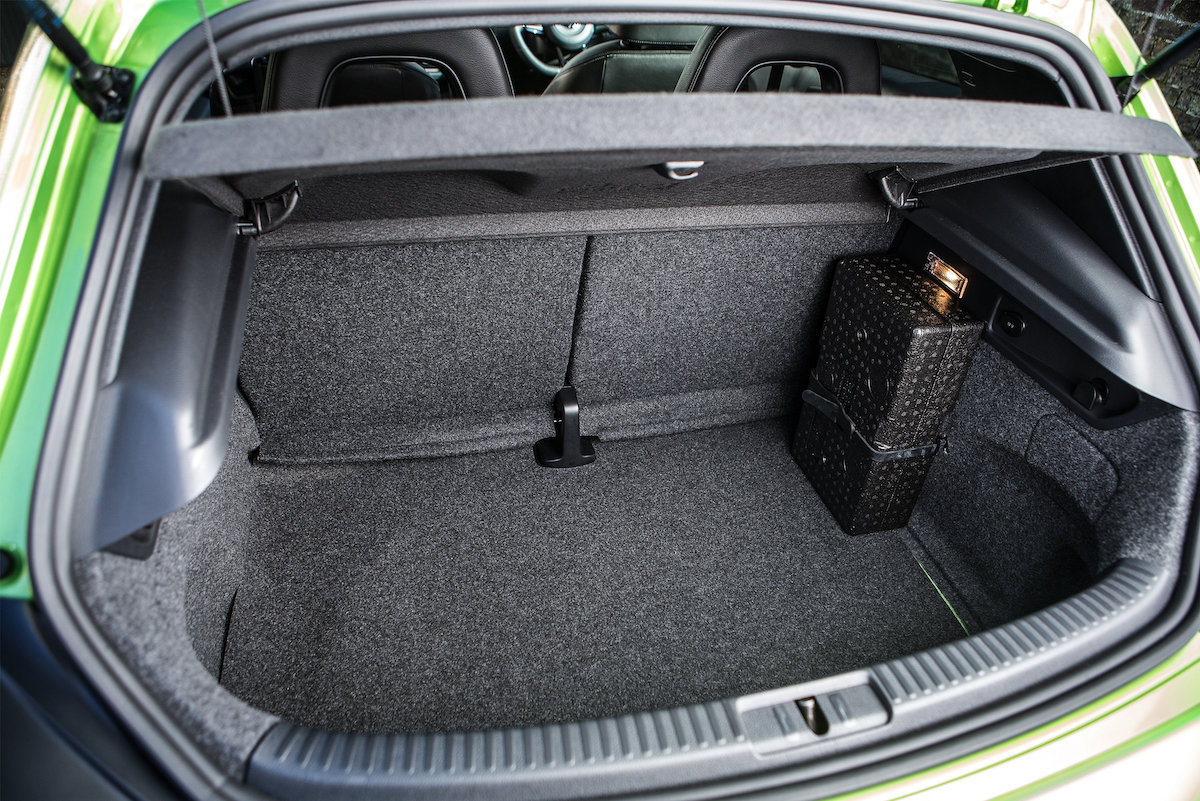
This extends to the boot which, while smaller than a Golf’s, is still very usable at 312 litres, plus it can be extended to 1,200 litres by folding the split/fold rear seats flat. The height of the boot sill is a bit of a hurdle, while pre-2014 cars didn’t get a handle to open the tailgate, relying instead on a remote release on the driver’s door or a button on the key fob.

What's it like to drive?
Launched in the UK in September 2008, initially there was just the one Scirocco, the 197bhp 2.0-litre TSI GT, available with a six-speed manual gearbox or a six-speed dual-clutch DSG automatic. This was the same powertrain found in the Golf GTI of the time, and performance is similarly electrifying here.
A month later the VW Scirocco range was expanded with a standard trim level, a turbocharged and supercharged (twincharger) 1.4-litre petrol engine with 158bhp, and a 138bhp 2.0 TDI turbodiesel. There’s also a 168bhp version of the 2.0 TDI, while the 2.0 TSI soon received a power boost up to 207bhp.
In early 2010 the quickest Scirocco mk3 arrived, the 261bhp 155mph Scirocco R, and later in the year the other petrol derivatives were fitted with VW’s fuel-saving BlueMotion technology. A 120bhp turbocharged petrol 1.4 became the entry-level Scirocco in 2012.
In 2014 engine revisions delivered modest power increases across the range, while the higher-powered petrol 1.4 was replaced by a detuned 2.0 TSI unit with 178bhp. Because all these powerplants are turbocharged, the Scirocco mk3 provides strong mid-range performance no matter what engine you choose, so in everyday driving the diesel models are every bit as quick as the petrols. Except, that is, for the hard-charging Scirocco R model, which delivers true sports car-slaying pace. Even so, for most the higher powered 2.0-litre TSI models deliver the best blend of performance, smoothness and efficiency.
Regardless of the model, levels of roadholding are very high, and while there are complaints the VW coupe’s handling isn’t as entertaining as some more modern hot hatches, most owners seem very satisfied with how their Scirocco conducts itself. The steering is accurate and well-weighted, while the car’s relatively compact dimensions help inspire confidence. In fact, its blend of agility and easy-going comfort makes it a fine all-rounder that’s as adept danding down country roads as it is lapping up long motorway journeys.
Technology, equipment & infotainment
The Scirocco mk3 is available in a number of different trim packages – standard, GT, GTS, R Line, GT Black Edition, R Line Black Edition, and the range-topping R. All versions have alloy wheels, climate control, MP3 connectivity, a touchscreen infotainment system and tyre pressure monitoring.
In 2009 the Scirocco was also treated to the smarter instrument dials from the Golf mk6, while late in 2012 a multi-function steering wheel became standard across the range. The R Line has a body-kit that makes it look rather like the R, while the Black Editions have black wheels, door mirror caps and roof, as well as dark rear windows.
VW was an early adopter of in-car Bluetooth and touchscreen technology, some of which hasn’t aged well. The satnav mapping isn’t so great any more and you can’t input a postcode for an address. Modern smartphones often won’t sync with the infotainment equipment and Scirocco online forums are awash with conversations about what are the best new aftermarket head units to replace the original with. If your life revolves around your phone or you frequently need satnav, this is worth investigating.
Volkswagen Scirocco running costs
There’s a thriving and generally competent network of Volkswagen specialists in the UK, and if you have an older Scirocco mk3, it’s likely you’ll be using one of these come servicing time. Before you do, though, it’s worth checking out Volkswagen’s own fixed price servicing packages as a baseline. A minor service (every 12 months or 10,000 miles) will cost you around £185 at a VW dealer, while a major service (every 24 months or 20,000 miles) is around £350. An oil and filter change for the DSG automatic gearbox – which you need to get done every 40,000 miles – is about £200, while a set of front brake discs and pads (excluding the Scirocco R) is about £320. In a bid to retain service business within the dealer network, VW also has a price match promise, if you bring in a cheaper quote from elsewhere.
Also worth noting is that VW charges £60 for a diagnostics check, and the Scirocco mk3 is prone to many niggling and hard to trace faults. Most friendly advice on the Scirocco online forums starts with ‘first have it checked with a diagnostics device’.
On some older Scirocco mk3s, components are reaching the end of their natural lives and will need replacing. Adaptive dampers that are part of the Dynamic Chassis Control (DCC) suspension are amongst such items and are about £300 each but should be replaced in pairs. Turbochargers are getting tired, too, and a new one fitted is around £1,700, although refurbishment (if possible) costs less. The diesel-engined derivatives and the Scirocco R have cam belts, and these need to be replaced every five years or 120,000 miles. Again, as a baseline price, VW charges around £550 for this.
It’s hugely dependent on driving style, of course, but a pair of front tyres should last anything between 15,000 and 19,000 miles in mixed driving conditions. Decent brand replacements are approximately £100 to £140. Rear tyres can last as long as 40,000 miles, according to some owners.
Fuel consumption for the petrol versions of the Scirocco is claimed to be between 42mpg and 52mpg, except for the Scirocco R which is quoted at 39mpg. The diesels sit between 44mpg and 67mpg. A standard trim 1.4-litre TSI petrol has group 18 insurance, while at the other end of the scale, a Scirocco R goes as high as group 39.
Volkswagen Scirocco reliability
Unfortunately the Scirocco mk3 is rife with potential problems, although some owners report never having any difficulties. There are several recurring themes, some of them quite serious and expensive.
Timing chain issues on the 1.4-litre and 2.0-litre engines are the greatest and most common concern. With the 1.4 this relates to the 158bhp turbocharged and supercharged engine where the timing chain tensioner weakens over time and the timing chain jumps on its sprockets and the valves and pistons collide. It’s a similar story with the (non-Scirocco R) 2.0-litre engines of 2009, 2010 and occasionally 2011 vintages. If it’s just bent valves you might be lucky to get away with a £1,200 bill, but a more extensive rebuild could set you back £3,600 and more.
Early 1.4s are also known to suffer from piston failure caused by blocked fuel injectors and running on low octane (regular unleaded) fuel. And cold starting hesitation and misfires can be caused by carbon build-up in the inlet manifold and valves – cleaning them is a lengthy process that can cost up to £400. Sticky camshaft adjuster actuators are also an issue with a potential £700 bill to remedy. Other petrol engine problems include sub-standard spark plugs, failing coil packs, leaking rear main oil seals (on the 2.0 TSI), and faulty fuel injectors.
Gearboxes and clutches are a worry, too. Pressure plates on the clutch of the manual gearboxes are known to fail, grind their way through the gearbox casing, cause all the gearbox oil to puddle on your driveway, and then leave you with a bill for £2,500 for a replacement gearbox. Spring failure on the flywheel can also lead to gearbox destruction.
The dual-clutch DSG automatic gearbox can be a pig, too. There was a recall for DSGs made between September 2008 and August 2009 because the clutch could suddenly disengage causing a complete loss of drive. But that’s only a part of the problem. The six-speed DSG that 2.0-litre models were equipped with could suffer a failure of the ECU unit – called the Mechatronics unit in online conversations – causing erratic running or immobility. At a VW dealer a replacement can cost up to £900 plus fitting, but there are now companies that can repair the Mechatronics unit for half that price. Meanwhile, the seven-speed DSG in the 1.4-litre cars is prone to a weak clutch pack in earlier models, and if it fails you should upgrade to the revised unit introduced in 2013, which costs between £1,000 and £1,200.
There are many other problems, so the best advice is to head to the Scirocco forums.
- In common with other quick and now affordable cars, the Scirocco mk3 is popular with the tuning/modifying crowd and the turbocharged 2.0 TSI engine is particularly receptive to power upgrades. Sports exhausts are a popular and relatively inexpensive modification, while some owners replace the optional Dynamic Chassis Control (DCC) adaptive suspension system with either regular springs and dampers, or coilover units. Some of these converted Scirocco mk3s are pretty good, but you should check their provenance and talk to your insurer before committing to buy one.
- The Scirocco made its public debut as a concept car at the 2006 Paris Motor Show. Called the IROC, it heavily previewed the look of the forthcoming Scirocco, which was finally revealed as a full production model at the 2008 Geneva Show. At this point, the last time the Scirocco name had been used was in 1992, when the second generation car finally bowed out four years after its supposed successor, the Corrado, had arrived. And the Scirocco name? It’s a mediterranean wind - the same one that the Italians call Ghibli and has been used by Maserati for its cars for decades.
- On paper, the 2.0-litre petrol versions appear to be largely the same apart from their different power outputs. However, the early 197bhp and high power R versions actually use the EA113 unit from the mk5 Golf GTI, while the later versions feature the EA888 that’s still used in the current, mk8 version of the brand’s iconic hot hatch. In use you’ll struggle to tell the difference between the two, but the later engine does have a reputation for high oil consumption. Although this usually affects Audi models fitted with the engine it’s no unknown to occur on the Scirocco. Modified engine components were fitted to cars that suffered this problem, so it's worth checking if this work has been carried out. Cars built after 2012 were specified with the upgraded components so shouldn’t suffer from the same issues.
- If you want the best all-rounder: Coupes are often associated with high performance, especially ones that looks like the Scirocco, and the petrol-engined 2.0 TSI GT is plenty fast enough without being as extreme as the Scirocco R. Over the years it was available with three power outputs – 197bhp, 207bhp and 217bhp – with its top speed peaking at 153mph and at its quickest 0-62mph sprint time at 6.5 seconds. Some of the diesel versions aren’t too far off the 2.0 TSI’s pace, but for a sports car, petrol seems more appropriate.
- If you’re after the best fuel economy: Available new from 2014 onwards, the 148bhp 2.0 TDI GT BlueMotion claims to sip a gallon once every 67 miles, which theoretically means you can eke it out to up to 810 miles between fill-ups (though we don’t advise this). Its CO2 emissions rating of 110g/km is commendably low, which is good news at annual road tax time. In terms of outright performance it’s not the quickest of the Scirocco mk3s, but it’s nippy enough in everyday driving conditions.
- If you want to chase Porsches: The 261bhp/276bhp Scirocco R may not be as involving or rewarding to drive as a Porsche, but it is mighty fast, doing 0-60mph in 5.1 seconds, 0-100mph in 11.7 seconds, and a top speed of 155mph. With that degree of performance, it’s reassuring that the Scirocco R has an impressively high level of roadholding, and thanks to an electronic differential between the front wheels to tame the amount of power being fed to them, it’s not too unruly coming out of corners. With a few modest modifications, you can boost the output of your Scirocco R to 330bhp.
- If you can’t afford a Scirocco R but you like its looks: It didn’t take long for the Scirocco R to become a bit of an icon, a fact that VW was quick to capitalise on. The R Line allows you to have a Scirocco mk3 that has the general appearance of the Scirocco R – body kit and big wheels – but with diesel and ‘lesser’ petrol engines under the bonnet. And in 2016, VW launched the GTS, based on the GT model but looking similar to the Scirocco R, and with a broad matt-grey stripe along the bonnet and roof.

