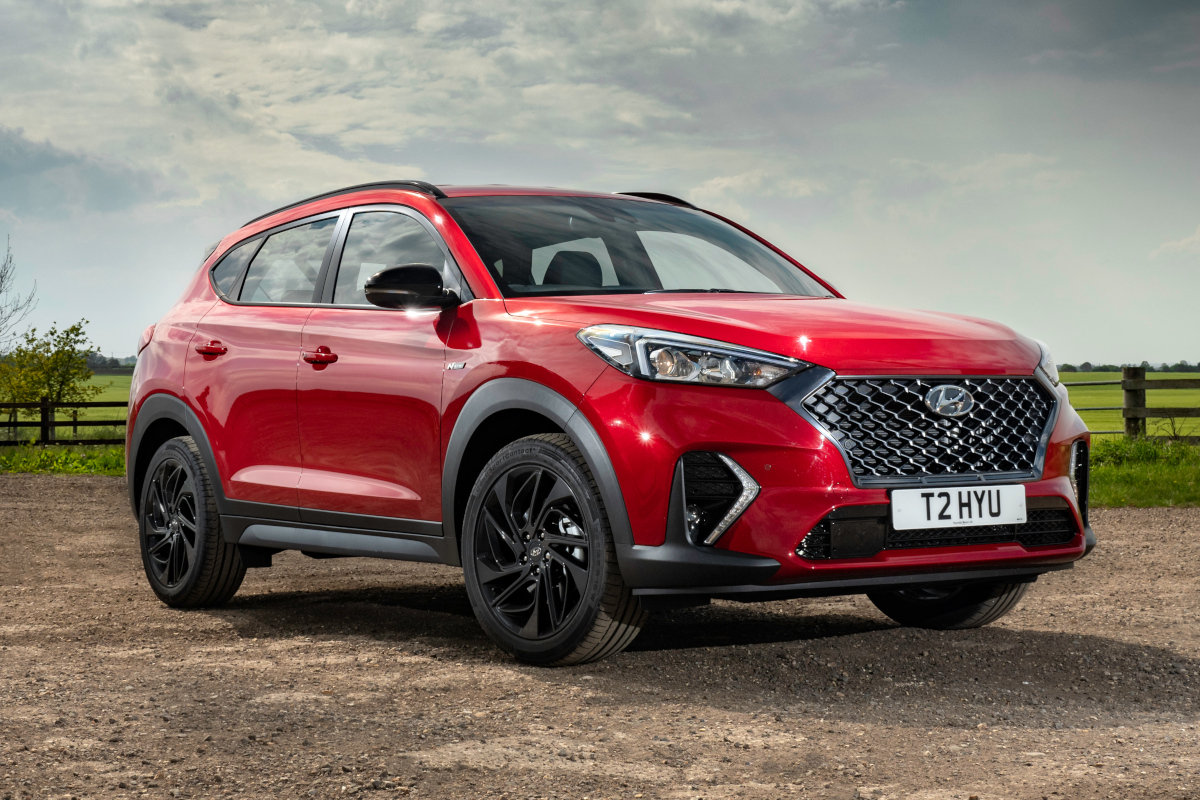
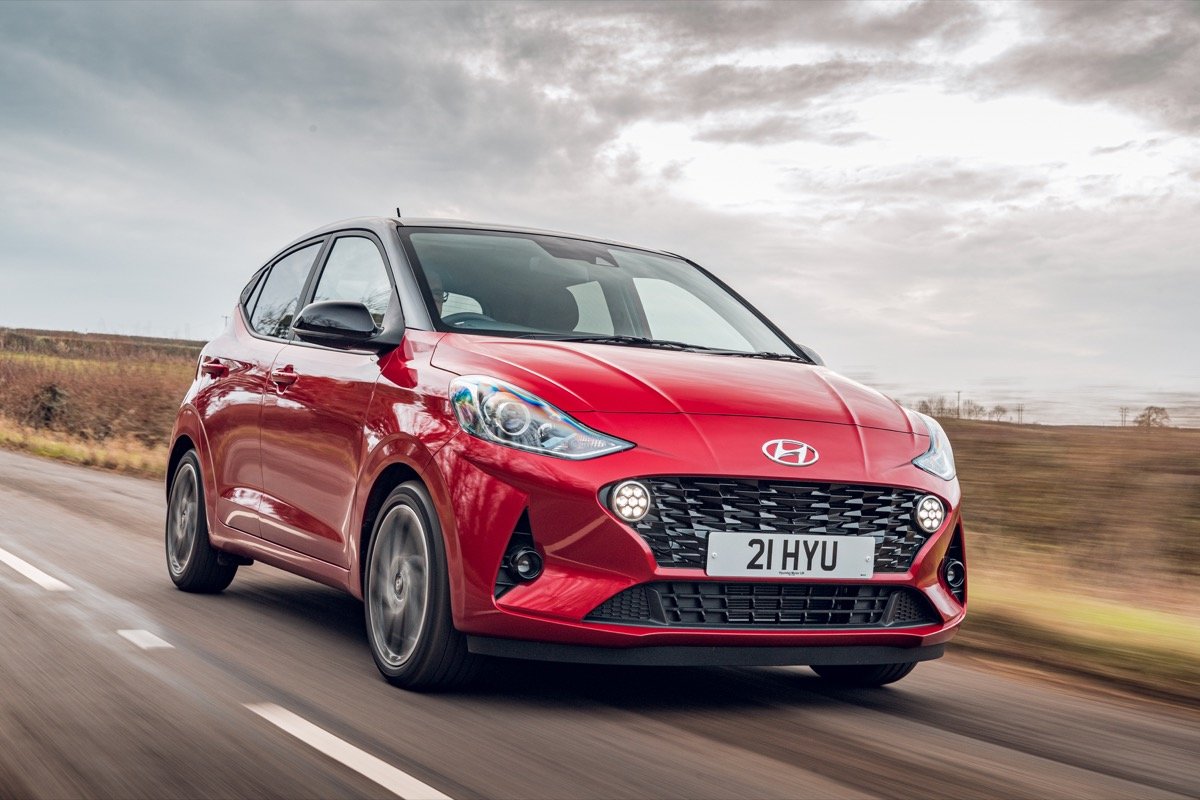
This is the 2027 Hyundai Tucson, a reinvention of the popular mid-size SUV that features a bold exterior design, Hyundai’s latest infotainment system and extra interior space. It’s due on sale in spring 2027 with a choice of petrol, hybrid or plug-in hybrid (PHEV) power.
Here’s what we know so far about the 2027 Hyundai Tucson.
2027 Hyundai Tucson Price, Specs and Release Date
2027 Hyundai Tucson styling and dimensions
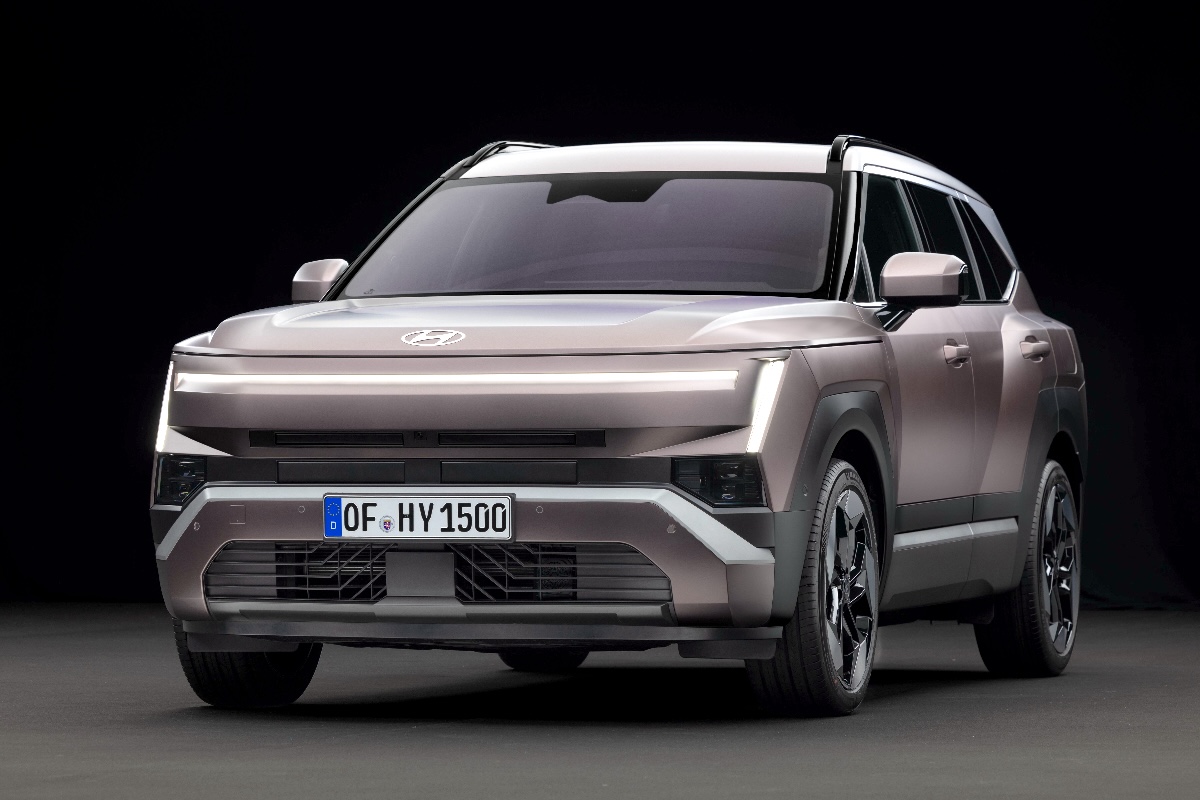
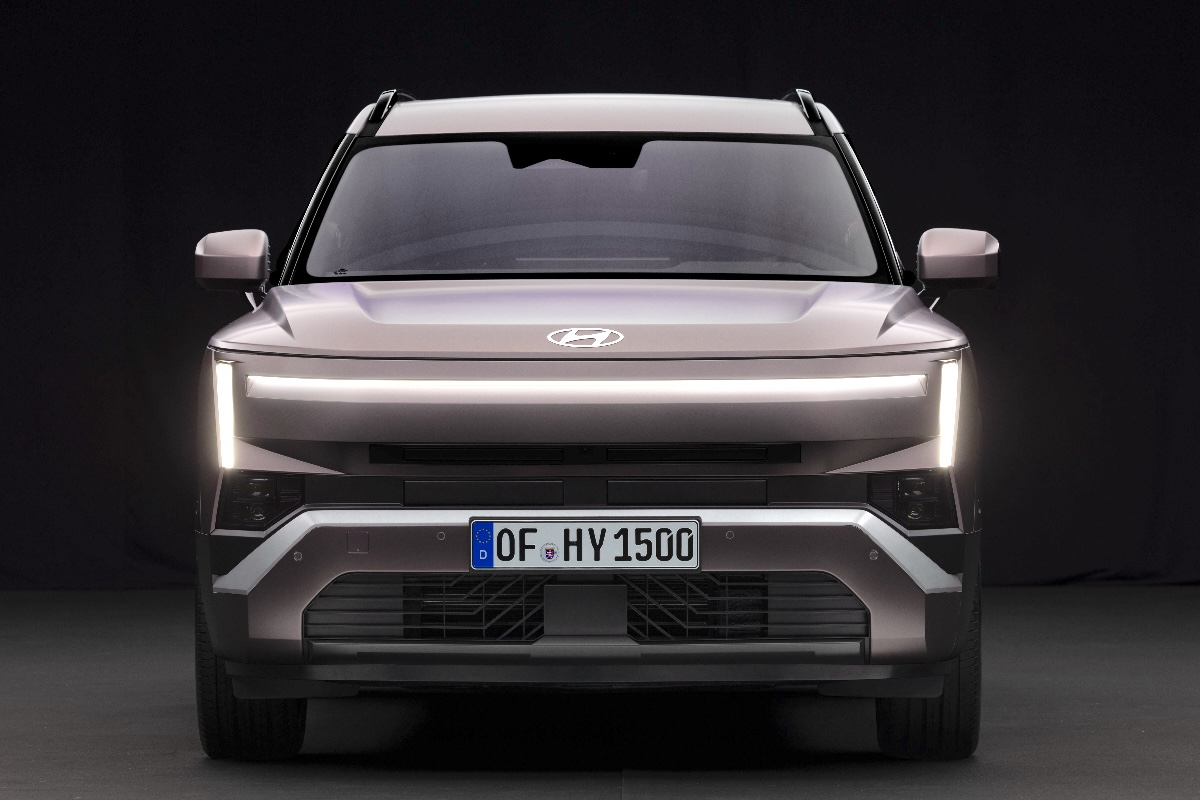
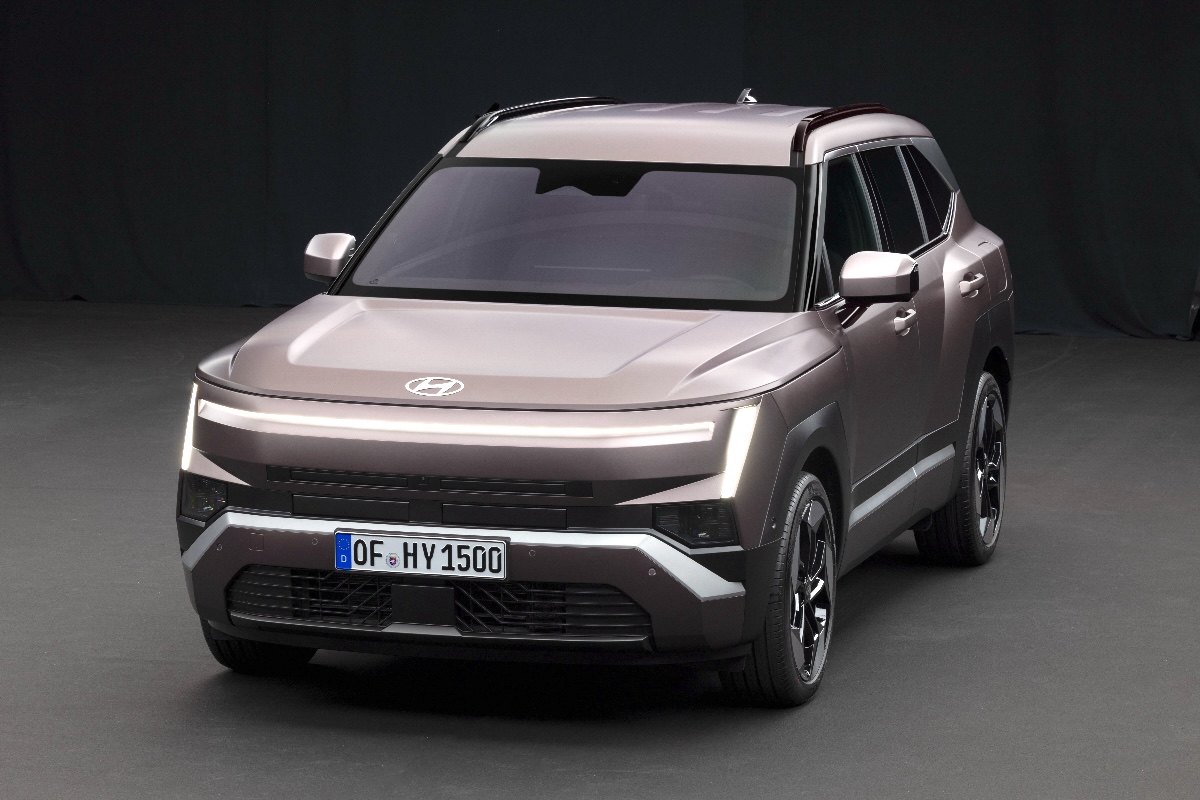
We’ve become accustomed to each new Hyundai model looking more adventurous than its predecessor, but the new Tucson arguably takes things to a whole new level. While the current model still looks sharp, the new Tucson has an even more futuristic, hard-edged appearance inspired by Hyundai’s latest ‘Art of Steel’ design language.
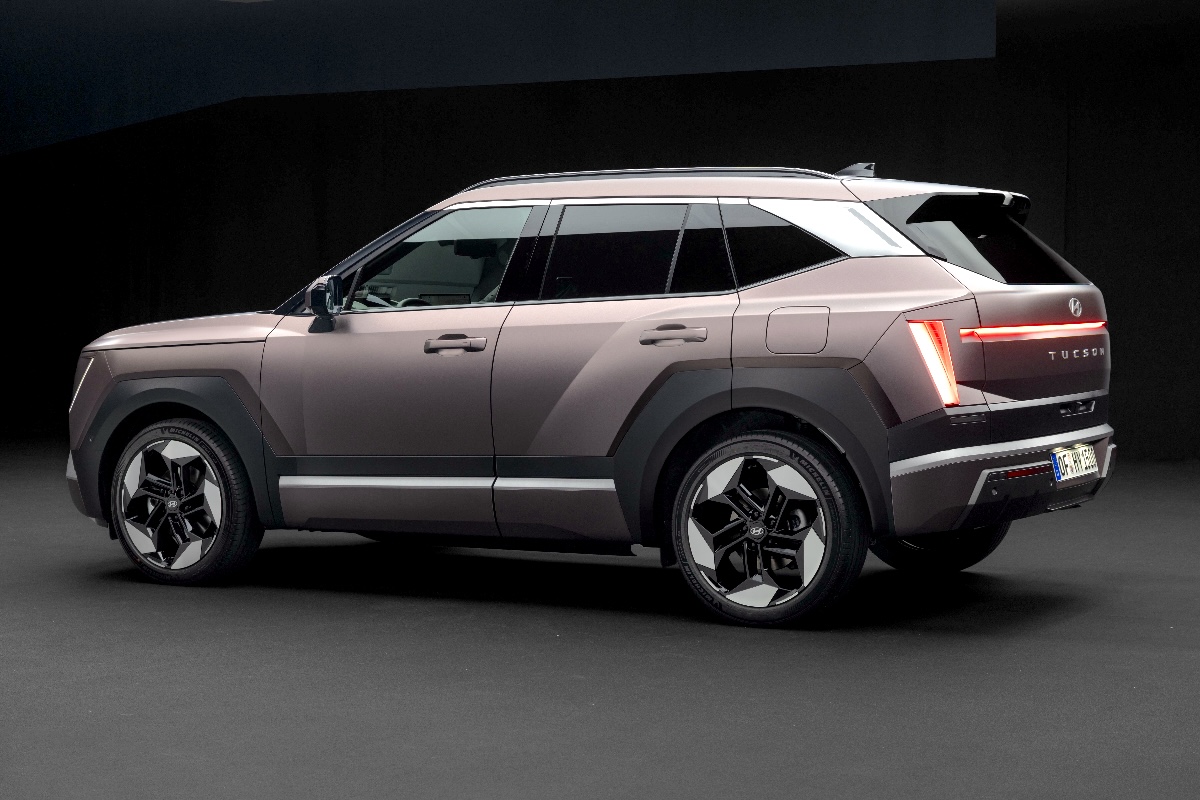
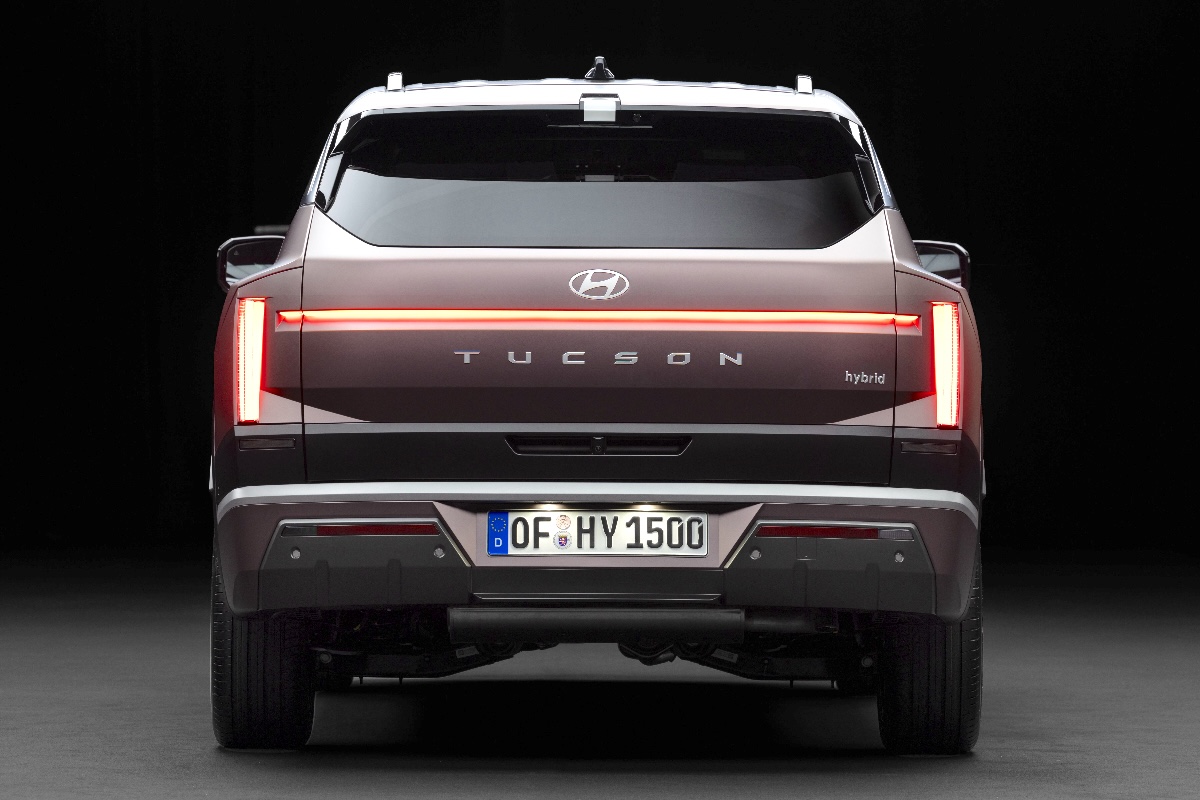
The front is dominated by what Hyundai calls ‘H-Edge’ lighting. It combines short vertical light bars at each side with a slim horizontal light bar that stretches almost the full width of the car. The headlights themselves are set below this, within a black horizontal panel. The rear lighting mirrors this look, with slim vertical tail lights either side of a horizontal lighting element that Hyundai says: “Reinforces the precise, technical character of the rear design.”
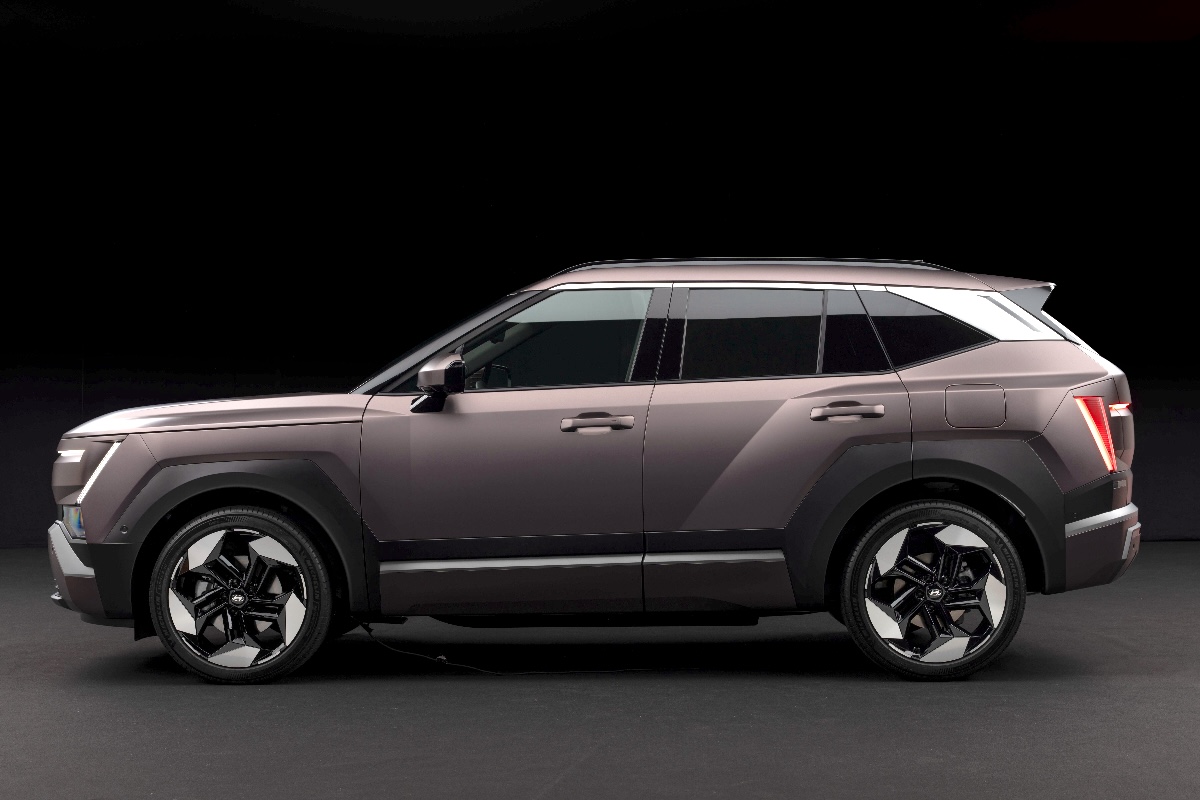 At the sides there are angular ‘haunches’ that give the Tucson an especially tough stance. Overall, it has a much more blocky, upright appearance than the current model, aligning it more closely with the larger Santa Fe.
The Tucson has grown in size, too, being 35mm longer, 35mm wider and 20mm taller than the current model. It’s now one of the largest cars in the class, being bigger in every dimension than the Volkswagen Tiguan.
2027 Hyundai Tucson interior design and practicality
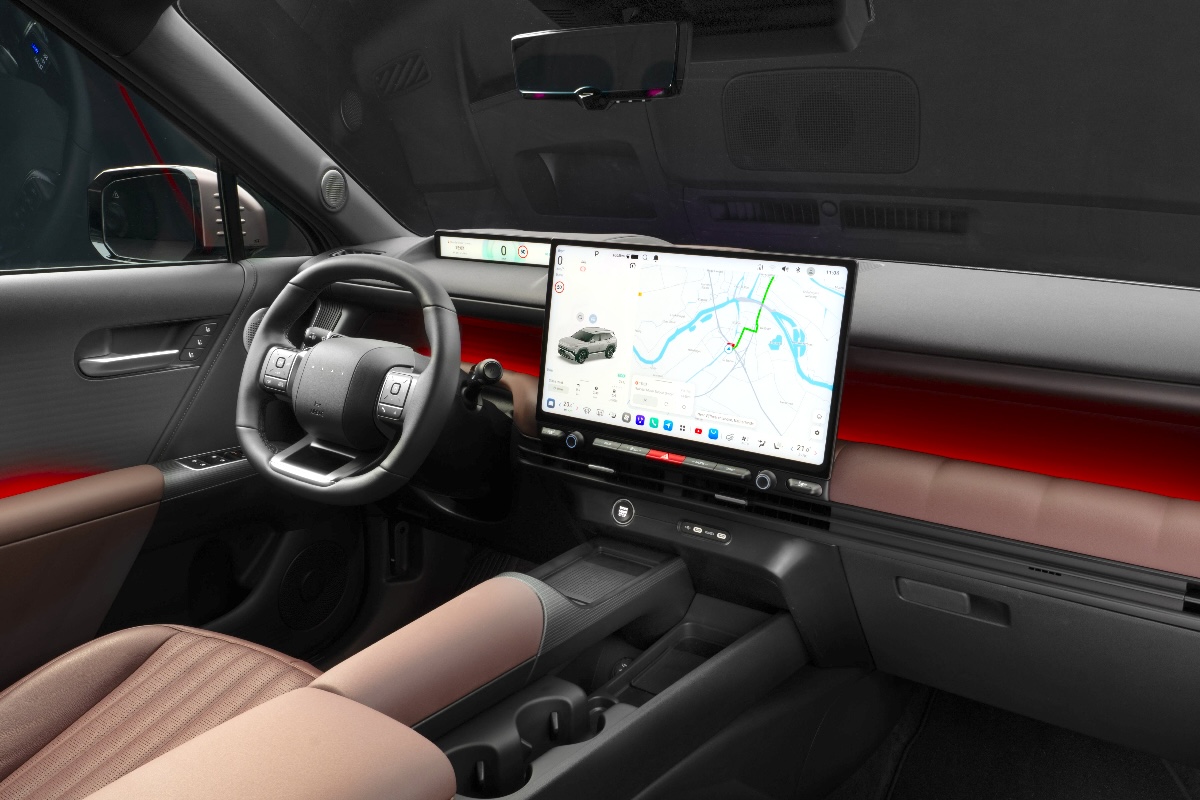
While the exterior is a mass of sharp edges and angles, the Tucson’s interior has a softer and more minimalist look. In fact, Hyundai describes it as a ‘furnished space’ that provides ‘furniture-inspired comfort’. The dashboard consists of simple upper and lower horizontal elements, with an open storage space between them. That space, and the door panels, are gently illuminated by indirect lighting – mirroring the effect of the front and rear light bars on the exterior.
If you’ve seen the interior of the new Ioniq 3, the Tucson’s interior design will look familiar. Both cars highlight a shift in Hyundai’s interior design strategy, with its previous single widescreen display replaced by a larger centre display and a much smaller, separate driver display.
The new layout goes hand-in-hand with Hyundai’s new ‘Pleos Connect’ operating system, which features an AI-enhanced voice recognition system and is compatible with a range of apps. While most functions are controlled via the centre screen, a handful of physical switches below it allow you to control the air-con, audio volume and heated seats in the old-fashioned way.
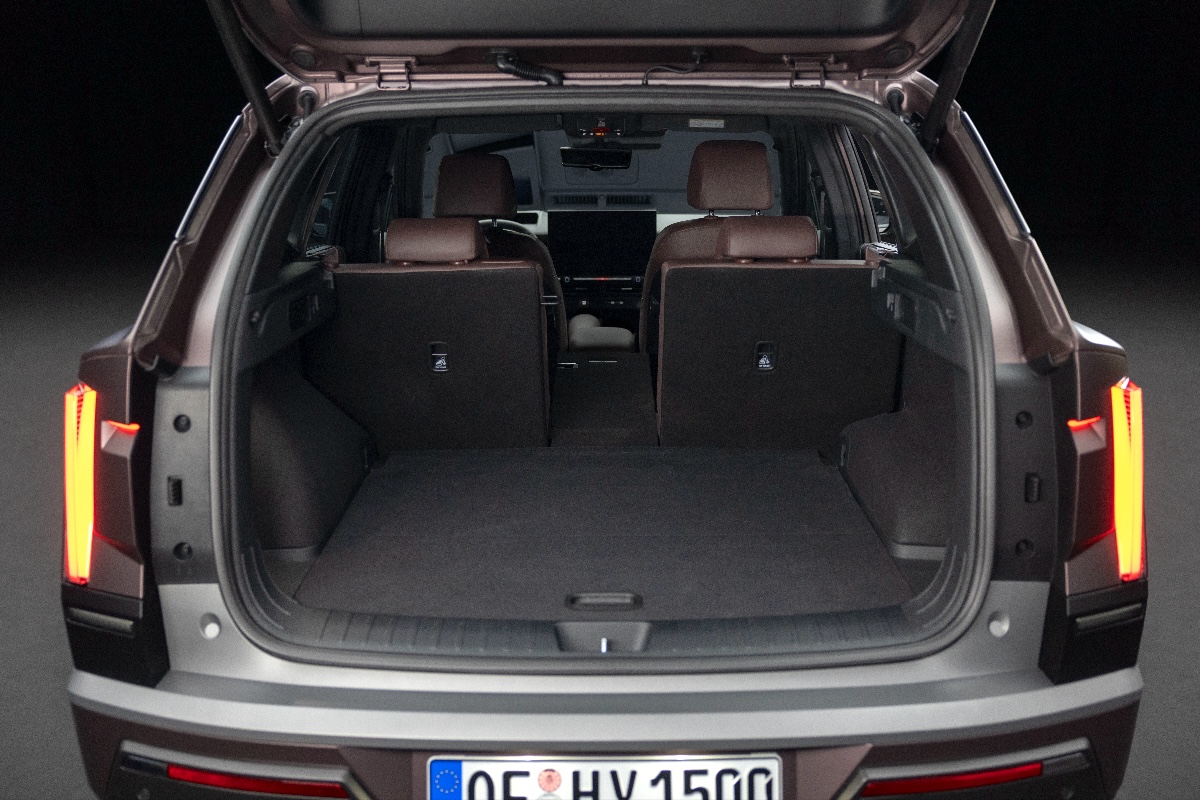
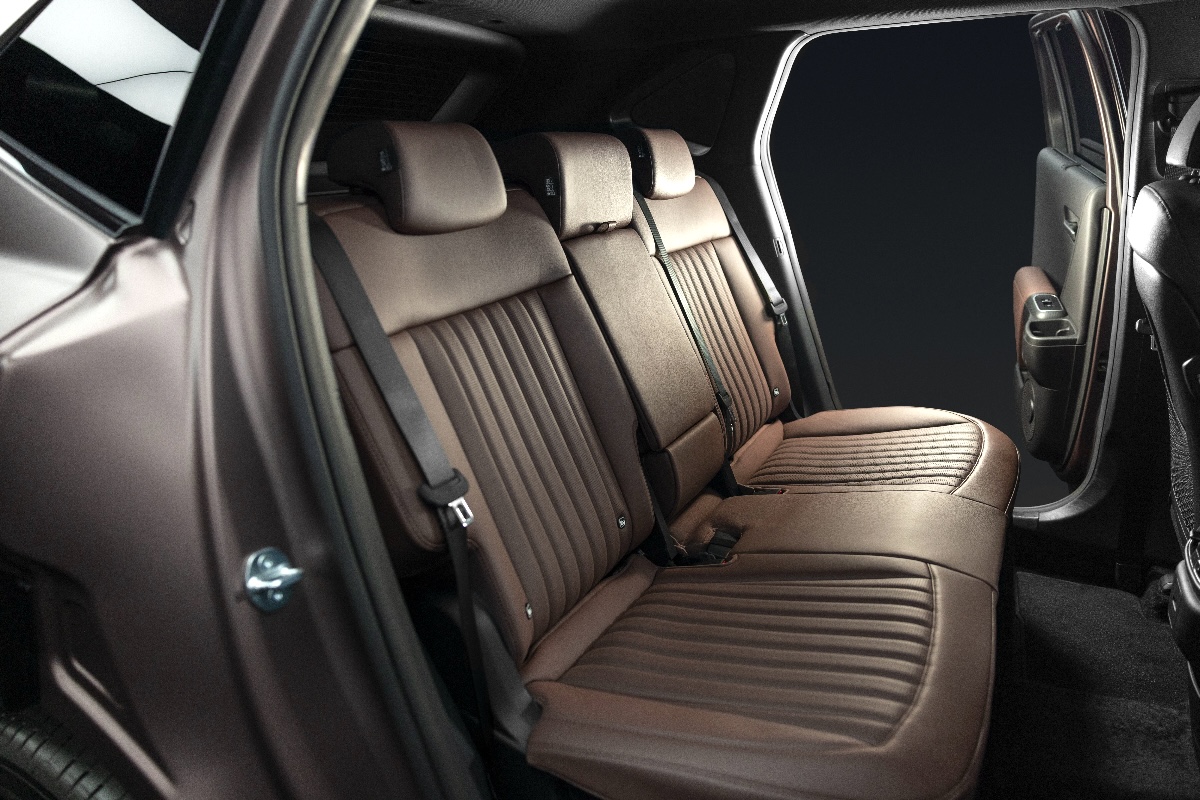
Hyundai says the Tucson’s increased dimensions give it even more space than the current model, which was already one of the most practical options in the class. The rear door opening angle has been increased from 73 degrees to 83 degrees to make access easier, while boot space has increased to 695 litres to the load cover. That’s a 75-litre increase over the current petrol model and puts the Tucson well ahead of most rival cars for boot space and outdoes some from the class above.
2027 Hyundai Tucson engines and driving dynamics
As with the current car, the new Tucson will be available with a choice of pure-petrol, petrol mild-hybrid, hybrid or plug-in hybrid power.
Entry-level models combine a 1.6-litre petrol engine with front-wheel drive and a six-speed manual gearbox. Opt for an automatic gearbox and you get the same set-up but with the addition of mild-hybrid technology and a seven-speed dual-clutch transmission that gives a lower CO2 output. Full technical details are yet to be confirmed but, if it follows the pattern of the current model, the mild-hybrid will also give slightly quicker acceleration.
 The hybrid model combines the same petrol engine with an electric motor and a six-speed automatic transmission and a choice of front-wheel drive or all-wheel drive. The plug-in hybrid offers the same drive options, along with a larger battery pack and more powerful electric motor that gives it an electric-only range of up to 50 miles.
2027 Hyundai Tucson key stats
| Powertrain |
Power output |
Transmission |
0-62mph |
CO2 emissions* |
Electric range |
Towing capacity* |
| Petrol |
148bhp |
Six-speed manual |
TBC |
155 g/km to 177 g/km |
N/A |
1,700 kg |
| Petrol mild-hybrid |
148bhp |
Seven-speed dual-clutch automatic |
9.9 sec |
145 g/km to 162 g/km |
N/A |
1,700 kg |
| Hybrid |
242bhp |
Six-speed automatic |
8.3 sec (2WD) |
118 g/km (2WD) to 149 g/km (4WD) |
N/A |
1,910 kg |
| Plug-in hybrid (PHEV) |
288bhp |
Six-speed automatic |
7.9 sec (4WD) |
90 g/km (2WD) to 110 g/km (4WD) |
50 miles |
1,810 kg |
2027 Hyundai Tucson price and release date
Prices for the 2027 Hyundai Tucson haven’t been announced yet, but we’d expect a small increase over the current car, which starts at about £31,000 in pure-petrol form. Hybrid and plug-in hybrid models currently start at about £35,000 and £37,000 respectively.
More details are due to be revealed closer to the Tucson’s UK launch, with first deliveries due to start in spring 2027.
*Provisional figures
Related Topics:
 At the sides there are angular ‘haunches’ that give the Tucson an especially tough stance. Overall, it has a much more blocky, upright appearance than the current model, aligning it more closely with the larger Santa Fe.


 The hybrid model combines the same petrol engine with an electric motor and a six-speed automatic transmission and a choice of front-wheel drive or all-wheel drive. The plug-in hybrid offers the same drive options, along with a larger battery pack and more powerful electric motor that gives it an electric-only range of up to 50 miles.