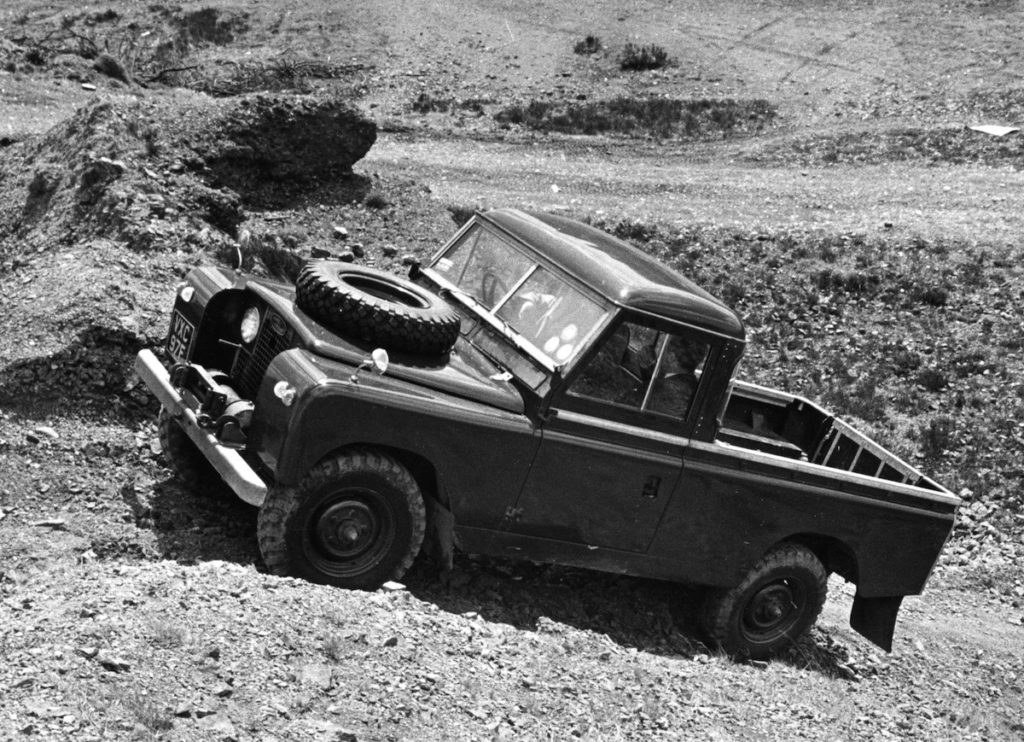
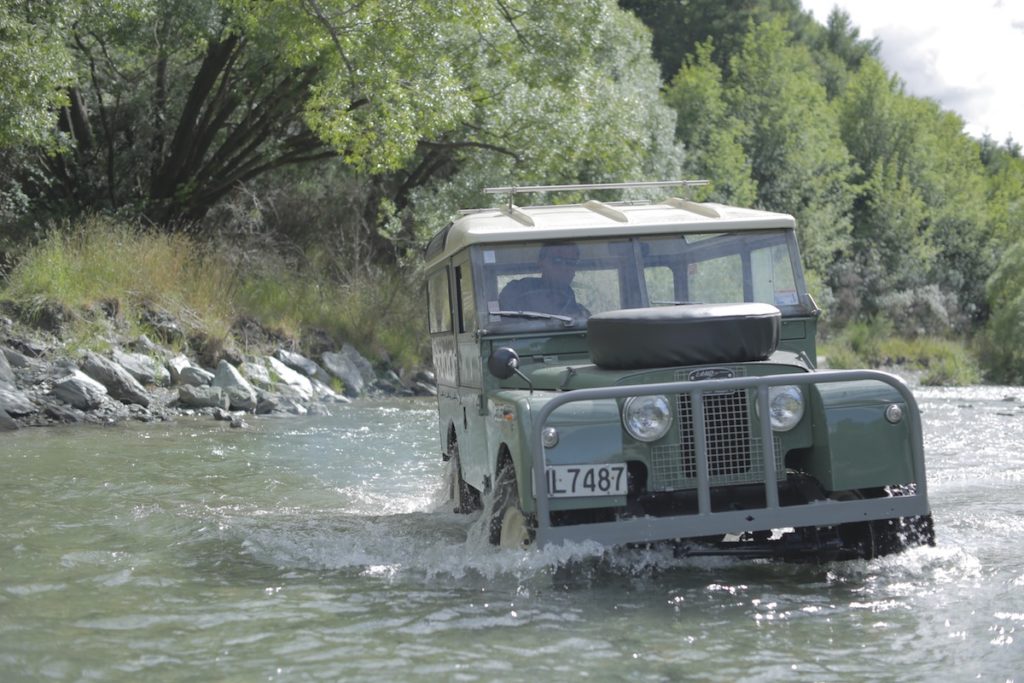
Despite Land Rover launching its all-new Defender in 2020, the appeal of the original Defender remains undiminished. There’s certainly a sizeable market for these hardy cars; after all, more than 2 million have been produced since the original was designed in the sand of Red Wharf Bay in Anglesey back in the 1940s.
But is a classic Land Rover really the right car for you? We’ve pulled together top tips and pressing questions that should help to ensure a happy purchase. So, here we go…
Buying a Classic Land Rover Defender: 8 tips to avoid disaster
- Land Rover Defender: Know your History
- Land Rover Defender: Not Always Easy to Live With
- Land Rover Defender: Check Absolutely Everything
- Land Rover Defender: Rust
- Land Rover Defender: Know Your Engines
- Land Rover Defender: Tell-tale Signs of Trouble
- Land Rover Defender: The Classics
- Land Rover Defender: Find an Expert

1. Land Rover Defender: Know your History
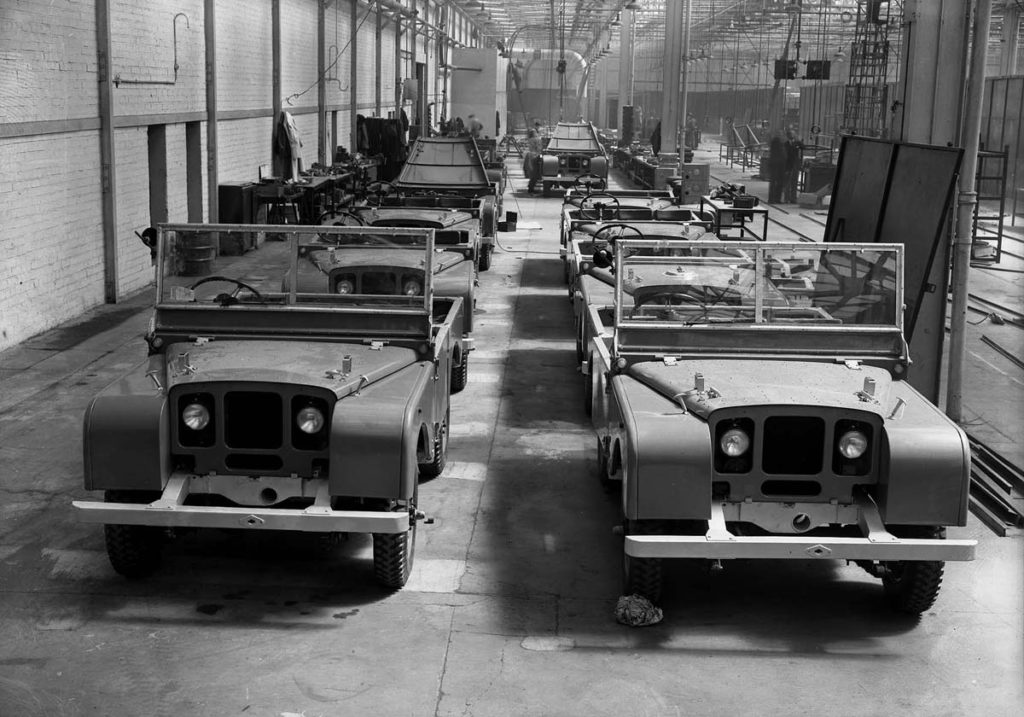
Original Land Rovers were called simply Land Rovers – the Series I only became so after the launch of the Series II. Series I cars went from launch in 1948 to 1958, during which time larger capacity petrol engines were introduced, as well as a diesel option. There was also a long-wheelbase option, and the headlamps were moved from behind the grille.
It was then superseded by the Series II with its rounded side shoulders, which became the Series IIA in 1961, and in 1969 the headlamps moved to the outer part of the front wings.
The 1970 Series III had a plastic grille and full-width dashboard and – in 1979, a 3.5-litre V8 petrol engine option and permanent 4×4. Coil springs replaced leaf springs in 1983 and by 1985 Land Rovers were simply known as 90 and 110, which referred to their wheelbase; the 90 had three doors, the 110 had five doors.
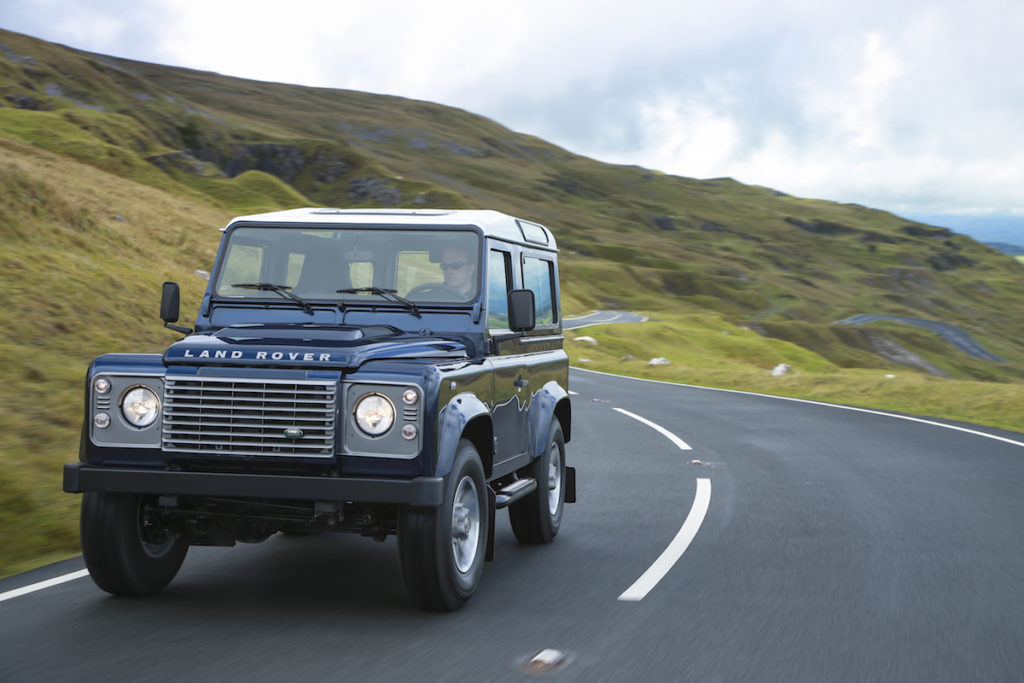
The Land Rover Defender was introduced in 1990, initially with a 107bhp 200Tdi turbodiesel. This was replaced by the legendary 111bhp 300Tdi in 1994. The 122bhp five-cylinder Td5 took over in 1998 and in 2007 that was replaced by the 122bhp 2.4-litre four-cylinder Ford turbodiesel. In 2012 the smaller 2.2-litre Ford diesel became standard. In 2015 several special run out editions were produced and Land Rover recreated the original Series I production line at Solihull. And in 2016 it was all over…
You need to know all this and more because parts for used Land Rover Defenders are interchangeable and the older they get the more likely they will have been fitted with non-original parts.

2. Land Rover Defender: Not Always Easy to Live With
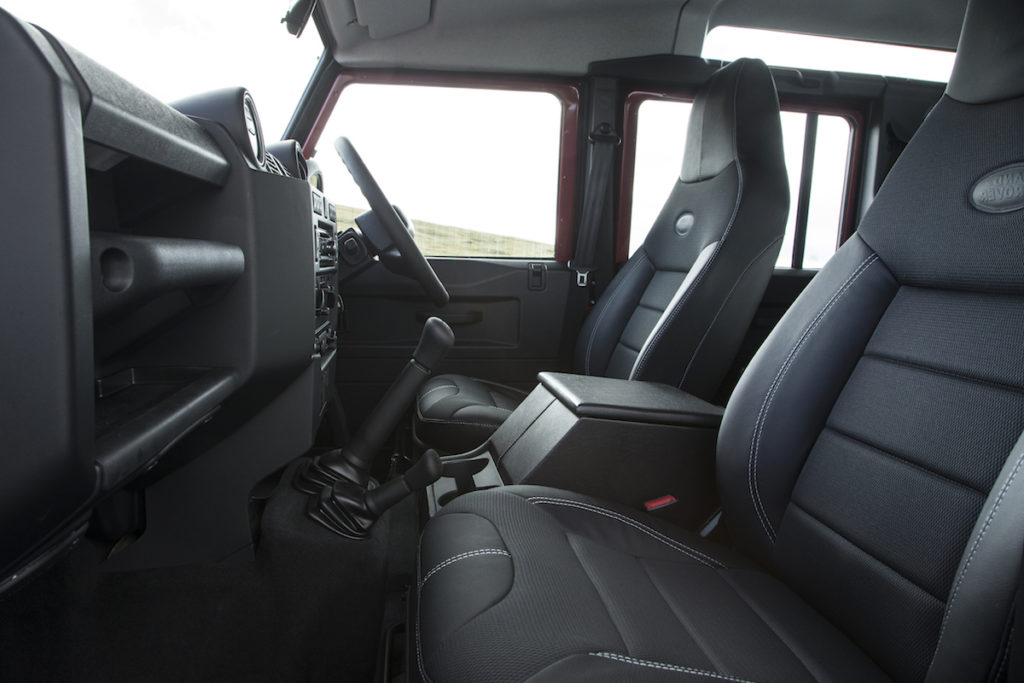
A used Land Rover, whether it’s a Series I, II, or III, a 90 or 110, or a Defender, is not like other SUVs. It’s a utility built not for speed, comfort or refinement, but to do a job in tough terrain. The cabin is noisy and cramped and the driving position, crushed up against the door and very close to the flat windscreen, is painful after just a couple of hours.
Solid axles front and rear give superb off-road performance, but a jolting, uncomfortable ride. The body-on-frame construction makes the vehicle tough and resilient, but also heavy and thirsty.
That chassis also means that body shells, even when rusty beyond belief, can carry on long past the point where other vehicles would be scrapped. What’s more, not only is a Land Rover virtually hand-built, but it is also easily repairable; in fact, you can find yourself repairing it rather too often for comfort.
3. Land Rover Defender: Check Absolutely Everything
Land Rovers are simple beasts that sell for high sums, which is why they are often stolen, as much for the parts as the vehicle. They can then become the subject of ringing, where they are given the identity of another vehicle; sometimes a vehicle built up from a lot of different stolen parts.
Some of these can be incredibly well-done jobs, but it doesn’t matter, you cannot buy good title to stolen goods and your Land Rover can be taken from you by the police at any time with no recompense. So, check the vehicle’s Vehicle Identity Number (VIN) against the VIN number in the windscreen (present from 300Tdi onwards), the V5 document, the registration plate and the chassis number, which is stamped in the frame at the front right of the chassis – they should all match. Ask questions, and walk away if you don’t like the answers. Never buy a vehicle without the V5 and check its MoT records online.
Also check the vehicle is not part of a hire purchase, or vehicle loan and that it hasn’t been the subject of an insurance write off. Written-off vehicles can be safely repaired, but the write-off notification is carried throughout its life and that should be reflected in the price.
4. Land Rover Defender: Rust
Not every used Land Rover is a lace-work basket case, but lots are. The aluminium body doesn’t rust like steel, but it oxidizes in air and lots of Land Rovers live outside in all-weather with many regularly dunked in sea water.
Problem areas start with the steel bulkhead, particularly at the top, at each end and under the windscreen particularly with vehicles with opening ventilation flaps which leak. The bottom of the bulkhead is also a problem area, particularly where it meets the floors, which can also rot out. The windows leak so the doors corrode (reskinning is time consuming, new doors are expensive) and the early hinges are unreliable.