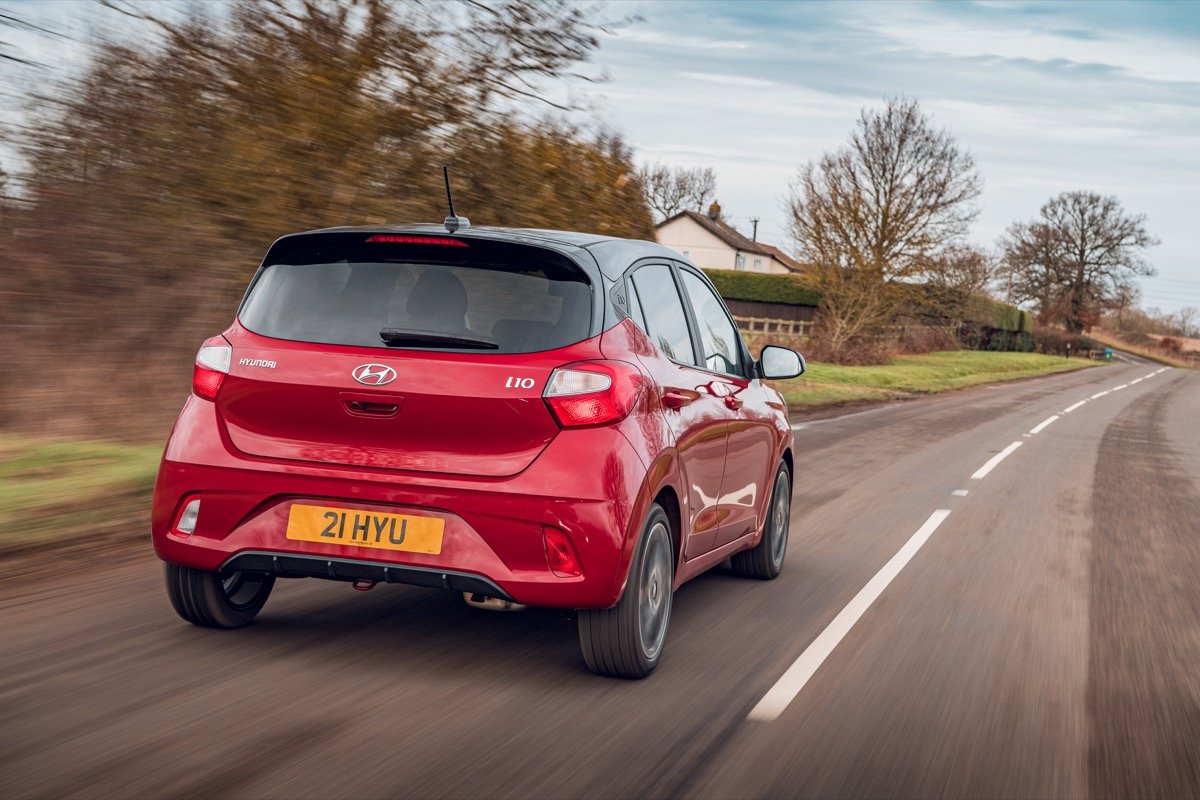
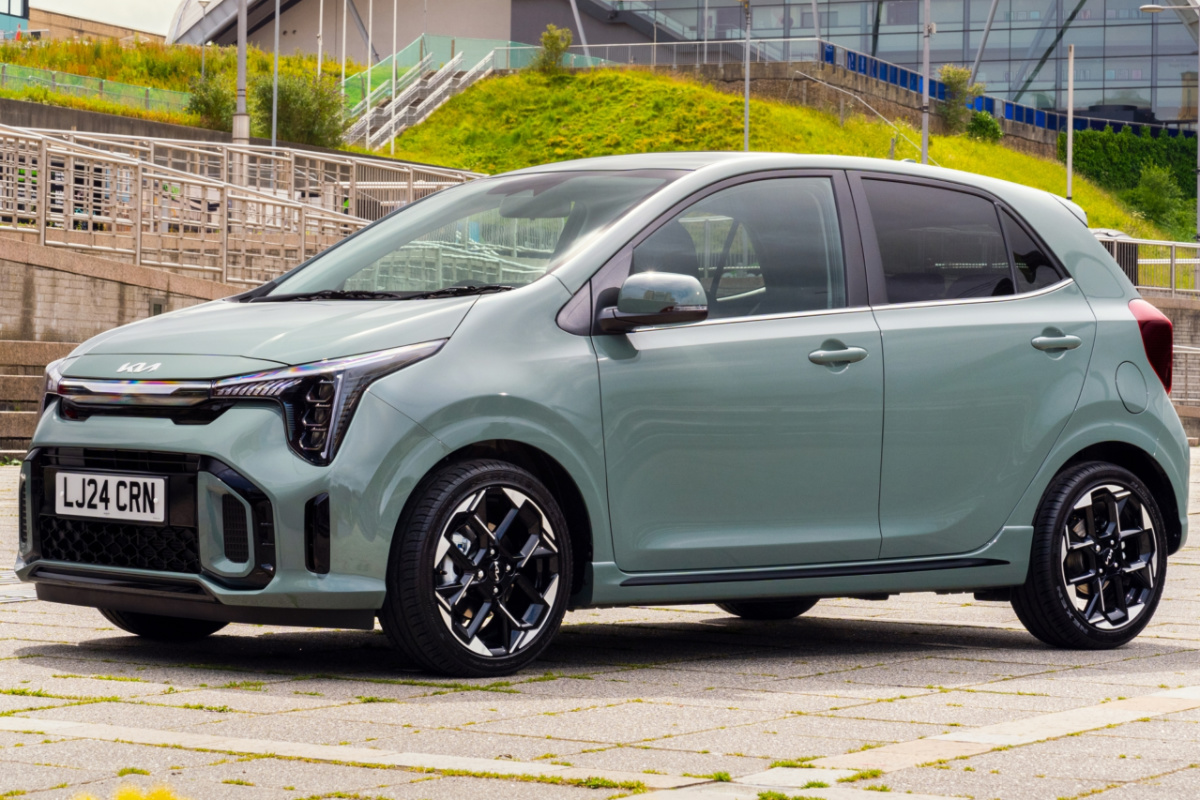
If you're looking for a small, affordable, and economical new or used car, the city car class is where you'll find some of the best options. For years, two models have consistently stood out from the crowd: the Hyundai i10 and the Kia Picanto. These Korean cousins share a lot of their engineering, but they've been designed to appeal to slightly different buyers.
The Hyundai i10 has a reputation for being the grown-up of the class, offering the space, comfort, and technology you'd normally expect from the car a size up. The Kia Picanto, on the other hand, leans into a more youthful, sporty character, with sharp styling and an agile feel. Both are cheap to run and packed with features, but which one makes the most sense for your money?
Hyundai i10 vs Kia Picanto
Practicality
Hyundai i10 practicality score: 5/5
Kia Picanto practicality score: 4/5
For such a small car, the Hyundai i10 is a masterclass in packaging. It boasts one of the most spacious interiors in its class, with enough rear legroom for adults to sit comfortably, which is a rare feat. It's also one of the few city cars to offer five seats, adding an extra layer of versatility for families. At 252 litres, the boot is a good size and shape for the weekly shop or a couple of weekend bags.
The Kia Picanto is also a practical choice, and its 255-litre boot is technically the largest in the class. However, it feels a little tighter in the back for passengers compared with the i10, and most versions come with only four seats. While it's perfectly usable for couples or those who rarely use the back seats, the i10's superior passenger space and five-seat layout make it the clear winner for overall practicality.
Driving Impressions
Hyundai i10 driving score: 4/5
Kia Picanto driving score: 3/5
On the road, the two cars reveal their different characters. The Hyundai i10 prioritises comfort and refinement, feeling composed and stable in a way that rivals cars from the class above. It soaks up bumps well and is quiet on the motorway, making it a surprisingly capable long-distance machine for its size. It's easy to drive in town, with light controls and good visibility.
The Kia Picanto feels more energetic and agile. Its steering is quick and its suspension is firmer, which makes it feel fun and nimble on twisty roads and responsive in the city. The trade-off is a ride that isn't as settled as the i10's, with more bumps and road noise making their way into the cabin. If you want a small car that's fun to zip around in, the Picanto has appeal, but the i10's mature and comfortable driving experience makes it the better all-rounder.
Technology and Equipment
Hyundai i10 technology and equipment score: 4/5
Kia Picanto technology and equipment score: 3/5
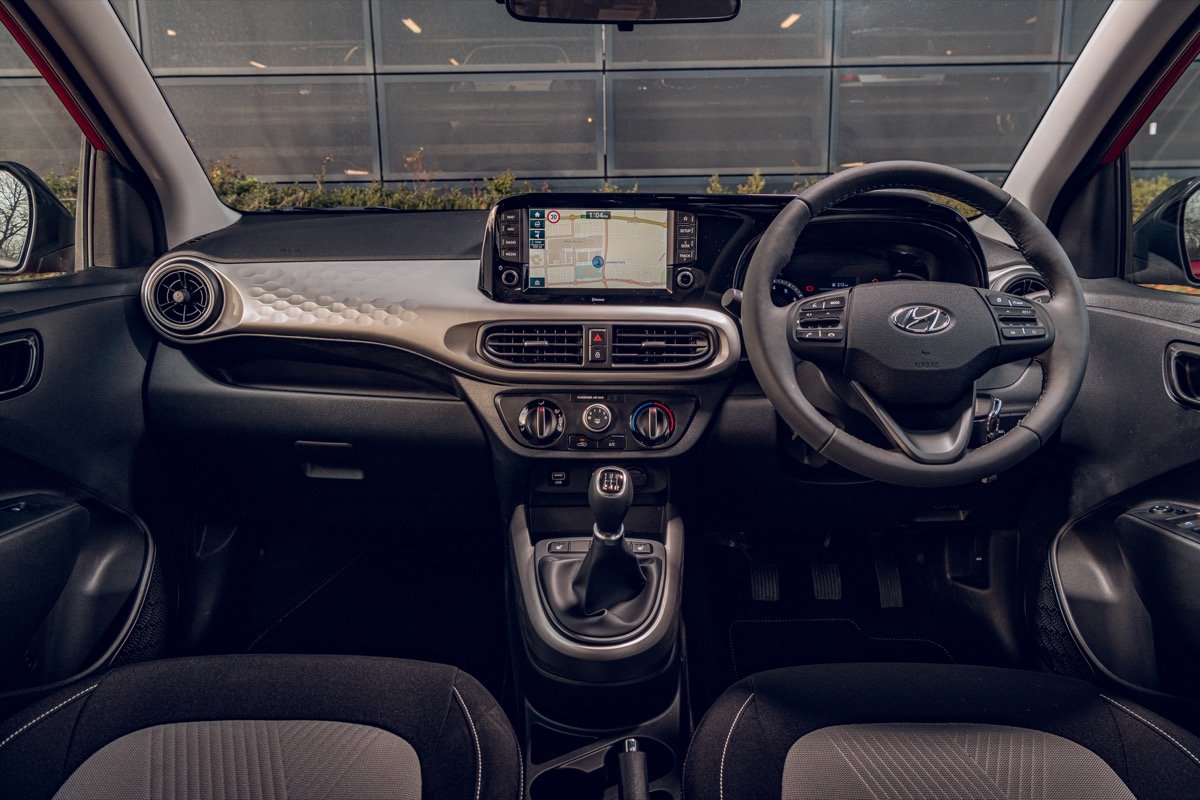
Both brands are known for offering generous levels of equipment, and these city cars are no exception. The i10 impresses with its standard kit, with most models featuring an 8-inch touchscreen complete with Apple CarPlay and Android Auto. Crucially, it also comes with a strong roster of standard safety equipment, including autonomous emergency braking and lane-keeping assist.
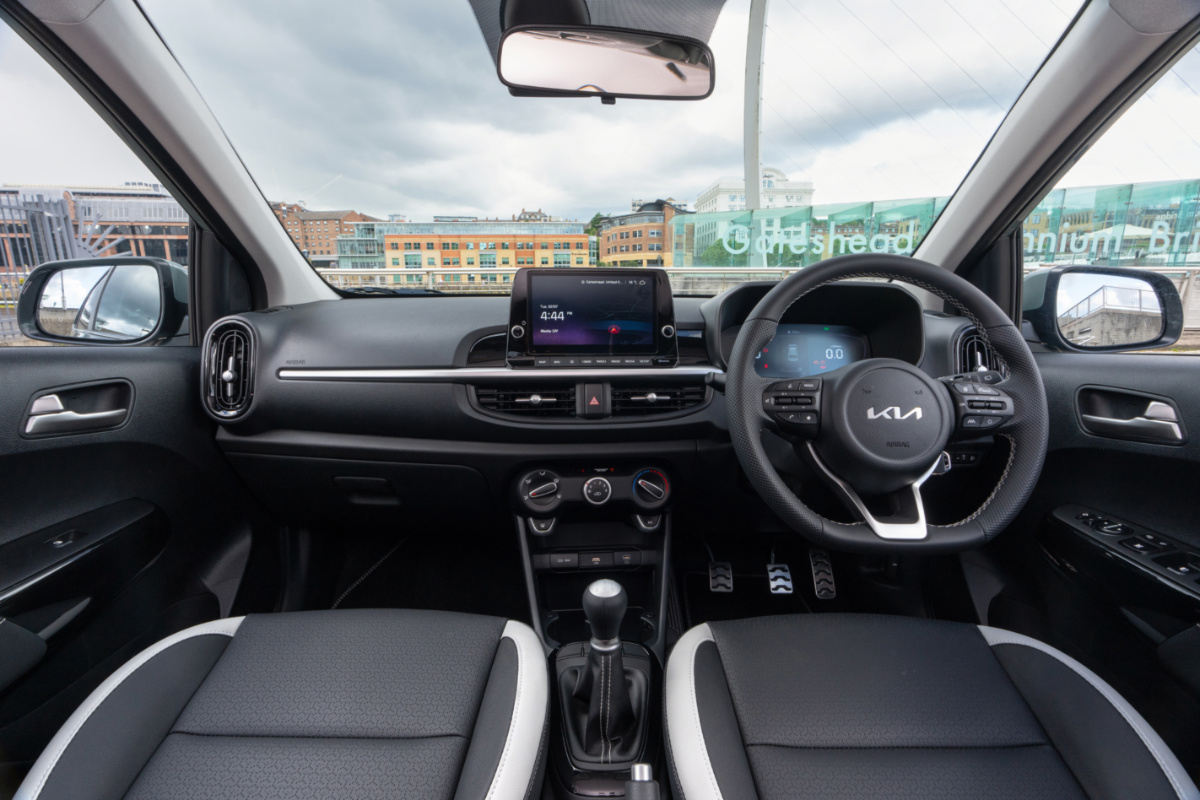
The Kia Picanto is also well-equipped, particularly in the popular GT-Line and GT-Line S trims, which get a similar touchscreen and sporty styling touches. However, entry-level models are more basic, and you have to move up the range to get the same level of safety technology that comes as standard on the i10. For its more consistent and safety-focused specification, the Hyundai takes the lead on tech.
Running Costs
Hyundai i10 running costs score: 4/5
Kia Picanto running costs score: 4/5
As you'd expect from small cars with efficient 1.0-litre and 1.2-litre petrol engines, both the i10 and Picanto are inexpensive to run. They deliver good fuel economy, typically returning more than 50mpg, and fall into low insurance groups, making them ideal for new drivers.
The biggest difference comes down to the manufacturer warranty, and both are excellent. Hyundai provides a five-year, unlimited-mileage warranty, which offers great peace of mind. However, Kia goes even further with its famous seven-year, 100,000-mile warranty. That extra two years of cover is a significant advantage, particularly for used car buyers, and gives the Picanto a slight edge in long-term ownership costs. It's a close-run thing, as both are among the best in the business.
CarGurus Buyer Insights
|
Hyundai i10 |
Kia Picanto |
| CarGurus expert rating |
5 out of 5 |
4 out of 5 |
| CarGurus user rating |
4.4 out of 5 |
4.5 out of 5 |
| Percentage of good/great deals available on CarGurus* |
33.7% |
33.9% |
| Overall CarGurus rating |
4.5 out of 5 |
4.3 out of 5 |
The Verdict
Hyundai i10 Overall CarGurus rating: 4.5/5
Kia Picanto Overall CarGurus rating: 4.3/5
While the Kia Picanto and Hyundai i10 are closely related and both make excellent city cars, there has to be a winner. Based on our comprehensive CarGurus Buyer Insights, the victory goes to the Hyundai i10.
The i10 scores higher with our experts and delivers strong owner satisfaction. This is reflected in its performance across our key categories. It's the more practical car, with more space for passengers, and its comfortable, refined ride makes it easier to live with every day. Add in a more generous standard safety specification, and the i10 feels like a more complete and mature package.
This isn't to say the Picanto should be overlooked. Its sporty styling and fun handling will win it plenty of fans, and that seven-year warranty is a huge draw. But as the better all-round city car, the Hyundai i10 takes a well-deserved win.
Hyundai i10 Pros and Cons
| Pros |
Cons |
| Class-leading practicality and space |
Not as fun to drive as the Picanto |
| Comfortable and refined ride quality |
Some interior plastics feel a bit hard |
| Generous standard equipment |
Warranty isn't as long as the Kia's |
Kia Picanto Pros and Cons
| Pros |
Cons |
| Stylish looks, especially GT-Line |
Less practical than the i10 |
| Industry-leading seven-year warranty |
Ride can be firm on rough roads |
| Agile and fun to drive in town |
Less standard tech on entry-level models |
*The Overall CarGurus rating that informs these recommendations is based on CarGurus' proprietary market data from June 2026, CarGurus expert reviews, and CarGurus user reviews.
Read Our Full Reviews: