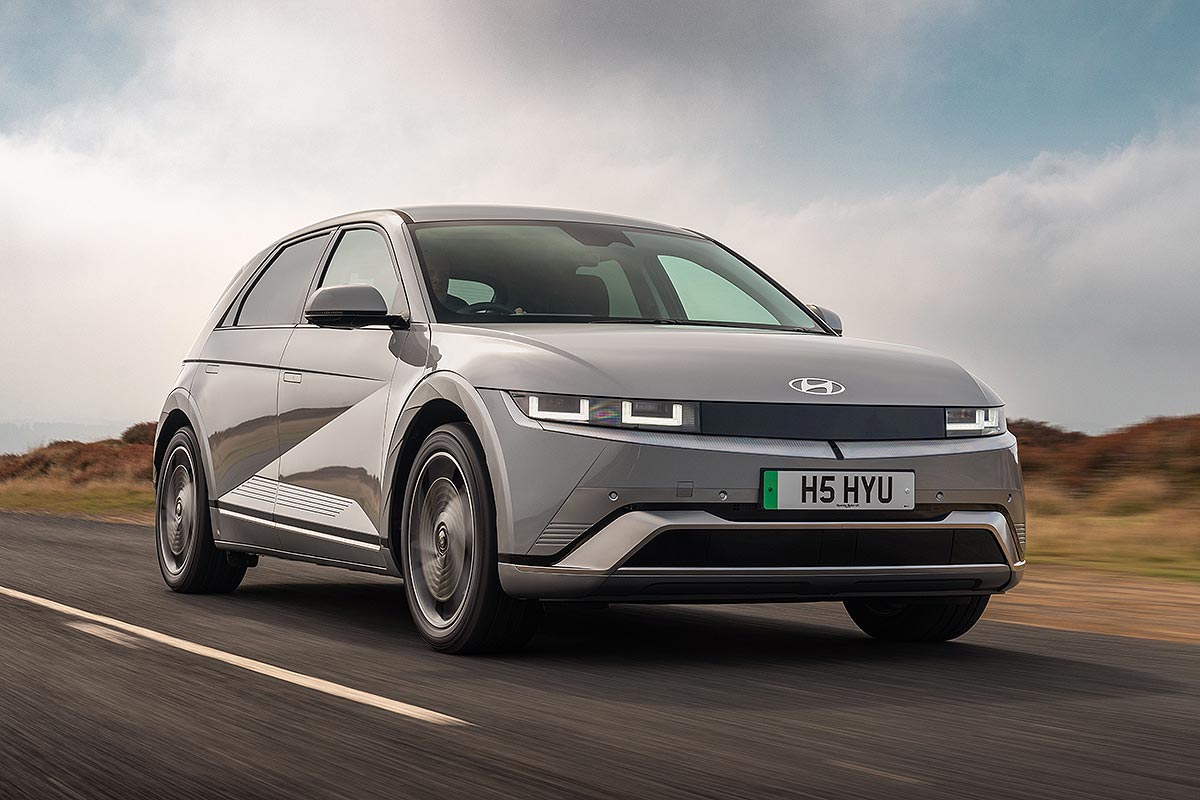
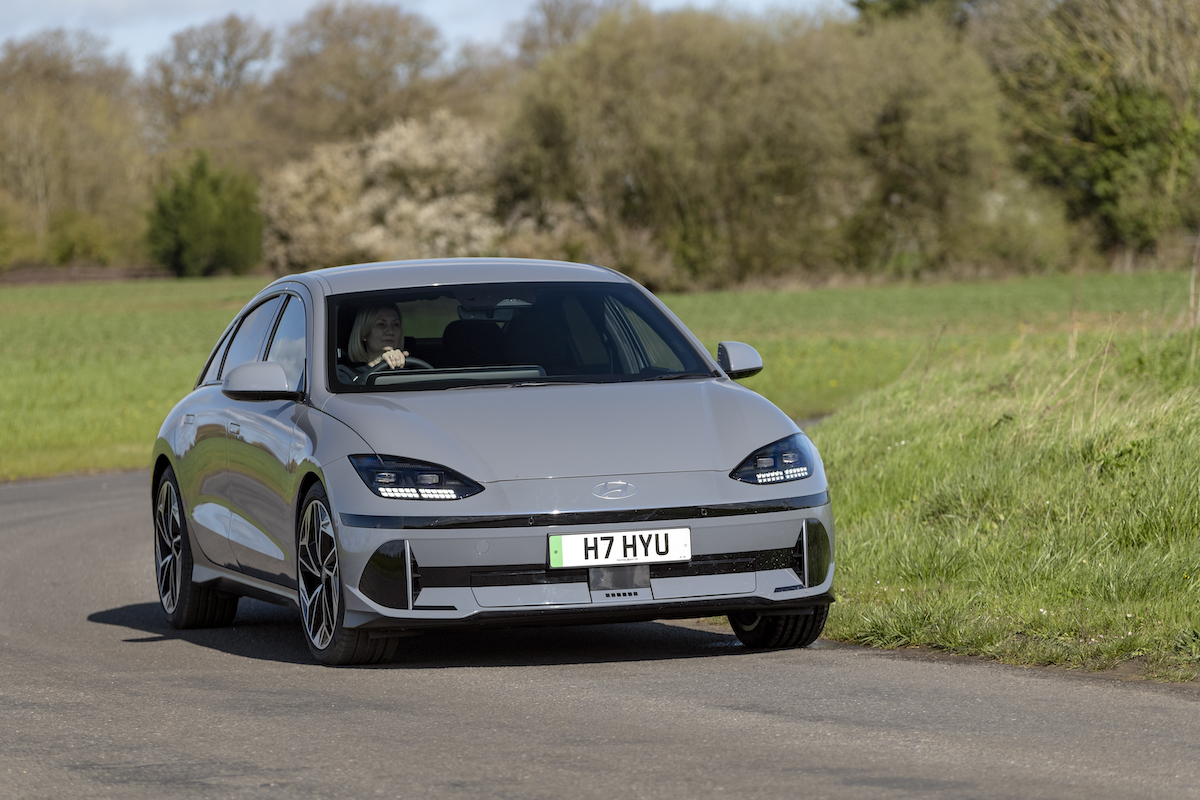
If you're in the market for a striking electric vehicle, Hyundai has two options that share the exact same underpinnings. The Hyundai Ioniq 5 and the Hyundai Ioniq 6 both utilise the brand's advanced E-GMP platform, meaning they share batteries, motors, and an ultra-fast 800V charging system. However, they take completely different approaches to design and packaging.
The Ioniq 5 offers a retro-futuristic take on the family SUV, providing a spacious and airy cabin wrapped in a sharp, hatchback-like silhouette. The Ioniq 6, meanwhile, is a sleek 'streamliner' saloon designed with aerodynamics and maximum efficiency in mind. Both offer a solid electric driving experience, so which of these siblings is the right fit for you?
Hyundai Ioniq 5 vs Hyundai Ioniq 6
Practicality
Hyundai Ioniq 5 practicality score: 5/5
Hyundai Ioniq 6 practicality score: 3/5
When it comes to interior space, the Ioniq 5 takes a clear lead. Its boxy shape and flat floor create a remarkably roomy cabin that feels more like a large SUV than a hatchback. The rear seats slide and recline, offering ample legroom and headroom for adult passengers. The boot is a generous 520 litres, making it a capable family hauler.
The Ioniq 6, by contrast, sacrifices some practicality for its aerodynamic shape. While rear legroom is still good thanks to a long wheelbase, the sloping roofline means headroom is tight for taller passengers. The boot is also less versatile; it's deep, but the saloon-style opening makes loading bulky items difficult, and it lacks the outright volume of the Ioniq 5. Both cars feature a 'frunk' under the bonnet for storing charging cables, though the Ioniq 5's is slightly larger.
Driving Impressions
Hyundai Ioniq 5 driving score: 4/5
Hyundai Ioniq 6 driving score: 4/5
Both cars offer a refined and capable driving experience, but they have slightly different characters on the road. The Ioniq 5 is tuned for comfort. It feels serene and settled on the motorway, though its heavy kerb weight is noticeable on twisty country roads. It's an easy, relaxing car to drive, with intuitive regenerative braking modes that make town driving straightforward.
The Ioniq 6 sits lower to the ground and feels a bit more engaging. It turns into corners keenly and feels well-balanced. However, this sharper handling comes at a cost to ride comfort. Fitted with standard 20-inch alloy wheels, the Ioniq 6 has a firm ride that can feel fidgety over rougher surfaces. Both cars offer plenty of performance, especially if you opt for the dual-motor, all-wheel-drive variants, but the single-motor versions are more than adequate for daily driving.
Technology and Equipment
Hyundai Ioniq 5 technology and equipment score: 5/5
Hyundai Ioniq 6 technology and equipment score: 5/5
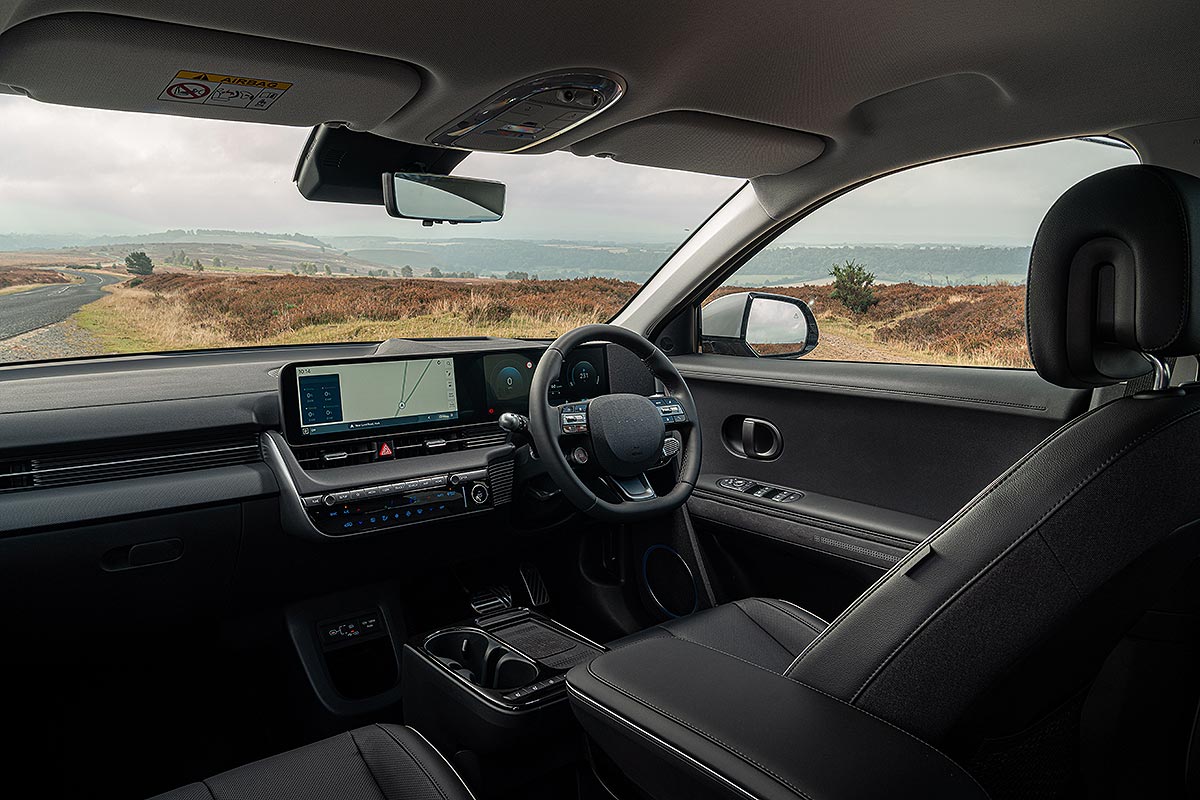
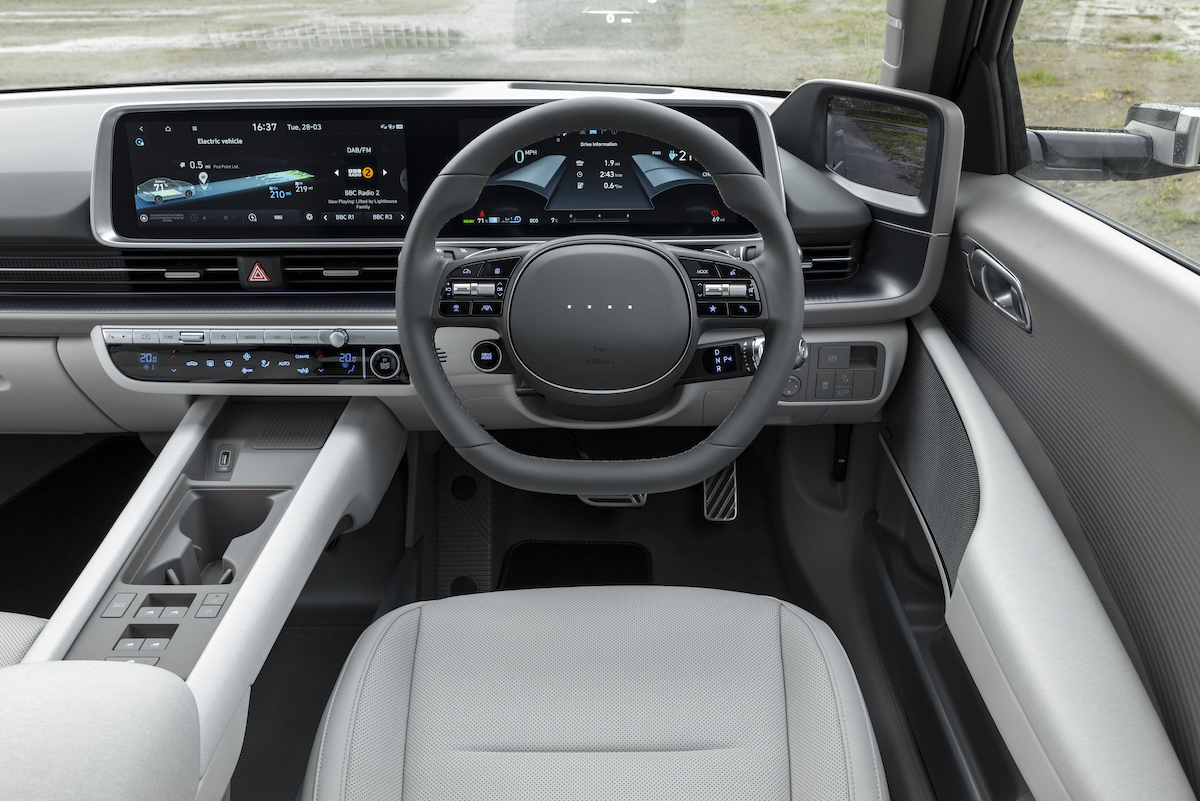
Hyundai has packed both of these cars with an impressive array of technology. You get a sleek dual 12.3-inch screen setup in both models, which handles the digital driver display and the central infotainment. The systems are easy to navigate and come with Apple CarPlay and Android Auto as standard.
A standout feature shared by both cars is the 800V electrical architecture, which allows for ultra-rapid charging—getting you from 10% to 80% in under 20 minutes at a suitable public charger. Both also feature Vehicle-to-Load (V2L) technology, allowing you to power external devices like laptops or camping equipment directly from the car's battery. Equipment levels are generous across the board, with features like adaptive cruise control, heated seats, and wireless phone charging available even on entry-level trims.
Running Costs
Hyundai Ioniq 5 running costs score: 4/5
Hyundai Ioniq 6 running costs score: 5/5
While both cars are relatively affordable to run if you charge at home, the Ioniq 6 pulls ahead in this category thanks to its slippery design. Its aerodynamic shape allows it to cut through the air with minimal resistance, resulting in good efficiency. In real-world driving, the Ioniq 6 can easily return around 3.8 miles per kWh, meaning it squeezes more range out of the same battery pack than the Ioniq 5.
The Ioniq 5 is still reasonably efficient, but its taller, boxier shape means it uses more energy at motorway speeds. If you do a lot of long-distance driving, the Ioniq 6 will ultimately cost you less in electricity and require fewer stops to charge. Both cars benefit from Hyundai's standard five-year, unlimited-mileage warranty, providing good peace of mind.
CarGurus Buyer Insights
|
Hyundai Ioniq 5 |
Hyundai Ioniq 6 |
| CarGurus expert rating |
5 out of 5 |
4 out of 5 |
| CarGurus user rating |
5.0 out of 5 |
5.0 out of 5 |
| Percentage of good/great deals available on CarGurus* |
34.1% |
34.1% |
| Overall CarGurus rating |
4.5 out of 5 |
4.3 out of 5 |
The Verdict
Hyundai Ioniq 5 Overall CarGurus rating: 4.5/5
Hyundai Ioniq 6 Overall CarGurus rating: 4.3/5
This is a close contest between two capable electric vehicles from the same stable. Both the Hyundai Ioniq 5 and the Hyundai Ioniq 6 share the same advanced platform and offer rapid charging, but they cater to different priorities.
Based on our comprehensive CarGurus Buyer Insights, the Hyundai Ioniq 5 takes the victory. It achieves a higher Overall CarGurus rating of 4.5 out of 5, compared to the Ioniq 6's 4.3. The Ioniq 5 also scored a perfect 5 out of 5 with our experts, thanks to its versatile, family-friendly cabin and comfortable ride. Its spacious interior and practical boot make it an excellent all-rounder that simplifies living with an EV.
That's not to dismiss the Ioniq 6. If you spend a lot of time on the motorway or simply prefer a sleeker driving experience, it remains a strong option. Its aerodynamic design makes it noticeably more efficient, which lowers running costs and extends your driving range. However, for most buyers seeking a practical and well-rounded electric car, the Ioniq 5's combination of space, comfort, and technology makes it the better choice.
Hyundai Ioniq 5 Pros and Cons
| Pros |
Cons |
| Spacious and practical interior |
Driving experience could be more polished |
| Packed with safety equipment and technology |
Relatively cheap-looking inside |
| Ultra-rapid charging speeds |
Not as reliable as the related Kia EV6 |
Hyundai Ioniq 6 Pros and Cons
| Pros |
Cons |
| Individual looks |
Ride is decidedly firm |
| Pleasant to drive |
Some disappointing pieces of interior trim |
| Stuffed with equipment and technology |
Wing mirror cameras are a bit pointless |
*The Overall CarGurus rating that informs these recommendations is based on CarGurus' proprietary market data from September 2026, CarGurus expert reviews, and CarGurus user reviews.
Read Our Full Reviews: