The arrival of an all-new Audi A6 Allroad in June 2026 means the model has returned to the UK after a five-year absence. That might not be news of earth-shattering importance, but it does mean that the rugged estate car is back. The what now? you might well ask, because until the Allroad’s reintroduction it was a category (or maybe even sub-category) of cars that had withered away to nothing.

As a reminder, the rugged estate offered – in theory – the best bits of both an estate car and an SUV. The recipe was simple: take an existing estate car and give it extra ‘adventure-ready’ capability and style via raised suspension, tough-looking cladding and usually – but not always – four-wheel drive. As well as Allroad, there were models with names such as ‘Alltrack’ or ‘Cross Country’ that made every journey feel like an adventure, even if it was just a trip to the local shopping centre.
Oddly, it’s one of the few car types that never acquired an accepted name. You might hear ‘off-road estate’ or ‘4x4 estate’ in the UK, or ‘lifted wagon’ in the US, but we’ll stick with ‘rugged estate’. If none of this is ringing any bells, you’re forgiven. These models were never big sellers and were ultimately made to look redundant by the rise of the SUV. But perhaps the rugged estate is a concept worth revisiting after all.
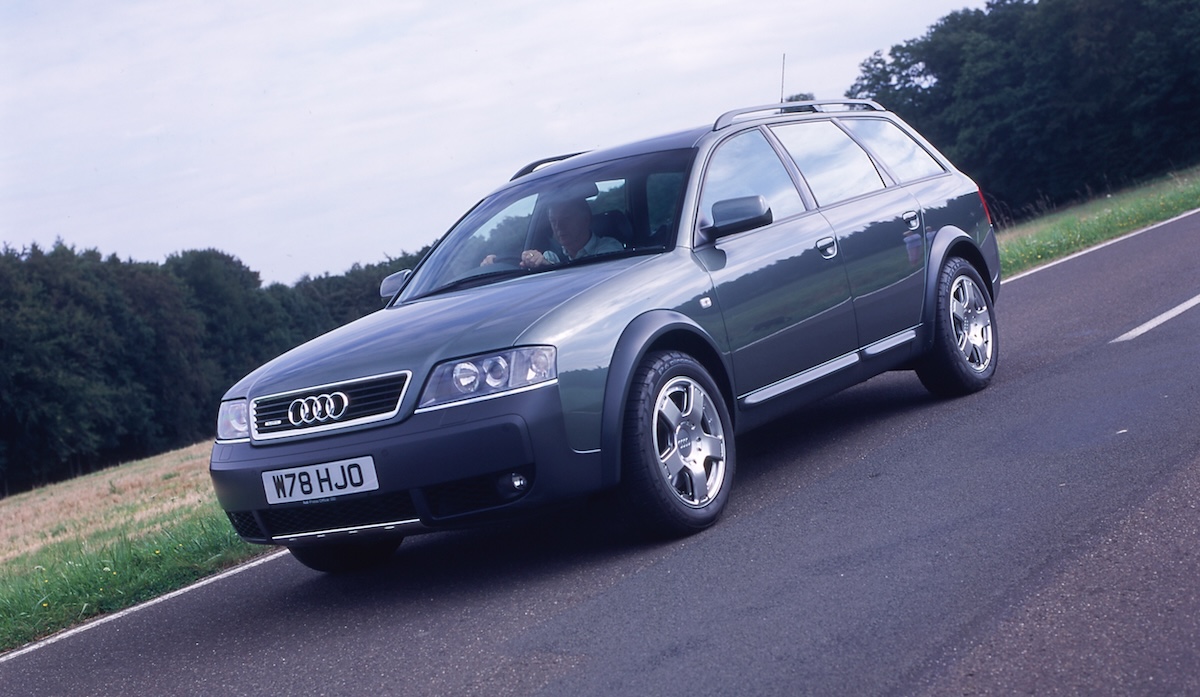
So let’s go back to the start, and the very first A6 Allroad. Although estate cars with four-wheel drive had been around since the early 1970s (many of them Subarus), the Audi A6 Allroad was something a bit different. Introduced in 1999 as a spin-off of the A6 Avant of the time, it added more than just the ‘Quattro’ four-wheel drive system that Audi had been using for various models since 1980.
The Allroad brought a whole lot more to the party, with extra off-road chops through air suspension that offered impressive ground clearance, as well as a 4x4–inspired (the term ‘SUV’ wasn’t commonly used at the time) makeover that featured contrasting wheelarch extensions and bumpers, as well as metallic ‘skid plates’, side sill trim and roof bars. It looked great, projecting an upmarket yet outdoorsy vibe perfectly suited to turning up at a posh ski resort or gymkhana event.
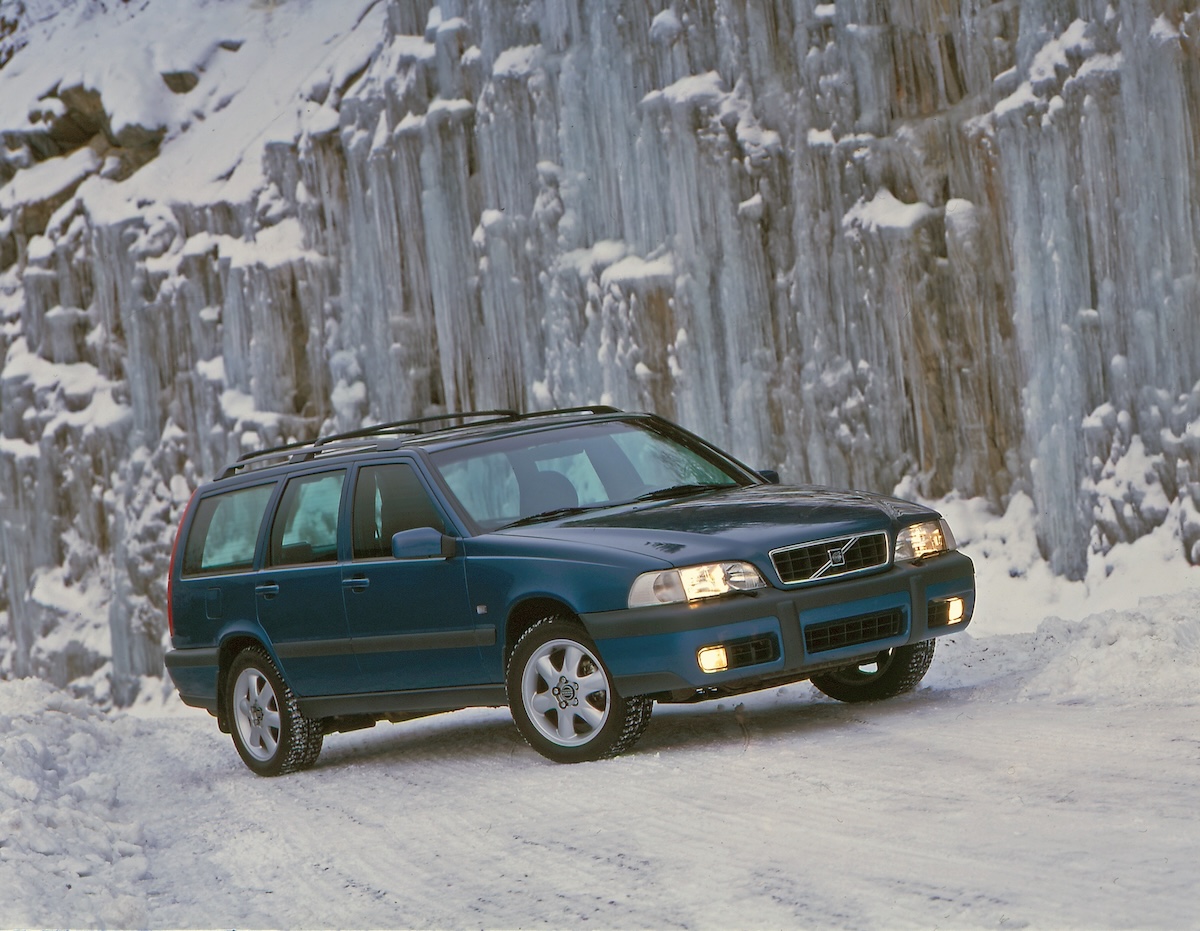
Volvo had the same idea at about the same time. In fact, its V70 XC (later rebranded XC70) actually went on sale a year earlier. It got a similar visual and mechanical treatment and, as the Allroad did for Audi, the XC gave the Volvo range a tough-looking, off-road-ish car well before its first SUV arrived.
These two aspirational models created a template that various brands followed faithfully over the years. Most stuck very close to it, with familiar cosmetic and mechanical upgrades and similarly ‘outdoorsy’-sounding names. The VW Group was especially keen, bringing us the Volkswagen Golf Alltrack and Passat Alltrack, as well as the Seat Leon X-Perience, Skoda Octavia Scout and Skoda Superb Outdoor. Audi expanded its Allroad family to include an A4 Allroad model, while Volvo rebranded its rugged estates as ‘Cross Country’ models and added the V60 Cross Country to the lineup.
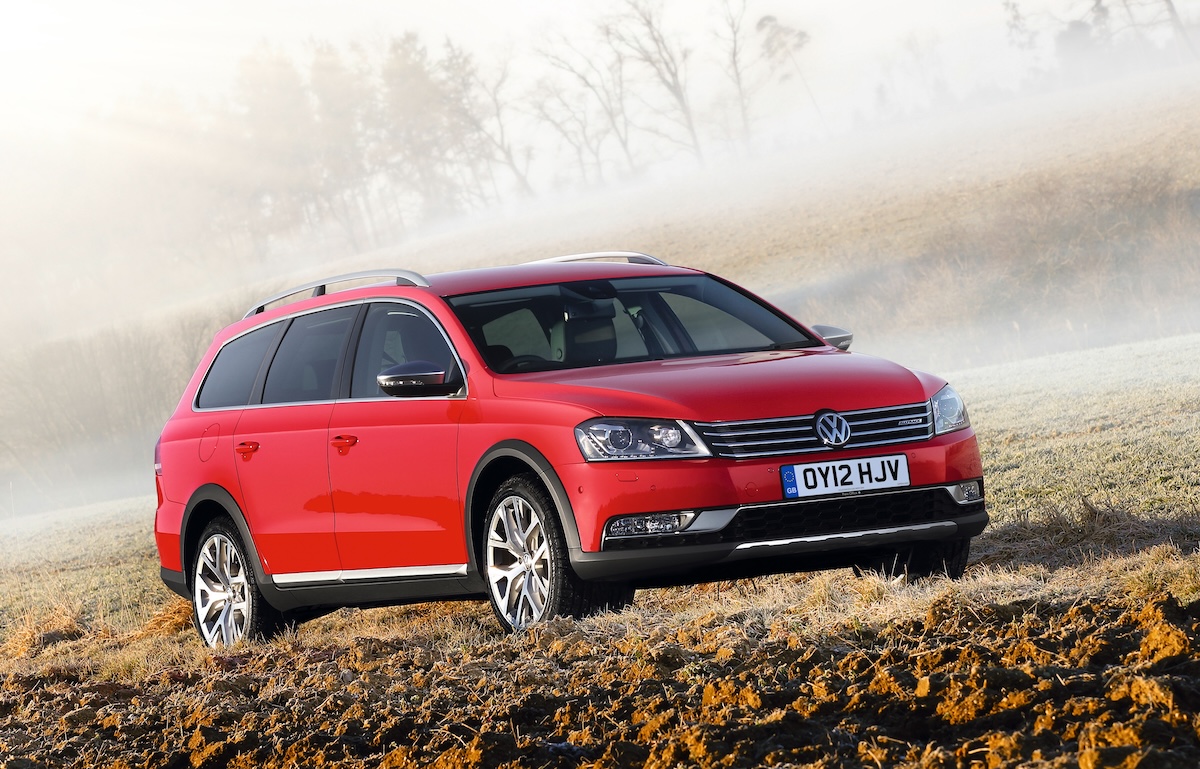
What all of these cars offered was an extra degree of rough-terrain ability over a standard estate, without the extra bulk or expense of an SUV. They were ideal if you lived at the end of a bumpy lane, perhaps, or simply wanted a bit of extra ground clearance.
Remember, too, that the earliest examples arrived at a time when SUVs weren’t ubiquitous, and those that were available were often either rather crude or prohibitively expensive. The rugged estate offered a middle ground, as well as an image that suggested an ‘active lifestyle’ without implying you needed your car to take a cow to market.
The SUV, erm, revolution (takeover feels like too strong a word) was in full swing by the time many of these models hit showrooms, however. And although most of them offered larger boots, lower prices and better fuel economy than an equivalent SUV, that didn’t translate into higher sales. Far from it. The rugged estate just didn’t capture the buying public's imagination in the same way, and many didn’t remain on sale for long in the UK.
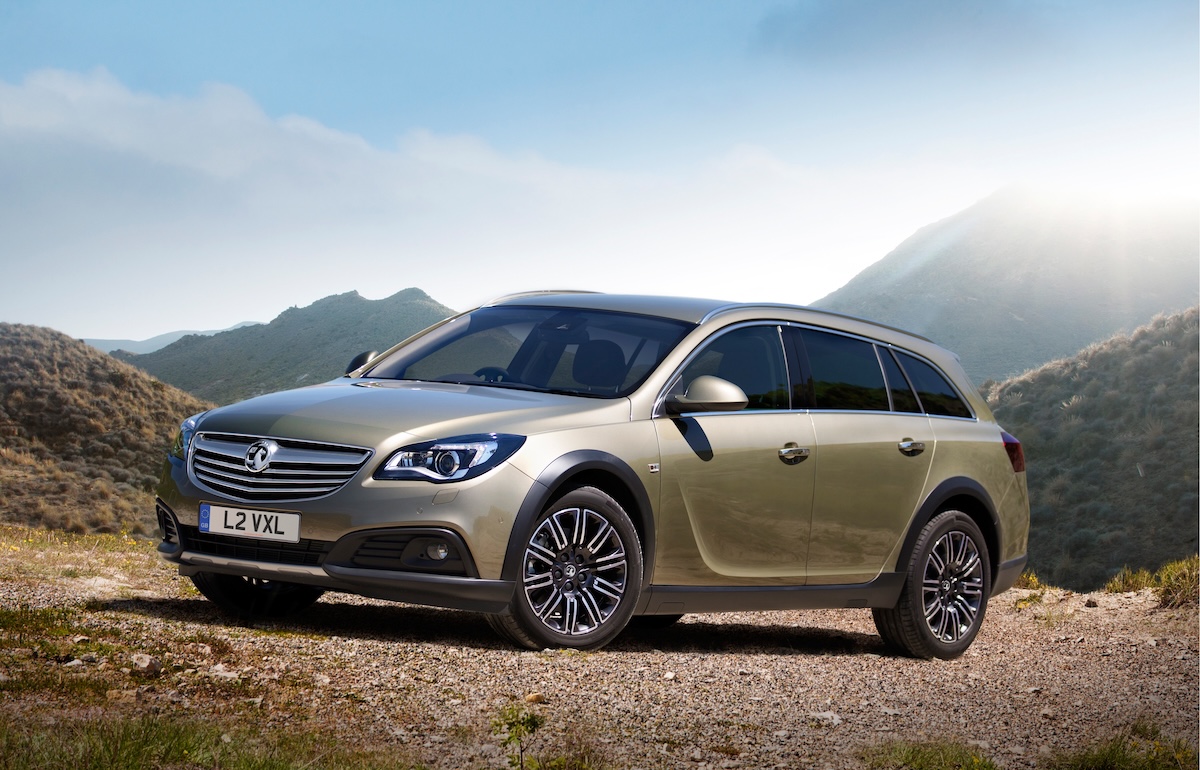
In some cases, it’s not hard to see why. Capable and practical they may have been, but the rugged look just wasn't a good one for the Mercedes-Benz E-Class All-Terrain or Vauxhall Insignia Country Tourer: their long, low shapes and curvy window lines clashing awkwardly with their raised stances and bulky black wheelarches. A bit like wearing a beautifully tailored suit with a pair of wellies.
And as the rugged estate genre started to lose momentum, some weren’t actually that rugged. The Ford Focus Active Estate and Toyota Corolla Trek, for example, got the extra ground clearance and body cladding, but not the four-wheel drive.
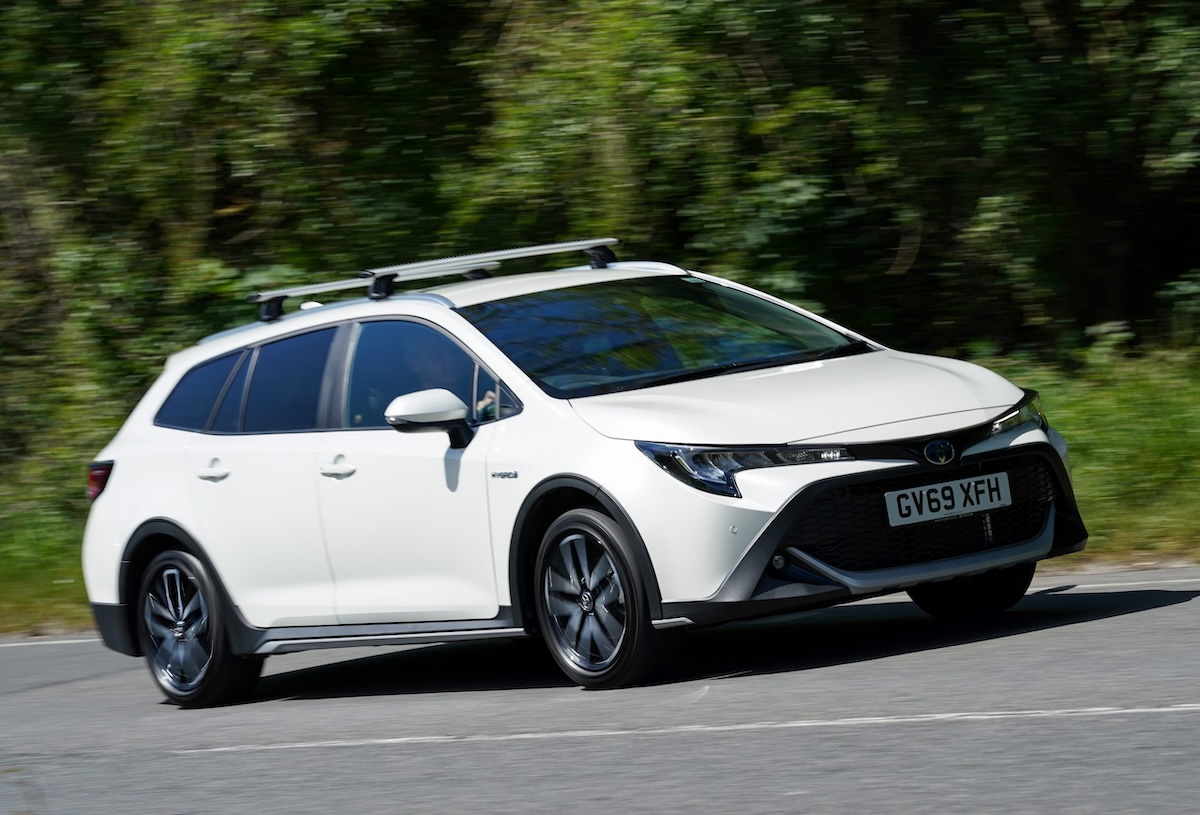
With SUVs increasingly covering every corner of the market, the appeal of the rugged estate car waned. Very quickly, there were countless SUV options that offered an even more elevated driving position and similar – or lower – costs. The rugged estate started to look a bit old-fashioned and seem like what it was: a compromise that didn’t capture the full appeal of either genre.
So maybe it’s not that surprising that, over the past few years, the rugged estates that remained on sale were quietly discontinued. Until the A6 Allroads resurrection you couldn’t buy a new one, and I’m not counting the Subaru Outback because it’s not based on a standard ‘non-rugged’ Outback model. Likewise, although the forthcoming Dacia Striker has ‘rugged estate’ vibes, it’s actually a bespoke model in its own right.
The launch of an all-new, fifth-generation A6 Allroad is something of a surprise, then. Could it be that the rugged estate’s time has come again, with a wave of similar models to follow? Or is it just a temporary reprieve before the genre gets (re)filed alongside coupe hatchbacks as a moment in automotive history?
It would be a shame if that were so. Because for certain buyers a rugged estate is a great fit, and a more logical choice than an SUV. Even if the rugged estate’s strength might in fact be its greatest weakness: instead of a blend of estate and SUV, most buyers would simply prefer one or the other.
Our top three rugged estate cars...
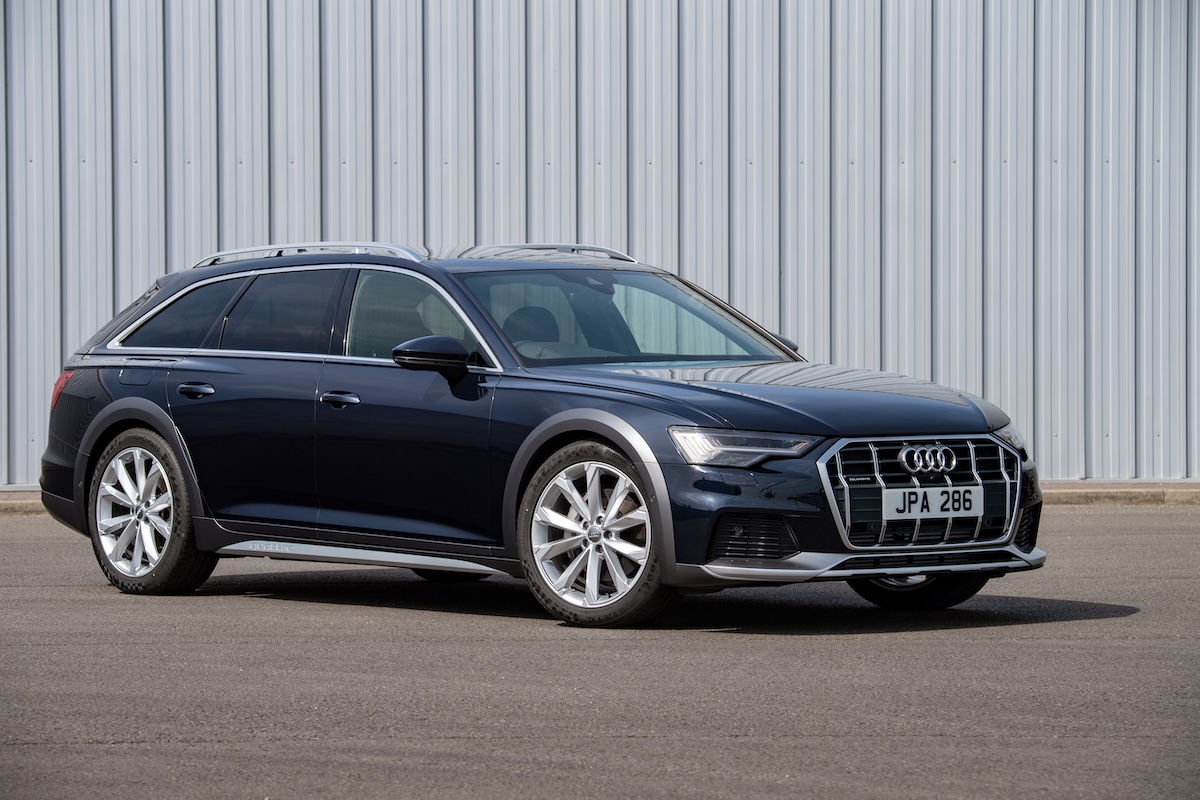
Audi A6 Allroad
The car that created the template for the modern-day rugged estate and, in first-generation (1999-2005) form, surely a future classic. The formula barely changed over the course of a quarter-century model run, although dwindling sales meant the most recent version was discontinued in the UK in 2021. Despite that, Audi has announced details of an all-new, fifth-generation model that's more luxurious yet more rugged than ever. It's on sale now, with prices starting at more than £70,000.
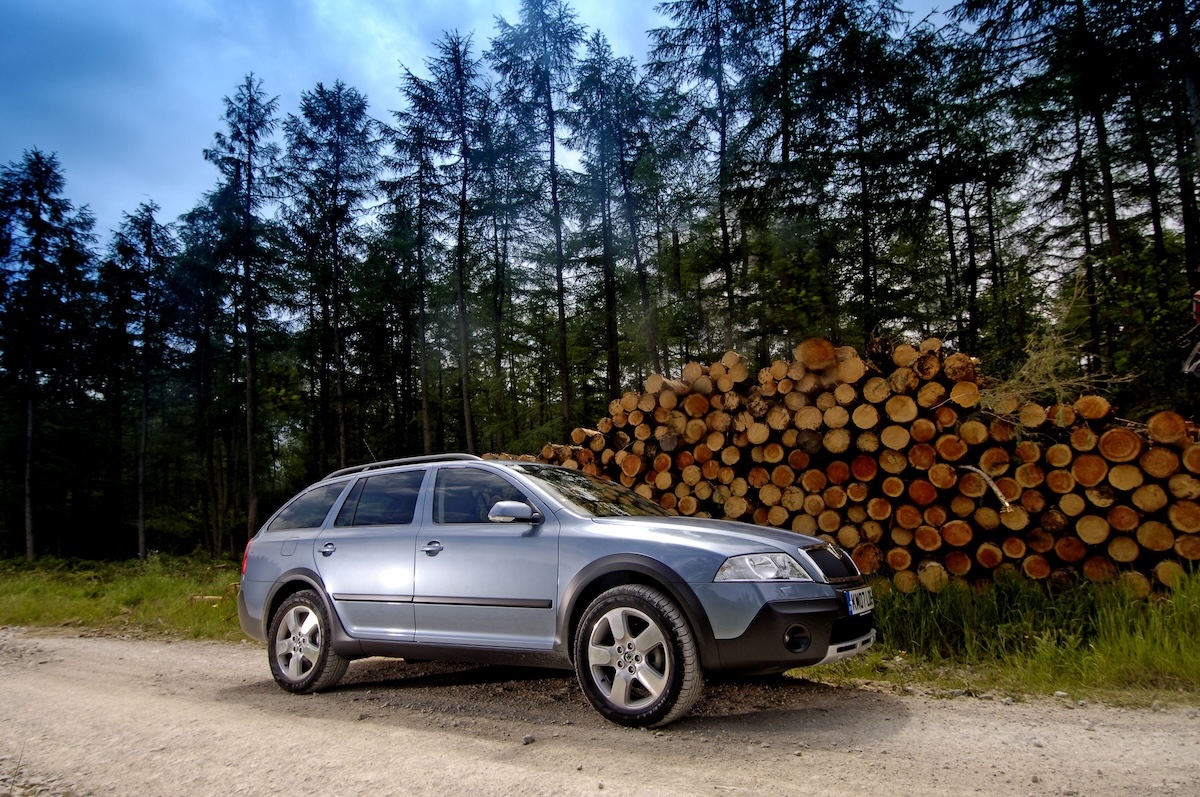
Skoda Octavia Scout
Of all the VW Group estates to receive the off-road treatment, the Octavia Scout felt like the best fit – even if it didn’t get the best name. Sold across two generations between 2007 and 2020, the Scout had raised suspension and four-wheel drive as standard, making it more capable off-road than some versions of the Karoq and Kodiaq SUVs that effectively replaced it.
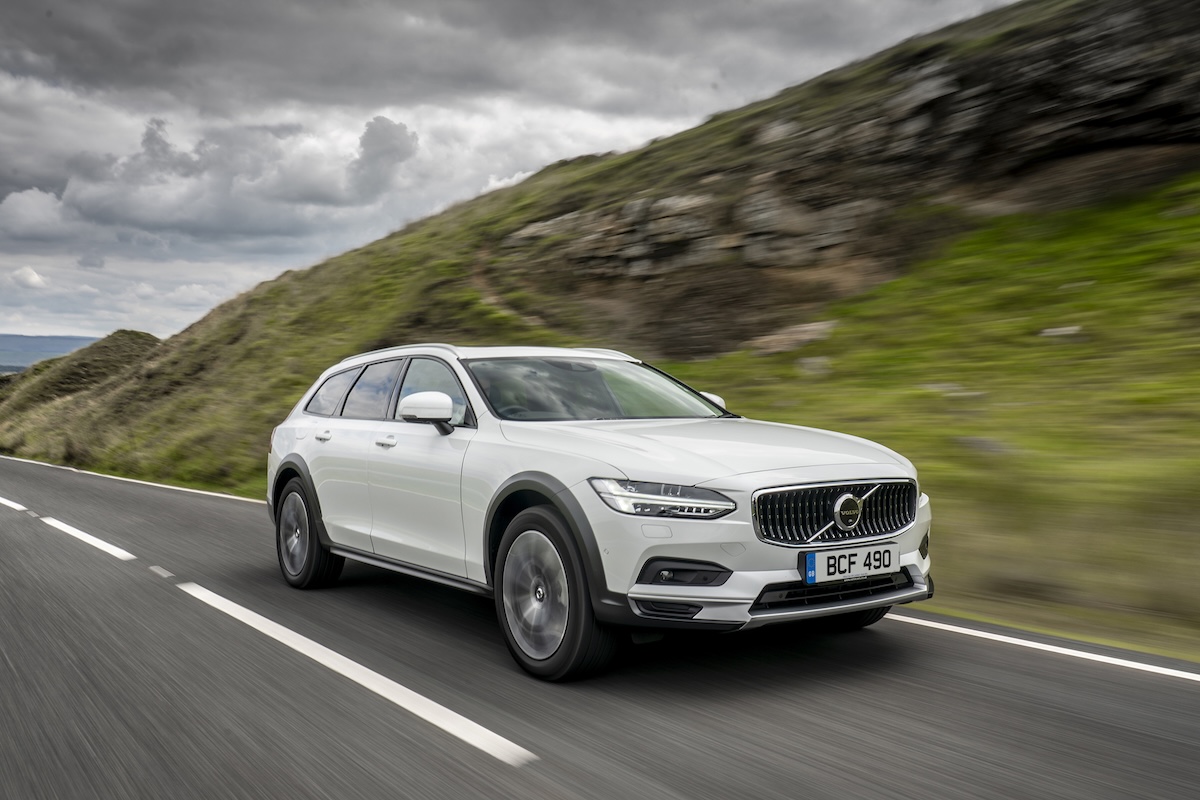
Volvo V90 Cross Country
There’s something about the rugged version of Volvo’s big estate that just works. The angular styling, solid feel and unpretentious image complement the SUV-style makeover well, enhancing rather than contrasting with the V90’s tool-like character. Introduced in 2017 and discontinued in 2025, the V90 Cross Country might not have matched the sales of Volvo’s SUVs but it’s a worthy successor to the V70 XC/XC70 models that preceded it.