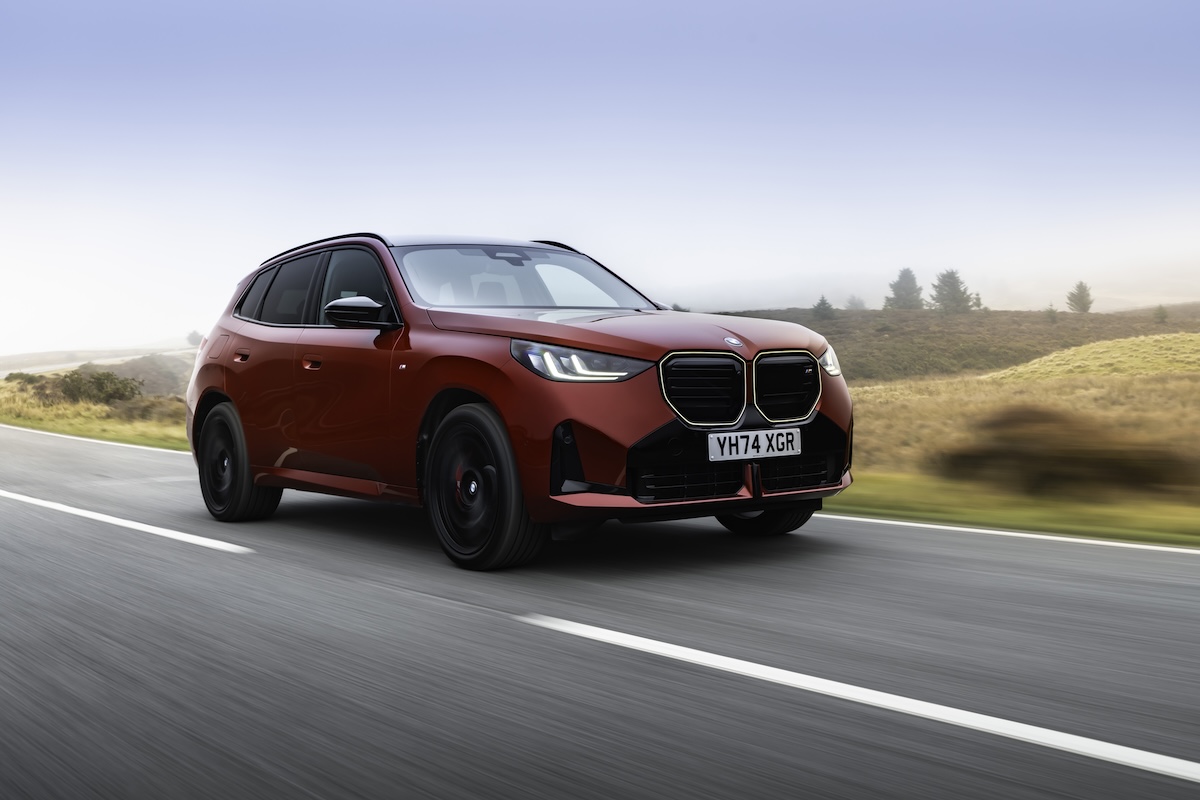
The premium SUV market is one of the most competitive in the UK, and it's about to get a new challenger. The Omoda 9 is a large, plug-in hybrid SUV from the ambitious Chinese brand, aiming to tempt buyers away from established players with a blend of striking design, high-tech features, and low running costs.
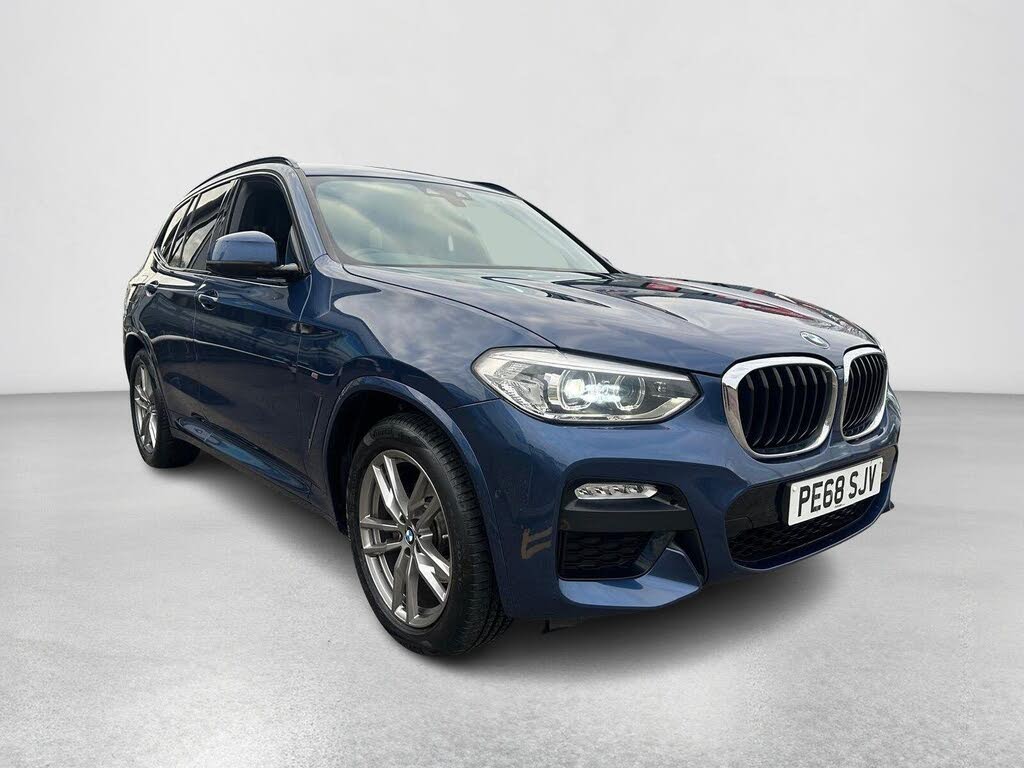
Standing in its way is a titan of the class: the BMW X3. For years, the X3 has been the benchmark for premium SUVs, offering a combination of practicality, a high-quality interior, and a driving experience that few rivals can match. Can this newcomer from the East really challenge the king from Bavaria?
Omoda 9 vs BMW X3
Practicality
Omoda 9 practicality score: 4/5
BMW X3 practicality score: 4/5
When it comes to family duties, both of these SUVs are up to the task. The Omoda 9 is a large vehicle, and that translates into a spacious cabin with plenty of room for passengers in both the front and back. Its boot is also a good size, easily capable of swallowing luggage for a family holiday or the weekly shop.
The BMW X3 has built a reputation for being a versatile family car, and this latest generation is no different. It offers ample passenger space and a usefully shaped boot with a flat floor, making it easy to load bulky items. With identical scores, it's a dead heat in this category. Both cars provide all the space and flexibility that a family is likely to need from a premium SUV.
Driving Impressions
Omoda 9 driving score: 3/5
BMW X3 driving score: 4/5
This is where the established player shows its experience. The BMW X3 has long been the driver's choice in this class, and that continues to be the case. It offers a blend of comfort and agility that is hard to fault, with precise steering and well-controlled handling that make it genuinely enjoyable to drive on a country road. It's also a quiet and comfortable cruiser on the motorway.
The Omoda 9 is tuned more for comfort than for speed. Its suspension is set up to be soft, which means it does a decent job of soaking up bumps around town. The plug-in hybrid powertrain provides smooth and quiet progress, but the car never feels particularly engaging or athletic. If you prioritise a relaxing journey over a thrilling one, the Omoda 9 is perfectly adequate, but the BMW X3 is the more accomplished all-rounder on the road.
Technology and Equipment
Omoda 9 technology and equipment score: 4/5
BMW X3 technology and equipment score: 4/5
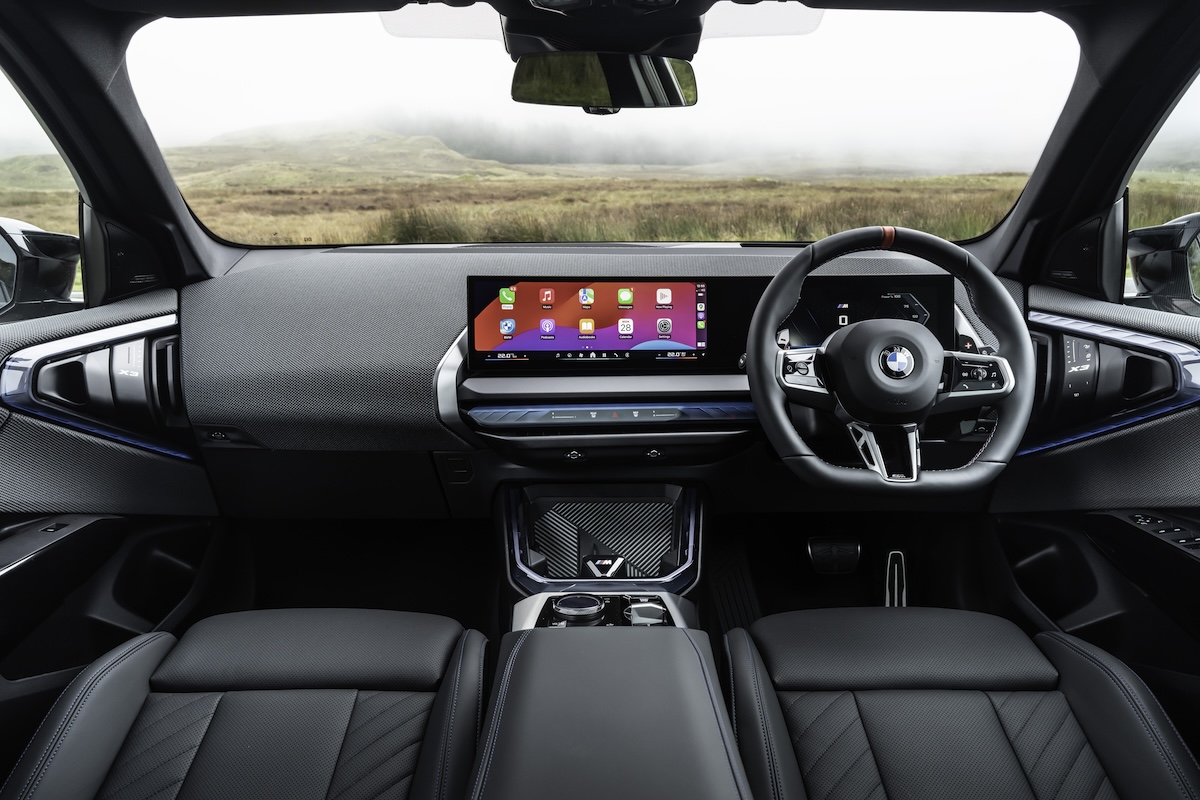
New brands often use technology to make a statement, and the Omoda 9 is no exception. It comes with a huge dual-screen display that dominates the dashboard, controlling infotainment and driver information. The level of standard equipment is high, with most models getting a full suite of safety systems, a panoramic sunroof, and electrically adjustable heated seats.
BMW is a leader in in-car tech, and the X3 features the latest version of its excellent iDrive infotainment system. It's slick, intuitive, and can be controlled via the touchscreen, a rotary dial, or voice commands. While the X3's standard equipment list isn't as long as the Omoda's, the quality and integration of the technology are first-rate, and a vast options list allows for extensive personalisation. This is another category where it's too close to call.
Running Costs
Omoda 9 running costs score: 5/5
BMW X3 running costs score: 3/5
Here, the newcomer has a distinct advantage. The Omoda 9's plug-in hybrid powertrain is its trump card, offering the potential for low-cost motoring, especially for drivers who can charge at home and have a short commute. Company car drivers will also benefit from lower Benefit-in-Kind (BIK) tax rates. Omoda is also expected to offer a long warranty to give buyers peace of mind.
The BMW X3 is a premium product, and it comes with premium running costs. While its petrol, diesel, and plug-in hybrid engines are efficient, purchase prices are higher, and servicing at a main dealer will be more expensive than for the Omoda. Insurance groups and parts costs will also likely be higher. For budget-conscious buyers, the Omoda 9 is the clear winner in this round.
CarGurus Buyer Insights
|
Omoda 9 |
BMW X3 |
| CarGurus expert rating |
4 out of 5 |
4 out of 5 |
| CarGurus user rating |
0.0 out of 5 |
4.4 out of 5 |
| Percentage of good/great deals available on CarGurus* |
37.5% |
33.4% |
| Overall CarGurus rating |
3.9 out of 5 |
4.4 out of 5 |
The Verdict
Omoda 9 Overall CarGurus rating: 3.9/5
BMW X3 Overall CarGurus rating: 4.4/5
The Omoda 9 puts up a good fight, proving that new challengers in the premium SUV space should be taken seriously. It offers eye-catching looks, a spacious cabin, and the potential for low running costs thanks to its plug-in hybrid powertrain.
However, the win goes to the established champion. Based on our comprehensive CarGurus Buyer Insights, the BMW X3 takes the victory with a higher Overall CarGurus rating. It justifies its premium price tag with a superior driving experience, a high-quality interior, and the backing of a proven track record, as shown by its strong user rating.
If your priority is minimising your running costs and getting the most standard equipment for your money, the Omoda 9 is a worthwhile option. But as a complete package, the BMW X3 remains the benchmark. Its blend of practicality, driver appeal, and premium finish is a combination that's still hard to beat.
Omoda 9 Pros and Cons
| Pros |
Cons |
| Excellent running costs from PHEV model |
Driving experience lacks sharpness |
| High level of standard technology |
Unproven brand and resale values |
| Spacious and practical cabin |
Low user rating reflects its newness |
BMW X3 Pros and Cons
| Pros |
Cons |
| Class-leading driving experience |
Higher purchase price and running costs |
| High-quality, premium interior |
Less standard equipment than the Omoda |
| Strong brand image and resale values |
Styling may be too conservative for some |
*The Overall CarGurus rating that informs these recommendations is based on CarGurus' proprietary market data from June 2026, CarGurus expert reviews, and CarGurus user reviews.
Read Our Full Reviews: