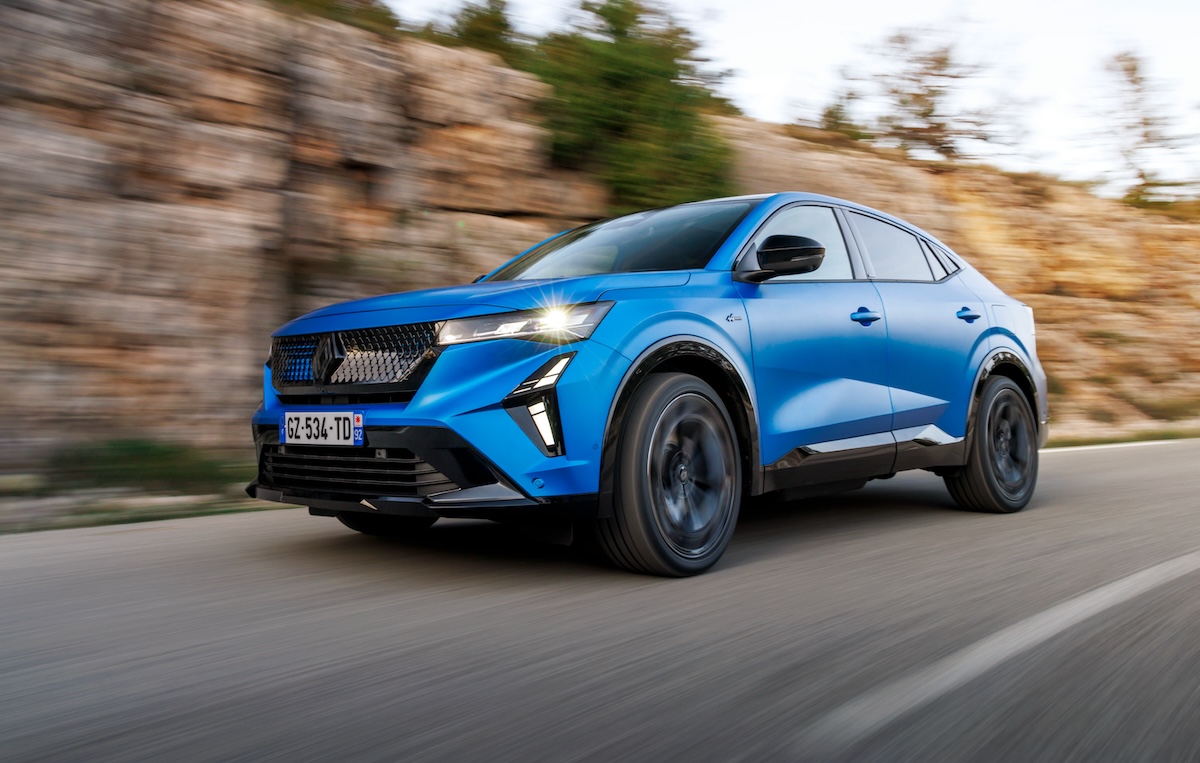
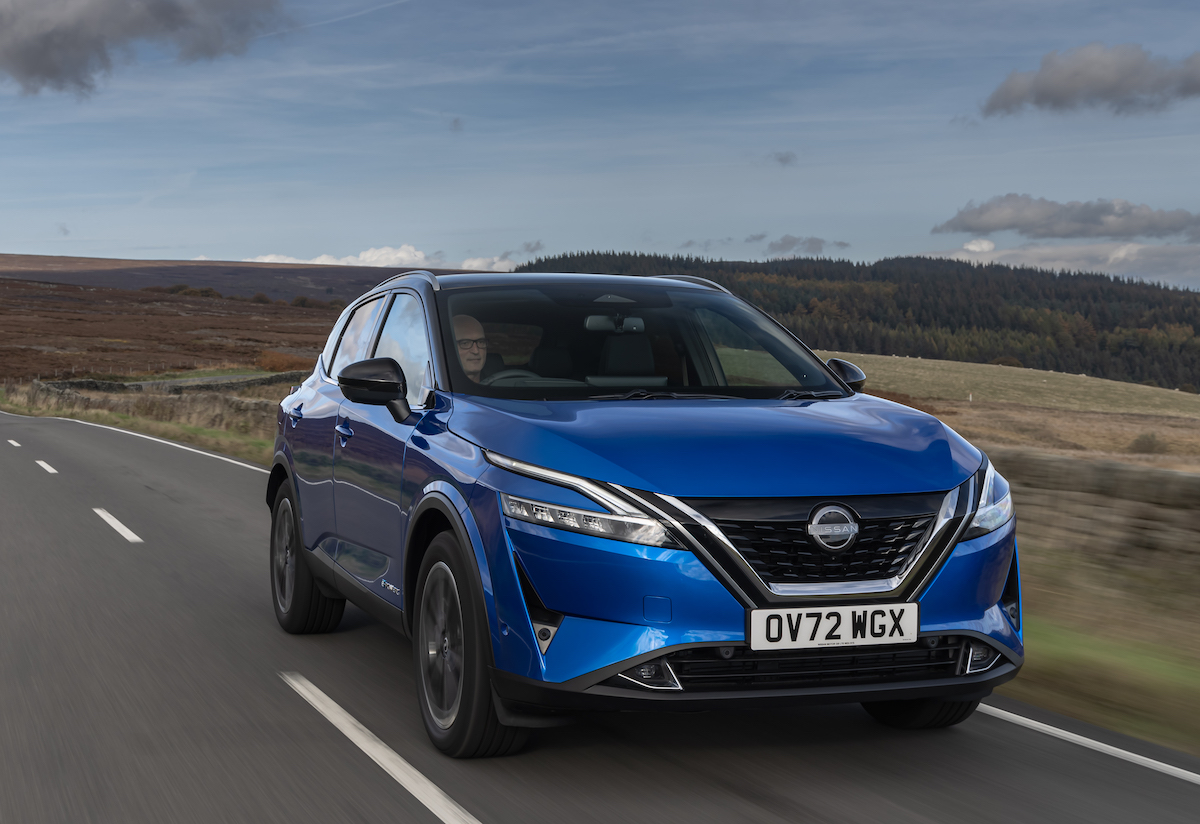
If you're looking for a new family SUV, you're faced with a huge number of choices. Two interesting contenders are the brand-new Renault Rafale and the ever-popular Nissan Qashqai. The Rafale is Renault's stylish flagship, a coupe-SUV aiming to bring some French flair to the segment. The Qashqai, a long-standing bestseller, has just been given a major facelift to keep it at the top of its game.
The Rafale brings a premium feel and hybrid power to the table, wrapped in a head-turning design. The Qashqai sticks to its proven formula of practicality, comfort, and value, but with a fresh face and updated tech. So, should you go for the fashionable newcomer or the established class leader?
Renault Rafale vs Nissan Qashqai
Practicality
Renault Rafale practicality score: 4/5
Nissan Qashqai practicality score: 4/5
Both of these SUVs are well-suited to family life. The Renault Rafale uses its long footprint to offer generous rear legroom, and the wide cabin means carrying three in the back isn't a squeeze. It also boasts a large 535-litre boot, which is slightly more than you get in the Qashqai.
However, the Rafale's sleek, coupe-like roofline does reduce rear headroom for taller passengers compared to the more traditionally shaped Qashqai. The Nissan offers ample space for passengers in the back and its 504-litre boot is still competitive. The Qashqai's boxier shape and larger windows also make it feel a bit more airy and provide better visibility. It's a close call, with the Rafale offering more boot space but the Qashqai being better for carrying tall adults in the back.
Driving Impressions
Renault Rafale driving score: 3/5
Nissan Qashqai driving score: 4/5
Neither of these cars is designed to be a sports car, with both prioritising comfort. The Nissan Qashqai delivers a composed and comfortable ride that makes it easy and relaxing to drive, whether you're in town or on the motorway. Most models use a 1.3-litre mild-hybrid petrol engine that's adequate for daily duties, but the standout is the E-Power hybrid. Here, a petrol engine generates electricity for a motor that drives the wheels, giving you the smooth, instant response of an electric car without the need to plug in.
The Rafale also focuses on comfort and comes with a choice of a standard hybrid or a more powerful plug-in hybrid (PHEV). While the PHEV offers brisk acceleration, the engine can sound strained when you work it hard. Despite its sporty looks and available four-wheel steering, the Rafale doesn't feel particularly sharp or engaging to drive. For a more rounded and confidence-inspiring driving experience, the Qashqai has the edge.
Technology and Equipment
Renault Rafale technology and equipment score: 4/5
Nissan Qashqai technology and equipment score: 4/5
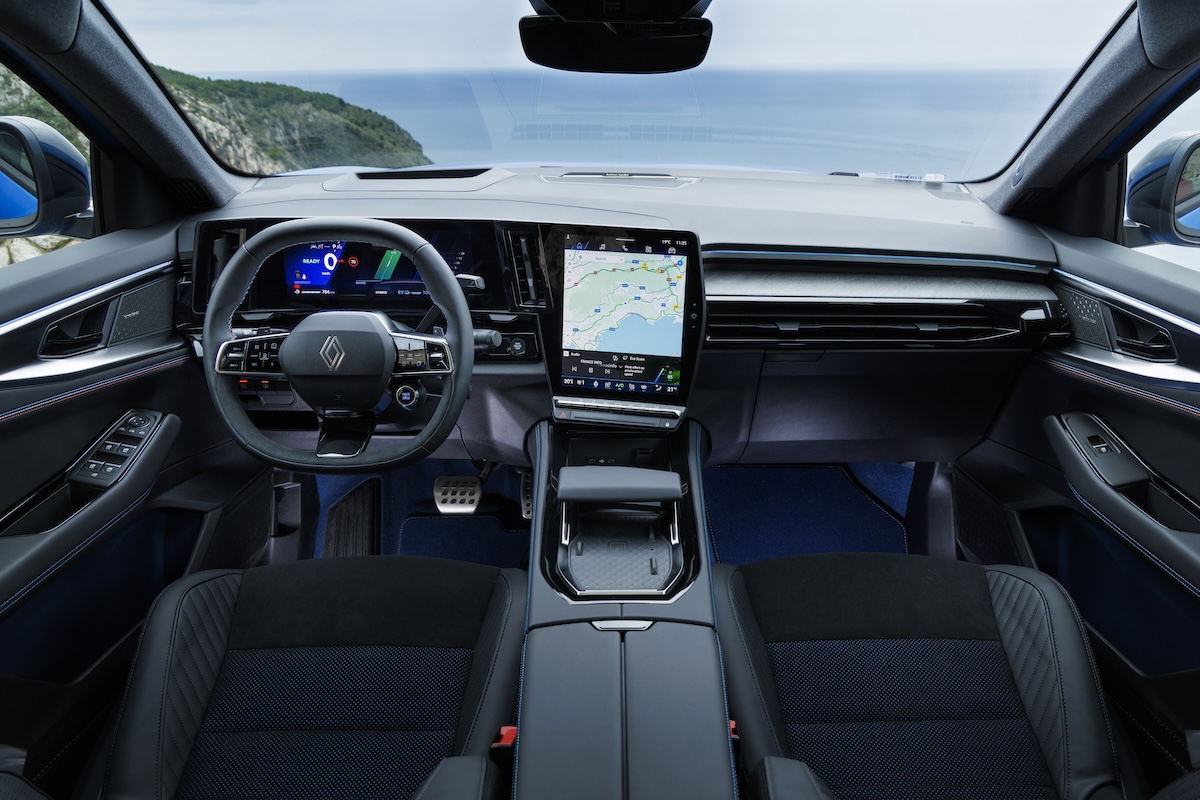
Both cars come packed with the latest technology. The Rafale features a smart-looking cabin dominated by a 12-inch portrait-style touchscreen that runs on Google software. It's intuitive to use and looks good. Even entry-level models are well specified, and higher trims add desirable features like a head-up display and the 'Solarbay' panoramic roof, which can turn opaque at the touch of a button.
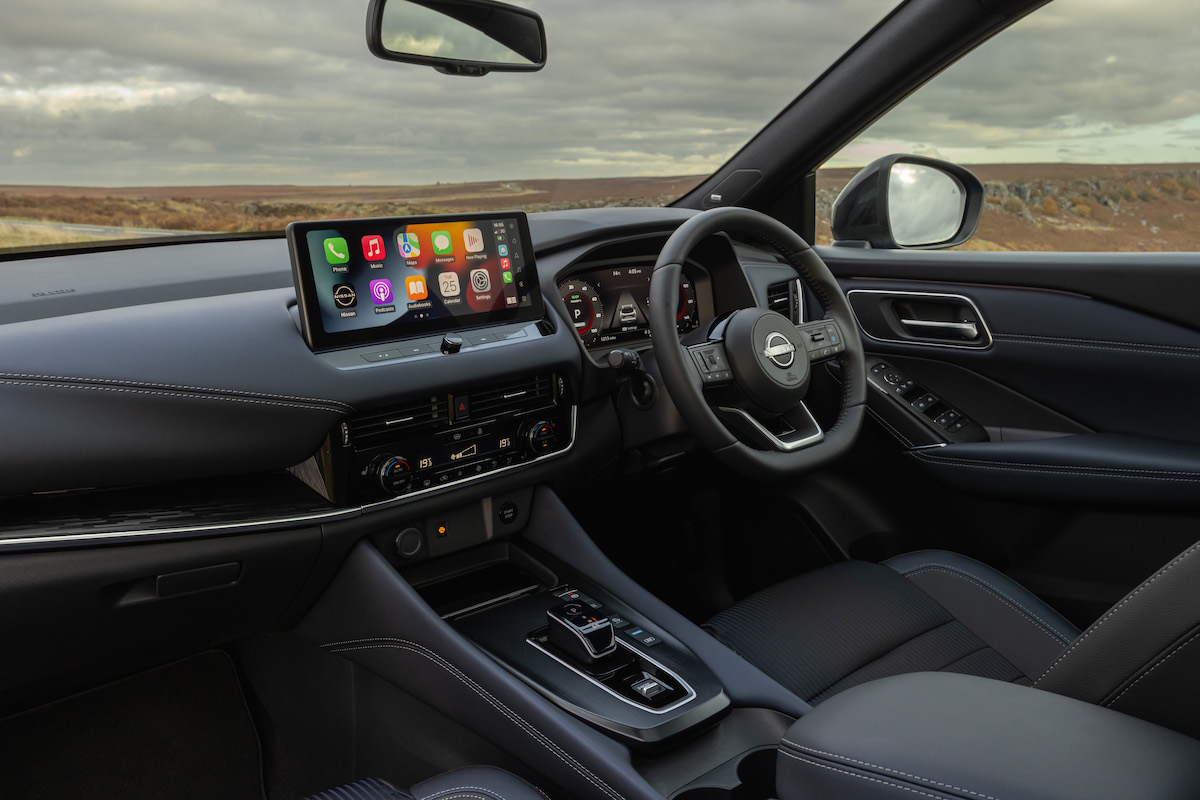
The facelifted Qashqai also gets an upgraded 12.3-inch screen, which is a big improvement on the old system. It's sharp and responsive, and like the Rafale, it comes with Apple CarPlay and Android Auto. Equipment levels are strong across the range, with mid-spec N-Connecta models getting useful kit like a 360-degree camera. While the Rafale's interior has a more premium ambience, the Qashqai's tech is just as capable and easy to use.
Running Costs
Renault Rafale running costs score: 3/5
Nissan Qashqai running costs score: 4/5
As Renault's flagship model, the Rafale comes with a higher price tag than mainstream rivals. Prices start from over £38,000, rising to nearly £50,000 for the top-spec PHEV model. This positions it against more premium competitors from brands like Audi and BMW.
The Nissan Qashqai is the more affordable choice here. Its pricing is in line with other mainstream family SUVs, making it better value from the outset. The mild-hybrid petrol models can return a respectable 44mpg, while the E-Power hybrid aims for even better fuel economy. For buyers looking to keep a closer eye on the budget, the Qashqai is the more sensible financial choice, both in terms of purchase price and day-to-day running costs.
CarGurus Buyer Insights
|
Renault Rafale |
Nissan Qashqai |
| CarGurus expert rating |
3 out of 5 |
4 out of 5 |
| CarGurus user rating |
0.0 out of 5 |
4.6 out of 5 |
| Percentage of good/great deals available on CarGurus* |
42.4% |
34.6% |
| Overall CarGurus rating |
3.8 out of 5 |
4.4 out of 5 |
The Verdict
Renault Rafale Overall CarGurus rating: 3.8/5
Nissan Qashqai Overall CarGurus rating: 4.4/5
The Renault Rafale and Nissan Qashqai are both capable contenders in the family SUV market, but they cater to different buyers. The Rafale is all about style, offering a premium-feeling cabin and a striking coupe-SUV design that helps it stand out from the crowd.
However, based on our comprehensive CarGurus Buyer Insights, the Nissan Qashqai is the clear winner. It scores higher with our experts and with owners, and it represents better value for money. The recent facelift has sharpened its looks and upgraded its technology, reinforcing its position as a strong all-rounder.
The Rafale is a reasonable choice if you prioritise design flair and a tech-forward interior above all else, and are prepared to pay a premium for it. But for the majority of family buyers, the Nissan Qashqai's winning combination of practicality, comfort, accessible pricing, and all-round usability makes it the champion in this test.
Renault Rafale Pros and Cons
| Pros |
Cons |
| Stylish coupe-SUV looks |
More expensive to buy |
| High-tech interior with Google built-in |
Coupe roofline limits rear headroom |
| Generous rear legroom |
Driving experience not as sharp as it looks |
Nissan Qashqai Pros and Cons
| Pros |
Cons |
| Strong all-round family practicality |
Interior not as stylish as the Rafale's |
| Comfortable and easy to drive |
Mild-hybrid engine needs to be worked |
| More affordable to buy and run |
E-Power economy can disappoint in real-world use |
*The Overall CarGurus rating that informs these recommendations is based on CarGurus' proprietary market data from June 2026, CarGurus expert reviews, and CarGurus user reviews.
Read Our Full Reviews: