We’ve never had so much choice when it comes to what powers our cars, with the traditional petrol and diesel-fuelled internal combustion engine options now sold alongside a huge range of hybrids and pure electric vehicles.
In this guide, we’ll explain the benefits and drawbacks of each fuel type, as well as identifying the kinds of drivers to which each is typically best suited.
Should I Buy a Petrol, Diesel, Hybrid or Electric Car?
Petrol
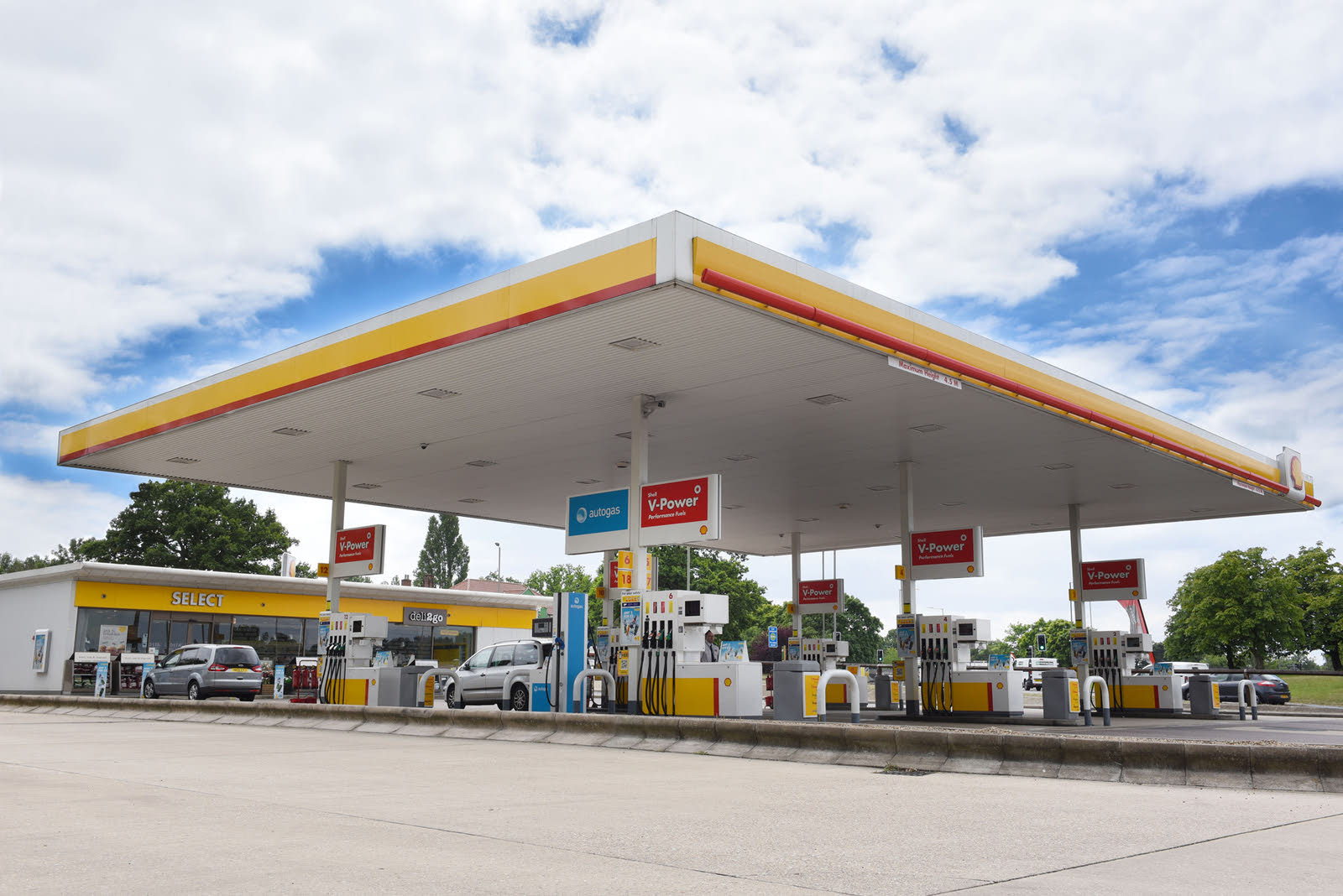
Although even the most efficient petrol cars can’t match the economy of a diesel on a long journey, they are quieter and smoother at low speeds and when accelerating, and they also have a higher rev limit, which can make them more exciting to drive.
There’s been a trend in recent years to build smaller, more efficient petrol engines fitted with turbochargers to boost performance. This, along with stop-start technology that can cut the engine when the car is stationary, has helped to reduce CO2 emissions of some petrol-powered new cars to almost diesel-like levels.
Petrol cars also tend to be less mechanically complex than diesels, which makes them cheaper to buy and maintain. Petrol fuel cost is lower than for diesel, too, and with fuel prices as high as they are at the moment, that’s a big consideration.
Best for: Drivers who cover an average annual mileage with a mixture of long and short journeys will be best served by a petrol car. As a rough guide, if you drive for less than 15,000 miles per year, a petrol car will probably be cheaper to run than diesel. However, if the majority of your journeys are low-speed urban ones, then hybrid or electric models might result in lower running costs, and might not cost much more to buy either.
Diesel
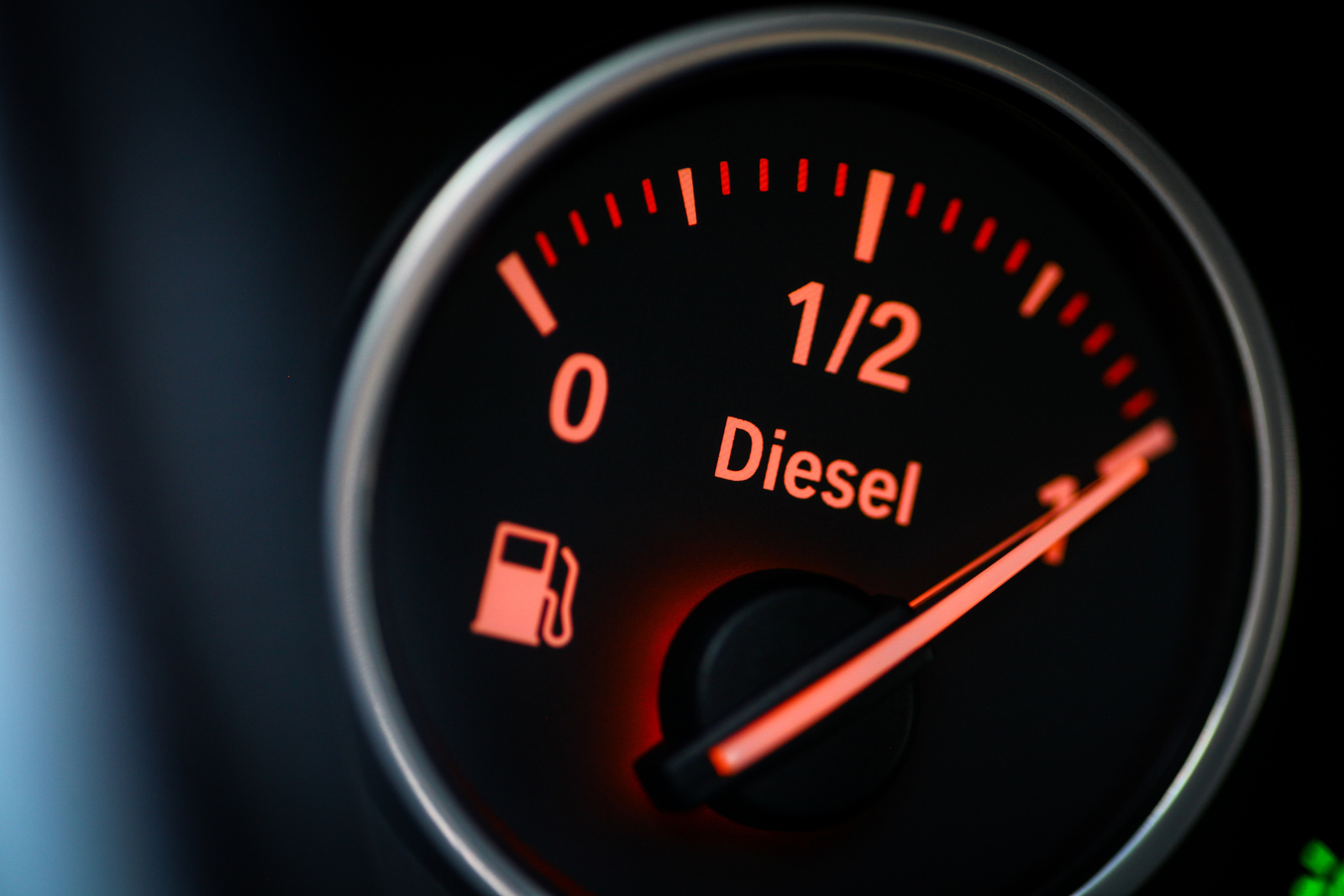
If you cover a high annual mileage with a lot of motorway driving, then a diesel car can still make sense. Although diesel engines aren’t as smooth as a petrol or hybrid at low speeds, they require fewer revs at 70mph, which results in quieter motorway cruising and superior fuel economy. As a result, you can expect to travel approximately a third farther per tank in a diesel-powered car than you would in the equivalent petrol model, which can lower running costs for high-mileage drivers.
Diesel cars also offer excellent low- and mid-range pulling power, which means they deal better with pulling around excess weight. This weight could be located within the car itself – such as within the bulky bodywork of SUVs, or the additional weight of extra passengers and luggage in a family car – or external weight, such as when you’re towing a trailer or a caravan. As such, diesel engines are a good solution for all these uses.
However, while the Government once encouraged sales of diesel models for their low CO2 output, attention has since shifted to how the other harmful emissions they produce, such as NOx, contribute to poor urban air quality. As such, previous incentives designed to push buyers towards diesel cars have been replaced by penalties to discourage people from choosing diesel.
Throw in potentially expensive maintenance costs for complicated emissions equipment on used diesels, and you start to see why demand for new diesel cars has tumbled in recent years.
Best for: Diesels are still a popular choice for high-mileage drivers, plus those who regularly tow.
Hybrid
Mention hybrid cars and you might well think of the Toyota Prius. However, while Toyota gained a huge initial lead on rivals in this field, pretty much all manufacturers now offer some kind of hybrid option.
There are three types of hybrid cars to consider:
Self-charging hybrid
All hybrid vehicles use a conventional engine (usually a petrol engine, but occasionally a diesel) along with a battery-powered electric motor to lower emissions in official fuel economy tests. They offer a best-of-both-worlds approach, combining the quiet running of an electric vehicle with the range of a petrol one. The first of these to become popular was the self-charging hybrid, which uses a small battery and modestly powerful electric motor to boost fuel economy. They can run on electric power only for very short distances at low speeds (or sometimes when coasting). Energy for the battery is captured from the petrol engine or via regenerative braking, which means that self-charging hybrids carry the advantage of not needing to be plugged in.
Plug-in hybrid
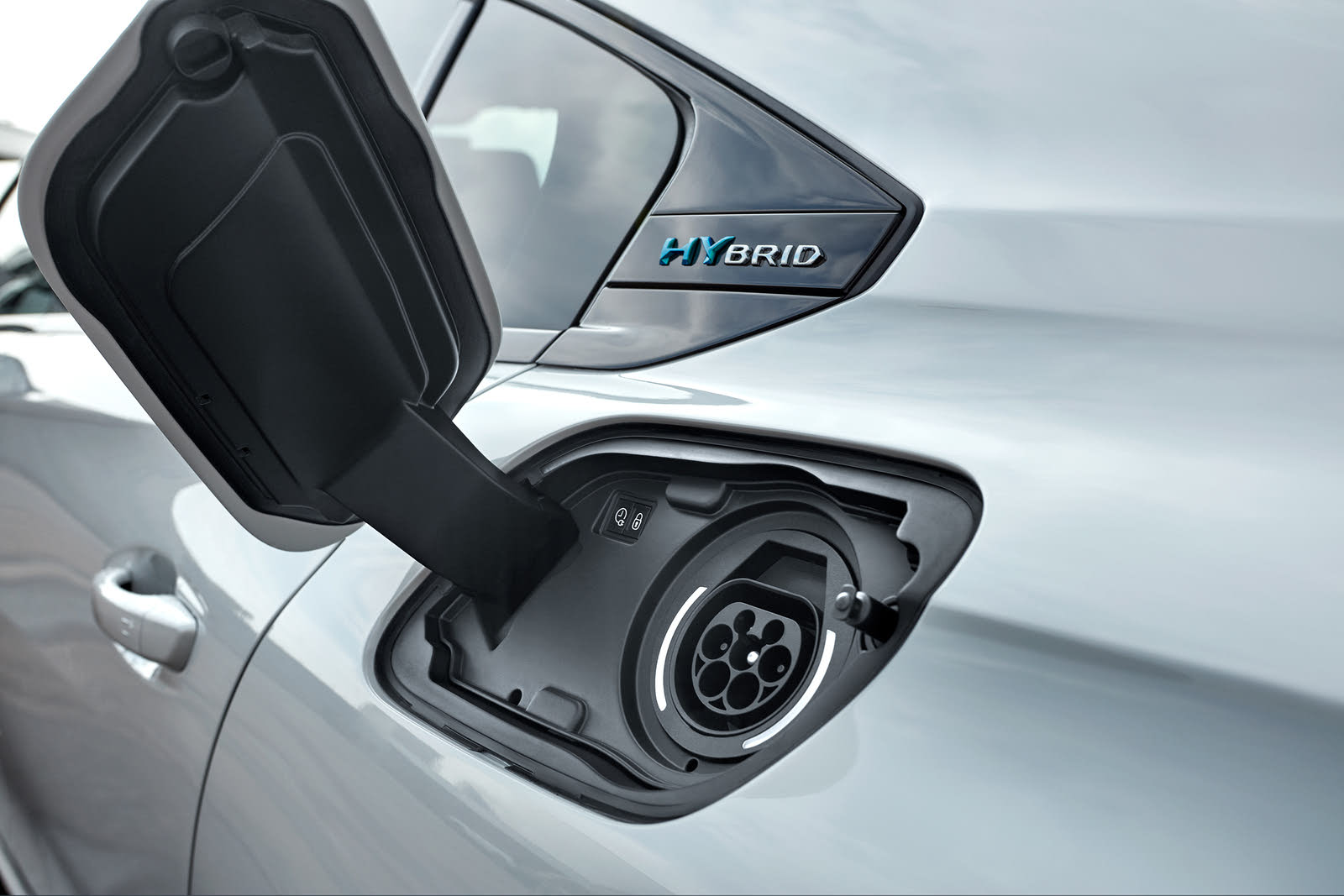
On the more advanced side, plug-in hybrid (PHEV) cars have a much bigger battery pack that increases that electric-only range figure to anywhere between 30-90 zero-emission miles (depending on model) before any petrol power is required. The theory is that this allows you to run them as an electric car during the week to deal with your commute, but then you still have a combustion engine to allow you to undertake longer journeys at the weekend. As the name suggests, the bigger battery can't be recharged from regenerative braking alone; instead, just like a fully electric car, it needs to be plugged into an external power source such as a home wallbox or public charger. It's worth noting that company car drivers can make considerable savings by choosing a plug-in hybrid car. It won't match the savings available for choosing a fully electric car, but is certainly worth having for those not quite ready to completely ditch fossil fuel entirely.
Mild hybrid
At the other end of the scale, many modern petrol and diesel cars incorporate 'mild hybrid' technology into their powertrains, but there's debate whether these mild hybrids actually qualify as hybrids at all. Unlike a full-blown hybrid, these cars can't generally run for short distances on electric power alone, because they don't have a big enough motor or battery. Instead, a small battery and a very small electric motor are used: the car harvests kinetic energy when it's cruising and braking, and then redeploys that energy through the motor to provide an extra surge of power when the engine needs it, taking some of the burden off the combustion engine and helping to make it more efficient. The system can also assist the engine while it's shutting off and starting up again at traffic lights or junctions, which helps to further improve fuel consumption. Mild hybrids are, generally speaking, a little more fuel efficient than a normal petrol or diesel car of equivalent power, but they aren't usually as economical as full hybrids (also known as self-charging hybrids) or plug-in hybrids.
Best for: Hybrids are good choices for low- to medium-mileage drivers who spend a lot of time in urban areas, or company car users who stick to the cheaper PHEV options.
Electric
In addition to petrol, diesel and hybrid, there is a huge – and ever-increasing – range of pure electric vehicles, or EVs, on the market. Nissan, Jaguar, Kia, Hyundai and Tesla models were some of the first to be offered, but these days, electric cars are offered by almost all manufacturers, including Audi, BMW, Mercedes, Volkswagen and Vauxhall.
These make do without any kind of combustion engine and instead use a much larger battery and at least one electric motor to provide a range between charges of anywhere from 80- to 500 miles, and sometimes even more, depending on the car.
What’s more, because these electric motors are able to deliver 100% of their torque the moment you touch the accelerator, they often feel very responsive in comparison with petrol or diesel cars, and they’re extremely quiet. There are no tailpipe emissions; in fact, there's no tailpipe at all.
The big draw – aside from the environmental one - is that electricity costs a lot less that petrol or diesel, meaning that your running costs are slashed. However, you'll likely pay considerably more to buy an electric car in the first place, although the gap has been narrowing in recent years.
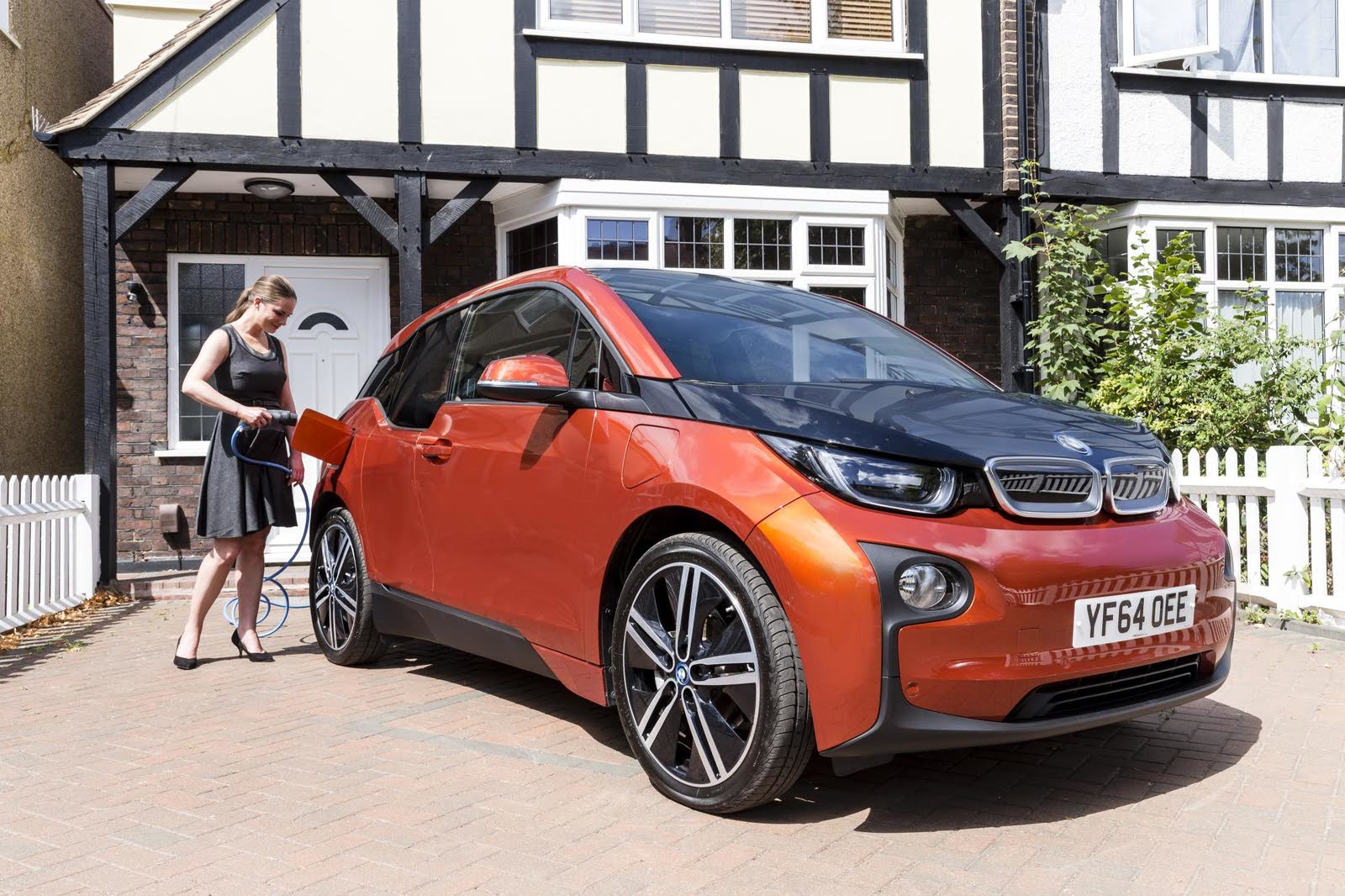
Charging is the biggest sticking point for would-be electric car drivers. That’s because even the fastest charging points take a lot longer to ‘fill up’ an electric car than it takes to fill a car with petrol or diesel, and non-fast chargers take several hours to fill an EV with power, rather than minutes. As such, it makes most sense for an EV driver to have a charging point installed at their home, and to charge their car overnight when electricity costs are at their lowest, which will prove much cheaper than regularly using the public charging network. However, that requires dedicated off-street parking, which not everyone has.
Best for: Those who can charge at home can benefit from much lower running costs if they opt for an electric car. They are also a compelling option for company car drivers, who can save significant amounts in company car tax by opting for an EV.