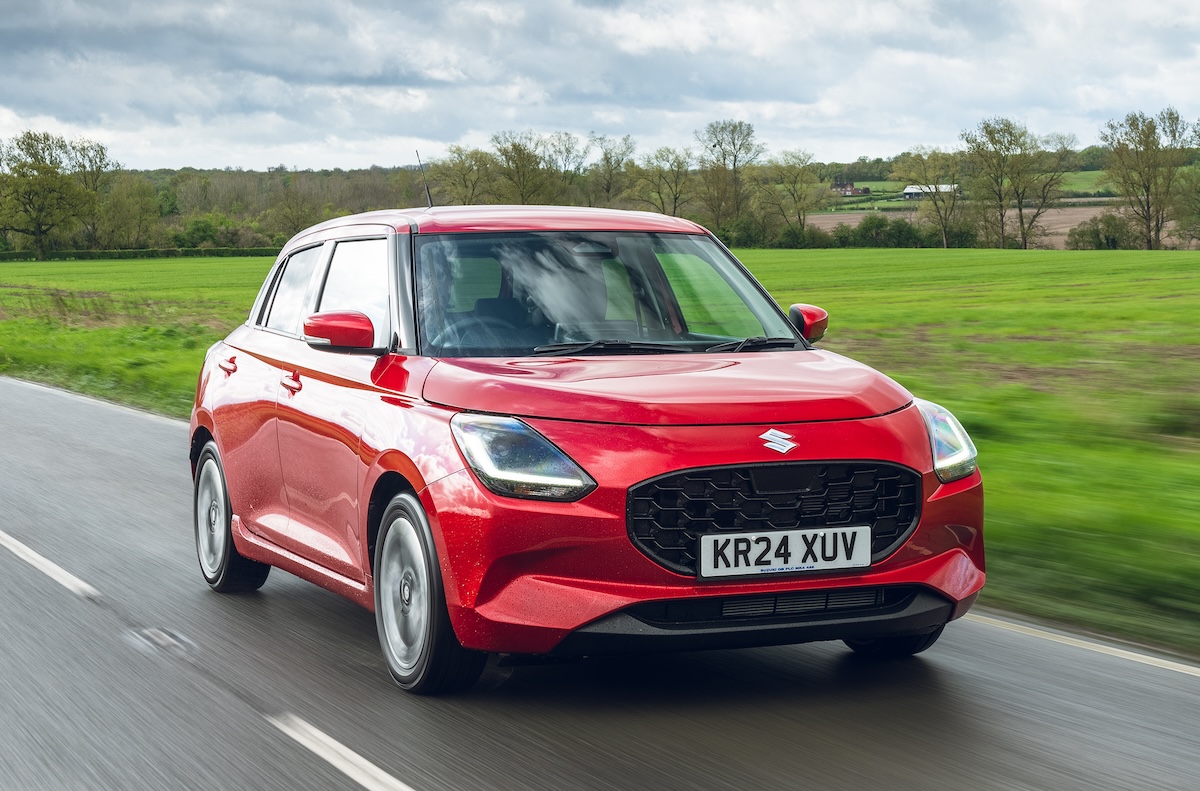
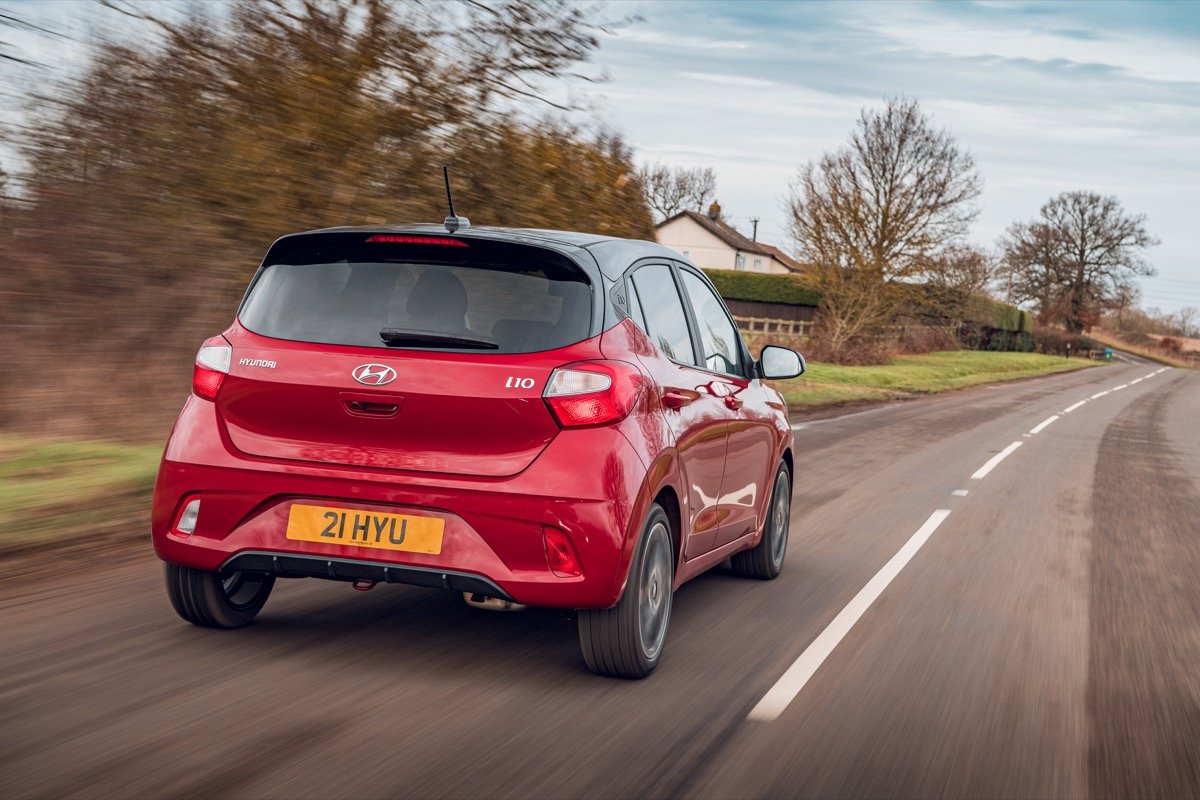
If you're looking for a small, affordable, and efficient city car, you're in the right place. The supermini class is packed with talent, but two contenders that consistently rise to the top are the Suzuki Swift and the Hyundai i10. Both offer low running costs and a surprising amount of technology for the money.
The Swift has long been the choice for those who want a bit of fun from their daily driver, with a reputation for nimble handling and a zesty character. The i10, on the other hand, plays a more mature game, offering a level of space, comfort, and quality that feels like it belongs in the class above. So, which of these city slickers is the better buy?
Suzuki Swift vs Hyundai i10
Practicality
Suzuki Swift practicality score: 3/5
Hyundai i10 practicality score: 5/5
This is where the Hyundai i10 lands a knockout blow. For such a small car, its interior space is remarkable. It comfortably seats four adults, comes with five doors as standard for easy access, and has a 252-litre boot that's among the best in its class. It's a car that genuinely punches above its weight, feeling almost as practical as some superminis from the next size up.
The Swift, by comparison, feels more compromised. While front-seat occupants have enough room, the rear seats are noticeably tighter, and adults won't want to spend much time back there. The 265-litre boot is technically larger than the i10's on paper, but its shape is less useful. If you regularly need to carry passengers or bulky items, the i10 is the clear winner.
Driving Impressions
Suzuki Swift driving score: 4/5
Hyundai i10 driving score: 4/5
If practicality is the i10's trump card, driving fun is the Swift's. Thanks to its low weight and sharp steering, the Suzuki is a joy to pilot around town and on a twisty B-road. It feels agile and responsive, encouraging you to make the most of its peppy 1.2-litre mild-hybrid engine. It's a car that puts a smile on your face.
The Hyundai i10 takes a different approach, prioritising comfort and refinement. The ride is supple for a small car, it's quiet on the move, and all the controls are light and easy to use. It's not as exciting as the Swift, but it's a more relaxing and grown-up car to drive every day. Both cars are excellent in their own way; the best one for you depends on whether you value fun or comfort more.
Technology and Equipment
Suzuki Swift technology and equipment score: 4/5
Hyundai i10 technology and equipment score: 4/5
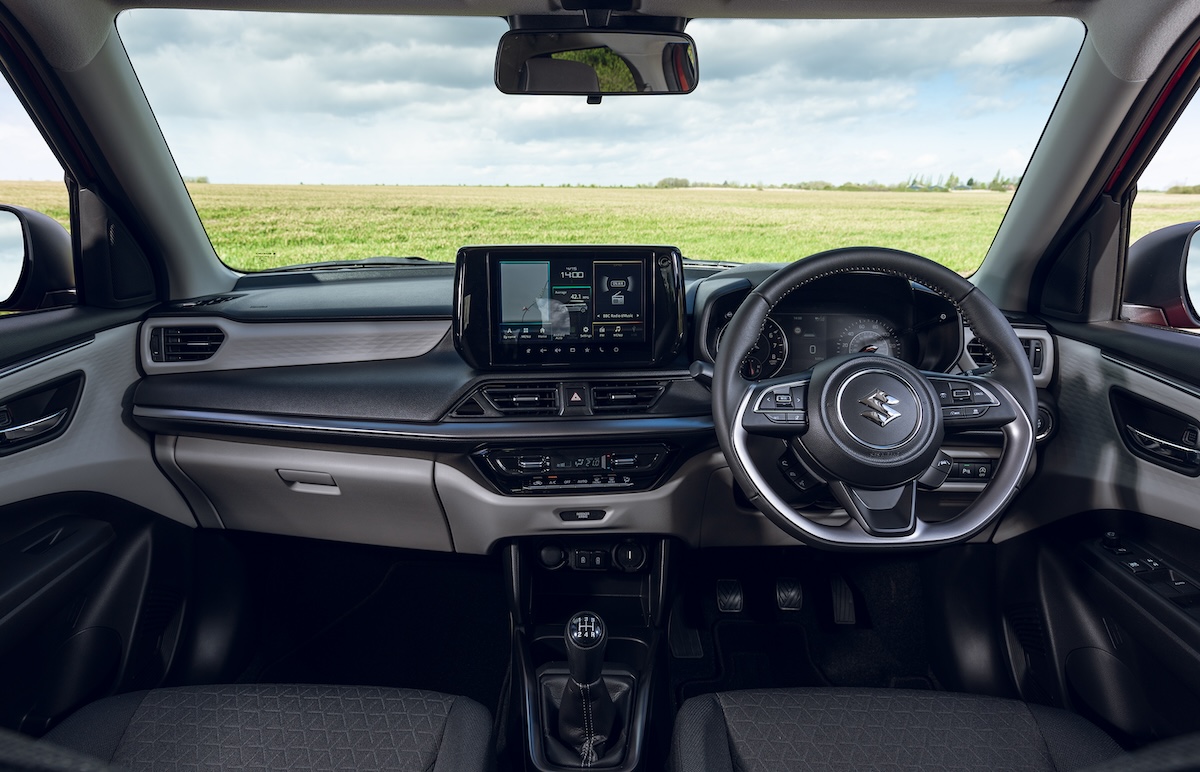
You might expect small cars to be basic, but both the Swift and i10 are packed with tech. The latest Swift comes with a 9-inch touchscreen, navigation, Apple CarPlay, and Android Auto as standard on all models. Crucially, it also gets a comprehensive suite of safety equipment, including adaptive cruise control, which is a rare and welcome feature in this class.
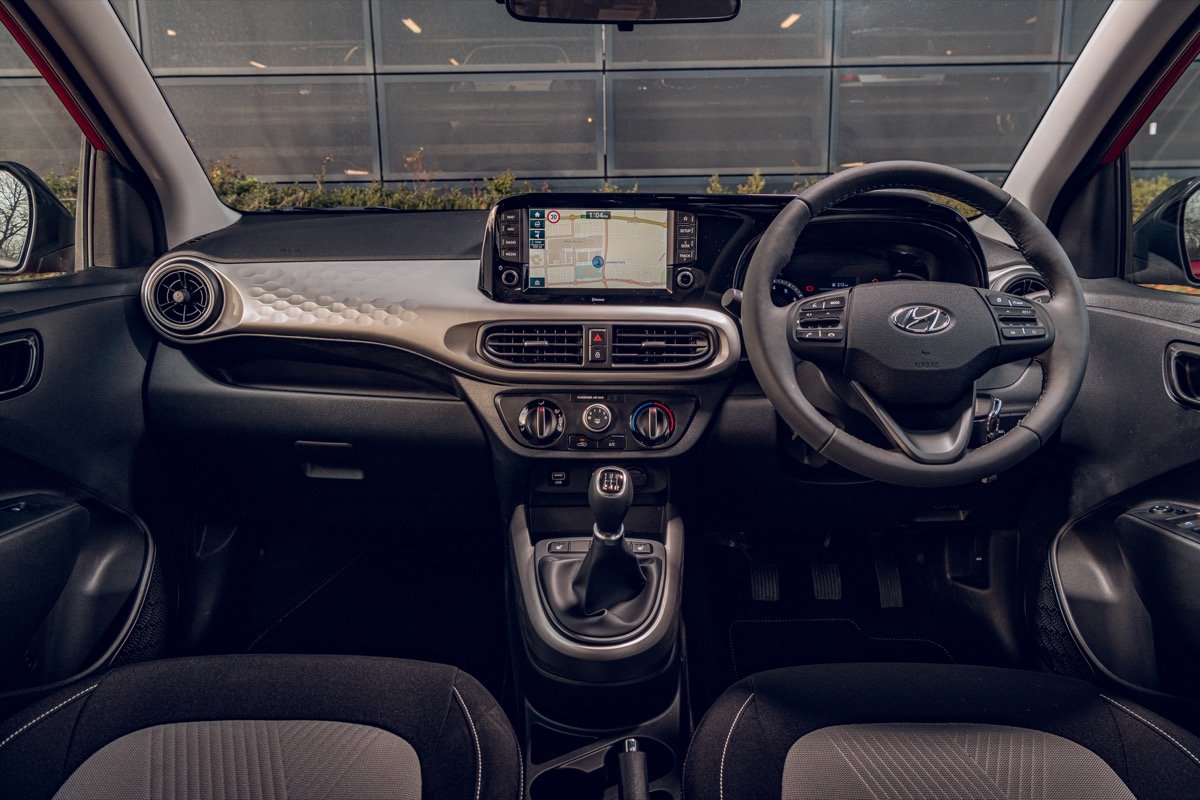
The i10 is equally well-equipped. It features a slick digital driver's display and an 8-inch touchscreen that's intuitive to use, also with smartphone mirroring as standard. Higher-spec models add niceties like a reversing camera, heated front seats and a heated steering wheel. There's very little to separate them here; both offer a generous amount of kit for your money.
Running Costs
Suzuki Swift running costs score: 4/5
Hyundai i10 running costs score: 4/5
Low running costs are a key reason for choosing a city car, and neither of these will disappoint. The Swift's mild-hybrid engine helps it achieve official fuel economy figures of over 64mpg, which is impressive. The i10 isn't far behind, with its 1.0-litre and 1.2-litre engines also capable of more than 55mpg. Both cars sit in low insurance groups, making them affordable for younger drivers.
The deciding factor for many buyers, however, will be the warranty. Suzuki provides a standard three-year/60,000-mile warranty, which is typical for the industry. Hyundai, however, offers its excellent five-year, unlimited-mileage warranty. That extra two years of cover provides significant peace of mind and gives the i10 a real advantage in long-term ownership value.
CarGurus Buyer Insights
|
Suzuki Swift |
Hyundai i10 |
| CarGurus expert rating |
4 out of 5 |
5 out of 5 |
| CarGurus user rating |
4.8 out of 5 |
4.4 out of 5 |
| Percentage of good/great deals available on CarGurus* |
32.3% |
33.7% |
| Overall CarGurus rating |
4.4 out of 5 |
4.5 out of 5 |
The Verdict
Suzuki Swift Overall CarGurus rating: 4.4/5
Hyundai i10 Overall CarGurus rating: 4.5/5
While both the Suzuki Swift and Hyundai i10 are excellent city cars, there can only be one winner. Based on our comprehensive CarGurus Buyer Insights, the victory goes to the Hyundai i10.
The i10 earns its win by being the more complete package. It scores higher with our experts, thanks largely to its outstanding practicality and refined, comfortable driving experience. While the Swift is more fun to drive and boasts a higher user rating, the i10 is the easier car to live with every day. Add in its superior five-year warranty, and the Hyundai presents a strong combination of space, quality, and long-term value that's hard to ignore.
This doesn't mean you should dismiss the Swift. If your priority is a car that's genuinely entertaining to drive and you don't need a huge amount of space, it's a brilliant and characterful choice. But for the majority of buyers, the Hyundai i10's all-round ability makes it the smarter buy and the winner of this test.
Suzuki Swift Pros and Cons
| Pros |
Cons |
| Fun and agile to drive |
Cramped rear passenger space |
| Efficient mild-hybrid engine |
Boot isn't the most practical |
| Generous standard safety kit |
Shorter warranty than the Hyundai |
Hyundai i10 Pros and Cons
| Pros |
Cons |
| Excellent five-year warranty |
Not as fun to drive as the Swift |
| Surprisingly spacious and practical |
Styling is quite conservative |
| Comfortable and refined ride |
Some rivals have more engine choice |
*The Overall CarGurus rating that informs these recommendations is based on CarGurus' proprietary market data from June 2026, CarGurus expert reviews, and CarGurus user reviews.
Read Our Full Reviews: