Volkswagen Passat B7 Review(2010-2014)
Volkswagen Passat cars for sale
4.0
Expert review
Pros
Awesome long-distance comfort
Impressively spacious
Feels solidly built and sensibly designed
Cons
Not the most exciting styling
DSG automatic can be a weak point for reliability
Most rivals are more fun to drive
The CarGurus verdict
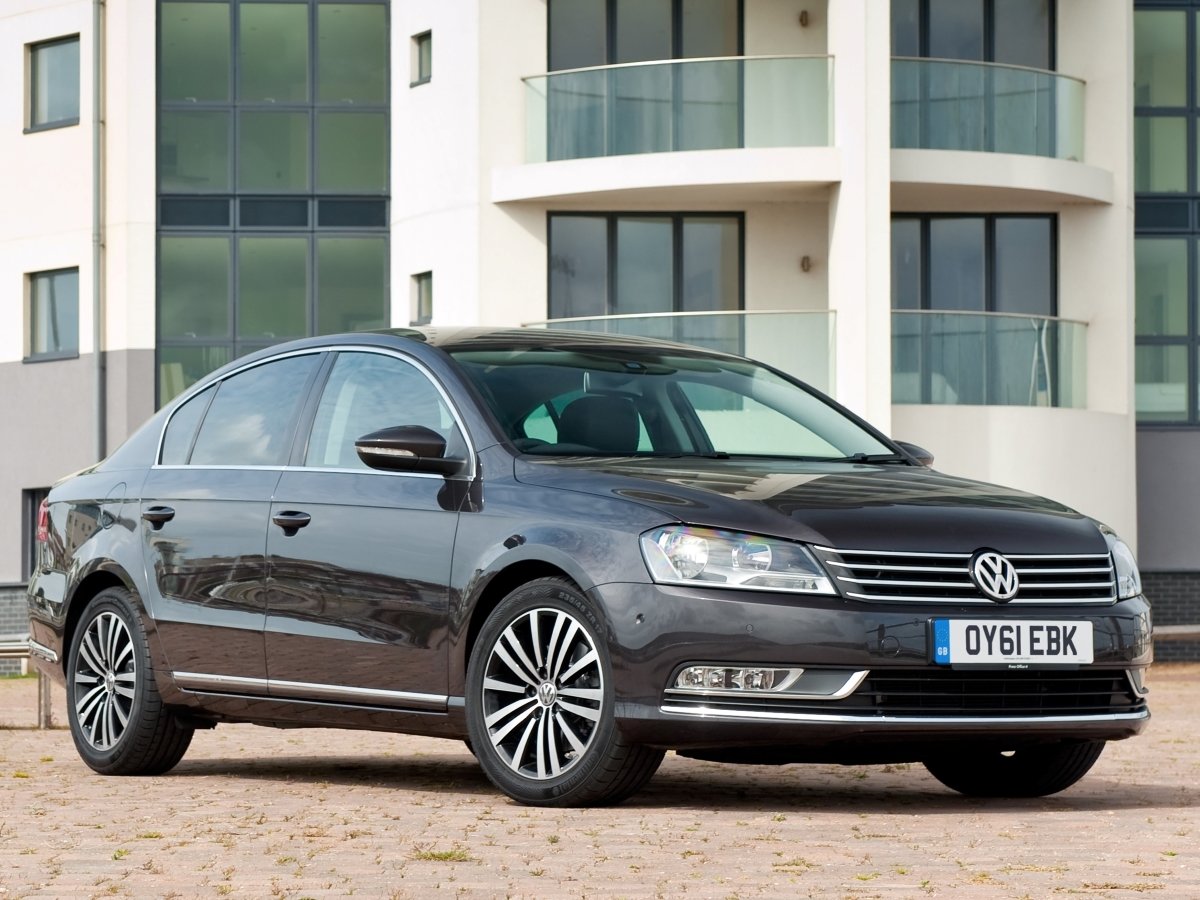
The Passat is a sensible, middle-of-the-road buy. If you crave excitement, or appreciate individual design, look elsewhere. But if you value practicality, comfort and refinement over flashier qualities, a used Volkswagen Passat could be just what you are looking for.
A Honda Accord or Toyota Avensis are more reliable, but if you find a good example of the Passat and take care of it, you can expect years of loyal service. The DSG automatic can be troublesome, so we'd be inclined to choose a manual.
With the exception of the entry-level 1.4, all the petrol engines perform well. Even so, we'd be tempted to pick one of the diesels for their strong economy and affordable car tax.
A-roads and motorways are where the Passat really shines. It's quiet and comfy on long journeys, and with lots of room for luggage this is a practical car, whether you choose the saloon or the estate.
What is the Volkswagen Passat?
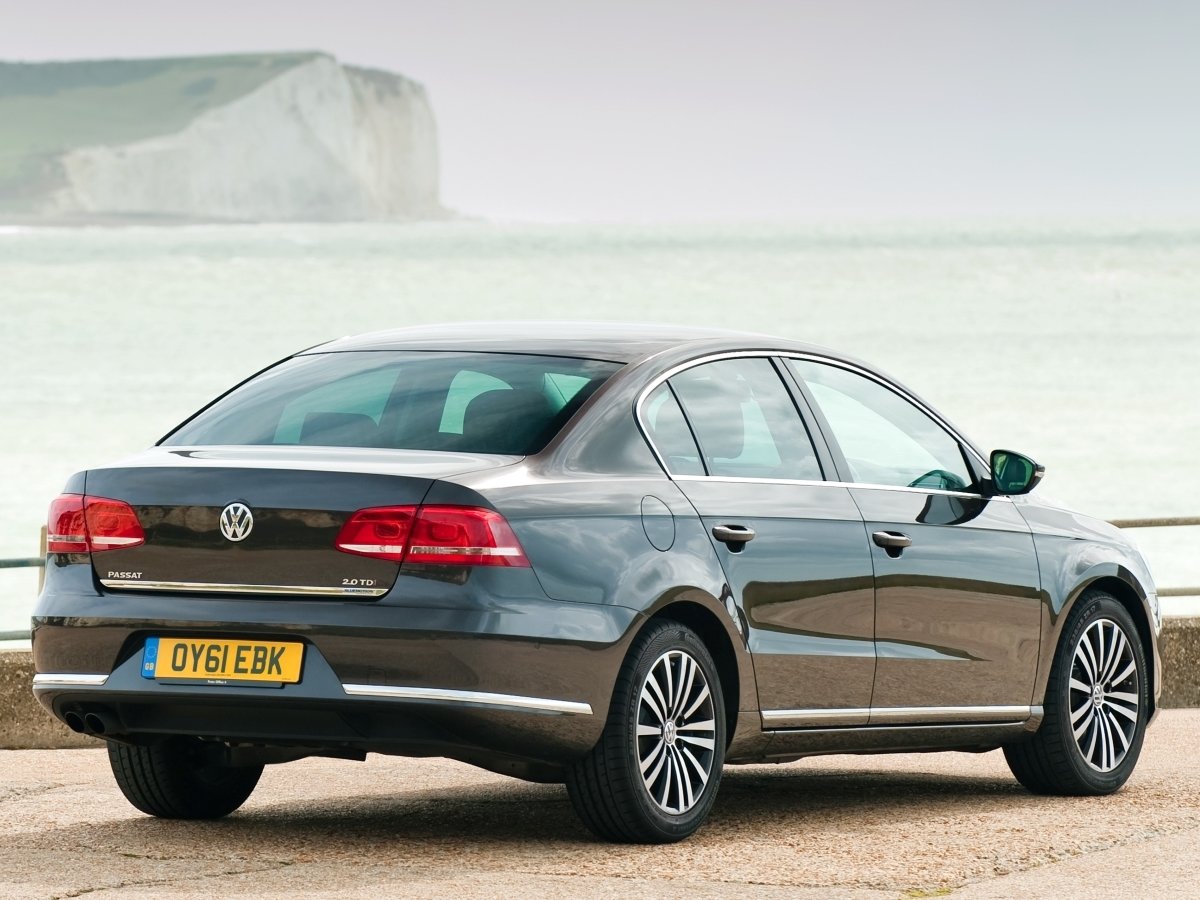
Volkswagen unveiled the seventh generation Passat at the Paris Motor Show in September 2010. The new car's grille and headlights gave the car a more angular appearance than the previous model, although in reality the B7 is a facelift of its predecessor, the B6, rather than an entirely new machine.
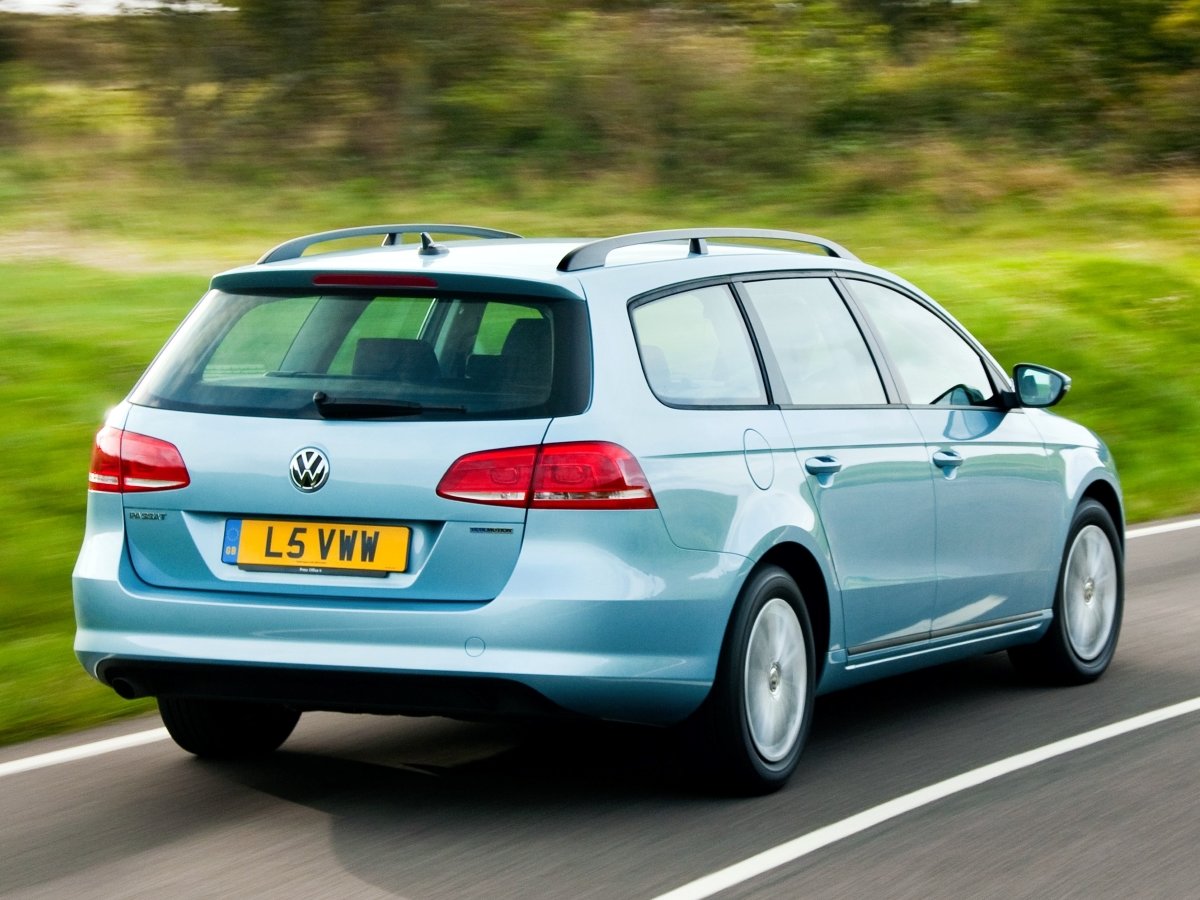
As before, it was sold as a four-door Passat saloon and a five-door Passat estate. They sold in similar numbers, so if you're looking for a used Passat then both body styles are in plentiful supply. It shared showroom space with the Passat CC, a four-door coupé based on the sixth-generation Passat and launched in 2008.
This generation of the Passat also saw the launch of the Alltrack. Based on the estate, the Passat Alltrack had a higher ride height and added 4Motion all-wheel drive to make a halfway house between an estate car and an SUV.
Given it was effectively a hefty facelift of its predecessor, the Passat remained largely unchanged over its lifespan, with only a few minor trim changes and engine updates. It was replaced by an all-new, eighth generation model in 2015.
How practical is it?
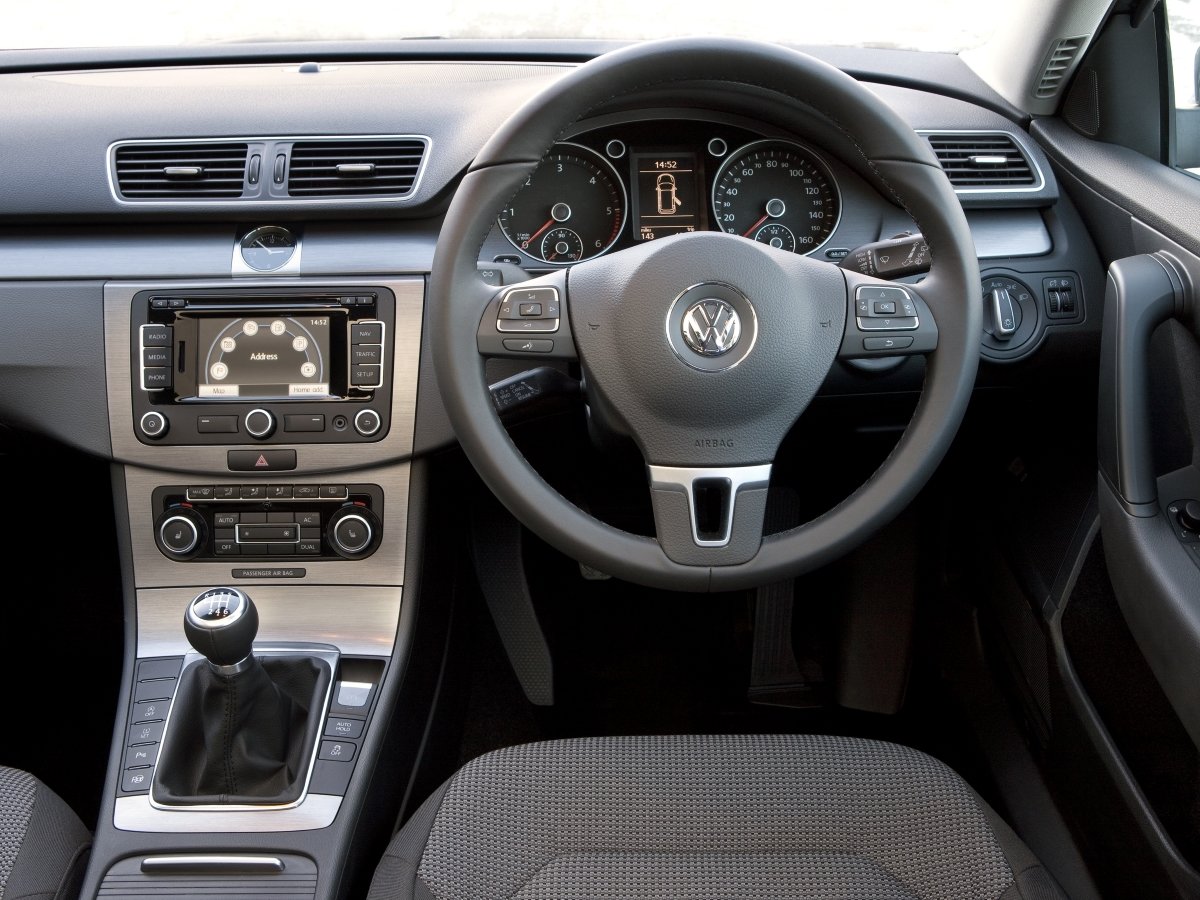
Inside, there's lots of space for people and luggage. Drivers over six-feet tall should have no trouble finding a comfortable driving position, with a wide range of adjustment to the seat and steering wheel. The dashboard design springs no surprises – it's logically laid out but there's not much sign of flair or imagination, although the analogue clock mounted in the centre of the dash is a neat touch. There’s no doubting the quality either, with high grade materials and premium touches, such as the illuminated air vent controllers.
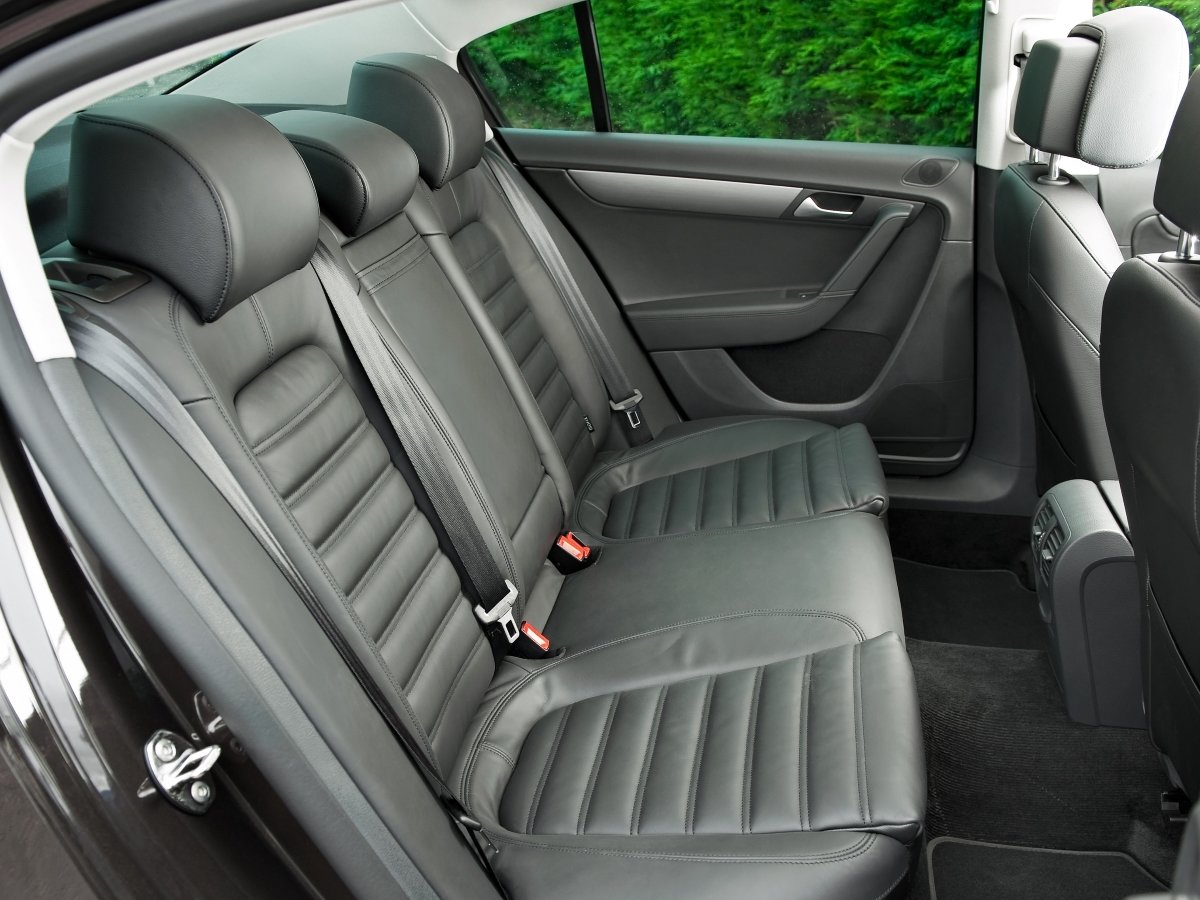
Those in the rear seats can travel long distances in comfort, with good head and legroom, although the stout transmission tunnel gets in the way a bit if there are three rear-seat passengers, so this is best reserved for short journeys only. A contemporary Skoda Superb has even more room, but otherwise the Passat has more space in the back than most competitors.
Being a VW, the interior has also been thoughtfully laid out with lots of handy storage, including roomy flock-lined door bins, a large glovebox and lidded cubby between the front seats. There are also a number of cupholders and a retractable sunglasses holder set into the headline ahead of the rear view mirror.
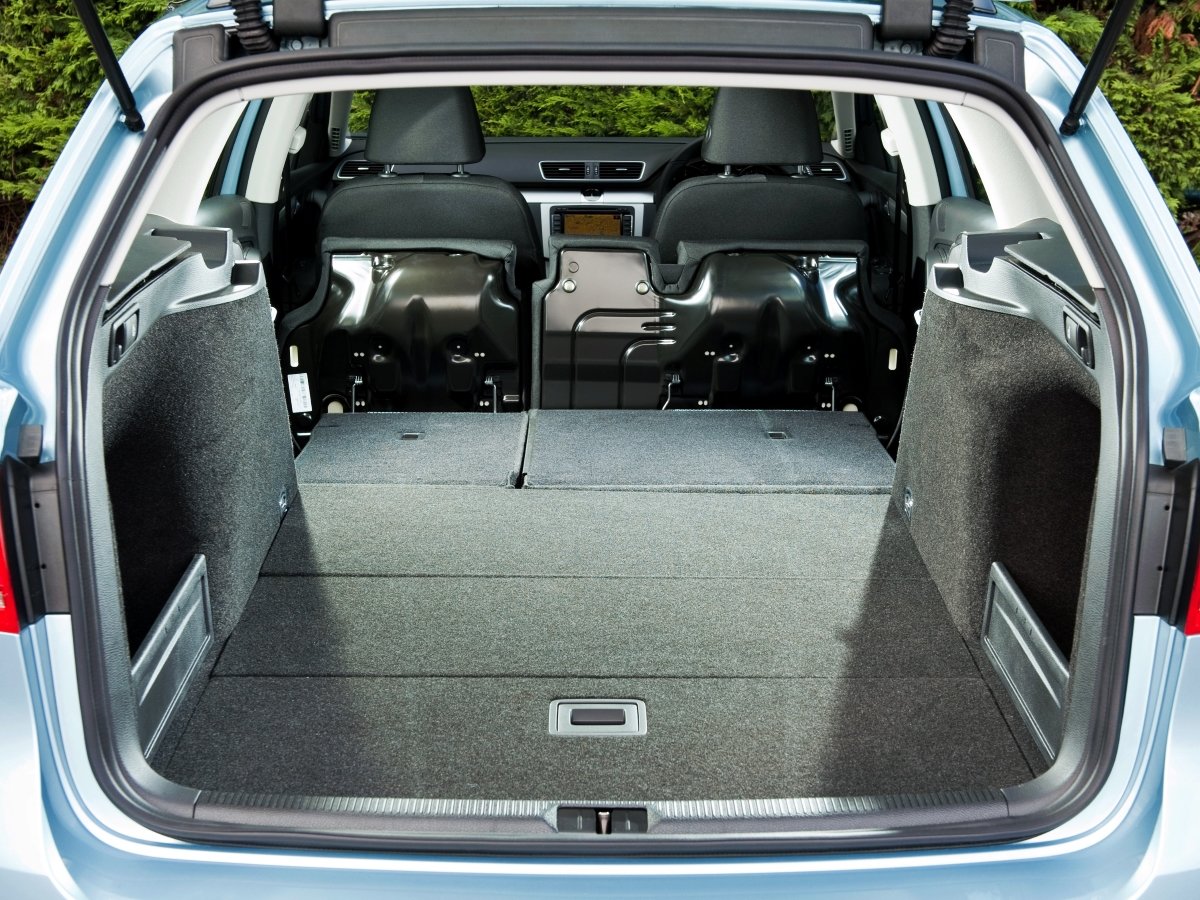
In terms of luggage space, the VW Passat B7 is also close to the top of the class. The saloon has a 565-litre boot, which should be enough to cope with the holiday bags for a family of four. You can extend the carrying capacity to 1,011-litres by folding the rear seats, although the narrow opening means you're limited to long and shallow loads.
As you'd expect, the estate has even more room for all manner of stuff, with a 603-litre capacity that extends to 1,614-litres when the rear bench is lowered. That's more than most family estates, although once again the Skoda Superb Estate can carry more.

What's it like to drive?
A broad choice of petrol and diesel engines was offered. Petrol buyers could opt for a 120bhp 1.4-litre TSI, a 158bhp 1.8-litre TSI, or the same 2017bhp 2.0-litre TSI unit used in the sixth generation Golf GTI. In 2013 the 1.8 was replaced with another 1.4 using both supercharging and turbocharging to match the old 1.8's power output.
Before the Dieselgate scandal, the Volkswagen's TDI engines were more popular than the petrols. There was a 104bhp 1.6-litre TDI, and a 2.0-litre TDI with 138bhp or 168bhp depending on the state of tune. The more powerful diesel was later uprated to 175bhp.
From the driver's seat, the Passat is predictably competent. A contemporary Ford Mondeo is more engaging behind the wheel, but the VW Passat handles neatly and always feels safe and predictable. Ride comfort is generally good although it firms up if you choose a high-spec car with large alloy wheels. Motorways are the Passat's favored habitat, and the Volkswagen eats up the miles quietly and efficiently.
The entry-level 1.4 is the least appealing engine in the line up. It needs to be worked hard, and doesn't have the long-legged appeal of the diesels. The more powerful petrols are best to drive, but the diesels make most sense if you have a careful eye on running costs. If you can find one, then the range-topping 207bhp 2.0-litre TFSI is a bit of a wolf-in-sheep’s-clothing, delivering 0-62mph in 7.6 seconds and a top speed of 148mph.
Technology, equipment & infotainment
Given its status as VW’s family car flagship, the Passat came with a decent haul of standard equipment. Originally launched with a choice of S, SE and Sport trims, the SE was replaced by the Highline model in 2012, at the same time the sporty R-Line model joined the line-up. In the car’s final year, these two were dropped in favour of the Executive and Executive Style versions.
Despite its entry-level status, the S came with alloy wheels, climate control, electric windows, remote central locking and an eight-speaker stereo with USB connection. The SE added Bluetooth phone connection, cruise control, DAB radio and automatic lights and wipers, while the Sport featured heavily bolstered front seats and a lowered and stiffened suspension set-up.
The Highline added to the SE’s specification with front and rear parking sensors. For the R-Line, VW added a racy bodykit and xenon headlamps to the Sport model’s already comprehensive specification. The Executive versions had largely the same kit, but leather seat trim was added to give the interior an luxurious feel.
In terms of infotainment, the Passat feels a little out of date by today’s standards. Earlier cars featured a conventional radio and CD player set-up that was easy to use and featured Bluetooth and DAB radio on higher spec models. A sat-nav system was available as an option, while the later cars all got a small touchscreen set-up as standard. It’s fairly basic, the graphics look clunky and connectivity is limited, but it’s straightforward to use.
Volkswagen Passat running costs
For the lowest running costs, it's hard to look beyond the 1.6-litre BlueMotion. This model achieves the best fuel economy and emits less than any other model in the seventh-generation Passat range.
The saloon is slightly more frugal than the estate, returning 68.9mpg on the combined cycle. That's based on the old and unrealistic NEDC test procedure. In reality, economy in the low to mid-50s mpg should be achievable.
You save on tax as well as at the pumps if you run the BlueMotion. Its official CO2 emissions of 109g/km put the BlueMotion in Band B for Vehicle Excise Duty (VED), so the annual tax bill is just £20. The estate emits slightly more (113g/km) which nudges the car up one tax band, but still costs just £30 a year to tax. The BlueMotion saloon and estate are affordable to insure as well as fuel, sitting in group 16.
However, there are downsides to choosing the BlueMotion, including a firmer ride from the lowered suspension. And while it is a little more frugal than the other Passat diesels, they still achieve respectable fuel economies. The regular 1.6 TDI BlueMotion technology may miss out on some fuel-saving measures, but it still achieves 65.7mpg on paper. You can expect 50mpg or slightly better in the real world, and emissions are low enough to make this model cheap to tax. It sits in insurance group 16, so should cost a similar amount to cover as the BlueMotion.
Step up to the 138bhp 2.0-litre TDI, and economy drops slightly, but the extra performance will be worth it for most drivers. It still returns 61.4mpg on the combined cycle, so think just under 50mpg in practice. As with other engine variants, the estate is a little thirstier than the saloon, and the DSG automatic Passats are generally slightly thirstier than the manuals.
Go for the 168bhp diesel or the later 175bhp version, and you continue to trade higher fuel bills for more performance, although around 45mpg is achievable. The petrol models cost considerably more to fuel. The 120bhp 1.4 TSI returns 47.9mpg according to the official figures, but bank on closer to 40mpg in reality. The more powerful petrols will return mpg in the 30s unless you are very gentle with the throttle.
Adding power means pricier insurance as well as higher fuel bills. The worst offender is the 2.0 TSI, which sits in group 26 of 50. That's just one group higher than the equivalent Ford, the Mondeo Zetec S.
Volkswagen Passat reliability
The Volkswagen Passat B7 is a middling performer in reliability and owner satisfaction surveys.
Some owners report trouble with the Passat's power steering. On the test drive, check that the steering feels consistently weighted, and listen out for any odd noises.
Be wary if a diesel starts to use lots of oil. Make sure you keep the level correct, or risk a failure.
For trouble-free reliability, choose a six-speed manual over a DSG automatic, as the DSG gives more trouble than the manuals. One common fault is for the gearbox to shift into neutral, and refuse to engage a forward or reverse gear. If left alone for a while the fault will usually clear itself at first, but ultimately the DSG may need rebuilding or replacing.
Diesel Passats with a stop/start system made between March and November 2011 were subject to a recall for overheating starter motors. The problem is caused by a bent or broken solenoid switch in the starter motor which can leave the motor on permanently. In extreme cases this can lead to a vehicle fire.
Once you have the registration number of any Passat you are thinking of buying, you can use the recall checker on the gov.uk website to confirm if any vital safety work is outstanding.
Volkswagen offers 0% finance to cover the cost of servicing maintenance and repairs. Servicing is either fixed at every 10,000 miles or once a year, or flexible with intervals of up to 18,000 miles or every two years. The longer intervals are recommended for high-mileage drivers. The original owner will have chosen which suited them best.
Fixed price servicing is available on Volkswagens from three years to 15 years old.
- A number of new technologies appeared in the Passat B7 for the first time. This generation Passat was the first to be available with air-conditioned seats, and Automatic Distance Control to slow the VW to a halt in a traffic jam. The Passat could also be specified with a fatigue detection system that monitored the driver and made an audible and visual warning recommending that the driver should take a break if necessary. City emergency braking was available, capable of slowing the car if the driver failed to react to an impending collision at speeds of up to 18mph.
- When the seventh-generation Passat was launched, Volkswagen badged all the diesels 'BlueMotion Technology'. Confusingly, there was also a 'BlueMotion' model designed to be as fuel-efficient as possible. This used a modified version of the 104bhp 1.6-litre diesel, matched to a six-speed manual gearbox. As well as features shared with BlueMotion Technology models, such as a stop/start system and battery regeneration, the BlueMotion had further measures to stretch each gallon further. These included low rolling resistance tyres, suspension lowered by 15mm at the front and 7.5mm at the rear for better aerodynamics, and a revised radiator grille and underbody for smoother air flow. The car achieved official fuel consumption figures of 68.9mpg as a saloon and 65.7mpg for the estate.
- Under the skin, the seventh-generation Passat was a development of the sixth generation rather than a new car from the ground up. The width and height of the car were unchanged, and the length increased by just 4mm. However, all the body panels except for the roof were redesigned for a sharper-edged look. The changes are obvious if you see the sixth and seventh generations parked side by side, but it's clearly an evolution of the earlier design. The Alltrack, with its raised ride height and 4x4 styling cues, is the most distinctive looking version.
- If you want an all-rounder: Choose the 138bhp 2.0-litre TDI diesel. Strong real-world fuel economy keeps running costs sensible and means the Passat can travel 700 miles on a tankful. Yes, the 1.6 is more efficient, but the extra performance of the 2.0-litre diesel is worthwhile. The 2.0 TDI makes a great motorway mile-muncher.
- If you want a petrol: Go for the 158bhp 1.4 TSI. Added to the range in 2013, this engine offers brisk performance and less engine noise than any of the diesels. Performance is broadly on a par with the 1.8-litre engine it replaced, but a fuel economy of 45.6mpg means lower running costs.
- If you want to tow a caravan or trailer: Pick the 168bhp 2.0 TDI Alltrack. The extra pulling power of the stronger 2.0-litre diesel is a definite plus for towing, and all-wheel drive makes the Alltrack secure and stable in all weathers. The raised ride height helps if you need to tow a horsebox or caravan over bumpy ground. It's not as sharp to drive as an Audi A4 Allroad, but it's more nimble than the Volvo XC70.
- If you want a quick Passat: Choose the 207bhp 2.0-litre TSI. Clearly, this is going to cost more to run the most Passats, with an official combined fuel economy of 39.2mpg. But there's something very appealing about such a punchy engine in such a sober-looking, unassuming car – the rapid Passat 2.0 can reach 62mph in 7.6 seconds.

