BMW X4 Review (2018-present)
BMW X4 cars for sale
4.0
Expert review
Pros
Coupe-like looks stand out from the SUV crowd
Drives well, even if you choose one of the less powerful versions
The xDrive30d offers great performance and reasonable economy
Cons
Not as practical as an X3, although that's hardly surprising
No plug-in hybrid version
Lacks a small petrol engine
The CarGurus verdict
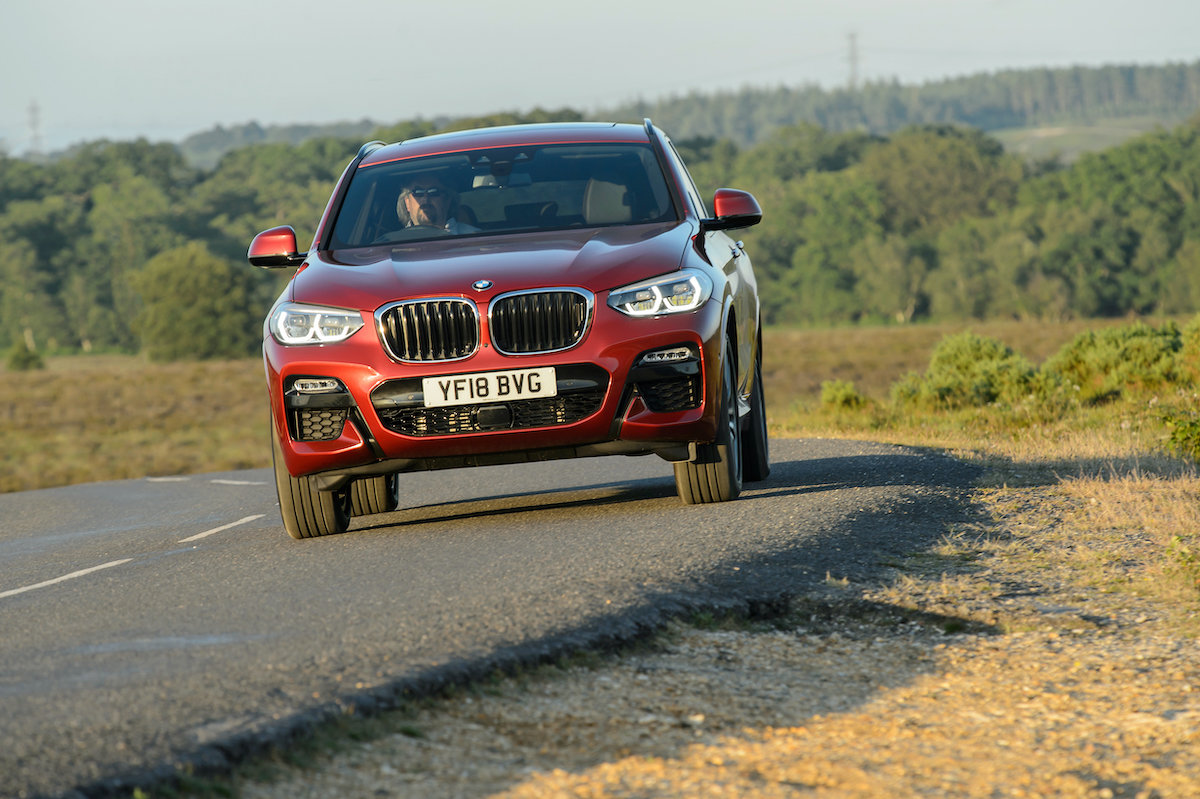
A divisive choice, but we’re not about to be judgemental if you think the X4 is for you, indeed, we can completely understand why. Yes, it’s very slightly compromised over the X3 it’s based on, but not everyone has lanky children to carry around in the rear, and it’s a bolder looking choice in a sea of same-old SUVs. That it drives well is appealing, too, with even the lowliest xDrive20d being enjoyable behind the wheel, and the xDrive30d building on that, without a scary upsweep in the fuel consumption costs.
The X4 M Competition makes a lot less sense, but, again, if you like your M Car taller than an M3 or M4 then the X4 delivers a lot of their thrills in a more useful package. An xDrive30d M Sport with the Technology package for improved infotainment and a useful head-up display and the Comfort Package is a compelling choice, in what’s becoming a bigger segment of the SUV, or, indeed SAV, marketplace.

The BMW X4 isn’t for everyone, indeed, that’s kind of the point. The huge growth and popularity of SUVs is fuelled in no small part by the practicalities they bring, so wilfully robbing a high-riding four-wheel drive of that practicality that is at odds with many people’s sensibilities. The thing is, not everybody who wants an SUV wants or needs rear seats with maximum headroom, or to maximise practicality and boot space, and some bright spark at BMW spotted an opportunity. The X6 was born, a SUV with the profile of a coupe, or at least a rear passenger compartment and rakish roofline that threw the SUV convention out of the window. It was successful, so much so BMW applied exactly the same coupe-SUV formula to create the X4, with the first one arriving in 2014, it being sold until 2018.
This second generation (G02 if you like your BMW number nomenclature) arrived in 2018, the fact BMW replaced the original underlining that the X4’s sales justified it. Indeed, since the X6 and X4 arrived almost every rival manufacturer has been scrambling to introduce rivals, as BMW’s formula has unquestionably worked. Among its competition it can count the Mercedes-Benz GLC Coupe, Range Rover Evoque and some Velar models, the Porsche Macan, Audi Q5, Jaguar F-Pace, with only that Mercedes-Benz offering a genuine ‘coupe’ rival alongside the X4.
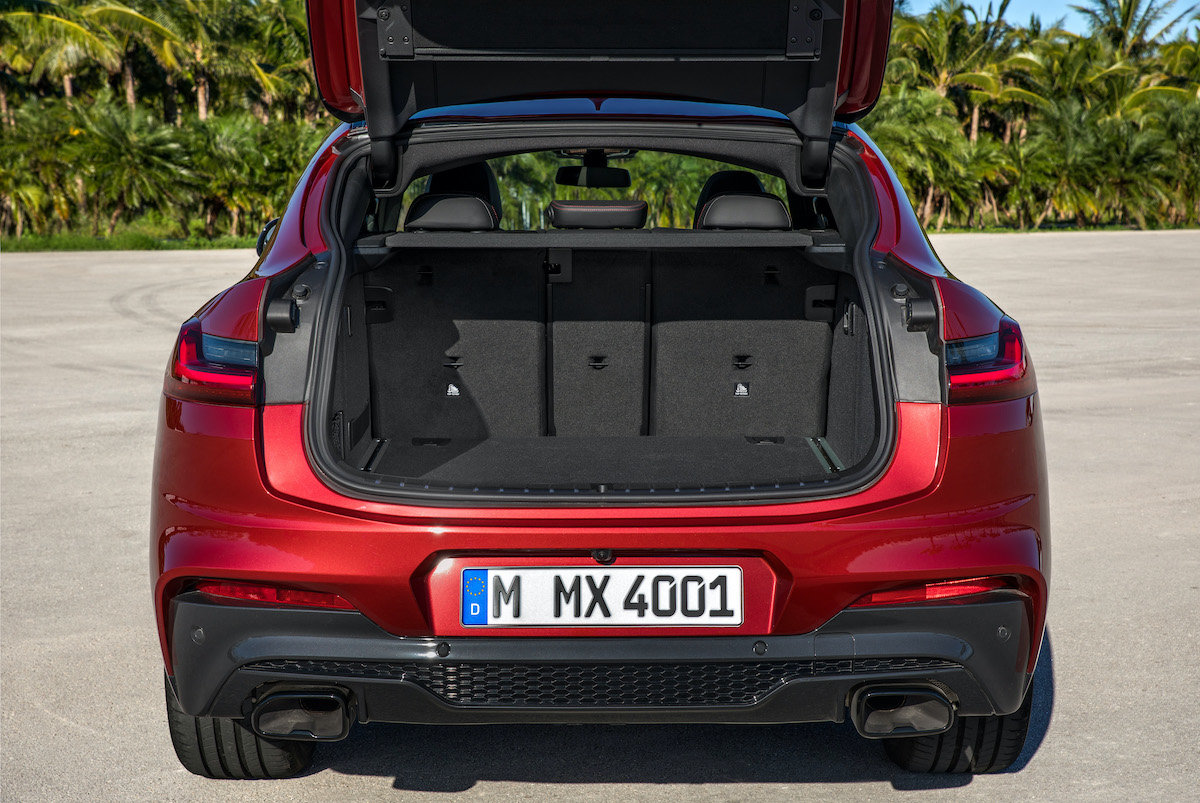
The M Competition model has 510hp at its disposal, which is enough to allow it to reach 62mph in 4.1 seconds, that being quicker than a Porsche 911 Carrera. The other engines might lack the outright performance of that range-topping X4 M Competition, but even the entry-level, big-selling, 190hp BMW X4 xDrive20d feels brisk enough. But for those wanting a mix of decent economy and genuinely sparkling performance, the xDrive30d is difficult to ignore, with its 5.8-second 0-62mph time allied to the potential to return over 40mpg, if you’re taking it a bit easier.
All X4s feature xDrive which means they’re all four-wheel drive, while all have an eight-speed automatic transmission. Even that entry-level xDrive20d is enjoyable to drive, with finely weighted steering and a chassis that rides commendably well and exhibits some real agility. All versions get M Sport suspension, which underlines the X4 as a more driver-orientated X model than its more pragmatic X3 relation, with Adaptive M Sport suspension featuring on some models, or as part of the M Sport Plus Package.
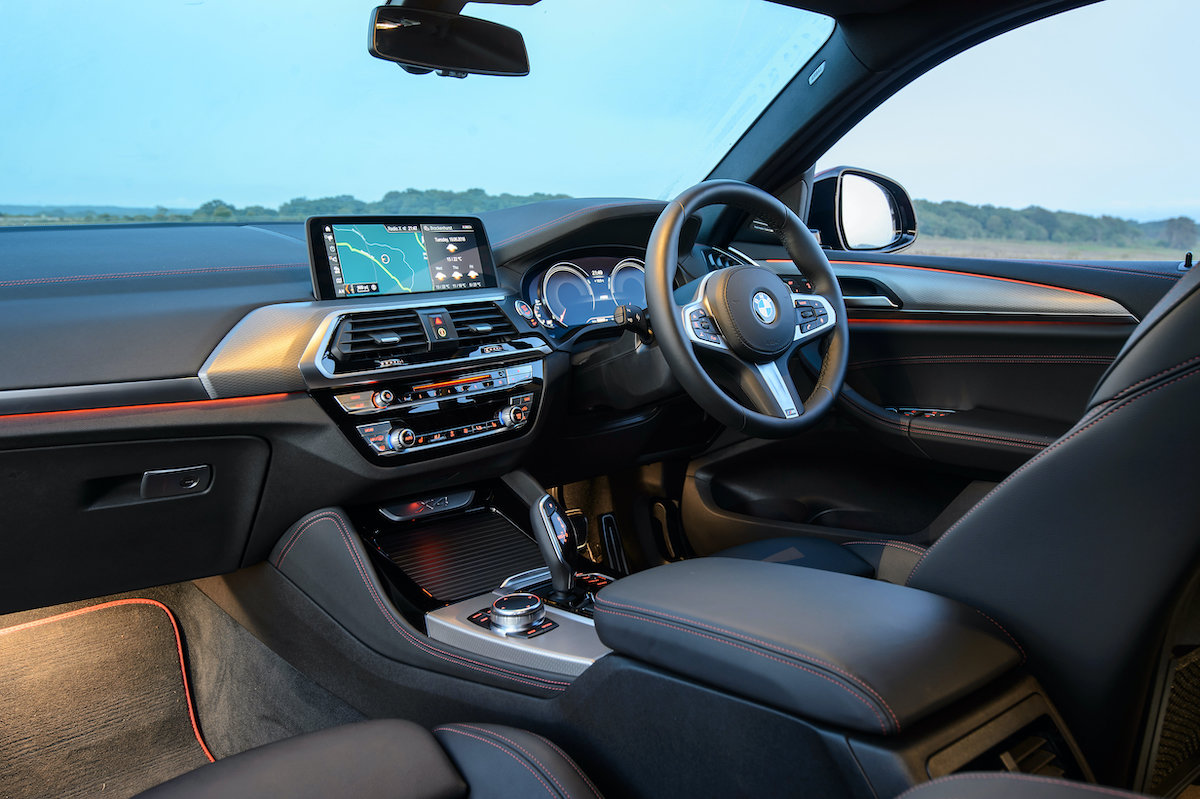
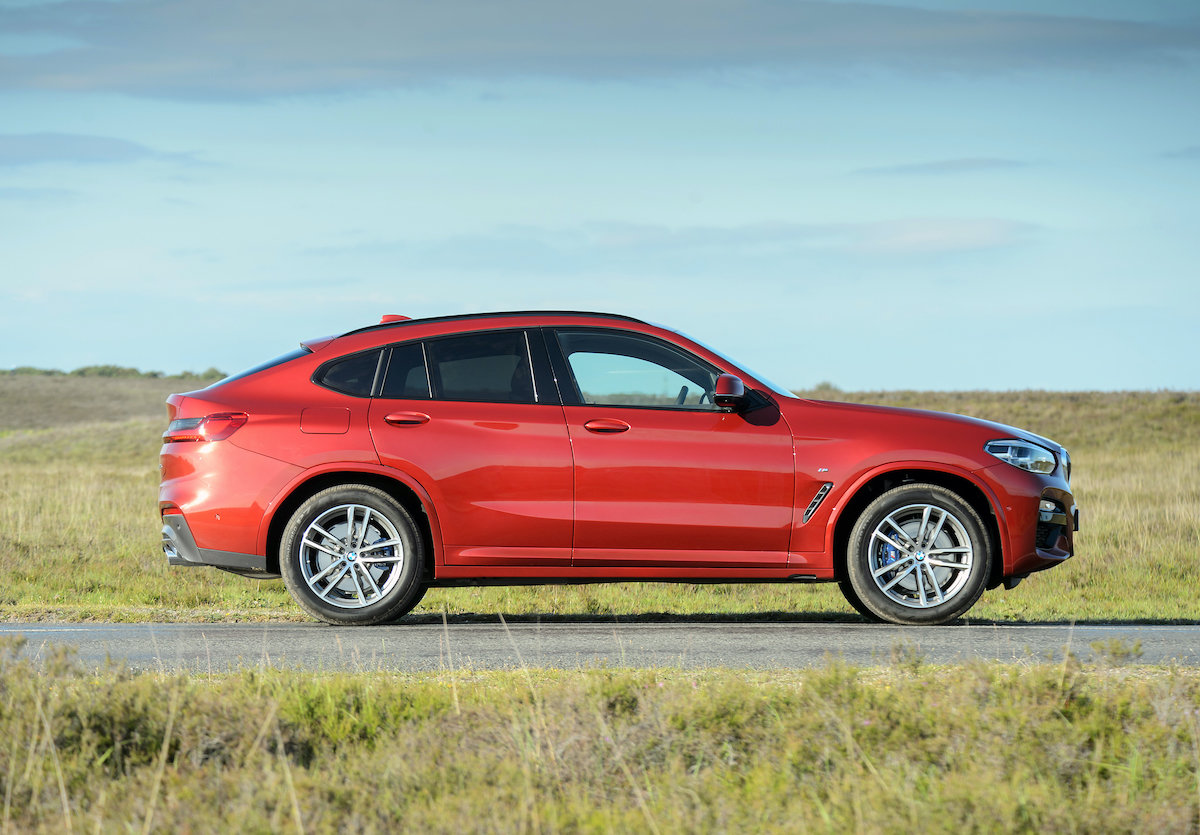
With a model range encompassing a fleet-friendly 2.0-litre turbodiesel, to a Nurburgring laptime chasing X4 Competition model with over 500bhp, there’s certainly a degree of disparity in the running costs within the X4 line-up.
Taking that xDrive20d as a measure is fair, though, as a sizeable volume of X4s leaving dealer showrooms will be powered by the entry-level turbodiesel engine.
Fuel economy for the xDrive20d is tested at 42.2-45.6mpg on the official, newer WLTP testing scheme, that number actually one that might represent what you’ll achieve in daily driving, so long as you’re not too heavy-of-foot. CO2 emissions are between 153-168g/km for this engine, that figure getting higher if you option larger wheels, so if you’re buying with company money, and aiming to keep your monthly tax liability to a minimum, then keep a close eye on specification when you’re ordering.
The more powerful xDrive30d doesn’t punish you overly for your demands for more performance. Indeed, the smooth-revving six-cylinder’s quoted 38.2-40.9mpg is, again achievable, and impressive given the leap in performance this engine brings over the xDrive20d. Emissions are a good bit higher at 180-194g/km, but given the greater poke, it’s arguably worth the additional outlay. The X4 M40i/d models will cost more to run, and also service, with consumables like tyres costing more. Likewise the X4 Competition, which, along with plenty of expensive fuel, will work its high performance tyres and brakes harder, with corresponding increases in running costs being the result.
No BMW X4 slips under the £40,000 buying threshold for the more punitive annual road tax payment for the first five years, so bear that in mind for your annual running costs. Servicing, via BMW’s own dealer network can be done via a monthly payment plan which is £25 monthly for 36 months and covers two services on the regular models, the range-topping M costing more. After three years a lot of the connected services in your X4 will require a subscription payment, should you choose to continue to use them.
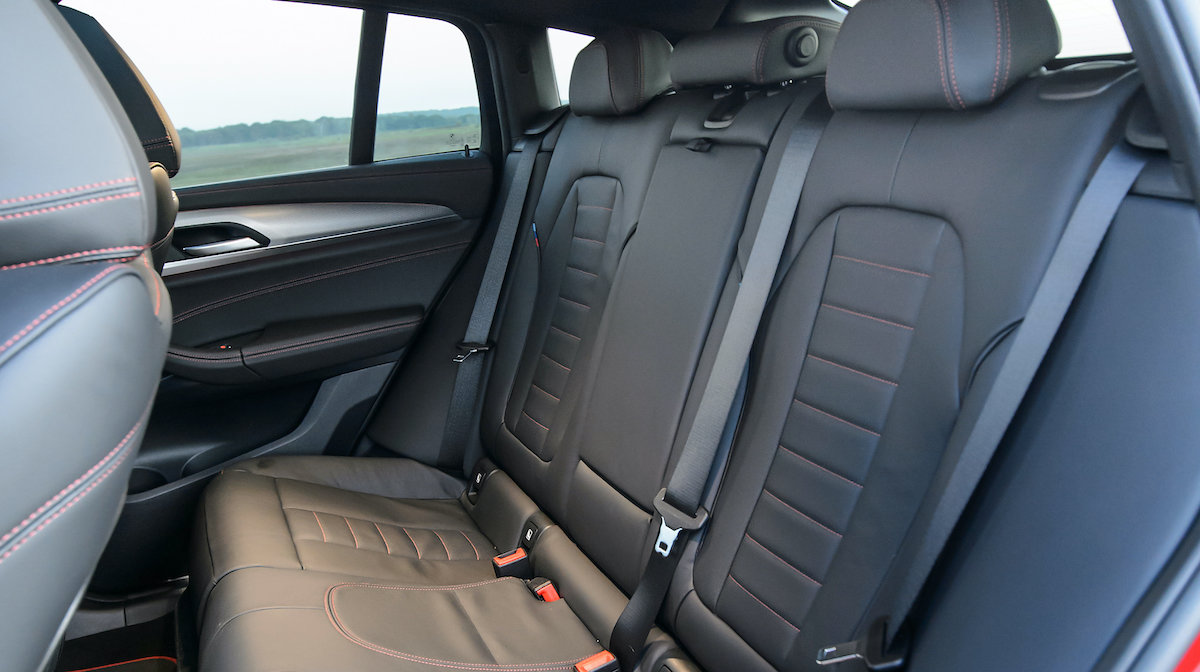
The BMW X4 rarely features on reliability surveys, because while it might be a popular model, it’s still a bit of a niche one, which doesn’t sell in the sort of numbers to give a decent representation of itself. Usefully, you can look at the X3 as a guide: after all, under the X4’s different bodywork there’s an X3 lurking.
That’s good news, because while BMW hasn’t necessarily covered itself in glory in more recent reliability studies – its performance is middling, which is disappointing for what’s a premium brand – the X3 has scored decently. There aren’t any reports of major mechanical maladies, with most of the reliability issues relating to the X3, and hence X4, being the sort of electrical problems that are a nuisance rather than catastrophic.
Still a new-ish car, too, the X4 does at least use proven engines and transmissions from the BMW line-up, and there’s the back up of an unlimited mileage three-year warranty with new cars, with approved used models also getting additional warranty cover. There’s the possibility to extend your warranty after three years for an additional payment, too.
– The X4 is virtually identical under its more svelte styling – relatively speaking here, it’s still a big, tall, vehicle – to the X3 SUV. It uses the same engines and transmissions that include a line-up of excellent 2.0-litre four-cylinder and 3.0-litre six-cylinder turbodiesels, as well as a 3.0-litre six-cylinder turbocharged petrol engine in regular M40i guise, or, in its ultimate, somewhat outrageous, specification, as the BMW X4 M Competition. – The killer blow to those questioning why you didn’t just buy an X3 – aside from the fact that you like the looks, and choice is a good thing – is that the X4’s fastback shape is a bit more slippery, which means it’s actually a little bit more economical than its X3 relation. Indeed, the X4 xDrive20d’s official combined consumption of 42.2-45.6mpg (according to WLTP testing) is better than the X3 xDrive20d’s 41.5-44.8mpg official figure. That means you can say that buying your X4 isn’t just posing, but that you’re doing your bit to save the planet. Well, sort of… – There isn’t a proper plug-in hybrid with the X4, with the only hybrid element of the X4 currently on sale being the 48 volt mild hybrid, which is basically an enhanced stop start system in reality. However, lobby your BMW dealer if you want an X4 with a plug-in hybrid
- The proper M car: Forget all the M Sport trim trickery and go for the full-fat M Competition model, because it’s a beast. The twin-turbocharged in-line six-cylinder produces a not inconsiderable 502bhp and a chassis adapted and tweaked to enable you to enjoy all of it, should your trip to the shops, friends, school or work include a hot lap at the Nurburgring. All a bit silly, yes, but with the demise of high performance internal combustion engines accelerating, get your thrills in while you can.
- The considered performer: That M Competition has its appeal, but stopping every few hundred miles to top up its fuel tank with super unleaded will get tiresome. Usefully, BMW offers the X4 in M40d guise, which not only gets a little sprinkling of M magic in its chassis and powertrain, but, being a big turbodiesel, delivers the possibility of decent economy of between 37 to near-40mpg. That's mixed with 321bhp, and more significantly for its mid-range flexibility, 502lb ft of torque. All that means a 4.9-second 0-62mph time, which is just 0.8 seconds slower than the Competition model.
- The all-rounder: The best X4, in our opinion, has to be the xDrive30d. Its performance is still of an eye-widening variety – 5.8 seconds to 62mph if you’re asking – yet it's mixed with a more rounded day-to-day civility than its more sporting alternatives. It’ll ride better than them unless you option wheels bigger than the standard 18-inch alloys, it’s cheaper, and it’s more economical to run, admittedly only marginally so in comparison to the M40d.
- The entry point: There’s no small petrol engine in the X4 line-up, which means if you’re stretching up to an X4 from, say, a 3 Series or suchlike, then you’ll be powering it in X4 xDrive20d form. There’s nothing wrong with that, either, and in the base Sport trim you’ll not be short of standard equipment. It comes with three-zone climate control, an automatic transmission, cruise control, reversing assist camera and more, though BMW is a bit stingy on all versions by not offering Apple CarPlay as standard, making you pay for it instead.
