Audi A4 Review (2008-2015)
Audi A4 cars for sale
4.0
Expert review
Pros
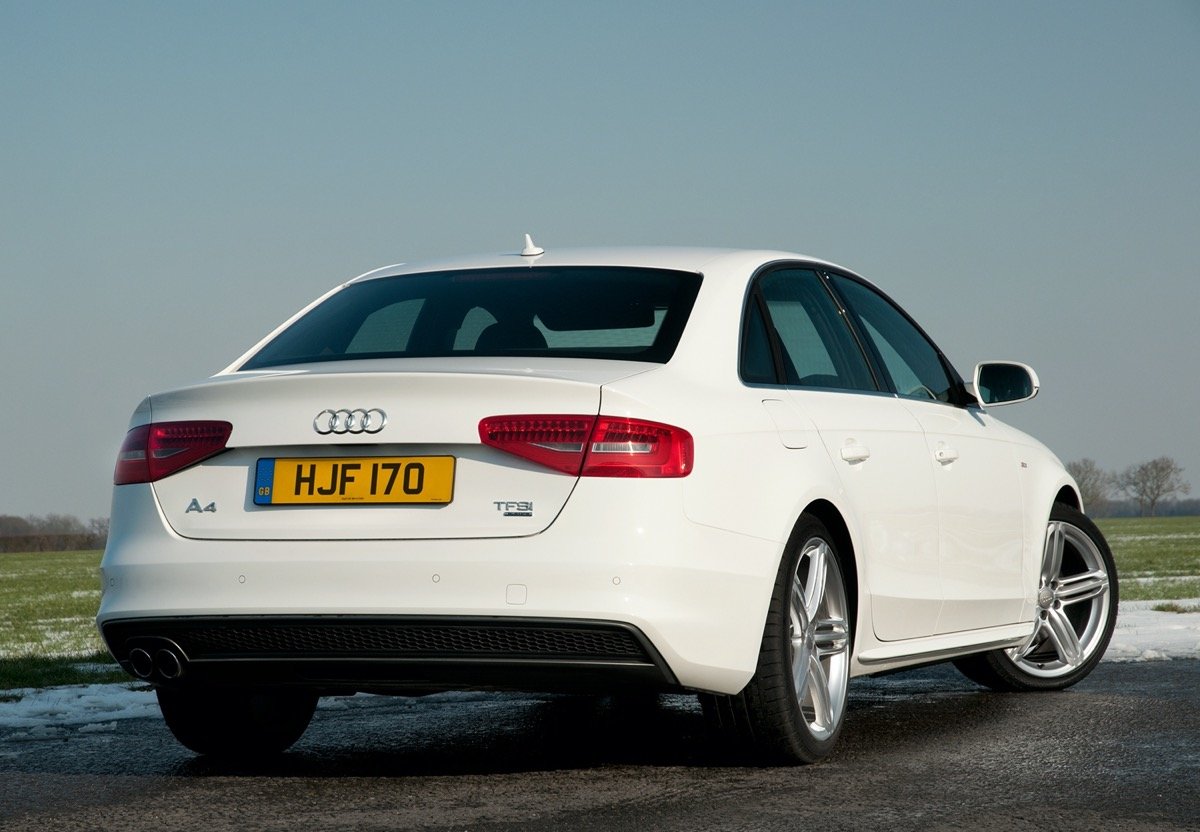
Understated looks have aged well
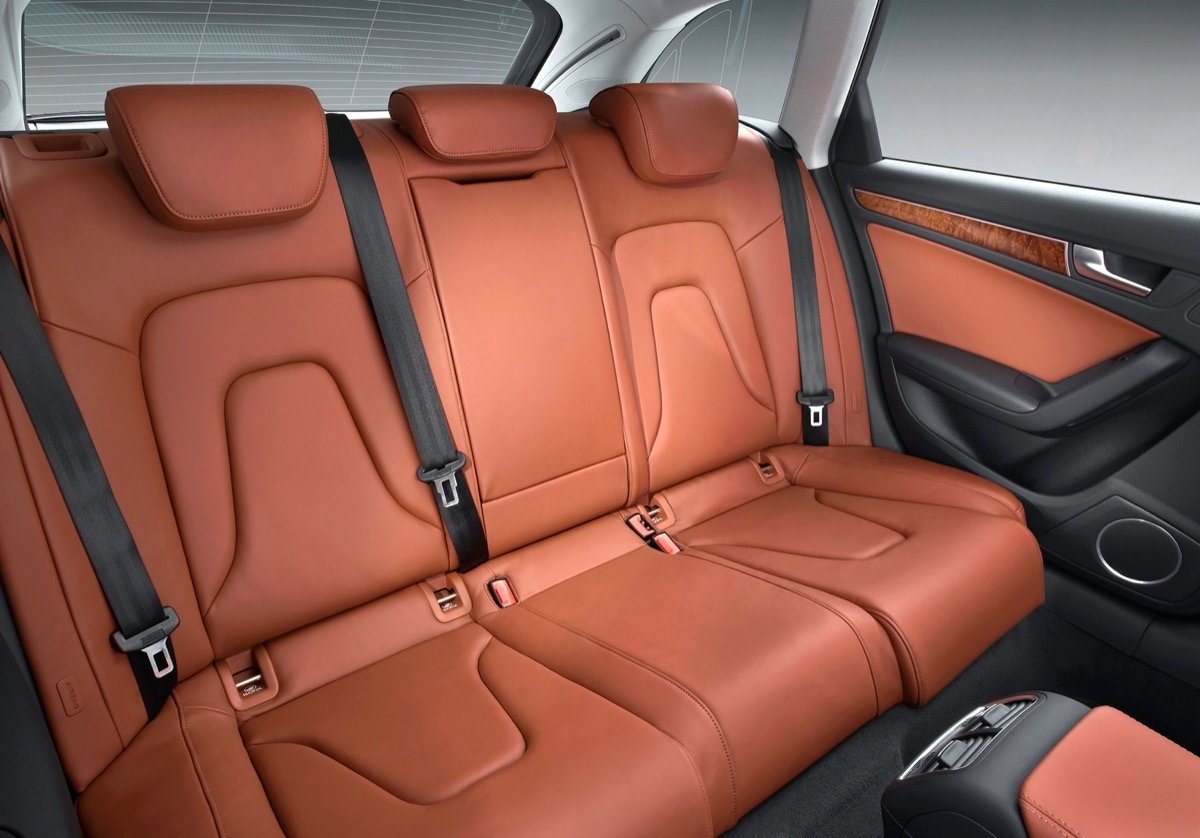
Elegant, high-quality cabin
Fuel-sipping economy of diesel models
Cons
Awkward pedal position in manual cars
Some reliability problems to contend with
Not as practical as a VW Passat
The CarGurus verdict
The A4's worst points as a used car are disappointing reliability and the awkward pedal position in cars with a manual gearbox. And keen drivers won't find the A4 as rewarding as a BMW 3 Series or a Jaguar XE. However, there are plenty of plus points to set against these concerns.
Inside, the A4 is roomy for a compact executive car and beautifully finished. The understated but upmarket sense of style is really appealing. Although not as practical as the likes of the Volkswagen Passat, the A4 has plenty of luggage space, especially if you choose the Avant estate. It means the A4 is a capable family car.
There's a broad choice of engines, and you can pick and choose whether to prioritise a low purchase price, high performance, or fuel economy. Choose the 1.8 TFSI or the 2.0 TDI and you can enjoy a fine balance between all three. And with a quattro four-wheel-drive A4, you can make the most of the performance in all weathers.
What is the Audi A4?
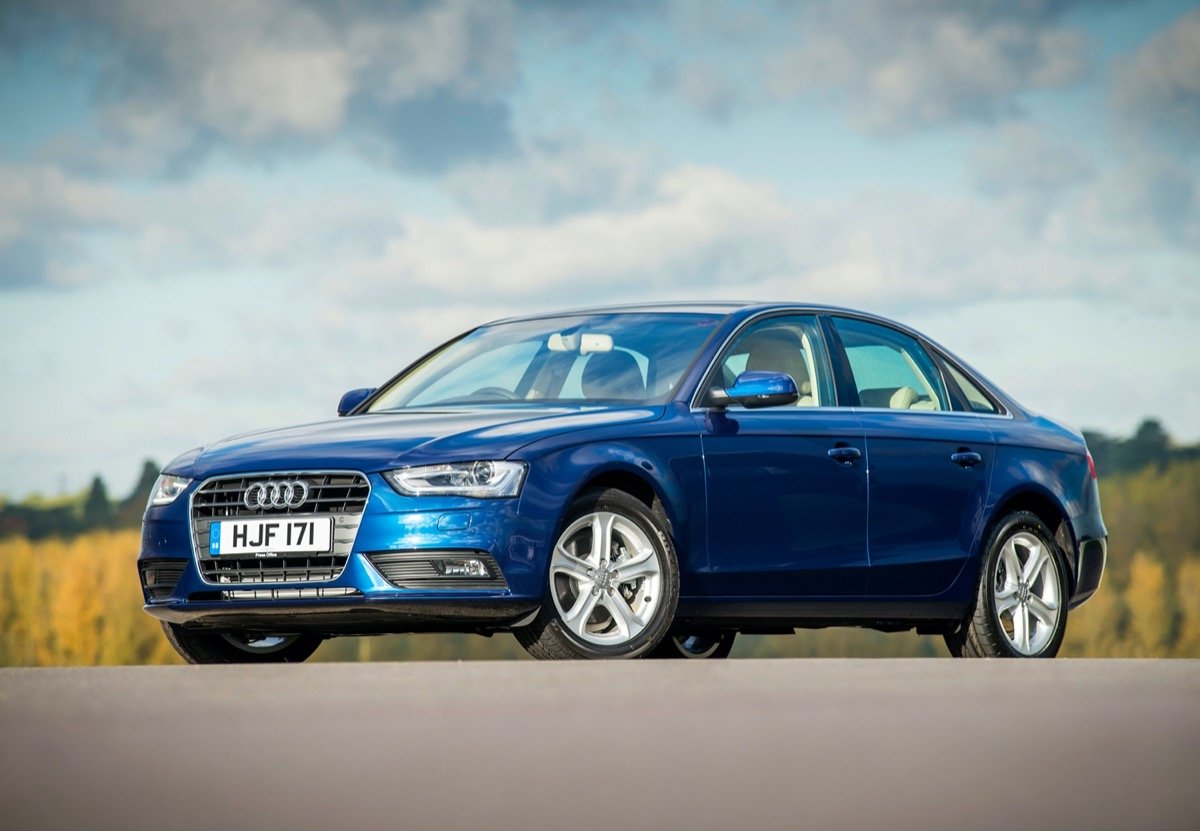
The fourth-generation Audi A4, known by the codename B8, first went on sale in 2008. The new model, available in saloon and estate (badged Avant) body styles, was a big improvement over the car it replaced. It was roomier, cleaner, and more aerodynamic than its predecessor.
As before, it went hea-to-head with the BMW 3 Series and Mercedes C-Class. It was a competitive class, too, with other rivals including the Alfa Romeo 159, Saab 9-3, Volvo S60 and Lexus IS.
How practical is it?
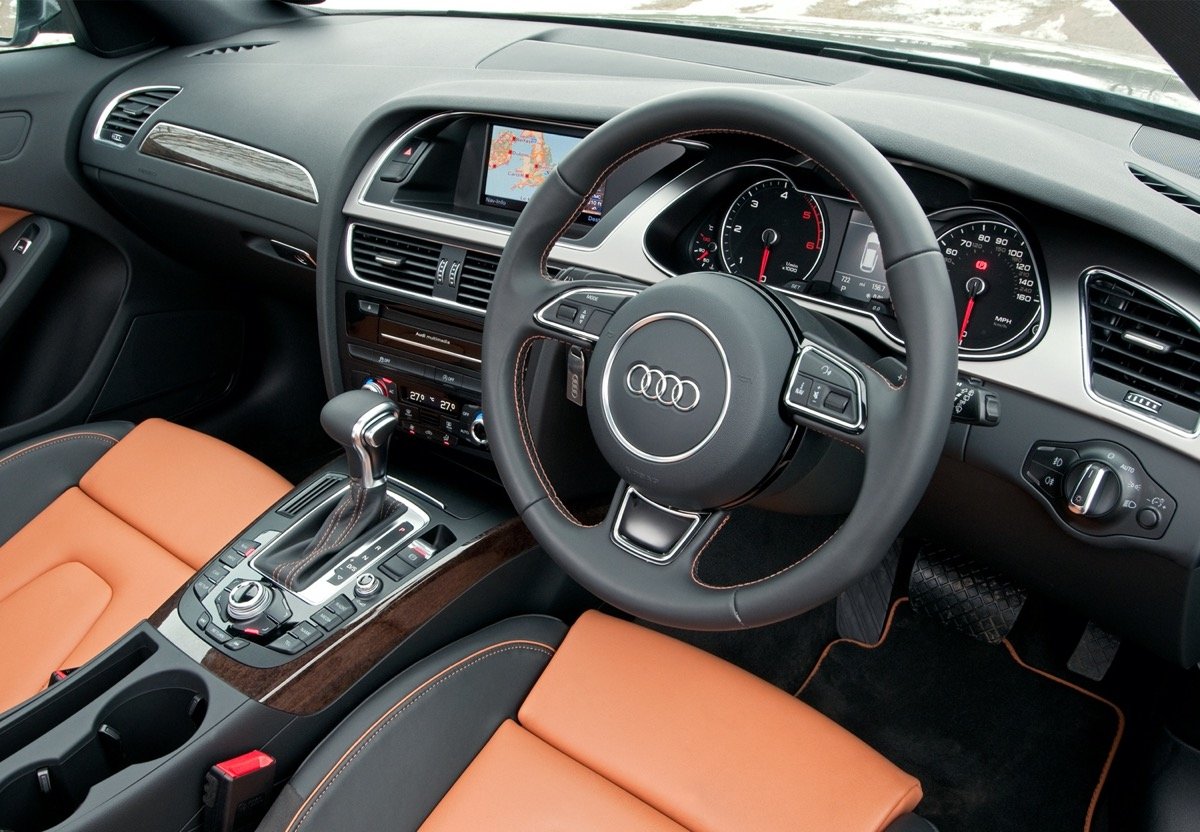
Whichever model you choose, the cabin of the A4 is one of the car's highlights. An elegant and uncluttered design, finished in high-quality materials, makes the A4 a pleasure to sit in. Build quality is excellent. However, it's a shame that the pedals are offset in versions with a manual gearbox. This makes for a slightly awkward driving position that can become irritating on a long drive. It's not such a problem on cars withe S tronic or Multitronic automatic gearboxes.
Aside from this niggle, the driver and front seat passenger have plenty of space. And by the standards of compact executive cars, there's decent head and legroom in the back, too. Certainly, adults should be more comfortable than they would be in a used BMW 3 Series of the same age.
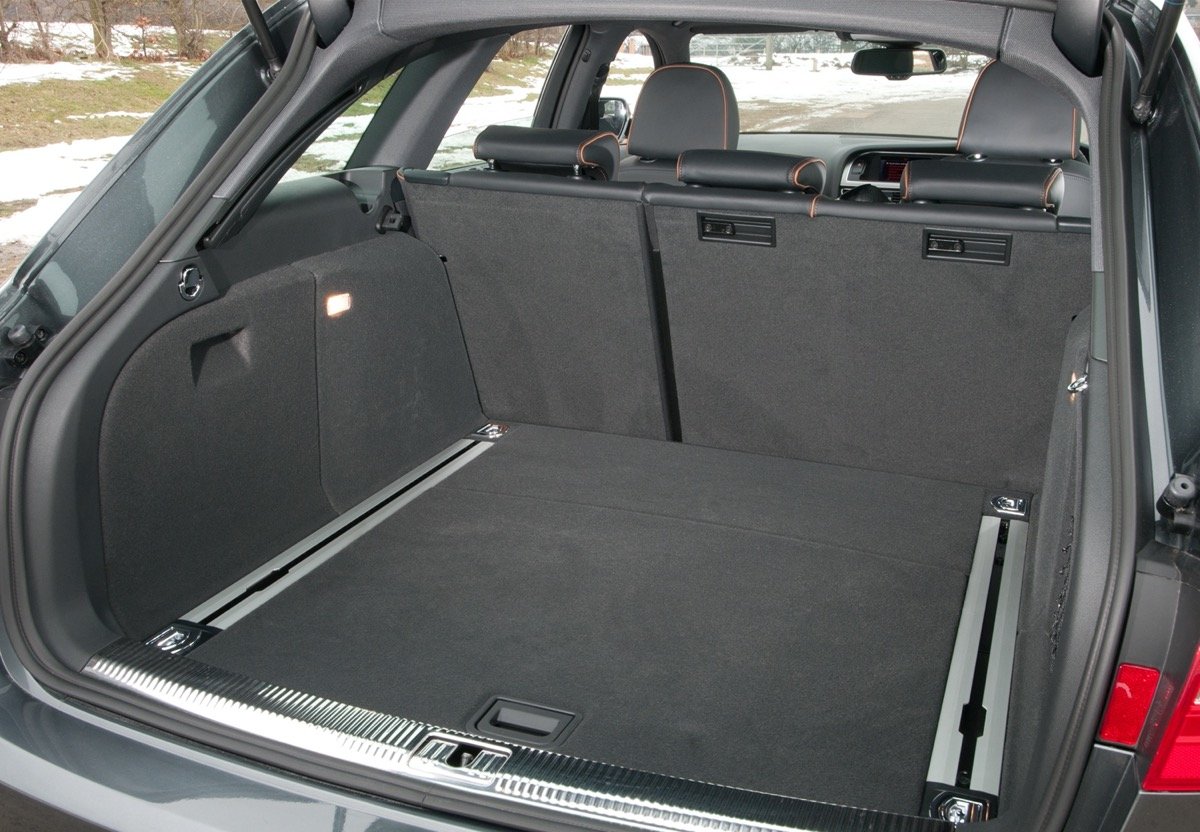
Go for the Audi A4 saloon, and there's 480 litres of luggage space. That matches the F30 BMW 3 Series to the litre. With the back seats lowered, the Audi A4's capacity increases to 962 litres.
The Audi A4 Avant model is the more practical choice, although at 490 litres, luggage room with the back seats upright and the luggage cover in place is only slightly better than the saloon's. Fold the rear seats down and the capacity increases to 1,430 litres. If you want more space and can live without the kudos of the Audi badge, the likes of the Skoda Superb Estate and Volkswagen Passat Estate offer a lot more room for your bags.

What's it like to drive?
As a driver's car, the A4 isn't a match for the BMW 3 Series. It doesn't have the BMW's balance or agility, although the Audi corners neatly. But in most other respects the A4 can hold its own compared with any rival.
Back in 2008 diesel had not yet become a dirty word, and the majority of A4s sold were diesels. The core of the engine range was the 2.0-litre TDI with common rail fuel injection. It was available in several guises, with power outputs at launch ranging from 134bhp to 175bhp. If that's not enough poke, six-cylinder diesels with 201bhp or 237bhp were also offered, although the gains in performance and refinement have to be set against a greater thirst for fuel and higher CO2 emissions.
The entry-level petrol engine was a 1.8-litre with a modest 118bhp. That's not a lot for a car of this size, but it's worth considering if you are happy with fairly steady performance. The 168bhp 1.8-litre TFSI and 208bhp 2.0-litre TFSI petrol are much livelier.
Technology, equipment & infotainment
The range kicked off with the SE version, which got a reasonable, if not exceptional, level of equipment – a digital radio, Bluetooth connectivity, automatic headlights and wipers, rear parking sensors and climate control all came as standard. Upgrading to the S Line brought sportier looks, LED rear lights, and Xenon headlights. Later, in the A4’s life, an interim model called the SE Technik was added, which sat between the two, and added satellite navigation, leather seats and front parking sensors. Opting for the Black Edition, which was based on the S Line, added a Bang & Olufsen sound system and black-finish exterior trim.
Meanwhile, the Allroad was a specification all of its own, adding a storage package and body protection to the SE’s specification, not to mention suspension that was raised by 37mm. Or you could go a step further, and upgrade your Allroad to Sport specification, which gave you Xenon headlights and leather/faux-suede upholstery.
When tested by the safety experts at Euro NCAP in 2009, the A4 scored five stars out of five.
Audi A4 running costs
By the standards of an executive saloon or estate, fuel bills will be low if you choose an A4 diesel. The most economical models are the A4 2.0 TDIe and the 2.0 TDI Ultra. The 'e' on the end of TDI signifies a car with low rolling resistance tyres, lower suspension and aerodynamic improvements, and a 134bhp version of Audi's 2.0-litre diesel. Official combined fuel economy figures say it returns 61.4mpg and emits 120g/km of carbon dioxide. These are impressive numbers today, and were exceptional back in 2009. Of course, it will be tough to match the official lab-tested figure in everyday driving, but better than 50mpg should be achievable.
The Ultra was introduced towards the end of the A4 B8's life, and offered even better economy than the TDIe and stronger performance. It returned an official 67.3mpg, and emitted just 109g/km of CO2. It was sold alongside the less powerful TDIe until the A4 B8 was replaced by the B9.
Other 2.0-litre diesel models won't be far behind these super-economical A4 variants in real-world economy, and any A4 with one of these engines in various states of tune should return between 40 and 50mpg.
Choosing one of the six-cylinder diesels means trading some economy for stronger performance. Expect fuel economy in the 30s if you use all the performance, improving to around 40mpg if you drive gently.
The petrols won't be as fuel efficient, but most return reasonable economy relative to their straight-line performance. Low to mid 30s mpg will be the order of the day for the 1.8-litre petrols, for example. Expect that to drop to 25-30mpg if you choose one of the six cylinder models. The autos are generally a little thirstier than the manuals, and the extra weight and complexity of the quattro four-wheel-drive system also hurts fuel efficiency.
Insurance starts from group 19 of 50 for the entry-level 1.8 petrol. Most models are somewhere in the 20s. The exceptions are the high-performance S4 and RS4 models. The S4 sits in group 36-39 depending on the exact specification, and the RS4 is in group 41. Even with a clean driving record the RS4 will be expensive to insure, although in fairness it's a few insurance groups lower than the Mercedes C63 AMG.
For an upmarket car, servicing costs are reasonable. However, some owners find it cheaper to have their A4 serviced at a non-Audi VW Group dealership, where hourly labour rates are often lower.
Audi A4 reliability
Despite being a premium brand charging premium prices, Audi doesn't have the greatest reputation for reliability. The A4 B8 is no exception, and there are number of problems and niggles to look out for.
Water pumps can sometimes fail. Look for any telltale signs of rust around the pump, any leaks, or any wear to the seals. Keep an eye on the temperature gauge for signs of overheating.
Faulty power steering is another defect you may come up against. You may notice a side-to-side vibration in the steering wheel. The fix can be as simple as replacing the power steering hose.
Some owners also report rapid wear of the clutch and dual-mass flywheel on diesel cars. It's an expensive fix (think £500 plus fitting), so if you notice any slipping or juddering from the clutch on a test drive think twice before doing a deal.
A number of cars built between 2012 and 2014 had a defect which could allow oil to enter the brake servo via the vacuum feed line, leading to a loss of servo assistance. Affected cars were subject to a recall.
The A4 was subject to another recall because of an overheating element in the air conditioning. The problem applies to cars made between 2011 and 2015.
As with any car, you can check if a used A4 B8 you are thinking of buying still needs to have outstanding recall work carried out by inputting the reg number on the relevant page of the gov.uk website.
If you want an executive car with a superior reputation for reliability, consider the Lexus IS instead.
- The previous generation of the Audi A4 was available as a cabriolet as well as a saloon and estate. With the A4 B8, Audi didn't abandon the convertible market. Instead, it developed coupe, cabriolet and five-door Sportback models based on the same underpinnings as the A4, but these cars were badged A5. While marketed as a different model to the A4, in reality the A4 and A5 ranges were closely related. The A5 continues to be sold alongside the A4 in Audi showrooms, and is now in its second generation.
- Several versions of the A4 were sold with quattro four-wheel drive, including the Allroad. Based on the Avant, the A4 Allroad has a wider track, increased ground clearance, and distinctive looks that ape the appearance of a 4x4. The A4 Allroad went on sale in the summer of 2009, with a choice of petrol and diesel engines boasting up to 237bhp. Even if you don't plan to take advantage of the Allroad's offroad abilities, it's worth seeking out as ride comfort is better than the standard car's.
- Downsizing was one of the automotive buzzwords when the A4 B8 arrived in 2008. That trend extended to the engine in the high-performance S4. Whereas the previous S4 has a 4.2-litre V8, the B8 version was powered by a 3.0-litre supercharged V6. The new engine was slightly down on power compared with the old engine, and some enthusiasts bemoaned the loss of the thunderous V8 soundtrack. However, the six-cylinder engine was much more efficient than the V8, improving its official economy figure by up to 27%. That said, 30mpg for the S tronic model means the S4 is still a thirsty car.
- If you're on a tight budget: Pick the 1.8-litre petrol. It may have just 118bhp, but you still enjoy the A4's understated good looks, high-quality interior, and composed handling. The upside to the 1.8's underwhelming performance is reasonable fuel economy and insurance premiums. What's more, for a used Audi A4, the 1.8 is affordable to buy.
- If you're a high-mileage driver: Choose the 2.0-litre diesel. The 141bhp version is by no means the most powerful, but it has enough mid-range to make for relaxed long distance driving. Its natural home is the motorway, and it will happily eat up the miles for hours on end while returning close to 50mpg.
- If you want something sporty: It has to be the S4. Although not as quick as a BMW M3 or Mercedes-Benz C63 AMG from the same era, it's still a very fast car. And in truth, the Audi's appeal is more subtle than these rivals. The S4's styling balances purpose with understatement, and the quattro drivetrain makes it easy to use the car's considerable performance without looking like a hooligan.
- If you want an all-rounder: Consider the 168bhp 1.8 TFSI. This engine offers considerably more performance than the entry-level 1.8, with strong enough acceleration to keep keen drivers happy. But it's nearly as economical as the 118bhp engine, and only a little more expensive to insure. SE spec comes with all the kit you need. For many drivers, this is the sweet spot in the A4 B8 range.


