Mercedes-Benz CLA (2013-2018) review | Stylish, upmarket alternative to an A-Class hatchback
Pros and cons
What we like
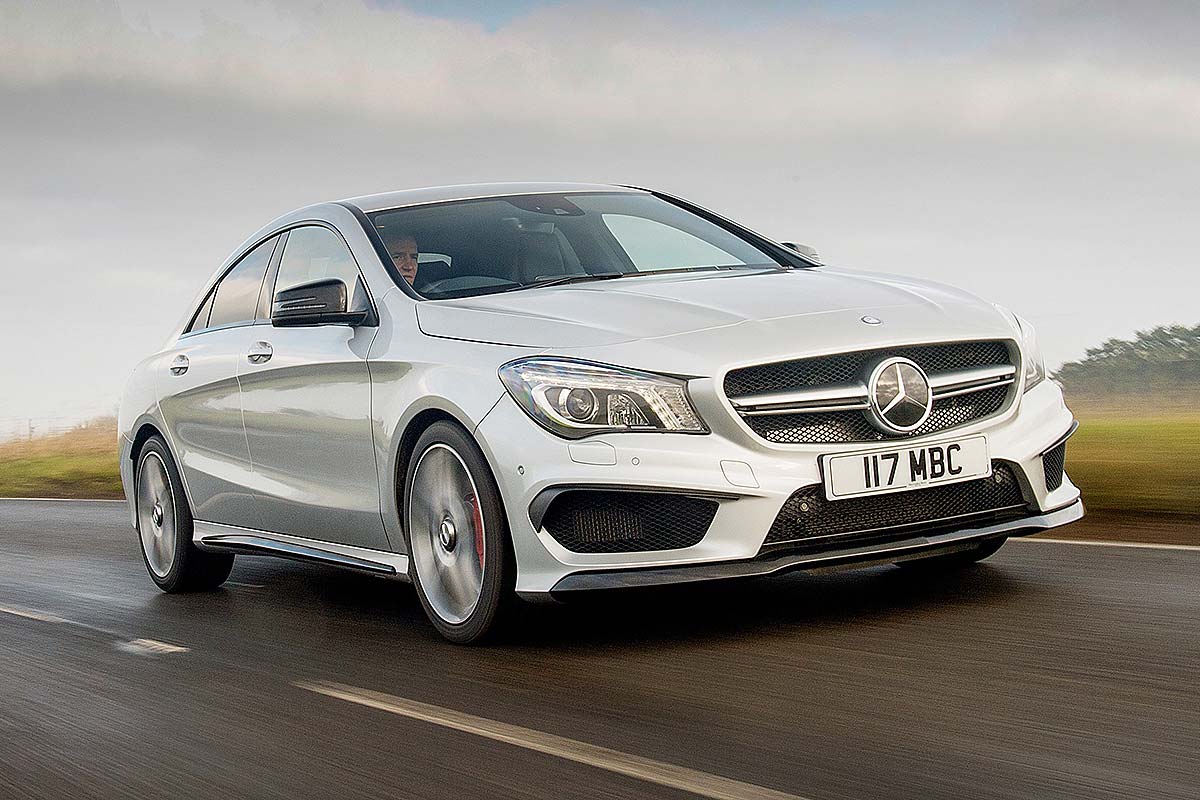
Stylish and eye-catching
High-quality cabin
Solid reputation for reliability
What to consider
The ride is too firm
Looks compromise practicality
Uninvolving to drive
The CarGurus verdict
Whether you choose the saloon or Shooting Brake estate, the Mercedes-Benz CLA still looks distinctive today, offering a sense of style that’s missing from many similarly priced family cars. Inside, the cabin feels far more glamorous than most mainstream rivals, even if some buyers may find the design slightly over the top.
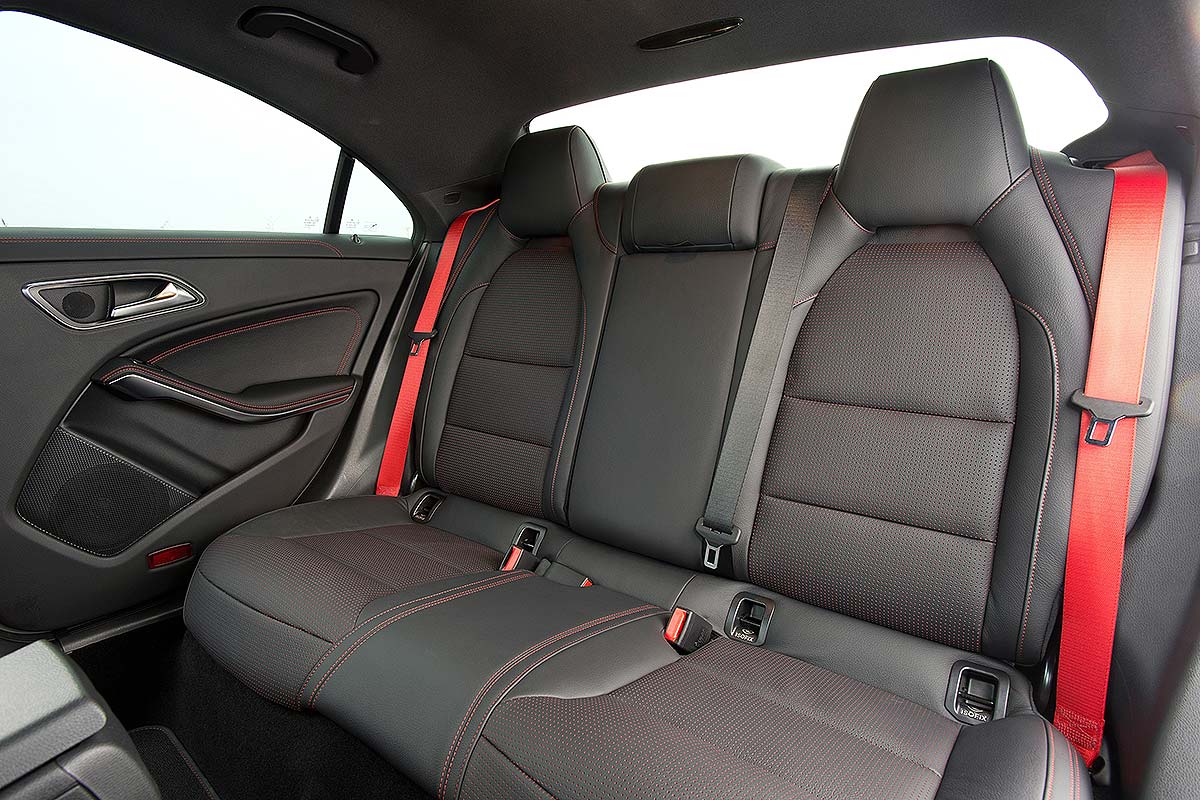
The CLA is not the most comfortable or practical car in its class, and rear-seat space is tighter than in more conventional alternatives. However, most buyers are likely to choose it for its styling, premium badge and upmarket feel rather than outright practicality.
It also helps that the CLA is reasonably economical to run, offers a wide range of engines and generally has a solid reliability record. If you want a stylish compact Mercedes-Benz and can live with a few compromises, the CLA makes a strong case as a used buy.
out of 5 expert review
What is the Mercedes-Benz CLA?
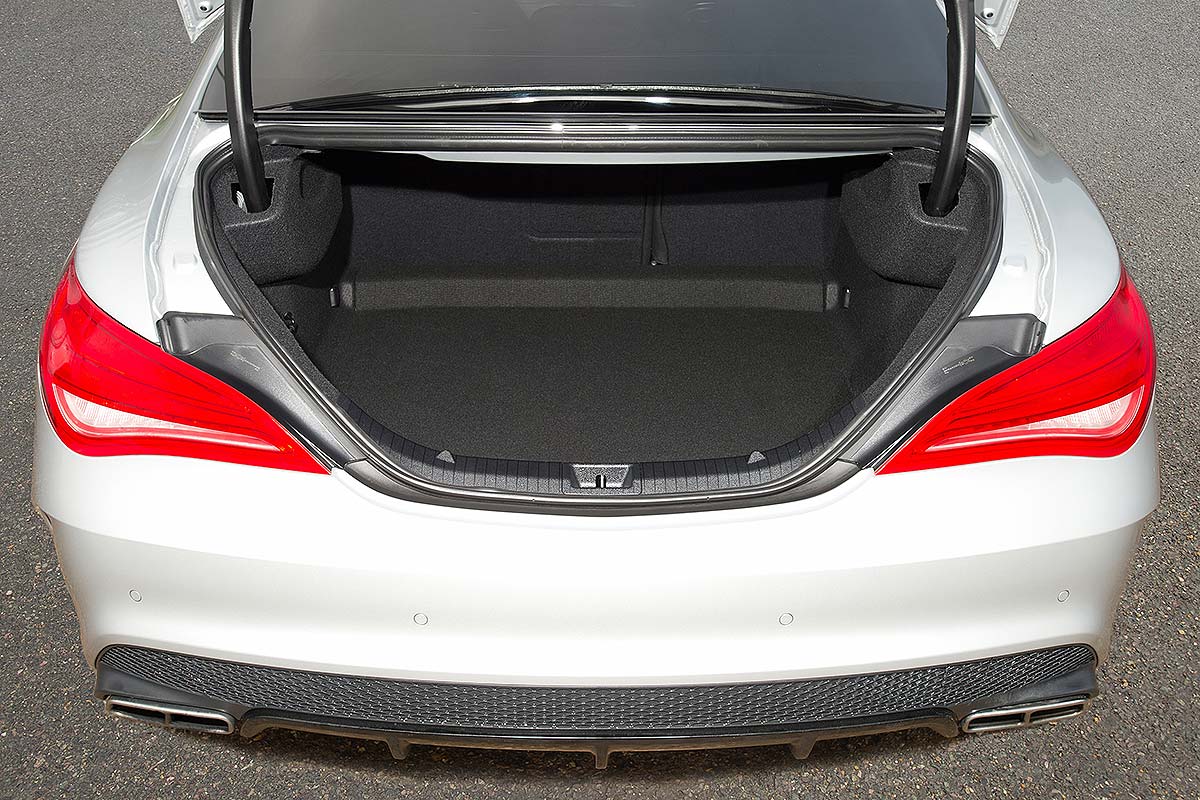
Originally launched in the UK in 2013, the first-generation Mercedes-Benz CLA was an attempt by the Stuttgart-based manufacturer to attract younger and more style-conscious buyers to the brand. Inspired by the larger Mercedes-Benz CLS, the CLA combined compact dimensions with a low roofline and what Mercedes-Benz described as ‘four-door coupe’ styling.
Whether you see it as a coupe-inspired saloon or simply a sleeker alternative to the Mercedes-Benz A-Class, there’s no denying the CLA still looks distinctive today. The cabin also introduced a more modern and premium feel than many rivals of the period.
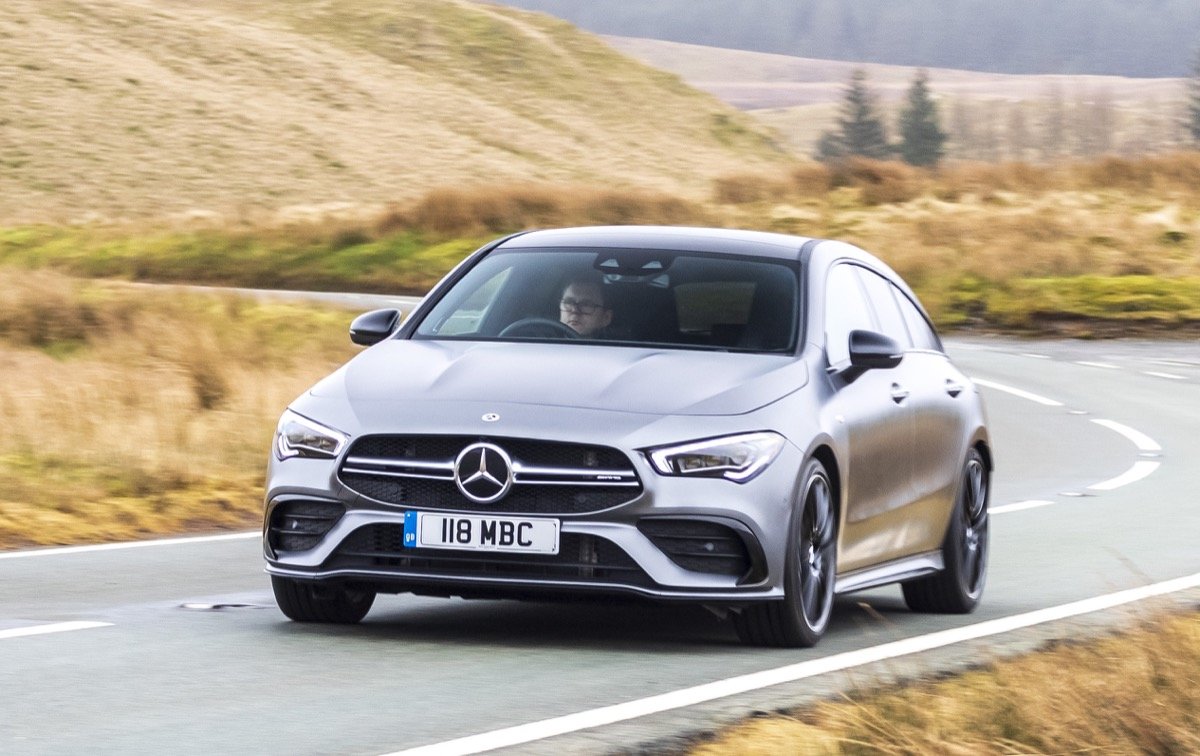
Mercedes-Benz later expanded the range with the CLA Shooting Brake, which added extra practicality without losing the car’s stylish appearance. Indeed, it could be argued that the Shooting Brake is more appealing than the saloon.
Practicality
How practical is it?
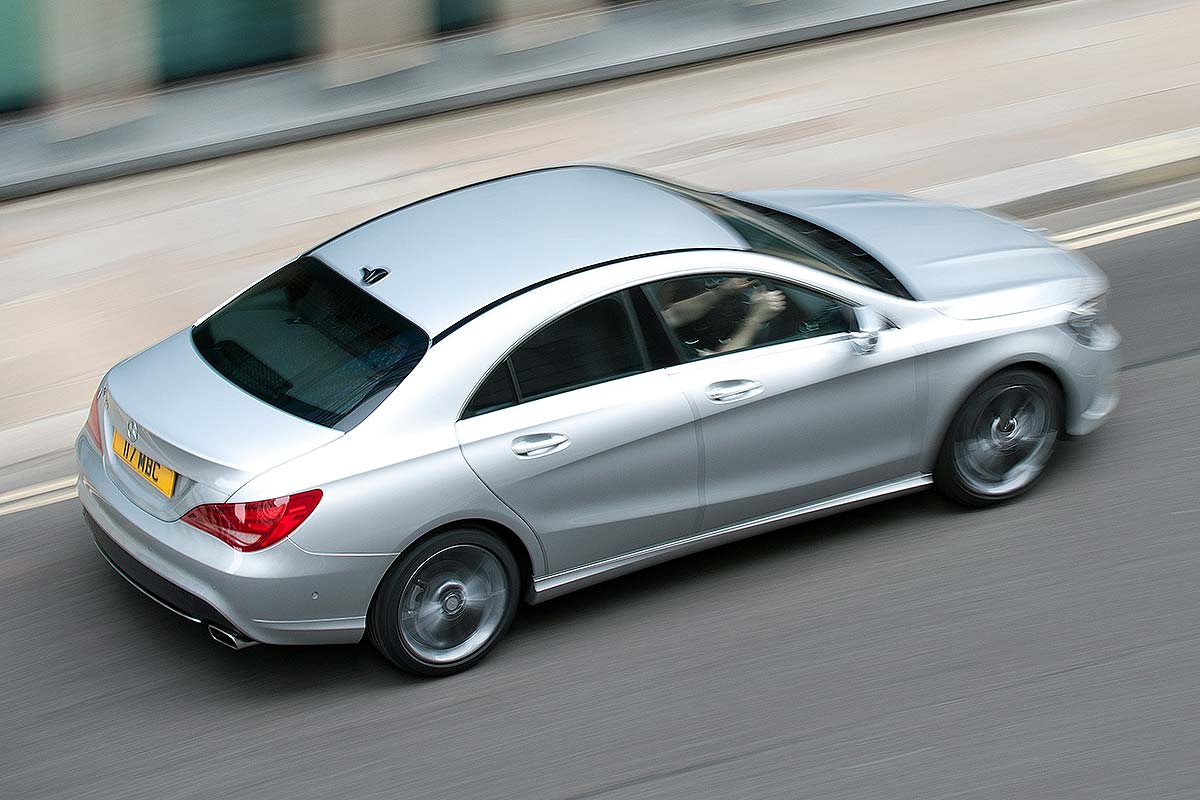
The swooping roofline gives the first-generation CLA a more distinctive look than most conventional saloons and estate cars, but it does compromise rear headroom slightly. Access to the back seats is also a little tighter than in more traditionally shaped rivals because of the narrow rear door openings.
Things improve slightly in the CLA Shooting Brake, although this is still a car that prioritises style over practicality. Front-seat occupants fare much better, with supportive sports seats fitted across the range and a dashboard inspired by sportier Mercedes-Benz models.
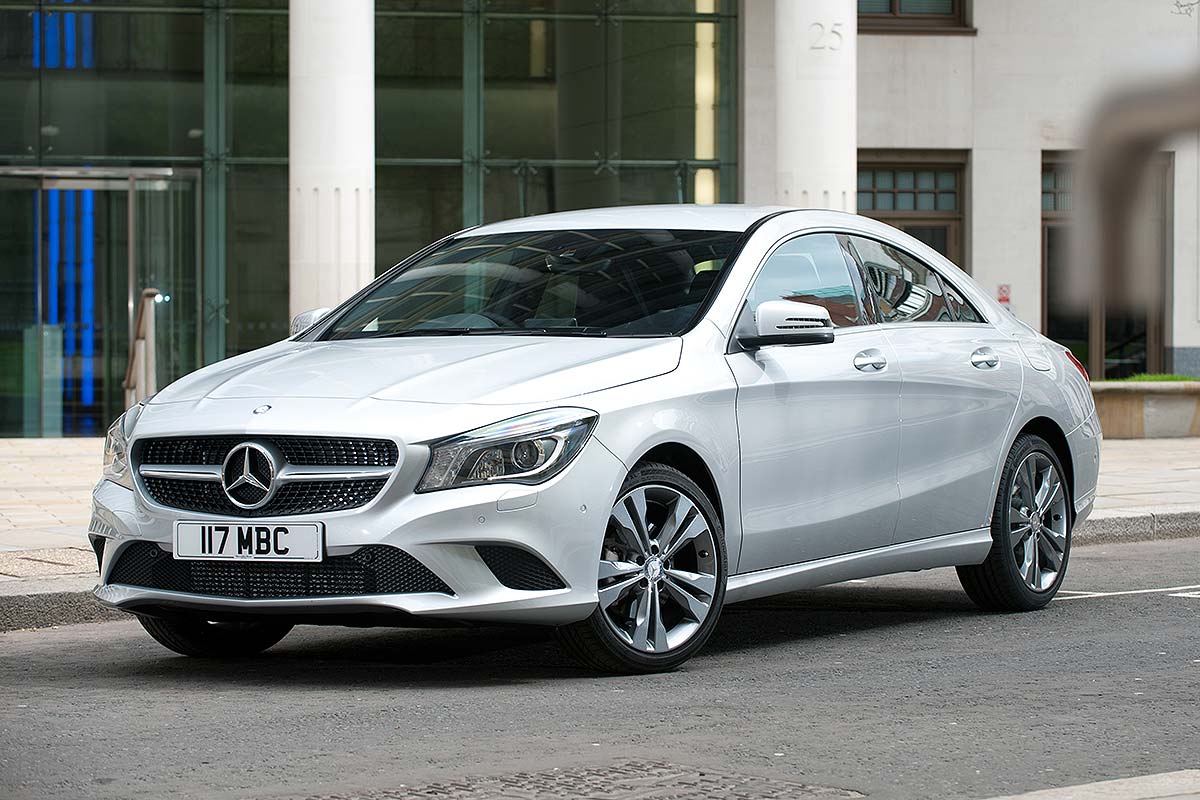
Boot space is respectable, however. The standard CLA offers 470 litres for luggage, which is 130 litres more than the A-Class and only just shy of the capacity of a Mercedes-Benz C-Class. Predictably, the CLA Shooting Brake is even more practical, offering 495 litres of boot space in standard form, or 595 litres with the optional Load Compartment Package.
Driving
What's it like to drive?
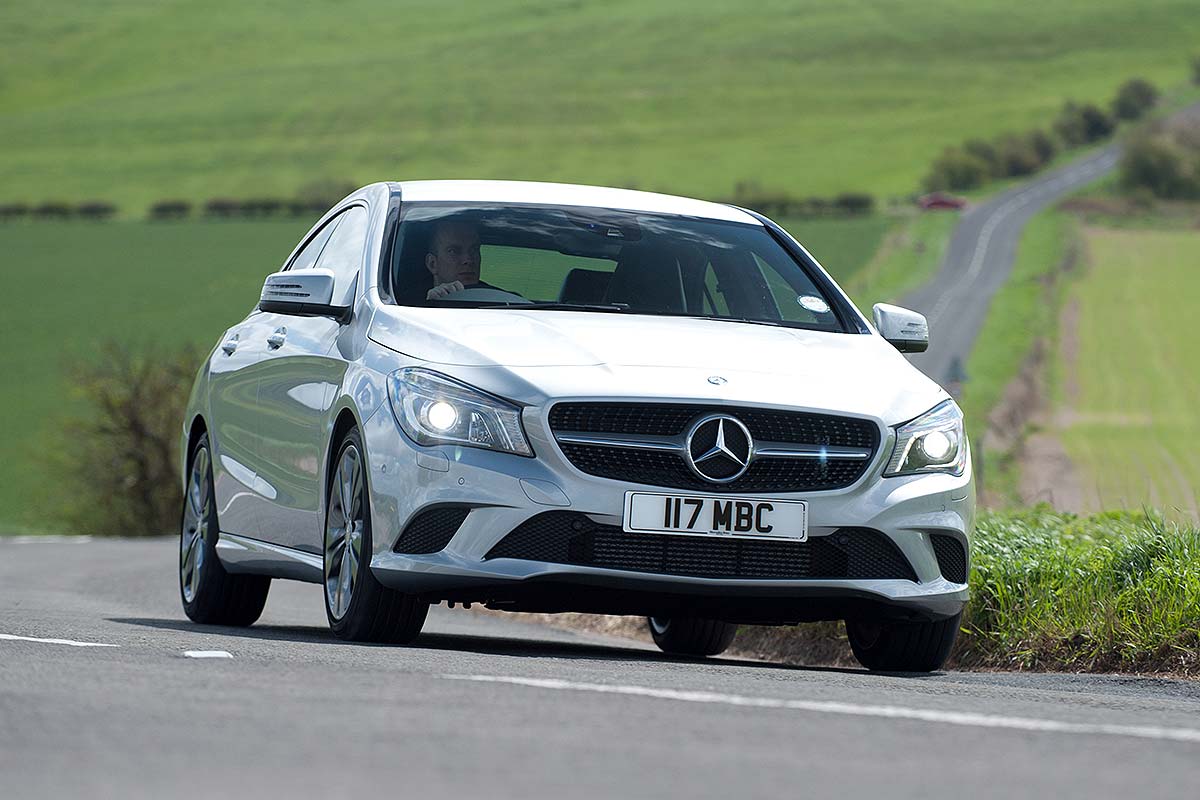
The original CLA’s engine range included a variety of petrol and diesel options, from economical four-cylinder diesels to the high-performance CLA 45 AMG. Most versions offer strong real-world performance – a CLA diesel is an excellent motorway companion, for example – while the AMG models are properly quick.
Despite its sporty styling, the CLA is more of a refined cruiser than an outright driver’s car. The steering is light but accurate, there’s plenty of grip, and motorway refinement is generally good.
Ride quality can feel firm on larger alloy wheels, particularly on AMG Line and full-fat AMG models, while some diesel engines become noticeably noisy when pushed hard. However, buyers are far more likely to choose the CLA for its styling, image and premium feel than for outright driving enjoyment.
Tech and equipment
Technology, equipment & infotainment
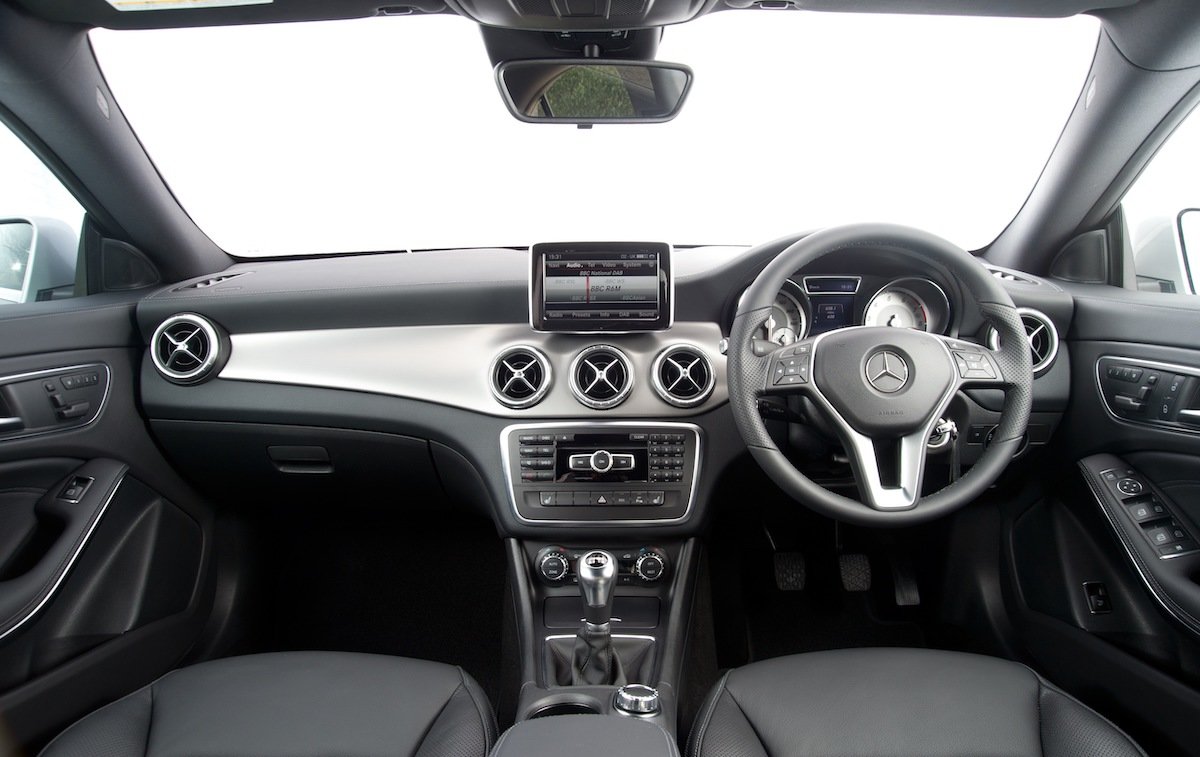
Standard equipment levels on the CLA are generous, with most models featuring dual-zone climate control, cruise control, parking sensors, automatic wipers, smartphone connectivity and part-leather upholstery. Mercedes-Benz has also fitted the CLA with an array of electronic safety and driver assistance systems.
The infotainment system now feels slightly dated compared with newer Mercedes-Benz models where the entire dashboard is dominated by screens. However, it is straightforward to use. Higher-spec cars may also feature upgraded satellite navigation, premium audio systems and a reversing camera.
There was also a long options list for the CLA when new, including items such as larger alloy wheels, adaptive lighting and a full-length panoramic glass sunroof. The latter helps brighten up the cabin for rear-seat passengers.
Running costs
Mercedes-Benz CLA running costs
Mercedes-Benz offered servicing plans for the CLA when new, but most used examples are now more likely to be maintained by independent Mercedes specialists. These are usually considerably cheaper than main dealers and should have no difficulty servicing the CLA’s engines and transmissions.
Diesel versions are impressively efficient, especially the CLA 180d BlueEfficiency, which officially returned more than 70mpg while also benefiting from low CO2 emissions and relatively cheap tax. The CLA 200d and CLA 220d offer a better balance of performance and economy for many buyers.
Petrol models are naturally more expensive to run, although even the most powerful versions can still deliver respectable fuel economy in everyday driving. Insurance and servicing costs rise significantly on Mercedes-AMG CLA 45 models, which are best viewed as performance cars first and sensible transport second.
Mercedes-Benz CLA reliability
The CLA generally has a decent reputation for reliability, particularly compared with some older Mercedes-Benz models. However, buyers should ensure all recall work has been completed, especially on earlier diesel cars.
Reported issues include occasional faults with stop-start systems, parking cameras and panoramic roof mechanisms, while some owners have also experienced lacquer peel on alloy wheels and minor trim deterioration. Diesel models can sometimes suffer from turbo actuator problems, which may trigger the slow-and-steady ‘limp home’ mode.
Overall, the CLA appears to be a relatively robust used buy, provided it has been properly maintained and serviced to the recommended schedule. A full service history and evidence of completed recall work are strongly recommended.

What owners say
Excellent car had all the extras I wanted and at a great price
25 September 2025Good value for the car and good features aswell. I would compare to audi.
7 July 2026Initially no Sat Nav but now installed, would have expected as standard in a merc
13 January 2021What owners say
Excellent car had all the extras I wanted and at a great price
25 September 2025Good value for the car and good features aswell. I would compare to audi.
7 July 2026Initially no Sat Nav but now installed, would have expected as standard in a merc
13 January 2021I have had a number of E & C Class Estate cars in the past and was looking for a more compact version. The CLA Shooting Break fits the bill !!!
31 March 2024Three things to know
- Aerodynamics played a big role in the CLA’s development. At launch, Mercedes-Benz claimed a drag coefficient of just 0.22 Cd, making it one of the most aerodynamic production cars in the world at the time. Features such as active grille shutters, carefully shaped mirrors and airflow management around the rear wheels all contributed to impressive efficiency.
- In addition to regular Sport and AMG Line trims, Mercedes-Benz offered several special editions throughout the CLA’s lifespan, including the Night Edition, OrangeArt and WhiteArt models. These typically added distinctive styling details, coloured trim highlights and upgraded equipment.
- The range-topping Mercedes-AMG CLA 45 is the most extreme version of the car. Its hand-built turbocharged engine produced enormous performance from a relatively small capacity, helping it stand out as a genuinely serious performance car rather than simply a styling exercise. It can hit 62mph in around 4.5 seconds and has the performance to rival cars such as the Audi RS3 and Volkswagen Golf R.
Which one to buy
- Best blend of performance and economy: Introduced as part of the 2016 facelift, the CLA 220d automatic combines strong performance and impressive fuel economy. It feels effortlessly quick in everyday driving, while still returning excellent fuel efficiency on the motorway. If possible, look for a car fitted with the Comfort suspension package.
- Best for low running costs: The CLA 180d BlueEfficiency is the efficiency champion of the range, offering low road tax (VED) costs and excellent fuel economy. Performance is modest rather than exciting, but there’s enough low-down torque to make it feel relaxed in everyday use.
- Best petrol model: While the Mercedes-AMG CLA 45 is hugely tempting, the CLA 250 offers a better balance of performance and running costs for most buyers. The CLA 200 is also worth considering if ride quality matters more than outright pace, especially on cars fitted with the Comfort suspension setup.
- Best for all-weather reassurance: Several CLA models were available with Mercedes-Benz’s 4Matic four-wheel-drive system, which improves traction in poor weather without compromising everyday usability. Most examples work best with the seven-speed dual-clutch transmission, which suits the CLA’s relaxed character.


Pricing trends
Starting RRP
£21,096
Current avg. market price
£10,786
Trending down by 7.2% this month
April 2026 - October 2026
More on the mk1 Mercedes-Benz CLA (2013 - 2018)

Compare 2018 Mercedes-Benz CLA Trims
The 2018 Mercedes-Benz CLA offers a range of trims from budget-friendly options to performance-oriented models, ensuring there's something for every driver.
- Starting at £9,019
- Most Popular: Cla 180 Amg Line 4dr Tip Auto
Trim Overview
Prices updated weekly from CarGurus listings.
| Cla 180 Sport 4dr | Cla 180 Amg Line Edition 4dr | Cla 180 Amg Line 4dr | Cla 180 Amg Line 4dr Tip Auto (Most Popular) | Cla 220d Amg Line 4dr Tip Auto | Cla 220d Amg Line 5dr Tip Auto | Cla 220d Amg Line Night Edition Plus 4dr Tip Auto | Cla 45 4matic 4dr Tip Auto | |
|---|---|---|---|---|---|---|---|---|
| Starting MSRP | £25,615 | £26,165 | £27,815 | £29,415 | £32,995 | £33,845 | £35,050 | £43,780 |
| Avg. Market Price | £9,019 | £11,746 | £12,145 | £13,623 | £11,715 | £12,291 | £14,095 | £19,286 |
| Positioning | Best value | Standard | Standard | Standard | Standard | Standard | Standard | Trail-ready |
| Standout Features | Parking Assist, Climate control | Climate control, Backup Camera | Privacy glass, Leather Seats | Heated Seats, Apple CarPlay | Bluetooth, DAB Radio | Panoramic Roof, Leather Seats | Heated Seats, Backup Camera | DAB Radio, Privacy glass |
| Drivetrain | FWD | FWD | FWD | FWD | FWD | FWD | FWD | AWD |
| Listings Available | 20 | 15 | 10 | 60 | 31 | 25 | 10 | 15 |
Quick Compare Table
Listing prices sourced from CarGurus — updated weekly. OEM specs from manufacturer data.
| Cla 180 Sport 4dr | Cla 180 Amg Line Edition 4dr | Cla 180 Amg Line 4dr | Cla 180 Amg Line 4dr Tip Auto | Cla 220d Amg Line 4dr Tip Auto | Cla 220d Amg Line 5dr Tip Auto | Cla 220d Amg Line Night Edition Plus 4dr Tip Auto | Cla 45 4matic 4dr Tip Auto | |
|---|---|---|---|---|---|---|---|---|
| AI Summary | Best value entry point for budget shoppers | Good features at a reasonable price | Stylish with added luxury features | Most popular with advanced tech | Excellent fuel efficiency for a diesel | Spacious with luxury touches | Premium features in a stylish package | Performance-oriented with AWD |
| Avg. Market Price | £9,019 | £11,746 | £12,145 | £13,623 | £11,715 | £12,291 | £14,095 | £19,286 |
| MSRP | £25,615 | £26,165 | £27,815 | £29,415 | £32,995 | £33,845 | £35,050 | £43,780 |
| Engine | 1595.0cc 122 hp I4 | 1595.0cc 122 hp I4 | 1595.0cc 122 hp I4 | 1595.0cc 122 hp I4 | 2143.0cc 177 hp I4 | 2143.0cc 177 hp I4 | 2143.0cc 170 hp I4 | 1991.0cc 381 hp I4 |
| Drivetrain | FWD | FWD | FWD | FWD | FWD | FWD | FWD | AWD |
| MPG/MPGe (City/Hwy) | 37.2/64.2 | 31.4/53.3 | 37.2/64.2 | 39.8/62.8 | 57.7/78.5 | 57.7/74.3 | 44.1/58.9 | 30.7/50.4 |
| Parking Assist | ✓ | ✓ | ✓ | — | ✓ | ✓ | — | ✓ |
| Climate control | ✓ | ✓ | ✓ | ✓ | ✓ | ✓ | ✓ | ✓ |
| Cruise Control | ✓ | ✓ | ✓ | ✓ | ✓ | ✓ | ✓ | ✓ |
| isofix | ✓ | ✓ | ✓ | ✓ | ✓ | ✓ | ✓ | ✓ |
| Bluetooth | ✓ | ✓ | ✓ | ✓ | ✓ | ✓ | ✓ | ✓ |
| Air Conditioning | ✓ | ✓ | ✓ | ✓ | ✓ | ✓ | ✓ | — |
| Parking Sensors | ✓ | ✓ | ✓ | — | — | — | — | — |
| AUX/USB connectivity | ✓ | ✓ | ✓ | — | ✓ | — | — | — |
| Navigation System | ✓ | ✓ | ✓ | ✓ | ✓ | ✓ | ✓ | ✓ |
| Alarm/Immobiliser | ✓ | — | — | — | — | — | — | — |
| Backup Camera | — | ✓ | — | — | — | — | ✓ | ✓ |
| Stop/Start System | — | ✓ | — | — | — | — | — | — |
| Privacy glass/Tinted windows | — | — | ✓ | ✓ | ✓ | ✓ | ✓ | ✓ |
| Leather Seats | — | — | ✓ | — | — | ✓ | — | — |
| Heated Seats | — | — | — | ✓ | ✓ | — | ✓ | ✓ |
| Apple CarPlay | — | — | — | ✓ | — | — | — | — |
| DAB Radio | — | — | — | ✓ | ✓ | — | — | ✓ |
| Android Auto | — | — | — | ✓ | — | — | — | — |
| Active Listings | 20 | 15 | 10 | 60 | 31 | 25 | 10 | 15 |
Missing data displayed as "—".
Trim Deep Dives
Cla 180 Sport 4dr — "Who It's For"
The Cla 180 Sport is the pick for shoppers who want a stylish entry-level luxury car without paying for higher trims. It offers essential features at an attractive price.
- Avg. market price: £9,019 (updated weekly)
- MPG/MPGe: 37.2 city / 64.2 hwy
- Inventory: 20 listings — lower availability; may limit negotiating room
- View Cla 180 Sport listings
Cla 180 Amg Line Edition 4dr — "Who It's For"
The Cla 180 Amg Line Edition is ideal for those seeking a blend of style and technology without the highest price tag. It includes desirable features like a backup camera.
- Avg. market price: £11,746 (updated weekly)
- MPG/MPGe: 31.4 city / 53.3 hwy
- Inventory: 15 listings — lower availability; may limit negotiating room
- View Cla 180 Amg Line Edition listings
Cla 180 Amg Line 4dr — "Who It's For"
The Cla 180 Amg Line is for buyers who want a sporty look with added luxury features without stepping up to the pricier trims. It balances style and comfort well.
- Avg. market price: £12,145 (updated weekly)
- MPG/MPGe: 37.2 city / 64.2 hwy
- Inventory: 10 listings — lower availability; may limit negotiating room
- View Cla 180 Amg Line listings
Cla 180 Amg Line 4dr Tip Auto — "Who It's For"
The Cla 180 Amg Line 4dr Tip Auto is perfect for those who want a blend of luxury and technology, featuring advanced tech like Apple CarPlay and heated seats.
- Avg. market price: £13,623 (updated weekly)
- MPG/MPGe: 39.8 city / 62.8 hwy
- Inventory: 60 listings — lower availability; may limit negotiating room
- View Cla 180 Amg Line 4dr Tip Auto listings
Cla 220d Amg Line 4dr Tip Auto — "Who It's For"
The Cla 220d Amg Line 4dr Tip Auto is for those who prioritize fuel efficiency without sacrificing luxury. It offers excellent MPG for a diesel vehicle.
- Avg. market price: £11,715 (updated weekly)
- MPG/MPGe: 57.7 city / 78.5 hwy
- Inventory: 31 listings — lower availability; may limit negotiating room
- View Cla 220d Amg Line 4dr Tip Auto listings
Cla 220d Amg Line 5dr Tip Auto — "Who It's For"
The Cla 220d Amg Line 5dr Tip Auto is suited for buyers needing extra space and luxury features, making it a practical choice for families.
- Avg. market price: £12,291 (updated weekly)
- MPG/MPGe: 57.7 city / 74.3 hwy
- Inventory: 25 listings — lower availability; may limit negotiating room
- View Cla 220d Amg Line 5dr Tip Auto listings
Cla 220d Amg Line Night Edition Plus 4dr Tip Auto — "Who It's For"
The Cla 220d Amg Line Night Edition Plus is for those who want a stylish and feature-rich vehicle with a sporty edge, including a panoramic roof.
- Avg. market price: £14,095 (updated weekly)
- MPG/MPGe: 44.1 city / 58.9 hwy
- Inventory: 10 listings — lower availability; may limit negotiating room
- View Cla 220d Amg Line Night Edition Plus listings
Cla 45 4matic 4dr Tip Auto — "Who It's For"
The Cla 45 4matic is for performance enthusiasts who want a powerful engine and all-wheel drive, making it ideal for spirited driving.
- Avg. market price: £19,286 (updated weekly)
- MPG/MPGe: 30.7 city / 50.4 hwy
- Inventory: 15 listings — lower availability; may limit negotiating room
- View Cla 45 4matic listings
Trim Recommendations
Most Popular — Cla 180 Amg Line 4dr Tip Auto
With 60 active listings, the Cla 180 Amg Line 4dr Tip Auto is the clear volume leader in the lineup.
Browse Cla 180 Amg Line 4dr Tip Auto listings
Best Budget Option — Cla 180 Sport 4dr
At £9,019 avg market price — below the lineup median of £12,218 — it's the most accessible entry point.
Closing Attribution
These recommendations are based on CarGurus' proprietary market data from October 22, 2026, CarGurus experts' opinions, and generative AI.

