Kia XCeed 2026 review | A high-riding hatchback that’s perfect if you don’t want an SUV

Pros and cons
What we like
Lots of kit as standard
Handsome on-trend styling
Plug-in hybrid will be cheap to run if you can charge at home
What to consider
Ford Focus Active and Peugeot 3008 have more efficient engines
More expensive to buy than the regular Ceed
No four-wheel-drive model
The CarGurus verdict
The XCeed is a bit of a mixed bag, with plenty of arguments in its favour – and a few against. It’s certainly a good-looking car, and its styling is bang on-trend. It’s also well-built and offers a lot of standard equipment for a reasonable price.
It isn’t expensive to run, but more modern rivals have more efficient engines and therefore lower fuel and tax costs. It’s also a bit underwhelming to drive – comfortable, but not much fun; a Volkswagen T-Roc, for example, will feel more engaging. But few rivals can match the XCeed’s reputation for dependability – or its whopping seven-year warranty.
If you’re not swayed by rivals’ superior driving dynamics, then the XCeed’s sharps looks, oodles of equipment, and phenomenal reliability are very tempting.
out of 5 expert review
What is the Kia XCeed
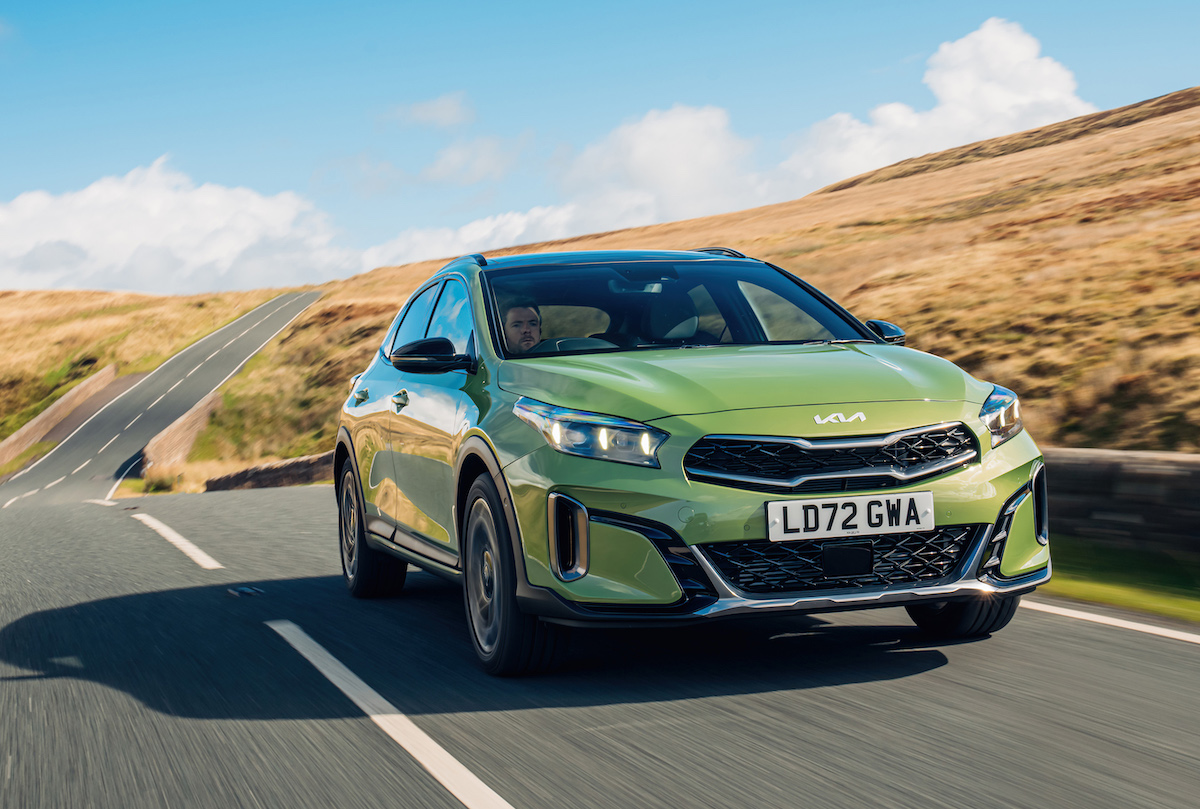
The XCeed is halfway between a conventional hatchback and an SUV. It shares a platform with the Kia Ceed hatchback and the ProCeed Sportswagon (estate), both of which were superseded in 2025 by the Kia K4, but dresses it in more rugged body panels.
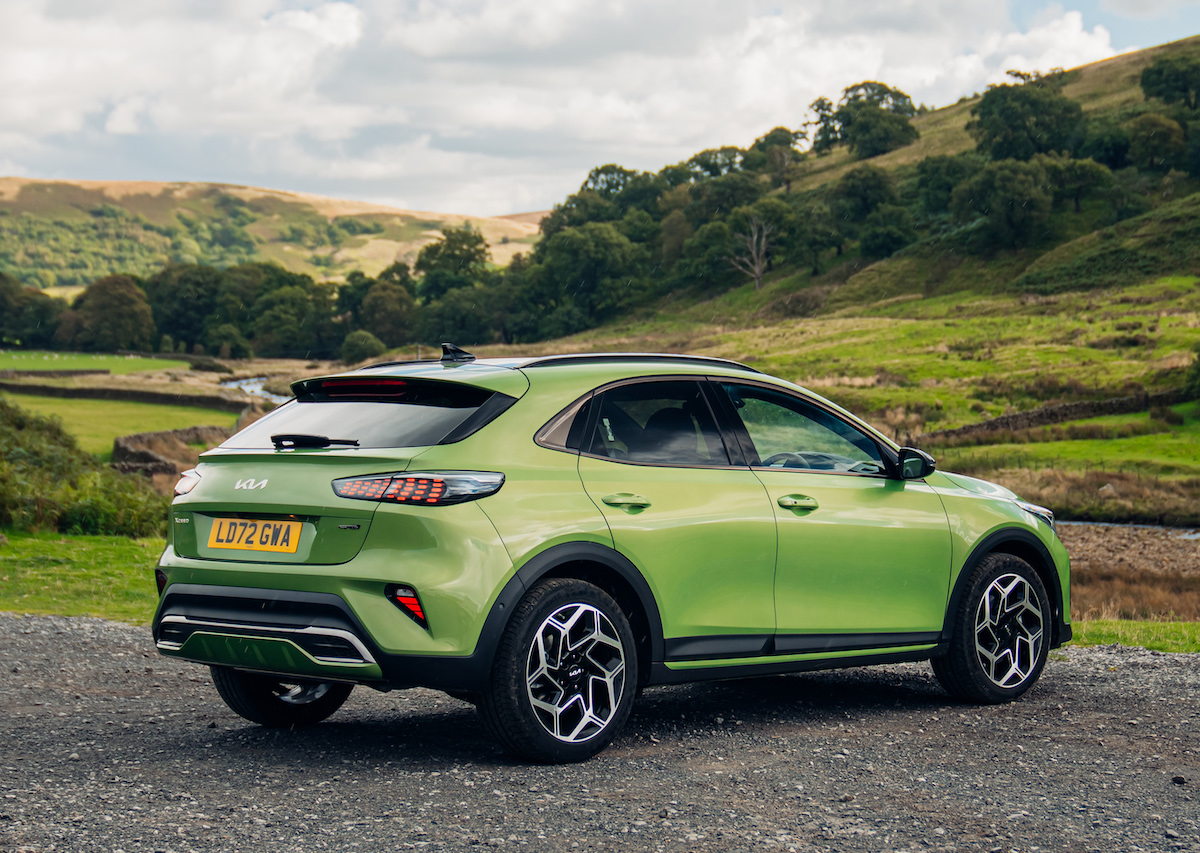
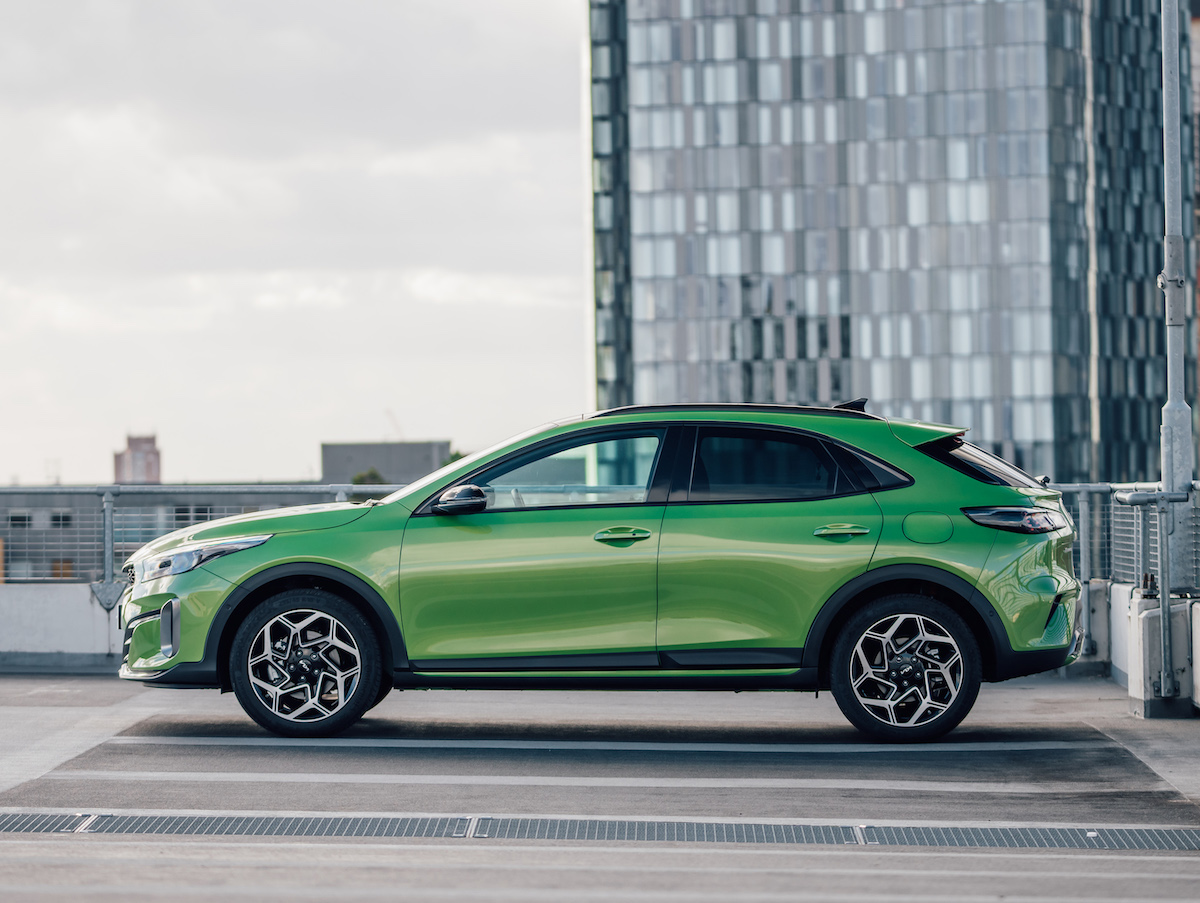
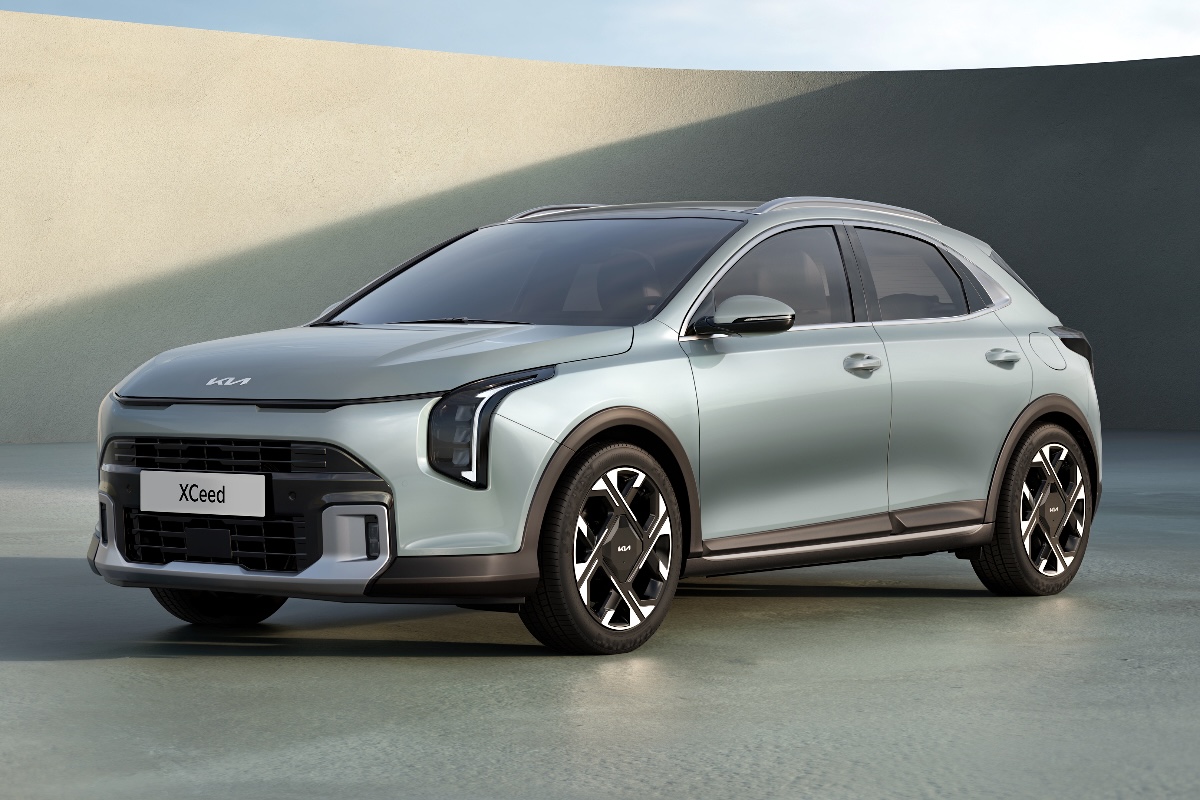
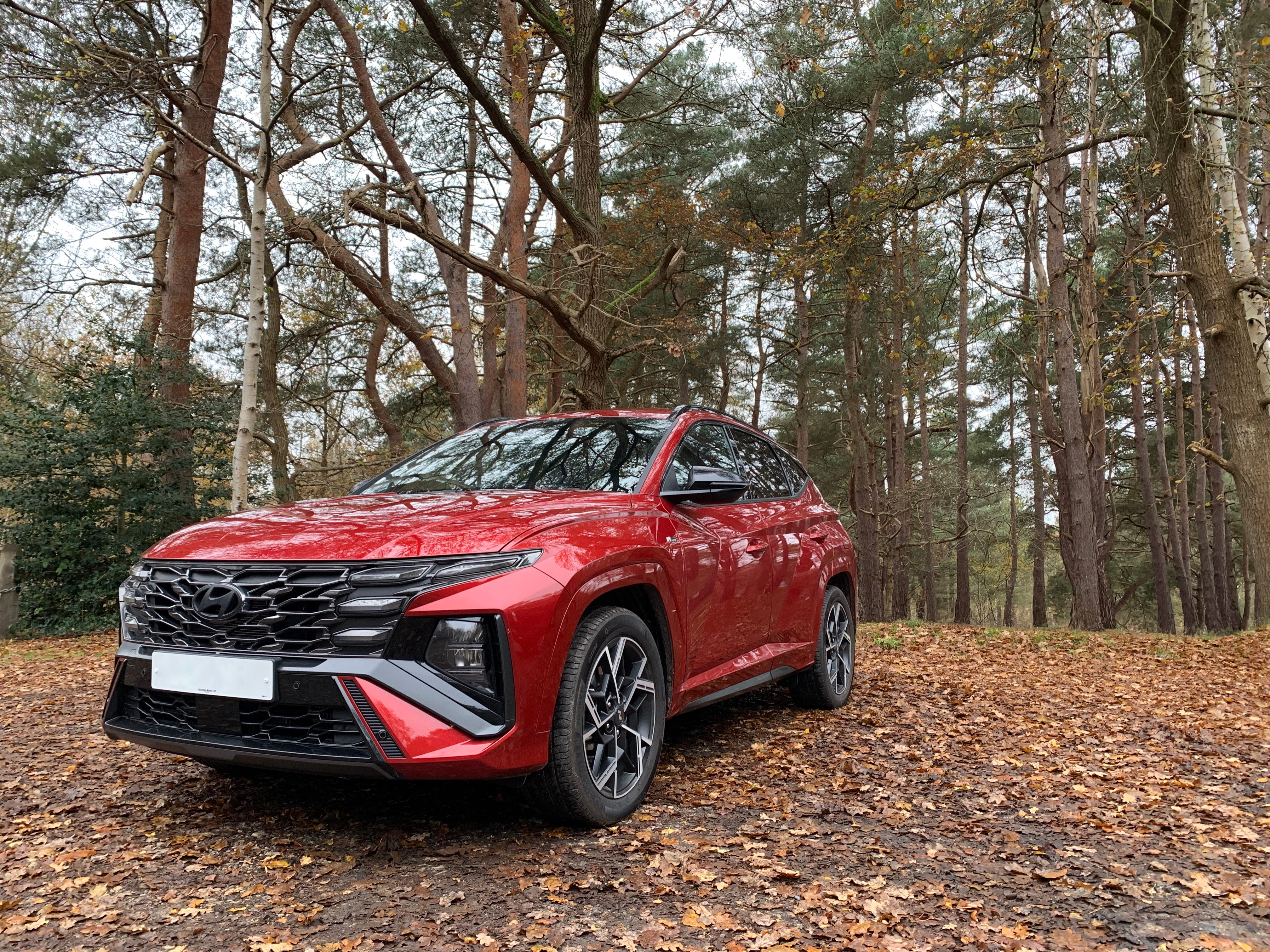
The design successfully resolves the competing demands of different body styles, with its long bonnet, set-back cabin, swooping roof, and plastic body mouldings, which give it an air of off-roader ruggedness. It’s a good look, especially with the honeycomb ‘tiger nose’ grille and the body-coloured bumpers.
The XCeed was launched in 2019 and facelifted first in 2022, and again in 2025. That means it’s quite an old design, and there are plenty more modern rivals out there, such as the Volkswagen T-Roc and Toyota C-HR.
Mind you, many older rivals like the Ford Focus Active have fallen by the wayside, leaving the XCeed as one of the few cars that offers compact hatchback dimensions to those seeking a slightly higher seating position than usual.
Practicality
How practical is it?
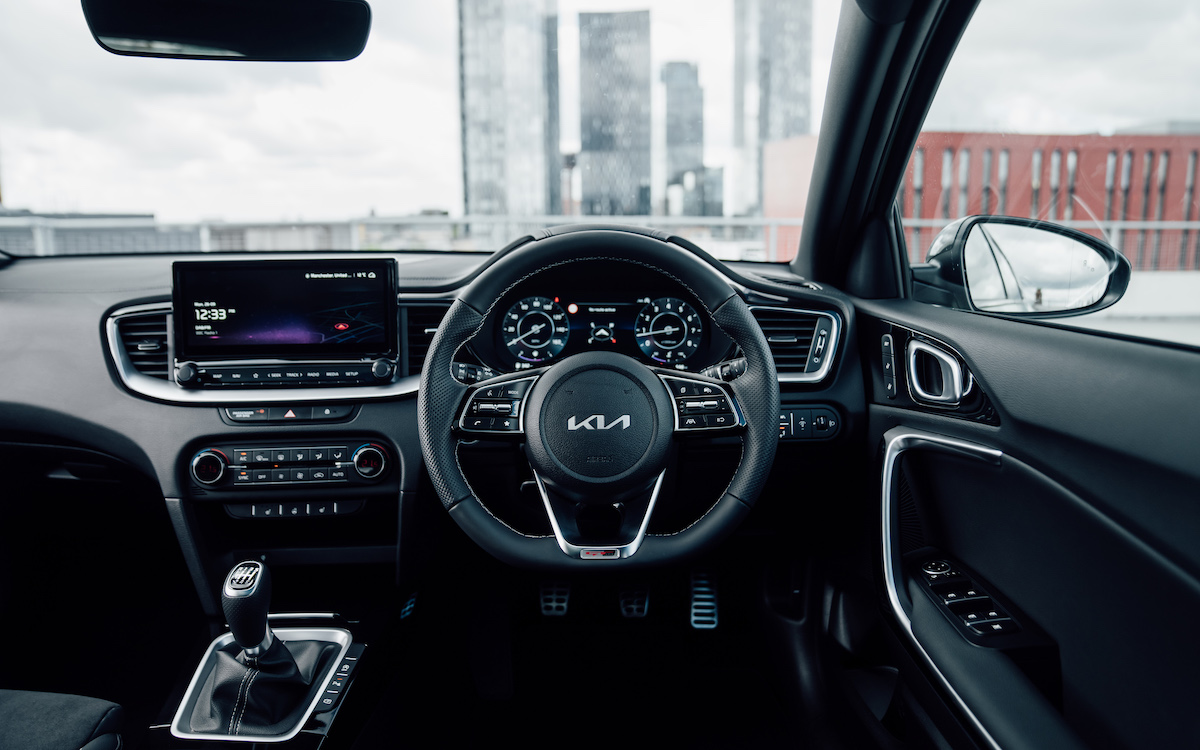
Kia has learned that buyers want the higher-quality cabins found in European models and adapted accordingly, so the XCeed has soft-touch plastics that lend it an air of a more expensive car, though it’s still no Audi or BMW. The dashboard is neat, well laid out, and oriented towards the driver.
The XCeed is spacious enough up front, meanwhile, and the slightly elevated driving position creates easier access and better forward visibility than you’d get in a normal hatchback. Mind you, room for odds and ends is a little limited, thanks to the slender door pockets and relatively small stowage cubbies.
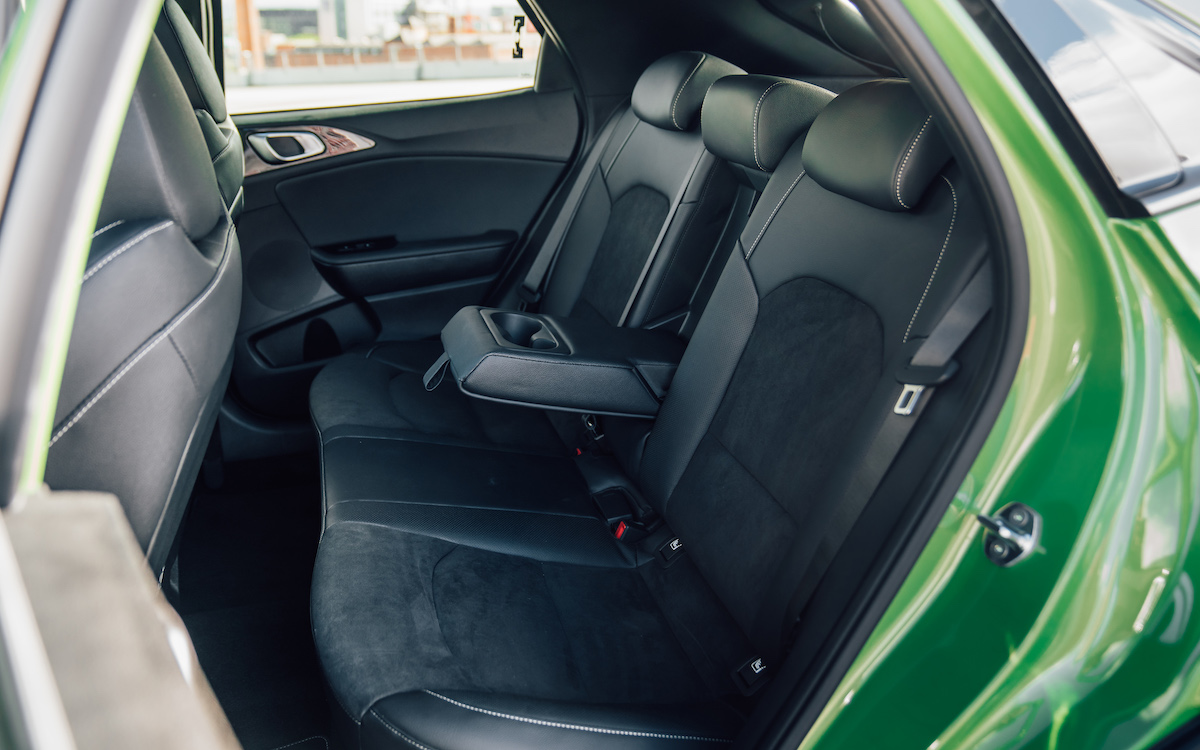
It’s less generous for passengers in the back, too; the sloping roofline compromises headroom for taller adults and legroom isn’t abundant, but children will have no issues, and there’s a flat floor, which the occupant of the rear middle seat will appreciate.
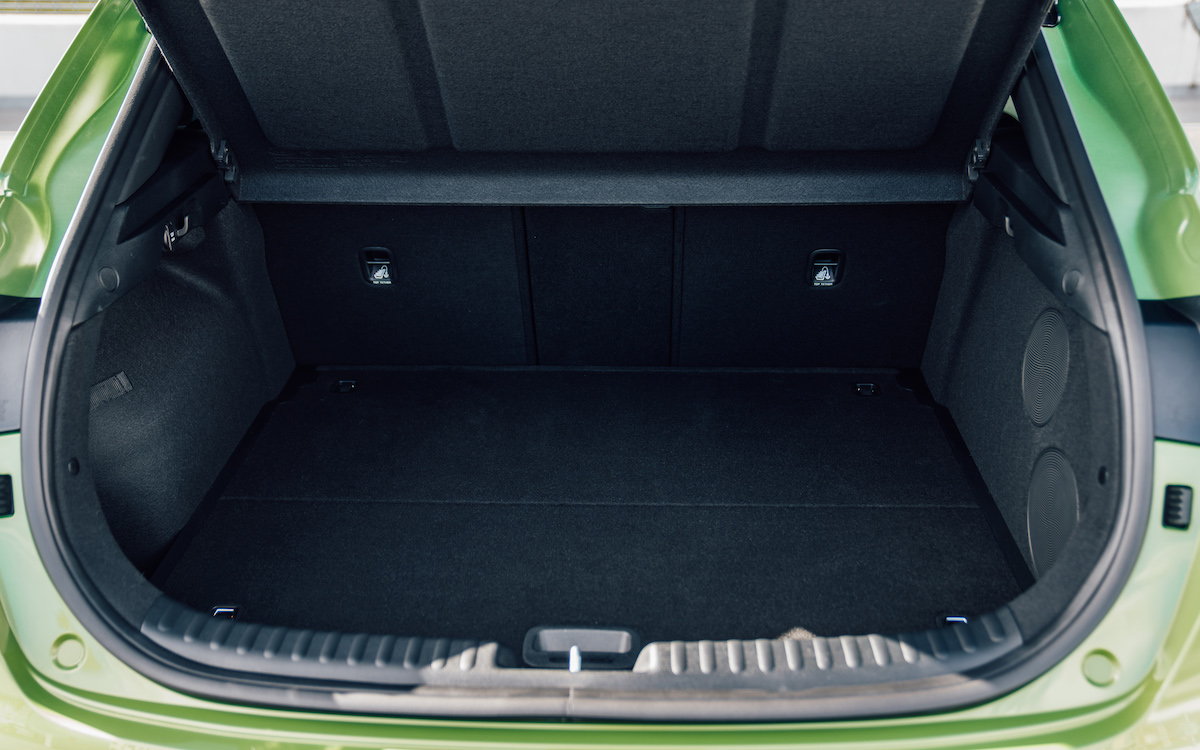
The boot capacity of 426 litres is among the best in the class, limited though that class is. It’s 40-50 litres more than the Citroen C4 and the Toyota C-HR, and only beaten by the Volkswagen T-Roc. That said, for the plug-in hybrid XCeed, the boot space drops to a less useful 291 litres in order to accommodate the lithium-ion battery.
Driving
What’s it like to drive?
The XCeed’s strength is its ride because it’s comfortable even on the larger 18-inch alloy wheels. There’s some firmness at low speed, but body control is good, and it’ll stride along a bumpy road in a reassuringly composed fashion. It’s a very easy car to drive, too, thanks to its slightly raised driving position and smooth, light steering. It can’t match the best in the class for engagement and accuracy, but again, comfort and ease are its strong points.
At launch, the flagship engine was a 138bhp 1.4-litre turbo petrol mated to either a six-speed manual gearbox or a seven-speed dual-clutch automatic. It’s very quiet and reasonably swift – 0–60mph takes 9.2 seconds in the automatic. Kia also offered a 118bhp 1.0-litre, three-cylinder turbocharged petrol engine or a 1.4-litre diesel with 114- or 134bhp, all of which come with a six-speed manual gearbox.
The 1.0-litre has more turbo lag than the 1.4 petrol that we've described above, as well as a notchy gear change and an abrupt clutch action that can make the drivetrain snatch when pulling away. It’s still far from a bad car to drive, though, and the acceleration is punchier once the turbo is in its stride (0-60mph takes 10.9 seconds).
Also available was a plug-in hybrid, which combines a 1.6-litre non-turbocharged petrol engine with an 8.9kWh battery pack and 44.5kW electric motor. This gives 139bhp, 0-62mph in 10.6 seconds, and the ability to drive up to 29.8 miles on EV range. Recharging the battery takes around 2 hours from a home wallbox.
In 2021, the 1.4-litre engine was dropped in favour of a 1.5-litre turbo petrol with 158bhp, which got from 0-62mph time to 8.7 seconds. It came with a six-speed manual gearbox, or a seven-speed dual-clutch automatic. Both are good, although in manual cars you need to drive around a slight deadzone in the engine's power delivery just above tickover, which can make it easy to stall.
This came ahead of a full facelift of the XCeed range in 2022, at which point the engine range was trimmed to just two: the 1.5-litre petrol, and the unchanged plug-in hybrid.
In 2025, the XCeed range was completely revamped. Both the plug-in hybrid and the 1.5-litre petrol engine were dropped, and for the majority of the range, the 1.0-litre three-cylinder engine was re-introduced, this time with the benefit of mild hybrid assistance for better fuel economy, though the power output was down to 113bhp. This can be had with either a six-speed manual or a seven-speed dual-clutch automatic gearbox, but either way, it feels like it has a job to haul the weight of the XCeed around; 0-62mph comes up in a leisurely 12 seconds.
Choose a GT-Line S model, however, and you get the choice between the 1.0-litre, or a 1.6-litre four-cylinder petrol turbo, each with the seven-speed auto. Power output here is 177bhp, which makes it the most powerful engine ever fitted to the XCeed, and brings with it a welcome boost in performance, with 0-62mph now taking 8.5 seconds.
Tech and equipment
Technology, equipment & infotainment
At launch there were three trim levels, called 2 and 3 and First Edition. There was no 1 trim offered in the UK because Kia wanted to position the XCeed as a slightly more upmarket Ceed variant.
Even the cheapest 2 cars had an impressive level of equipment, which included LED lights, a raft of safety features including autonomous emergency braking, lane keeping assist, and speed limit warnings, and the ability to control your smartphone from the infotainment system using Apple CarPlay and Android Auto.
3 then added heated seats, a heated steering wheel, dual-zone climate control and rear parking sensors while the First Edition got part-leather upholstery, adaptive cruise control in automatic models, and a panoramic sun roof.
In 2020 came a new special edition version of the XCeed called, rather confusingly, the Edition. It was came exclusively with the 1.0-litre engine and the manual gearbox, and was identical in specification to the 2, but featured metallic paint as standard in one of three shades.
Changes in 2021 meant that the First Edition was phased out in favour of a new 4 version at the top of the range, which kept much of the equipment and gained full leather upholstery, but lost the panoramic sunroof – which was now relegated to the options list.
This was short-lived, however, because in 2022 the 4 was dropped in favour of a top-spec GT-Line S models, with sportier styling and a fully digital instrument cluster. Shortly after this, a GT-Line model joined the range, too, with the same sporty styling but a lower specification.
The change was not clear-cut, however, because for a short while at the start of 2022, pre-facelift cars remained on sale while Kia used up its stock. During this period, the Edition model was renamed Connect.
Toward the end of 2025, things changed again, with the 2 and 3 models replaced with just one version, named Pure, which featured the specification of the 2, albeit enhanced with automatic wipers, climate control, and an auto-dimming rear mirror. GT-Line and GT-Line S versions retained the same specification.
Depending on the trim level, the touchscreen infotainment display is either eight or 10.25 inches. Speaking of infotainment, it's worth noting that we rate Kia's systems as some of the best in the business, with logical menus, clear graphics, and plenty of features.
What’s more, the XCeed benefits from its age, because it features old-fashioned climate controls with proper buttons and dials. These might not be as flashy as the touch-sensitive our touchscreen-based controls you’ll get in newer cars – but they’re easier to use, and much less distracting when you’re on the move.
Running costs
Kia XCeed running costs
As a new buy, the XCeed actually looks like pretty good value. Starting prices undercut those of rival family hatchbacks, which don’t come with the XCeed’s raised ride height, and even top-flight models look pretty reasonable given the level of equipment you’re getting.
And the difference is even greater when the XCeed is pitted against similar small crossovers; for example, the Volkswagen T-Roc will cost you around £5,000 more to buy brand-new.
The most fuel-efficient XCeeds, however, are diesels, for which you'll need to buy used rather than new. The engine is Kia's 1.6-litre CRDi unit, which is available with either 113bhp or 133bhp. Expect to see around 45mpg in the real world, which isn’t as much as you’ll get from contemporary rivals like the Ford Focus Active.
Of the pre-facelift petrol engines, the most efficient is a three-cylinder 1.0-litre T-GDi with 118bhp, which should just about manage 40mpg in the real world.
The 1.4-litre T-GDi should achieve around 35mpg, while the 1.5-litre engine that replaced it should get much closer to the 1.0-litre, averaging just shy of 40mpg. For both of these larger engines, though, expect to sacrifice a couple of miles per gallon if you choose the automatic gearbox.
Plug-in hybrid XCeeds have official fuel consumption figures of 201mpg and CO2 emissions as low as 32g/km. However, that assumes you do a lot of miles on electric power; in the real world, you’ll see significantly less – possibly as little as 35mpg if you never plug the car in.
Brand-new XCeed 1.0-litres will get one or two mpg more than the older versions thanks to their mild hybrid technology. The 1.6-litre petrol will be quite thirsty, though – don’t expect to see more than 35mpg in the real world, and less if you have a heavy right foot.
Kia XCeed reliability
Kia’s reputation for reliability is impressive. It came eighth out of 30 car companies in the 2025 What Car? reliability survey. What’s more, the Ceed, on which the XCeed is based, is one of the company’s most dependable products – it came first in the ‘family car’ category in the same survey, with a score of 98.8%, batting away rivals renowned for their reliability such as the Honda Civic and Toyota Corolla.
If something does go wrong, then Kia’s industry-leading seven-year/100,000-mile warranty – which is transferrable when the car is sold – is serious peace of mind. This is also a boon if you’re buying used; a three-year-old XCeed, for example, will still have four years’ worth of its warranty left, whereas a Volkswagen T-Roc’s, along with many other rivals’, will have expired.
Servicing intervals are every 20,000 miles (10,000 miles if your XCeed has a T-GDi engine) or once a year, whichever comes first. Kia has a series of service plans known as Kia Care, which are reasonably priced, spread the cost of regular maintenance and MoTs, and protect against inflationary price rises.

What owners say
Kia Xceed is a perfect size for driving on the motorway and in the city. Not too big,not too small. I like that it's a crossover SUV. Great size boot. This particular Xceed also has a good size engine.
25 November 2025Excellent car, no brainier with 5years remaining warranty
3 November 2022Three things to know
- The XCeed, like many models now built by Kia, was designed and is now built in Europe – Žilina in Slovakia, to be exact. It’s part of a policy by the Korean carmaker to match European rivals for design and engineering, and it’s working. The XCeed, like the Ceed and ProCeed, meets the expectations of European car buyers with its higher-quality interiors, sharp styling, and a fit and finish that wouldn’t look out of place on a car built by the Volkswagen Group.
- The XCeed PHEV comes with a new Virtual Engine Sound System, which emits an audible warning in electric-only mode at low speeds or when reversing, to alert pedestrians of the car's presence.
- The XCeed’s ride height has been raised by 44mm over the Ceed hatchback. That isn’t enough to transform it into a proper off-roader and the lack of a four-wheel-drive system is further proof that it’s no Land Rover Defender. Sitting a bit higher up does improve visibility, though.
Which one to buy
- If you’re on a budget: An early 1.0 T-GDi in 2 trim is the cheapest available model. The little petrol engine is a modest performer and can manage 0-62mph acceleration in just over 11 seconds, while the 2 trim is well specced, and offers lots of convenience and safety equipment for the money.
- The lowest-emitting version: The XCeed plug-in hybrid is the obvious choice for buyers who want to do their bit to improve local air quality. If you can charge at home or at work, and use the XCeed primarily for local journeys, you could cover most of your them in electric-only mode, which will significantly reduce running costs.
- The best all-rounder: We’d go for a 2021-2025 XCeed with a 1.5-litre petrol engine, in 3 form. This combination makes for a car that is easy to drive and packed with equipment. It’s also one of the quickest XCeed variants.
- Blow the budget: A brand-new XCeed 1.6 GT-Line S is the fastest XCeed there is, looks great, and comes packed with toys. Just keep in mind it’s also the thirstiest model available.


Pricing trends
Starting RRP
£24,765
Current avg. market price
£14,917
Trending down by 6.0% this month
April 2026 - October 2026
Compare 2026 Kia XCeed Trims
The 2026 Kia XCeed offers a blend of value and features, with a starting price that appeals to budget-conscious shoppers.
- Starting at £20,958
- Most Popular: 1.0t Gdi Isg 113 Gt-line 5dr Dct
Trim Overview
Prices updated weekly from CarGurus listings.
| 1.0t Gdi Isg 113 Gt-line 5dr | 1.0t Gdi Isg 113 Gt-line 5dr Dct (Most Popular) | |
|---|---|---|
| Starting MSRP | £26,175 | £27,275 |
| Avg. Market Price | £20,958 | £21,964 |
| Positioning | Best value | Fully loaded |
| Standout Features | Heated Steering Wheel, Android Auto, Backup Camera | Heated Steering Wheel, Android Auto, Backup Camera |
| Drivetrain | FWD | FWD |
| Listings Available | 14 | 22 |
Quick Compare Table
Listing prices sourced from CarGurus — updated weekly. OEM specs from manufacturer data.
| 1.0t Gdi Isg 113 Gt-line 5dr | 1.0t Gdi Isg 113 Gt-line 5dr Dct | |
|---|---|---|
| AI Summary | Best value option for budget-conscious buyers | Fully equipped with premium features |
| Avg. Market Price | £20,958 | £21,964 |
| MSRP | £26,175 | £27,275 |
| Engine | 1.0l I Petrol | 1.0l I Petrol |
| Drivetrain | FWD | FWD |
| Heated Steering Wheel | ✓ | ✓ |
| Privacy glass/Tinted windows | ✓ | ✓ |
| Android Auto | ✓ | ✓ |
| Parking Assist | ✓ | ✓ |
| Apple CarPlay | ✓ | ✓ |
| Bluetooth | ✓ | ✓ |
| Backup Camera | ✓ | ✓ |
| AUX/USB connectivity | ✓ | ✓ |
| Air Conditioning | ✓ | ✓ |
| Cruise Control | ✓ | ✓ |
| Navigation System | ✓ | ✓ |
| Heated Seats | ✓ | ✓ |
| Active Listings | 14 | 22 |
Missing data displayed as "—".
Trim Deep Dives
1.0t Gdi Isg 113 Gt-line 5dr — "Who It's For"
The 1.0t Gdi Isg 113 Gt-line 5dr is the pick for shoppers who want essential features without the extra cost of higher trims.
- Avg. market price: £20,958 (updated weekly)
- Inventory: 14 listings — lower availability; may limit negotiating room
- View 1.0t Gdi Isg 113 Gt-line 5dr listings
1.0t Gdi Isg 113 Gt-line 5dr Dct — "Who It's For"
The 1.0t Gdi Isg 113 Gt-line 5dr Dct is the choice for buyers seeking a fully loaded experience with advanced tech and comfort features.
- Avg. market price: £21,964 (updated weekly)
- Inventory: 22 listings — lower availability; may limit negotiating room
- View 1.0t Gdi Isg 113 Gt-line 5dr Dct listings
Trim Recommendations
Most Popular — 1.0t Gdi Isg 113 Gt-line 5dr Dct
With 22 active listings, the 1.0t Gdi Isg 113 Gt-line 5dr Dct is the clear volume leader in the lineup.
Browse 1.0t Gdi Isg 113 Gt-line 5dr Dct listings
Best Budget Option — 1.0t Gdi Isg 113 Gt-line 5dr
At £20,958 avg market price — below the lineup median of £21,461 — it's the most accessible entry point.
Browse 1.0t Gdi Isg 113 Gt-line 5dr listings
These recommendations are based on CarGurus' proprietary market data from October 22, 2026, CarGurus experts' opinions, and generative AI.

